
Cute can be deceiving when it comes to dogs with serious power and drive. Many beloved family pets also appear in bite and aggression statistics, often due to poor training or management.
This guide does not shame breeds, but it highlights the responsibility that comes with them. If you love a strong, adorable dog, you will want to know exactly what you are taking on.
American Pit Bull Terrier
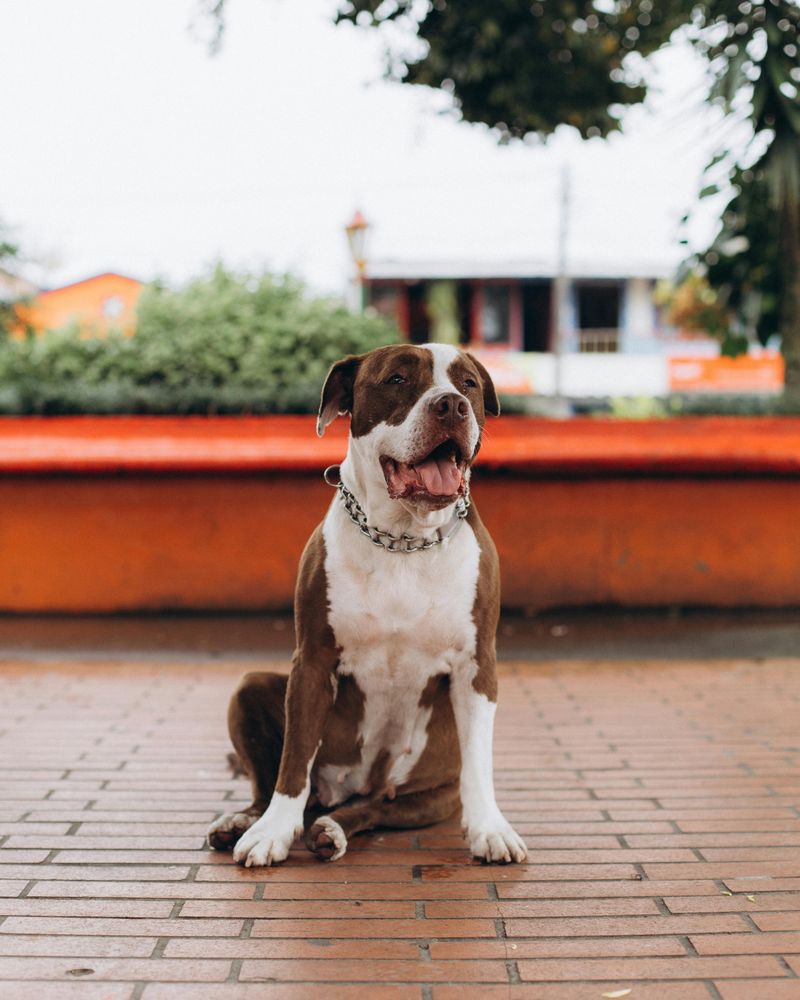
With blocky heads and goofy smiles, American Pit Bull Terriers can look like absolute sweethearts. Statistics tell a tougher story, especially where training, socialization, and management fall short.
High prey drive, muscular power, and determination mean mistakes escalate fast if boundaries are unclear. You will hear glowing testimonials from responsible owners, but breed stigma exists for a reason.
These dogs crave structure, mental stimulation, and steady exercise. If you choose one, invest early in force free training, controlled introductions, and rock solid obedience.
Supervise around kids, secure fences, and manage play to avoid arousal spikes. I always suggest muzzles during uncertain scenarios and regular decompression walks.
With the right plan, a Pit Bull can thrive, but complacency is risky.
Rottweiler
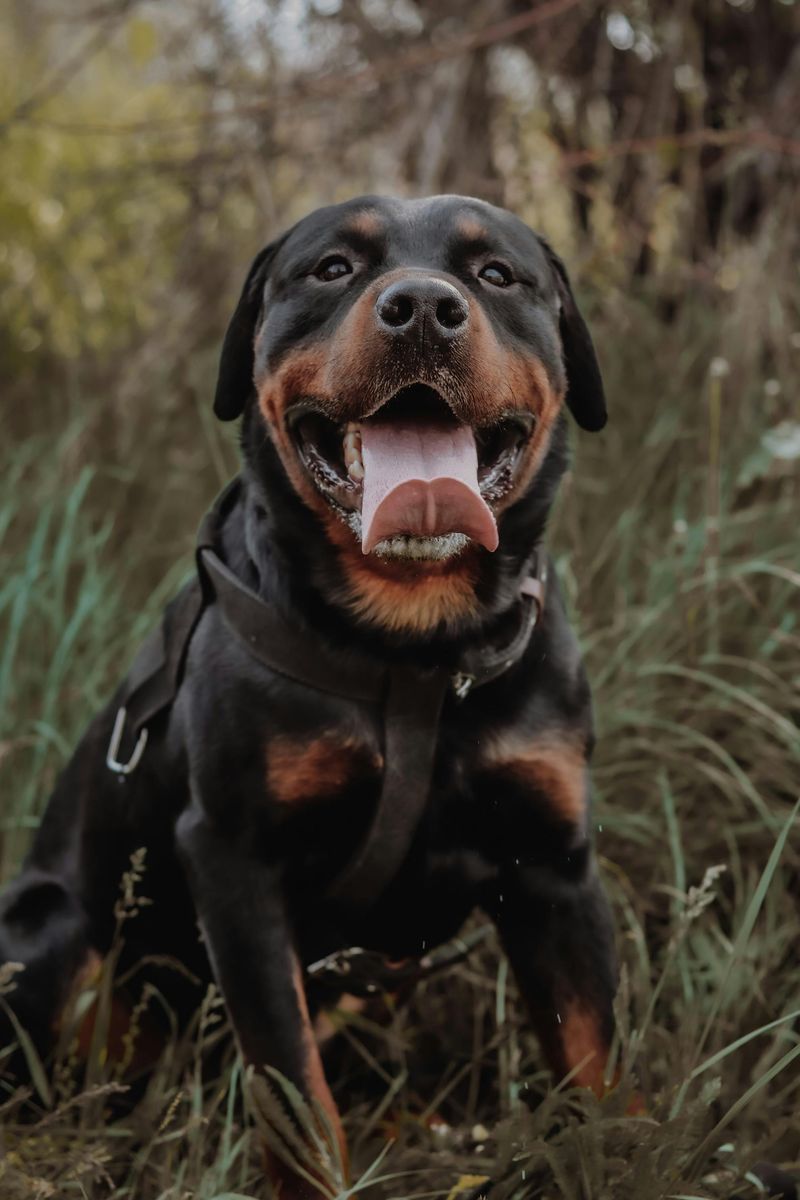
Rottweilers wear a teddy bear face over a working guardian’s engine. They are intensely loyal, which can turn protective fast if boundaries are fuzzy.
Because they mature slowly, pushy adolescent behavior often gets accidentally rewarded. Later, that same confidence appears as reactivity around strangers, delivery people, or chaotic play settings.
If you love this breed, plan on serious obedience, calm neutrality training, and excellent leash skills. You will want structured socialization, not just random dog park chaos.
Teach impulse control, implement place training, and uphold rules consistently. I recommend clear routines, safe crating, and supervised greetings.
When channeled well, a Rottie is a steady rock. Without structure, their mass and momentum magnify small mistakes into major incidents.
German Shepherd
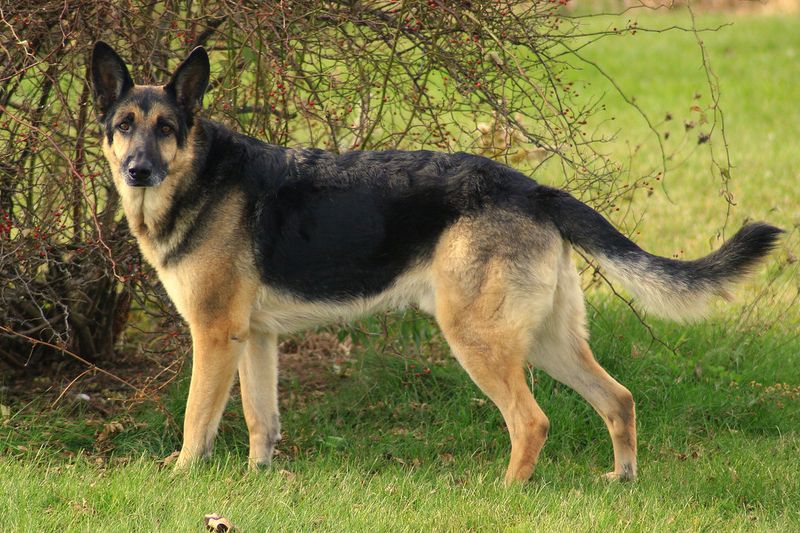
German Shepherds look like noble movie stars, but they are high drive workers at heart. Many pet owners underestimate their need for daily jobs, not just walks.
Without outlets, reactivity, territorial barking, and herding nips can spike. Their power, speed, and commitment make poor decision making risky for bystanders and smaller animals.
Give this breed structure, scent work, obedience drills, and bite inhibition from day one. You will want calm exposures to crowds, bikes, and delivery noise.
Keep arousal low with pattern games, and practice neutrality around strangers. I suggest consistent handling among family members so cues stay crystal clear.
When engaged properly, Shepherds become phenomenal partners. Leave them underworked, and problems scale quickly with their athletic ability.
American Bulldog
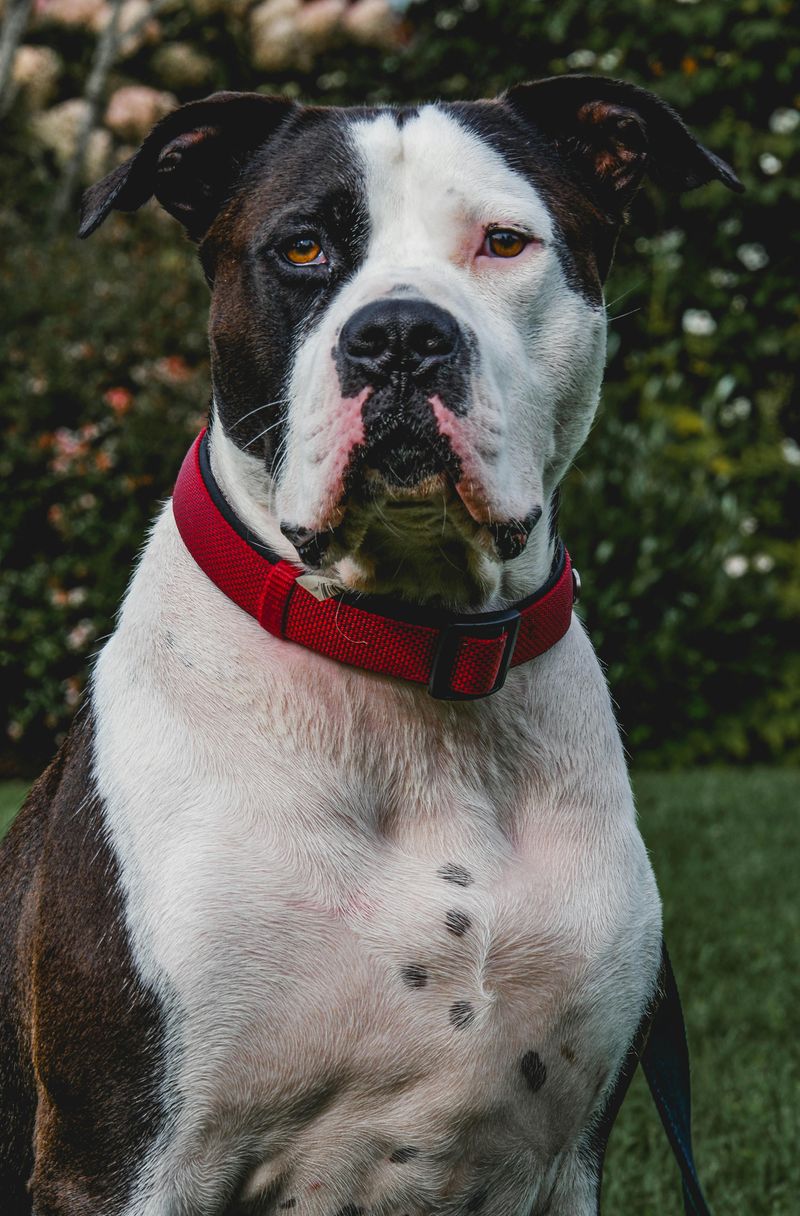
American Bulldogs carry a charming, clownish vibe that hides serious heft and drive. Historically used for tough farm work, they need boundaries and purposeful activity.
When bored, they can body slam during play, mouth too hard, or guard resources. Combine that with determination, and you have risk if training lags or management slips.
Start with rock solid obedience, polite leash manners, and reliable recall. You will want controlled greetings and firm rules about jumping, doorways, and toys.
Build bite inhibition with tug rules and clear out cues. I recommend secure fencing, gradual socialization, and structured exercise like flirt pole sessions balanced by calm decompression.
With thoughtful leadership and consistency, these dogs shine. Without it, accidents happen at full force.
Bullmastiff
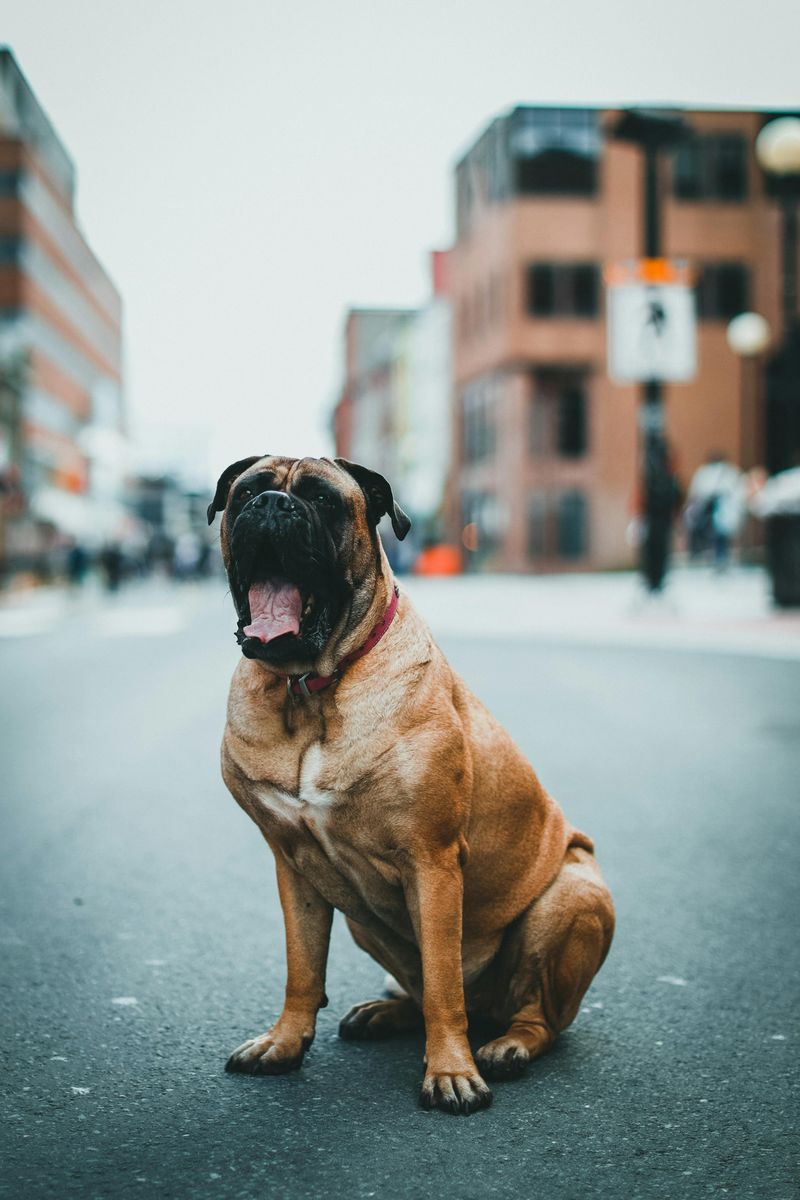
Bullmastiffs look like sleepy couch ornaments, but their guardian heritage runs deep. They are quiet, confident, and can move faster than you expect.
When they decide to block, body pressure alone can end a situation. That same calm presence becomes dangerous if the dog misreads guests, delivery staff, or playful chaos.
Clear door protocols and guest management are essential. You will want early socialization focused on neutrality rather than over friendliness.
Teach place, out, and leave it with high reliability. I like structured leash work, muzzle training, and calm field trips to practice impulse control.
Keep routines predictable, and watch for subtle stress signals. With patient guidance, Bullmastiffs become gentle guardians.
Without it, their mass becomes an unforgiving factor.
Cane Corso
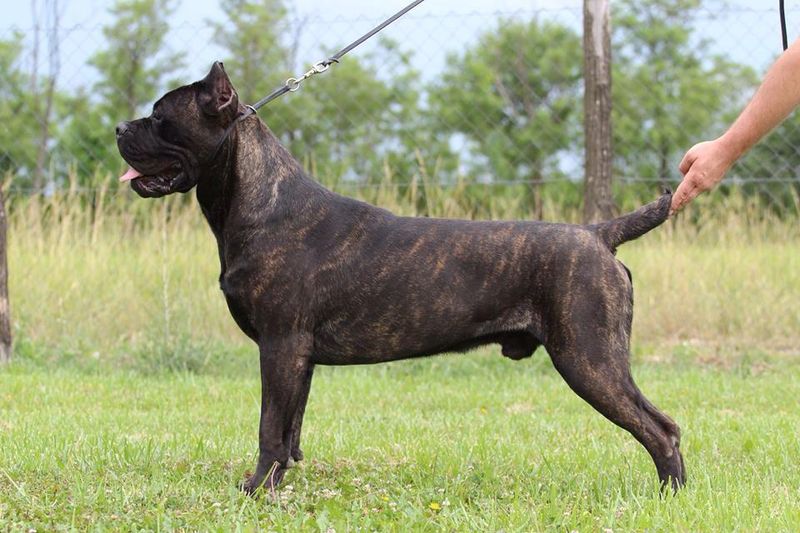
Cane Corsos are breathtaking, with panther like movement and majestic confidence. That beauty arrives with a sharp guardian instinct and territorial tendencies.
Poorly socialized Corsos can default to suspicion, which becomes dangerous considering their size and grip strength. They are not weekend project dogs.
They require daily leadership, mental work, and precise handling.
Begin with foundation obedience, neutrality training, and calm exposure to urban noise and visitors. You will want controlled greetings, handler focus, and reliable out commands.
Crate routines, muzzle conditioning, and fence checks are smart. I favor structured tug, scent games, and decompression walks to keep arousal balanced.
In the right hands, a Corso is steady and impressive. Inexperienced owners often struggle, raising statistical risk.
Doberman Pinscher
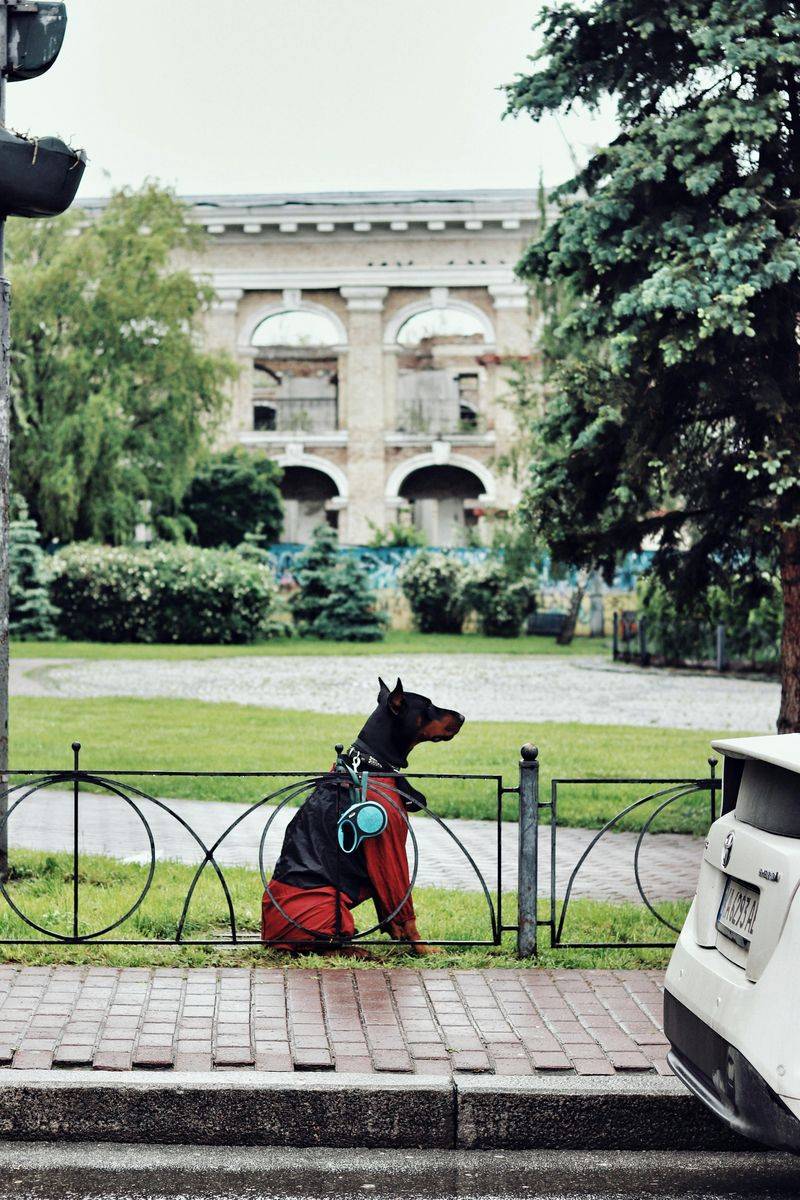
Dobermans combine elegance with serious nerve. Their protective instinct can activate quickly when boundaries are unclear.
Sensitive and brilliant, they read your emotions and environment closely. That sensitivity cuts both ways, boosting trainability yet increasing reactivity if routines wobble.
They need consistent expectations, mental work, and calm leadership every day.
Focus on neutrality around strangers, cooperative care, and rock solid impulse control. You will want heeling practice, place training, and off switch routines at home.
Teach out and leave it thoroughly to avoid conflict over toys or space. I recommend enrichment puzzles, tracking games, and steady exercise balanced with decompression.
When their brain is engaged, Dobermans thrive as affectionate shadows. Without structure, they can overreact in a flash.
Alaskan Malamute
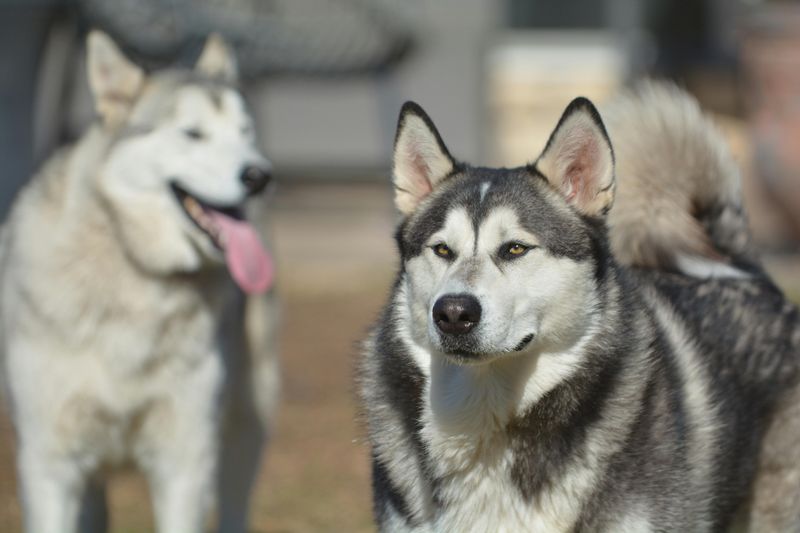
Alaskan Malamutes look like cuddly snow bears, yet they were bred to pull with power and endurance. That determination sometimes surfaces as stubbornness, door dashing, or prey drive toward small animals.
When arousal spikes, playful mouthing can get too physical. Their beauty often leads people to underestimate training needs and containment.
Build strong recall, boundary games, and calm handling early. You will want secure fencing, double leashing in busy areas, and slow introductions to small pets.
Channel energy with carts, weight pulls, or structured hikes. I like scent work to tire the brain without endless frenzy.
Keep routines steady and avoid rough play that ramps intensity. With guidance, Malamutes stay delightful companions.
Unchecked impulses, though, raise statistical bite risks.
Siberian Husky
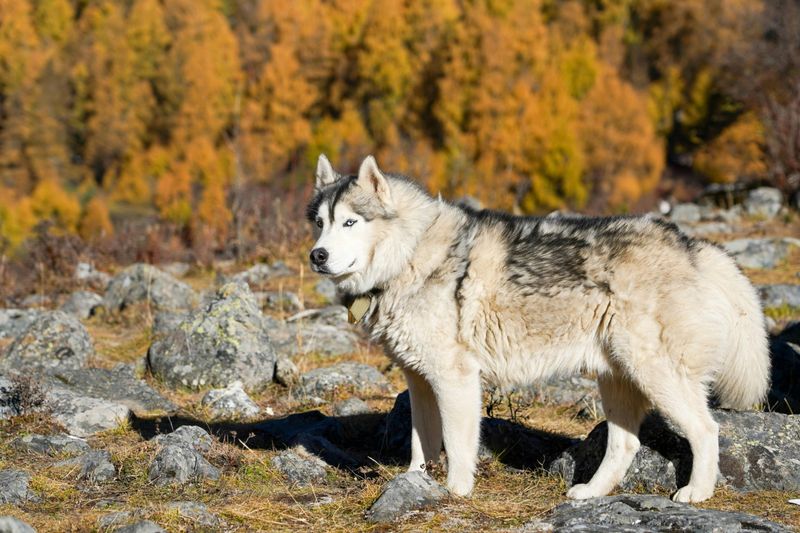
Siberian Huskies wear a mischievous grin that melts defenses. They are escape artists with energy to spare, and that combination invites trouble.
While often friendly, arousal during chase or rough play can tip into nips or scuffles. Their vocal nature and prey drive need channeling or misadventures follow.
Train recall, leave it, and leash manners like your dog’s safety depends on it. You will appreciate harness work, canicross, and puzzle feeders that burn fuel intelligently.
Keep fences tall and locked, and supervise interactions with smaller pets. I recommend decompression walks, calm settle training, and reliable door boundaries.
With consistent structure, Huskies shine as fun partners. Left to their own devices, they generate chaos and raise incident statistics.
Chow Chow
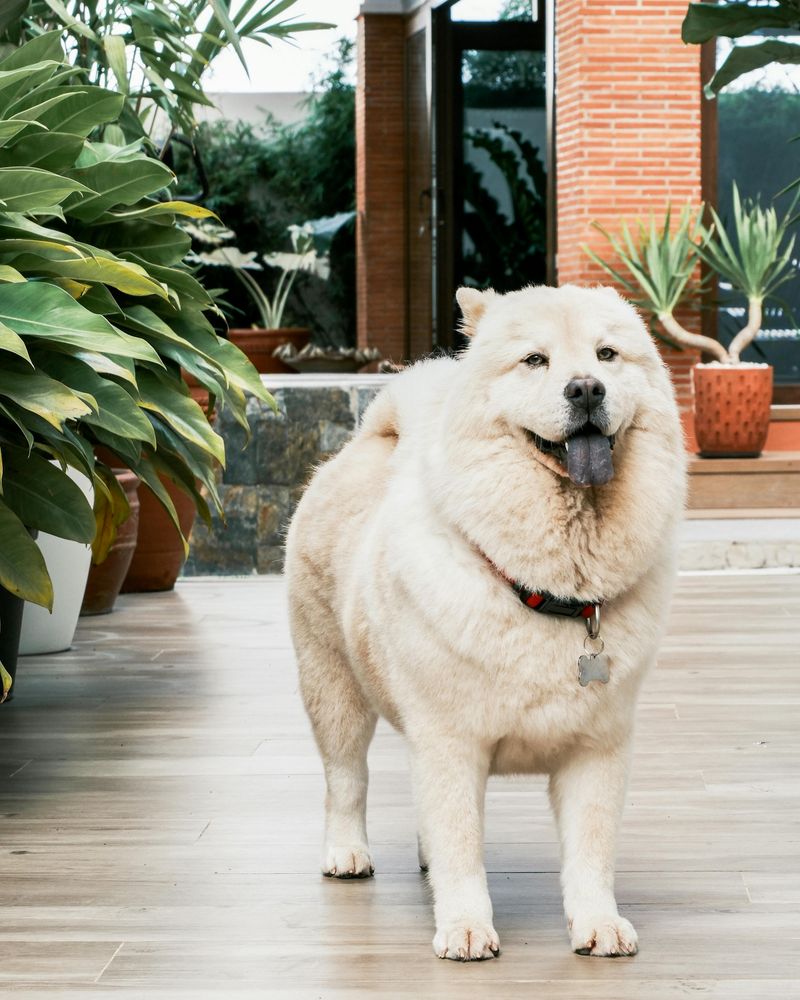
Chow Chows look like living teddy bears, but they are independent and sometimes aloof. Protective tendencies can surface without clear guidance, especially around strangers or handling.
Grooming and vet care require cooperative training, or restraint may spark conflict. Their stoic nature hides stress signals, so people miss early warnings.
Prioritize muzzle conditioning, touch desensitization, and polite greeting routines. You will want calm exposures to guests with clear yes and no zones.
Teach place and out with consistent, reward based methods. I suggest short, focused training sessions to respect their independent streak.
Keep expectations predictable and avoid pushing interactions. Managed well, Chows are dignified companions.
Ignored signals, though, can lead to sudden confrontations that skew statistics.
Akita
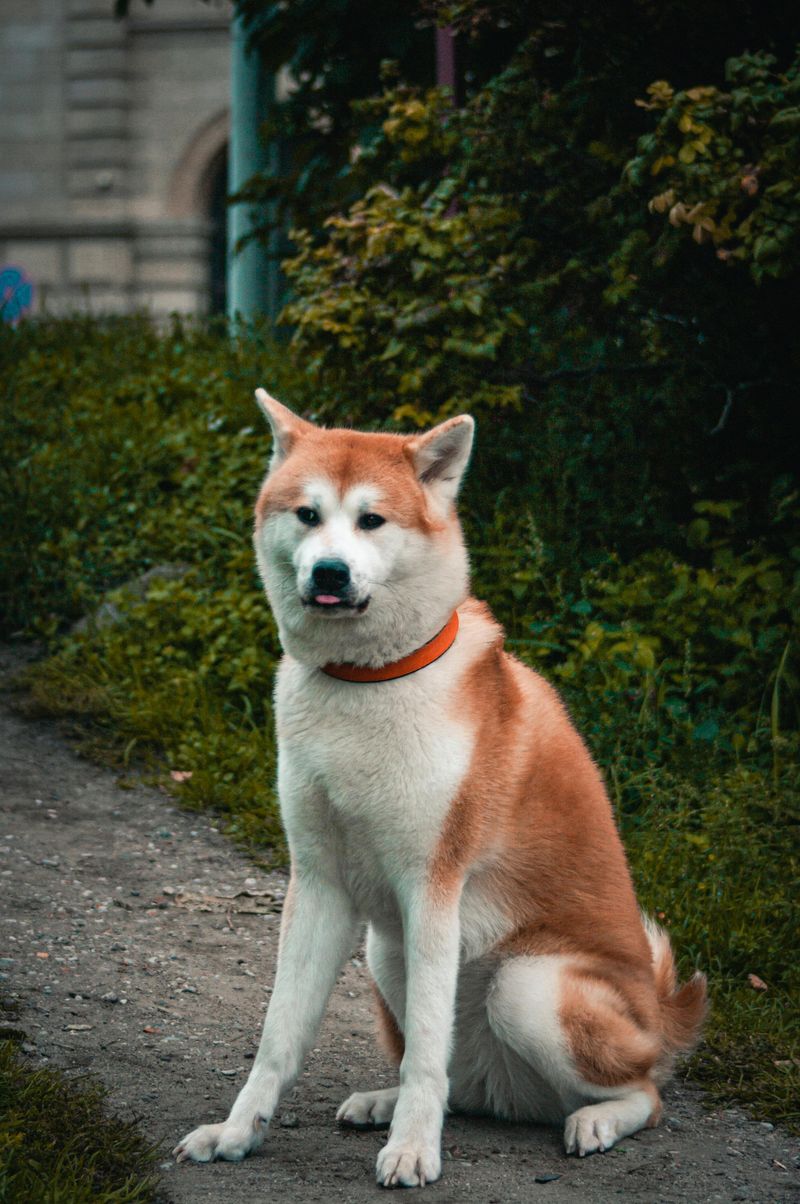
Akitas present serene beauty with a guardian core. They can be intolerant of pushy dogs and may guard space or family.
Quiet and thoughtful, they escalate without a lot of warning barks. That composure makes management critical because mistakes can be decisive due to size and grip strength.
Start neutrality training early, focusing on calm passes of dogs and people. You will want reliable out, leave it, and place cues.
Keep introductions slow, supervise around children, and respect their boundaries. I like muzzle training, secure fencing, and daily decompression walks.
Mental work matters as much as exercise. With respectful leadership, Akitas are steady and loyal.
Without it, miscommunications turn into serious incidents that echo in statistics.
Presa Canario
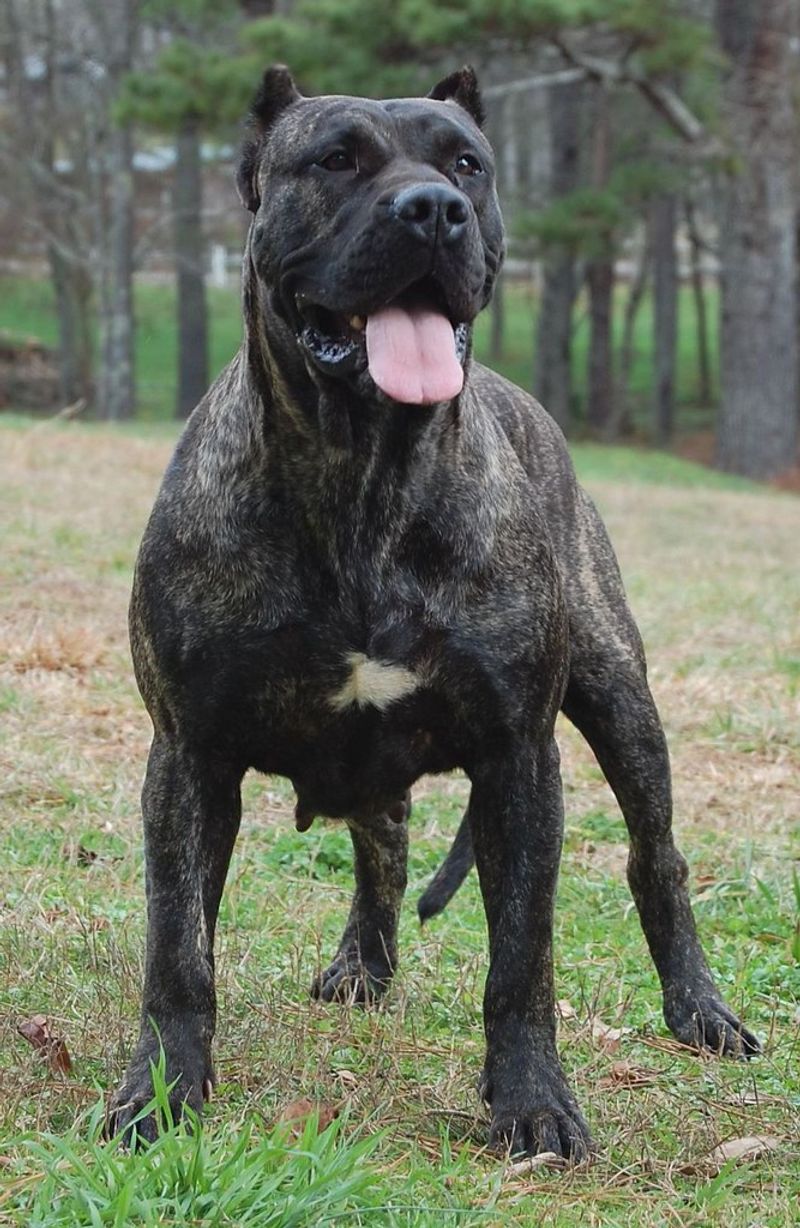
Presa Canarios command attention with their imposing presence. Bred for guarding and ranch work, they carry confidence that needs expert channeling.
Poor socialization and inconsistent rules create risk quickly. Because they are strong and committed, even minor scuffles can escalate.
This is not a casual pet for busy schedules or apartment guesswork.
Implement early obedience, neutrality around visitors, and rock solid out and recall. You will want structured exercise, secure enclosures, and strict guest protocols.
Condition a muzzle for vet visits and uncertain scenarios. I recommend regular engagement like tracking or protection sport under ethical, balanced coaching.
Keep arousal low and routines predictable. In skilled hands, Presas are impressive partners.
Handled loosely, they appear too often in scary statistics.