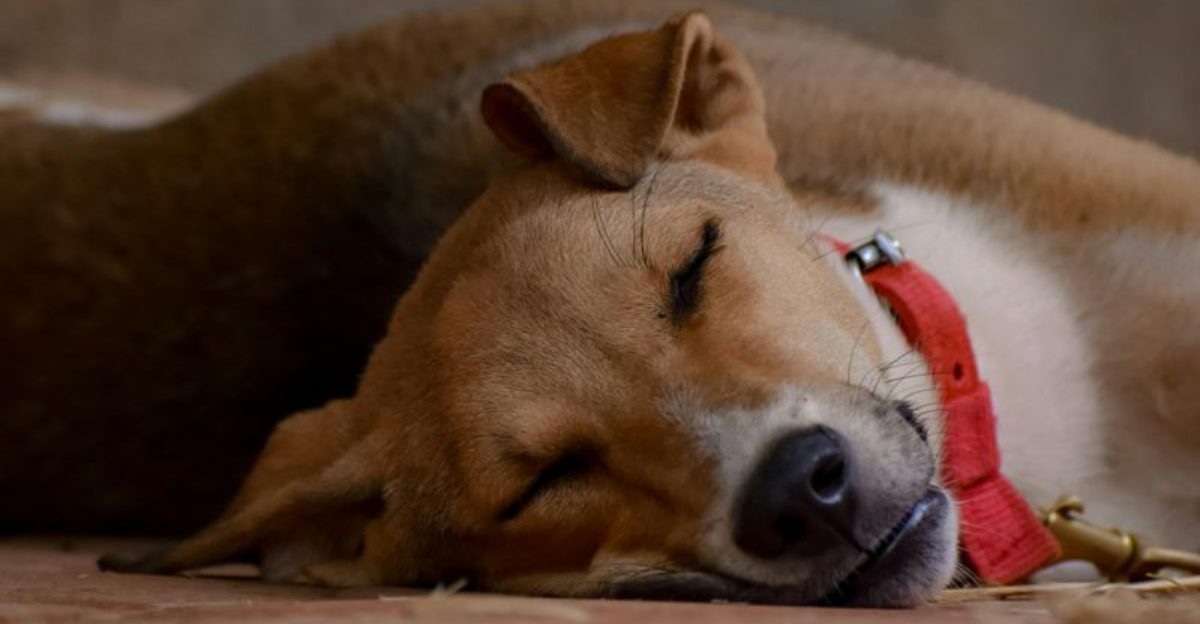
Dogs are experts at masking discomfort, and the quiet signs often slip past even the most attentive owners. Catching small changes early can spare your pup from bigger problems and costly emergencies.
As you read, picture your dog and check each sign with fresh eyes. A little attention today could mean faster healing and a happier tail tomorrow.
Limping or favoring a limb
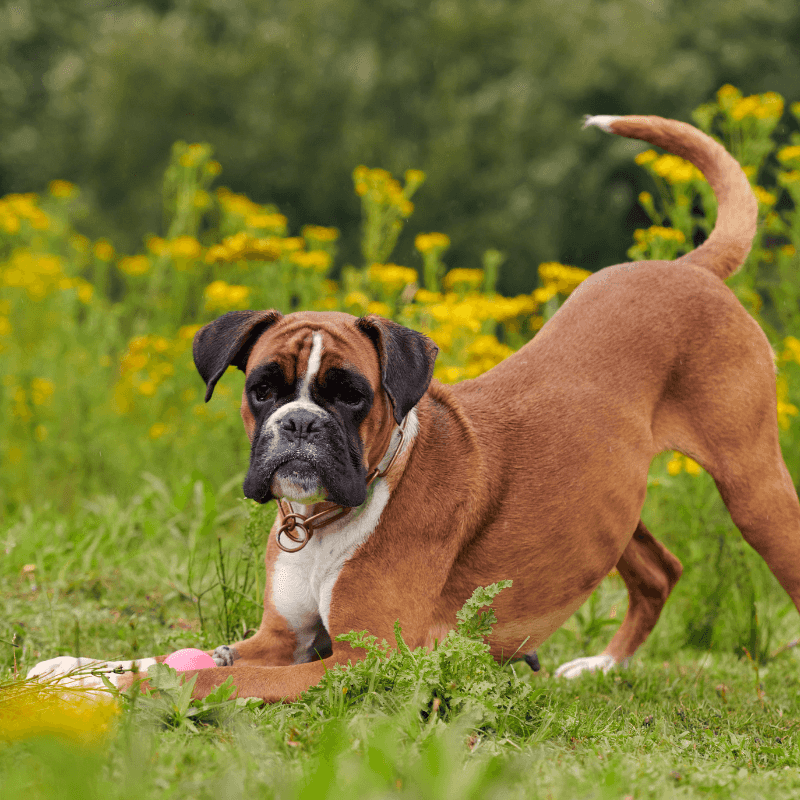
Notice a skip in your dog’s step, or a paw that never seems to touch down? Limping is a classic pain signal, whether from a sprain, joint disease, or a hidden thorn.
You might see shortened strides, stiffness after naps, or hesitating on stairs.
Check each pad and nail, feel the limb gently, and compare temperature and swelling. Restrict activity, use a non slip surface, and call your vet if limping lasts more than 24 hours.
Sudden lameness after trauma needs urgent care, especially with yelping, swelling, or a cold paw. Chronic, mild limping may point to arthritis, hip dysplasia, cruciate injury, or luxating patella, and early treatment can prevent worse damage.
Video the gait to show your vet.
Sudden loss of appetite
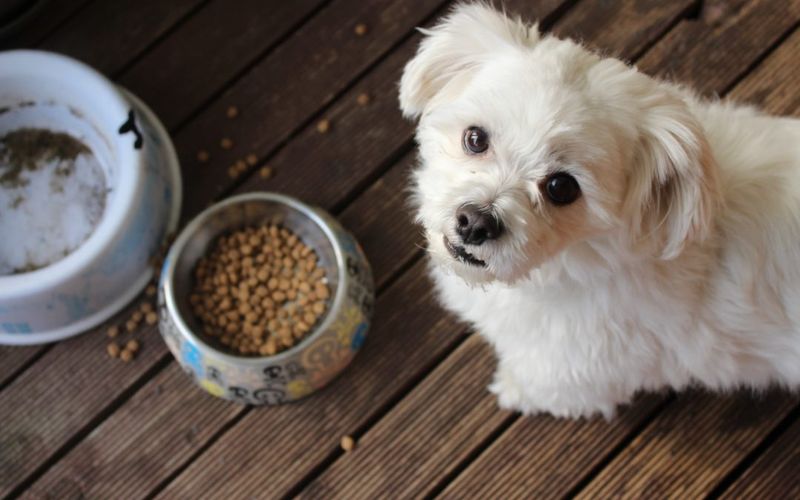
When a good eater suddenly snubs meals, pain is a prime suspect. Dental issues, gut inflammation, pancreatitis, or even a sore neck can make chewing and swallowing miserable.
You might also notice lip licking, drooling, or walking away from the bowl after a few bites.
Offer soft, warmed food, and avoid forcing bites. Check the mouth for broken teeth and look for vomiting, diarrhea, or dark stools.
Call your vet within 24 hours if water intake drops, energy crashes, or there is belly pain, because appetite loss can spiral fast. Sudden anorexia may link to fever, infection, kidney trouble, or medication side effects.
Track when it started, what changed, and any new treats. Bring a stool sample and a list of foods to your appointment.
Excessive panting

Panting after play is normal, but panting at rest can signal pain. Dogs pant to cope with stress, fever, and discomfort, not just heat.
Watch for a tight mouth, glazed eyes, and a hunched stance while the chest heaves quickly.
Measure breathing rate at rest and note any coughing or blue gums. Heat stroke, bloat, lung disease, or severe muscle pain may drive frantic panting that will not quit.
Move to a cool room, offer water, and seek urgent care if panting pairs with collapse, vomiting, or distress. Pain meds, heart drugs, or steroids can also trigger panting as a side effect.
Record a short video and bring any medications and supplements to the vet.
Whining or unusual vocalization

New whines, grumbles, or sudden yelps can be your dog’s way of saying this hurts. Pain changes tone and timing, often showing up at night or when moving from rest.
You might notice linked signals like pinned ears, lip lifting, or a tucked tail.
Try to note triggers, such as stairs, grooming, or rising after naps. Avoid scolding and focus on comfort, calm handling, and a prompt exam.
Sudden, sharp cries with guarding, panting, or collapse deserve emergency care to rule out fractures, bloat, or spinal trouble. Record the sounds, time stamps, and what happened right before and after.
A video helps your vet locate the source and choose safer pain control. Persistent crying, especially with fever, requires fast attention.
Hiding or avoiding contact
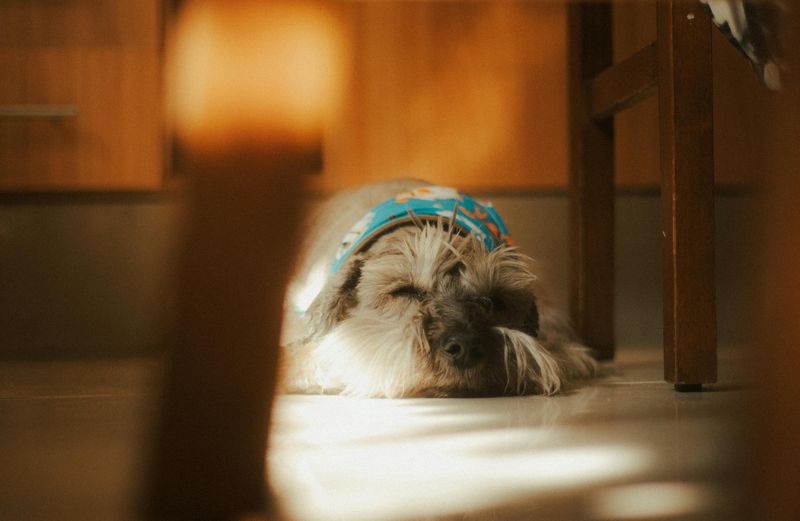
When a social dog slips under the bed or dodges your hand, pain may be the reason. Withdrawal protects sore spots and reduces stimulation that feels overwhelming.
You could also see reduced play, skipped greetings, and sudden barking at family or pets.
Keep interactions gentle and let your dog choose closeness. Provide a quiet space, soft bedding, and routine, then schedule a checkup.
If hiding pairs with trembling, heavy panting, or not drinking, do not wait, because dehydration and distress can escalate quickly without treatment. Track patterns in a diary, including time of day, activity, weather, and visitors.
That context helps your vet spot arthritis flares, migraine like headaches, or noise sensitivity linked pain. Short, predictable sessions rebuild trust while healing happens.
Changes in posture
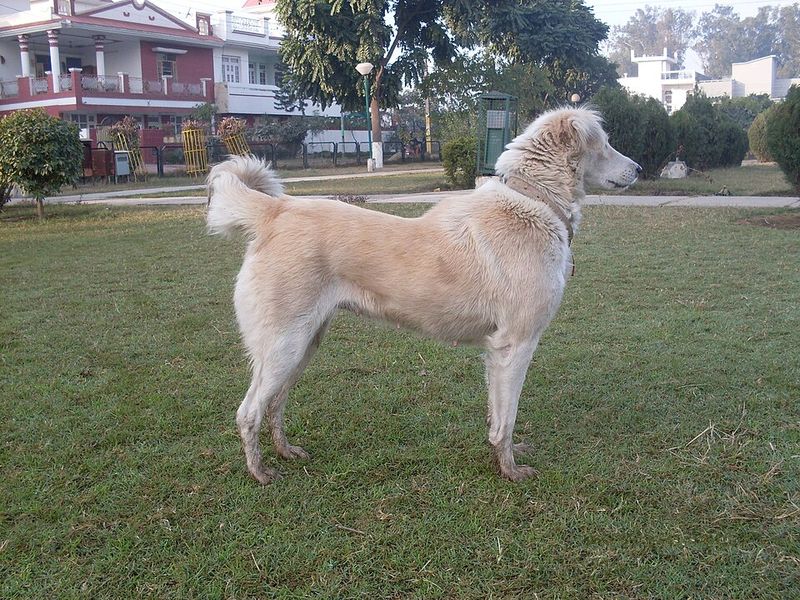
A painful dog often stands or lies oddly to guard sore areas. A tucked abdomen, roached back, or a head held low can point to belly, spine, or neck pain.
You might notice stiff turning, narrow steps, or sitting off to one side.
Compare how your dog moves on different surfaces and during slow turns. Avoid rough play and use ramps instead of jumps until a vet checks the spine and hips.
Sudden prayer position, bloated belly, or repeated stretching deserves urgent care to rule out bloat or pancreatitis. Video from the side, rear, and above to capture subtle shifts across strides.
Those clips help your vet localize pain and choose safer imaging or therapies.
Lethargy or low energy
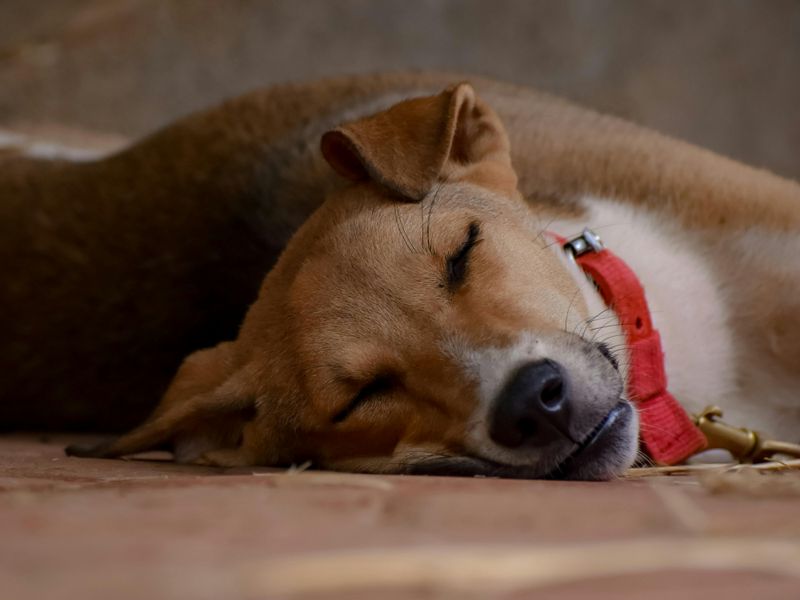
When pain lingers, energy drops, naps expand, and enthusiasm fades. A once bouncy dog might trail behind on walks or skip favorite games.
You may also see dull coat, grimacing, or slow responses when called from another room.
Rule out overexertion and heat, then consider soreness, infection, or organ trouble. Track sleep length, appetite, and heart rate at rest to share with your vet.
A sudden crash in energy with pale gums, vomiting, or collapse is an emergency that needs immediate evaluation. Pain steals curiosity, raises cortisol, and blunts play, so small changes matter.
Short, frequent walks, enrichment puzzles, and gentle massage can boost mood while causes are treated. If energy dips after new meds or vaccines, call your vet for guidance.
Aggression when touched
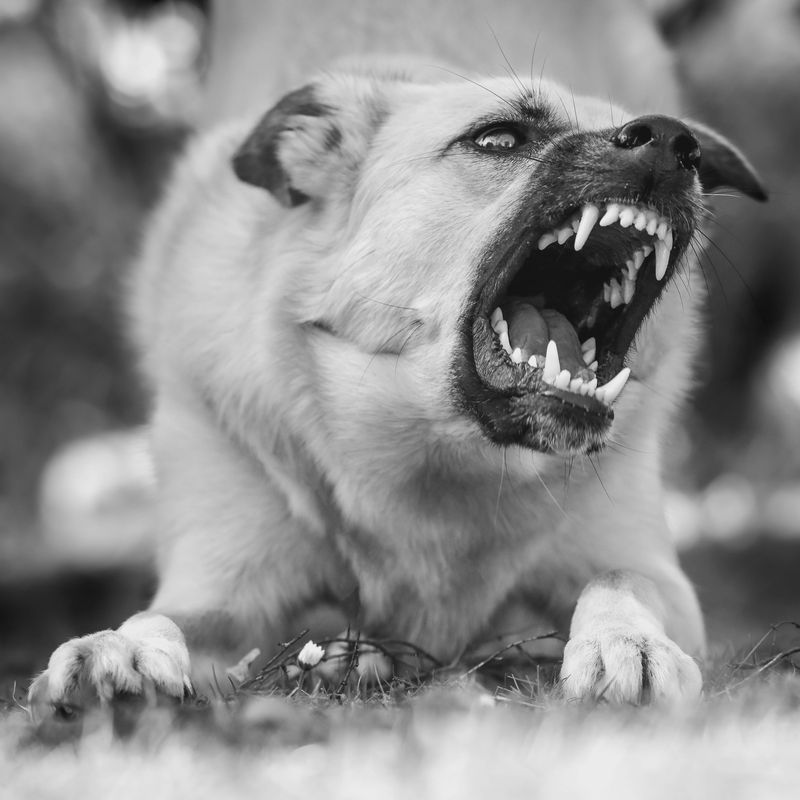
A friendly dog that suddenly growls, snaps, or stiffens when petted may be guarding pain. Touch can light up sore nerves, joints, or skin, turning routine handling into a threat.
Look for flinching, whale eye, or freezing before the reaction.
Do not punish. Instead, pause, map safe zones, and book a medical exam to uncover the root cause.
Use a basket muzzle for safety if needed, and teach consent cues, letting your dog opt in for brief, gentle contact while healing. Pain linked aggression often involves hips, elbows, neck, or skin infections.
Video triggers, note bite inhibition, and ask your vet about pain relief and behavior support. Avoid hugs from kids and skip rough play until treatment reduces sensitivity.
Restlessness or pacing
Pain can make it impossible to settle. You might see circling, constant shifting, or pacing from room to room, especially at night.
Some dogs repeatedly move positions, sigh, and look back at the belly or hind end.
Check for gas, bloat signs, urinary strain, or fever. Offer a padded spot, dim lights, and calming routines, but seek care if restlessness pairs with vomiting, panting, or a tight abdomen.
Pain that blocks sleep snowballs into anxiety, so early relief matters. Note time of onset, last meal, and any new foods or supplements.
Back pain, anal gland issues, and urinary stones commonly drive nighttime pacing. Short leash walks for bathroom breaks are fine, but avoid strenuous exercise until examined.
Excessive licking of one area
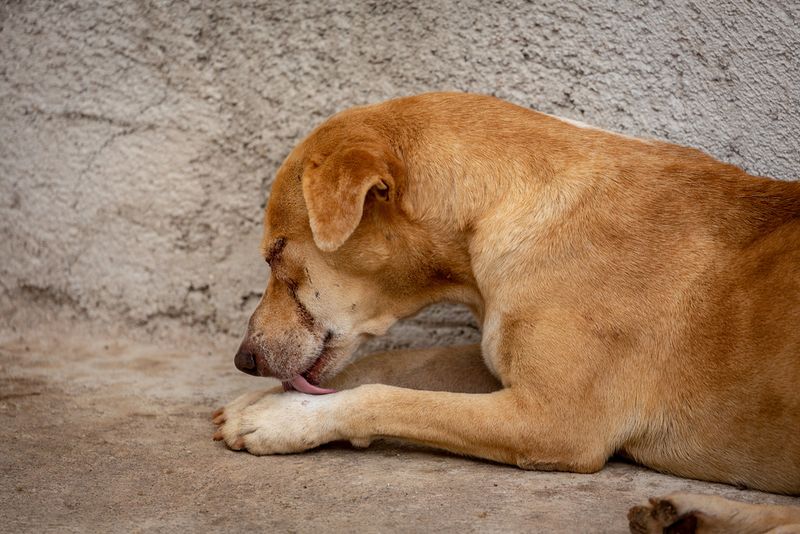
When a dog fixates on one spot, pain or itch is calling. Constant licking releases endorphins, but it also creates lick sores that worsen discomfort.
Common targets include wrists, knees, hips, toes, and surgical sites.
Inspect the skin for heat, redness, or discharge, and trim hair to see clearly. Use a recovery collar or bodysuit to block licking, then ask your vet about pain relief, allergy care, or infection treatment.
Behavioral boredom can add to the habit, so add enrichment and short walks. Foreign bodies, cracked nails, and joint strain often hide under the fur.
Clean gently with saline and save any discharge on a tissue to show your vet. Photos over several days help track healing and catch infection early.
Difficulty standing or lying down
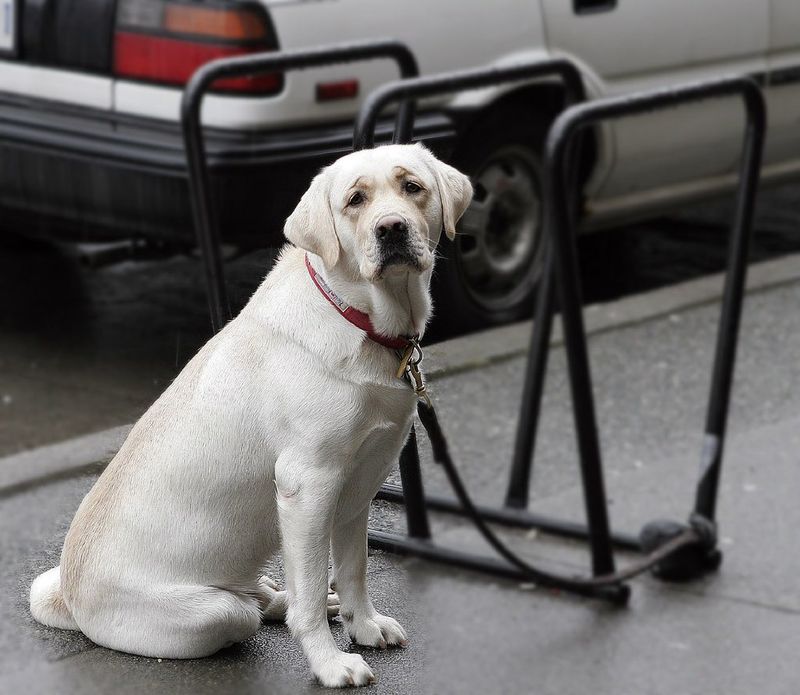
Struggling to rise or settling with a groan often signals painful joints or muscles. You may see rocking forward, hind end slippage, or repeated attempts before success.
Floors become obstacles, and favorite couches start to look impossible.
Add rugs for traction, raise bowls, and use a harness to assist without strain. Schedule a vet visit for pain relief, joint support, and to screen for neurologic issues.
Sudden inability to stand with crying, dragging paws, or loss of bladder control is an emergency. Consider memory foam beds, ramps to cars, and anti slip socks.
Short, frequent potty breaks and gentle range of motion help maintain comfort. If weakness waxes and wanes, note timing, medications, and recent activity for your vet.
Changes in bathroom habits
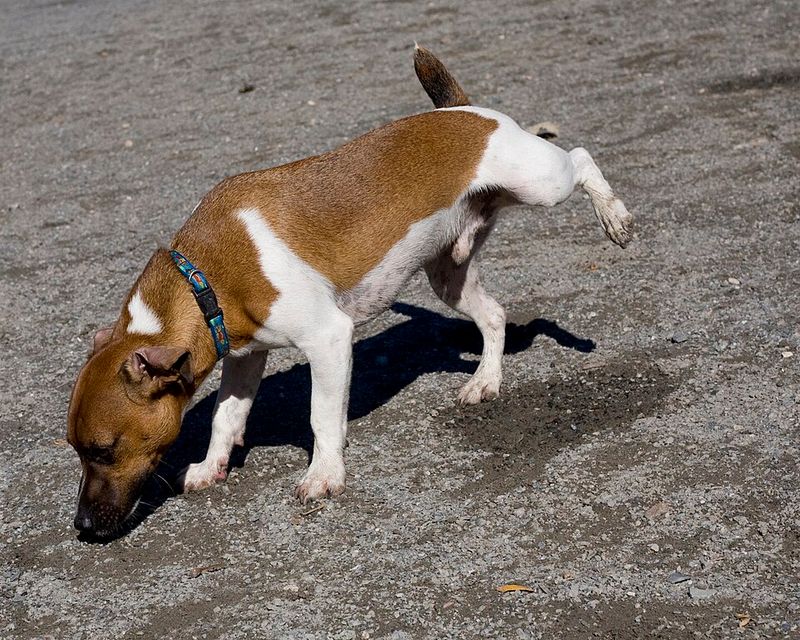
Pain can make peeing or pooping hard to start or finish. You might see straining, frequent attempts, accidents, or sudden house soiling in a well trained dog.
Dogs may hold too long to avoid pain, which risks infections and constipation.
Check urine color, stool texture, and look for blood or mucus. Back pain, anal glands, stones, or urinary infections can be involved, so call your vet promptly.
If your dog cannot pass urine, vomits, or cries when squatting, treat it as an emergency and go now. Note posture, urgency, and any licking of the genitals after attempts.
Bring a fresh sample if you can, using a ladle or clean tray. Higher water intake with weight loss could suggest diabetes or kidney disease.
Unusual eye expression
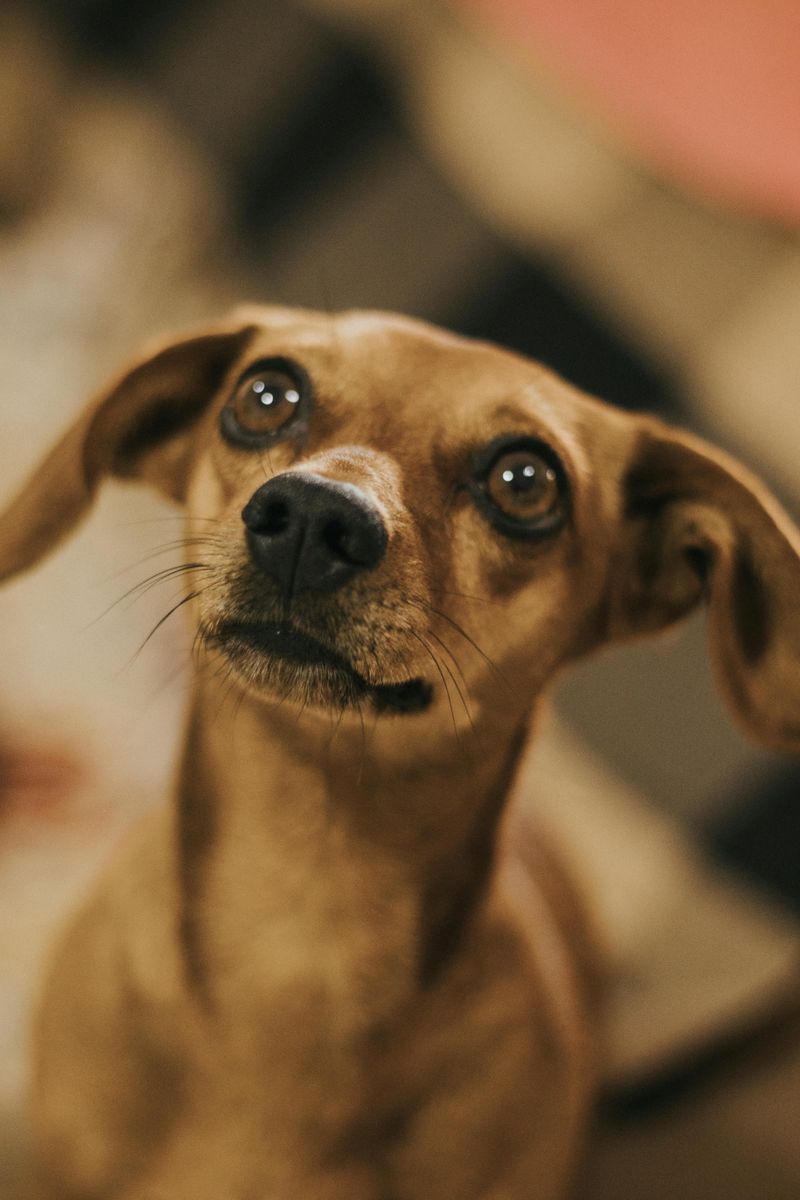
Eyes tell the pain story. A squint, narrowed pupils, or a hard, fixed stare can signal discomfort in the eyes, head, or elsewhere.
You might also see furrowed brows, a worried look, or rapid blinking when touched.
Check for redness, discharge, or unequal pupils, and avoid bright light if squinting. Eye pain can mean ulcers, glaucoma, or severe headache, so do not delay an exam.
Photos and short videos help your vet compare symmetry, track changes, and decide whether urgent eye pressure testing is needed. Keep the cone on and prevent rubbing, which can worsen injury.
If one eye looks larger, cloudy, or very blue, go to emergency care right away. Painful eyes can also cause nausea and restlessness, so monitor appetite and sleep.