
If you truly adore your dog, a few small changes can add comfort and years to their life. Some habits feel harmless, yet they quietly chip away at health, happiness, and trust.
Consider this your loving nudge to course correct before problems snowball. You will feel more confident, and your dog will thrive.
Overfeeding or poor diet

Food is love, but overfeeding slowly steals comfort and years. Extra weight stresses joints, heart, and lungs, and it raises the risk of diabetes and cancer.
Cheap fillers and unbalanced homemade meals can also shortchange protein, fatty acids, and essential minerals your dog needs.
Measure meals with a scoop, not guesswork, and follow your vet’s body condition chart. Choose high quality food that fits age, breed, and activity, or work with a veterinary nutritionist for home cooked plans.
Swap table scraps for crunchy veggies and use part of dinner as training treats. Recheck portions after spay or neuter and during season changes.
Aim for ribs you can feel, a waist you can see, and playful, steady energy.
Lack of daily exercise
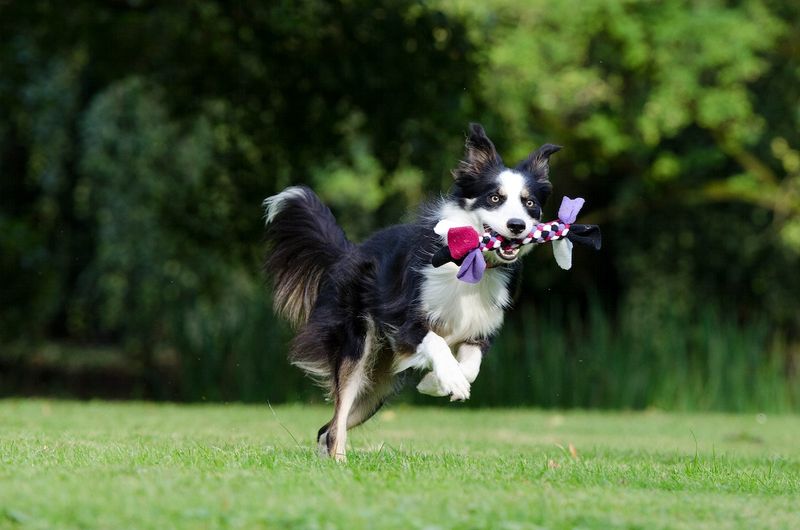
Dogs thrive on movement, not just backyard time. Without daily exercise, muscles weaken, weight creeps up, and boredom breeds problem behaviors like chewing or barking.
Skipping walks also starves the senses, because sniffing is brain work that eases stress and builds confidence.
Match activity to age and health. Try brisk walks, scent games, fetch, hiking on soft trails, or brief intervals for seniors.
Rotate routes, let noses lead safely, and practice loose leash skills along the way. On rainy days, use indoor tug, stair climbs, or puzzle toys to burn steam.
Ten minutes is better than none, but most dogs need more. Consistency protects joints, sharpens minds, and deepens your bond.
You will both feel calmer afterward.
Leaving them alone too long

Dogs are social, and long stretches alone can feel scary or dull. Extended isolation fuels separation distress, destructive chewing, potty accidents, and even depression.
Holding bladders too long also raises the risk of infections and makes housetraining fall apart.
Plan relief breaks every four to six hours for most adults, more often for puppies and seniors. Hire a walker, trade favors with neighbors, or set up doggy daycare a few days a week.
Leave safe chewies, a snuffle mat, and calming music for comfort. Use cameras to check in and adjust your schedule if you see pacing or whining.
Build independence with gradual departures and returns. Quality time together afterward should include exercise, training, and affection.
Ignoring dental care

Bad breath is not normal. Plaque hardens into tartar, inflaming gums, loosening teeth, and seeding bacteria to the heart and kidneys.
Dogs hide mouth pain, so skipping dental care quietly steals joy from eating, playing tug, and simply resting comfortably.
Brush with dog safe toothpaste a few times each week, and ask your vet about professional cleanings. Use dental chews approved by the VOHC, water additives, and textured toys that actually help.
Avoid rock hard items that can fracture teeth, like antlers. Start slow, pair handling with treats, and keep sessions short and positive.
Track redness, drool, pawing, or reluctance to chew. A healthy mouth boosts energy, freshens cuddles, and can add years.
Your dog will thank you.
Inconsistent training
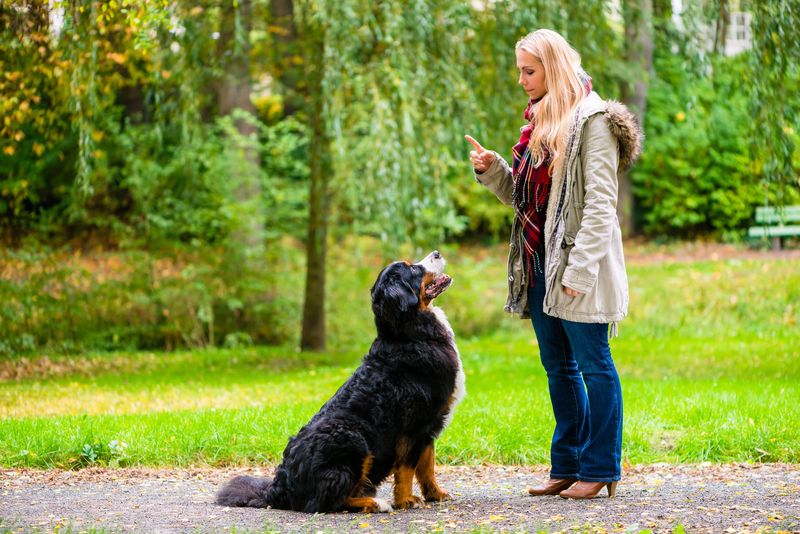
Mixed messages confuse dogs and strain trust. If sit sometimes earns a treat and sometimes gets ignored, your pup learns to gamble instead of listen.
Inconsistency also risks safety around doors, streets, and guests, because cues lose meaning when rules change.
Pick clear words, hand signals, and house rules, then stick to them. Share them with family, walkers, and sitters so everyone reinforces the same behavior.
Reward what you like, manage the environment, and prevent rehearsing mistakes. Keep sessions short, upbeat, and frequent, using food, play, and praise.
Practice in new places with gradual distractions. When life gets busy, fold training into meals and walks.
Consistency builds confidence, speeds learning, and creates calm, reliable manners.
Skipping regular vet visits
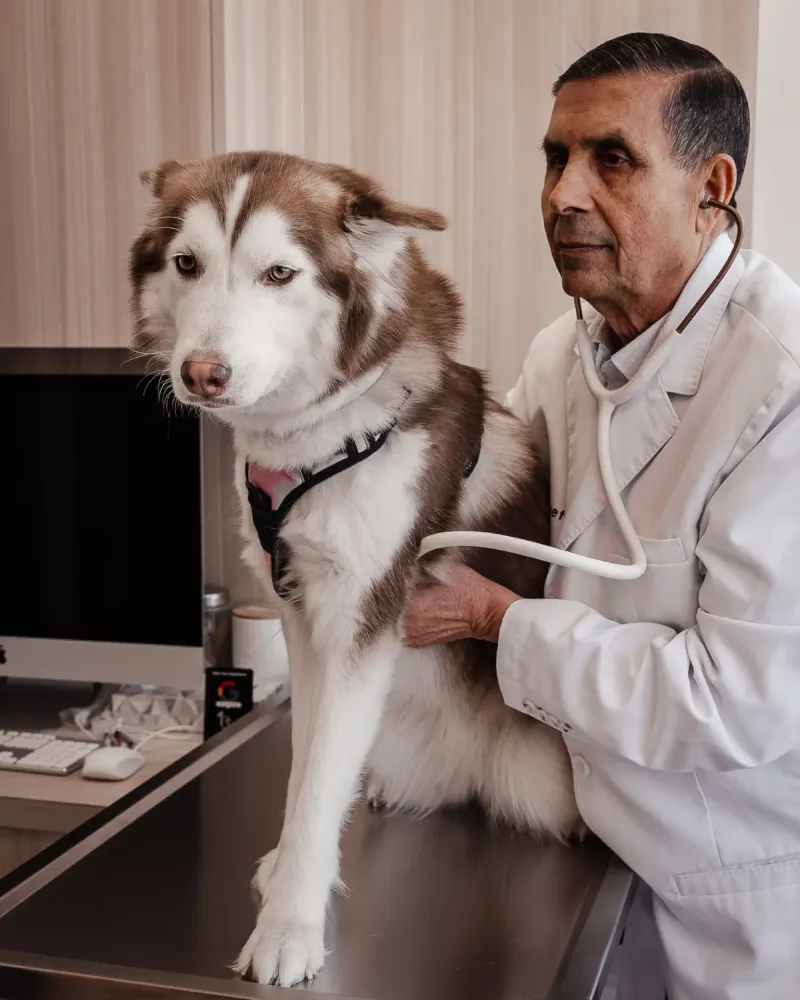
Regular checkups catch problems before they snowball into emergencies. Your dog cannot tell you when kidneys are struggling, teeth hurt, or lumps are changing, but your vet can.
Vaccines, parasite prevention, and baseline bloodwork create a safety net you will be grateful for later.
If cost worries you, schedule annual exams and ask about wellness plans, low cost clinics, or pet insurance. Keep records in your phone and set calendar reminders so visits never slip.
Between appointments, monitor weight, appetite, thirst, energy, and bathroom habits, then share notes with your vet. You are your dog’s voice, and proactive care is the kindest thing you can offer.
Skipping visits gambles with health, comfort, and precious years together.
Using harsh punishment
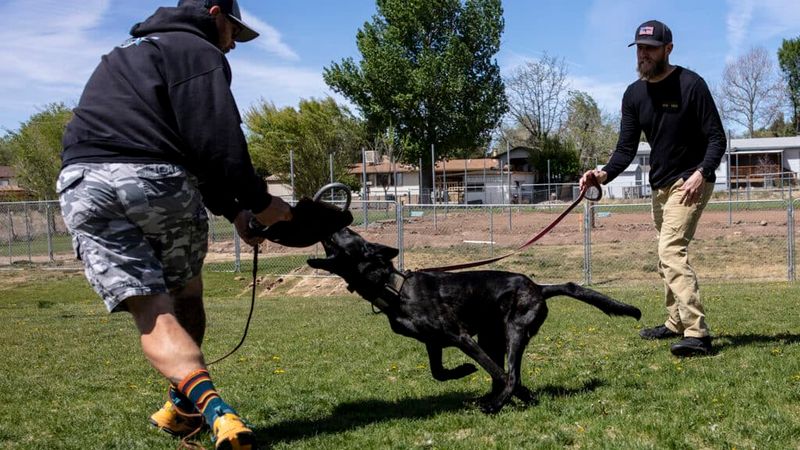
Yelling, hitting, or using pain tools does not teach what to do. It only suppresses behavior in the moment while damaging trust and increasing fear.
Frightened dogs often shut down or escalate to biting when they feel cornered and unheard.
Choose modern, reward based training backed by science. Mark the behavior you want with a cheerful yes or a click, then pay promptly.
Manage the environment, prevent rehearsals, and redirect with cues your dog understands. If you feel angry, take a breath, step away, and reset the setup.
Seek help from a credentialed positive trainer or veterinary behaviorist for tough cases. Kindness is not permissive.
It is clear, consistent, and incredibly effective. Your relationship will blossom.
Not providing mental stimulation
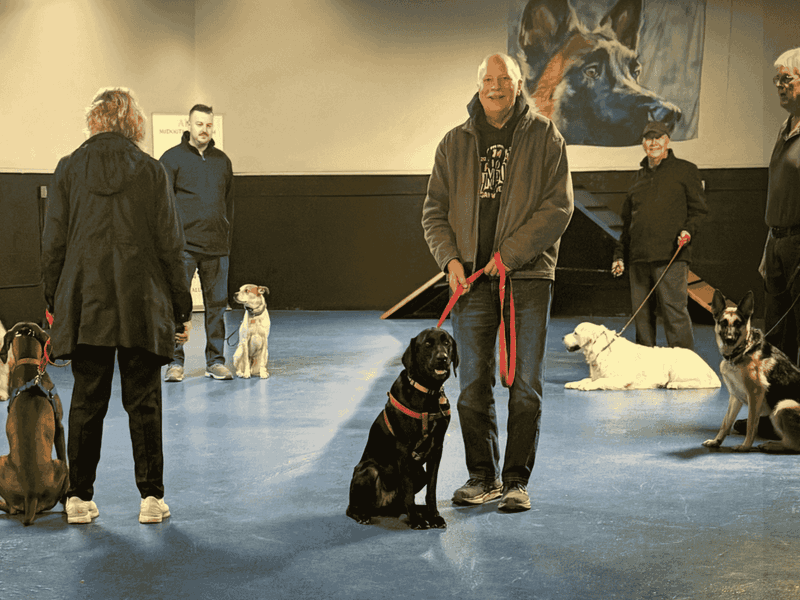
Body tired is good, but brain tired is better. Without enrichment, smart dogs invent their own jobs like shredding mail, herding kids, or digging craters.
Mental work builds optimism, reduces anxiety, and helps young dogs settle after activity.
Scatter feed in the yard, roll kibble into towels, or use puzzle toys with different difficulty levels. Teach new tricks, practice scent games, and rotate toys to keep novelty high.
Offer safe chews that last, like stuffed Kongs or braided bully alternatives. Short training bursts before naps can transform the whole day.
For social butterflies, add sniffaris and polite dog friends. Track what truly relaxes your dog, then weave it into the routine.
Little brains crave projects.
Skipping grooming
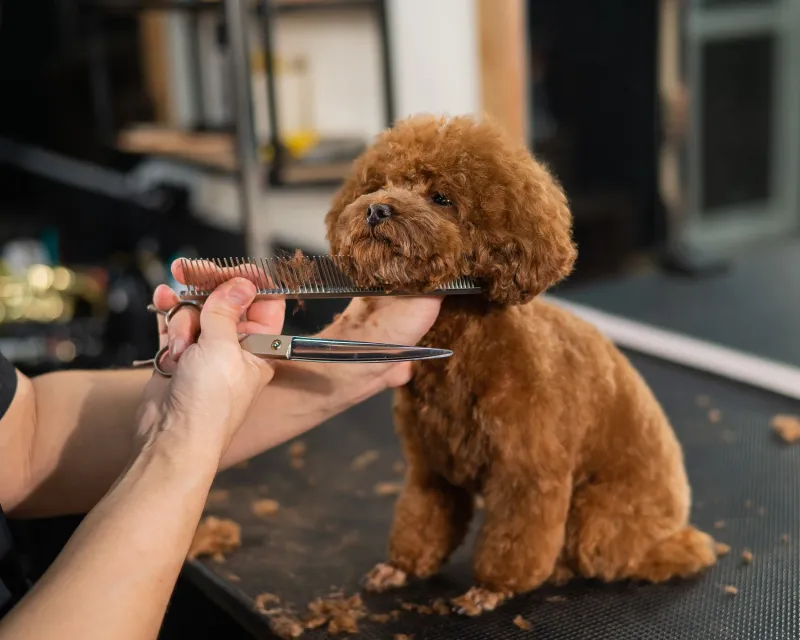
Grooming is more than looks. Matted fur pinches skin, traps moisture, and hides hot spots or parasites.
Overgrown nails change posture and strain joints, while dirty ears and coats invite infections and rashes.
Brush regularly based on coat type, from daily for curls to weekly for smooth coats. Learn gentle detangling and invest in the right tools.
Trim nails often enough that they never click on floors, and condition paws after hot or icy walks. Clean ears with vet approved solution and check for redness, smell, or head shaking.
Bathe as needed with dog safe shampoo, then dry thoroughly. Routine grooming doubles as a head to tail health check that catches trouble early.
Your couch will thank you.
Ignoring behavioral changes

Behavior is information, not attitude. Sudden clinginess, growling, pacing, or house soiling can signal pain, confusion, or mounting stress.
Brushing it off as stubborn risks bigger problems and weaker trust.
Write down what you see, when it happens, and any triggers. Film short clips to show your vet or behavior professional.
Rule out medical issues first with a thorough exam and labs. Then make a plan that reduces triggers, teaches alternative behaviors, and supports rest.
Track sleep, appetite, and movement as you adjust. Early action turns spirals around and protects your relationship.
Listen closely, because your dog is already talking. When you respond with curiosity and care, you become a safe place again.
Small clues matter a lot.