
Fetch is more than a game. It is a shared rhythm that builds trust, skills, and the kind of joy you feel in your chest.
If your dog lights up when a toy arcs through the air, you are in the right place. See if your favorite teammate made this list of breeds that live for the chase, the grab, and the glorious return.
Labrador Retriever
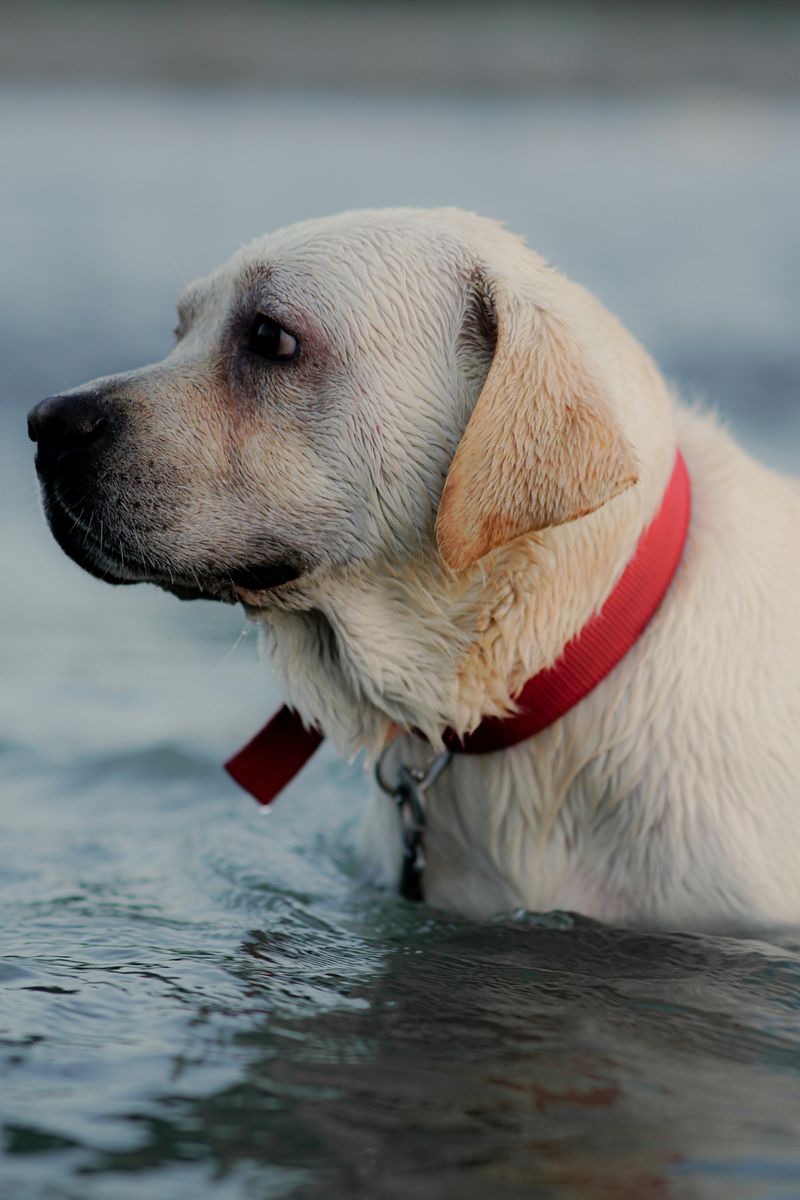
Play fetch with a Labrador and you will see pure happiness sprinting on four legs. These eager athletes live for retrieving, whether it is a slobbery tennis ball or a floating bumper.
Friendly, biddable, and endlessly motivated by games and snacks, Labs turn every toss into a mini celebration.
Because they were bred to collect downed waterfowl, many Labs love water and carry naturally soft mouths. Give consistent structure, short training sessions, and safe outlets for their zoomy energy, and you will have an unbeatable fetch partner.
Keep throws moderate, warm up joints, and balance retrieves with sniffy decompression so the fun lasts. Rotate toys, end while excitement is high, and teach drop it for smoother, safer play every time.
Golden Retriever
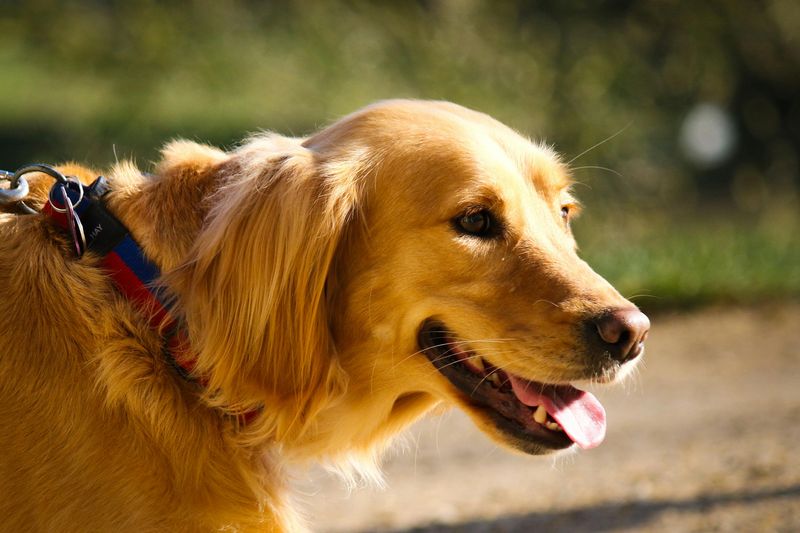
Golden Retrievers bring sunshine to fetch sessions, pairing joyful zooms with earnest eye contact. Their feathered tails flag happily as they bound back, cradling toys with famously gentle mouths.
Social, patient, and ridiculously trainable, Goldens make repetition feel like a fun conversation rather than a chore.
Because they were bred to retrieve waterfowl, they usually adore water and steady, rhythmic games. Keep throws measured, mix easy wins with short problem solving, and practice solid drop cues to protect those soft mouths.
End on a success, switch locations often, and let them sniff between turns so arousal resets. Rotate bumpers and balls, limit high jumping, and warm up shoulders with heelwork and spins before big efforts.
Cool down with gentle walking.
Border Collie
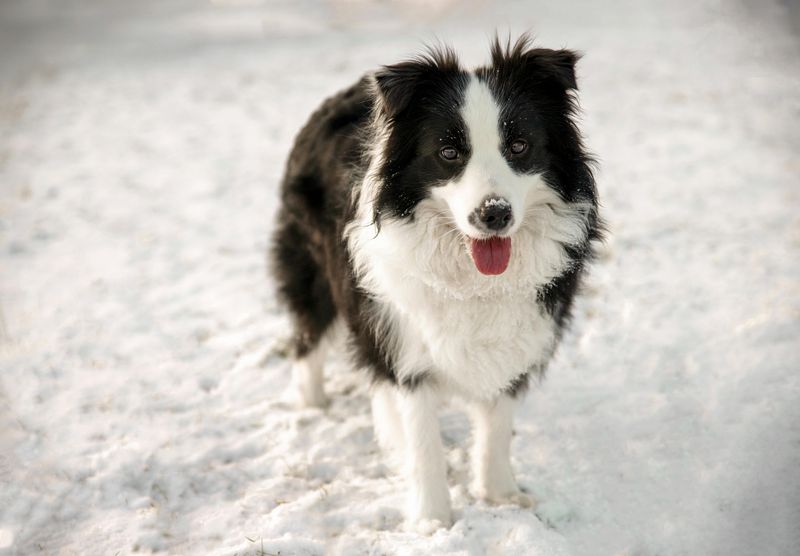
Border Collies treat fetch like a mission control project, laser focused and quick as lightning. Their eyes lock, their bodies coil, and every retrieve becomes precision work.
That intensity is thrilling, but it needs boundaries so excitement does not tip into frantic obsession.
Use clear start and stop cues, intersperse impulse control games, and keep sessions short and thoughtful. Trade throws for searching, herding balls, or shaping tricks to distribute that big brain power.
If arousal spikes, reset with sniffing, scatter feeding, or heelwork, then resume and finish on a calm success. Balance high speed retrieves with tug, platform work, and decompression walks to protect joints and mindset.
Teach drop, out, and middle to keep play cooperative. Every time, breathe.
Australian Shepherd
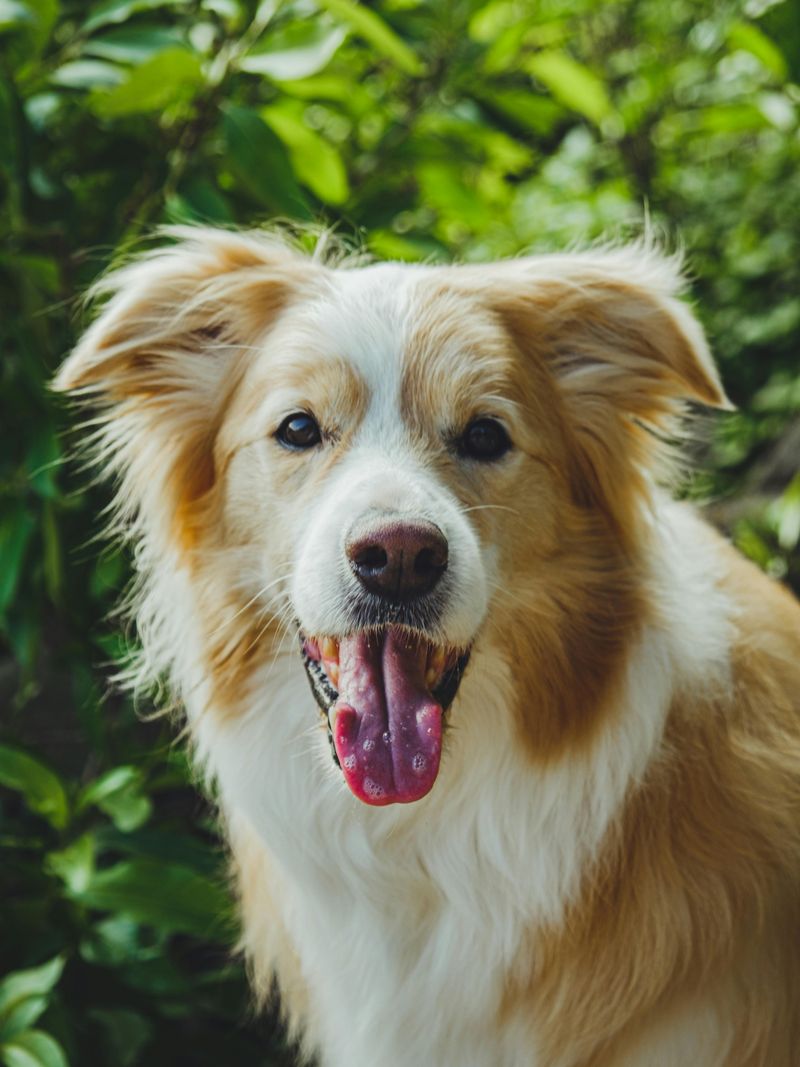
Australian Shepherds bring bouncy enthusiasm and smart problem solving to any fetching field. They love patterns, eye contact, and jobs that feel purposeful, so structured games really shine.
Expect quick learning, cheeky creativity, and some herding flavor as they anticipate your next move.
Keep sessions varied with changing distances, different surfaces, and thoughtful warmups. Sprinkle in hand targets, spins, and settles between tosses to maintain connection and steady arousal.
Provide decompression walks, chew breaks, and brainy sniffing games so intensity never boils over and joints stay happy for the long haul. Teach a reliable drop, a clear release word, and a go around cue for smooth, safe retrieves.
End early, praise generously, and rotate toys often. Keep sessions short.
Daily.
German Shepherd
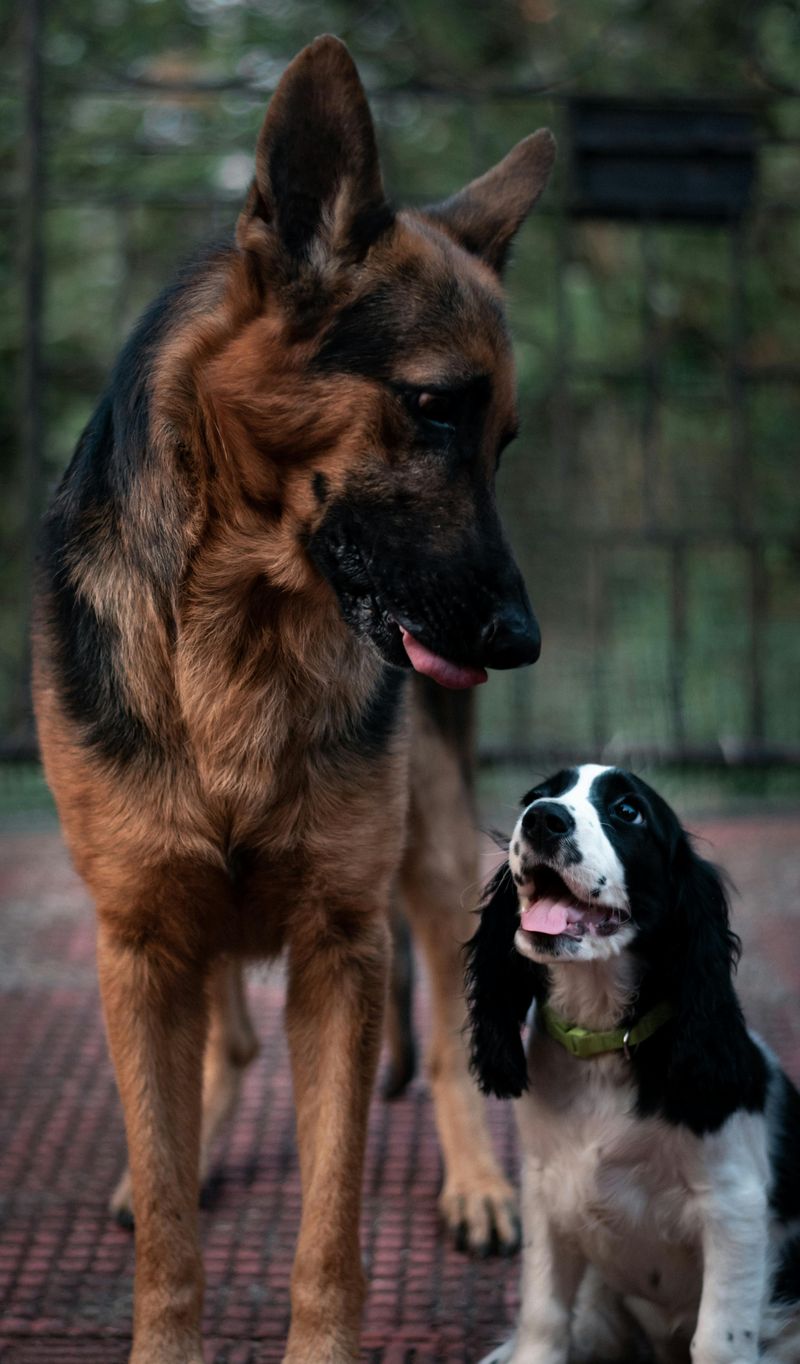
German Shepherds mix athletic power with deep handler focus, making fetch a satisfying team sport. Many enjoy purposeful retrieves paired with obedience moments that channel big drive.
Expect confident strides, keen noses, and a thoughtful pause before delivering the prize to your hand.
Warm up hips and shoulders, throw on varied terrain, and keep repetition moderate to protect joints. Fold in heeling, stays, and middle positions between throws to reinforce control under excitement.
Build a happy out cue, end on success, and add scent games so the mind works as hard as muscles. Use tug rewards, clear releases, and predictable routines to keep arousal balanced and focus sharp.
Cool down with easy walking and light stretches after each session outside.
Belgian Malinois
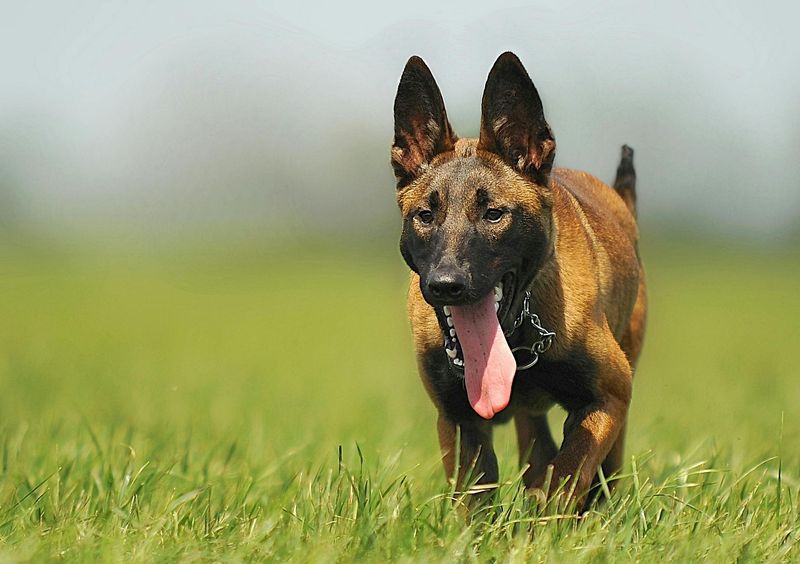
Belgian Malinois bring rocket fuel to fetch, turning fields into fast, technical training grounds. They thrive on clarity, variety, and frequent breaks that keep arousal productive.
With crisp mechanics and thoughtful structure, you channel that intensity into jaw dropping accuracy and reliable outs.
Start with warmups, cap repetitions, and switch toys often to protect teeth and joints. Insert obedience positions, impulse control, and searches so the brain works alongside the body.
End on a calm win, reward generously, and provide long decompression walks to balance this brilliant athlete for sustainable, joyful play. Teach a fast out, a strong leave it, and a solid place to reset energy.
Short, focused sessions beat marathon throwing most days. Your dog stays sharper longer.
English Springer Spaniel
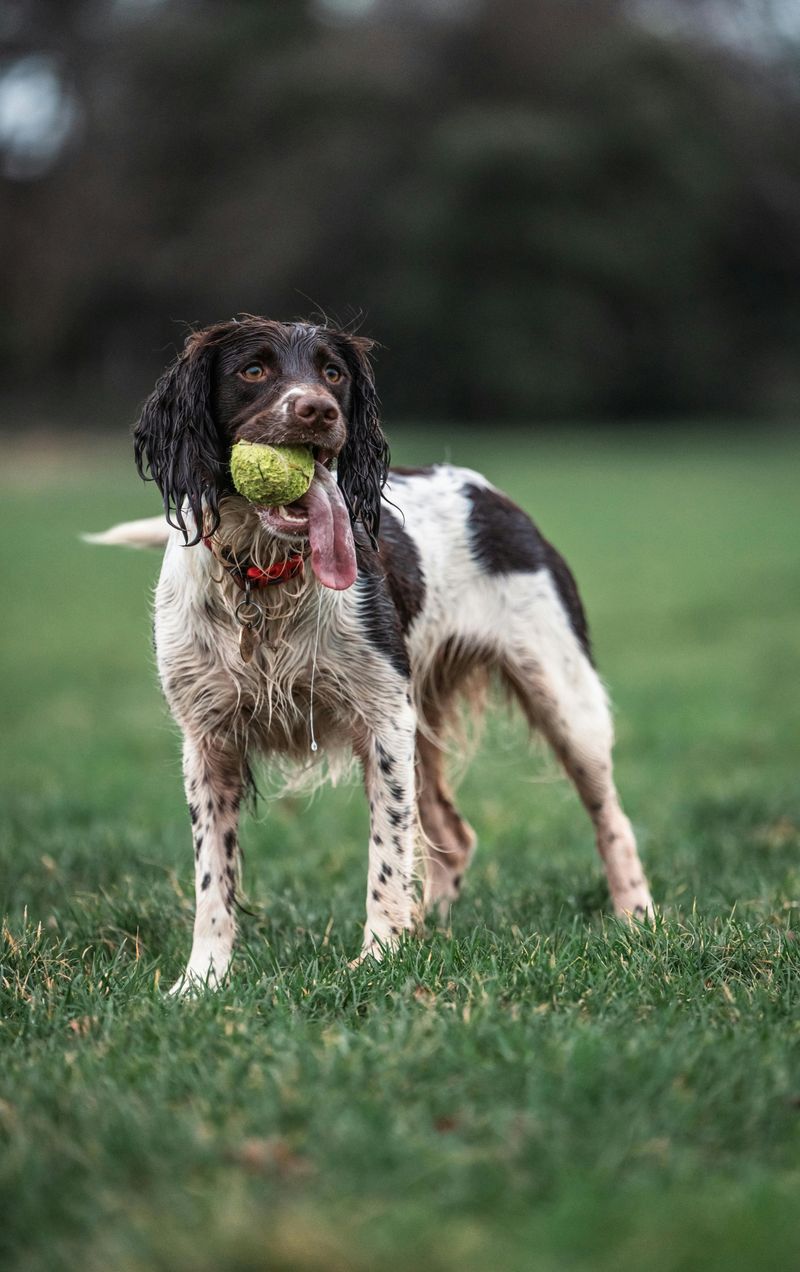
English Springer Spaniels were bred to flush birds, so fetch lights up their merry, energetic spirits. Expect bouncy returns, soft mouths, and constant checking in as they read your body language.
They adore water, hedges, and any game that mixes running, scenting, and speedy deliveries.
Mix short grass tosses with leafy searches and gentle water retrieves to satisfy instincts safely. Keep pace playful, cue drop early, and sprinkle in sits or downs to shape control.
End before exhaustion, add sniffy breaks, and towel dry after swims so muscles and ears stay happy through seasons. Rotate dummies, balls, and soft toys, and warm up shoulders with spins and backing.
Use calm praise and clear releases to avoid over arousal during play.
Flat-Coated Retriever
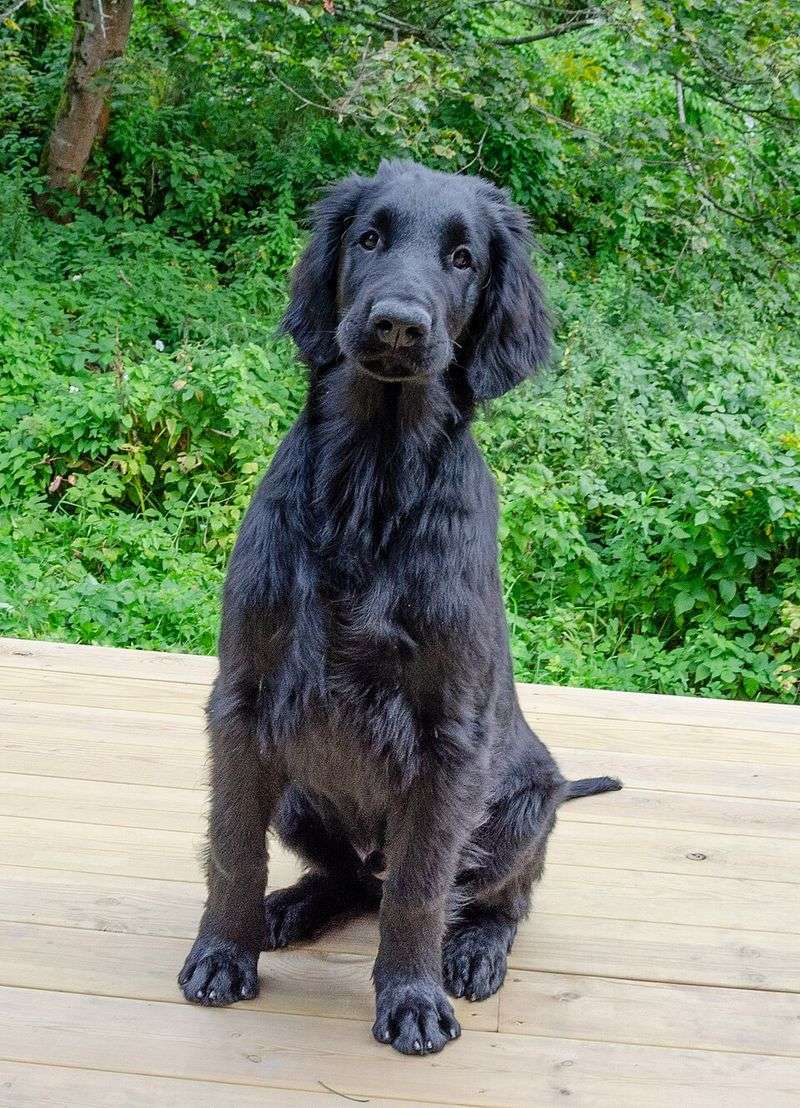
Flat-Coated Retrievers are joyful comedians with serious bird dog instincts, making fetch a perfect outlet. Their sleek bodies slice through water, and their soft mouths deliver with charming enthusiasm.
Expect a cheerful bounce, affectionate eye contact, and a can do attitude that keeps games light and fun.
Balance their goofiness with structure by capping repetitions and inserting simple positions. Vary terrain, use different bumpers, and keep throws modest to protect joints while building reliability.
Finish strong, let them parade a little, and offer gentle cool downs so the sparkle remains without tipping into overexcitement or soreness. Teach a happy out, reward calmly, and mix searches with straight retrieves for variety.
Sniffy breaks keep arousal balanced and decision making sharp too.
Nova Scotia Duck Tolling Retriever
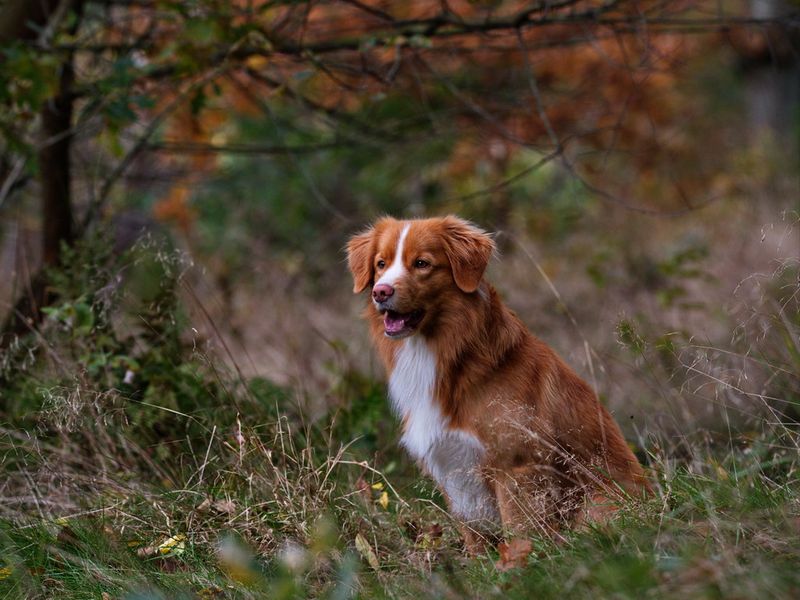
Nova Scotia Duck Tolling Retrievers, or Tollers, are playful tricksters designed to lure and retrieve waterfowl. That spark translates into zippy, focused fetch sessions with lots of head tilts and grins.
Expect athletic swims, bright eyes, and a surprisingly serious work ethic beneath the foxlike charm.
Keep games structured with clear releases, early drop cues, and varied environments to challenge brains and bodies. Rotate toys, limit repetitive high throws, and warm up shoulders before big splashes.
End on success, add scent games, and include calm paddles or shoreline walks to balance arousal and protect joyous enthusiasm. Short, upbeat sessions with sniffy breaks keep their minds fresh and cooperative.
Toss at angles to encourage thoughtful lines and smoother, safer deliveries home.
Standard Poodle
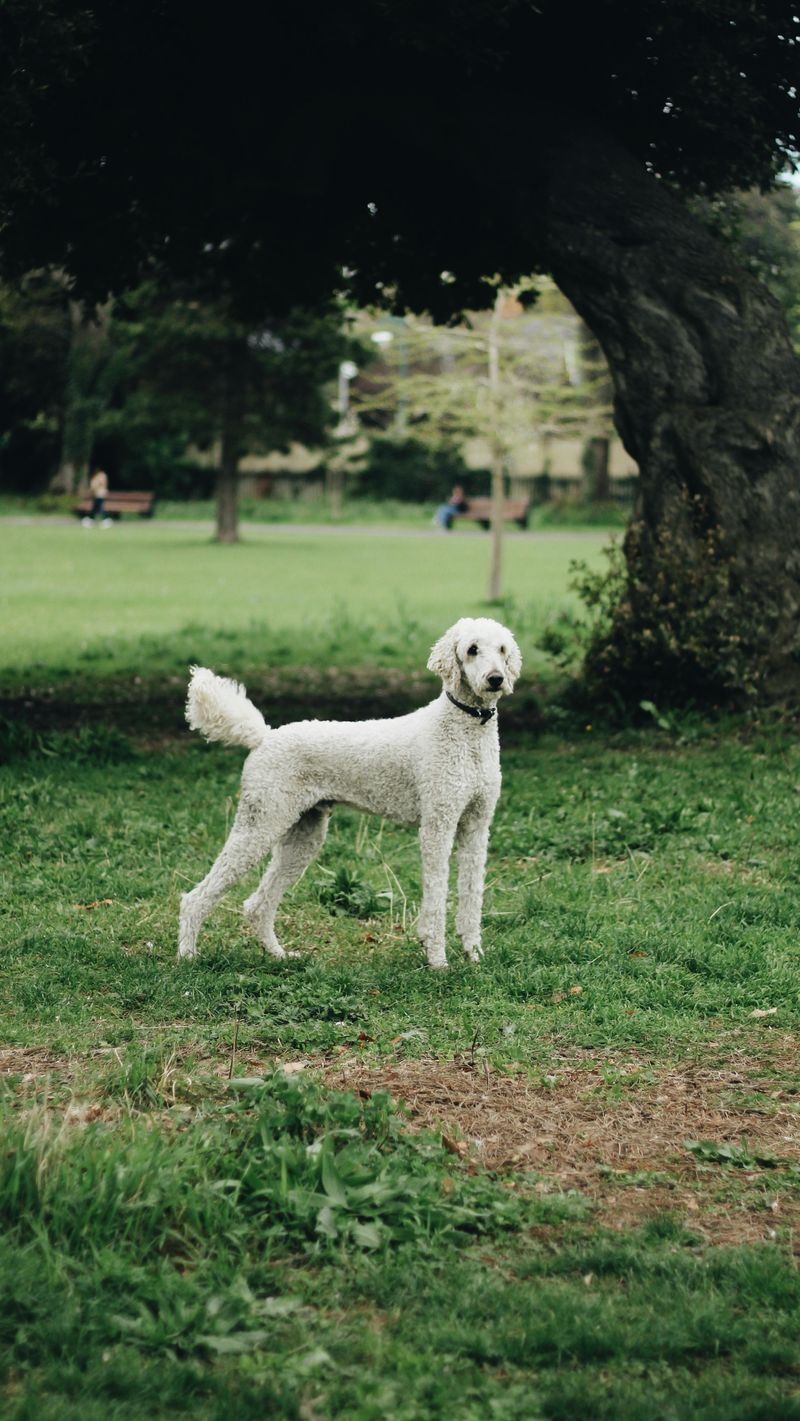
Standard Poodles are wicked smart athletes who love purposeful games, making fetch a perfect classroom. Their springy strides, water affinity, and elegant carriage hide sturdy, capable bodies.
Expect quick pattern learning, eager eye contact, and a playful sense of humor that keeps sessions upbeat.
Mix straightforward retrieves with scent puzzles, shaping, and platform work to feed their brains. Keep throws moderate, warm up carefully, and insert calm settles between reps to sustain focus.
Use soft rewards, precise cues, and generous praise, then end a touch early so the desire to play stays sparkly. Rotate toys and locations, and finish with easy walking and gentle stretches.
Teach a joyful out and smooth hand target for tidy deliveries every single time too.
Vizsla
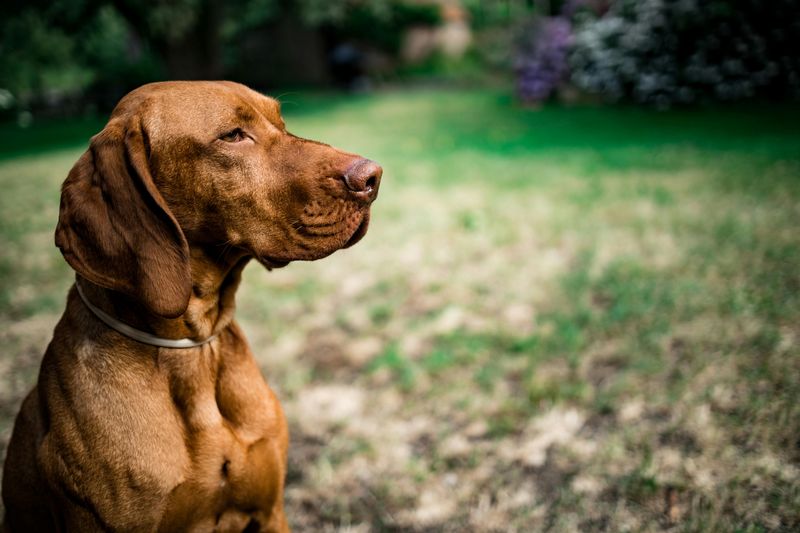
Vizslas are affectionate, aerodynamic athletes that turn fetch into a graceful sprint routine. Their sleek coats and nimble frames love open spaces, water edges, and steady, rhythmic play.
Expect soft mouths, close partnerships, and a cuddly cooldown afterward because connection matters as much as movement.
Keep throws moderate, add curved approaches, and practice early drops to protect joints and neck. Mix in scenting, heeling, and platform rests to keep arousal low and focus high.
Finish with relaxed walking, water breaks, and gentle massage so tomorrow’s fetch feels just as joyful and dialed. Rotate toys, skip marathon sessions, and celebrate small wins with calm praise.
Sniffy breaks between reps keep minds clear, arousal steady, and muscles ready for the next run.
Chesapeake Bay Retriever
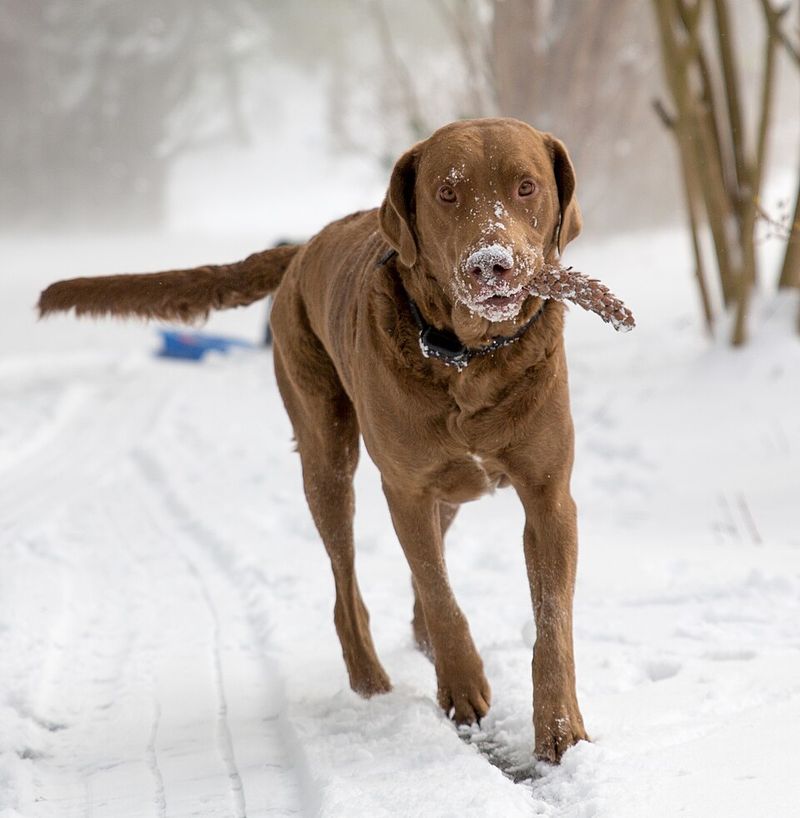
Chesapeake Bay Retrievers are rugged water specialists built for chilly waves and determined retrieves. That grit shows during fetch as they power through wind, weeds, and distance with loyal focus.
Expect strong swims, protective coats, and a serious attitude balanced by goofy, heartwarming moments.
Warm up thoroughly, cap repetitions, and keep lines straight in chop to safeguard joints and motivation. Use durable bumpers, early drops, and calm praise to protect mouths and build reliability.
Provide rinses after salt, gentle cool downs, and plenty of sniffy walks so this powerhouse stays comfortable and eager. Rotate water entries, avoid big leaps from banks, and monitor fatigue in strong currents.
End early, celebrate wins, and save energy for tomorrow’s smart, joyful fetch sessions.