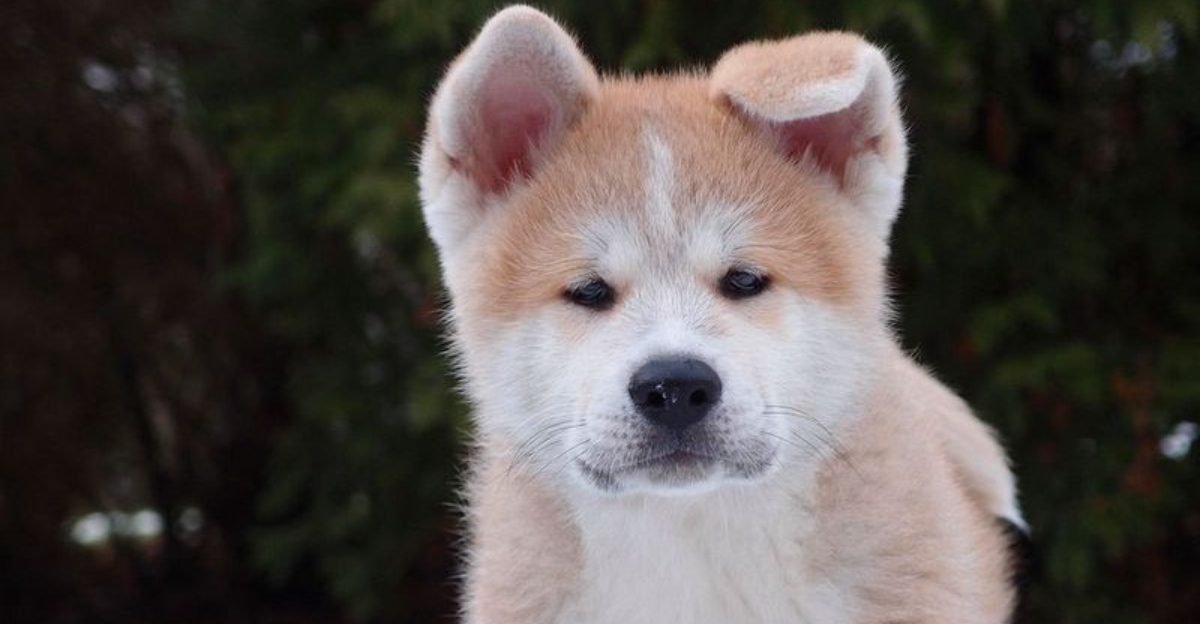
Cats and dogs can live in harmony, but some breed instincts make the road a lot bumpier. If you share your home with a cat, choosing the right dog matters more than you might think.
These breeds are wonderful in their own ways, yet their drive to chase or guard can put feline roommates at risk. Learn what to expect and how to manage it before tensions flare.
Siberian Husky
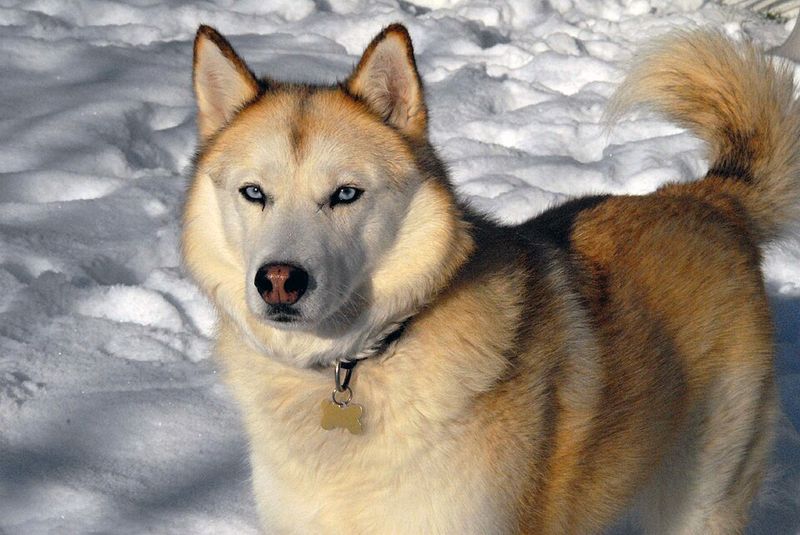
Siberian Huskies were bred to run and chase, which can spell trouble for a relaxed house cat. Their high prey drive means quick movements flick a switch, even in otherwise sweet dogs.
Without clear boundaries and daily outlets for energy, curiosity can escalate into relentless pursuit.
You can stack the odds in your favor with strict management and gradual, positive introductions. Start with baby gates, leashes, and scent swapping so everyone feels safe.
Prioritize impulse control games, long structured walks, and reliable recall before any off leash time. Even then, keep supervision non negotiable and provide tall retreat zones for the cat.
Some Huskies learn coexistence, but many prefer a feline free home in the long run.
Alaskan Malamute
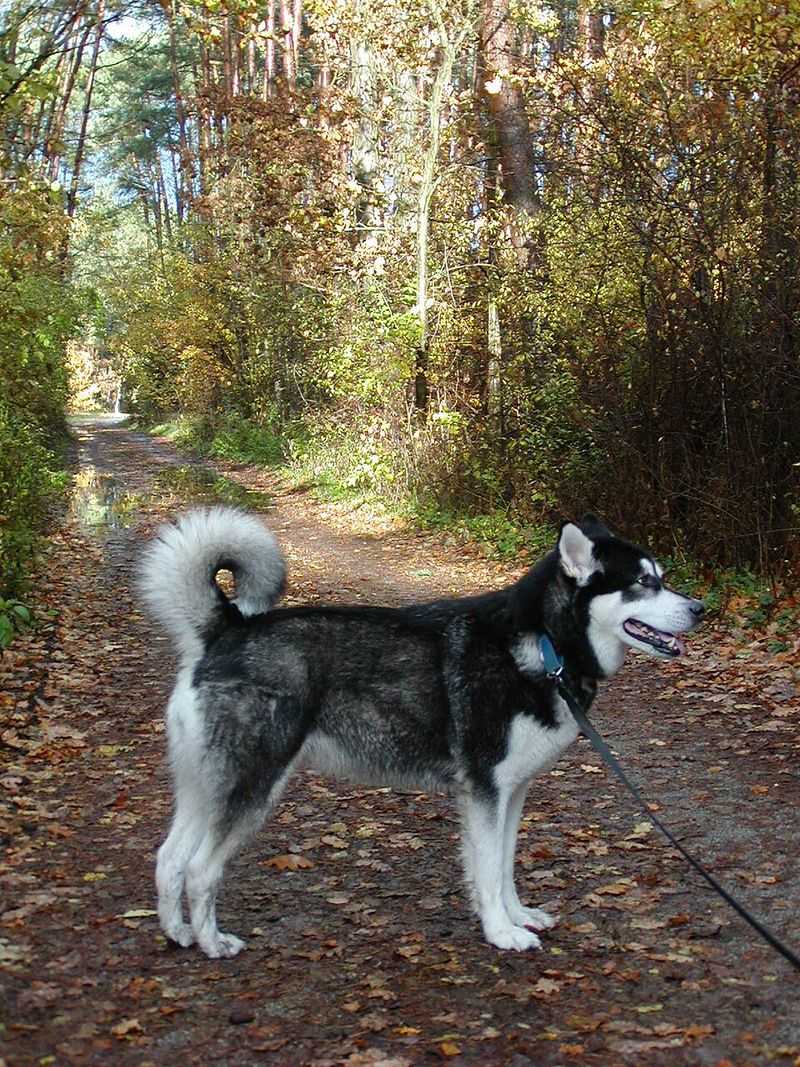
Alaskan Malamutes carry a powerful working heritage and a strong instinct to track, pull, and move with purpose. That drive can convert a darting cat into a moving target, tempting even a well behaved Malamute.
Size and strength raise the stakes, as a rough play bow may overwhelm a small feline.
Management is your best friend. Rotate spaces, use tall cat trees, and keep first meetings short and structured.
Prioritize obedience foundations like settle on a mat, leave it, and a rock solid recall. Tire the mind and body with nose work and weight pull alternatives before any indoor mingling.
Some households succeed, yet for many Malamutes a dog only home is the safer, calmer choice over time.
Jack Russell Terrier
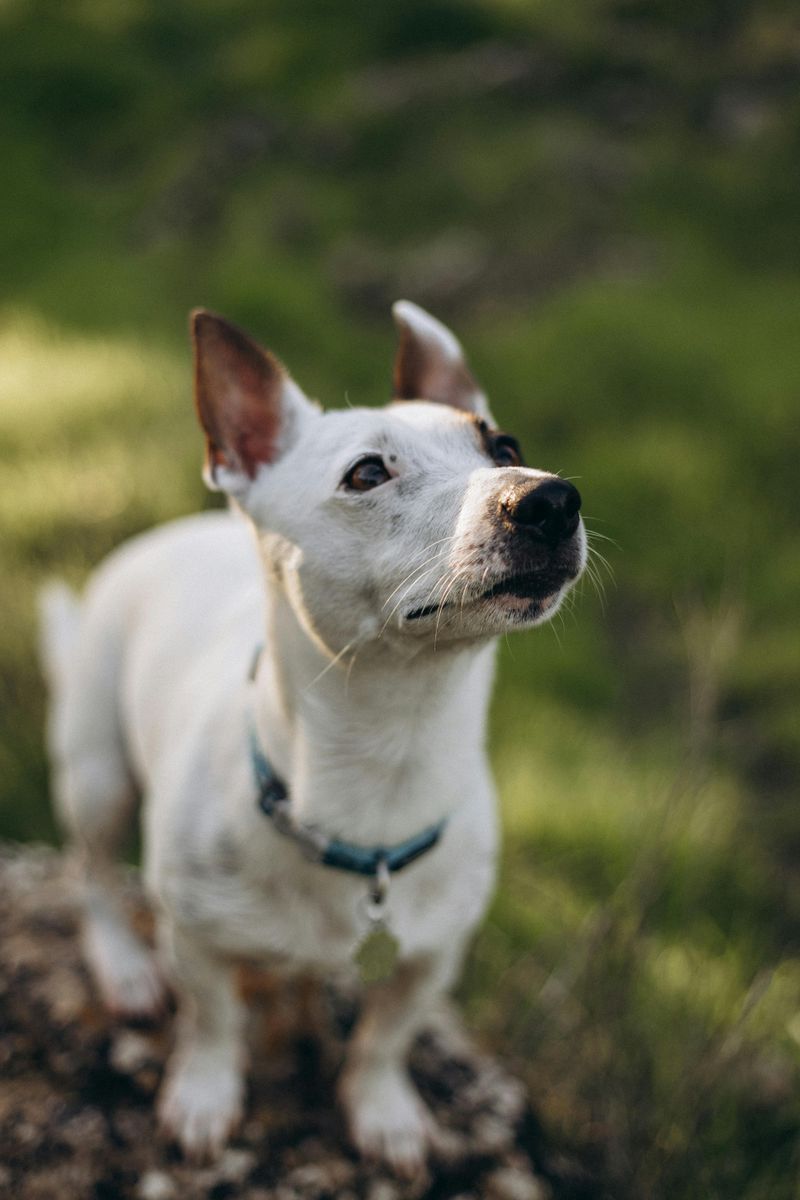
Jack Russell Terriers were designed for quick, tenacious vermin work, which does not mix well with skittish felines. Their sharp eyes and spring loaded legs make chasing feel irresistible.
Even a friendly Jack can go from curious sniff to high octane pursuit the moment a cat sprints.
Your plan should lean on structure, brain games, and tightly managed introductions. Use barriers, practice calm on cue, and reinforce looking away from the cat.
Enrich daily with scent puzzles, clicker training, and flirt pole sessions before any visual access. Keep leashes on indoors early, and teach stationing to safe zones.
Some pairings work, but many Jacks thrive best in cat free homes where their intense spark will not cause conflict or stress.
Greyhound
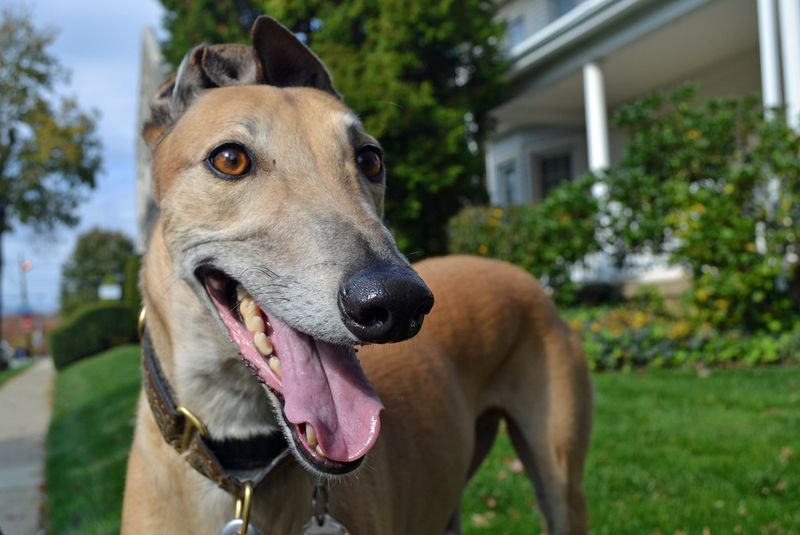
Retired racing Greyhounds can be gentle couch companions but many retain a lightning fast prey response. A darting cat may trigger chase before you can blink.
Even indoors, that speed and focus can turn a curious moment into a dangerous sprint down a hallway.
Screen carefully if adopting through a Greyhound group, asking for cat testing and honest notes. Muzzle training, drag lines, and slow, scent first introductions build safety.
Reward stillness, head turns, and calm watching instead of pursuit. Give your cat vertical pathways, escape routes, and rooms the dog cannot enter.
Some Greyhounds test as cat workable, yet plenty are not. Respect the evaluation, and never skip supervision, especially during the first months together.
Whippet
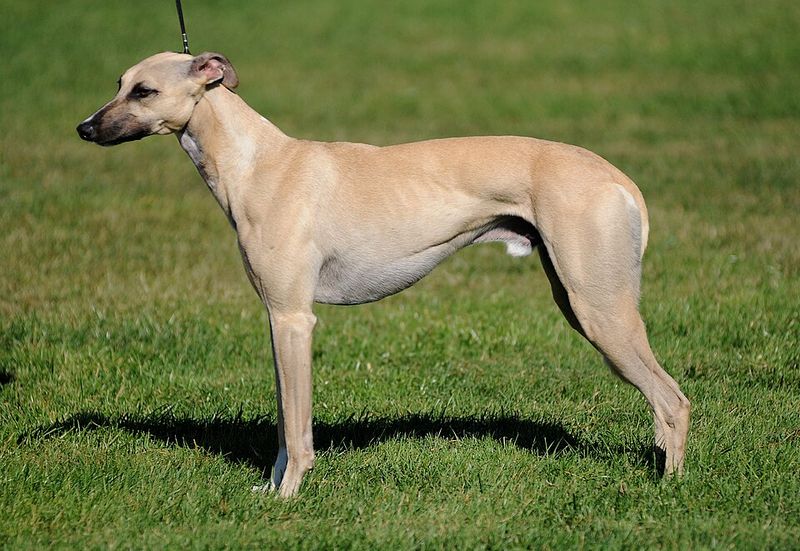
Whippets share sighthound instincts with a softer vibe than Greyhounds, but the chase impulse still runs deep. Quick, vertical cats can ignite a game that is not safe for fragile bodies.
Even play can escalate when speed and narrow spaces collide inside a home.
Set gentle rules early. Use barriers, leashes, and short, positive glimpses paired with tasty rewards for calm behavior.
Tire the legs with sprint sessions and the brain with shaping games before any exposure. Teach bed time on cue, enrich with snuffle mats, and expect gradual progress.
Your cat needs tall furniture and clear exits. Many Whippets can live peacefully with confident, savvy felines, though supervision remains a must whenever excitement or movement trends upward.
Afghan Hound
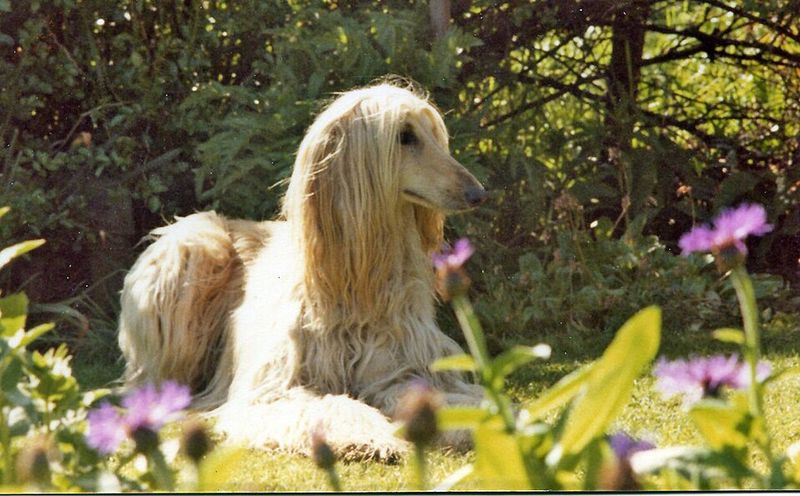
Afghan Hounds are independent sighthounds with a history of hunting over rugged terrain. That heritage creates a powerful scan and chase tendency when small animals flicker in view.
Their aloof nature can also complicate training because rewards must feel truly worthwhile.
Start with distance and scent exchanges, not face to face meetings. Mark and pay for quiet eye softening, slow blinks, and turning away from feline movement.
Short sessions, long lines, and decompression walks help keep arousal in check. Build a reliable recall and a parked settle before any freedom.
Your cat needs escape routes, plus high perches in multiple rooms. Some Afghans manage coexistence when carefully introduced, but many are safer in homes without resident cats.
Basenji
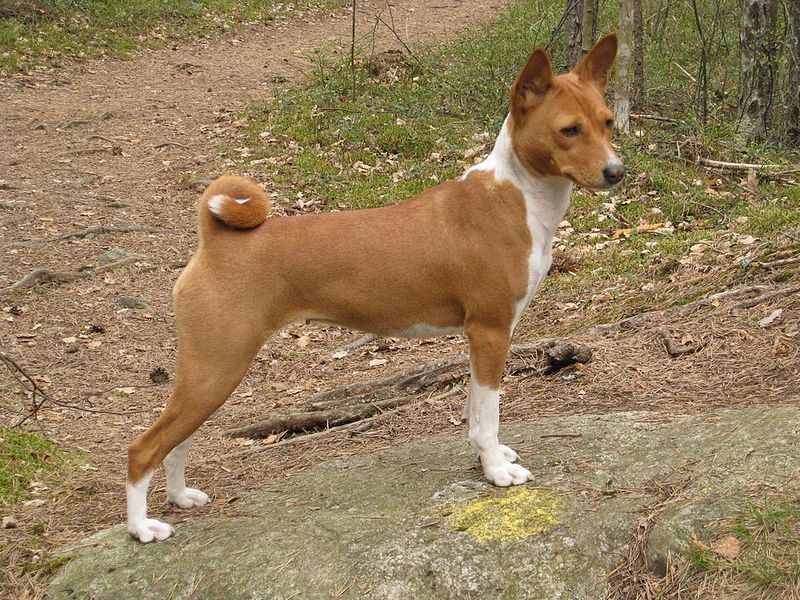
Basenjis are clever, cat sized hunters with quick reflexes and a bold, independent streak. Their curiosity and silence can deceive you, turning stealthy observation into a surprise dash.
While not all are cat aggressive, many find small, fleeing animals intensely interesting.
Your best blueprint uses enrichment and firm routines. Rotate food puzzles, scent trails, and short training bursts before any cat access.
Reward calm glance aways, and introduce behind barriers where both animals control distance. Keep leashes on in the home at first and allow the cat multiple vertical highways.
Expect progress to move in inches, not miles. Some Basenjis coexist when boundaries are reliable, but plenty prefer being the only small game chaser in the household.
Shiba Inu
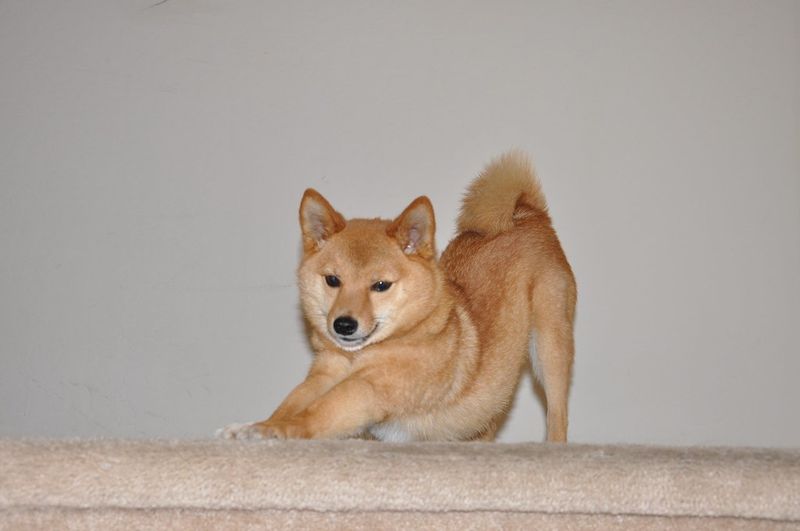
Shiba Inus combine independence with keen hunting instincts, making many quick to chase skittering cats. Their stubborn streak can challenge training if you rely on repetition without strong rewards.
When arousal spikes, a Shiba may ignore cues and lock onto motion.
Keep structure tight and pay generously for calm choices. Use controlled sight lines, baby gates, and leashes until responses are automatic.
Teach leave it, place, and a strong recall in low distraction rooms first. Add exercise with sniffy walks and short fetch to bleed off steam.
Give your cat predictable routines and tall retreats. While some Shibas adapt to confident, dog savvy cats, consistent supervision and conservative freedom are essential for smooth coexistence at home.
Akita
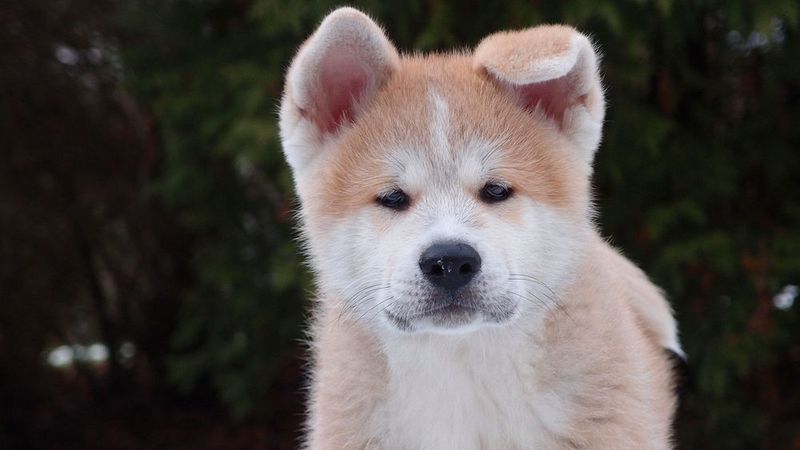
Akitas are large, loyal guardians with strong prey and possession instincts that can clash with feline housemates. Their intensity and size elevate risk if curiosity turns physical.
Even friendly interest may overwhelm a cautious cat, especially in tight hallways or doorways.
Commit to proactive structure from day one. Use leashes, gates, and decompression time to prevent mistakes.
Teach rock solid obedience, including place, out, and leave it, paired with high value rewards. Supervise everywhere, especially around food, toys, and thresholds.
Enrich with scent work and controlled tug to channel drive productively. Some Akitas can share space with confident cats, but many are happiest and safest in homes where guarding and chasing instincts will not be repeatedly triggered.
Weimaraner

Weimaraners were bred to hunt, track, and point, which easily transfers to chasing household cats. High energy and curiosity can escalate fast indoors if needs are unmet.
Their desire to shadow you may also place them directly in a cat’s path, creating frequent friction.
Front load exercise and training. Use structured fetch, nose work, and obedience drills before any shared time.
Reward quiet body language, soft eyes, and staying on a mat while the cat moves. Keep early sessions brief with barriers and leashes.
Offer your cat elevated highways and rooms the dog cannot enter. Many Weims can learn peaceful habits with consistent practice, but some do best in cat free homes, where drive is channeled into sports instead.
Scottish Terrier
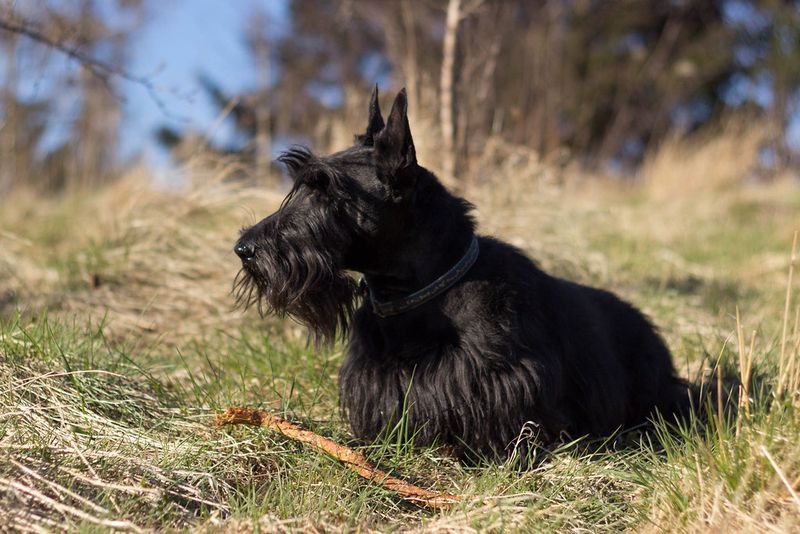
Scottish Terriers are determined earthdogs bred to go after small, fast quarry underground. That persistence shows up as laser focus on movement, which can stress timid cats.
Once engaged, a Scottie may not disengage easily without practiced cues.
Build calm routines and clear lines. Use leashes, barriers, and short, rewarding glimpses instead of free roaming introductions.
Teach an automatic check in, a reliable leave it, and a solid settle on a mat. Keep games structured and channel digging urges into sniff boxes and scratch boards.
Give your cat hideaways and tall escapes. Some Scotties learn to coexist with patient structure, but for many, a home without cats prevents conflict and keeps everyone comfortable and safe.