
Dogs may not speak, but they are experts at broadcasting feelings. If your pup suddenly gets clingy, pushy, or oddly dramatic when attention shifts, jealousy might be the real story.
Spotting the signs early helps you protect relationships and prevent scuffles. Here are the strange behaviors that whisper hey, choose me and how to respond with calm, confidence, and love.
Pushing between you and others
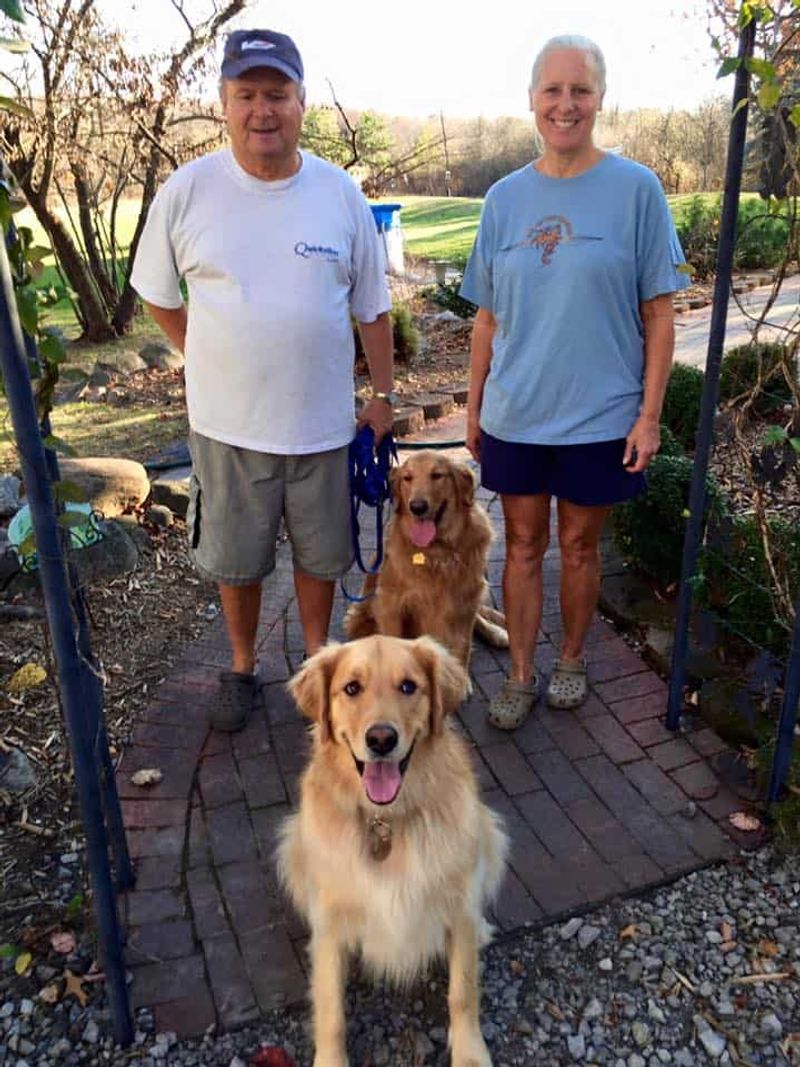
Your dog wedges their body between you and a person or pet, almost like a furry referee. It feels playful at first, but the timing gives it away.
The moment attention shifts, that gentle nudge becomes a determined sidestep. You can test it by leaning away and watching them track you like a magnet.
Jealousy often looks physical, and this behavior shouts it loudly.
Redirect the urgency instead of scolding. Ask for a sit, reward calm, and give the other pet a turn while your dog holds position.
Rotate affection deliberately so no one feels shut out. If crowding escalates into snapping, create space with baby gates and structured breaks.
Consistency teaches that access to you is shared, safe, and predictable.
Demanding attention suddenly
Out of nowhere, your dog paw taps your leg, barks once, or shoves a toy into your lap. The timing often mirrors when you pick up your phone or talk to someone else.
That sudden urgency is not boredom alone. It is a fast check to see whether you are still theirs.
Jealous dogs often ping you like a notification.
Answer the need without feeding the demand. Mark quiet moments with praise, then invite attention on your cue.
Place a mat nearby and train a settle, paying generously for duration. Offer chew work or a sniffy scatter to shift energy.
When requests spike, pause, breathe, and wait for calm eyes before you reward. Attention becomes earned, not grabbed.
Growling when you pet another pet
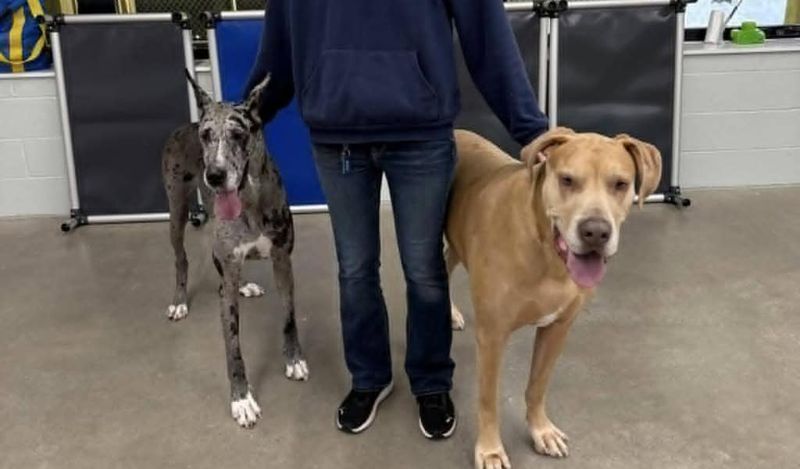
You start petting another pet and your dog growls low, stiffens, or places a paw over your hand. That sound is not always aggression.
Often it is a protective protest saying, hey, me next. Watch for hard eyes, a tight mouth, or blocking.
Jealousy can ride alongside resource guarding, where the resource is you, your touch, and your time.
Keep everyone safe by interrupting early. Ask for stations or mats, reward the waiting dog heavily, and give brief, turn-based petting rounds.
If growls persist, consult a trainer to create a desensitization plan. Never punish the warning, because warnings keep you informed.
Instead, teach that calm earns access. Over time, neutrality grows as your dog trusts the process.
Following you more than usual
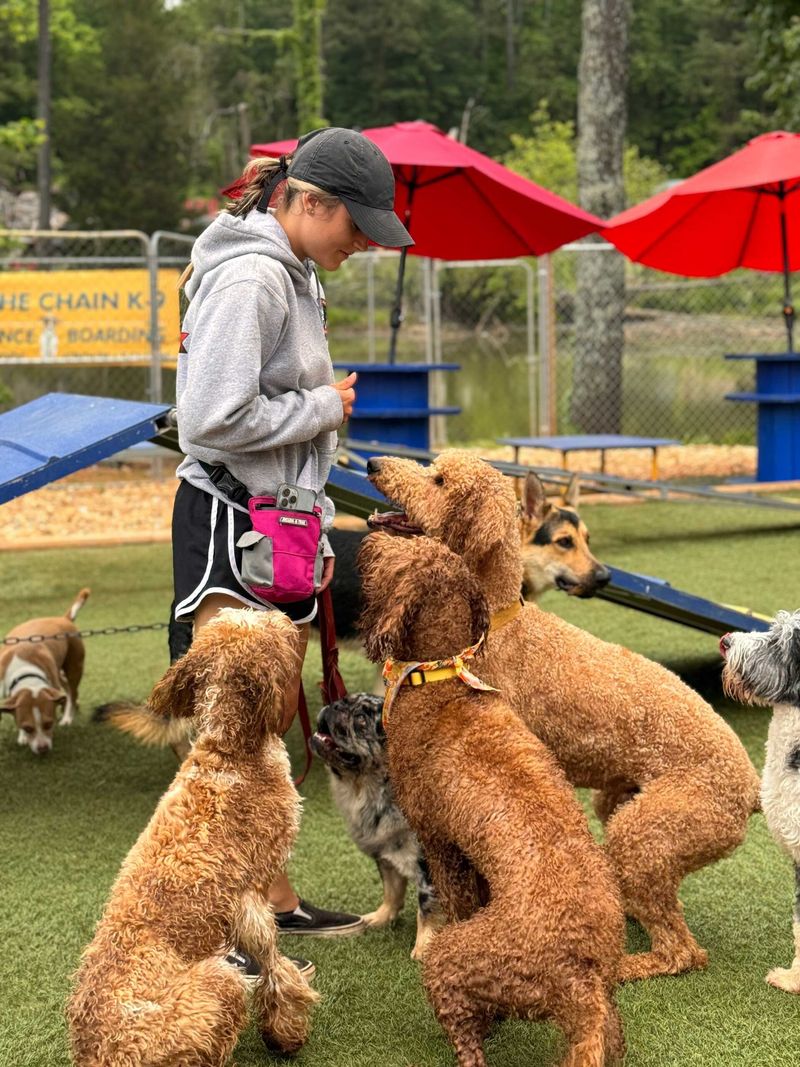
Your shadow suddenly has paws. Everywhere you move, there they are, close enough to trip you in the hallway.
This cling is not only separation anxiety. When you give attention elsewhere, the following tends to spike.
It is a gentle, constant campaign to stay in your orbit and prevent anyone else from locking in your gaze.
Build independence with small, frequent victories. Scatter-feed in another room with a baby gate while you chat or cook.
Practice place training where you reward staying while life happens. Add predictable one-on-one time too, so your dog knows connection is coming.
When they feel secure, the tailgating eases, and you both move through the home with softer energy daily.
Interrupting conversations
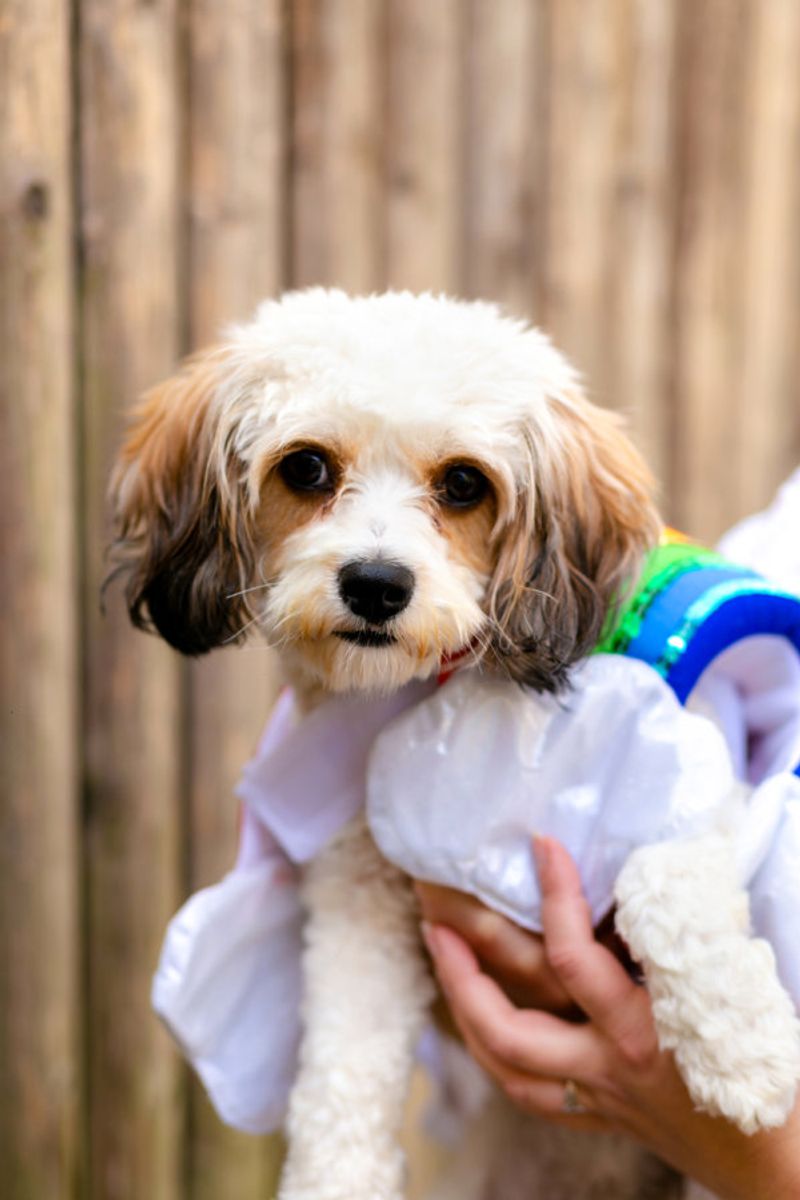
You start chatting and suddenly a nose wedges under your arm, a bark pops, or a toy lands in your lap. Conversation becomes a cue, not for words, but for competition.
Jealous dogs quickly learn that noise or contact breaks your focus. They are not being rude on purpose.
They are protecting a social spot beside you.
Pre-load your dog with a chew, lick mat, or sniffy game before calls. Reward quiet during the talk, then release with a cheerful all done.
If interruptions happen, calmly pause, reset on a mat, and continue. Over days, the conversation cue flips from chaos to chilling.
Your attention is still valuable, just no longer an emergency to secure.
Sitting on your belongings
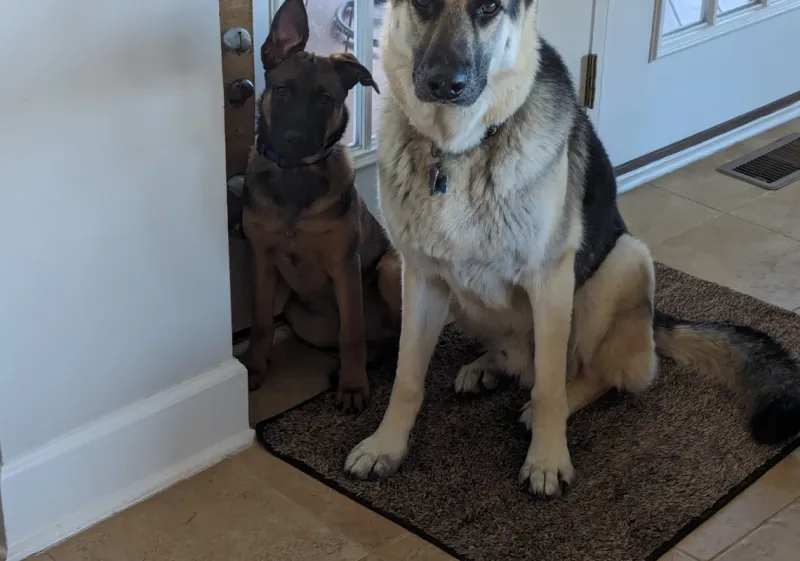
Find your dog planted on your hoodie, pillow, or laptop keyboard like a soft paperweight. Scent is powerful, and yours is the top prize.
Perching on belongings is a jealous claim staked with warmth and fur. It says, I am here, choose me.
You will notice it more when visitors arrive or another pet tries to cuddle.
Give a designated place that smells like you, then reward settling there. Rotate worn T-shirts onto a dog bed and reinforce every peaceful flop.
If they invade work gear, set clear boundaries with closed doors or covered surfaces. Make yes easier than no. When your dog learns that chosen spots still mean closeness, they stop guarding your stuff.
Whining when ignored
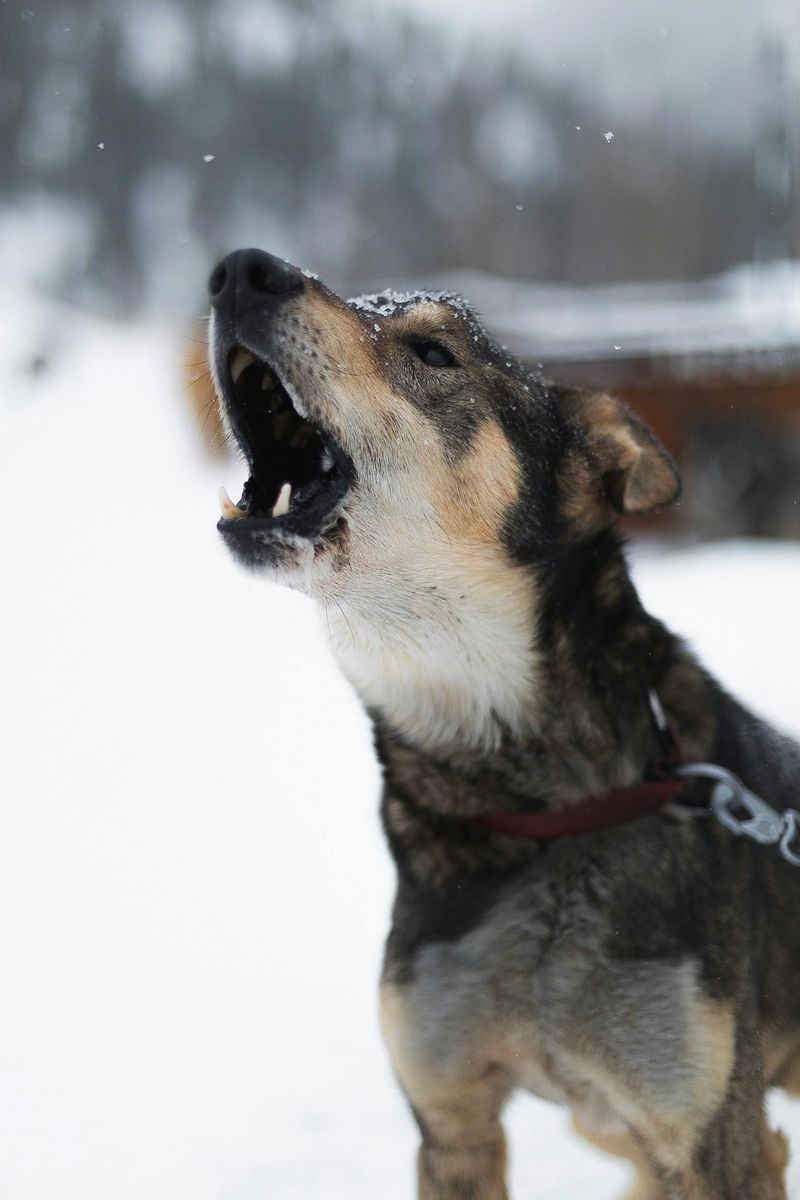
That rising, mournful whine starts the second your eyes leave them. It is not always sadness.
Often it is a protest against your attention going elsewhere. The pitch builds until you look back, proving to your dog that the sound works.
Over time, the habit becomes a remote control for your focus, pressed again and again.
Break the loop kindly. Catch even half a second of silence and mark it with yes, then deliver attention.
Teach an incompatible behavior like go to mat or hold a toy. Enrich the day with sniff walks and food puzzles so needs are met before boredom screams.
Gradually, your quiet responses teach that calm words unlock more from you.
Blocking access to you
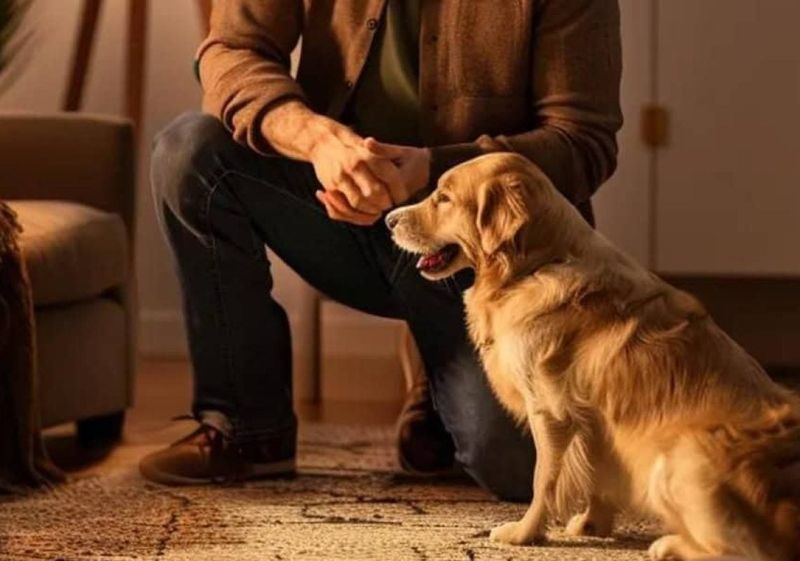
Your dog plants themselves at your feet, angles a hip, or stretches across the couch gap so others cannot reach you. It looks subtle but functions like a velvet rope.
Jealousy often chooses body placement over noise. The message is simple to translate.
If they control the doorway, they control the attention flowing through it.
Teach a move out cue and pay it well. Practice with low stakes first, then add people or pets.
Place a comfy bed nearby so your dog still belongs in the scene. Use gates during busy times to prevent rehearsing pushy patterns.
When blocking no longer earns access, your dog relaxes, and sharing your space becomes normal again at home.
Acting out or misbehaving
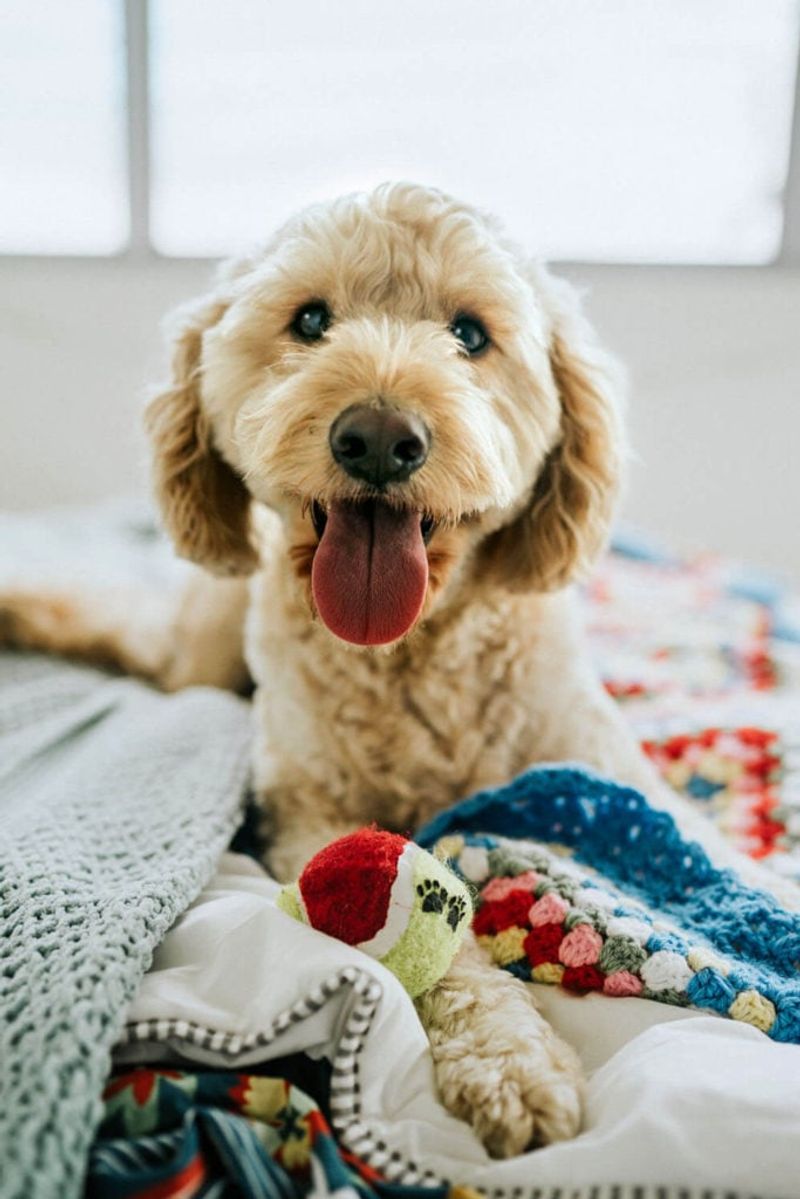
Chewing shoes, grabbing tissues, or counter surfing can spike right when you give someone else attention. It looks naughty, but the function is communication.
Your dog has learned that mischief summons you fast. Big reactions, even scolding, still count as connection.
Jealousy borrows dramatic tactics because they work, and because quiet requests were missed earlier.
Secure temptations and stage easy wins. Give legal outlets like shreddable boxes, heavy chews, and sniff hunts before guests or phone calls.
Reinforce calm on a mat while you chat. If mischief erupts, keep your voice light, guide to the yes behavior, and pay that choice.
Over many reps, your dog learns better ways to grab precious attention from you.
Staring intensely at others
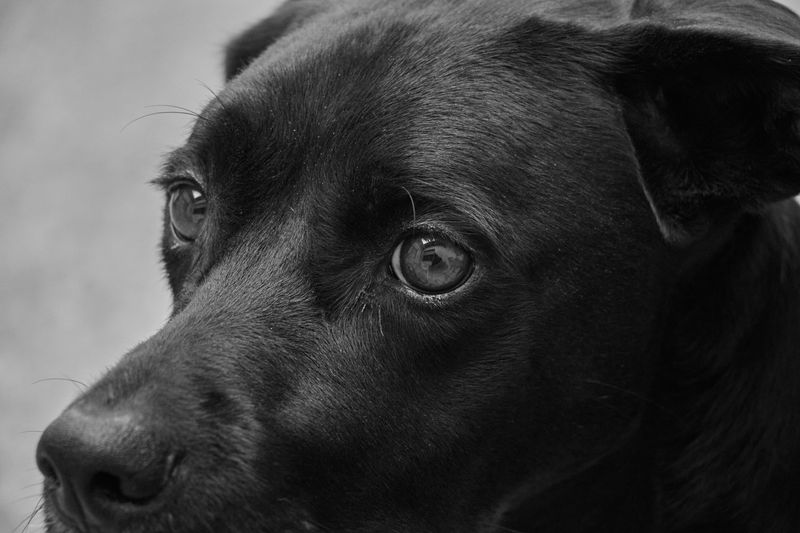
Your dog locks eyes on the rival for your attention, barely blinking, body still. It is not friendly curiosity.
That laser look can be a quiet threat or a prelude to crowding. You may see a slow head lean and tight lips.
Jealousy does not always bark. Sometimes it glares and waits for a chance to intervene.
Break the stare early with movement, a name cue, or a hand target. Reward the turn-away heavily.
Use parallel time with the other pet, walking together and feeding side by side at distance. If intensity spikes, increase space and seek a pro.
Building alternative habits turns hot eyes into soft glances that release the pressure around your home.
Clinging more than usual
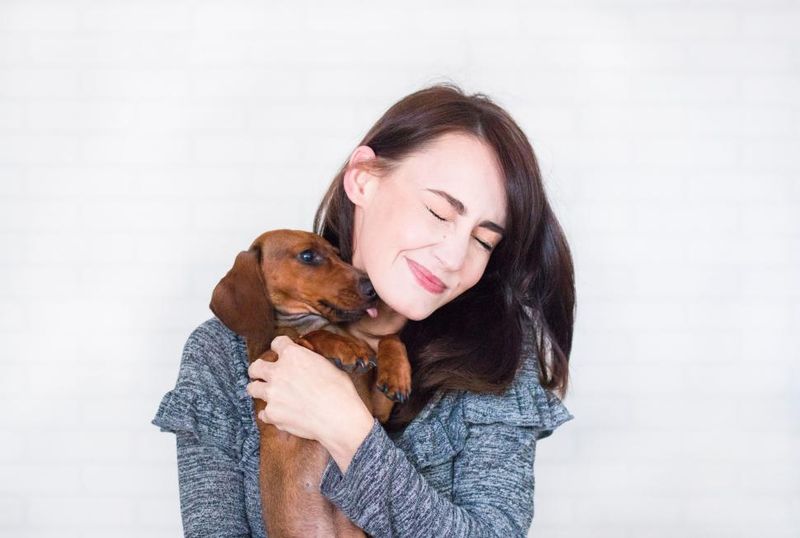
Velcro mode engages the instant another person arrives or a pet hops up. Your dog presses against your legs, leans on you, or insists on sharing the chair.
It feels sweet but urgent. The timing tells the story.
Clinginess can be a jealous shield, a way to guarantee your touch and to crowd out any competition.
Give structure and predictability. Schedule cuddles, teach a settle, and reward breathing space between you.
Invite closeness often, but end it on your cue so comfort does not become control. Use baby gates and cozy stations to rehearse independence.
As confidence grows, the magnetic pull softens, and your dog learns that love is abundant, not scarce in daily life.