
Some dogs live to please. These breeds live to think for themselves, and that can make training feel like a chess match.
If you love a spirited challenge, independent dogs reward patience with real partnership. Here are twelve standout breeds and how to work with their brilliant minds.
Shiba Inu
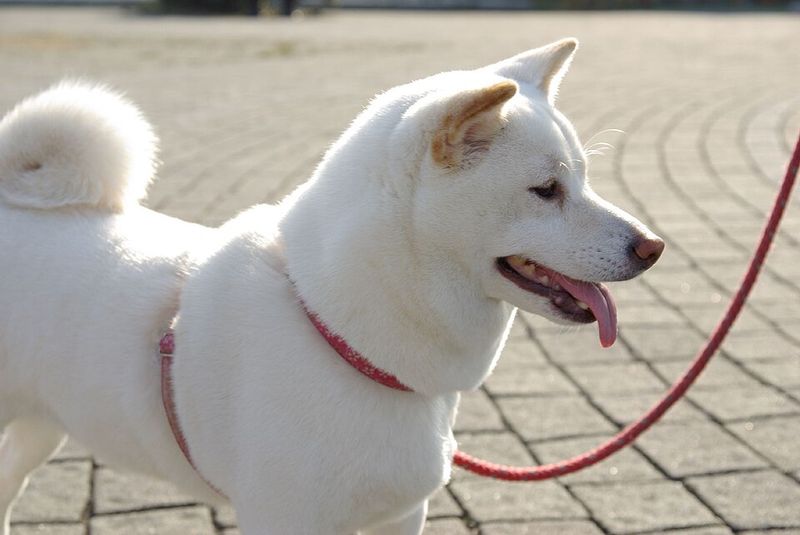
Shiba Inus look adorable, but their independent brains keep you guessing. Bred for hunting, they prefer making their own choices over pleasing you.
Training takes creativity, short sessions, and rewards that feel worth their effort.
You will need patience, secure fencing, and high-value treats to cut through distractions. Socialization helps curb aloofness while protecting their dignified spirit.
Respect their space, provide puzzle toys, and you will see a partner who chooses you rather than obeys by default.
Daily exercise is crucial, but mental work matters even more. Rotate routes, practice impulse control games, and keep recall training realistic with long lines.
When you embrace their foxlike wit and set consistent boundaries, the Shiba becomes surprisingly affectionate, funny, and loyal companion.
Basenji
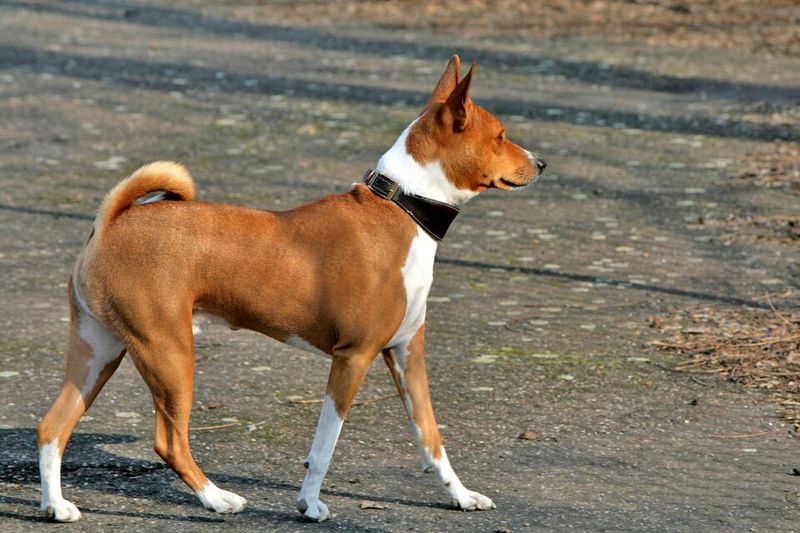
The Basenji is catlike, clean, and famously quiet, yet independence runs the show. Originating as a hunting partner, this breed makes decisions fast and expects you to keep up.
Training works best when sessions stay upbeat, brief, and brainy.
You will want secure yards, leash awareness, and puzzle feeders that pay well. Basenjis test boundaries with sly charm, so clear rules save your patience.
Socialize early, because strangers can earn suspicion, and small animals may trigger an unstoppable chase.
Daily exercise helps, but mental novelty keeps them truly content. Mix scent games, novel routes, and recall practice with long lines to manage instincts.
Respect their autonomy, reward generously, and you will unlock a hilariously expressive, whip-smart teammate who chooses cooperation.
Afghan Hound
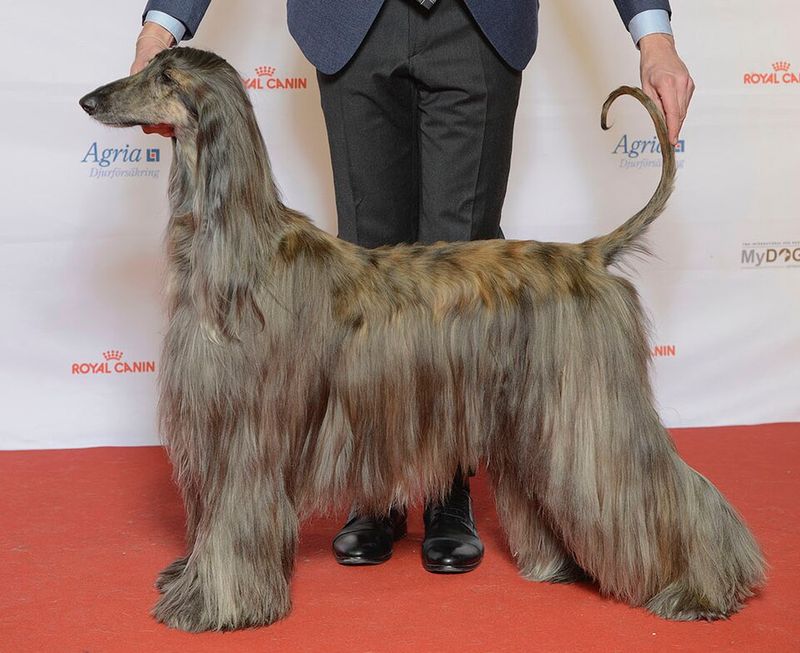
Afghan Hounds float like royalty, and they know it. Bred for independent coursing across harsh terrain, they prioritize self-reliance over constant direction.
Training must be elegant, gentle, and novel, or they will simply glaze over and drift away.
Grooming becomes bonding time if you keep sessions calm and rewarding. Expect dramatic zooms outside, followed by serene aloofness indoors.
Early socialization with varied people, dogs, and textures prevents sensitivity while respecting their refined nature and quiet confidence.
Long, secure runs satisfy their sighthound soul, but recall should remain managed with lines or fenced fields. Use soft cues, high-value rewards, and patience when distractions appear.
Treat them like partners, not projects, and their affection feels rare, luminous, and unforgettable on good days.
Chow Chow
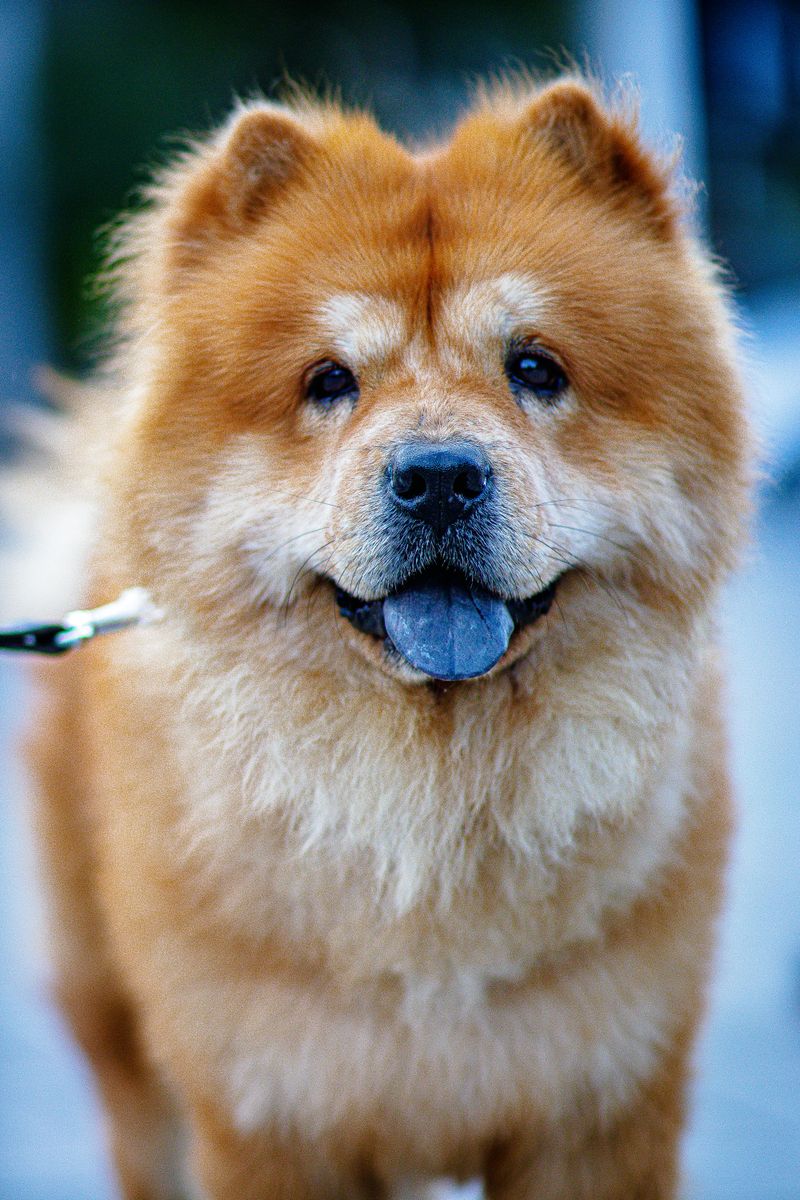
Chow Chows carry a dignified, almost catlike independence that can surprise new owners. Historically guarding and pulling, they prefer calm leadership over bubbly cheerleading.
Pushy training backfires, while structured routines and choice-based rewards earn steady cooperation and genuine trust.
Socialize thoughtfully, since strangers may receive a cool appraisal before acceptance. Grooming and handling require patient introductions with great treats.
Keep sessions short, predictable, and respectful, and you will find a quietly loyal companion who watches everything with ancient composure.
Daily walks are fine, but mental work and calm boundaries matter most. Teach polite greetings, reinforce a solid stay, and use gates to manage doorways.
When you respect their independence and protect their comfort, the Chow reveals warmth, steadiness, and devotion.
Akita
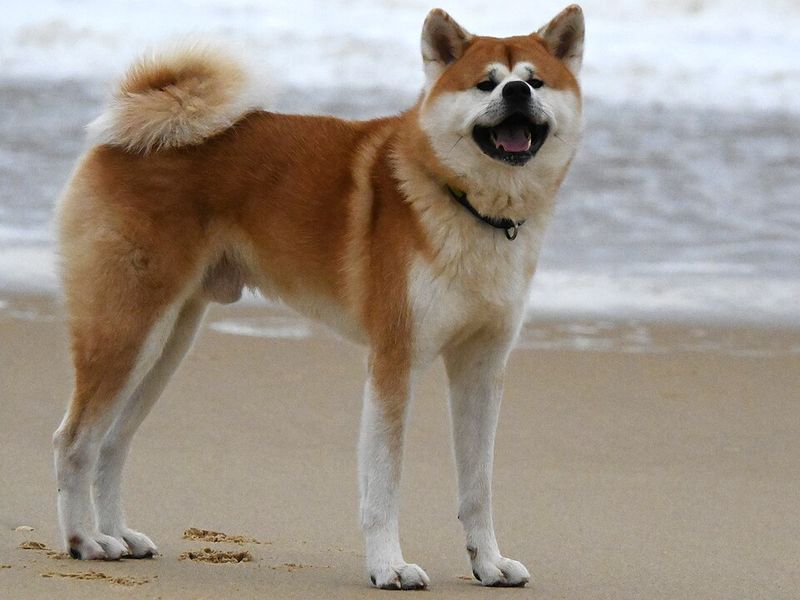
Akitas are powerful guardians with an intense sense of autonomy. They evaluate situations quickly and act decisively, sometimes before you speak.
Training must emphasize clarity, impulse control, and strong relationship building, or they will make executive choices you may regret.
Early socialization is non negotiable, focusing on neutrality around people and dogs. Respect thresholds, use leashes and gates, and avoid rough play.
Reward calm behavior generously, and keep sessions short, structured, and predictable to prevent frustration or pushback.
Give meaningful jobs through obedience patterns, scent work, and boundary games. Exercise their bodies and brains without letting arousal spike too high.
When leadership stays consistent and fair, the Akita becomes a steadfast protector who offers deep loyalty, patience, and respect daily.
Alaskan Malamute
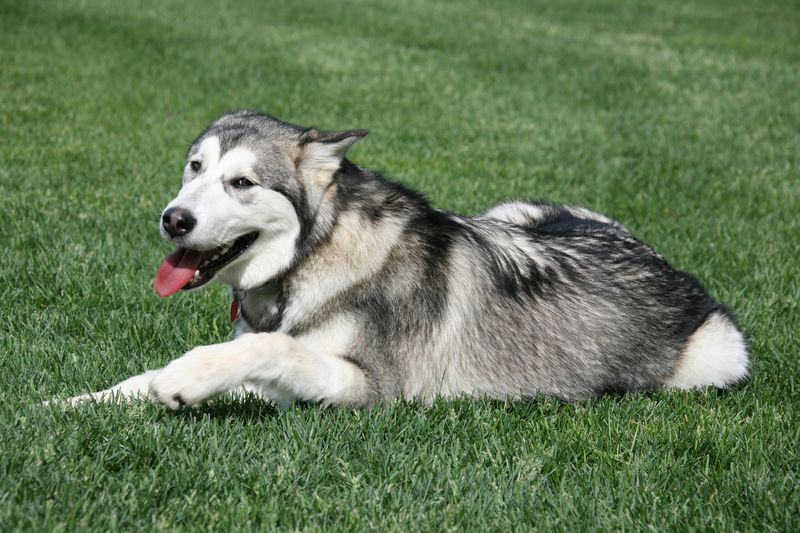
Alaskan Malamutes are powerhouse workers with bright independent streaks. Bred to haul heavy loads, they possess stamina and opinions in equal measure.
Training thrives on clear structure, cooperative games, and consistent follow through, or they will ignore cues the moment motivation dips.
Expect digging, howling, and determined sled dog problem solving. Provide jobs like canicross, weight pull, or backpacking to channel that drive.
Socialize thoroughly, manage prey instincts, and practice calm settling so the house stays peaceful after big adventures.
Strong fences and reliable equipment are essential for safety. Rotate enrichment with scent games, chews, and obedience bursts between exercise blocks.
Treat them like teammates, not subordinates, and you will earn a warmhearted clown who respects boundaries, routines, and rules.
Siberian Husky
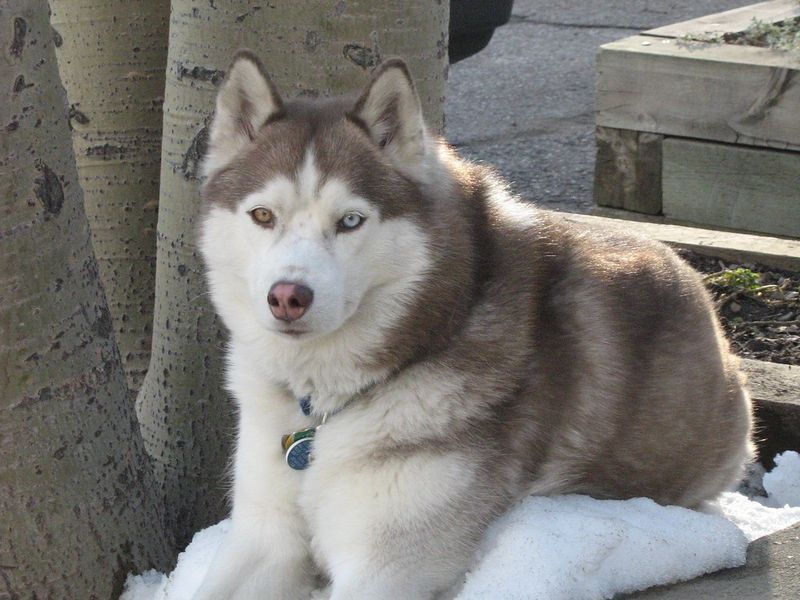
Siberian Huskies are cheerful, talkative, and stubbornly self-directed. Built for efficient travel, they prize freedom and novelty over strict obedience.
Training works when you trade repetition for variety, keep rewards exciting, and manage environments where a snow-blown breeze might lure them elsewhere.
Expect high energy, digging, and escape artistry if boredom creeps in. Secure fencing, strong leashes, and long lines help keep adventures safe.
Socialize widely and practice neutrality around small animals, because prey drive can override manners in an instant.
Give jobs like canicross, bikejoring, or skijoring to channel their go power. Mix nosework, recall drills on lines, and structured calm time.
When you balance freedom with boundaries, the Husky becomes a partner who works hard and laughs louder.
Scottish Terrier
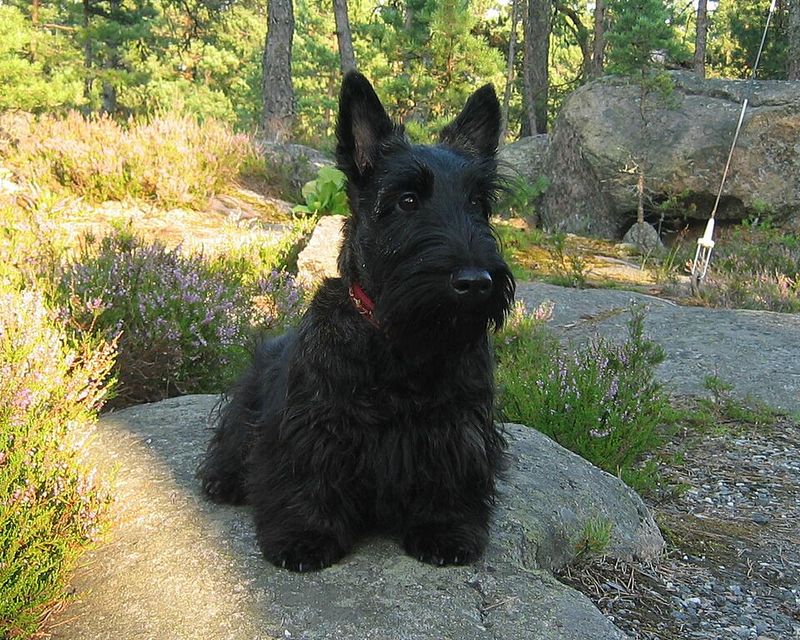
Scottish Terriers are bold little watchdogs with independent minds. Bred to work alone underground, they trust their own noses more than your script.
Training should be upbeat and tidy, with rewards that respect their serious style and dignified confidence.
Expect digging, selective hearing, and sharp opinions about manners. Teach clear boundaries, reinforce calm stays, and practice polite greetings to manage reactivity.
Socialize thoughtfully so they tolerate handling and remain civil around dogs despite that confident terrier glare.
Daily walks plus nosework keep them satisfied without over arousal. Use games like find it, settle on a mat, and platform work to sharpen focus.
Treat them like partners, and you will see loyalty, humor, and grit wrapped in whiskered dignity every day.
Cairn Terrier
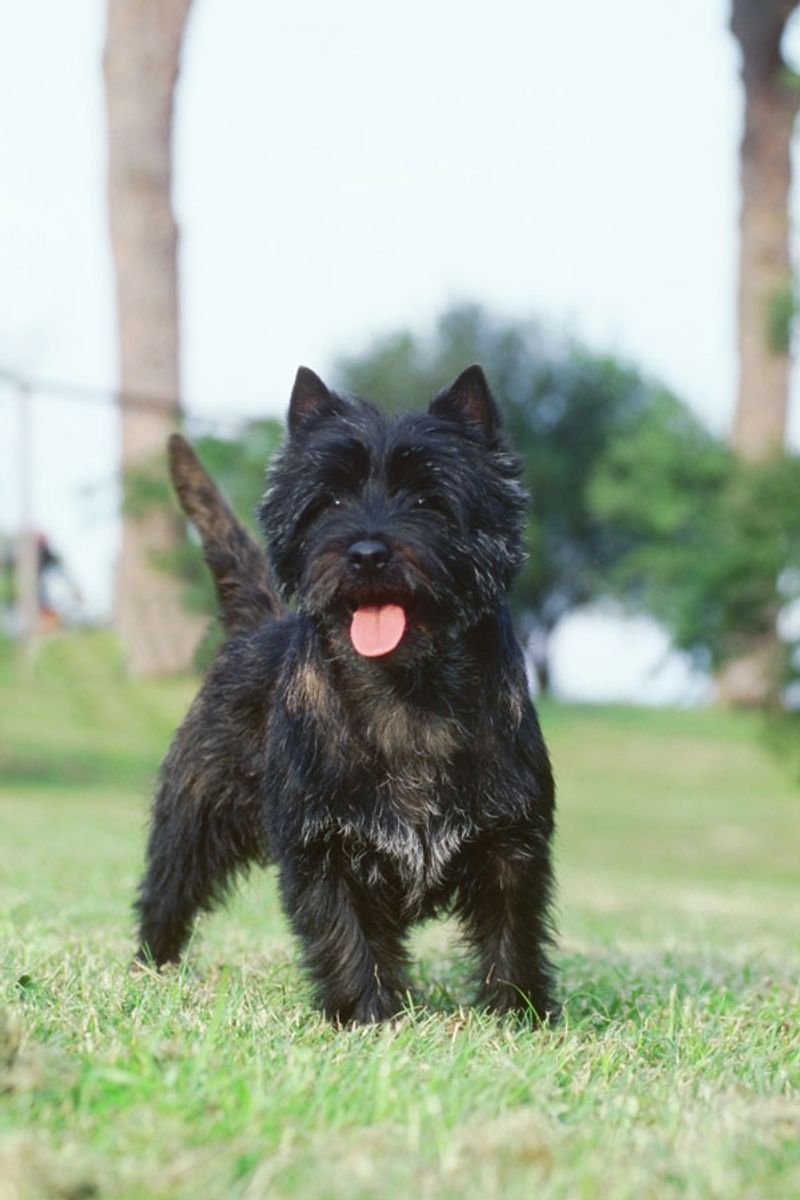
Cairn Terriers bring scrappy charm and a do it myself attitude. Originally ratters, they are fearless, quick, and intensely curious.
Training clicks when you keep sessions lively, rotate rewards, and allow safe choices instead of constant micromanagement from you.
Expect digging, alert barking, and laser focus on moving critters. Build outlets with nosework, flirt poles, and backyard treasure hunts.
Teach impulse control through sits at doors, calm mat work, and polite leash skills so their spark becomes manageable.
Short, engaging hikes and puzzle feeders keep their brains busy. Reward generously for check ins, then let them explore within boundaries to satisfy curiosity.
With patience and humor, you will discover a sturdy friend who delivers courage, cuddles, and plenty laughter too.
Lhasa Apso
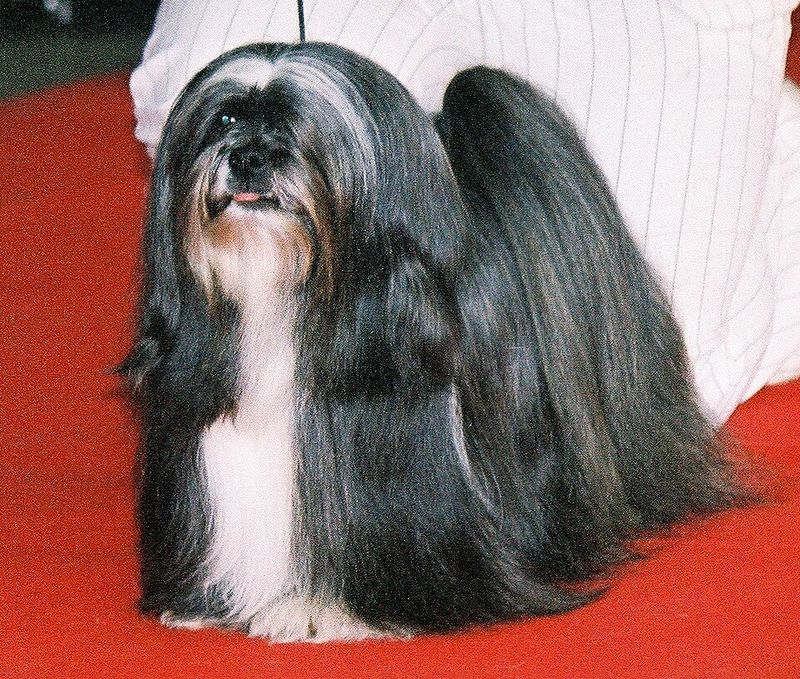
The Lhasa Apso guarded monasteries, and that heritage shows in calm independence. They assess newcomers carefully and prefer measured introductions.
Training should be respectful, with clear routines, gentle handling, and rewards that make cooperation feel like a smart personal choice.
Socialize early to prevent excessive suspicion, focusing on polite greetings and handling. Teach place, reinforce stays, and reward quiet watching rather than constant interaction.
Keep sessions short and consistent, because pushy tactics may earn a frosty stare and zero progress.
Daily walks, snuffle mats, and simple trick chains keep minds bright. Offer choices like two resting spots or two routes to build buy in.
When you honor their thoughtful nature, the Lhasa reveals humor, loyalty, and steadfast companionship at home.
Shar Pei
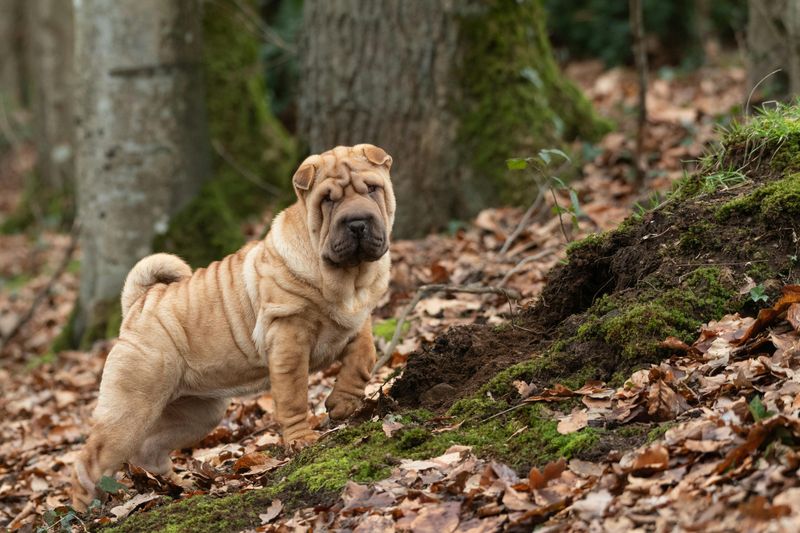
The Shar Pei blends stoic independence with devoted loyalty to their people. Historically a multipurpose farm dog, they assess situations calmly before acting.
Training should be low drama, structured, and rewarding, emphasizing patience over pressure to maintain trust and willingness.
Some can be wary with strangers and choose solitude when overwhelmed. Socialize early with positive exposures to varied people, surfaces, and environments.
Focus on cooperative care for skin and ears, pairing handling with excellent treats and breaks when body language tightens.
Walks, nosework, and brief training bursts keep them content without over arousal. Teach settle, reinforce boundary games, and use leashes wisely near doorways.
Respect their space, and you will gain a thoughtful companion who offers humor, steadiness, and grace.
Tibetan Mastiff
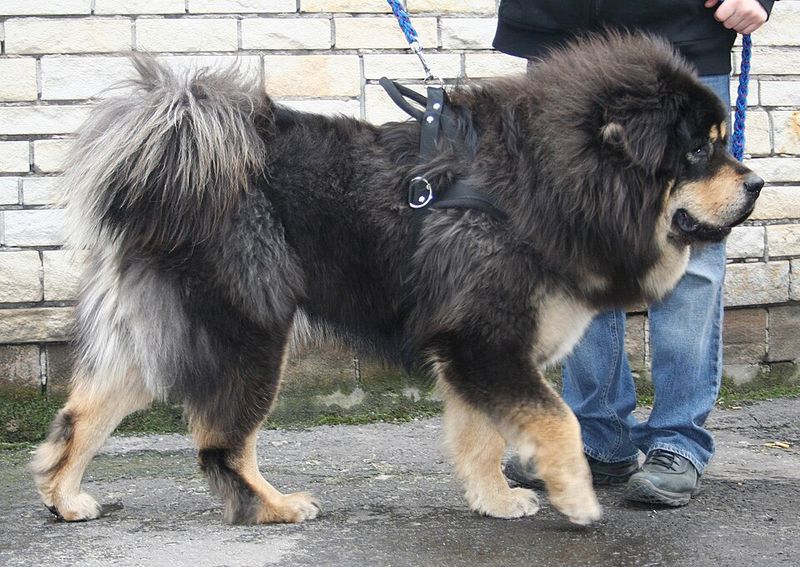
The Tibetan Mastiff is majestic, protective, and supremely independent. Bred to guard remote homesteads at night, they make calculated choices and question authority.
Training focuses on calm leadership, predictable routines, and generous rewards so cooperation feels dignified rather than forced or fussy.
Socialization must be thorough yet respectful, building neutrality around people, livestock, and other dogs. Reinforce calm observation, solid recalls on lines, and reliable stays.
Avoid rough play and chaotic environments that spike arousal, because this breed prefers thoughtful work and clear boundaries.
Give purpose through perimeter walks, scent games, and quiet patrols at dusk. Provide space, steady rules, and patient teaching.
When trust settles, the Tibetan Mastiff offers devotion, dignity with family, and guardian presence that commands respect.