
Some dogs save their biggest opinions for quiet moments you hoped to enjoy. If barking grates on your nerves, a few beloved breeds may challenge your patience.
Before you fall for those eyes and fluffy coats, know what daily life really sounds like. Here are 11 charming pups whose voices show up often.
Beagle
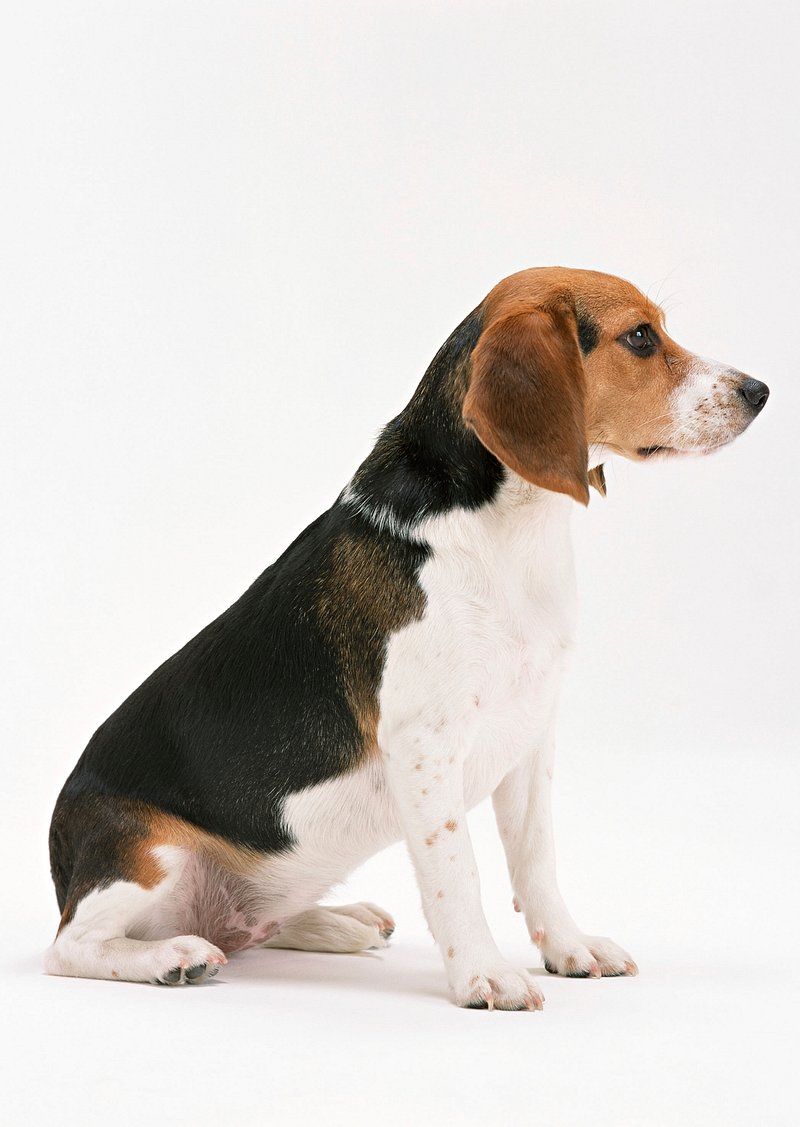
Beagles were bred to follow scent and alert hunters, so vocalizing comes naturally. Their trademark bay and howl can start the moment they catch a whiff of something interesting.
In busy neighborhoods or apartments, that curiosity often turns into frequent commentary you will hear through walls. They also practice contact calls when left alone, which neighbors notice fast.
Daily sniffy walks, structured games, and scent work classes help channel that energy. Teach a quiet cue, reinforce calm moments, and avoid leaving your Beagle bored without enrichment.
If you love cheerful companionship and a dog who narrates life, great, but if barking stresses you, consider a different match. White noise, food puzzles, and crate training can make quiet easier.
Chihuahua
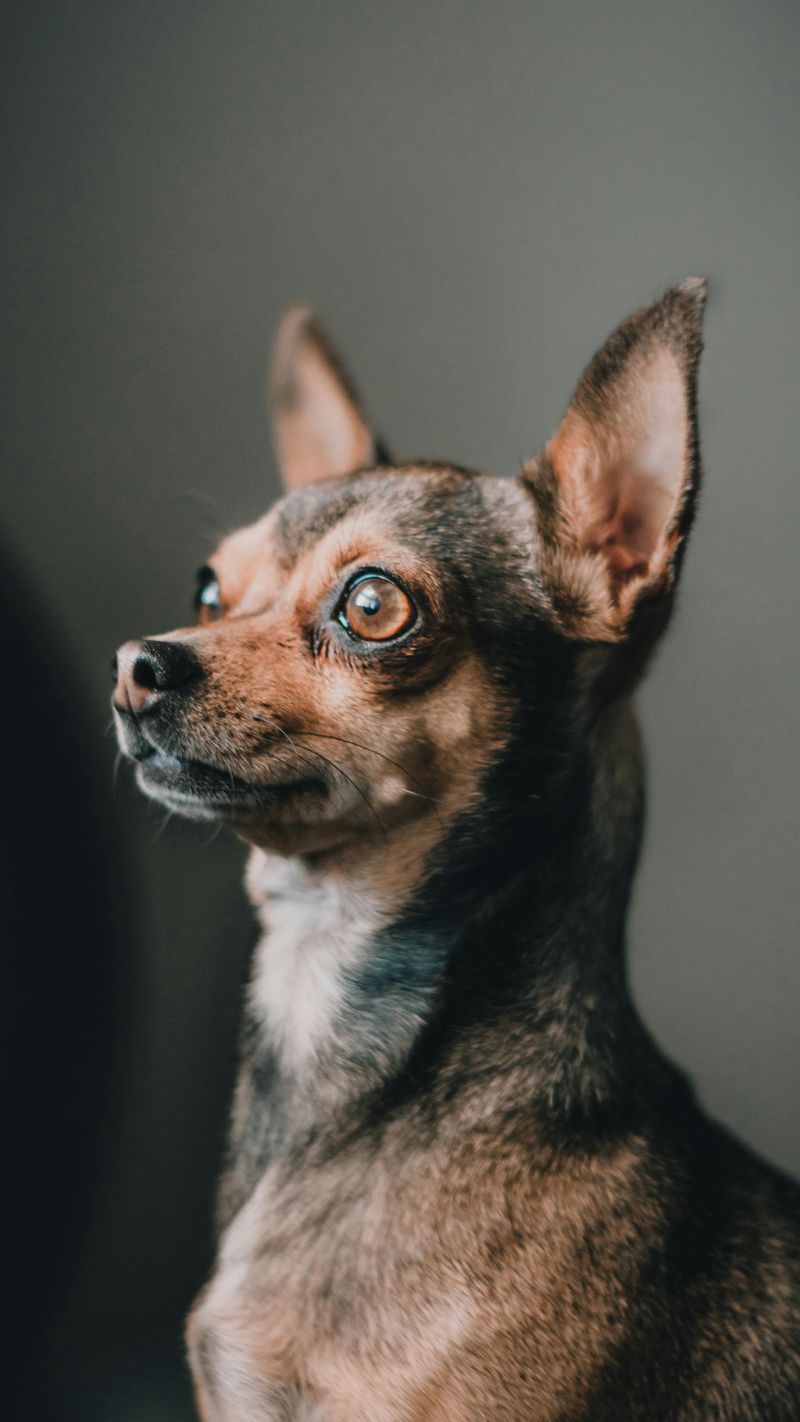
Chihuahuas are tiny watchdogs with a big opinion about everything. Their sharp ears catch hallway footsteps, elevator dings, and distant dogs, triggering alert barks.
Without consistent boundaries, that vigilance can spiral into repetitive yapping that tests apartment patience and your last nerve. Window film can cut triggers from constant street movement.
Socialize early, reward quiet greetings, and give this smart pup brain games. Teach place training, pair door knocks with treats, and avoid reinforcing barky drama with attention.
If you want portable sass and lively company, perfect, but if serenity matters most, this spirited singer may not be ideal. Rotate toys to prevent bored bark fests daily.
Miniature Schnauzer
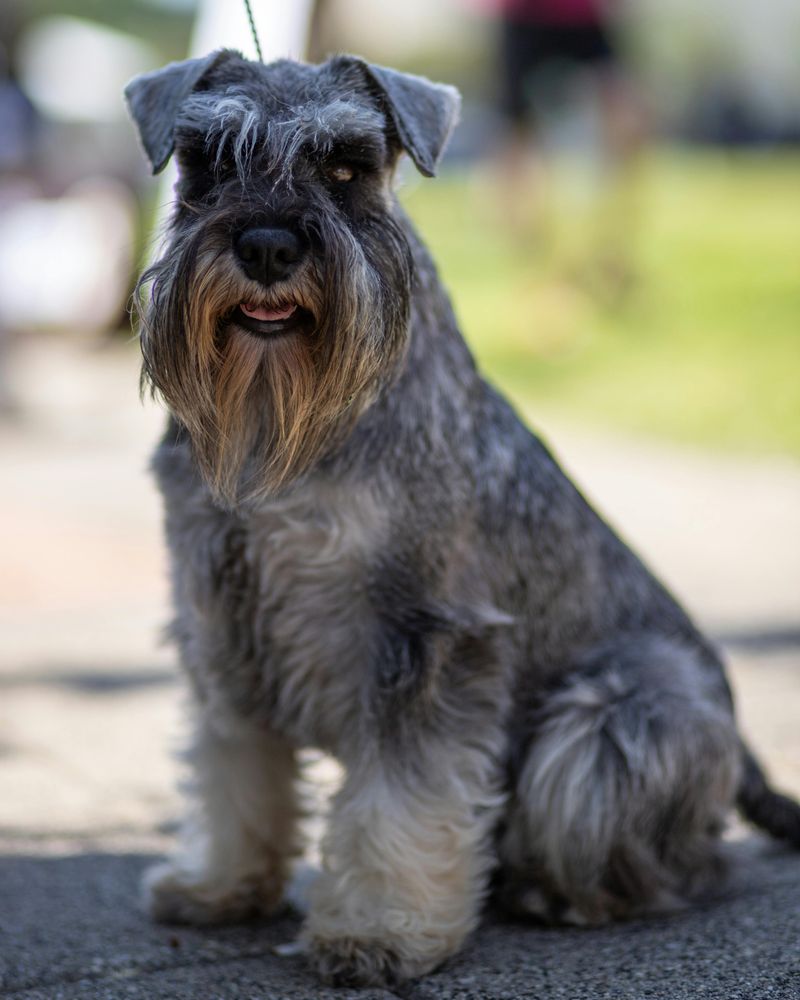
Miniature Schnauzers were bred to guard barns and alert to pests. That heritage shows up as quick, punchy barks the instant something changes.
Doorbells, bicycles, and rustling hedges register as events that must be announced, often repeatedly if no one answers their concern. Their confidence is charming, but neighbors may disagree by week two.
They also talk during play and backyard patrols.
Channel the instinct with nosework, rally, and structured neighborhood walks. Teach a solid quiet cue, practice calm sits after one woof, and close curtain sightlines where needed.
If you enjoy bold personality and tidy grooming, wonderful, but if you crave hush, expect management, training, and plenty of mental work. White noise can soften apartment echoes indoors.
Dachshund
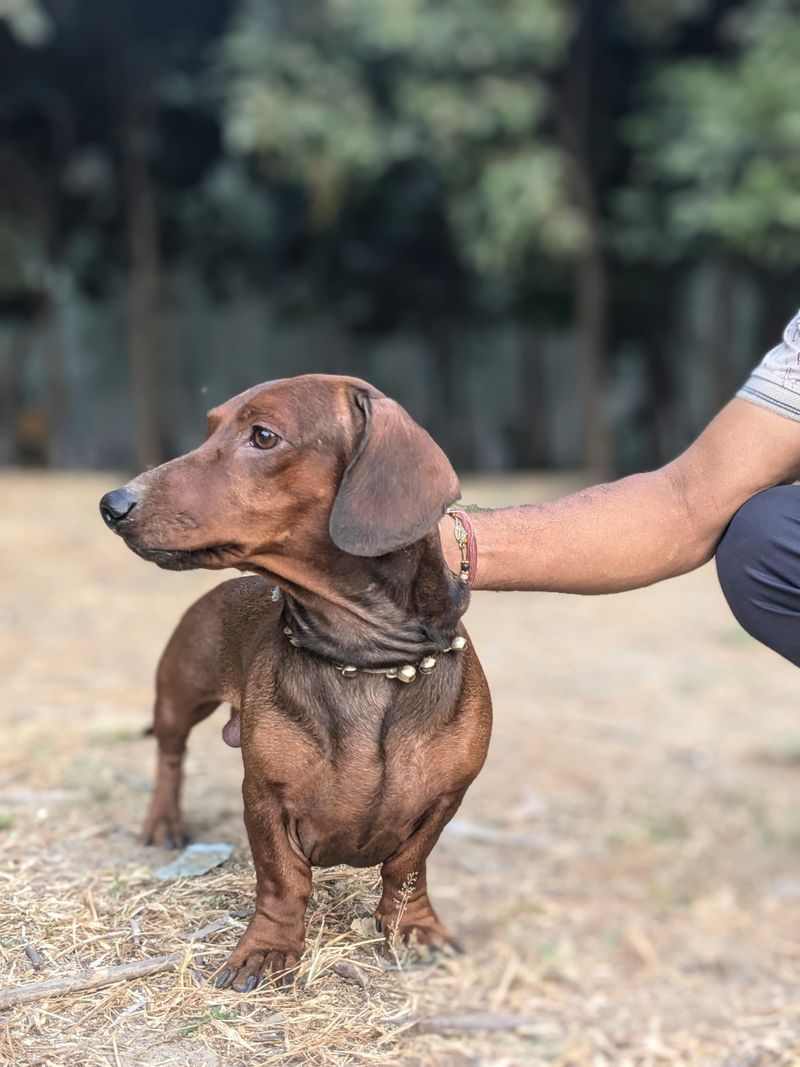
Dachshunds were engineered to hunt badgers underground, communicating with hunters above. That job required persistence and voice, which today becomes enthusiastic barking at anything suspicious.
Birds, delivery trucks, and hallway steps often receive spirited commentary that seems to last longer than you imagined possible. Their courage is huge, even when their legs are tiny.
They will report squirrels with unwavering dedication.
Provide digging boxes, puzzle feeders, and scent games to tire the mind. Teach calm door routines, reward silence after one alert, and manage window access when you cannot train.
If you adore clownish charm and snuggly blankets, great, but if volume is unwelcome, a quieter companion might suit your lifestyle. Long chews help settle post walk jitters.
Yorkshire Terrier
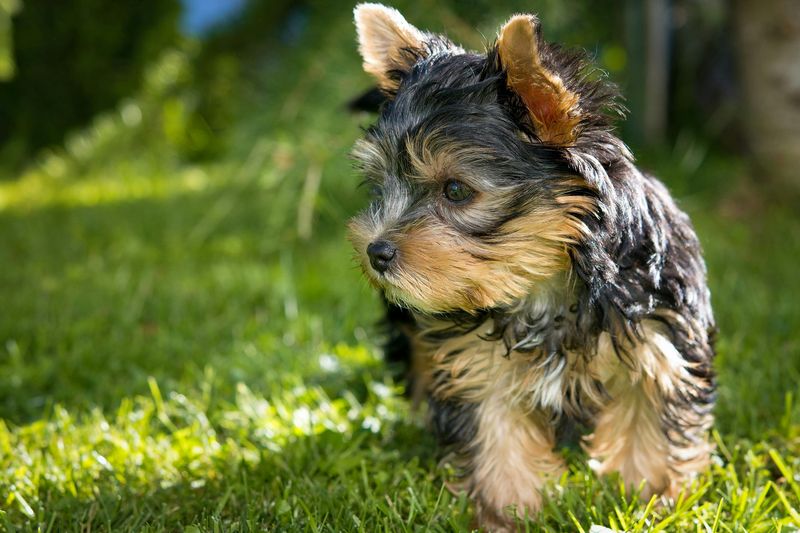
Yorkies are pocket sized, but their watchdog spirit is full scale. Originally bred to chase rats in mills, they take perimeter duty seriously at home.
Doorway shadows, clinking keys, and elevator chimes can inspire a volley of yaps that feels far bigger than five pounds. They also like to announce visitors from the far room.
That confidence is adorable but not exactly library friendly.
Train quiet like any other trick, reward calm settle on a mat. Use covered crates, food puzzles, and window film to cut visual triggers.
If you crave spunky glam and velvety cuddles, splendid, but if thin walls surround you, be realistic about the daily practice needed for peace. Short sniff walks before guests arrive help.
Jack Russell Terrier
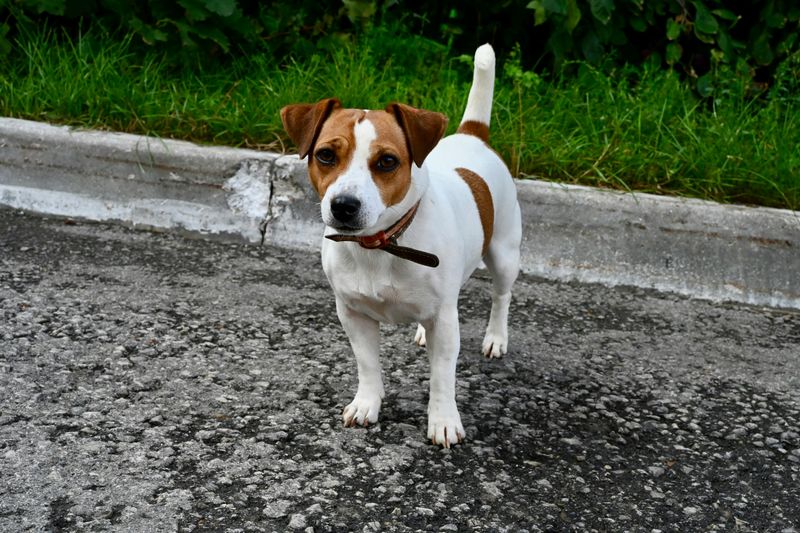
Jack Russells are turbo charged hunters built to shout at movement. Their brains and bodies run hot, and that intensity often exits as noise.
Squirrels, skateboards, and fluttering leaves all count, and the commentary can continue long after the stimulus disappears. They are brilliant, hilarious, and very, very loud when bored.
Fence chasing is a common trigger in suburban yards.
Commit to real exercise, problem solving games, and impulse control drills. Teach a speak and quiet pair, reinforce defaults like sit to greet, and create decompression time after play.
If you want zingy athleticism and sitcom level antics, fantastic, but for quiet homes, the volume knob might feel broken. Sniffy scatter feeding in grass reduces arousal quickly on busy days.
Pomeranian
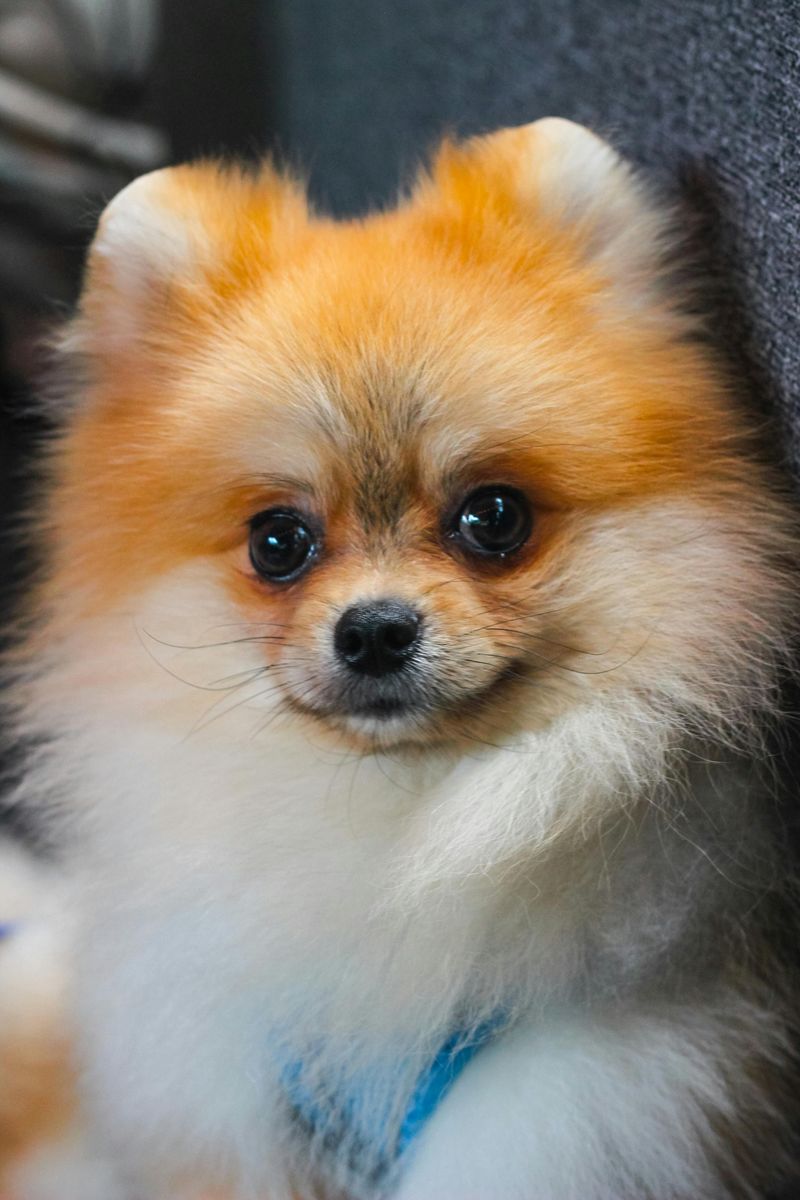
Pomeranians may be fluffy clouds, but they are vigilant little announcers. Historically watchdogs, they notice every creak, passing stroller, and package drop with zeal.
The voice is surprisingly piercing in small rooms, and repetitive alerts can stack until everyone feels frazzled. They also vocalize during play, greeting, and grooming sessions.
Apartment living can magnify the echoes and neighbor complaints quickly.
Build a quiet routine early, using mat training and calm rewards. Rotate enrichment, groom gently with treats, and manage views with curtains or frosted film.
If you cherish bright eyes, foxlike smiles, and portable cheer, wonderful, but if you crave hush, plan for training, structure, and thoughtful daily outlets. White noise helps settle evenings after exciting daytime adventures outside walks.
Shetland Sheepdog
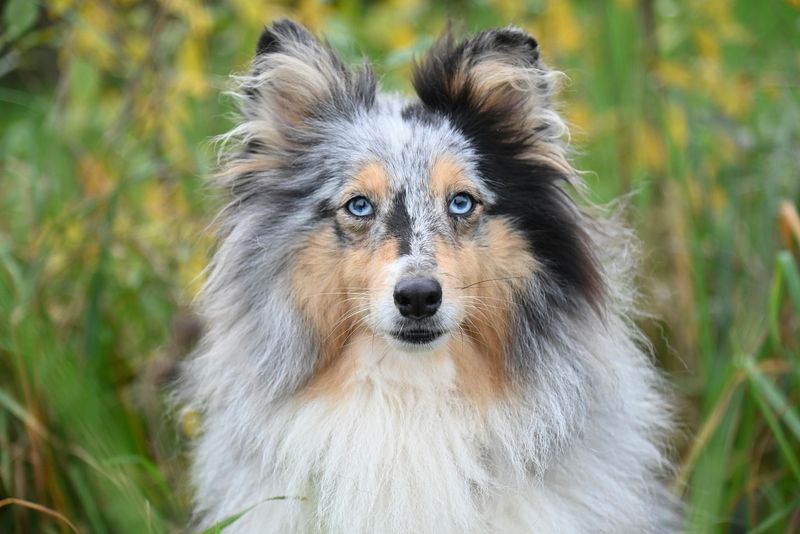
Shetland Sheepdogs are sensitive herding dogs with a strong alarm bark. They notice motion instantly and feel responsible for reporting it to their people.
Mail carriers, joggers, and even falling leaves can seem like flock disruptions that demand a shrill, persistent response. Left unchecked, that habit becomes a soundtrack for the whole block.
They also practice contact calls when separated from trusted humans.
Meet needs with brisk exercise, trick training, and precise reinforcement timing. Practice quiet after one alert, teach place behind a baby gate, and cover windows facing busy streets.
If you love sensitive partner energy and eager learning, wonderful, but if you dislike frequent shrieks, reconsider, or plan serious training time. Scent games boost relaxation hormones between sessions.
Fox Terrier
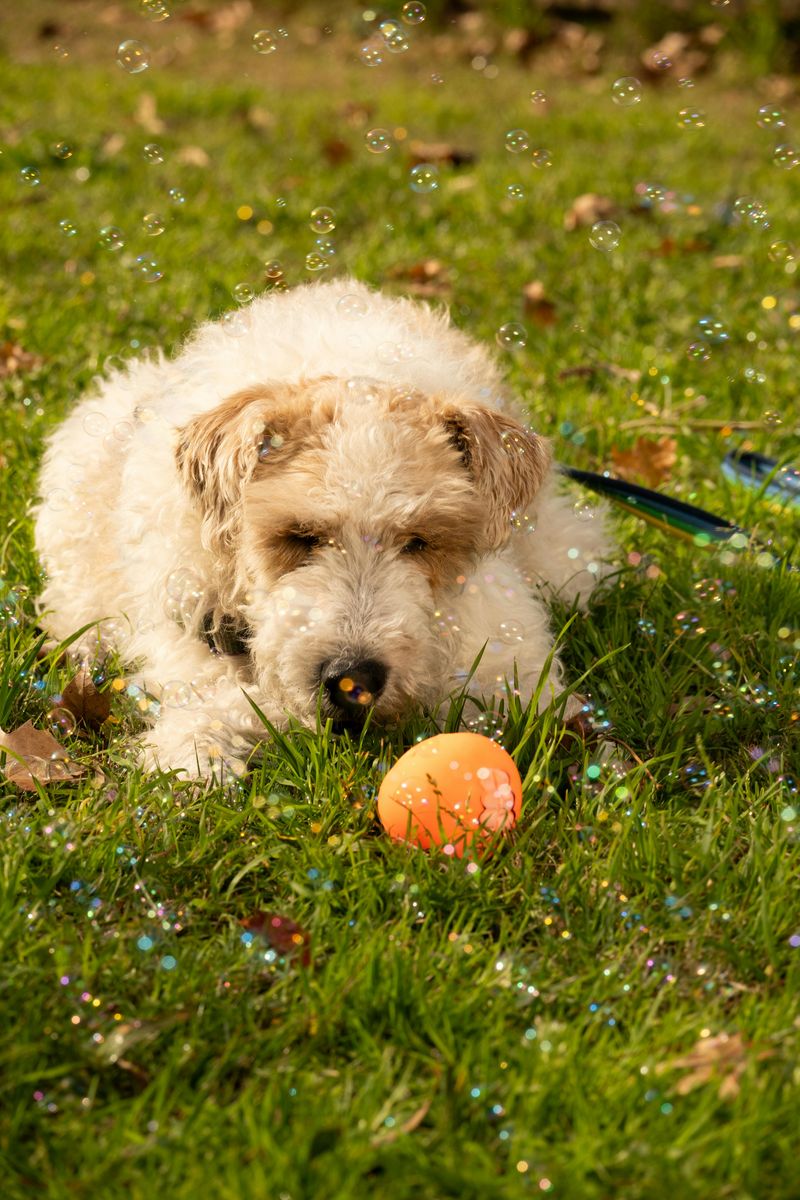
Fox Terriers, both smooth and wire, are animated, talkative hunters. Quick reflexes and curiosity mean every scuffle of leaves earns a report.
That crisp, staccato bark is impressive outdoors, but indoors it can echo like a metronome you cannot switch off. They thrive on action and will advertise boredom immediately.
Mail slots and door buzzers often become daily nemeses in cities.
Plan for real outlets like earthdog practice, fetch, and structured walks. Train quick downs, reinforce quiet after one alert, and limit fence lines that trigger endless announcements.
If you crave a jaunty, witty partner with classic style, great, but if peaceful evenings matter, consider whether your walls can forgive. Snuffle mats and long chews help decompress afterward at home.
Siberian Husky
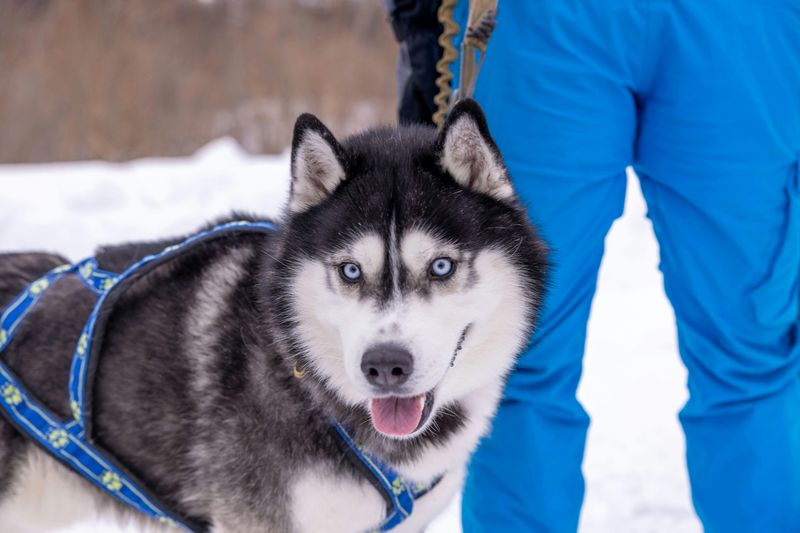
Siberian Huskies are famous for conversation, not just barking. They yodel, woo, and comment like talkative roommates about everything from meals to mail.
That dramatic voice carries, and in close quarters the operatic performances can prompt landlord emails by the second week. They also protest vocally when routines change or boredom strikes.
Howling can trigger neighboring dogs into chorus quickly.
Meet needs with real exercise, pulling sports, and brainy games. Teach quiet on cue, reward relaxed settles, and avoid amping them up with rough play before bedtime.
If you dream of blue eyes and snowy adventures, amazing, but if silence is sacred, know the soundtrack comes built in. Frozen lick mats and sniffing walks promote calmer evenings after exercise outside.
Cocker Spaniel

Cocker Spaniels are affectionate sporting dogs with a surprisingly persistent alert bark. They bond closely and worry about strange sounds near their people.
That sensitivity can turn door knocks, hallway chatter, and even phone vibrations into repetitive warnings if not guided early. Lonely hours also invite attention seeking woofs that build habits.
They are sweet talkers who believe in enthusiastic customer service.
Create predictability with routines, gentle training, and generous mental workouts. Reinforce quiet during grooming, pair visitors with mats and chews, and manage sightlines so they can relax.
If you love soft ears and soulful eyes, excellent, but if you share walls, plan effort, patience, and consistent reinforcement for lasting calm. Long sniffs reduce startle responses before bedtime routines.