
Some dogs are hardwired to notice every twitch, flutter, and scurry. If you share life with small pets or live near wildlife, understanding prey drive can save you stress and heartache.
The breeds below often shine in sports and adventures, but they also need thoughtful management and training. Learn how to channel their instincts safely so everyone at home stays happy and secure.
Greyhound
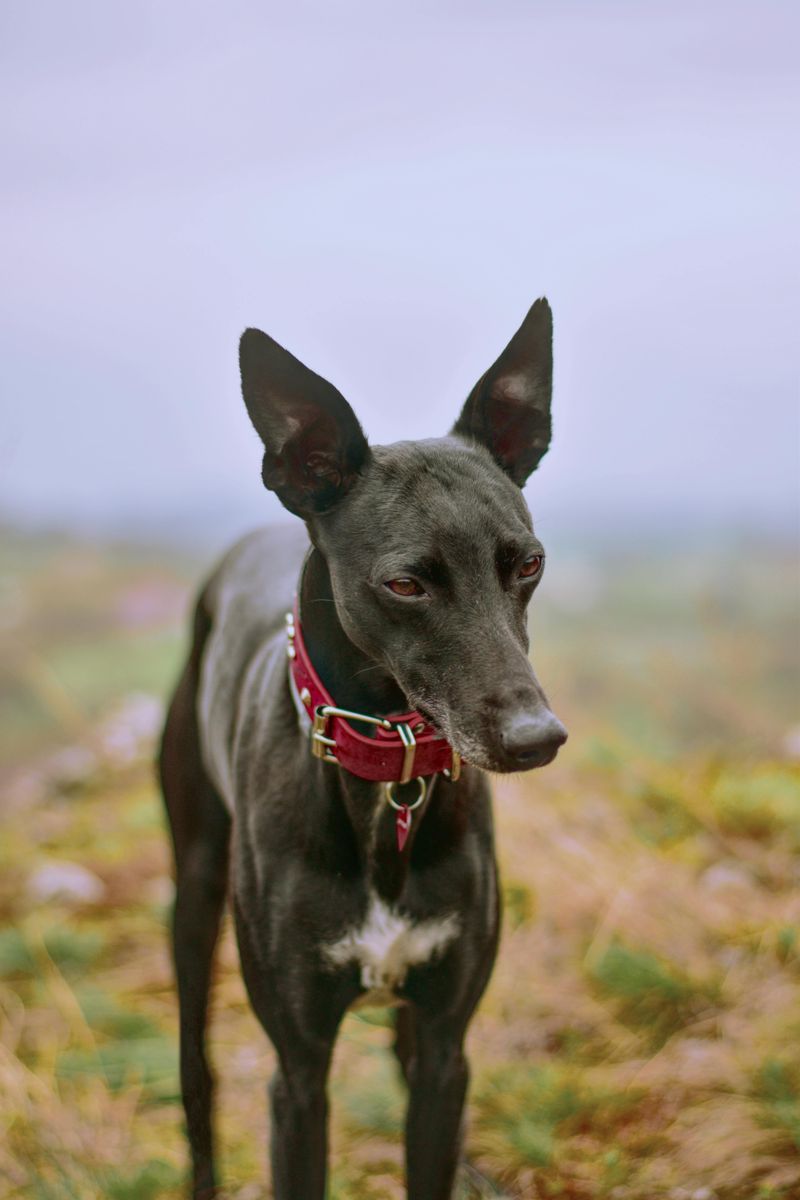
Greyhounds were built for speed, and that instinct never really turns off around squirrels, rabbits, or backyard birds. They spot movement at incredible distances, then explode into pursuit before you can even process what flickered.
Leashes, tall fences, and reliable recall training become essentials, not luxuries, when small pets or wildlife share your routes.
Mental enrichment and sprint outlets help channel that drive, like structured lure coursing, flirt poles, and safe fenced runs. With gentle handling and consistency, you can teach calm at thresholds and impulse control around doors, gates, and windows.
Some Greyhounds live peacefully with cats, but it takes careful introductions, management, and realistic expectations about individual temperament. Muzzles during playdates can add an extra safety layer.
Whippet
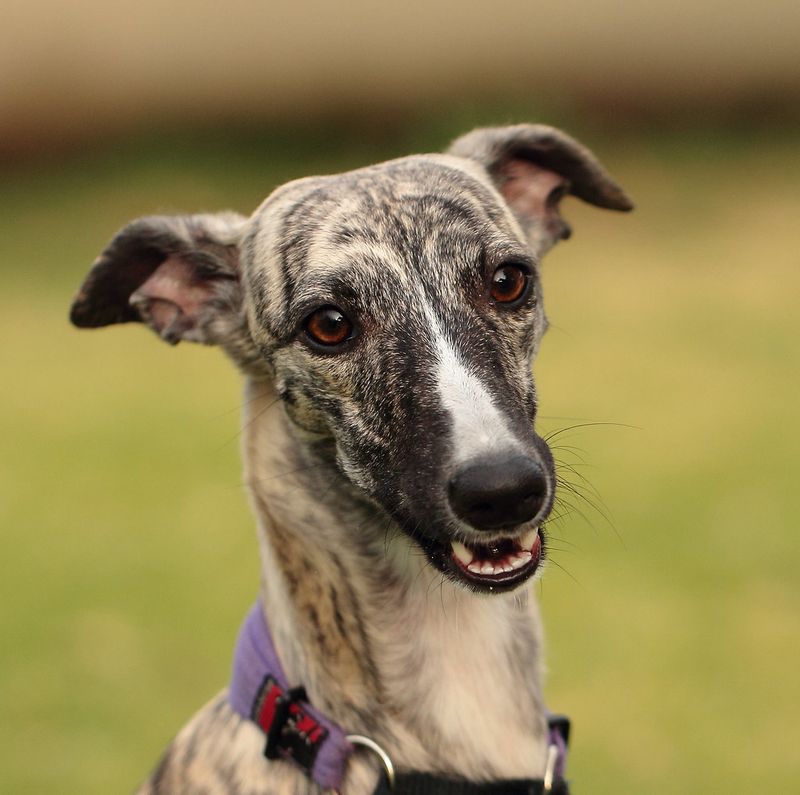
Whippets are featherlight sprinters with eyes that lock onto motion like radar, especially when birds or rabbits bolt. That quick trigger can surprise new owners, because the rest of the day they are quiet, cuddly couch ornaments.
The mix of nap champion and pursuit missile demands structure whenever small pets share hallways or yards.
Use long lines, flirt poles, and recall games to teach disengagement from movement while satisfying their need to sprint. Crate training and calm go-to-mat cues give you off switches when the doorbell or backyard pigeons light them up.
Thoughtful introductions with cats can work for some households, but management and realistic boundaries remain nonnegotiable. Secure fences are essential.
Double gates help.
Saluki
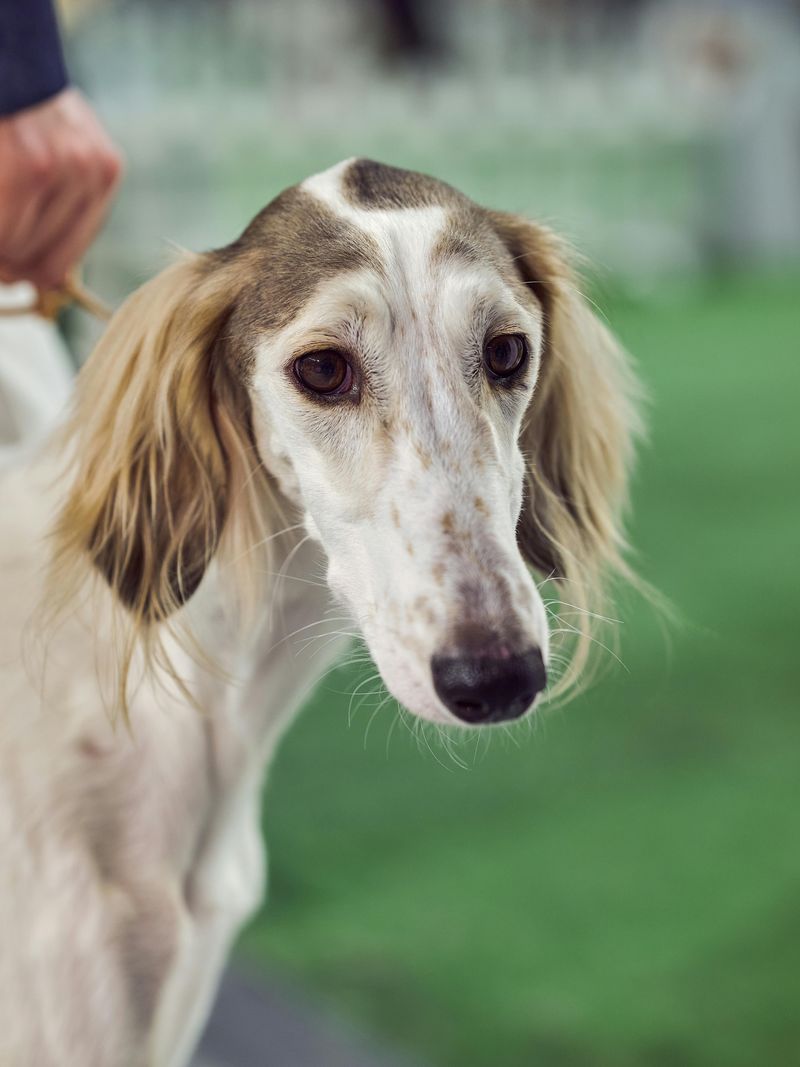
Salukis carry desert heritage in every stride, gliding after anything that darts, flutters, or vanishes across open space. Their independence can feel aloof, yet that self possessed focus turns electric the instant a chase opportunity appears.
If you live with small animals, proactive management is not optional, it is daily life and constant practice.
Long, quiet hikes on leash, structured sprints, and scent puzzles give their minds and bodies satisfying outlets. You will want bulletproof recall foundations, but also smart defaults like auto check ins and look at that games.
Some households succeed with cats using slow plans, barriers, and muzzles, while accepting setbacks and adjusting expectations honestly. Night visibility gear helps.
Secure gates matter.
Afghan Hound
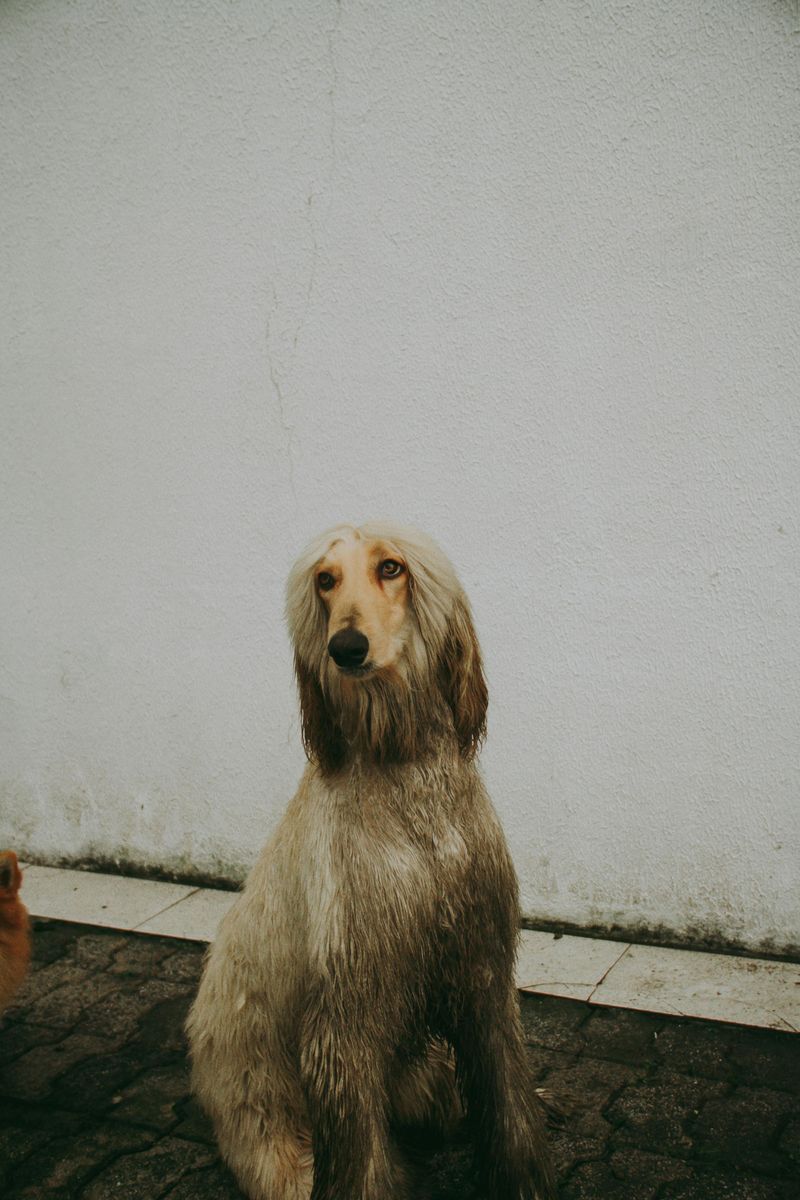
Afghan Hounds look regal, but beneath the coat lives a sight hunter primed to launch after sudden movement outdoors. Their athleticism and independence mean your management must be consistent, kind, and two steps ahead of curiosity.
Little animals trigger chase patterns quickly, so prevention, training, and safe containment become your everyday routine.
Prioritize tall fences, long lines, muzzle conditioning, and solid recall games using high value rewards in distracting environments. Teach settle on a mat, door boundary manners, and eye contact cues that interrupt fixation before adrenaline takes over.
Gentle socialization and layered introductions can help with resident cats, but always supervise and accept individual differences. Plan exercise before dusk, when wildlife is busiest.
Use lights.
Jack Russell Terrier
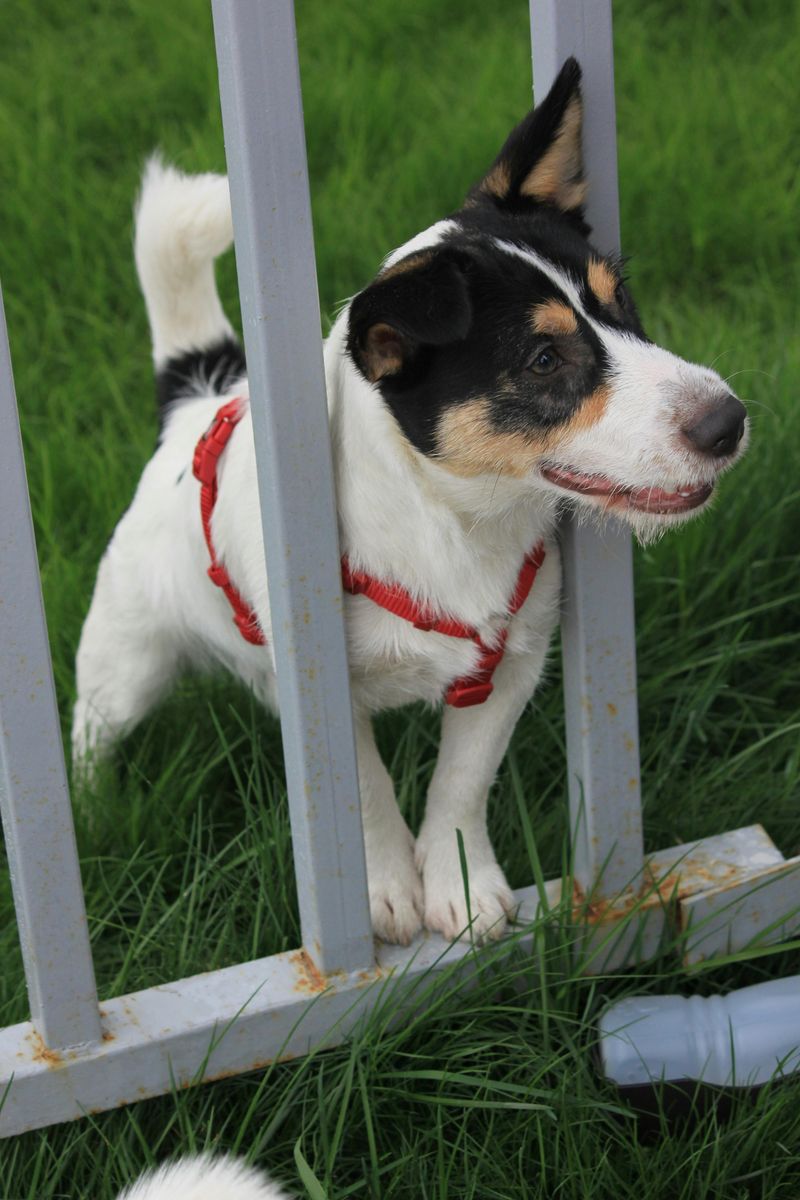
Jack Russells are tiny dynamos bred for earthdog work, so tunnels, squeaks, and scurrying shapes flip their on switch. Expect fast digs under fences, lightning pivots, and vocal excitement the second a critter rustles in the hedge.
That drive is impressive, but it requires supervision when small pets, backyard chickens, or open compost attract attention.
Channel energy into nosework, fetch, tug, and structured digging boxes, then reinforce restful pauses with food puzzles. Teach drop it, leave it, and come as non negotiable games, practiced daily with leashes and real world distractions.
Secure perimeter solutions, like hardware cloth below fence lines, stop thrilling escape attempts before they become repeat habits. Rotate toys to prevent fixation.
Supervise.
Dachshund
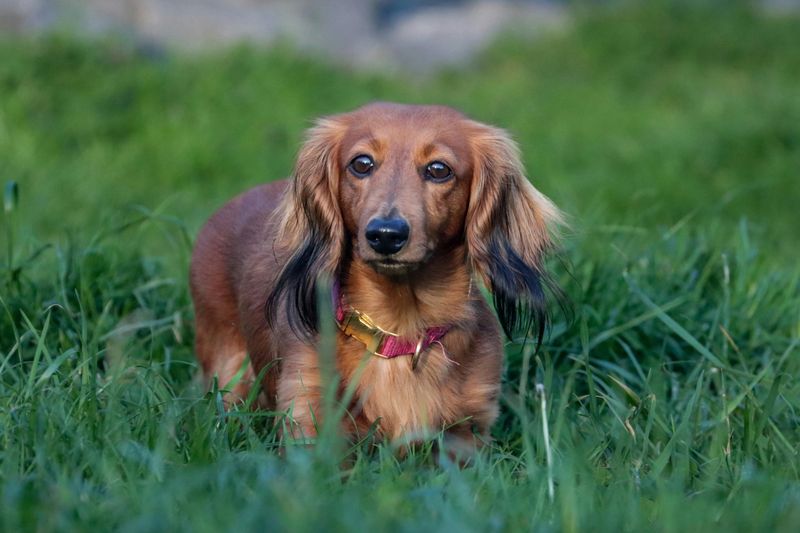
Dachshunds were made to follow scent underground, so rodents, birds, and rustling leaves wake up persistent pursuit instincts. They may seem comedic and stubborn, but that tenacity means barriers, leashes, and gates must be reliable.
Small pet households should plan careful separations, tall x pens, and slow, positive introductions with management forever.
Dig boxes, scent games, and short tracking sessions let them work their noses without raiding gardens or planters. Teach drop it and leave it early, pairing cues with trades, long lines, and generous reinforcement for checking in.
Because backs are delicate, keep jumping limited, use ramps, and manage excitement around fences, doors, and window sills. Nighttime critter patrols need extra supervision.
Lights help.
Beagle
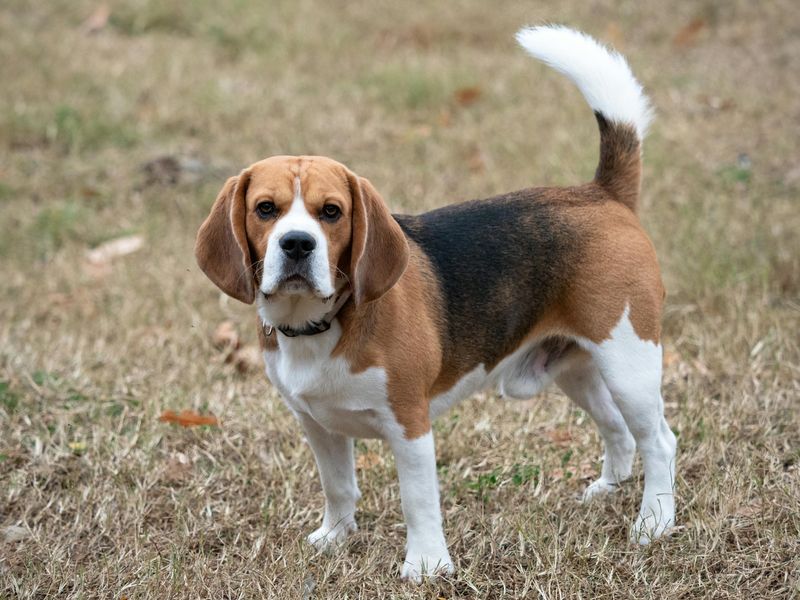
Beagles live nose first, chasing scent trails with musical voices and astonishing persistence whenever wildlife meanders through the breeze. That tracking passion can override recall, so doors, gates, and even car trunks must be managed thoughtfully.
Small furry pets often register as quarry, and the beeping of a scent trail can draw attention instantly.
Scent games, hide and seek, and long sniffaris on leash give that nose a legal outlet. Reinforce check ins with treats, use trailing lines, and layer in emergency cues like stop and come to heel.
With patience, barriers, and muzzles where needed, some Beagles coexist with cats, but supervision remains vital. Double checks on latches save headaches.
Practice indoors first. Daily.
Basenji
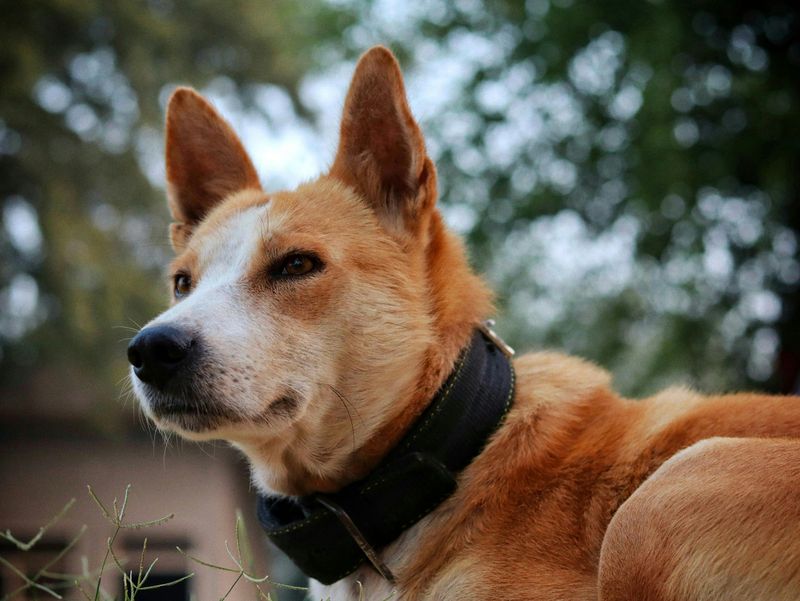
Basenjis are catlike hunters with silent feet and bright eyes that fix on motion, then stalk with precision. Their independence and curiosity mean small pets can trigger chase, grab, or investigate behaviors despite careful routines.
Outdoors, squirrels become irresistible, so leashes, fences, and awareness are constant companions on neighborhood walks.
Provide puzzle feeders, flirt poles, and scent games to satisfy instincts while reinforcing calm in high arousal moments. Teach eye contact, go to mat, and leave it as fluent skills, proofed with doors, windows, and wildlife videos.
With time and supervision, some Basenjis can live with cats, but management and fairness always come first. Secure trash and compost to reduce tempting smells.
Plan exits carefully.
Weimaraner
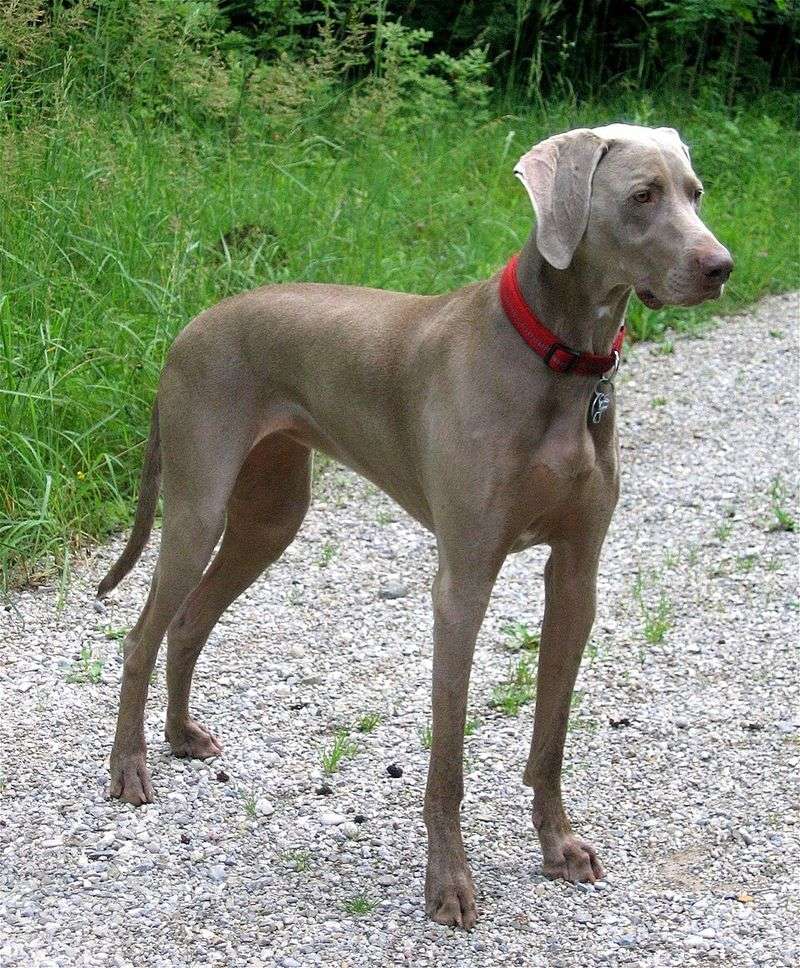
Weimaraners are versatile hunting dogs with drive to spare, and movement from birds or rabbits flips a pursuit switch. Powerful bodies and curious minds can outpace training unless you build structure and predictability into every outing.
Small animals often register as exciting targets, so proactive management and strong obedience become everyday habits.
Daily exercise, field style games, and nosework strengthen impulse control while meeting their need for challenge. Teach off switch behaviors like settle, down stay, and relax on a mat, especially when wildlife is active.
Muzzle conditioning, boundary games, and double gate entryways add safety for households with cats or backyard hens. Use lights and bells on collars at dusk.
Check latches daily. Always.
Siberian Husky
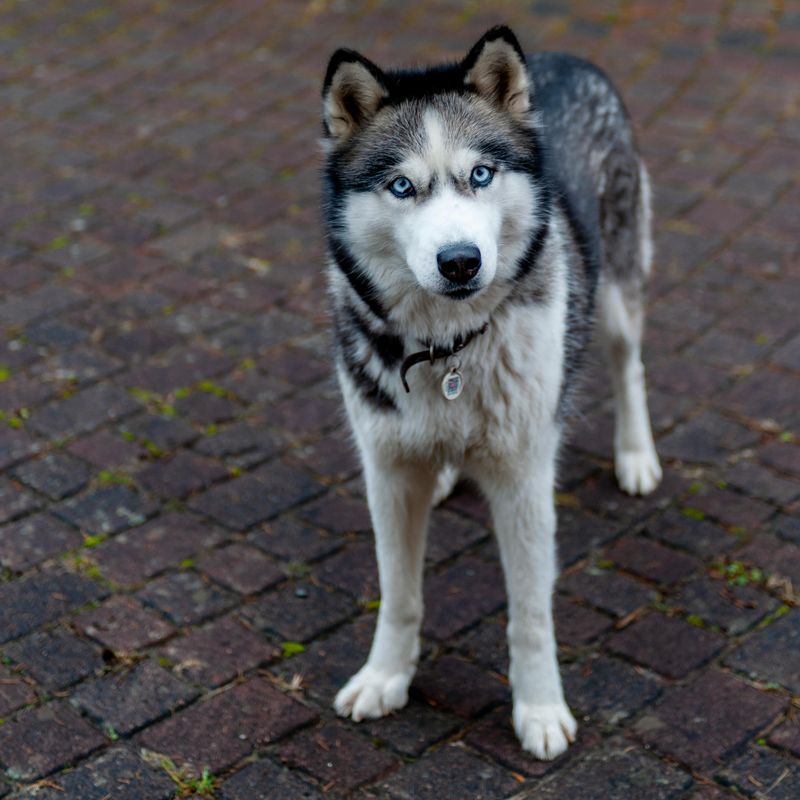
Siberian Huskies bring big endurance, quick reflexes, and a dash of independence that turns wildlife into irresistible invitations. They love to run, pull, and explore, so fences and leashes are nonnegotiable when small animals share space.
Prey drive may combine with escape artistry, making secure perimeters and strong recalls absolutely essential.
Build engagement with harness sports, long line hikes, and training games that reward checking in under excitement. Teach leave it, emergency downs, and come cues with jackpots, proofed near distractions like birds, cats, and blowing leaves.
Some Huskies do fine with cats indoors, but movement outdoors can still trigger chase, so manage transitions carefully. Double gates and car crates reduce risk.
ID tags always.
Alaskan Malamute
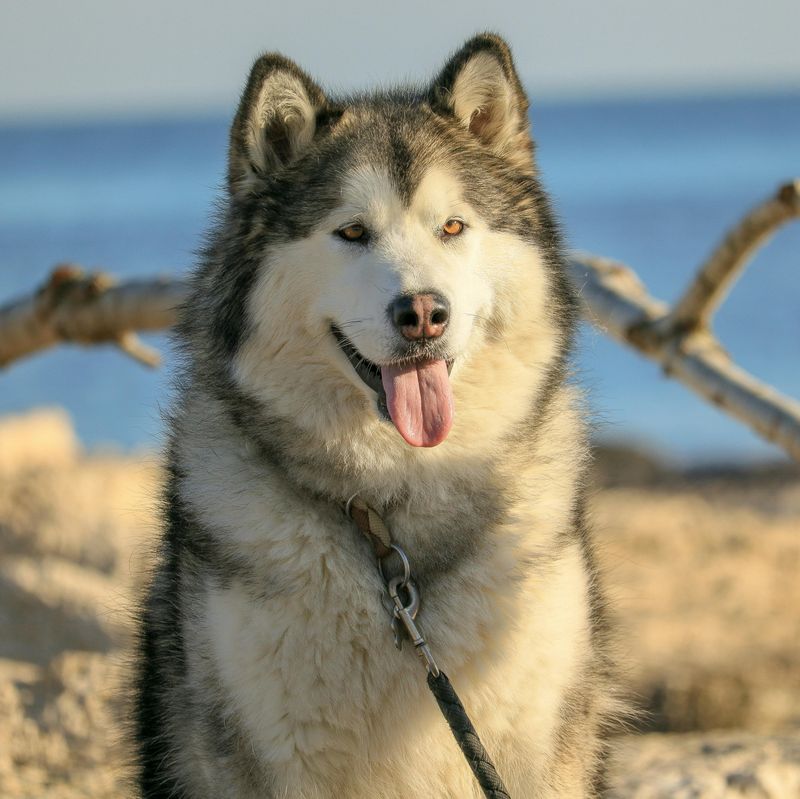
Alaskan Malamutes have strength and curiosity that make small, fast movement extremely compelling, especially in snowy yards or forests. Their history pulling loads translates into big momentum, so chasing can escalate quickly without management.
Expect head swivels at fluttering birds, and prioritize control around doorways, gates, and driveways.
Give structure with canicross, sledding practice, and heavy duty puzzle feeders to burn energy before temptations appear. Teach strong leave it, stand, and stay, adding distance, duration, and distractions like passing dogs, bikes, and birds.
Crate training, car crates, and double gates help prevent door dashes and support calmer exits. Muzzle conditioning adds another safety layer during introductions with resident cats.
Reflective gear improves visibility at dusk.
Belgian Malinois
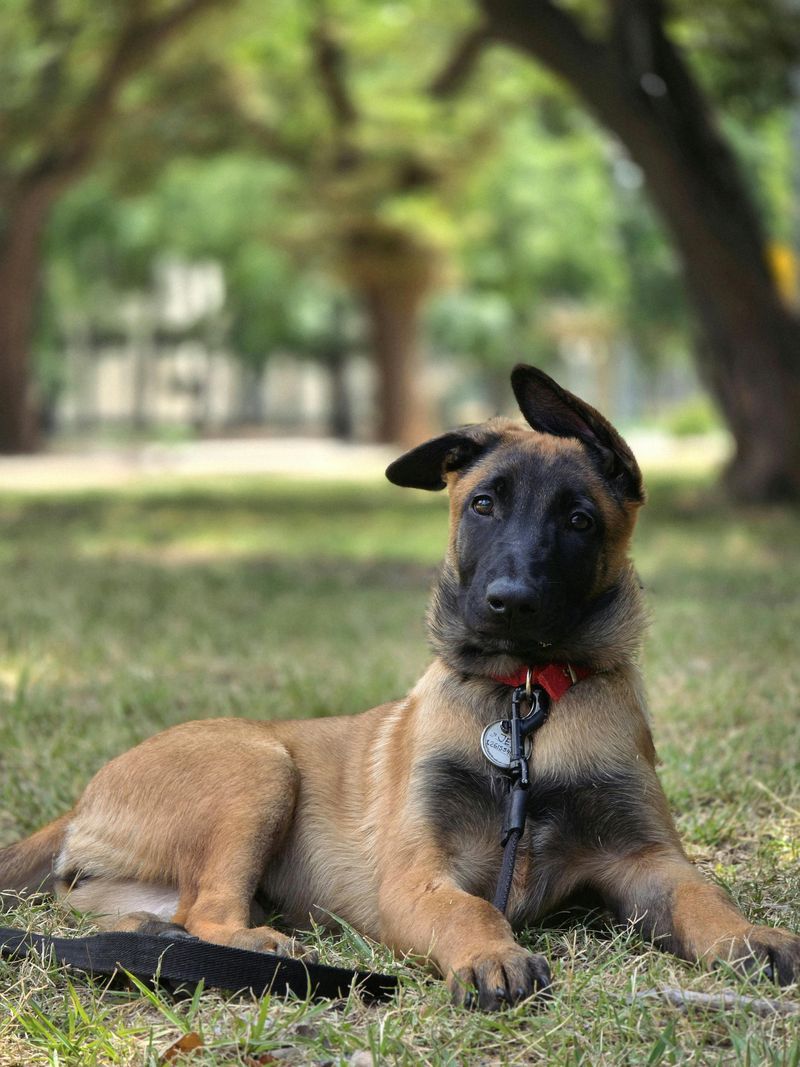
Belgian Malinois are high drive herding dogs whose eyes catch motion instantly, then channel intensity into chasing, gripping, and patrolling. Without outlets, that focus can target cats, chickens, or anything flitting near windows, especially during adolescence.
Your job is helping redirect power into skills instead of rehearsing chase patterns.
Build impulse control with tug rules, out cues, redirects, and decompression walks, plus structured sports like IGP or agility. Teach neutrality through place training, engagement games, and heeling that keeps eyes on you when critters appear.
Double leashing, muzzle conditioning, and predictable routines protect smaller pets while you build reliability. Bite toys in pockets turn surprise chases into training reps.
Practice around livestock respectfully. Daily drills.