
When the rhythm of daily life with your dog starts to change, your heart notices before your head does. Small shifts can whisper what words never could, asking you to lean in and listen closely.
This guide helps you recognize tender clues and respond with compassion. If you are here, you already love them well, and that love will light the way.
Loss of appetite

When a dog begins refusing meals, it can feel like a quiet alarm. You may notice sniffing the bowl, taking a few bites, then walking away.
Sometimes they prefer soft foods, treats, or warmed portions, but the interest fades quickly.
Loss of appetite near the end often reflects nausea, pain, or organs slowing down. Keep water available and ask your vet about appetite stimulants, anti nausea options, and comfort feeding.
You are not failing if meals are small or skipped; your presence and calm routine still matter most.
Try hand feeding in a quiet spot, sit beside them, and speak gently. Offer favorite textures, like broth soaked kibble or bland chicken and rice.
Follow their lead, honor tiny wins, and cherish unhurried moments together.
Increased sleeping

Long naps that stretch across the day can be your first hint that energy is fading. You might find your dog choosing cooler floors, cozy corners, or the same bed every time.
Waking takes longer, and play invites a polite glance instead of a bounce.
Sleep can be healing, but in late life it often becomes shelter from discomfort. Track patterns, and note if nights turn restless while days grow heavy.
A vet can check pain, anemia, thyroid levels, and medications that may be weighing them down.
Create a soft, draft free nest near you, and keep water nearby. Gentle massage, shorter walks, and predictable routines help them rest without worry.
Let sleep be a kind companion now, and measure love in quieter hours.
Withdrawal from interaction

A once social dog may start lingering at doorways or turning away from greetings. Instead of crowding the couch, they watch from across the room.
The spark is not gone; it is simply guarded as energy narrows to essentials.
Withdrawal can reflect pain, hearing loss, fading vision, or cognitive changes that make noise overwhelming. Lower the volume of life where you can.
Approach slowly, offer a hand to sniff, and choose shorter visits filled with gentle praise.
Invite connection without expectation by sitting nearby and breathing together. Read aloud, hum, or share quiet porch time.
You will feel them lean with their eyes, and that small trust still speaks volumes. Honor whatever pace they choose today.
Difficulty moving

Stiff steps, slipping on floors, or hesitating at stairs signal that movement hurts. You might notice nail dragging, wider stances, or sitting down mid walk.
The body is asking for mercy, even when the heart still wants to follow you.
Talk with your vet about pain control, joint support, and mats that add traction. Ramps, harnesses, and raised bowls reduce strain and restore dignity.
Keep outings brief, choose level routes, and let sniffing replace speed so joy can return without cost.
On hard days, steady their hips when standing, and cushion pressure points during rest. Gentle range of motion can soothe, if they accept touch.
Your patience becomes medicine, measured in slow steps and grateful eyes.
Changes in breathing

You may hear new sighs, faster pants at rest, or a soft rattle when they settle. Breathing can shift with pain, heart strain, fluid buildup, or anxiety.
Watch the rise and fall of the chest, and trust your gut if something feels off.
Count breaths per minute while sleeping to get a baseline you can share. Blue gums, belly breathing, or sudden collapse require urgent care.
Otherwise, gentle calm can help, including cool rooms, quiet spaces, and slow reassurance.
Ask your vet about pain relief, diuretics, or oxygen planning if days become harder. Keep walks light and pause often.
Your steady breathing can cue theirs, so sit close, match rhythms, and let peace lead the moment.
Confusion or disorientation

Senior minds can cloud, turning familiar halls into small mazes. You may see pacing, circling, or staring at corners as if waiting for a cue.
Night can be hardest, when darkness deepens worry and sleep slips away.
Confusion near goodbye is often part of cognitive decline or systemic illness. Keep pathways clear, add night lights, and simplify routines.
Use scent markers, gentle touch, and a steady voice to guide them back when they look lost.
Ask about medications and supplements that may ease anxiety and help sleep. Offer puzzle feeders only if they remain enjoyable, not frustrating.
Most of all, stay calm and present, because your grounded energy becomes their map. Small rituals create safety.
Loss of interest in favorite activities
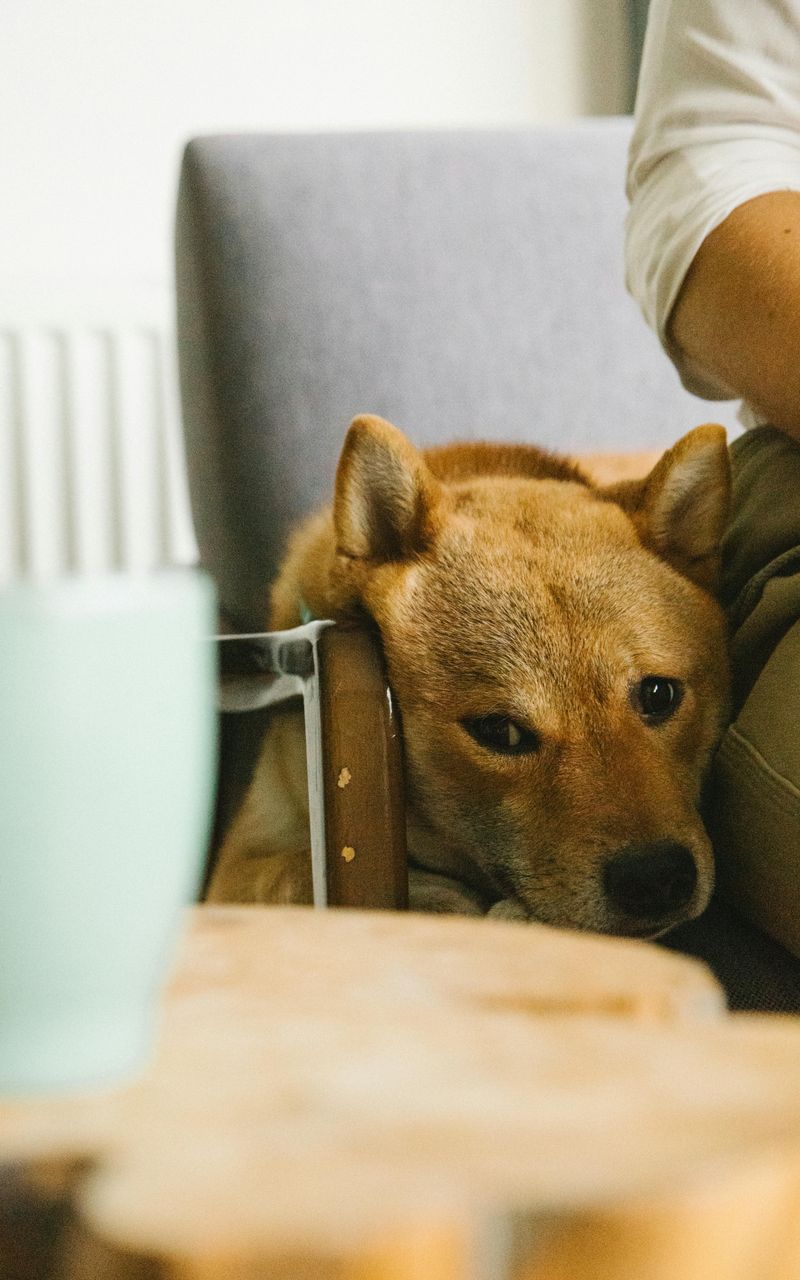
When fetch no longer sparks a sprint, your heart notices first. The walks may shorten, toys gather dust, and the yard becomes a viewing deck instead of a stage.
Desire dwindles as comfort takes priority over thrill seeking.
Do not force the old joys. Offer gentler versions, like slow sniffs, shaded benches, and sun puddles by the window.
Rotate a couple soft toys, and celebrate curiosity when it flickers, even for a minute.
Grief sometimes hides inside boredom, so stay near and share simple moments. A warm blanket, brushed fur, and calm praise can feel like play reimagined.
Love shifts shape now, and your acceptance lets them rest without apology. Follow their cue and savor the small yes.
Seeking isolation
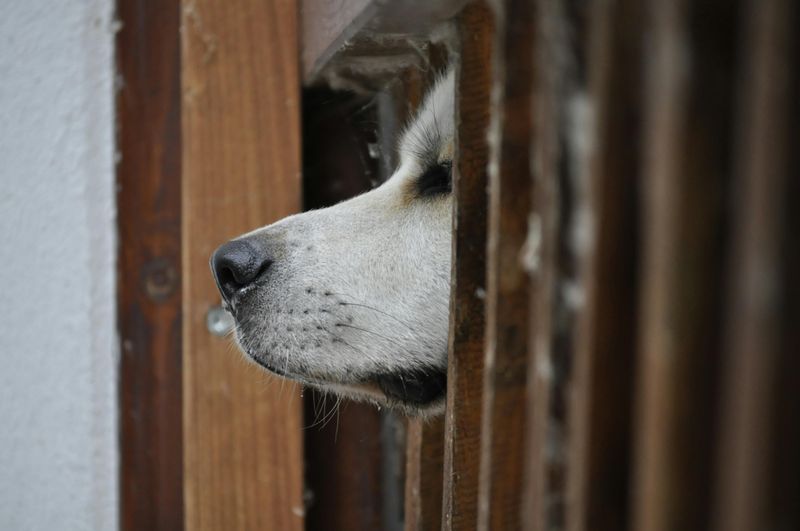
Some dogs choose a closet, bathroom, or quiet porch corner when the world feels too loud. They may slip away during gatherings or bedtime, nesting in shadows where no one asks anything.
It is not rejection; it is relief.
Respect the retreat while keeping watch. Place a bed and water in their preferred space, and keep lighting soft.
Sit at the threshold sometimes, letting them decide if touch or company feels right that hour.
If they seek true solitude, check breathing and comfort, then give permission to rest. Speak gently from nearby so they know you are close.
Love can stand guard without crowding, steady and patient as twilight gathers. Your calm presence is enough.
Changes in bathroom habits
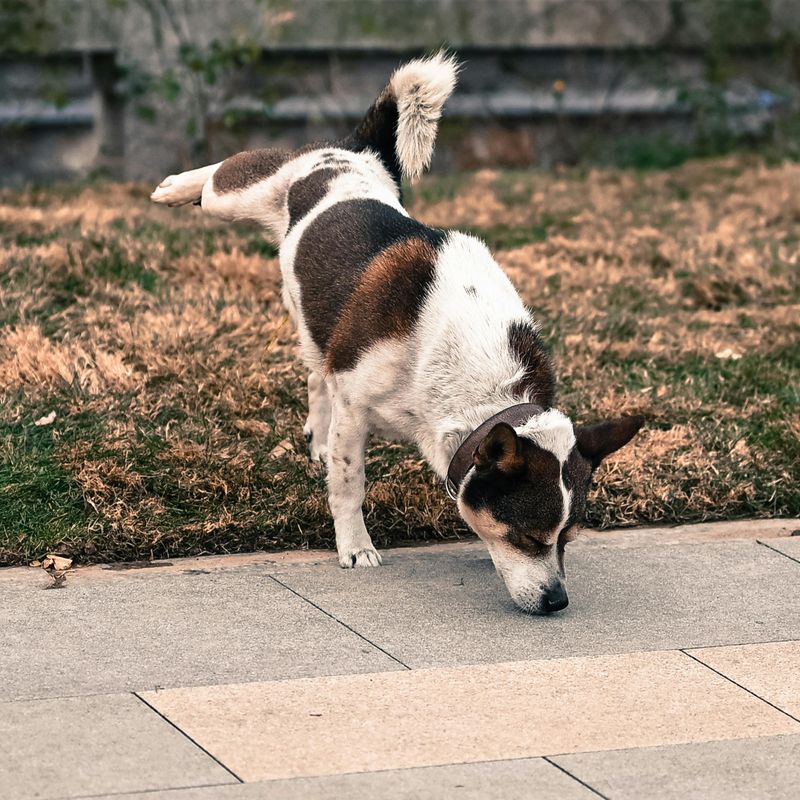
Accidents may happen despite careful routines, which can be embarrassing for a proud dog. Urgency, constipation, or new nighttime trips signal discomfort or disease.
You might see straining, dribbling, or confusion about where the door even is.
Respond with compassion, not scolding. Add more potty breaks, puppy pads, or a litter box style tray for small companions.
Call your vet to rule out infections, medication effects, kidney troubles, or pain that makes postures hard.
Clean gently, keep fur trimmed, and protect skin with barrier balms if needed. Nightlights and easy open doors reduce stress.
Your steady kindness teaches that dignity is about being loved, not perfect timing. Breathe, reset, and move forward together.
Tomorrow is another try.
Weight loss
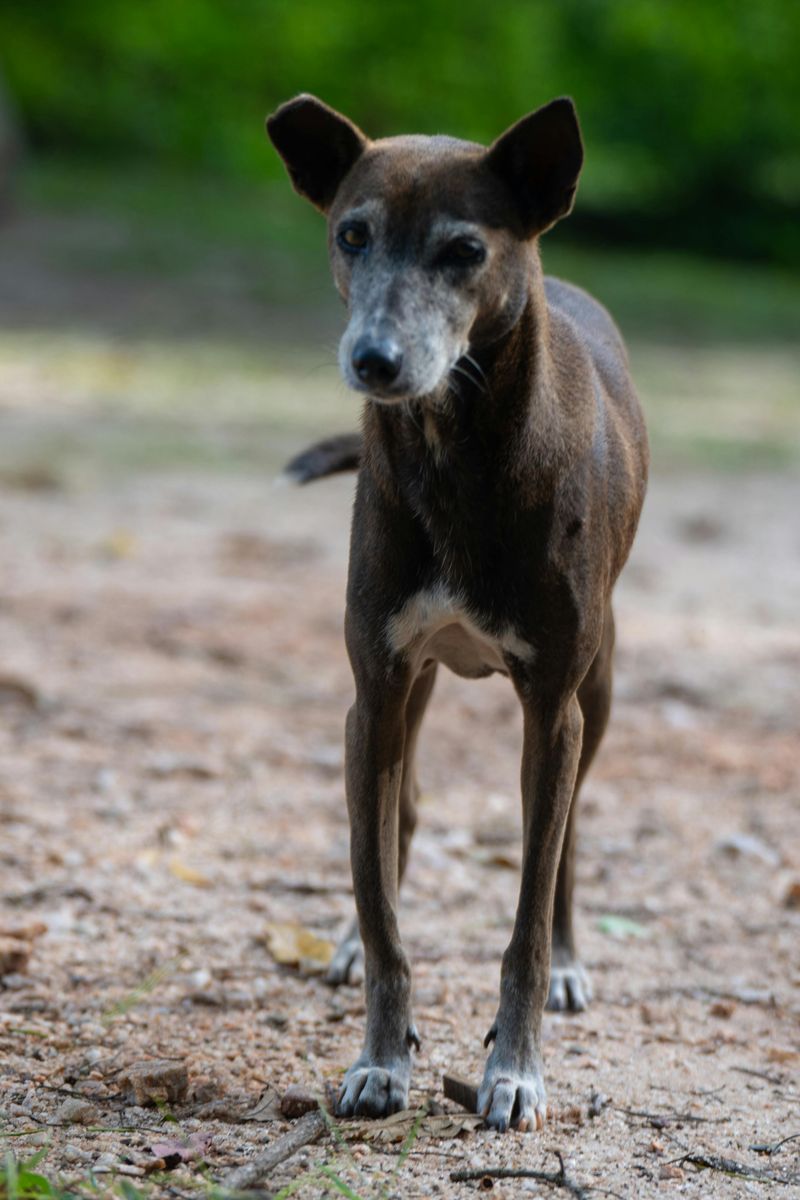
An aging body may grow lean even when portions stay the same. Muscle melts first, leaving sharper hips and a tucked waist that once felt sturdy.
You may feel more bones under your hand as fur thins and appetite shifts.
Track weight regularly and share trends with your vet. Parasites, organ disease, diabetes, cancer, or poor absorption can all contribute.
Sometimes the goal shifts from gaining back pounds to preserving comfort through pain relief, and simple, tempting meals.
Offer calorie dense toppers, warm broths, and small frequent feedings if tolerated. Gentle walks and massages maintain remaining muscle while lifting mood.
Measure love in comfort, not numbers, and let meals become moments of peace. Your patience keeps hope gentle.
Needing more comfort

As bodies tire, reassurance becomes as essential as food and water. Your dog may follow you room to room, pressing close like a heartbeat they borrow.
They look to your eyes for steadiness when the world feels uncertain.
Meet that need with warm blankets, calm words, and the rhythm of your hand. Create a sanctuary with soft light, familiar scents, and music set low.
Pain relief, hydration, and gentle grooming all add up to safety.
Tell them they are good, that you are here, and that rest is allowed. Hold space without rushing fixes.
Love speaks softly now, and your steady presence becomes the comfort they have given you for years. Let the quiet answer every question.