
Living small with a dog does not have to mean sacrificing joy or sanity. With a few smart habits, you can turn tight quarters into a cozy, enriching haven.
These practical tips keep energy balanced, barking manageable, and hearts happy. Let’s make your apartment feel like a playground and a sanctuary for your best friend.
Choose a breed suited for apartments
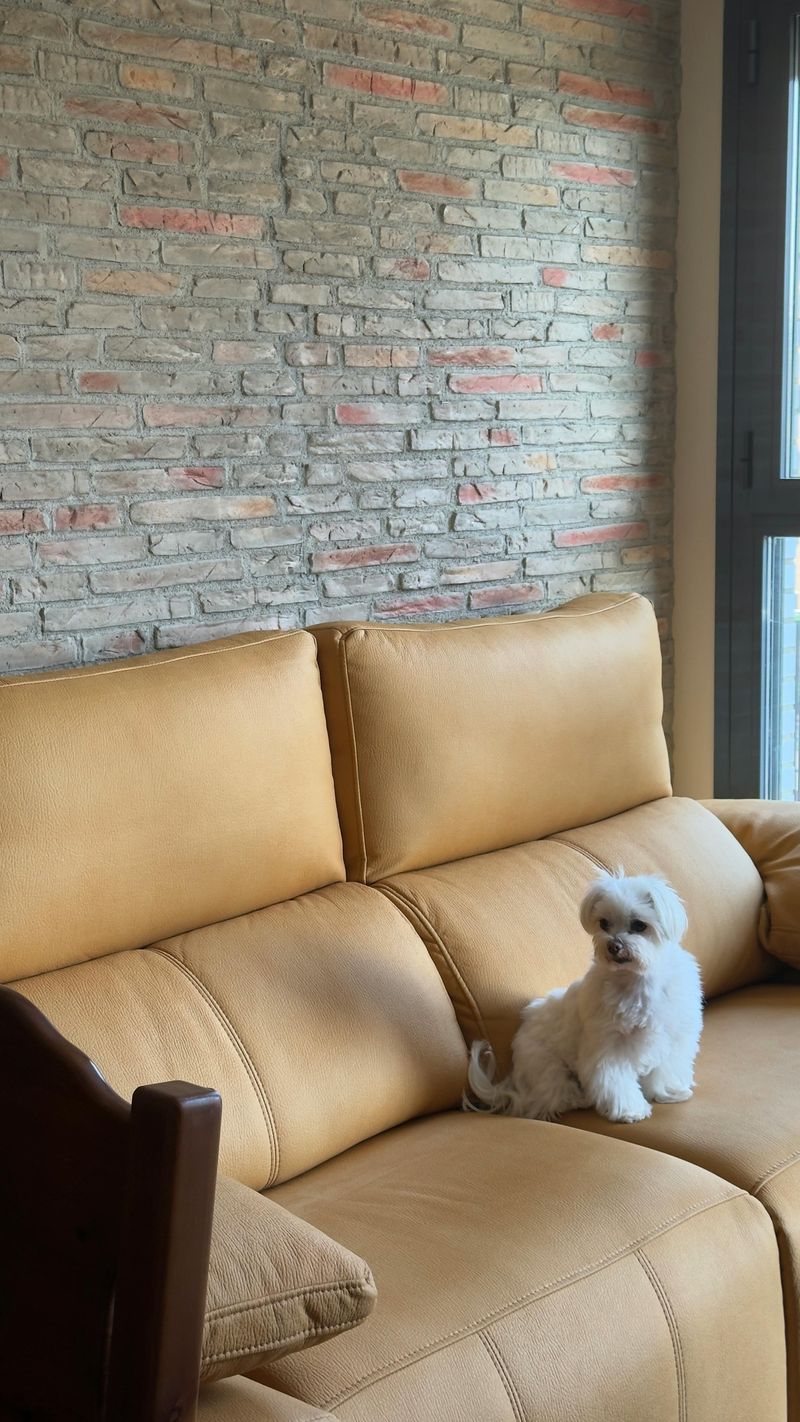
Not every dog thrives in tight quarters, so start by choosing a breed with apartment friendly traits. Look for moderate energy, low barking tendencies, and adaptable temperaments.
Popular fits include French Bulldogs, Cavalier King Charles Spaniels, Greyhounds, and mixed rescues assessed for calm personalities.
Ask shelters about the dog’s history, age, and sensitivity to noise. Puppies can adapt well, but seniors with mellow routines also shine in small homes.
If you love active breeds, commit to extra training and enrichment so your neighbor friendly companion stays content without a backyard. Consult building rules, meet the dog outside first, and imagine daily life together before deciding.
Your choice sets expectations, shapes routines, and prevents stressful surprises later. Trust patient matchmaking efforts.
Create a consistent daily routine
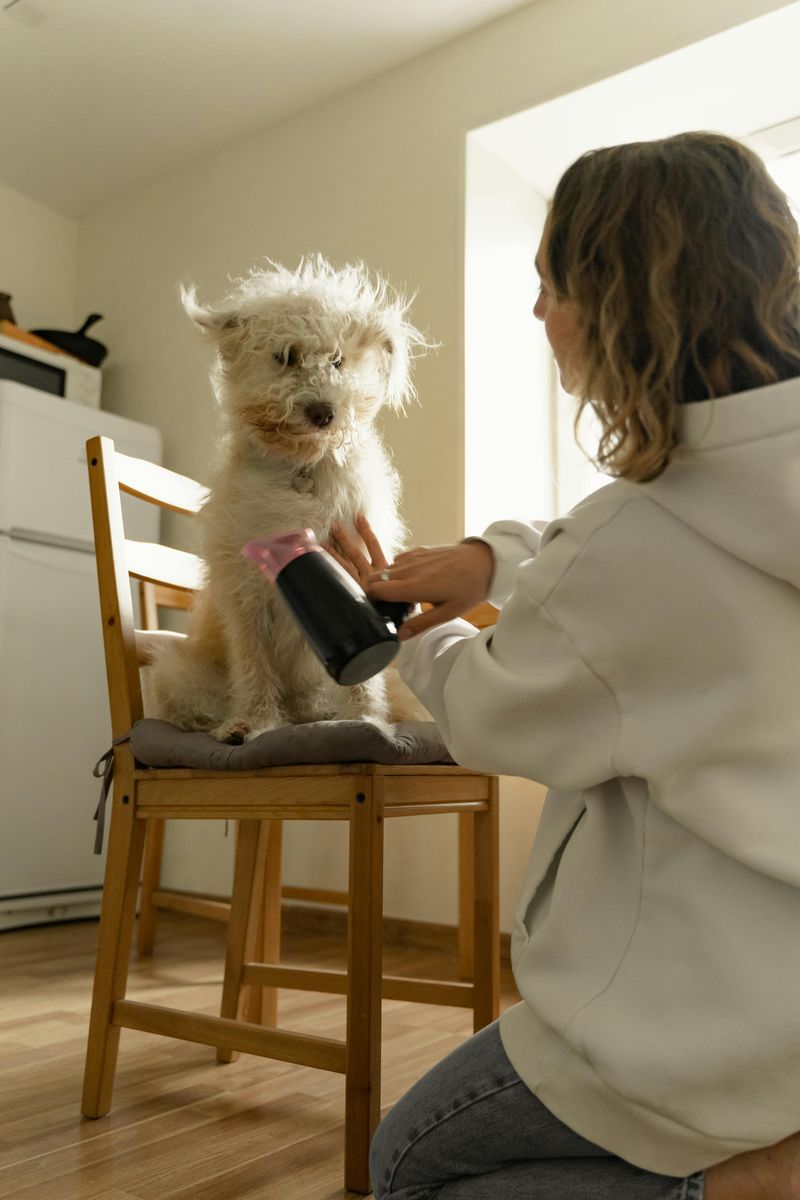
Dogs feel safer when life follows a predictable rhythm you can actually keep. Anchor the day around wake time, meals, potty breaks, walks, play, and quiet hours.
Set alarms at first, then let muscle memory take over while your dog relaxes into the pattern.
In small spaces, structure prevents energy spikes and boredom fueled mischief. Keep routines flexible enough to survive delays, but consistent enough that your pup trusts you will return.
Pair each block with a cue word or sound so communication stays clear, even when schedules change. You will notice fewer anxious behaviors, smoother crate time, better naps, and easier training because predictability gives your dog room to breathe and settle.
Consistency makes tiny homes feel bigger daily.
Provide mental stimulation indoors
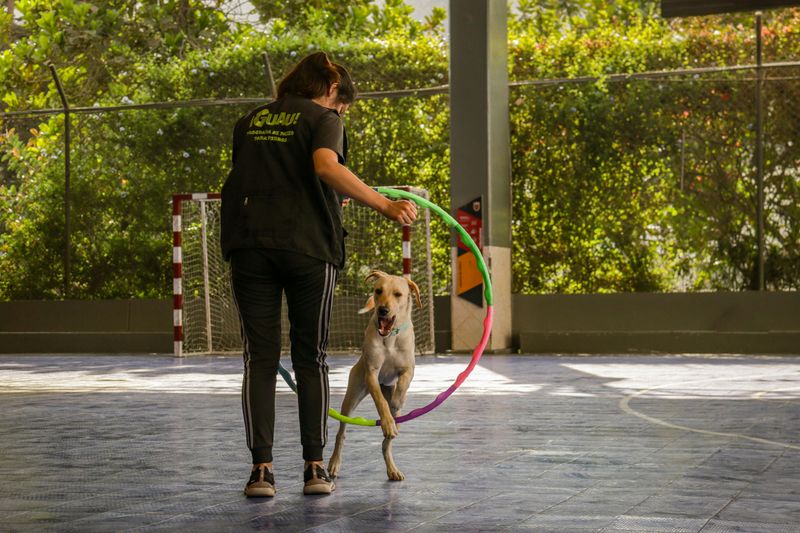
Space may be limited, but curiosity is huge, so feed your dog’s brain. Teach new tricks, scent games, and short shaping sessions that challenge problem solving.
Break training into five minute bursts spread through the day to match attention spans without creating frustration.
Hide treats in a muffin tin under tennis balls, play find it with kibble trails, or cue a sniffari around the couch. Rotate activities frequently to keep novelty high and stress low.
End sessions with a calm settle on a mat so excitement does not tip into chaos. Track what works in a notes app, celebrate tiny wins, and quit on a success.
Your dog will anticipate the next game and rest easier afterward between sessions consistently.
Use short but regular walks
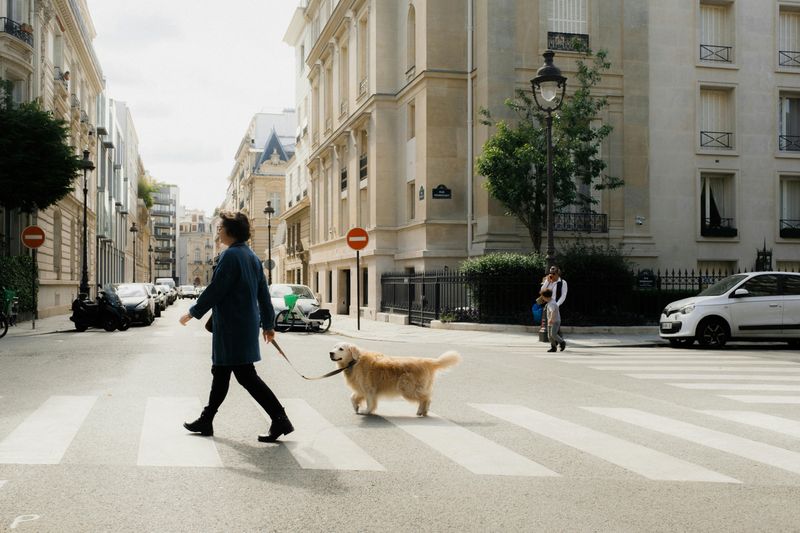
Long hikes are great, yet small space living thrives on short, steady outings. Aim for several brisk ten to fifteen minute walks spaced across the day.
Sniffing is the headline activity, so slow down and let noses read the neighborhood like a morning paper.
Use predictable routes for bathroom success, then sprinkle novel blocks for enrichment. If weather is ugly, replace one walk with hallway training, stairs, or tug to meet needs.
Keep leashes untangled, bring treats, and practice polite passes so urban encounters stay smooth for everyone. Short bursts add up, protect joints, and maintain routine even on busy days.
Your dog returns calmer, you reset your focus, and the apartment feels peaceful again without losing valuable time daily.
Keep toys rotated and engaging
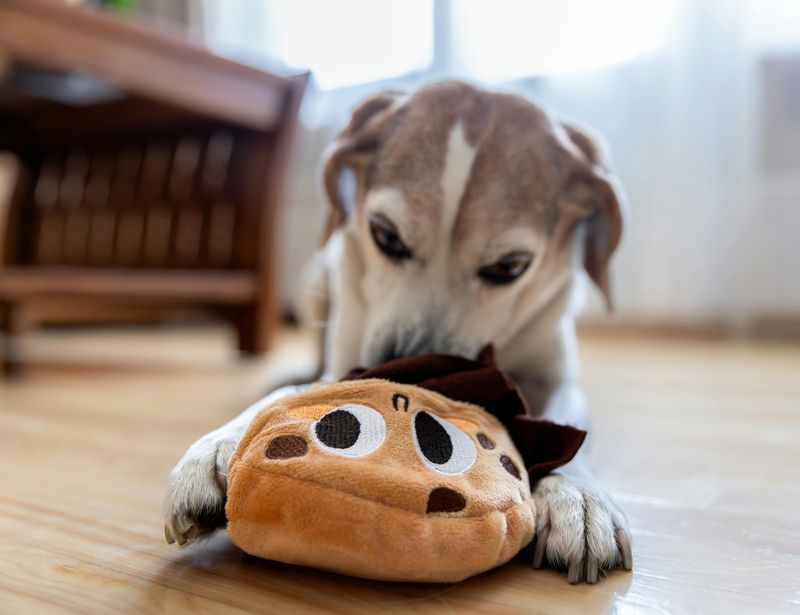
A toy library beats a toy pile when space is tight. Store most items in a bin and present only a few at a time.
Rotate every couple days so each squeaker, tug, and chew regains novelty without constant shopping or clutter.
Group toys by purpose like fetch, problem solving, comfort, and solo chewing. Label bags, note favorites, and retire broken pieces for safety.
When attention fades, swap the set, add a frozen Kong, or join for two minutes of play so connection anchors the fun. Track chewing intensity and choose materials that match jaws and habits.
You will prevent frustration, protect furniture, and keep excitement focused on approved outlets rather than random household temptations during quiet apartment hours too.
Set up a cozy resting area
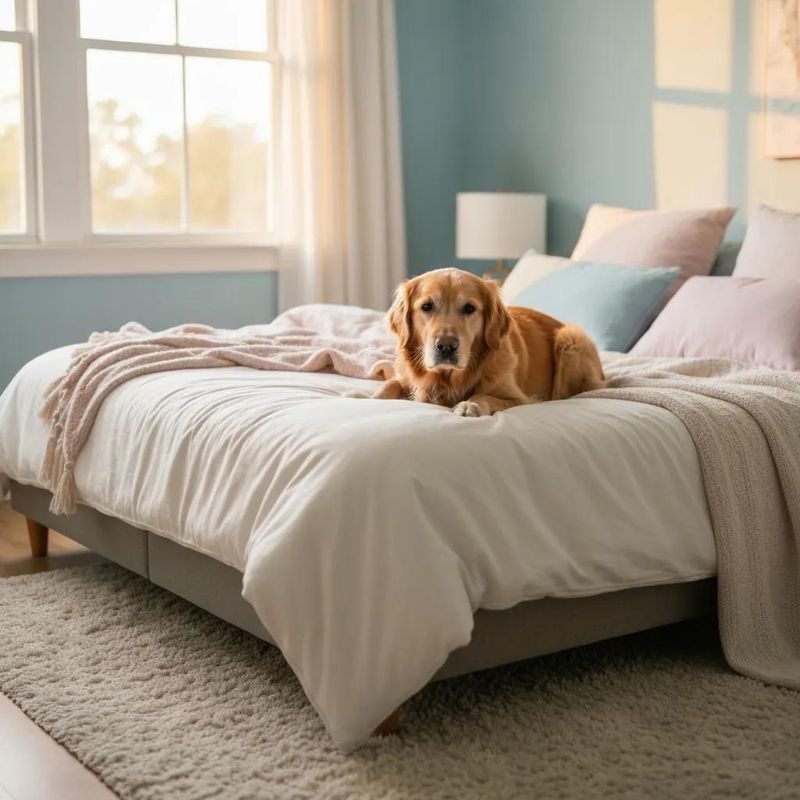
Rest fuels good behavior, so design a den like sanctuary your dog associates with calm. Pick a quiet corner away from doors, drafty windows, and busy walkways.
Add a supportive bed, washable blankets, and a chew for decompression after walks or play.
Use white noise or a fan to mask hallway sounds that can trigger alert barking. Teach a go to bed cue and reward relaxed positions like chin downs.
During guests or deliveries, close the door or use a baby gate so the retreat stays peaceful. Scent the space with your worn T shirt, dim lights at night, and keep water nearby.
When rest comes easily, small homes feel kinder, and training progress accelerates naturally for both of you.
Train basic commands early
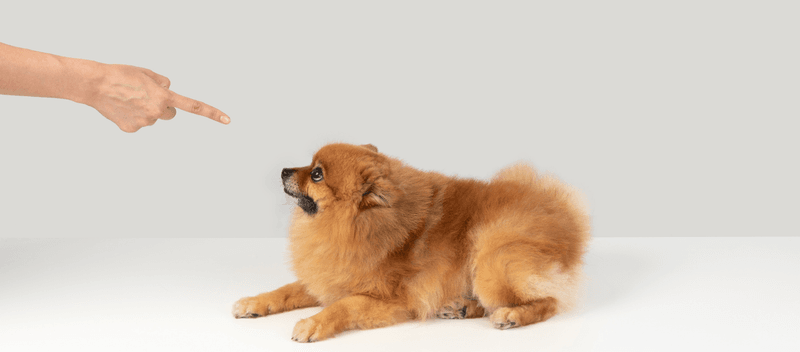
Foundation skills are quiet superpowers in compact homes. Start with sit, down, stay, leave it, drop, and touch to move politely through tight spaces.
Keep sessions short, upbeat, and paid with tiny treats so learning feels like a game instead of pressure.
Practice door manners before walks and settle on a mat during meals or calls. Reinforce calmly when neighbors pass to prevent rehearsed barking.
If mistakes happen, lower difficulty, reset the environment, and try again so confidence grows without confusion or conflict. Track progress in a journal, invite a friend for distraction practice, and celebrate tiny breakthroughs.
Your dog will read your consistency, respond faster, and navigate apartment life with polite ease, turning chaos into calm each week gradually.
Manage noise and distractions
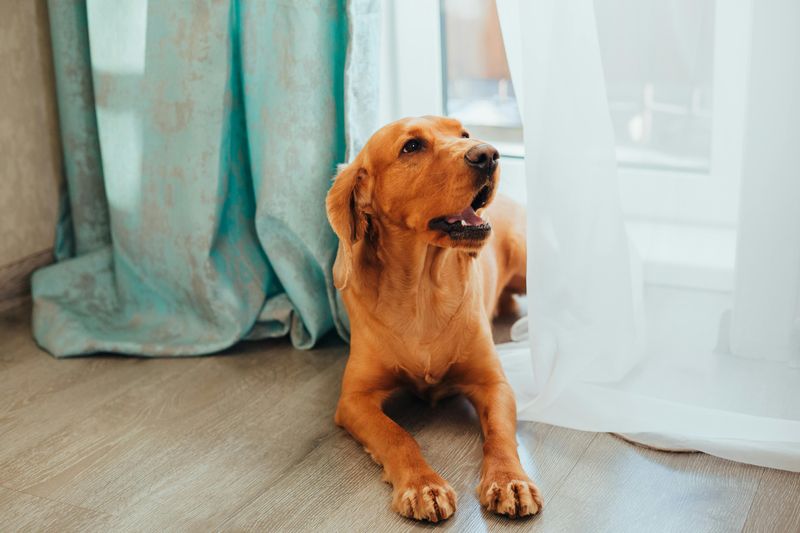
Thin walls amplify life, so plan ahead for sound control. Start with rugs, curtains, and bookcases to absorb echoes that trigger alert barking.
Introduce recorded hallway sounds at low volume while feeding treats to build positive associations instead of rehearsed explosions.
Teach a quiet cue paired with a calm station like a mat or bed. Close windows at peak delivery hours and use a fan for steady masking noise.
Brief daily practice beats marathon sessions, helping your dog recover quickly when surprises pop up. Reward check ins, redirect to sniffing, and give chews during commotion.
Neighbors appreciate your efforts, and your pup learns that apartment noises predict good things, then fade into background hum, making quiet the default at home.
Use puzzle feeders for enrichment

Meals double as enrichment when food becomes a gentle challenge. Replace bowls with snuffle mats, wobblers, lick mats, or cardboard puzzles you create.
Start easy so frustration stays low, then increase difficulty as skills grow and confidence blooms in your cozy place.
Spread feeding across two or three sessions to smooth energy highs and lows. Add a few novel scents like rosemary or vanilla for safe, interesting searches.
Supervise chewers, freeze wet food for longer play, and let quiet licking help soothe anxious minds after excitement. Track time needed, rotate tools, and balance calories by subtracting from meals.
You will see calmer post meal behavior, richer sniffing skills, and less pacing in tight quarters, especially on rainy or busy days.
Spend quality time every day
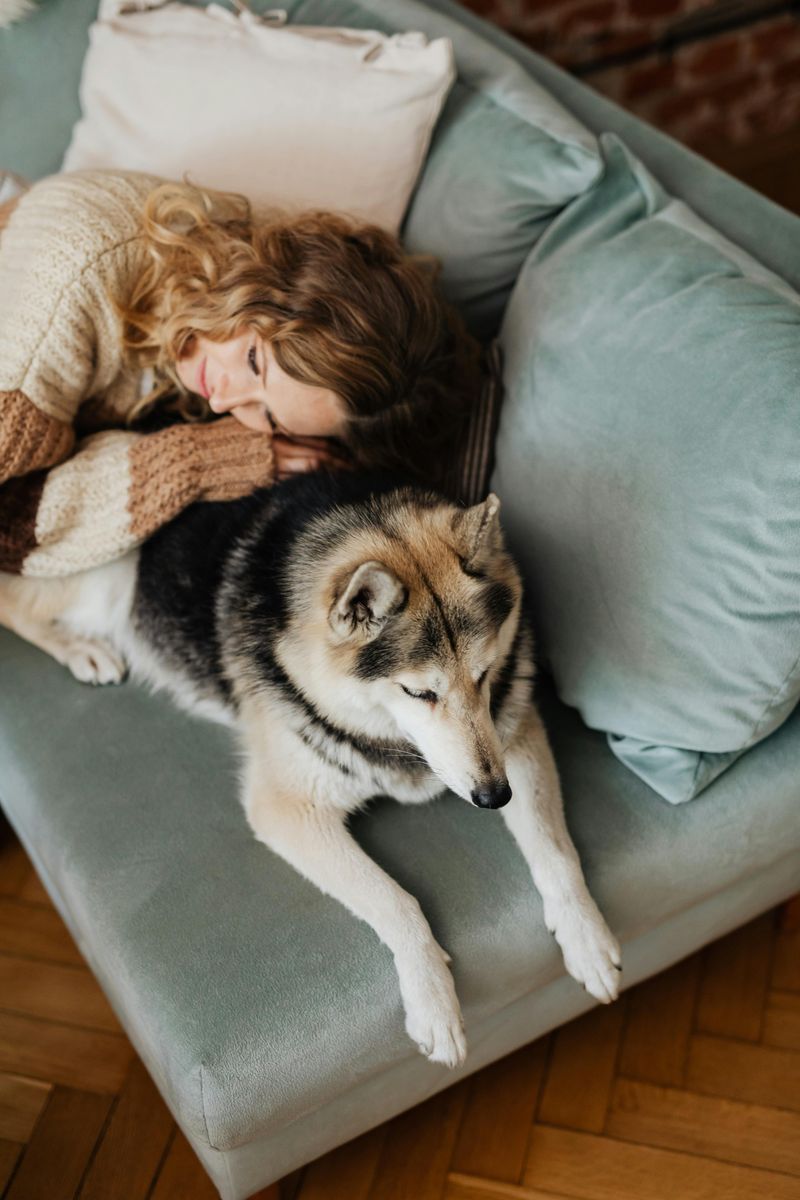
Apartments can feel cramped, but meaningful connection expands any room. Give your dog focused attention that is free from scrolling, rushing, or fragmented multitasking.
Five intentional minutes sprinkled morning, midday, and night can transform behavior and deepen trust more than extra square footage.
Choose a theme like cuddle, training, or adventure walk, then show up fully. Mirror your dog’s pace, breathe slower, and mark moments that make you both smile.
Small rituals compound: eye contact, soft words, gentle scratches, gratitude, and shared play turn tiny spaces into home. Protect this time on your calendar like medicine.
When life gets noisy, these pauses refill patience, steady emotions, and remind your dog that love lives here every single day, for both hearts.