
Cute can be complicated when it comes to dogs. Some of the most adorable breeds pack sky-high energy, sharp instincts, and needs that surprise first-time owners.
If you understand what is under the fluff and freckles, you can set them up to thrive instead of struggle. Let this guide help you spot the hidden challenges and prepare like a pro.
Siberian Husky
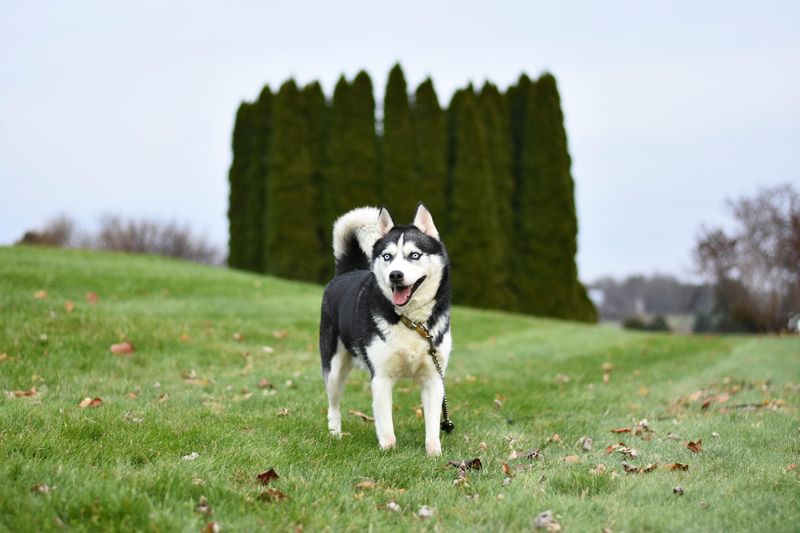
Those ice-blue eyes can melt you, but Huskies are not beginner friendly. Bred to pull sleds, they have stamina for days and a stubborn streak to match.
You will need daily vigorous exercise, mental challenges, and consistent boundaries to keep chaos at bay.
Without it, expect escape artistry, dramatic howling, and creative interior redecoration. Their prey drive makes off-leash freedom risky, and heat sensitivity limits summer fun.
If you love training, secure yards, puzzle feeders, and long runs, a Husky can thrive with you, but casual owners will feel overwhelmed fast. Budget for grooming, durable gear, and obedience classes from day one.
Prioritize recall foundations early, socialize heavily, and plan enrichment on rest days to protect furniture. Crates help too.
Dalmatian
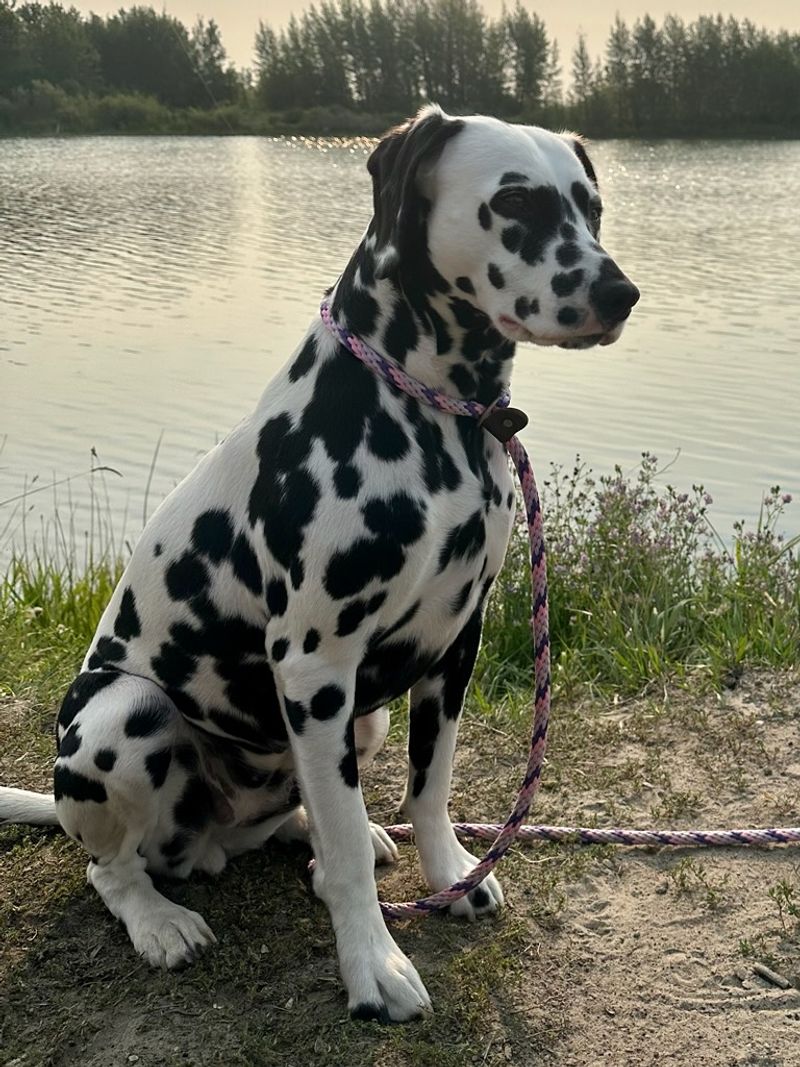
Spots scream adorable, yet Dalmatians demand structure and miles. Historically carriage dogs, they retain endless energy, watchdog intensity, and a vocal opinion.
Without patient training and daily aerobic outlets, boredom erupts into chewing, digging, and boundary testing.
They are prone to urinary issues tied to purines, so diet management matters a lot. Noise sensitivity, aloofness with strangers, and stubborn streaks mean early socialization cannot wait.
If you run, bike, or hike regularly, meet their needs and they will shine, but couch based lifestyles are a mismatch. Groom frequently, use ear protection when appropriate, and practice impulse control games.
Positive reinforcement and clear routines prevent meltdowns during guests, deliveries, and exciting doorbells. Secure fencing is essential.
Invest in puzzle toys today.
Jack Russell Terrier
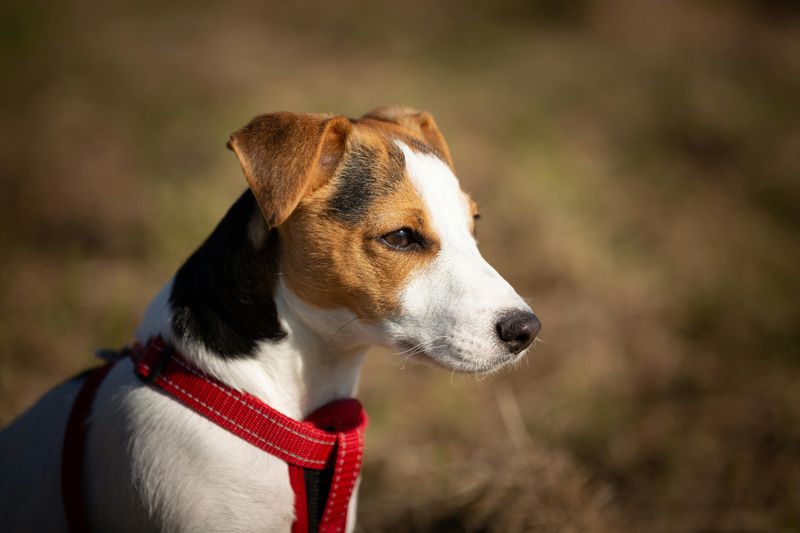
Small body, giant engine. Jack Russells were bred for fox work, so intensity, tenacity, and motion sensitivity come standard.
Without sports like agility, scent games, and fetch with rules, they invent jobs that usually wreck your schedule.
They are escape artists, vertical jumpers, and relentless diggers. Early recall, impulse control, and calm mat training save sanity during door opens and meal prep.
If you want a comedic genius with rocket fuel, commit to structure, enrichment, and professional guidance before problems snowball. Daily training sprints beat marathon lectures, so keep sessions short, fun, and frequent.
Rotate tug, flirt pole play, and tracking to channel instincts safely. Secure yards, covered trash, and chew management are non negotiable.
Schedule quiet cuddles nightly together.
Beagle
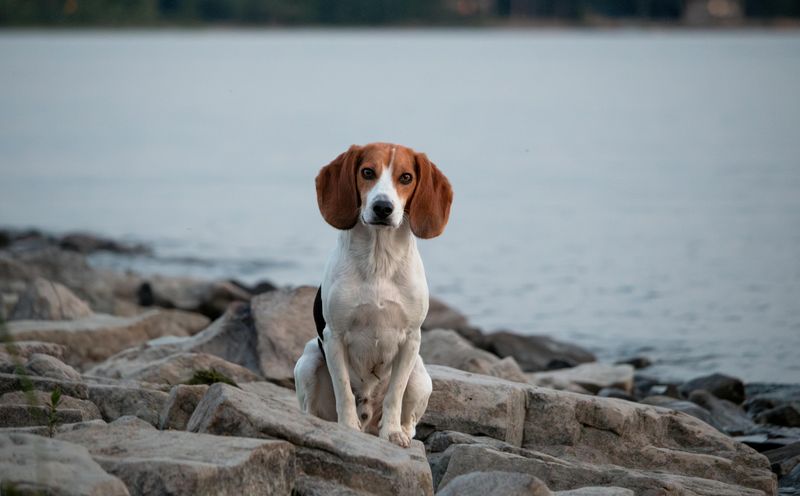
Those soulful eyes hide a siren-level bay. Beagles are scent hounds first, sofa snugglers second, and their noses outrank your voice outside.
Expect determined tracking, selective hearing, and panic when food storage is lax.
They need patient leash work, long sniff walks, and secure fences to prevent adventures. Crate training, baby gates, and routine help curb counter surfing and trash raids.
With empathy, games, and consistent rewards, you will unlock charm, but shortcuts invite howling concerts and neighborhood complaints. Enroll in nosework to satisfy instincts without chaos, and introduce recall games indoors early.
Practice calm handling for vet visits, ear care, and nail trims to avoid drama. Beagles thrive with friend groups, rotations of toys, and predictable mealtimes.
Have patience.
Border Collie
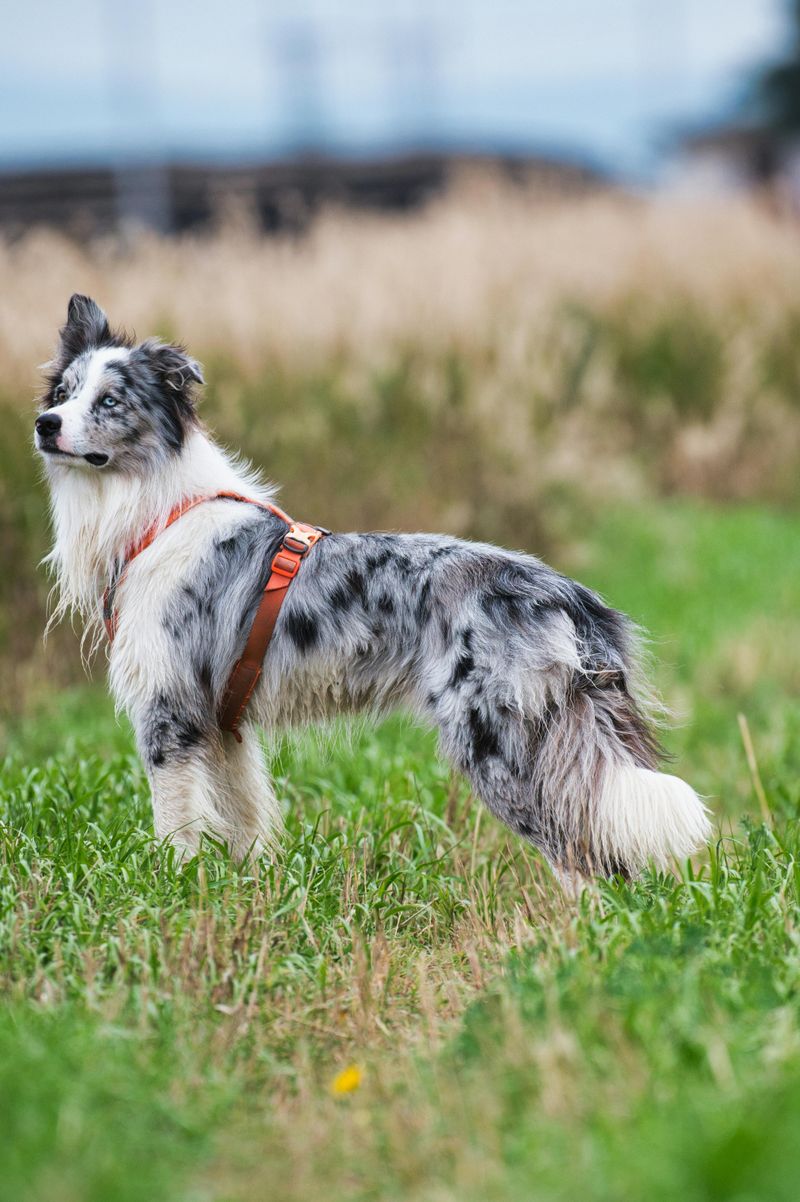
Smart looks cute until outsmarted. Border Collies are workaholics wired for precision, motion control, and relentless patterning.
Without jobs harnessing brains and body, they herd children, chase bikes, and spiral into obsessive behaviors fast.
Daily training goals, off switch practice, and sheep-free herding outlets are crucial. You will want trick training, agility, disc, and structured decompression to balance intensity.
Novices often reward frenetic energy accidentally, so learn timing, criteria, and reinforcement variety early. Sensitive dogs, they wilt under harsh corrections, noise, or chaotic households, leading to reactivity.
Provide thoughtful socialization with neutrality around strangers and dogs rather than constant greetings. Reinforce calm, park routines, crate naps, and sniff breaks religiously.
Protect their joints carefully. Warm up, cool down always please.
Australian Shepherd
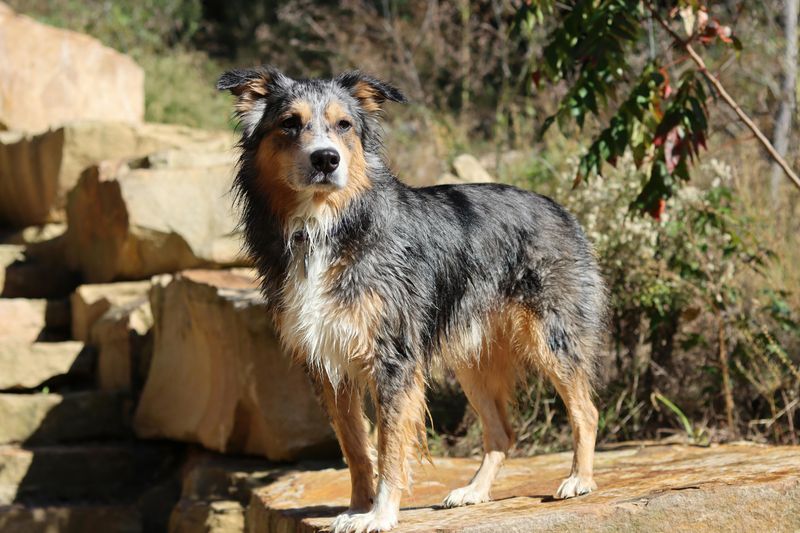
Aussies look like plush toys with marble eyes, but they are intensity wrapped in fluff. Herding impulses, vocal opinions, and extreme velcro tendencies can produce reactivity without guidance.
Expect constant shadowing, motion sensitivity, and strategic mischief during downtime.
Redirect energy into herding games, rally, disc, and hiking with training checkpoints. Teach independence through place training, crate comfort, and calm reinforcement around doors and windows.
Early neutrality with strangers helps prevent over guarding and spinning. Grooming is more than brushing; undercoats mat, burrs collect, and muddy adventures demand rinse stations.
Mind merle genetics, hip health, and eye screenings when selecting breeders and activities. Schedule decompression walks, scatter feeding, and thoughtful cuddles daily.
Boundaries keep harmony. Train the off switch at home.
Chow Chow
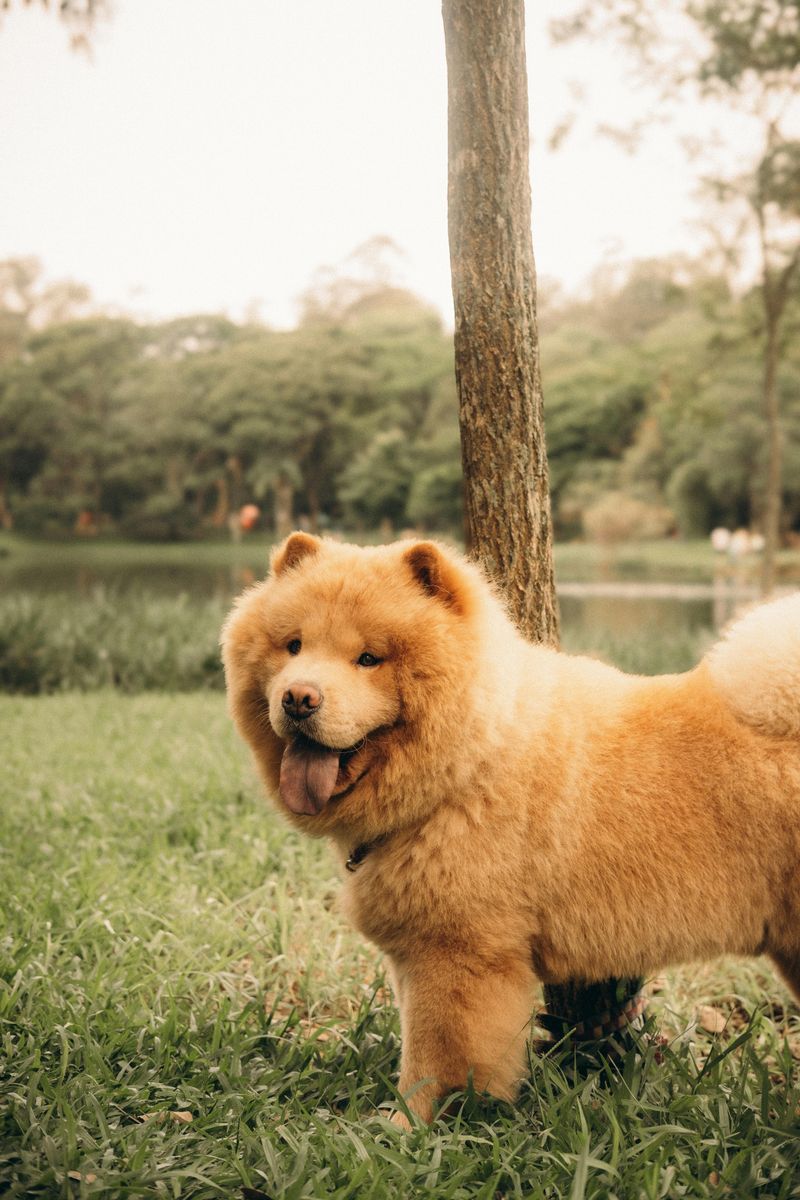
Lion manes attract admirers, yet Chows are dignified, aloof, and opinionated. Independent spirit plus guarding instincts can frustrate first time owners.
Pushy handling often backfires, so respectful training and predictable routines matter.
Early socialization focused on neutrality, cooperative care, and muzzle training builds trust. Heat intolerance and dense coats demand climate planning, brushing, and professional grooming.
Provide mental work through scent games, shaping, and short sessions, because drills bore them quickly. Resource guarding around food or spaces can appear without fair boundaries, so manage and train thoughtfully.
Respect personal space, invite consent, and skip roughhouse introductions with strangers and dogs. Prioritize orthopedic beds, joint care, and safe strength games to support structure.
Quiet companions thrive. Patience builds lifelong partnership beautifully.
Akita
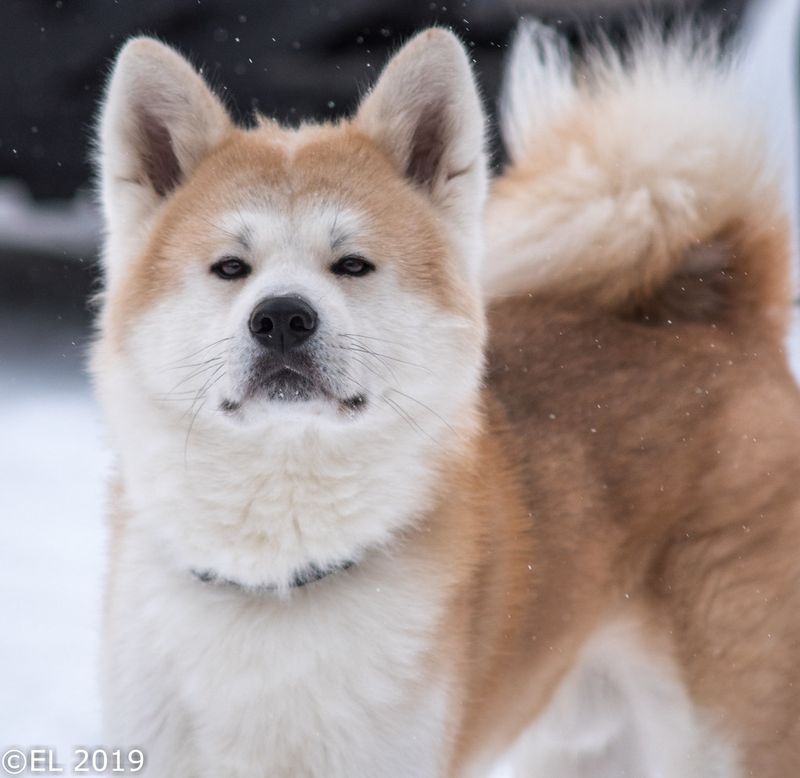
Regal and imposing, Akitas radiate calm until provoked. Their guarding instincts and same sex intolerance require experienced management.
You will need clear rules, careful introductions, and professional support to navigate adolescence.
They bond deeply with family but are not dog park candidates. Solid obedience, reliable recalls, and muzzle training are safety tools, not optional extras.
Plan for heavy shedding, sturdy equipment, and slow socialization that prioritizes neutrality over mingling. Respect thresholds in doorways, hallways, and cars to prevent confrontations.
Early handling for vet care, nails, and grooming reduces conflict later. Work with breeders and trainers who value temperament testing and health transparency.
Consistency, patience, and empathy matter daily. Secure fencing is mandatory always.
Keep greetings minimal and expectations realistic consistently.
Shiba Inu
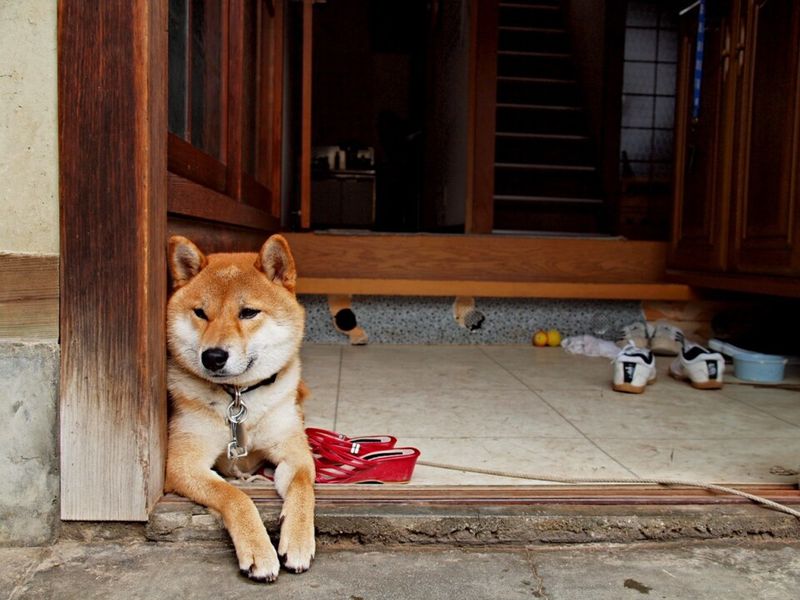
A foxlike grin hides a catlike soul. Shibas are independent, vocal, and notoriously dramatic about handling.
Expect selective hearing, sudden zoomies, and escape artistry when doors crack open.
Leash skills, hand targeting, and cooperative care reduce conflict. High value rewards, short sessions, and novelty keep engagement.
Secure harnesses, double leashes, and microchips are wise, because many bolt under stress. Socialize thoughtfully for neutrality in elevators, lobbies, and city soundscapes, not constant petting.
House training can take patience, so supervise, reward outdoor success, and manage access. Teach calm greeting rituals, practice trades, and protect space around resources.
Embrace humor, celebrate small wins, and avoid power struggles. Freedom follows trust consistently.
Invest in enrichment puzzles, quiet walks, and controlled meetups with friends.
Weimaraner

Silver ghosts are velcro athletes. Weimaraners crave company, distance running, and clear direction, or anxiety erupts.
Their prey drive and curiosity make off-leash romps and counter tops hazardous.
You will need crate training, impulse control games, and progressive alone time to prevent destruction. Structured fetch, tracking, and swimming outlets burn energy while protecting joints.
Noise sensitivity and teenage chaos require empathy, routines, and professional help before frustration snowballs. Hunt instincts demand reinforcement history, long lines, and fenced fields during recall practice.
Provide chewy enrichment, scent puzzles, and nap training to settle the restless mind. Prioritize bloat awareness, slow feeders, and vet discussions about gastropexy.
Love consistency, fairness, and daily adventures. Teach calm greetings and door manners to prevent airborne welcomes.
Belgian Malinois
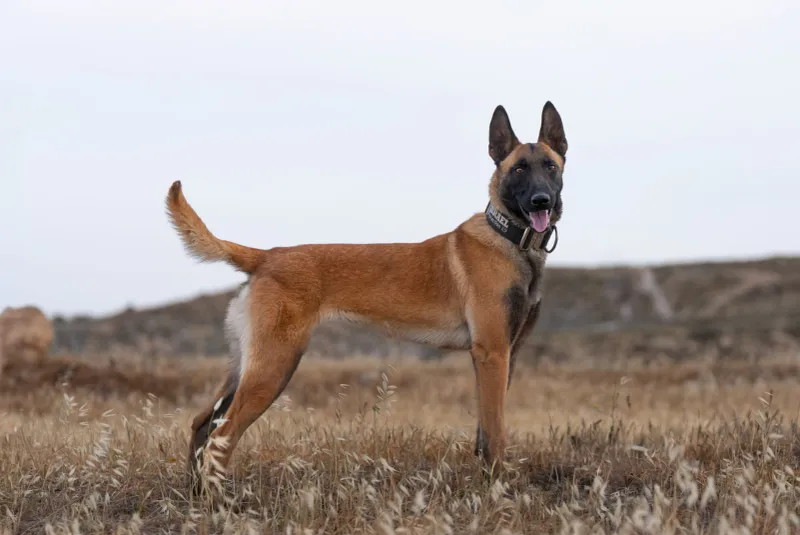
Malinois puppies look like sweet deer, yet they are tactical rockets. Bred for work, they obsess over movement, bite sports, and tasks, not lounging.
Without expert structure, they channel energy into nipping, spinning, and fixture demolition.
Plan professional coaching, daily sport training, and decompression to preserve sanity. You must love drills, markers, and precision.
Apartment life without training equals frustration for everyone. Channel drives with tug, spring poles, scent detection, and tracking, then reinforce off switches indoors.
Socialize for neutrality around people, surfaces, and noises to support future deployments. Health, hips, and genetics matter; partner with ethical breeders and teams.
Most families should choose another breed kindly. If committed, budget gear, time, travel, and coaching to meet intense needs daily.
French Bulldog
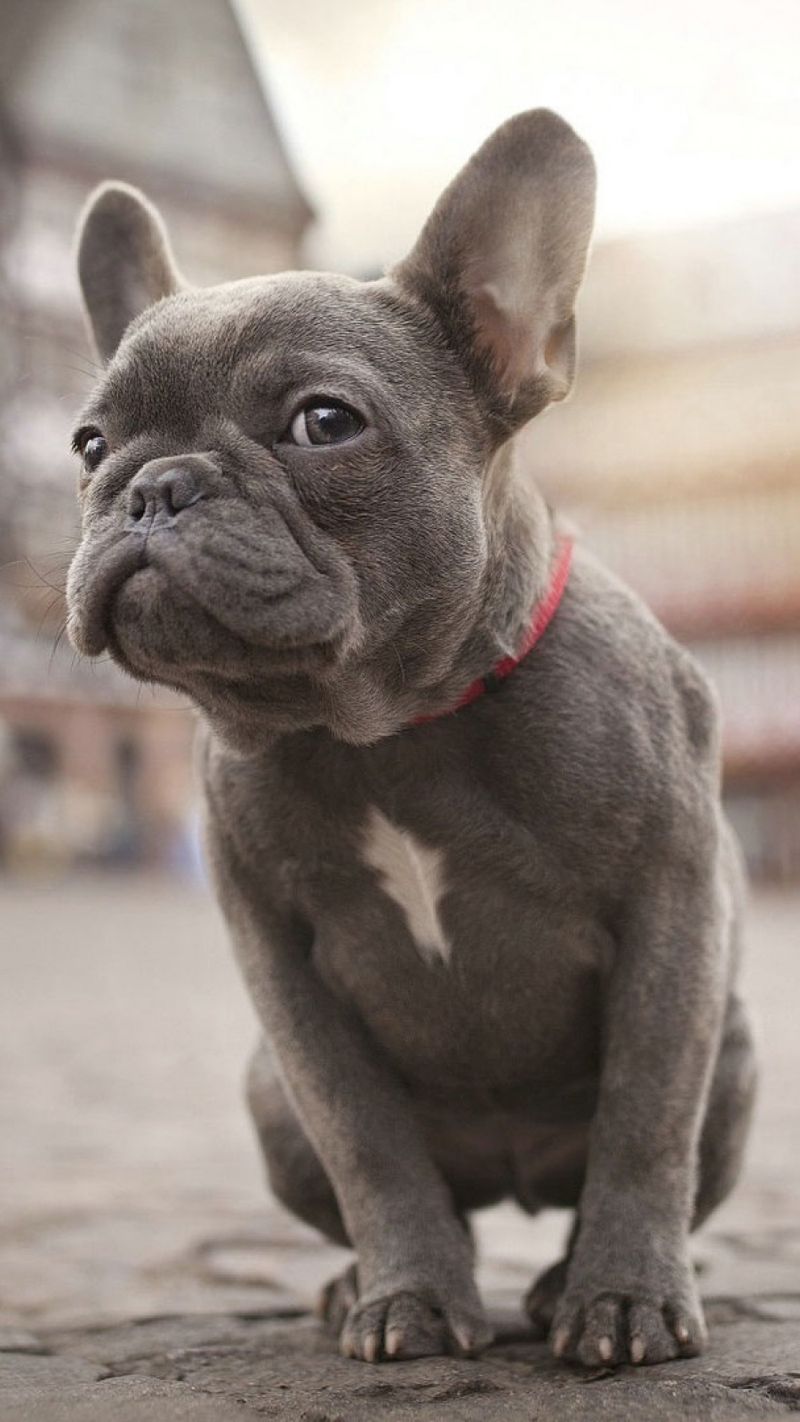
Those bat ears and snorts steal hearts, yet Frenchies bring unique challenges. Brachycephalic airways limit exercise and heat tolerance, while allergies and skin folds demand diligent care.
Their clownish charm can mask stubbornness about potty training and recall.
Short, positive sessions, enrichment indoors, and careful conditioning keep them happy without overheating. Prioritize vet partnerships for airway checks, nutrition, and spine awareness.
Crates, baby gates, and consistent routines help prevent separation stress and frantic greeting zoomies. Frenchies love people, but rough play and crowded events can exhaust breathing quickly.
Use harnesses instead of collars, elevate bowls, and monitor for overheating inside vehicles. Choose reputable breeders focused on health testing and natural whelping whenever possible.
Keep expectations compassionate. Comfort comes before sport.