
You want a connection with your dog that feels effortless, trusting, and joyful. The good news is that strong bonds are built through simple, intentional habits you can start today.
With the right mix of time, consistency, and communication, your dog will naturally look to you for guidance and comfort. Let’s make that bond unshakeable, one loving step at a time.
Spend consistent quality time together
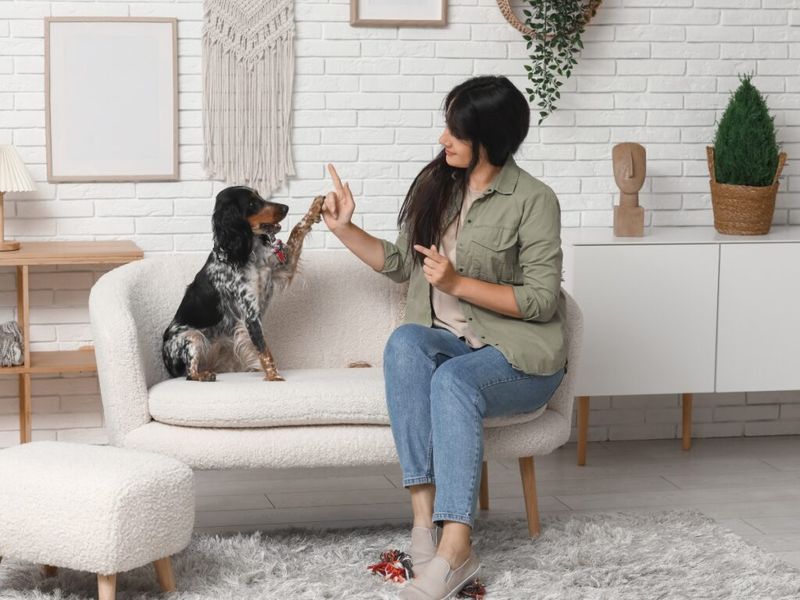
Quality time is about being present, not perfect. Put your phone away, sit on the floor, and simply hang out with your dog.
Let them choose the activity, whether it is cuddling, sniffing the yard, or gently exploring a new room together. When you match their pace, trust grows quickly and naturally.
Create small daily rituals you both anticipate, like evening porch time or a calm morning check in. Short bursts matter when done consistently.
Read a book while your dog naps nearby, or offer a chew while you breathe beside them. These unhurried minutes say you are safe, attentive, and steady.
Over time, your dog will seek you out for comfort and connection.
Use positive reinforcement training
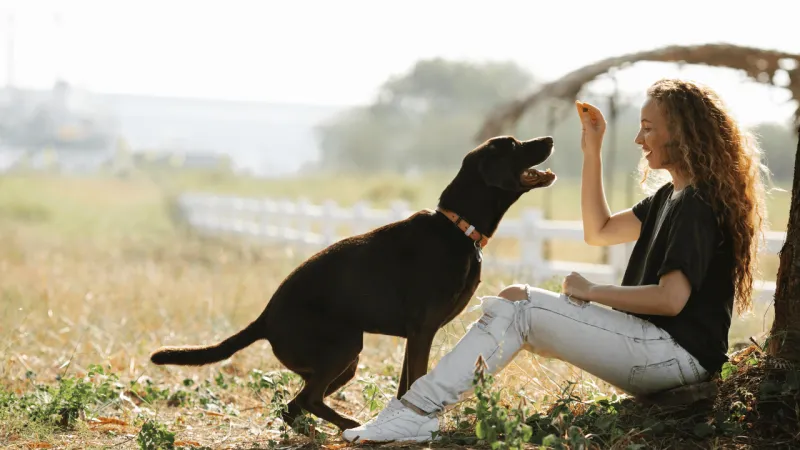
Positive reinforcement helps your dog understand exactly what you want. Mark the behavior you like with a cheerful yes or a click, then reward promptly with a treat, toy, or praise.
Keep sessions short, upbeat, and frequent. Your dog learns that choosing you and paying attention leads to good things, not worry or confusion.
Start with easy wins like name recognition, sit, and touch. Raise criteria slowly, and end while your dog still wants more.
If mistakes happen, lower the difficulty instead of scolding. Rewards build confidence and clarity, and clarity builds trust.
You will see brighter eyes, quicker responses, and a dog that checks in eagerly, because working with you feels safe, fun, and rewarding.
Maintain a daily routine
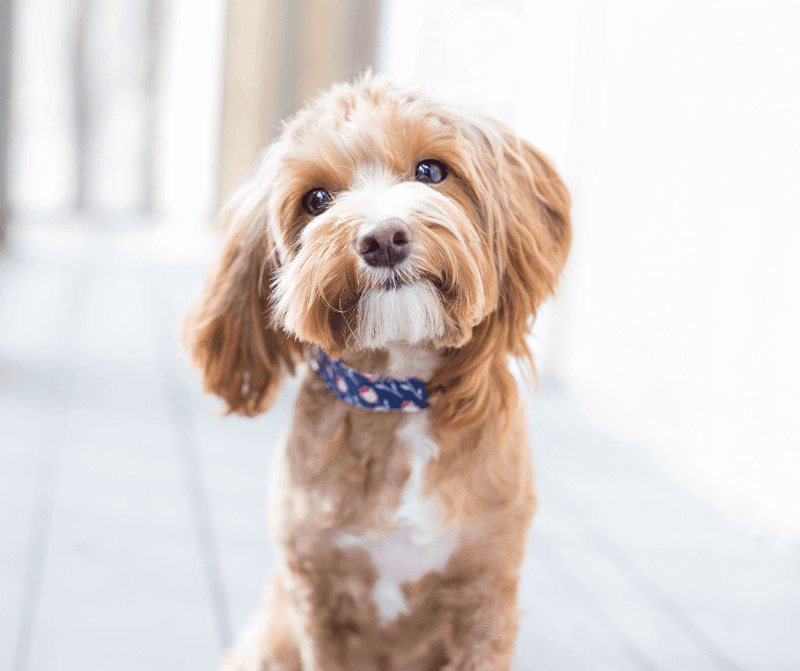
Dogs thrive on predictability. A steady rhythm for meals, walks, play, and rest helps your dog relax because life makes sense.
You do not need a rigid schedule, just consistent anchors across the day. When your dog can anticipate what comes next, anxiety lowers and focus increases.
Build a gentle flow that fits your life. Feed at similar times, offer a morning sniff walk, plan midday enrichment, and set a wind down before bed.
Use the same cues so expectations stay clear. When change happens, keep one or two anchors in place.
Your calm consistency teaches reliability. Over time, your dog will settle more easily, listen better, and look to you for guidance when anything feels uncertain.
Engage in interactive play
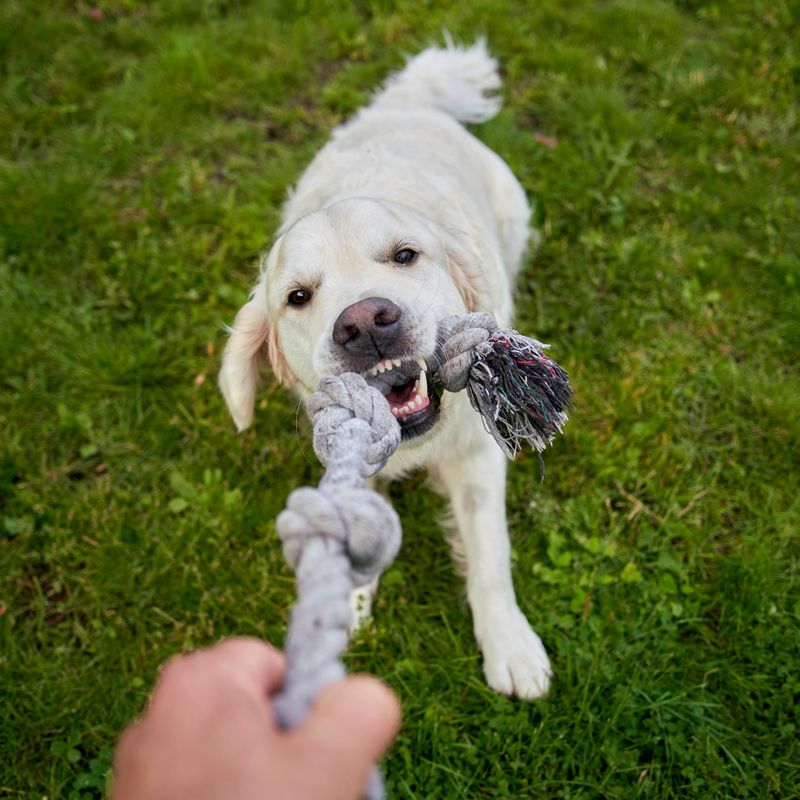
Interactive play is where bonding and training meet. Choose games that invite teamwork, like tug with rules, fetch with a cue to release, or hide and seek.
Keep arousal balanced by inserting easy cues and short pauses. Celebrate wins, switch roles, and let your dog feel successful.
Play becomes your shared language.
Use toys your dog loves, and rotate them to keep things fresh. End the game while enthusiasm is still high, then offer water and a calm decompression.
If teeth land on skin, reset gently and lower intensity. These micro lessons build impulse control without pressure.
Your dog learns you are fun, fair, and safe, turning playtime into a powerful trust builder.
Go on regular walks together
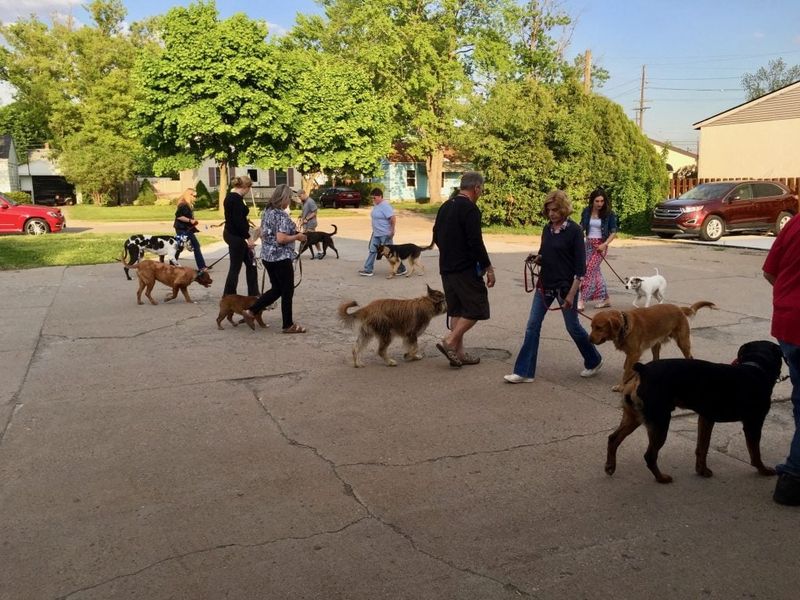
Regular walks are about connection, not just exercise. Let your dog sniff and gather information.
That slow, nose led pace is mentally enriching and lowers stress. Use a well fitted harness and a loose leash to encourage choice and comfort.
Short, frequent walks beat occasional marathons for building calm confidence.
Practice check ins by rewarding brief eye contact. Pause at curbs, breathe together, and move as a team.
If your dog gets overwhelmed, create distance and reset kindly. The goal is to make the world feel safe with you by their side.
Over time, your dog will match your rhythm, explore more bravely, and return to you naturally when things feel uncertain.
Learn your dog’s body language
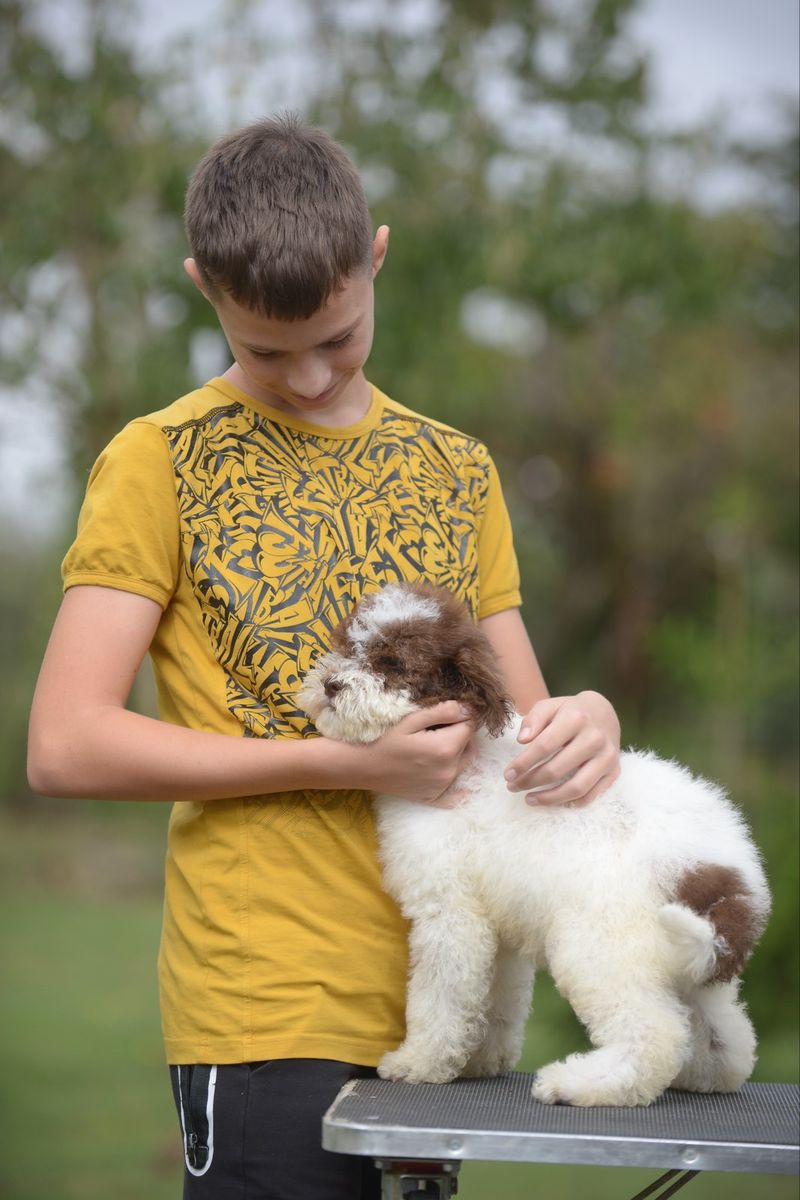
Understanding body language prevents misunderstandings. Notice soft eyes, relaxed ears, and a loose tail when your dog feels safe.
Learn early stress signals like lip licking, yawning, turning away, and paw lifts. When you respond thoughtfully to these cues, your dog feels heard.
That sense of safety deepens trust and cooperation.
Observe context, not just one sign. A wagging tail can mean excitement or unease.
Track breathing, posture, and movement together. If your dog shows discomfort, create space, slow down, or change the environment.
Celebrate curiosity and calm with quiet praise or a treat. Over time, your dog learns that communicating works, and you become a reliable partner who listens before asking for more.
Provide mental stimulation
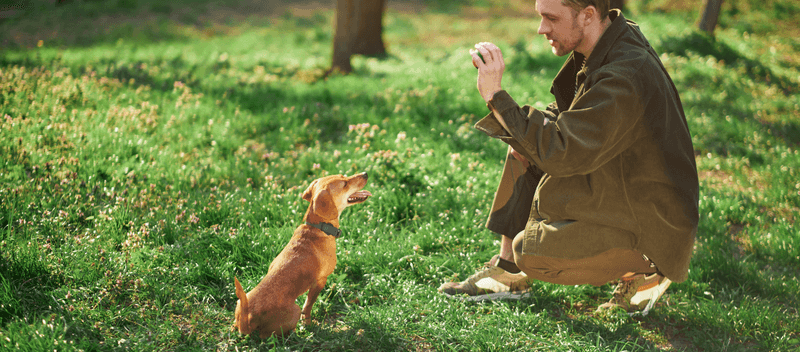
Mental workouts tire dogs in a satisfying, low stress way. Use puzzle feeders, snuffle mats, and simple scent games.
Scatter kibble in the yard or hide treats around a room. Offer training games like find it, hand target, and place.
Rotate activities to keep curiosity alive without overwhelming your dog.
Start easy, then increase difficulty gradually. Pair brain work with decompression, like a chew or nap, to lock in calm.
Five to ten thoughtful minutes can change the whole day’s tone. When your dog solves problems and wins, confidence grows.
You become the source of engaging challenges and relief, which strengthens your bond and helps your dog settle faster in everyday life.
Offer calm affection and touch
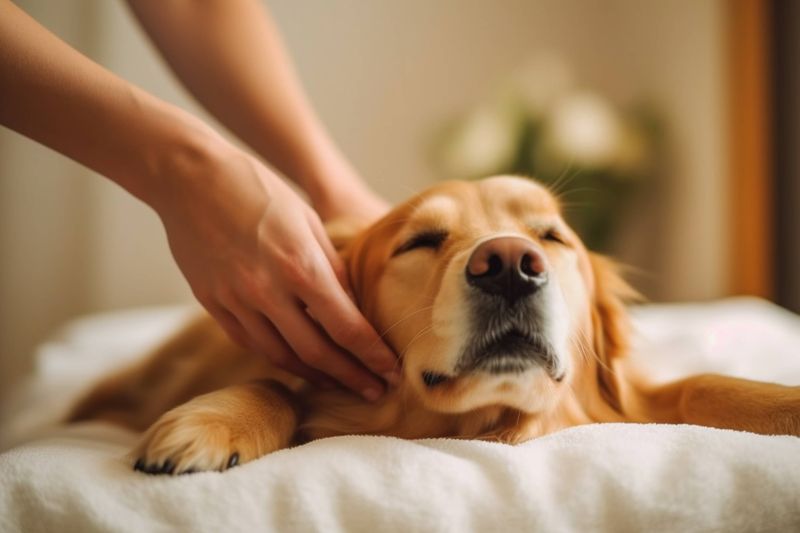
Affection should match your dog’s preferences. Invite, do not insist.
Offer gentle strokes along the chest or shoulders, then pause to see if they lean in. That consent check matters.
Slow, predictable touch calms the nervous system and builds trust. Avoid hovering hugs if your dog stiffens or turns away.
Create cozy routines like post walk towel rubs or bedtime ear strokes. Keep your voice soft and your breathing steady.
If your dog melts into you, stay there together and enjoy the quiet. If they shift away, respect the boundary and try again later.
Being a safe place means listening with your hands, not just your words. Your patience will be remembered.
Be patient and consistent
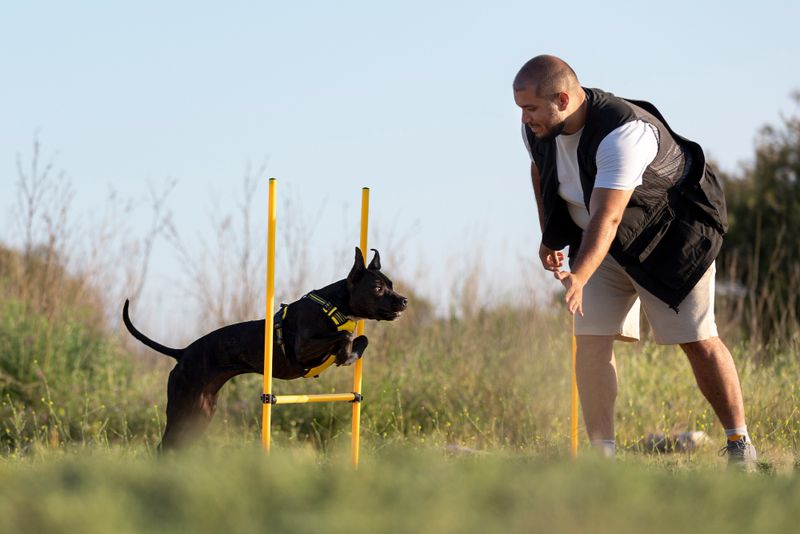
Patience and consistency are the backbone of trust. Use the same cues, the same rewards, and the same boundaries so your dog does not have to guess.
Repeat short sessions often, and celebrate progress rather than perfection. When you stay even keeled, your dog can relax into learning.
Expect plateaus and occasional setbacks. They are normal.
Lower distractions, break tasks into smaller steps, and highlight tiny wins. If frustration rises, take a breath and reset.
Dogs read tone and timing, not speeches. Your steadiness teaches safety, and safety invites cooperation.
Over weeks and months, small, consistent choices compound into a dependable bond that makes daily life smoother and far more joyful.
Reward trust-building behavior
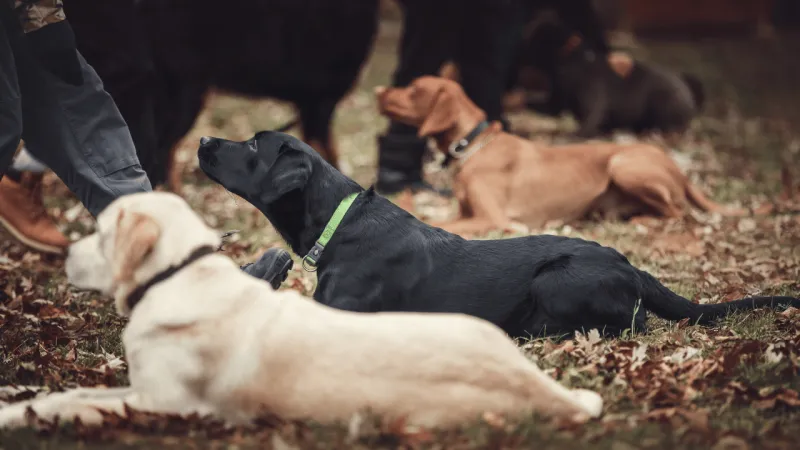
Notice the brave, thoughtful choices your dog makes. Approaching when uncertain, checking in during a distraction, or relaxing on a mat are gold.
Mark those moments and pay well with food, play, or access to something they want. Reinforcing trust behaviors tells your dog you see their effort and it matters.
Keep rewards immediate and meaningful. Small jackpots can highlight breakthrough moments.
Pair praise with a deep breath and a slow pet if your dog enjoys touch. If things feel hard, lower the challenge and reward tiny steps forward.
Over time, your dog will offer more confident choices because you consistently value them. That shared momentum becomes your bond’s secret engine.
Create a safe home environment

Safety starts at home. Give your dog a quiet retreat with a comfy bed, water nearby, and low traffic.
Use baby gates or pens to manage space kindly. Remove hazards and offer appropriate chews.
Predictable household rules reduce stress. When your dog can rest undisturbed, emotional resilience grows.
Mind sound levels, slippery floors, and chaotic entrances. Add rugs for traction, white noise for storms, and clear pathways.
Teach visitors to greet calmly or not at all. Structure gives freedom, because your dog learns the environment is reliable.
In that reliability, trust blooms. Your home becomes a sanctuary where your dog can reset, making training smoother and your daily connection deeper.
Communicate clearly and gently
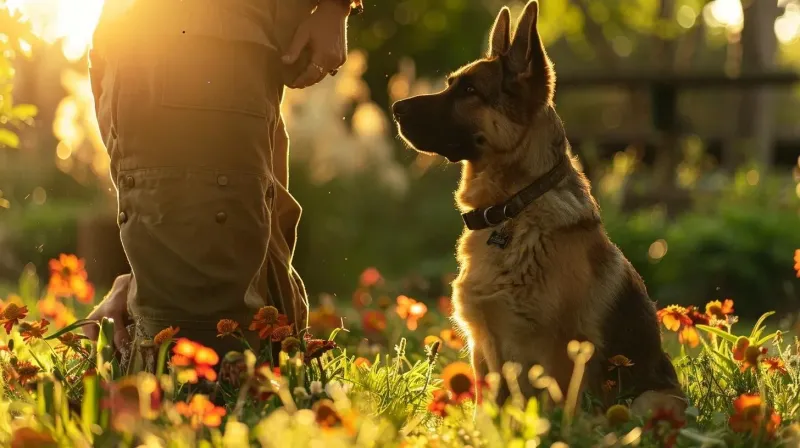
Simple, consistent cues reduce confusion. Choose short words and pair them with clear hand signals.
Say the cue once, then guide or wait instead of repeating. Keep your tone warm and steady.
If your dog struggles, make the task easier rather than getting louder. Clarity plus kindness keeps learning safe.
Use release words, like free or all done, so your dog knows when tasks end. Build a small vocabulary that actually means something.
Your dog will start checking in because your guidance feels reliable. The more you listen and adjust, the more your dog offers effort.
Communication becomes a two way street, and your bond strengthens with every success you create together.