
Ever feel like your dog is three steps ahead, watching you like a tiny professor with paws? These brainy breeds thrive on problem solving, routine hacking, and reading your body language better than friends do.
Give them a puzzle and they will ask for the answer key, then write a harder test. Learn what keeps them satisfied, and your life gets easier, funnier, and way less chewed.
Border Collie
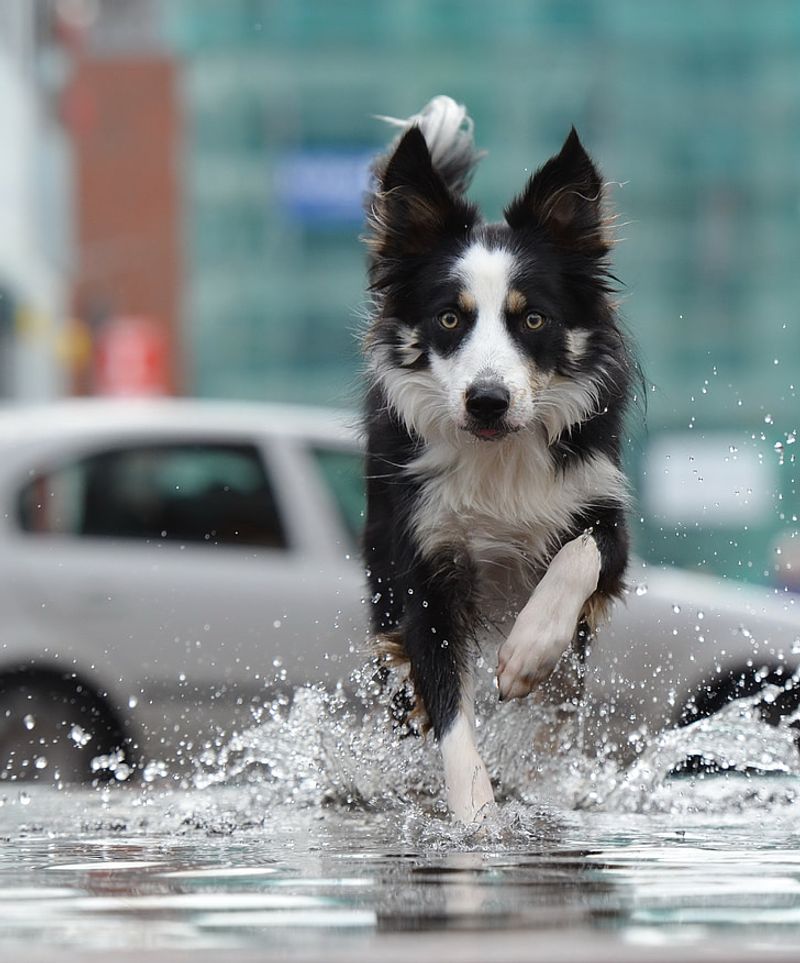
Border Collies learn patterns fast, then flip them to test you. Give one cue, and they anticipate the next five steps like chess players.
Without jobs, they invent puzzles, unlocking gates or gently herding kids toward the kitchen.
Channel that brain with sheepdog style games, precision heelwork, and scent puzzles. Short sessions beat marathons, since repetition gets boring quickly.
Vary rewards and chain tricks so the work stays fresh and challenging.
Rotate tasks across days, mixing agility grids, boundary games, and calm settle drills to balance arousal. Provide chews, stuffed Kongs, and a quiet crate so their sharp mind recharges instead of plotting mischief during down time at home.
Poodle
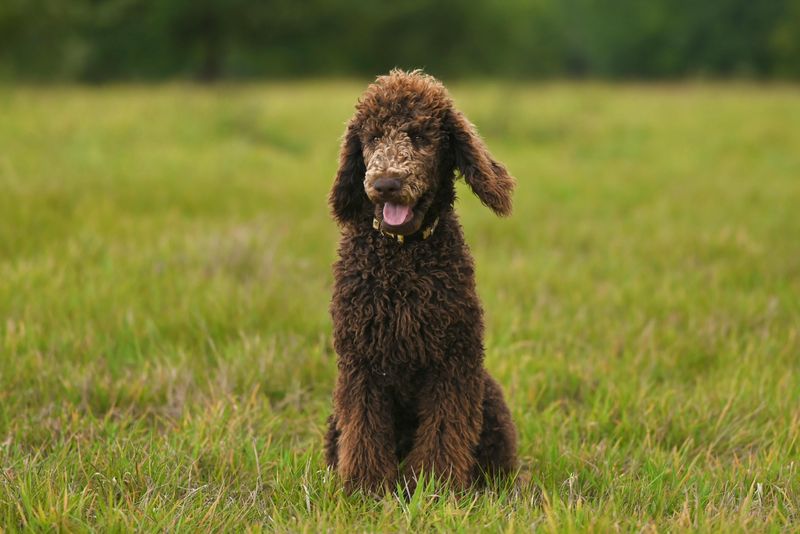
Poodles are witty, athletic thinkers who treat training like wordplay. They notice tiny cues, then beat you to the punch with uncanny timing.
Under exercised minds prank you, opening cabinets or unstuffing pillows for dramatic flair.
Mix brain work with movement to satisfy their whole self. Use scent boxes, retrieve games, and platform work to sharpen focus.
Trick training feels like stand up comedy for them, especially if you vary rewards creatively.
Grooming sessions double as impulse control practice. Break tasks into playful mini lessons to prevent overthinking spirals.
Keep sessions brisk, end on a win, and sprinkle novelty often, and your Poodle will shine like the clever, cooperative partner they crave being.
German Shepherd
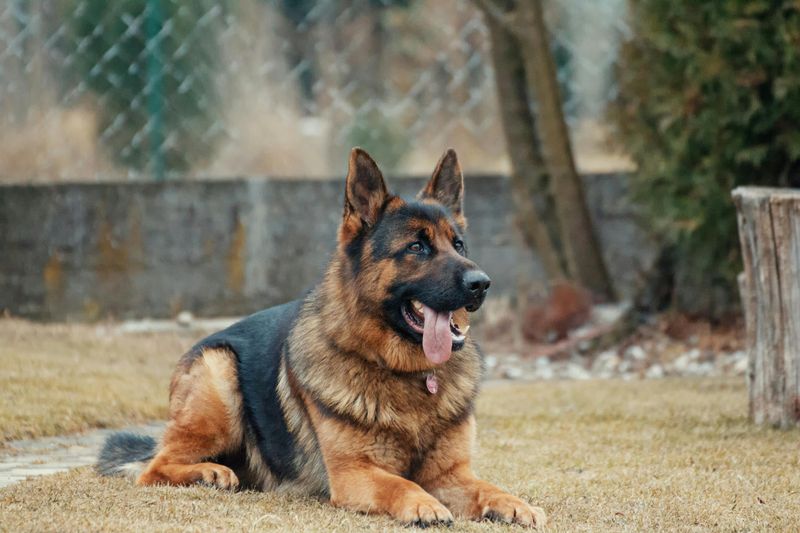
German Shepherds analyze everything, then commit with purpose. They thrive when rules are clear, tasks are meaningful, and communication is consistent.
Leave a smart Shepherd under stimulated, and they will patrol the house inventing policies you never approved.
Build daily jobs that blend obedience with utility. Teach structured fetch, scent detection basics, and calm door protocols.
Marker training suits their clarity loving nature, as does rewarding thoughtful pauses, not just speed.
Healthy outlets prevent reactivity and mischief. Prioritize decompression walks, problem solving games, and fair boundaries, not just high arousal drills.
When you guide their intensity with empathy and structure, the Shepherd’s brilliance feels like a steadfast teammate who reads your mind and protects your plans.
Golden Retriever
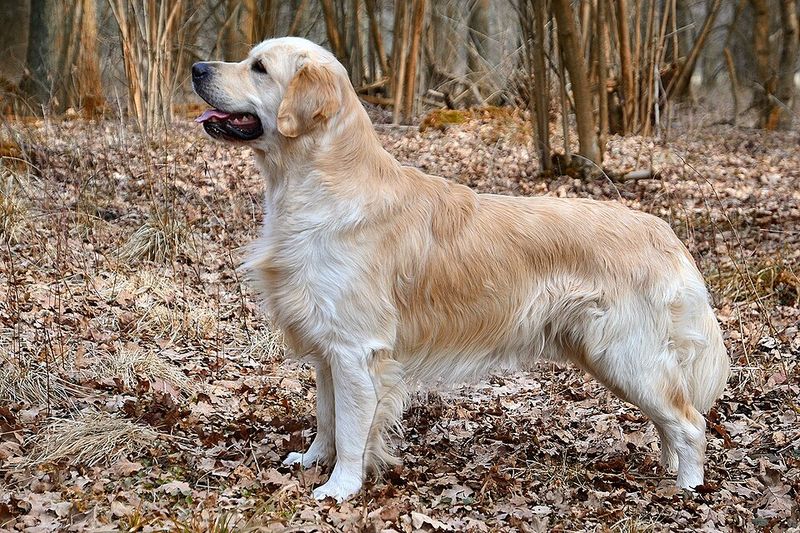
Goldens are social scholars who memorize your routines and feelings. Their superpower is emotional intelligence paired with a keen desire to please.
Boredom, however, turns them into comedic thieves, relocating socks like prized trophies.
Lean into retrieves, scent games, and polite greetings as structured jobs. Use place training during busy times so they can succeed without constant feedback.
Keep reinforcement generous and clear, because their optimism grows with predictable wins.
Rotate toys and tug sessions to prevent over arousal. Mix easy tasks with one brainy challenge to maintain flow.
When curiosity and kindness are channeled well, your Golden functions like an intuitive assistant, anticipating needs and offering heartwarming, tidy deliveries straight to your hand.
Doberman Pinscher
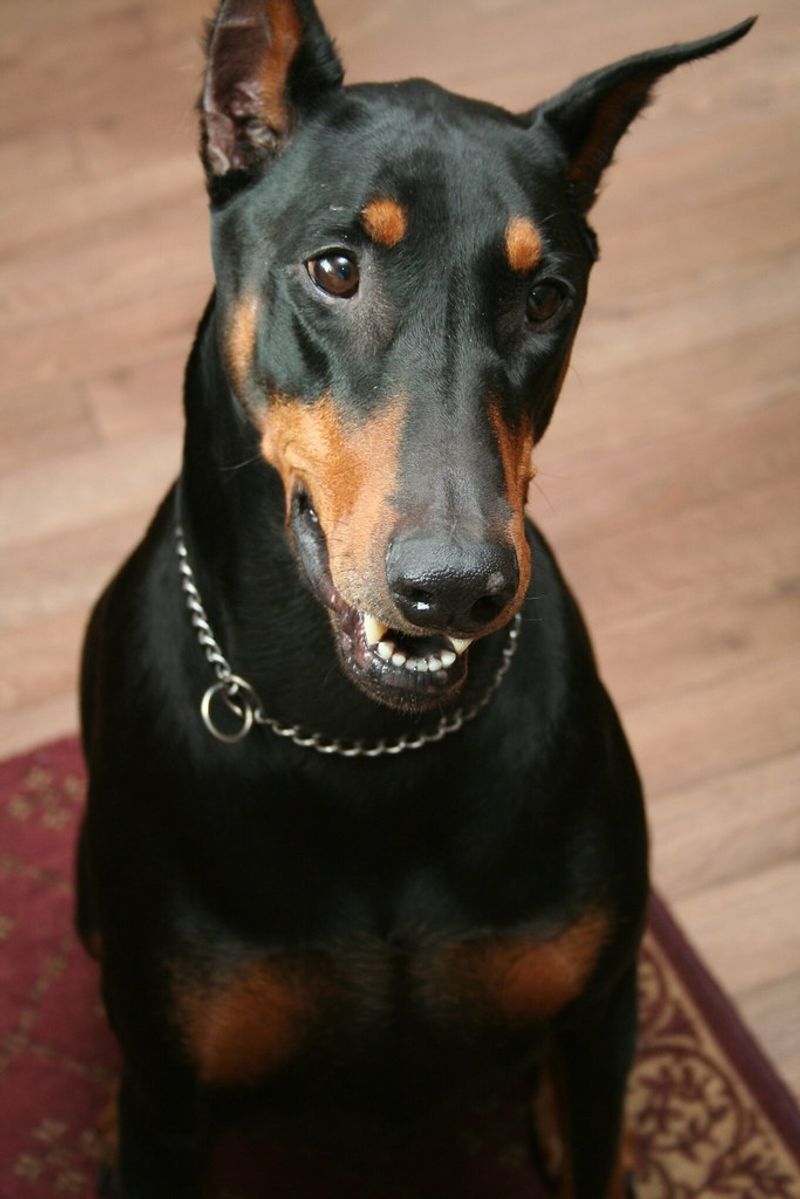
Dobermans read intent fast and make bold decisions. They excel when given clear lanes, crisp markers, and purposeful work.
Without structure, they become self appointed security consultants, auditing windows and pushing boundaries with confidence.
Teach impulse control through start stop games, platform stays, and thoughtful heeling. Blend power walking with nosework to drain mental steam.
Reward neutrality around distractions as much as flashy obedience to build real world reliability.
Short, frequent sessions keep them sharp without overload. Provide durable chews and decompression after high focus days.
With fairness, leadership, and consistent expectations, the Doberman becomes a laser focused partner who anticipates tasks, protects space appropriately, and channels that gorgeous intensity into calm, elegant precision.
Shetland Sheepdog
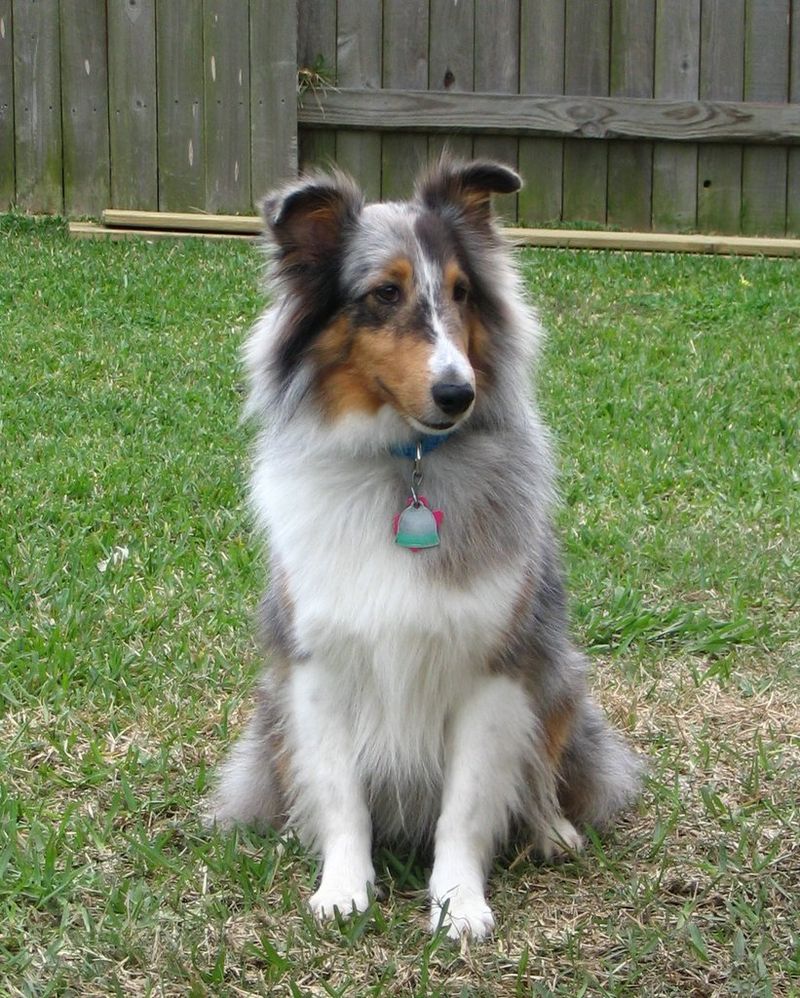
Shetland Sheepdogs are quick, sensitive listeners who decode patterns effortlessly. They notice micro signals, then craft smart guesses that look psychic.
Without engagement, they may invent barking jobs or herd shadows with theatrical dedication.
Keep training playful and snappy. Use target mats, spin to heel, and tiny retrieve games to build confidence and speed.
Reinforce quiet observation, not just movement, to balance that zippy brain.
Agility and trick titles suit their style, but calm cuddle decompression matters just as much. Set predictable routines, rotate puzzles, and give them successful micro challenges.
When you celebrate thoughtful choices and provide variety, your Sheltie blossoms into a bright, cooperative sprite who solves problems kindly and beats you to the punchline.
Labrador Retriever
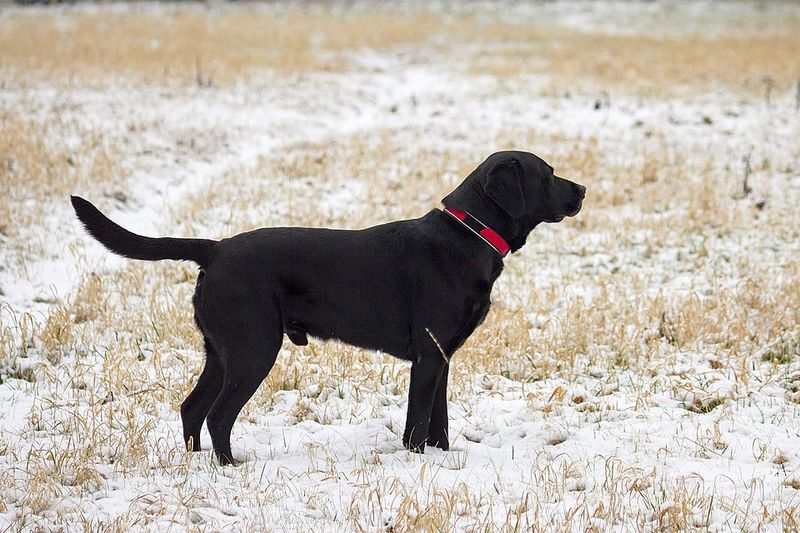
Labradors love purpose as much as play. They are strategic opportunists with tender hearts, memorizing where food appears and which pockets hold magic.
Under challenged Labs create comedy, counter surfing and door dashing like seasoned magicians.
Blend gundog drills with household manners. Practice place, delivery to hand, and calm door protocols between energetic retrieves.
Use scatter feeding and low scent searches to harness that eager nose.
Structure energy with on off switches. Reward quiet eye contact and loose leash walking as much as explosive fetch.
Give predictable work, clear rules, and satisfying chews, and your Lab transforms from lovable chaos agent into a thoughtful teammate who carries groceries, nudges light switches, and keeps family rhythms wonderfully smooth.
Papillon
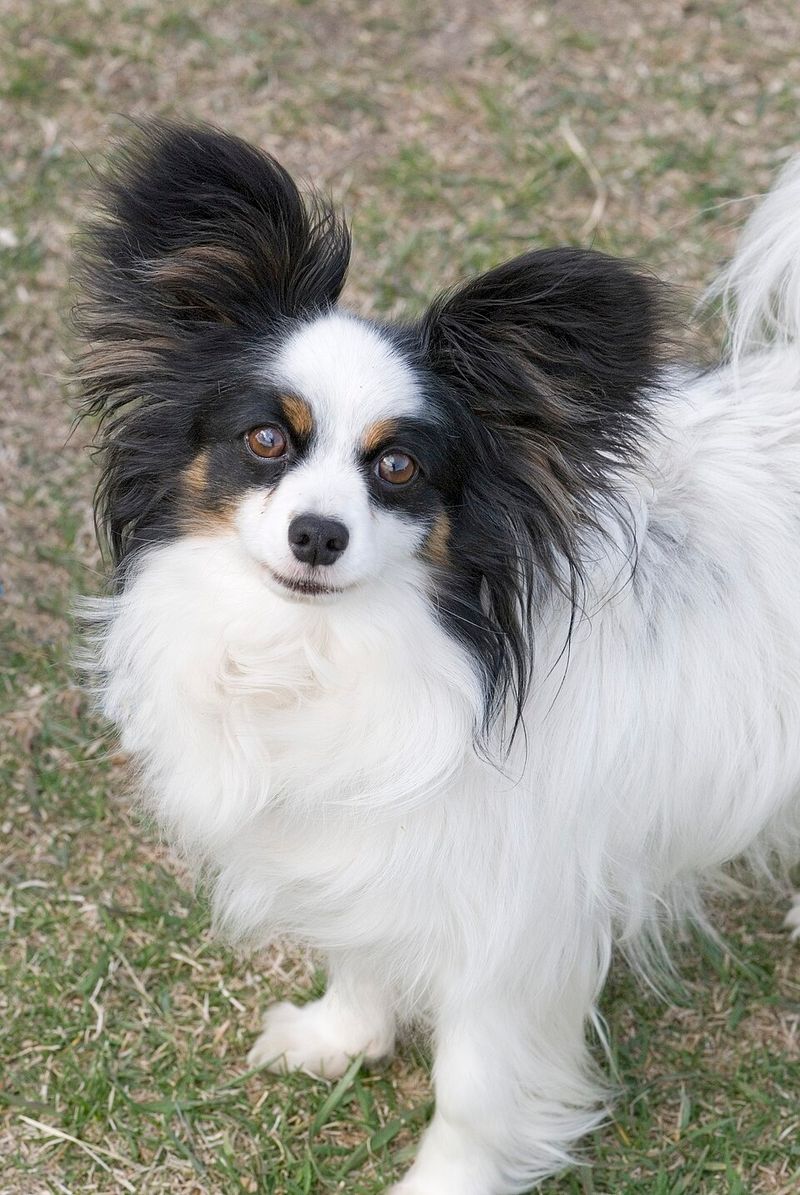
Papillons pack big minds into tiny frames. They read your posture like subtitles and turn training into joyful theater.
Leave them idle, and they will design obstacle courses from couch cushions and shoe laces.
Micro sessions shine for this breed. Teach nose targeting, paw crosses, and tidy heel pivots on platforms.
Keep reinforcement rates high and transitions snappy so enthusiasm stays sky high without frantic energy.
Puzzle toys and snuffle mats provide satisfying wins between lessons. Practice stillness and polite greetings to balance their quicksilver spirit.
With structure, novelty, and loving boundaries, your Papillon becomes a pocket genius who nails cues, improvises adorable solutions, and makes every living room feel like a cheerful, award winning training stage.
Rottweiler
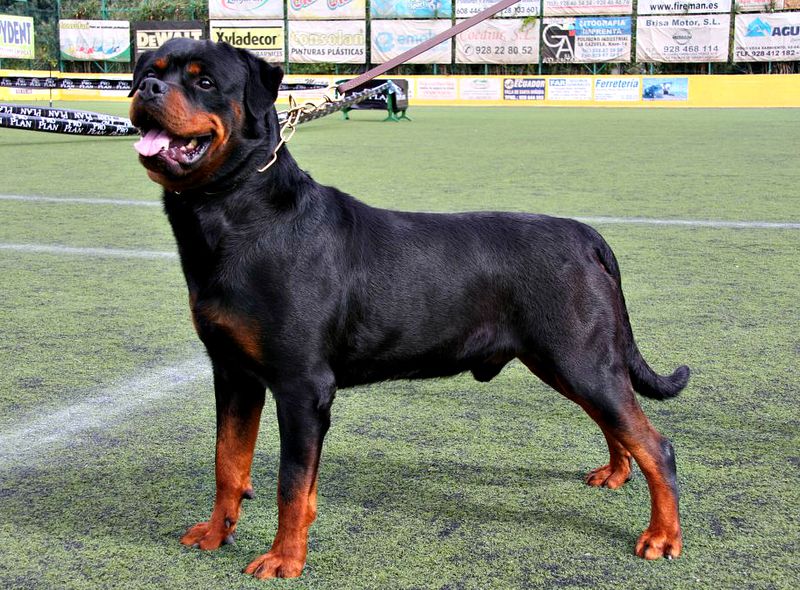
Rottweilers are thoughtful strategists who value fairness and clarity. They will test rules gently, then commit once they trust the system.
Under worked, they invent security roles, managing doorways and parking themselves between you and strangers.
Emphasize calm power over speed. Teach boundary games, cooperative care, and article indications for scent work.
Reward neutrality and loose leash walking to build public manners that match their impressive presence.
Short, purposeful sessions paired with decompression prevent burnout. Mix heavy duty chews and place training after stimulating tasks.
When you respect their intelligence and give meaningful jobs, a Rottie becomes a steady, smiling partner who carries bags, watches quietly, and solves problems with dignified, almost managerial competence.
Australian Shepherd
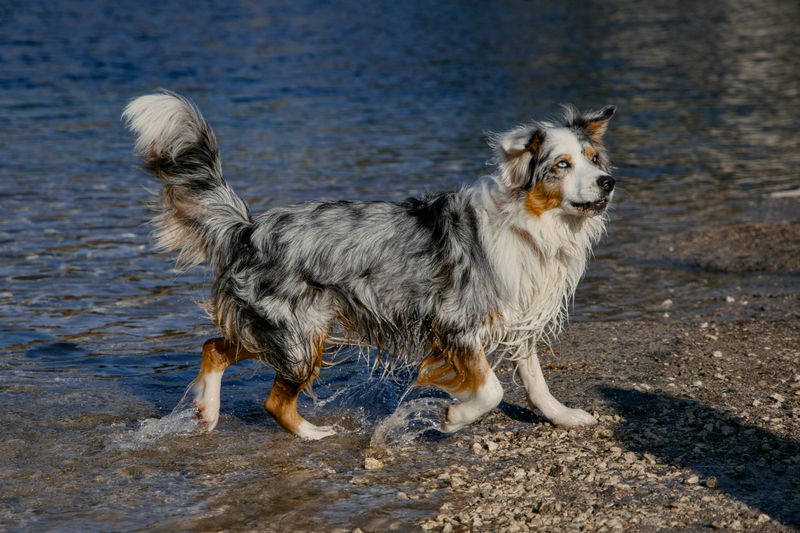
Australian Shepherds run on curiosity and collaboration. They decode your patterns, then suggest faster versions with a grin.
Under challenged Aussies herd vacuum cleaners, redirect roommates, and schedule their own cardio.
Trade repetition for novelty. Build trick chains, change environments, and alternate high arousal games with thoughtful stillness.
Scent work, agility, and boundary games bring out their best while protecting focus.
Use clear markers and fair consequences so rules feel like teamwork, not nagging. Rotate enrichment, from flirt pole intervals to puzzle feeders and decompression hikes.
When you mix structure with play, the Aussie becomes a brash, brilliant partner who reads the field, takes initiative responsibly, and turns everyday errands into cooperative missions.
Belgian Malinois
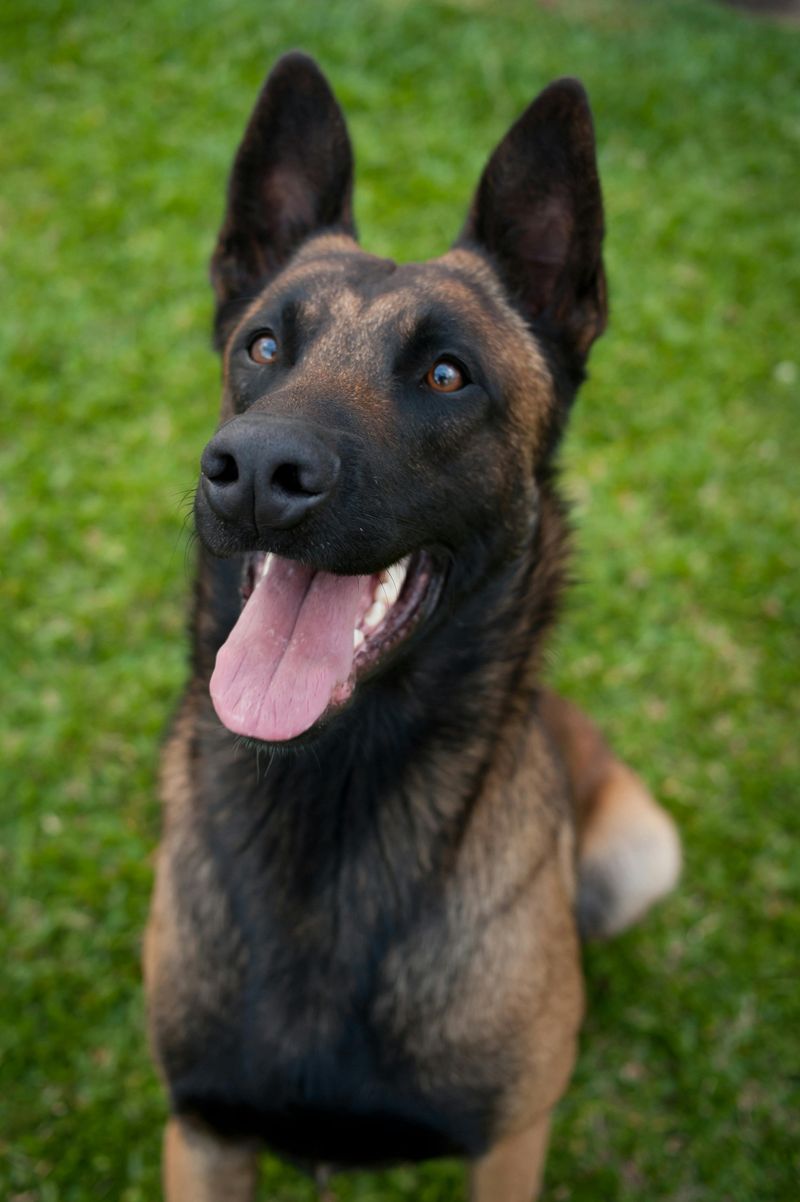
Belgian Malinois operate at genius speed. They notice patterns, escalate quickly, and out plan you if structure wobbles.
Without clear outlets, they self assign high security roles and remodel furniture with surgical enthusiasm.
Prioritize clarity, consent based handling, and layered impulse control. Teach marker cues, out commands, and thoughtful stations between high drive reps.
Blend detection games with tug rewards to keep work meaningful and ethical.
Short, precise sessions beat endless cardio. Schedule decompression, foraging, and place naps like training objectives.
When you honor their intensity and provide fair boundaries, a Malinois becomes a breathtaking collaborator who executes with precision, parks with neutrality, and stores your instructions like a living, rapidly searchable command library.
Miniature Schnauzer
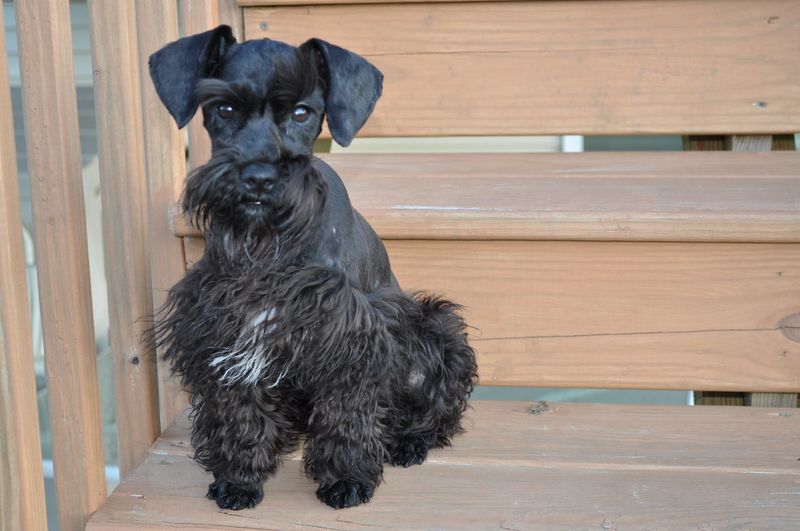
Miniature Schnauzers are cheeky analysts, part comedian, part auditor. They track routines and notice loopholes, often negotiating with intense eye contact.
Without engagement, they channel energy into creative alerts and spirited debates with delivery trucks.
Harness curiosity through nosework, tidy retrieves, and platform pivots. Keep sessions brisk and upbeat, rewarding thoughtful choices over frantic speed.
Use enrichment feeders and calm settle games to smooth transitions between action and rest.
Grooming cooperatively teaches patience and trust. Rotate toy libraries, practice polite doorways, and reinforce quiet observation.
With clear boundaries and frequent wins, your Schnauzer becomes a witty, hardworking partner who files tiny reports with every cue, solves puzzles joyfully, and keeps household schedules running like clockwork with a grin.
Cocker Spaniel
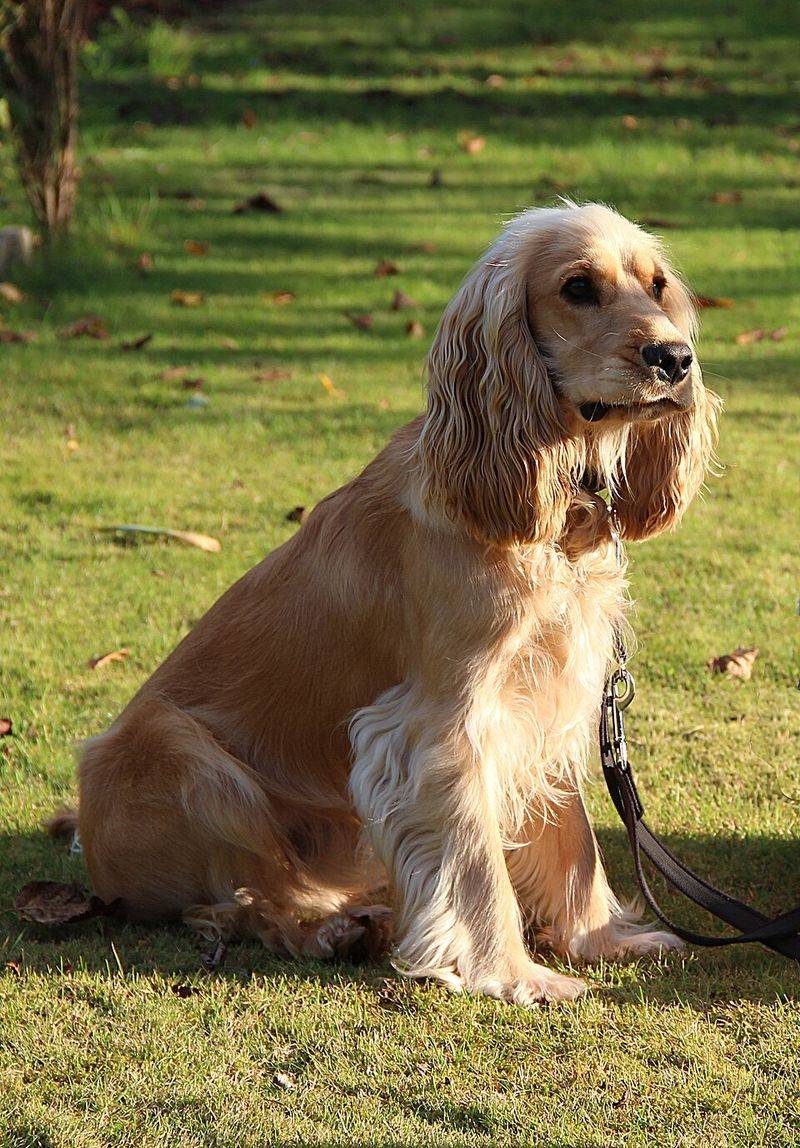
Cocker Spaniels blend sweetness with investigative drive. That nose is a detective’s tool, and boredom turns it into a mischief magnet around laundry and cupboards.
They read your mood, then try to fix the vibe with wiggly charm.
Channel curiosity into field style searches, retrieve to hand, and polite house manners. Scatter feeding and hide and seek boost confidence without chaos.
Reinforce calm eye contact and stationing between exciting tasks.
Short training bursts suit them best. Mix gentle grooming practice with trick micro lessons to build resilience.
When their senses get meaningful work and their hearts get reassurance, Cockers become radiant teammates who glide through routines, solve scent puzzles, and deliver soft mouthed treasures like courteous little ambassadors.
Collie
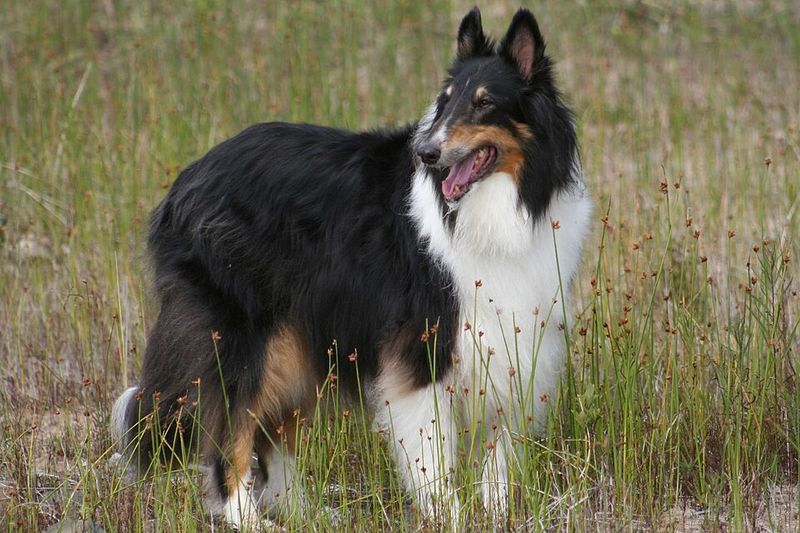
Collies are empathetic problem solvers who excel at gentle leadership. They anticipate your intentions and guide with subtle nudges.
When understimulated, they create duties, managing children or supervising windows with thoughtful vigilance.
Keep training kind, precise, and varied. Use boundary games, directional cues, and light herding style exercises.
Build reinforcement for soft eye contact and calm proximity, not just flashy motion.
Daily enrichment prevents worry spirals. Try pattern games, trick chains, and relaxed walks that allow decompression sniffing.
With consistency and emotional clarity, your Collie becomes a gracious partner who reads rooms, escorts guests politely, and threads intelligence through every task like a silky, reassuring ribbon you can rely on.