
Some dogs handle alone time like champs, but others feel every minute you are away. If your pup follows you like a shadow, you are not imagining it.
Certain breeds are wired for connection and can struggle when routines change or doors close. Let’s explore the most affectionate Velcro pups and how to help them feel secure when you step out.
Labrador Retriever
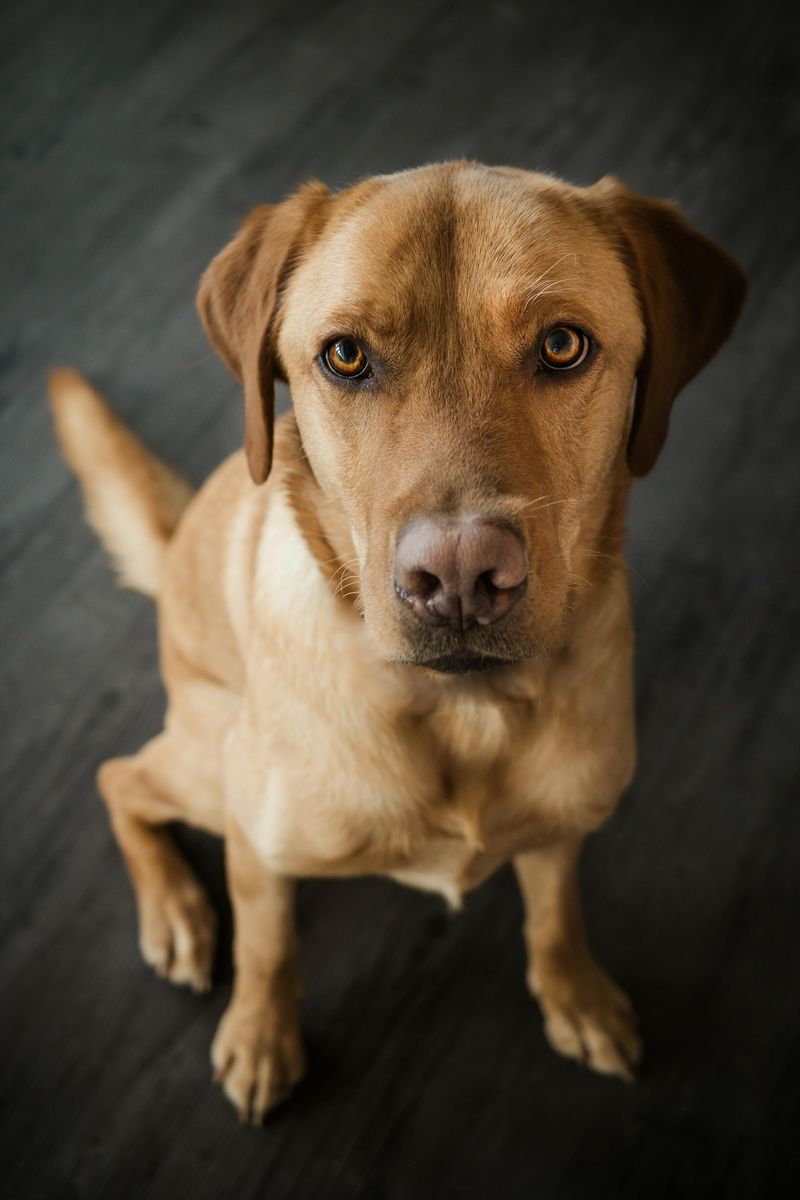
Labrador Retrievers thrive on companionship and can feel lost when you walk out the door. Their people focused nature means they shadow you from room to room, waiting for cues and reassurance.
Left alone too long, boredom and worry can lead to barking, pacing, or destructive chewing. They bond deeply with families and crave meaningful jobs to stay satisfied.
Daily exercise, puzzle toys, and short practice separations help Labs build confidence and settle more easily. Create a predictable routine, leave a worn T shirt, and offer a frozen stuffed Kong as you leave.
If anxiety persists, consider crate training as a cozy den and consult a positive reinforcement trainer. Gentle departures and calm returns teach that good things happen even when you are temporarily apart.
Golden Retriever
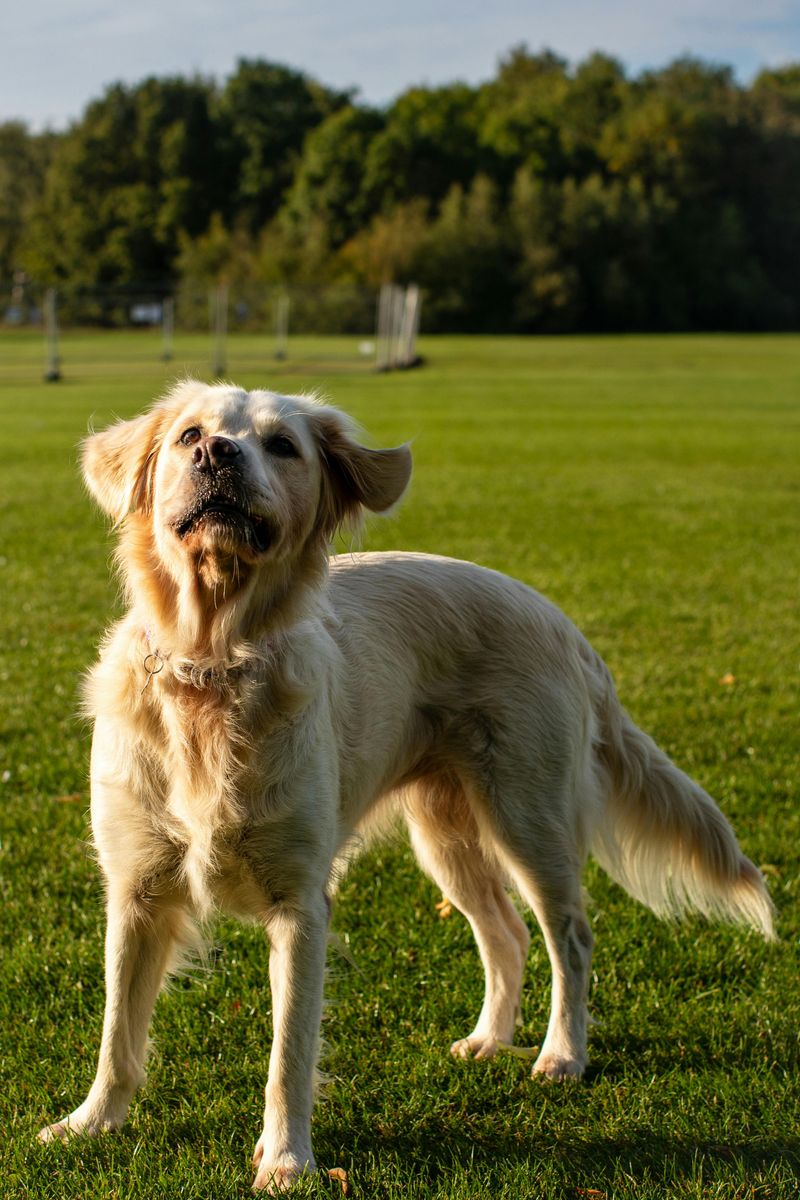
Golden Retrievers adore being near their people and can feel unsettled when left alone. Their soft temperament and eagerness to please make them attentive companions, but also prone to clinginess.
Without outlets, they may whine, carry shoes, or patrol hallways waiting for your return. Their hearts are huge, and they read your mood like seasoned friends.
Structure helps enormously. Give generous exercise, brainy scent games, and calm departures with a long lasting chew.
Teach independent settling on a mat, gradually increasing duration while you move out of sight. Pair these sessions with gentle music and a predictable routine so good things consistently happen during quiet time.
Border Collie
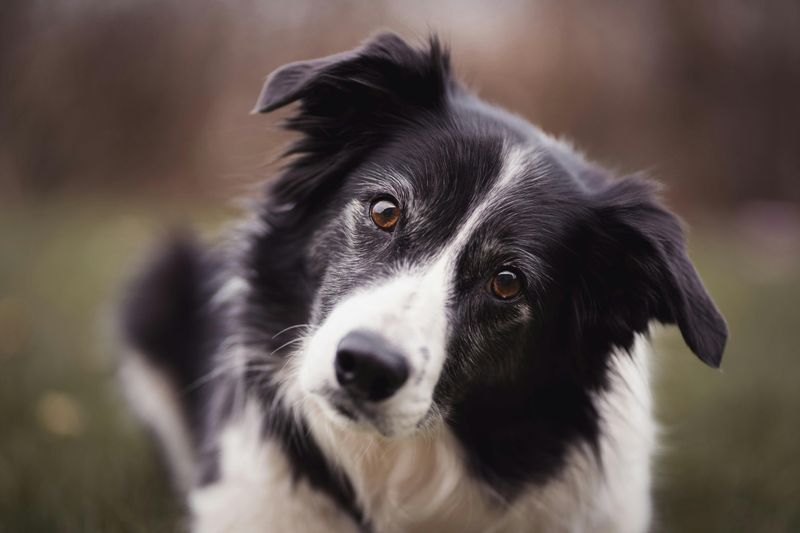
Border Collies are brilliant and intensely people oriented, which can tip into neediness without structure. When brains and bodies are under worked, they invent jobs like herding kids, stalking shadows, or vocalizing at every noise.
That drive turns separation into a puzzle they cannot solve, causing pacing and stress. You will notice watchful eyes that track every step you take.
Channel that energy thoughtfully. Daily cardio, trick training, and scent work help satisfy their minds and tire them out.
Practice calm alone time after exercise, starting with tiny intervals and expanding steadily. Provide chewable enrichment and rotate activities to prevent predictability from breeding anxiety.
German Shepherd
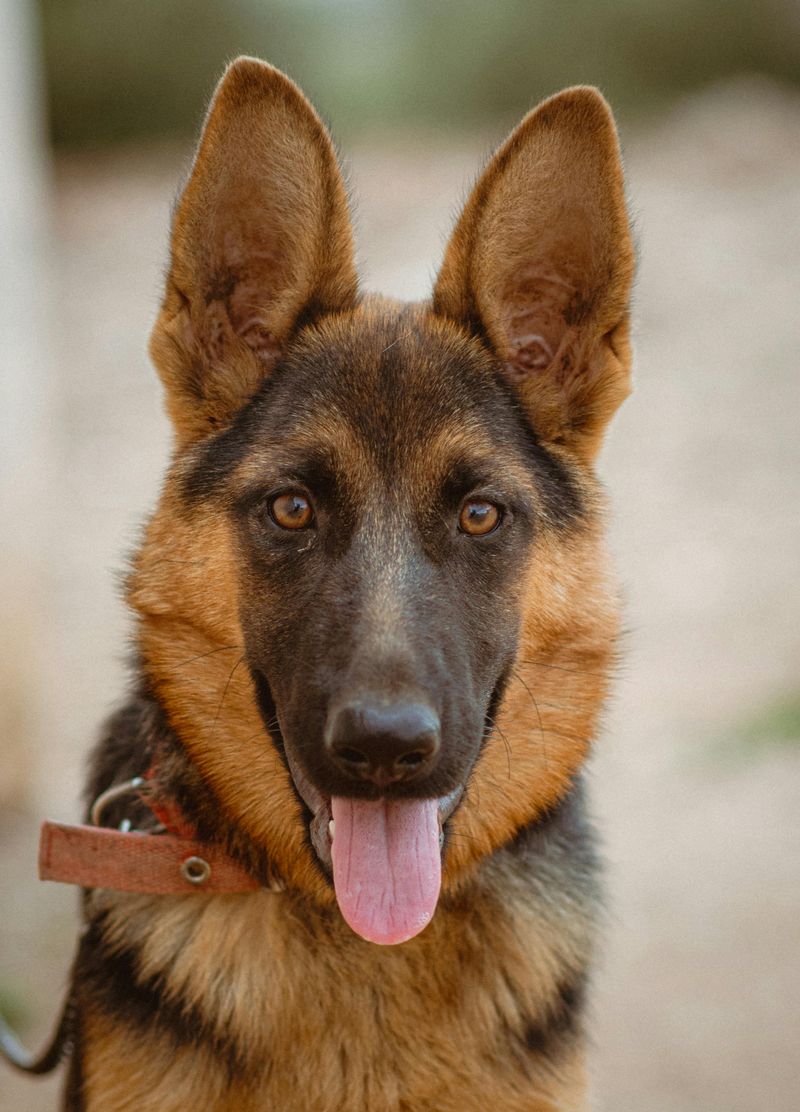
German Shepherds form strong attachments and naturally monitor their families, which can morph into separation stress. Their protective instincts mean they want to manage the environment, and absence removes their perceived job.
Some vocalize, guard windows, or patrol entryways until you return. They are sensitive, smart, and incredibly responsive to routine and clarity.
Give structured exercise, obedience refreshers, and confidence games like platform training. Teach a relaxed place cue, gradually pairing distance with rewarding calm.
Leave interactive feeders, and close off sentinel zones that trigger over watchful behavior. Consistency, clear expectations, and positive reinforcement help them learn that off duty time is safe and predictable.
Australian Shepherd
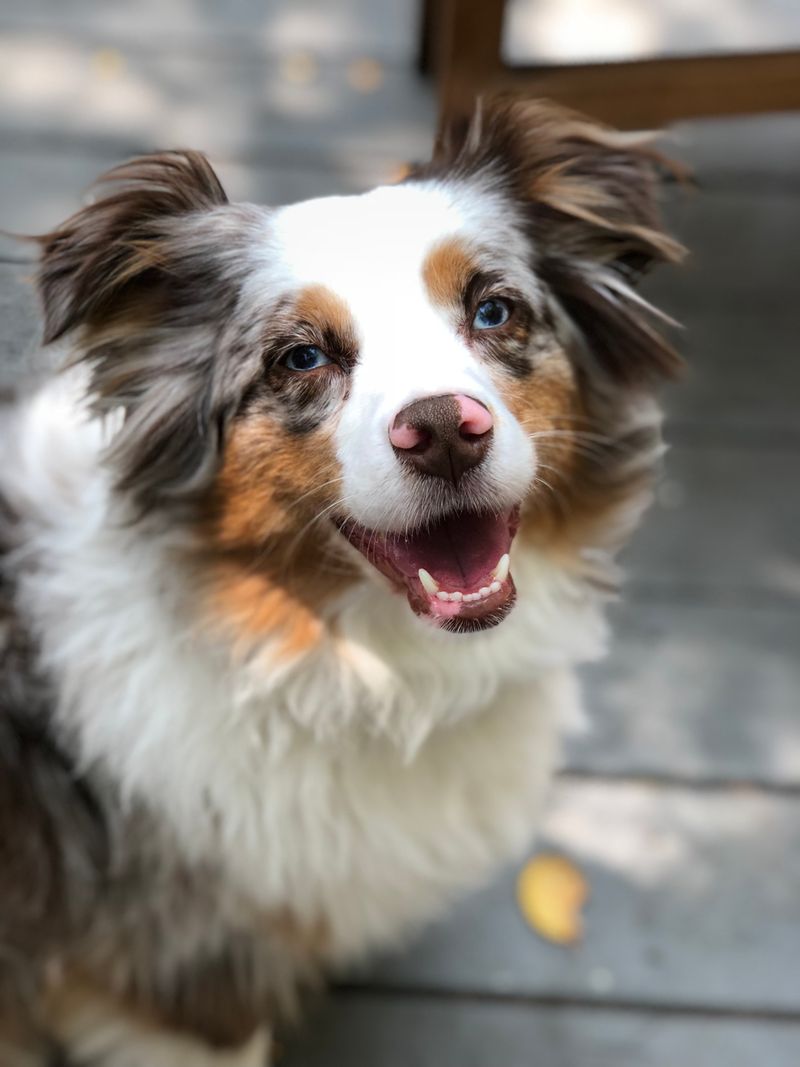
Australian Shepherds are velcro smarties who love being part of every task. Without daily outlets, their intensity can spiral when you step away, triggering barking or door scratching.
They crave mental challenges and purposeful work alongside you. When their calendar is empty, they will redesign the schedule themselves, often loudly.
Preempt the spiral with exercise before departures and satisfying brain games. Teach independent settling after training to build a pattern of work then rest.
Use scatter feeding, snuffle mats, and frozen chews to occupy them as you leave. Short, frequent practice departures build resilience, showing your Aussie that downtime is simply another learned skill.
Vizsla
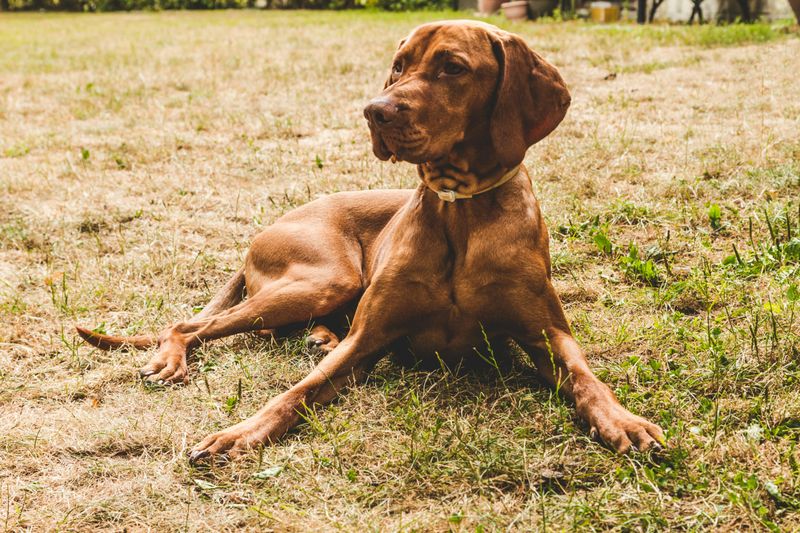
Vizslas are famously called Velcro dogs because they prefer full body contact and constant proximity. Their affectionate nature means your absence can feel like a missing limb.
Many follow you from chair to chair and nudge for reassurance when routines change. Left alone abruptly, they may whine, dig bedding, or hover by exits.
Meet their needs with vigorous exercise, scent games, and touch filled bonding when you are home. Build solo confidence using stationing on a bed, gradually rewarding longer relaxations.
Keep departures calm, leave a comforting scent item, and use food puzzles that last. Consistency teaches your sensitive Vizsla that separations are temporary and manageable.
Italian Greyhound
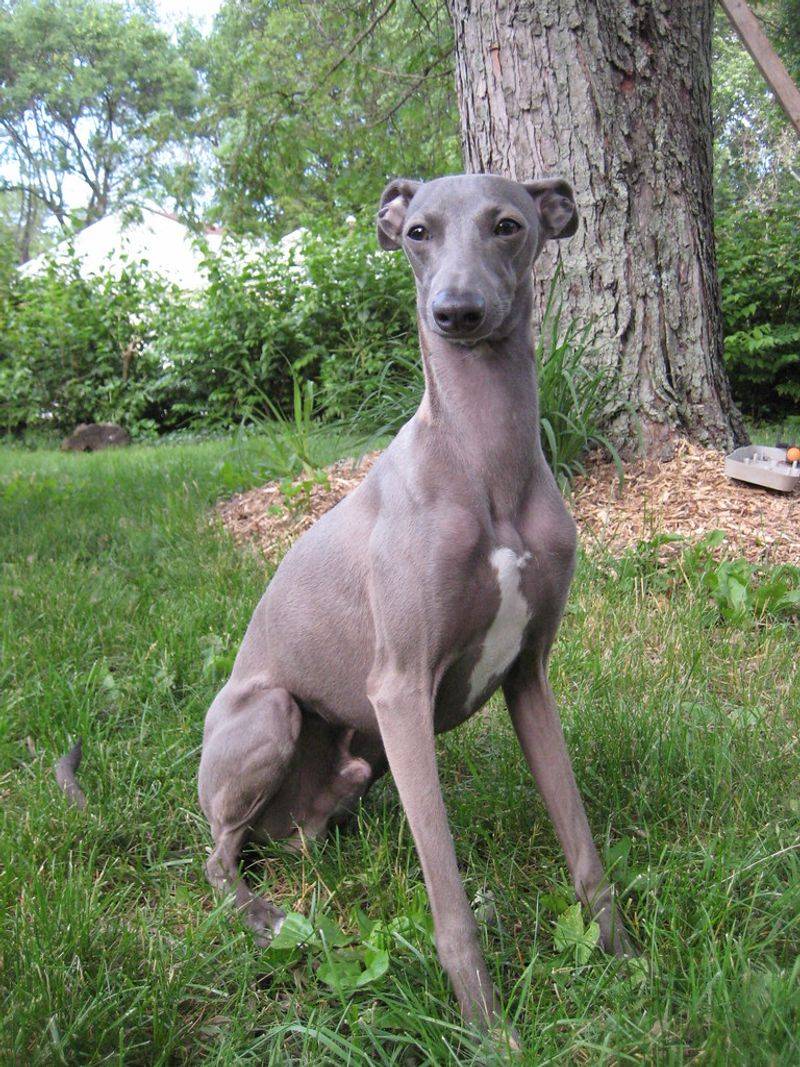
Italian Greyhounds are gentle, sensitive creatures who attach tightly to their favorite people. Their thin skin and big feelings make comfort and routine essential.
When you leave abruptly, they may tremble, vocalize, or seek warm spots obsessively. They thrive with soft handling, predictable rituals, and plenty of cozy nesting options.
Support independence with brief absences after a walk, starting in seconds and building to minutes. Offer warm beds, layered blankets, and feeding toys to ease transitions.
Practice calm exits without lengthy goodbyes, and reward relaxed behavior upon your return. With patience and consistent structure, your Iggy learns that quiet alone time is safe, warm, and absolutely survivable.
Cavalier King Charles Spaniel
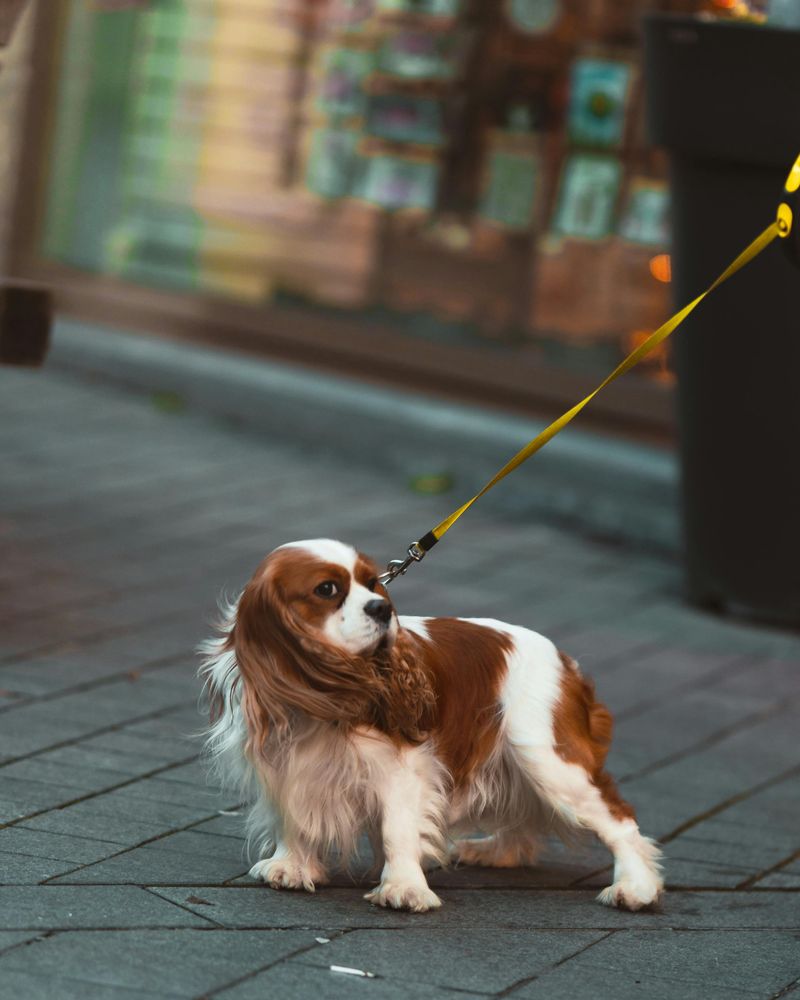
Cavaliers were bred for companionship, so solitude can feel confusing and sad. They read human emotions remarkably well and often mirror your stress, becoming clingy during transitions.
Left alone too quickly, some whine, scratch doors, or pace. Their sweetness makes them easy to spoil, which can accidentally fuel dependence.
Build independence gently. Practice place training with frequent tiny rewards for staying settled while you move about.
Provide comfort items, calming music, and long lasting chews during departures. Keep greetings low key, and anchor the day with walks and short training games so confidence steadily grows.
Bichon Frise
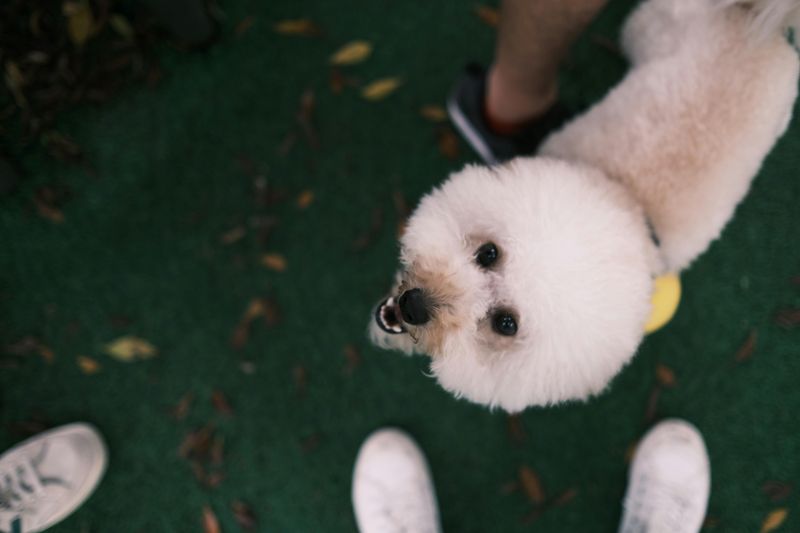
Bichon Frises are cheerful companions who love being included in everything. Their social nature means they can become anxious when left without a plan.
Some bark at hallway noises or hover under windows, waiting for footsteps. They flourish with gentle structure and playful routines that make alone time predictable rather than scary.
Give a brisk walk, then a puzzle feeder before departures. Teach a cozy crate or pen routine with snuggly bedding and safe chews.
Start tiny practice absences, rewarding calm when you return. Keep interactions upbeat yet steady so your Bichon learns that quiet breaks are simply part of a happy day.
Havanese
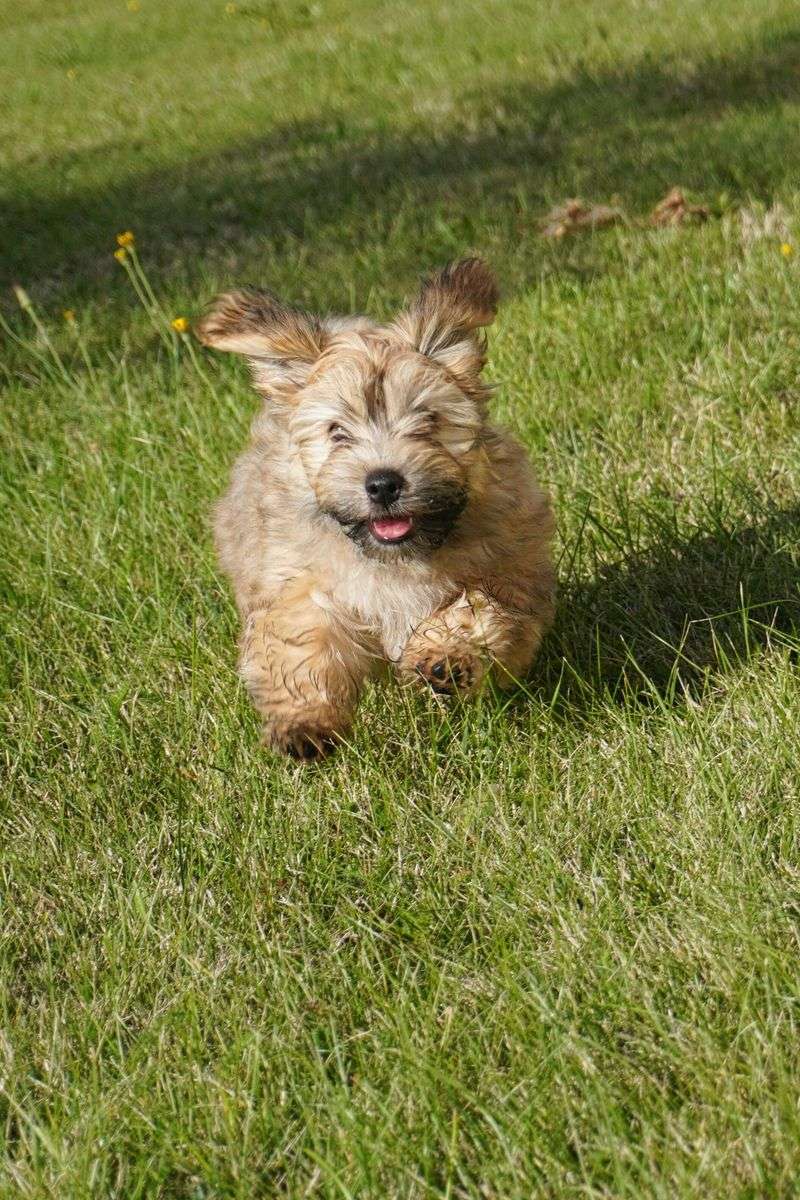
Havanese were bred as devoted lap companions, so they excel at closeness and charm. Distance can feel puzzling, and they may shadow you constantly.
Some vocalize or scratch lightly at doors when unsure. They do best with clear routines, gentle practice separations, and lots of playful engagement when you reconnect.
Begin with exercise, short training, and then guided relaxation on a mat. Leave safe chews and a snuffle mat to occupy their bright minds.
Keep departures unremarkable, and reward quiet on return rather than clingy greetings. Over time, your Havanese links alone time with comfort, tasty projects, and your predictable return.
Poodle
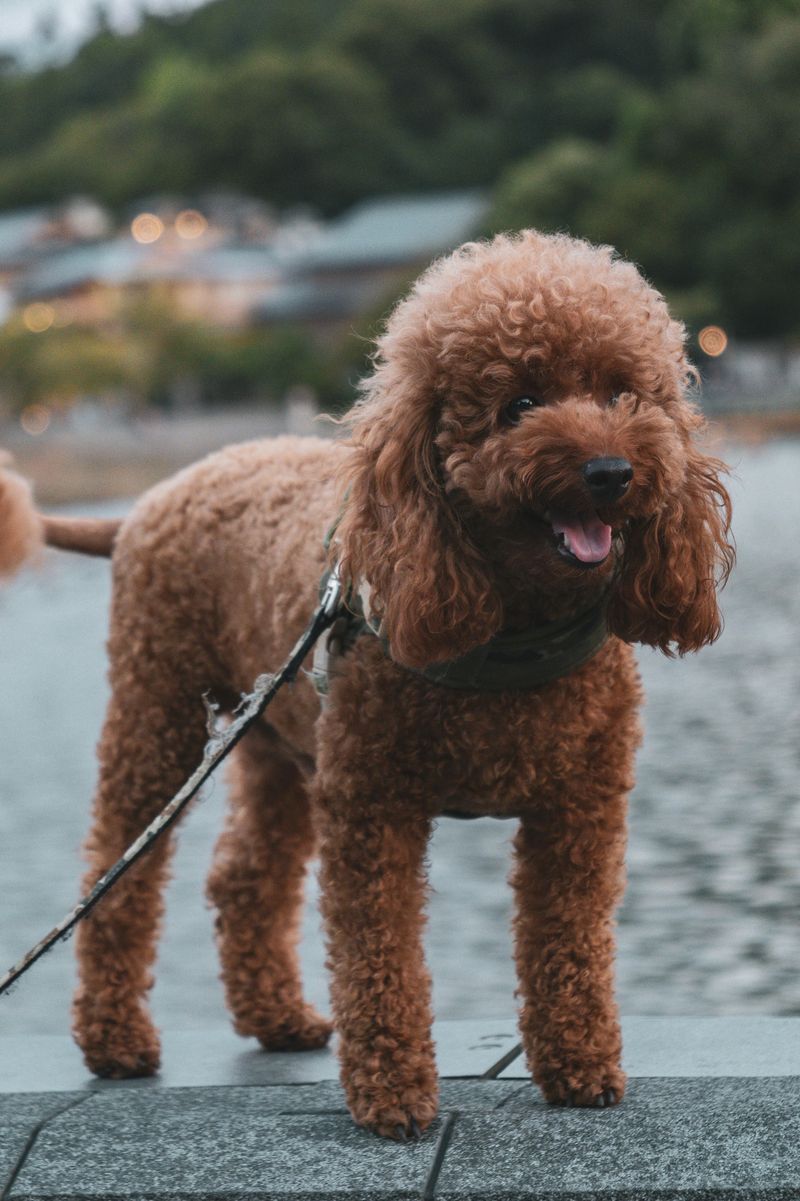
Poodles of all sizes are clever, sensitive, and highly attuned to your patterns. When mental needs are unmet, they may become restless and clingy, anticipating your every move.
Some vocalize, carry objects, or station near doors when alone. Their intelligence is a gift, but it requires careful outlets and clear expectations.
Schedule brainy work daily: shaping games, scent searches, and short obedience bursts. Follow with decompression and a rewarding settle on a defined bed.
Rotate food puzzles, keep departures calm, and adopt consistent cues that predict relaxing alone time. With structure and engagement, Poodles learn to switch gracefully from partner mode to peaceful independence.
Cocker Spaniel
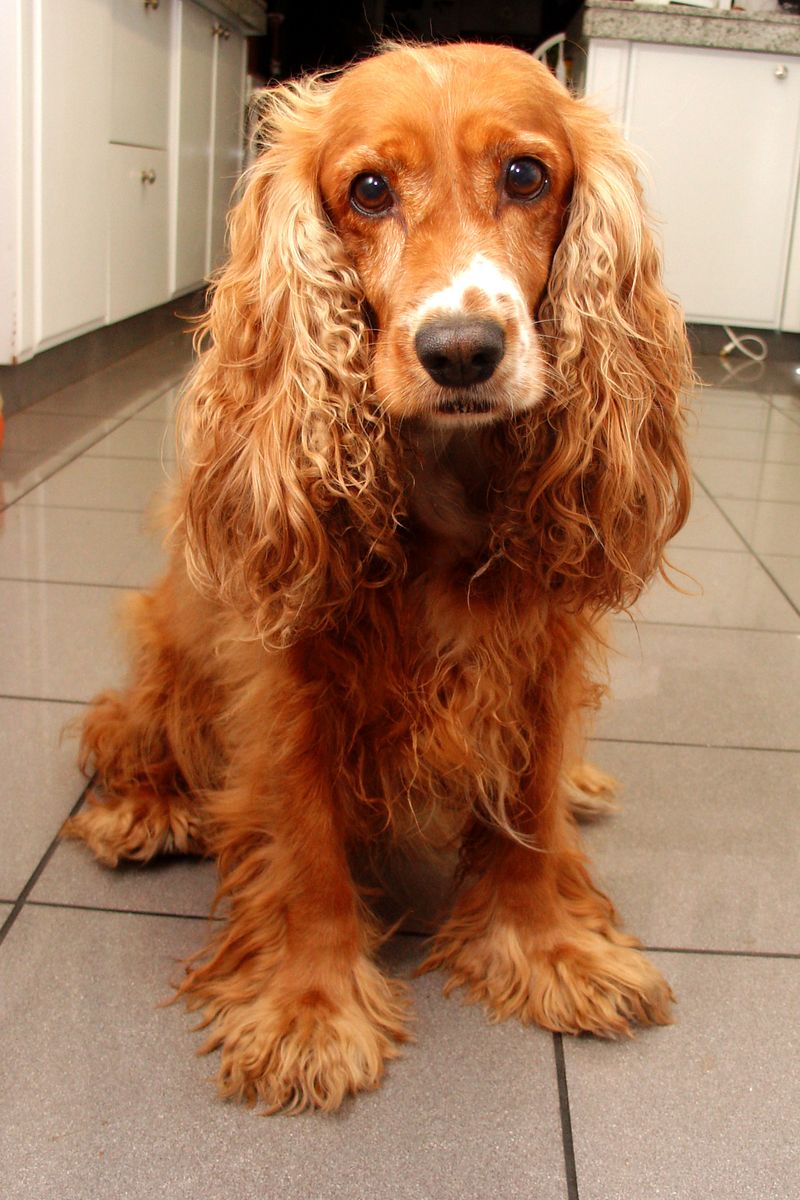
Cocker Spaniels are affectionate, sensitive companions who want to be near you throughout the day. They can grow anxious with abrupt departures, leading to whining or door scratching.
Their soft nature benefits from gentle handling and steady routines. Provide reassurance through training games that build focus and confidence without overstimulation.
Before leaving, offer a walk, sniffing time, and a frozen chew to occupy their mouth and mind. Teach a settle cue and gradually extend duration while you step away.
Keep greetings understated so calm behavior earns attention. Over time, your Cocker discovers that alone time is predictable, comfortable, and followed by loving connection.