
Think your dog loves you but also appreciates alone time? Certain subtle habits can reveal a preference for peace and personal space.
Recognizing these signals helps you support their calm nature without hurting your bond. Let’s decode the quiet cues so your dog feels understood and secure.
Choosing to rest in separate rooms
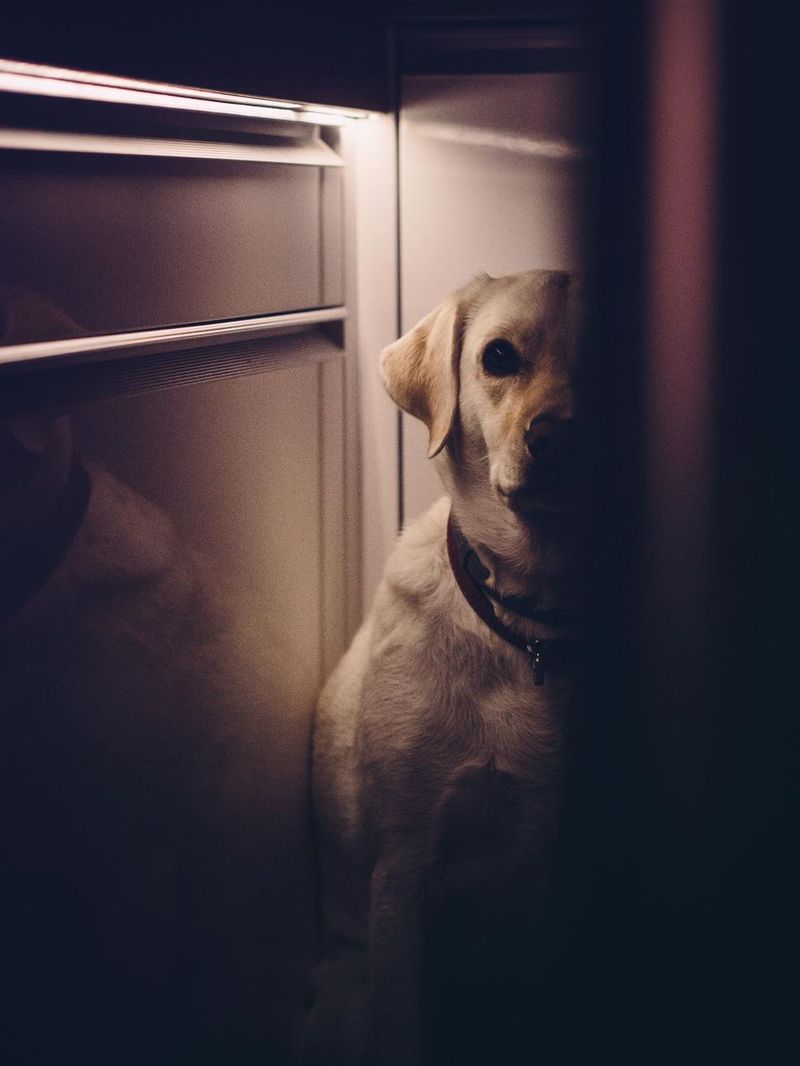
Some dogs show their need for space by settling in a different room, even when you are nearby. It is not rejection, it is comfort with solitude and control over their environment.
Choosing a quiet corner away from household traffic helps them regulate stimulation and unwind.
If you notice this pattern consistently, meet that need by offering multiple cozy spots. You can sit nearby without intruding, or invite interaction and let your dog decide.
Respecting the choice builds trust, reduces clinginess, and prevents stress related behaviors that come from constant pressure to engage. Consider baby gates as respectful boundaries that still allow visibility.
Provide a chew or snuffle mat so downtime feels rewarding. Quiet music can mask unpredictable household sounds.
Avoiding constant physical contact

Some affectionate dogs still dislike nonstop touching, leaning, or being held. They prefer brief check ins, then space to relax without hands following every move.
When you reach out and they shift away, it often signals a healthy boundary, not a sign of dislike.
Honor that by offering choice based affection. Pet for a few seconds, pause, and watch for a nudge or lean before continuing.
Teaching family members this rhythm prevents overwhelm and reduces growly warnings. Pair touch with predictable cues and calm breathing so contact feels safe.
Over time, your dog learns you will listen, which encourages voluntary closeness on their terms. Use resting mats as go to spots where hands are politely off.
Everyone follows that rule.
Walking away during petting
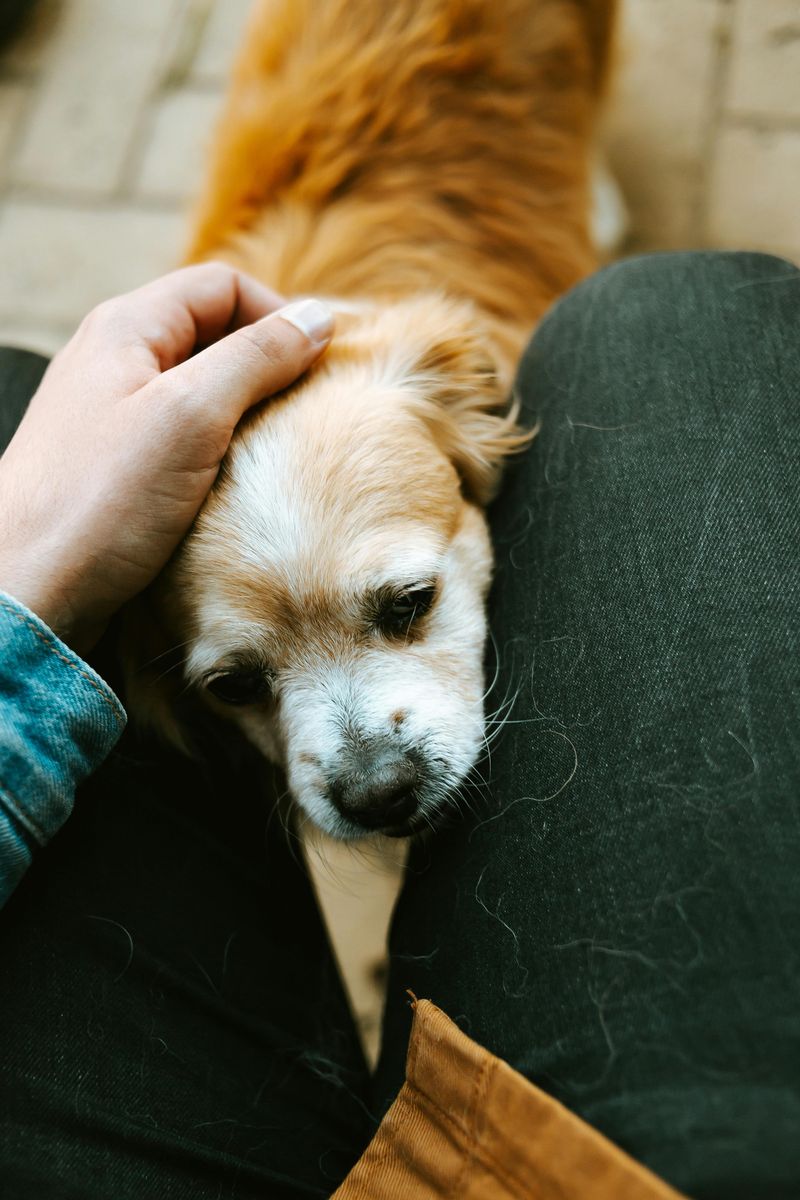
Many dogs enjoy brief petting then walk off when satisfied. That exit is clear communication that the session is over.
If you keep reaching, your dog may yawn, lick lips, or give a hard blink to ask for space.
Switch to consent based petting. Offer your hand, pause, and let them re engage if they want more.
Stroke the chest or shoulders rather than hovering over the head, which can feel intense. Keep sessions short, then invite play or a sniff break.
This respectful pattern reduces stress and helps sensitive dogs stay social without feeling trapped. Use a release word so leaving is normal and never punished.
Give them pathways to exit the couch area easily. Re entry stays optional.
Ignoring attention-seeking moments
Solitude leaning dogs may not rush over when you clap, chirp, or call repeatedly. They choose their timing, especially during naps or after stimulation outside.
Ignoring your invitations is not stubbornness, it is a need to reset the nervous system.
Meet them halfway by creating predictable windows for connection. Try a short training session after walks, then let them decompress again.
Keep greetings soft, with gentle voice and open body language. Avoid crowding or repeated calling, which raises pressure.
When they do approach, reward calmly, then release, showing that affection is available without strings attached. Offer puzzle feeders to satisfy brains without demanding cuddles right away.
Establish a cue that means break time so kids pause. Everyone respects that signal.
Preferring independent play
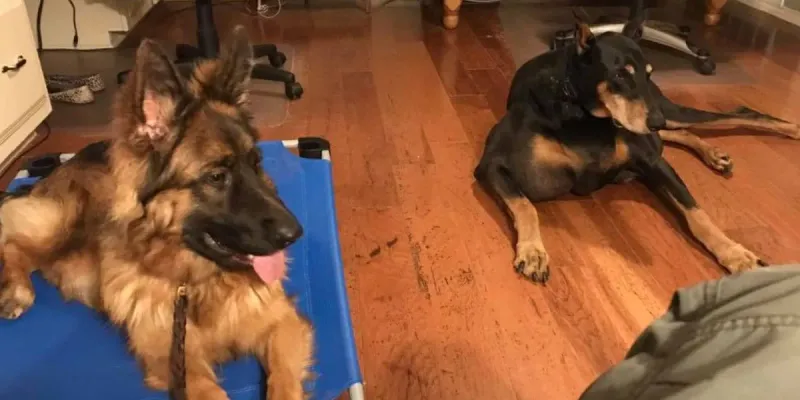
Some dogs entertain themselves with chew toys, scatter feeding, or exploring the yard. They dip in and out of human interaction rather than seeking a constant playmate.
Independent play is a healthy sign of confidence and a preference for self directed fun.
Encourage it by rotating toys and using food puzzles that reward curiosity. Set clear start and stop cues for tug or fetch so you are not on call endlessly.
Provide safe dig zones and sniff stations that deliver novelty without chaos. When your dog brings a toy, try a brief exchange, then invite them to continue solo if they choose.
A satisfied explorer rests sooner and needs fewer attention reassurances from you later. That balance preserves harmony.
Beautiful.
Not following you everywhere
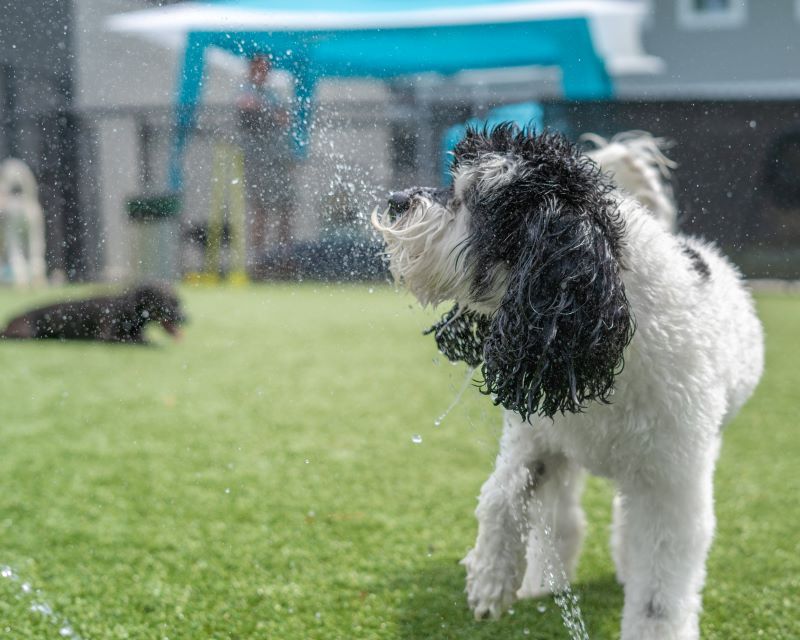
Many dogs shadow their person, but solitude lovers do not feel that compulsion. They glance up, note your movement, and stay put in their chosen spot.
This independence can look aloof, yet it often reflects security and a strong routine.
Reinforce it by giving clear check in opportunities. Call once, reward generously when they come, then release them to relax again.
Keep pathways clear so they can see you without trailing. Use scent games to make staying put enriching.
The message becomes simple: you are predictable, and they are free to choose calm without missing anything important. This reduces cling pressure, prevents door dashing, and keeps elderly dogs from overexerting themselves during routine household movement.
Confidence grows with consistent practice.
Sleeping alone by choice
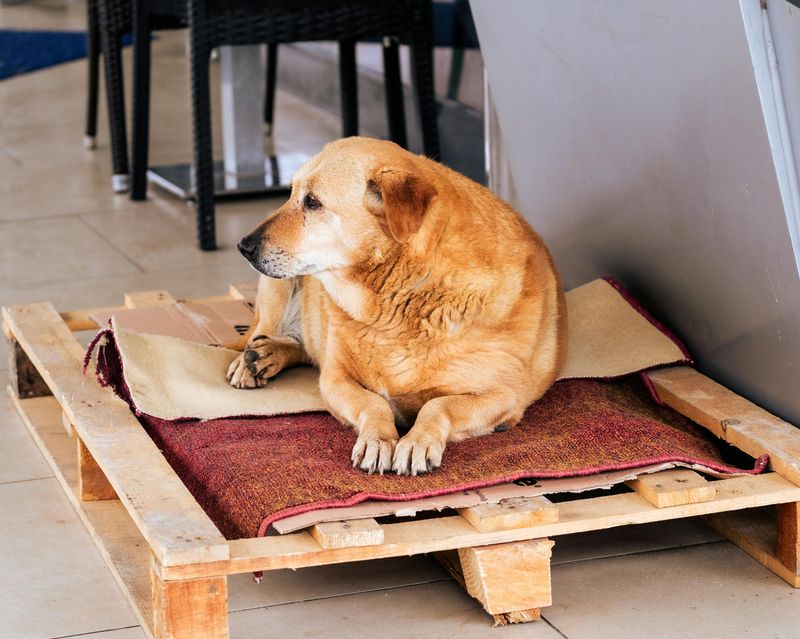
A dog that chooses a separate bed or crate may value privacy during deep sleep. Uninterrupted rest supports mood, learning, and patience with family chaos.
If they relocate at night, they are probably seeking cooler floors, darker corners, and fewer bumps from restless sleepers.
Support that preference with breathable bedding and a quiet sleep zone. Use consistent goodnight cues and morning routines so contact remains predictable.
Avoid scooping them into your bed if they move away, which can create conflict. Offer a late potty break and a small snack to prevent wake ups.
Respecting rest needs builds emotional regulation and makes daytime interactions smoother for everyone. Cool white noise can soften traffic sounds and neighbor doors closing.
Sleep comes easier.
Limited interest in cuddling
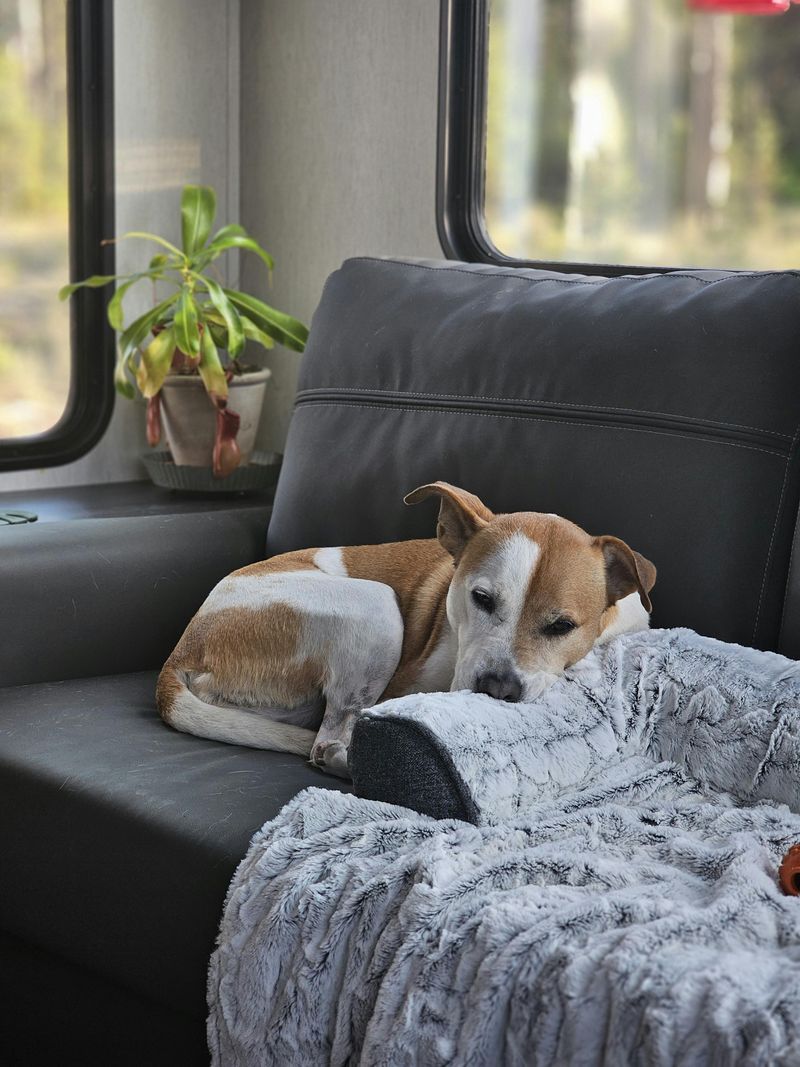
Cuddling looks cute, but not every dog finds it relaxing. Some tolerate a minute, then wiggle free to stretch out alone.
That preference is valid and often tied to body heat, past experiences, or simple temperament.
Shift affection toward activities they enjoy. Try parallel walking, gentle grooming, or a sniffy adventure instead of squeezing on the couch.
Ask for consent, then stop while they still want more. Use blankets to create warmth without pinning bodies together.
Over time, your dog learns that closeness is offered like a buffet, not forced like a rule, which deepens trust. Record what works and when, so you notice patterns and plan connection wisely.
Your sensitivity today shapes tomorrow. Small choices build comfort.
For everyone.
Calm when left alone
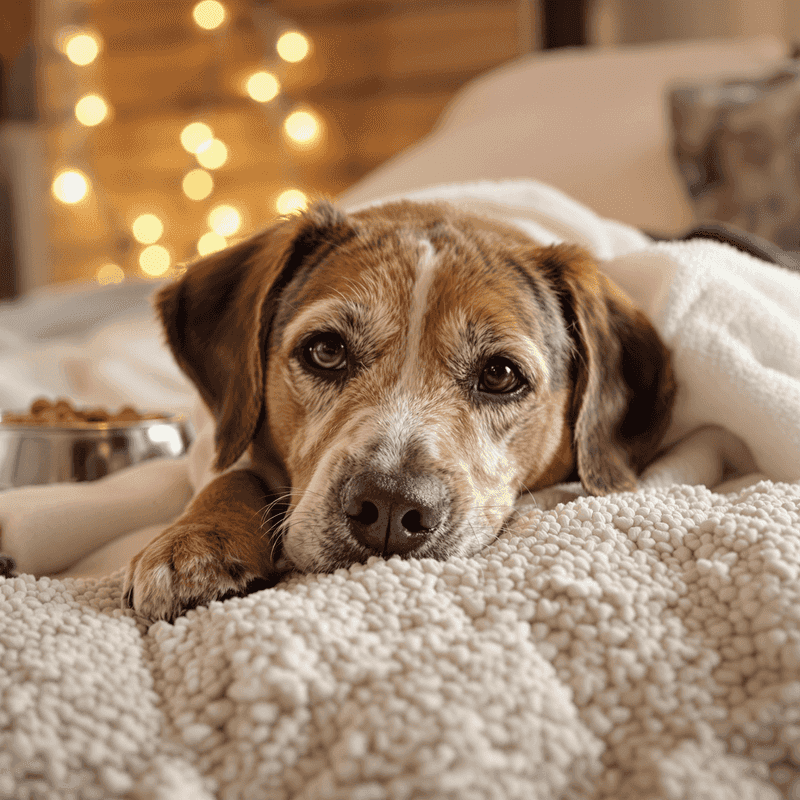
A dog that naps, chews, or gazes out the window alone is telling you separation is manageable. Minimal vocalizing and normal eating are encouraging signs.
Instead of pacing and panting, they conserve energy and choose quiet regulation.
Protect that ease by keeping departures boring and routines consistent. Use scatter feeding when you leave, then quietly collect bowls when you return.
Avoid big greetings that spike adrenaline, and watch for normal body language before engaging. Enrichment walks and sniff time make alone hours restorative.
The goal is balance: social connection without dependence, solitude without stress, and a dog who feels safe. If neighbors confirm quiet behavior, you can relax and maintain what is working.
Consistency protects confidence over time. Keep going.
Observing rather than engaging constantly

Some dogs prefer to watch family life from a mat, taking everything in before deciding to join. Observation helps them feel safe and informed.
It is a thoughtful temperament that conserves energy for meaningful interactions.
Embrace that style with place training and calm reinforcement. Reward check ins with a glance or ear flick, not only physical contact.
Offer invitations to play, then accept a no gracefully. Keep social time short and sweet, and let them re perch when ready.
Over time, you will see more confident approaches because watching first was respected, not rushed or criticized. Provide vantage points with rugs, not slippery floors, and reduce sudden noises during gatherings.
Predictability invites participation at choice. That nurtures lasting trust.
Beautifully.