
Most fearful dogs are not born that way. Everyday habits we barely notice can quietly chip away at their sense of safety.
The good news is small changes from you can turn worry into confidence. Let’s spot the hidden triggers and swap them for kinder choices that help your dog relax and thrive.
Yelling or using harsh tones
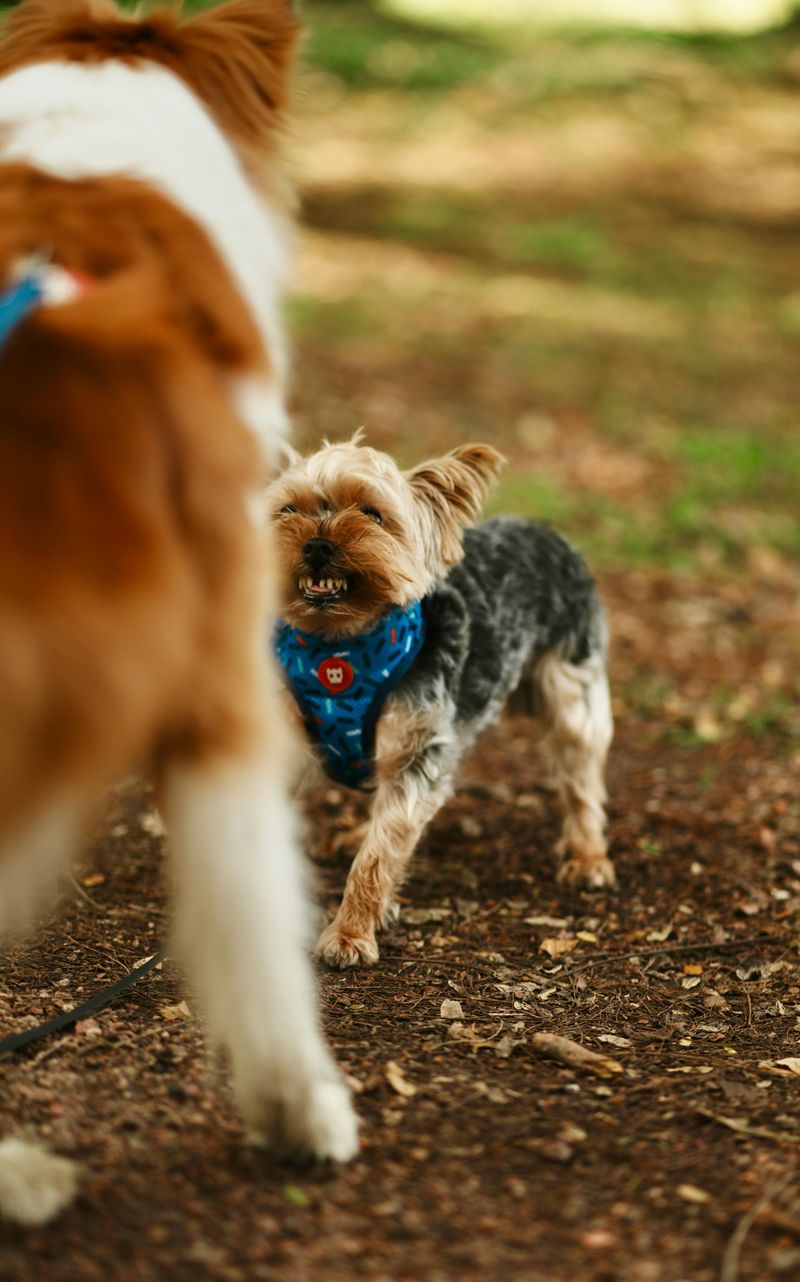
Raised voices startle dogs and can link your presence with something scary. High volume and sharp tones cut through their sensitive hearing, spiking stress hormones and eroding trust.
Even if you are frustrated, yelling teaches your dog that people are unpredictable, not safe. Over time, that fear can morph into avoidance, trembling, or defensive behavior like growling and snapping too.
Shift to calm, steady communication your dog can understand. Use short cues, soft reinforcement, and a reset breath when emotions rise.
If you slip, pause, step back, and repair the moment with quiet presence and a simple cue they know. Consistency helps them forecast what happens next, so safety replaces fear and your partnership gets stronger every single day together.
Punishing instead of training
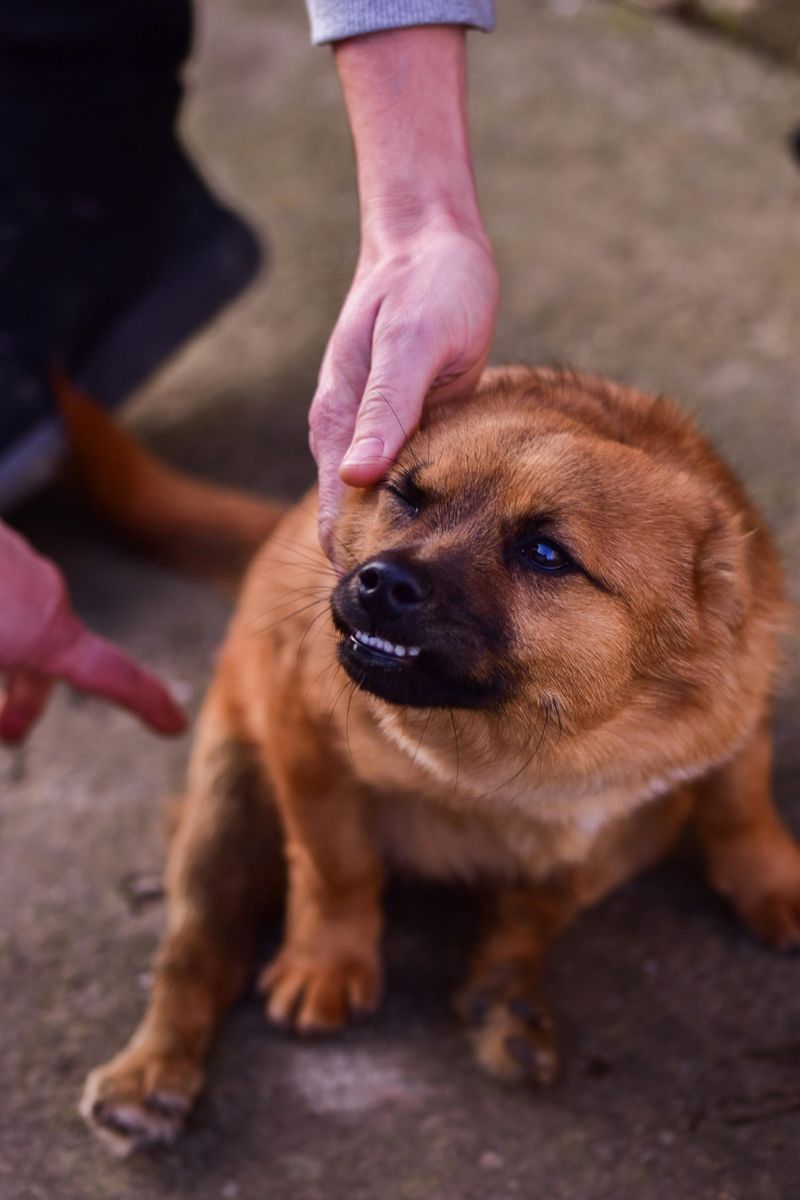
Punishment may stop a behavior in the moment, but it rarely teaches what to do instead. Dogs learn by clear, repeatable outcomes.
Harsh corrections create confusion, suppress signals, and can make normal behaviors feel dangerous. When relief depends on guessing right, anxiety rises fast.
That pressure often leaks out later as reactivity, shutdown, or sneaky avoidance that looks like stubbornness.
Trade punishment for guidance your dog can trust. Mark the exact behavior you want, then pay with food, praise, or play.
Use management to prevent mistakes and set up easy wins. If the skill is hard, split it into smaller steps so success arrives quickly.
With predictable reinforcement, fear fades and confident choices grow because doing right reliably feels good.
Forcing interactions with strangers
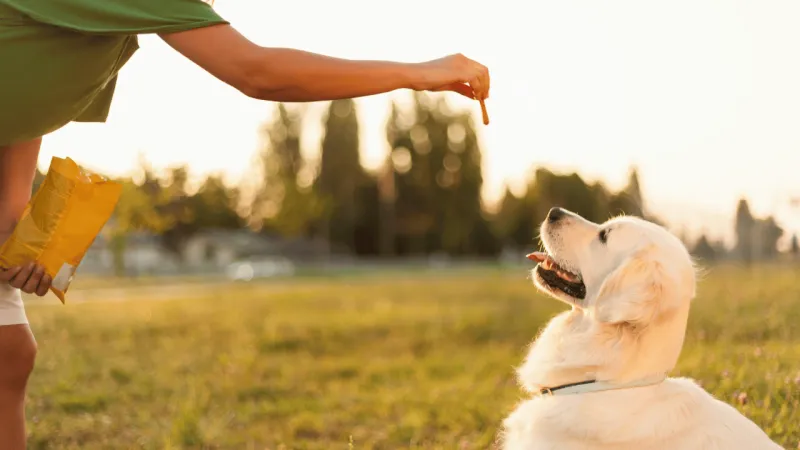
Shoving a dog toward unfamiliar people can feel like love, but it steals their choice. Consent matters for animals too.
When escape is blocked, the nervous system flips to survival mode. Hands reaching, direct staring, and bending over increase threat signals.
Even friendly greeters can overwhelm a cautious dog, creating an association that strangers equal pressure and no safe exit.
Switch to the let them approach rule. Ask strangers to turn sideways, avoid eye contact, and toss treats gently behind the dog.
Allow sniffing time, loose leashes, and plenty of space. If curiosity grows, celebrate and end while it is going well.
By keeping choice available, you protect confidence and teach that people predict calm, respectful interactions instead of stress.
Ignoring early signs of stress
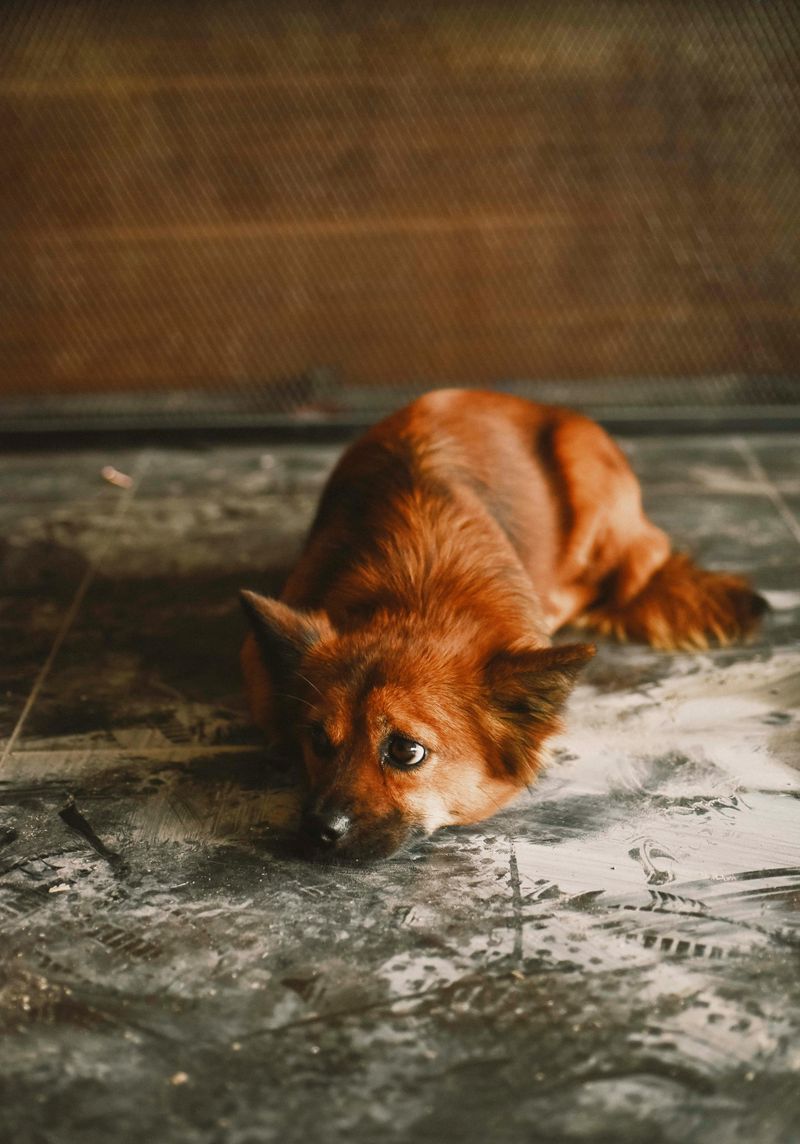
Whale eye, lip licking, yawning, sniffing the ground, and turning the head are early stress signals. They are your dog asking for relief before things explode.
If those whispers get ignored, the body escalates to freezing, bolting, or growling. That is not rudeness.
It is communication under pressure, and punishing it only convinces your dog that speaking up is unsafe.
Start honoring the first signs. Soften your voice, create distance, and change the picture.
Offer a sniff break, a treat scatter, or a simple cue they love performing. Track patterns in a quick journal so you can predict triggers and intervene sooner.
When early messages work, dogs need fewer alarms, and confidence replaces fear in daily life every single day.
Inconsistent rules and behavior
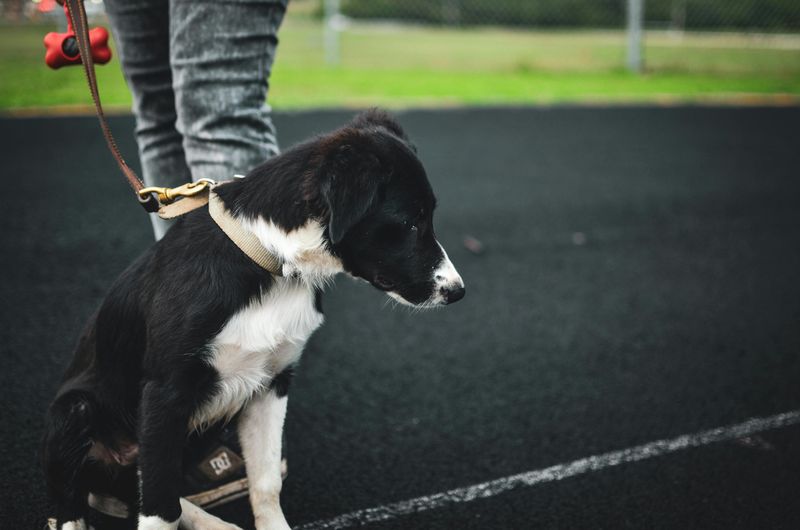
Unpredictable rules make safety hard to map. If jumping is allowed today but scolded tomorrow, your dog will gamble, and stress climbs.
Mixed messages from different family members feel unstable. Dogs thrive on patterns that stay the same across people, places, and times.
Without that structure, guesswork grows, and anxious dogs test more options, which accidentally produces more corrections.
Pick simple rules and teach them kindly. Post them on the fridge so everyone matches the plan.
Reinforce the choices you want, and interrupt mistakes without drama. Use the environment to prevent rehearsals, like gates, leashes, and chew stations.
As predictability tightens, your dog relaxes, because life stops feeling random and starts feeling safe, understandable, and reliably rewarding for them.
Lack of proper socialization
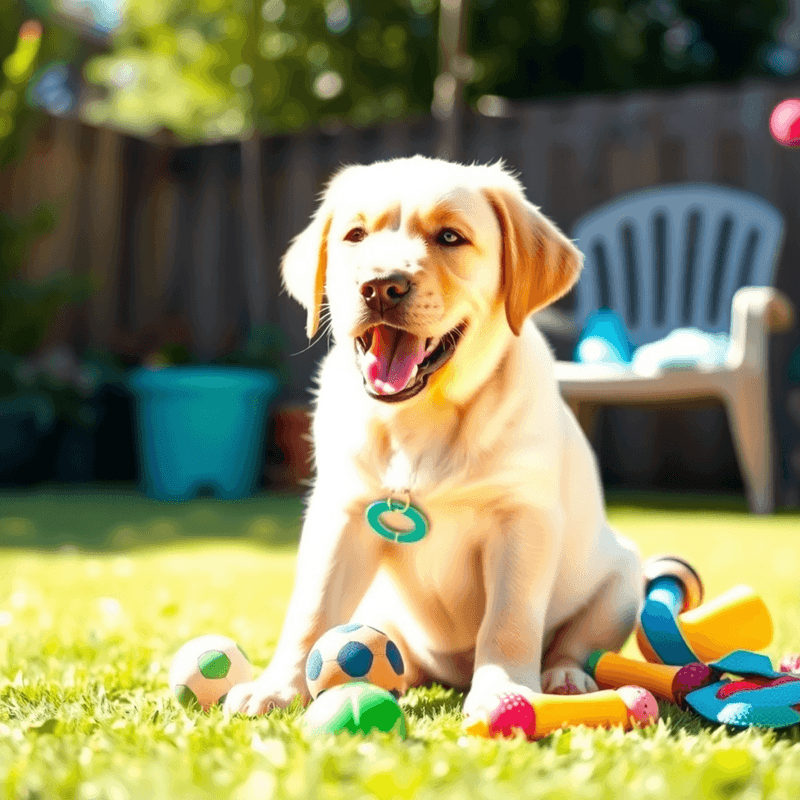
Socialization is about gentle exposure, not forcing bravery. Puppies have a short window where new sights, sounds, and surfaces become normal.
Miss it, and ordinary life can feel spooky. Adults can learn too, but the steps must be slower.
Without thoughtful plans, first experiences happen by accident, and your dog may label elevators, hats, skateboards, or children as unpredictable threats.
Create a checklist and go at your dog’s pace, pairing every novelty with treats and distance. Keep sessions short, end on success, and avoid crowded chaos.
Let them watch first, then choose to approach. Recruit calm helper dogs and patient people.
Over time, controlled variety turns into confidence, and your dog learns that the world is full of solvable puzzles.
Sudden loud noises without reassurance

Unexpected bangs, blenders, or dropped pans can spike a fear response fast. Without guidance, your dog is left to interpret chaos alone.
Startle turns into anticipation, so everyday sounds predict danger. Hearts race, pupils widen, and escape behaviors kick in.
If panic brings relief, the pattern sticks, and future noises trigger bigger reactions, making walks, storms, or chores feel impossible.
Add reassurance and rituals. Pair noises with treats, games, or sniffing, starting at volumes your dog can tolerate.
Narrate calmly, drop a handful of food, then carry on like nothing happened. Teach a station cue so they have a safe spot to settle.
Over repetitions, your dog learns that sounds predict comfort and control, not isolation and fear at home.
Invading the dog’s personal space
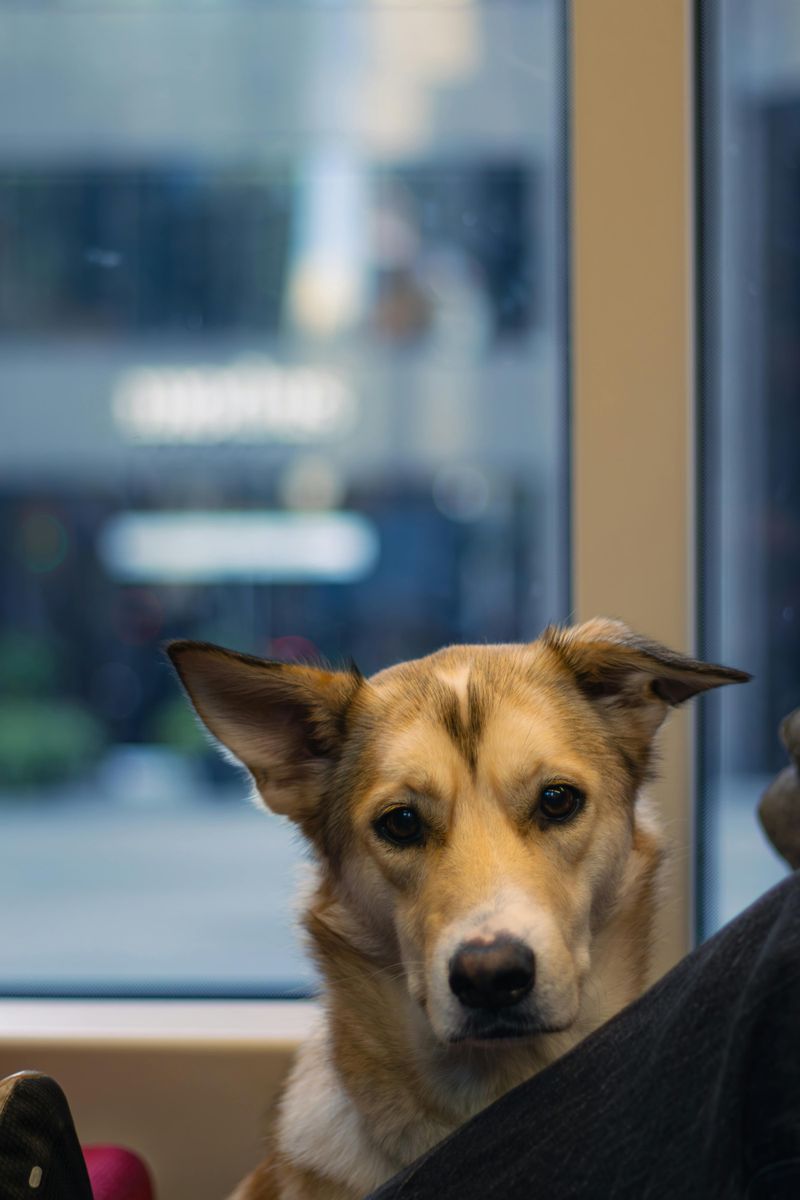
Leaning over, hugging tight, or reaching for the face can feel threatening, even from people they love. Many dogs prefer side approaches, gentle arcs, and brief touch.
Direct frontal pressure reads like conflict in dog language. Cameras pushed close or hands on the head often freeze them.
When subtle avoidance fails, some dogs escalate to growls to keep space respected.
Invite connection rather than grabbing it. Turn sideways, crouch slightly, and let the dog sniff first.
Pet under the chin or chest for a second, then pause to see if they lean in. Ask kids to sit and toss treats instead of hugging.
Respecting space builds trust quickly, and your dog learns people will listen to body language every time.
Not allowing the dog to retreat
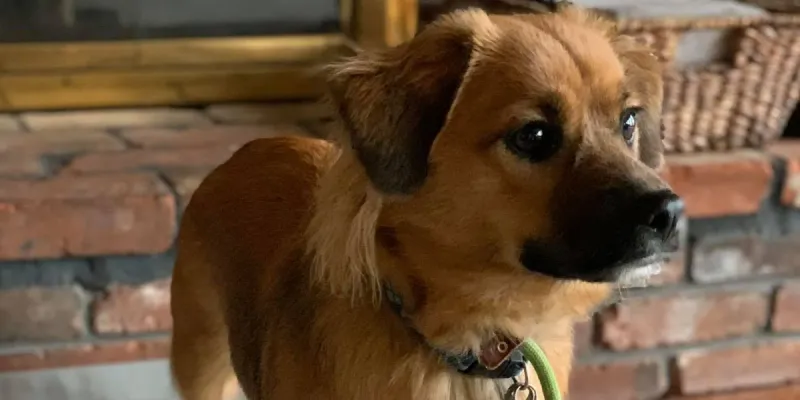
Blocking movement traps a worried dog, so fear has nowhere to go. Corners, tight leashes, or crowds remove escape routes that mammals rely on to feel safe.
When retreat is punished or prevented, many dogs flip to fight mode. That survival response can look like sudden barking or lunging.
The goal was control, but the result is fear and conflict.
Build retreat into your training. Teach a let’s go cue that means we exit together.
Use wider arcs around triggers, longer leashes, and options like behind me or onto a mat. Reward turning away generously.
When leaving is always allowed, dogs stop panicking, because safety is available on cue and the world becomes navigable instead of overwhelming for your dog.
Overwhelming them with new situations
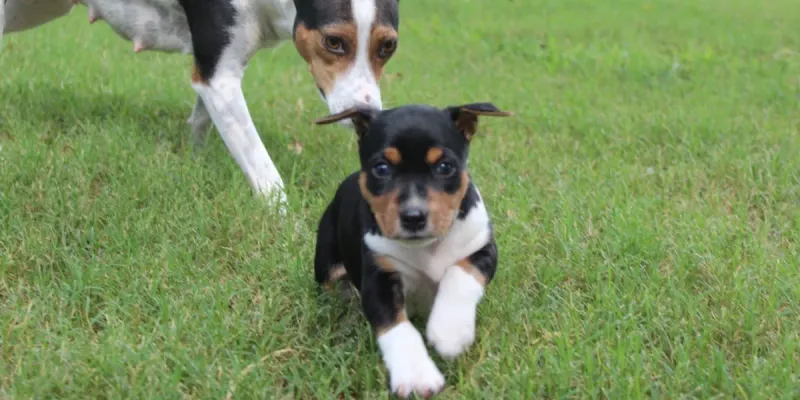
Stacking novelties too fast can swamp coping skills. New place, new people, new dogs, and new rules on the same day is a lot.
The brain burns fuel managing uncertainty, so patience runs out early. When stress loads pile up, tiny triggers tip them over.
That spillover looks like zoomies, shutdown, or grabbing the leash, which humans misread as naughty.
Use the one new thing rule. Plan outings with recovery time, sniff walks, and decompression at home.
Break events into mini chapters with water, shade, and exits. Ask for easy cues your dog loves, then end on a confident win.
You will see steadier behavior, because small, supported challenges build resilience while keeping the experience safe, fun, and learnable together.