
You can often stop a dog bite long before teeth appear. The secret is noticing the quiet cues your brain tends to ignore during busy moments.
Once you learn them, you will move smarter, calmer, and safer. Let me walk you through the small signals that change everything.
Stiff body posture
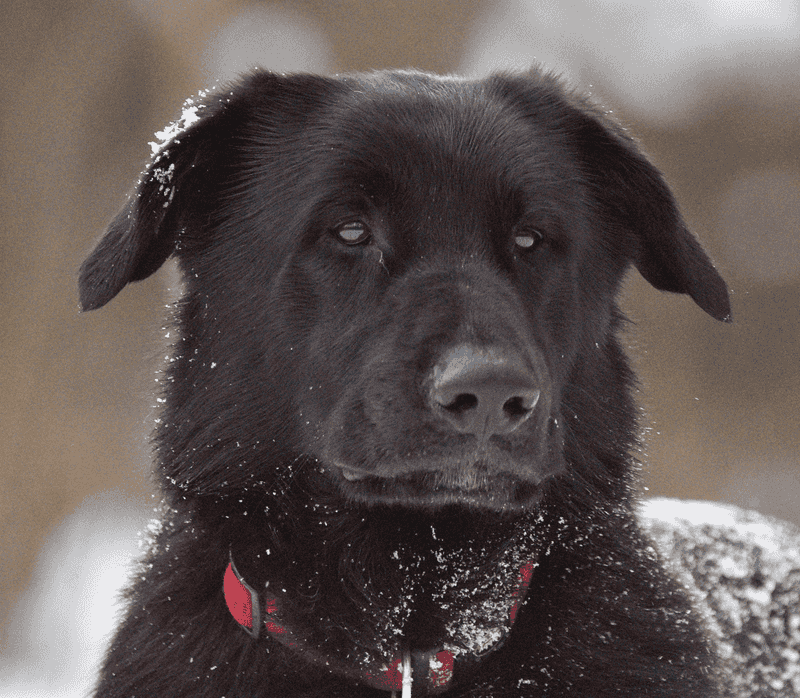
Stiff body posture is a flashing yellow light telling you to slow down. Muscles lock, the back straightens, and movement looks mechanical instead of bouncy.
When you see that rigid frame, assume the dog is uncomfortable and preparing to escalate if pressed.
Pause your approach, turn your body sideways, and soften your gaze. Give space, speak softly, and let the dog choose whether to close distance.
If it relaxes, reward calm by staying chill and predictable; if tension holds, back away smoothly and avoid reaching, looming, or cornering.
You can also create a small arc as you leave, rather than walking straight out. Arcing feels polite in dog language and lowers pressure.
Keep hands low, shoulders relaxed, and breathing steady.
Avoiding eye contact
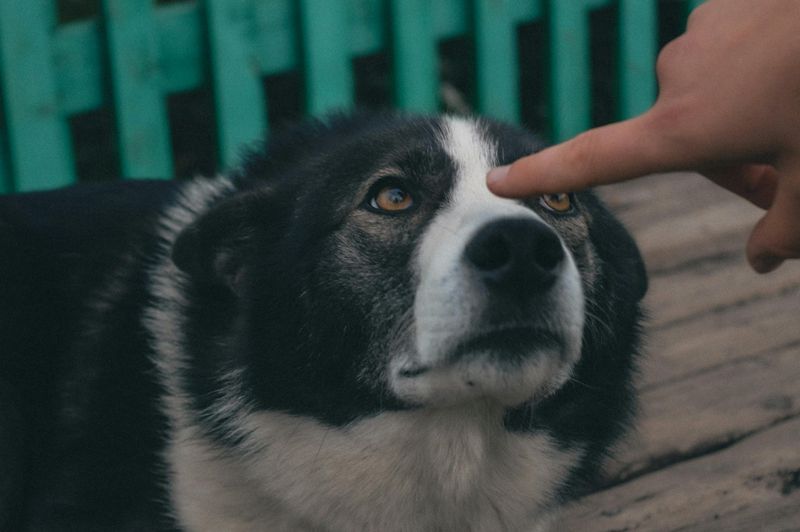
Avoiding eye contact is not rudeness; it is a peace offer. Dogs avert their gaze to say they want distance or calm.
A quick head turn, soft blink, or sniff to the ground often means please slow things down.
Match that signal by softening your eyes and looking at the dog’s shoulder, not the face. Turn slightly sideways and loosen your stance.
If the dog approaches after that, keep movements fluent and reward curiosity with space and quiet praise.
If the dog continues glancing away, it still needs room. Do not follow, bend over, or insist on greetings.
Let the moment breathe, and you will often see tension melt without conflict. Give time and safety before asking for engagement first.
Low growling or subtle vocal warnings

Low growling, a tiny groan, or a quiet chuff can be early warnings. They are not defiance; they are communication.
When you hear that small sound, thank the dog silently for speaking up instead of biting.
Freeze your hands, soften your knees, and reduce pressure. Remove the trigger if possible, like stepping away from a toy or giving more space around food.
Speak evenly, avoid scolding, and let the dog reset without added stress.
If the warning stops, reward with quiet calm. If it grows, increase distance and create a safe exit route.
Teaching family to respect early voice cues prevents rehearsed aggression and builds lasting trust. Your patience today can prevent a painful bite tomorrow for both of you.
Ears pinned back
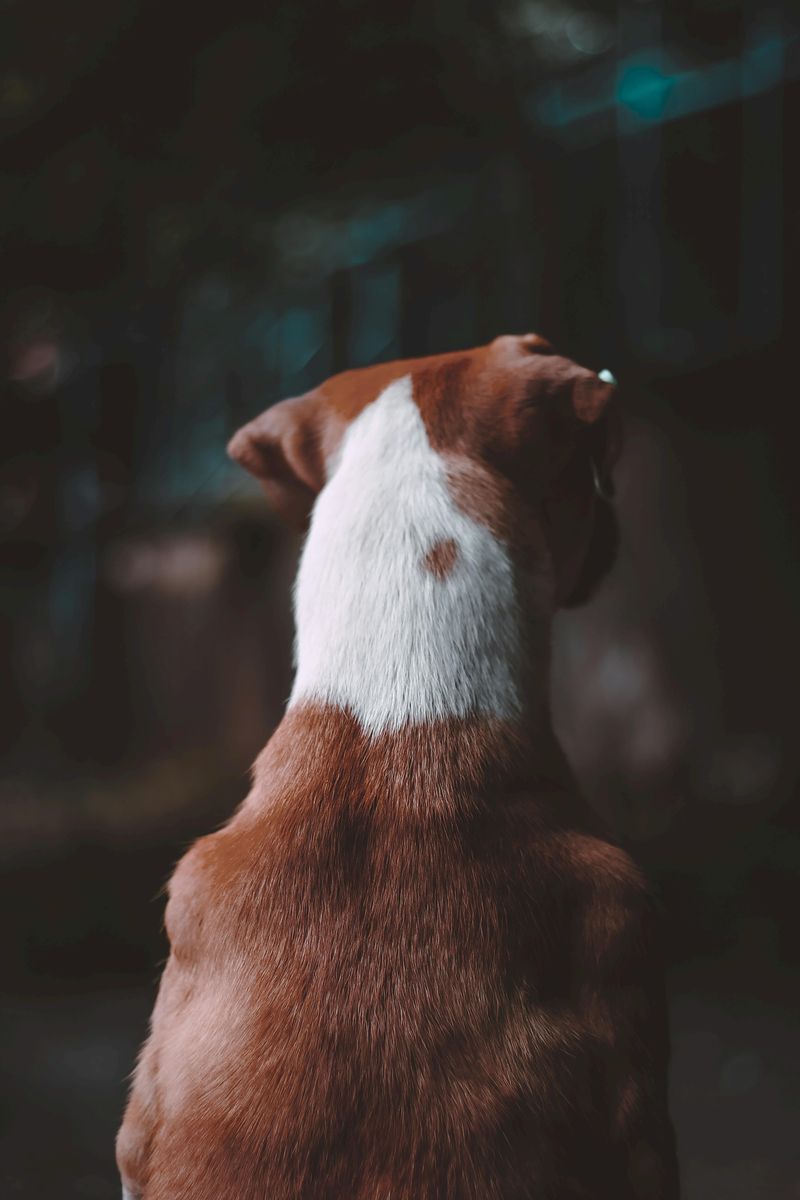
Ears pinned back signal worry, fear, or appeasement. The head may dip, and the neck stiffens while the ears flatten tight.
This posture shows the dog is overwhelmed and asking for space before making a risky choice.
Turn sideways, step back one or two paces, and breathe slower. Keep your voice light and neutral, avoiding high energy or scolding.
Invite the dog to sniff, then reward any ear lift or relaxed blink with peace and time.
If ears stay plastered, increase distance more. Do not reach, pat, or lean.
Give the dog control over approach so confidence can return without pressure, and you avoid tipping concern into defensive behavior. Small choices build safety and trust over repeated calm moments together.
Tail held stiff or tucked
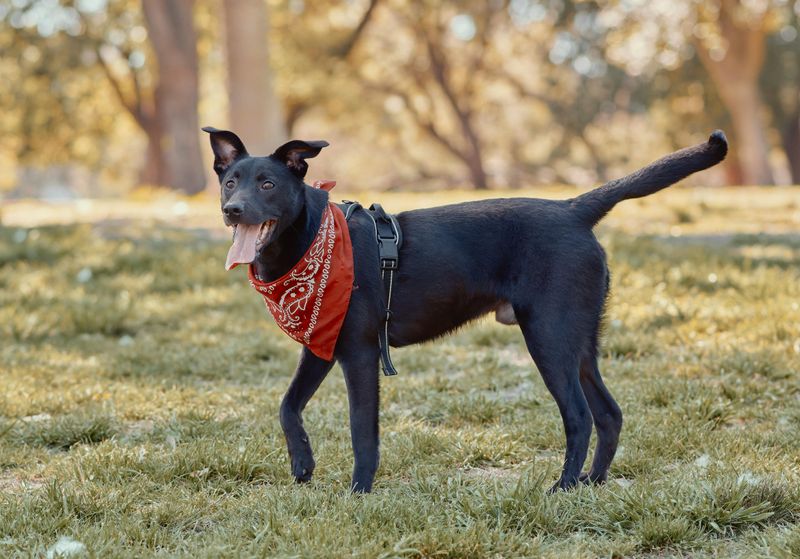
A tail held stiff like a stick, or tucked tight, signals trouble. Stiff can mean high arousal that may spill into reactivity; tucked often shows fear.
Either way, the dog is not relaxed and is asking for careful handling.
Give a gentle curve to your path, avoid looming, and keep your hands low. Speak softly and offer distance until the tail loosens or finds neutral.
Do not lure forward with food unless escape is blocked and safety demands movement.
Once the tail relaxes, reward with time and quiet. Let the dog choose contact.
Over time, respecting tail talk teaches the dog that you listen, reducing outbursts and preventing that switch from warning to bite. Calm choices today shape tomorrow safely.
Lip licking or yawning under stress
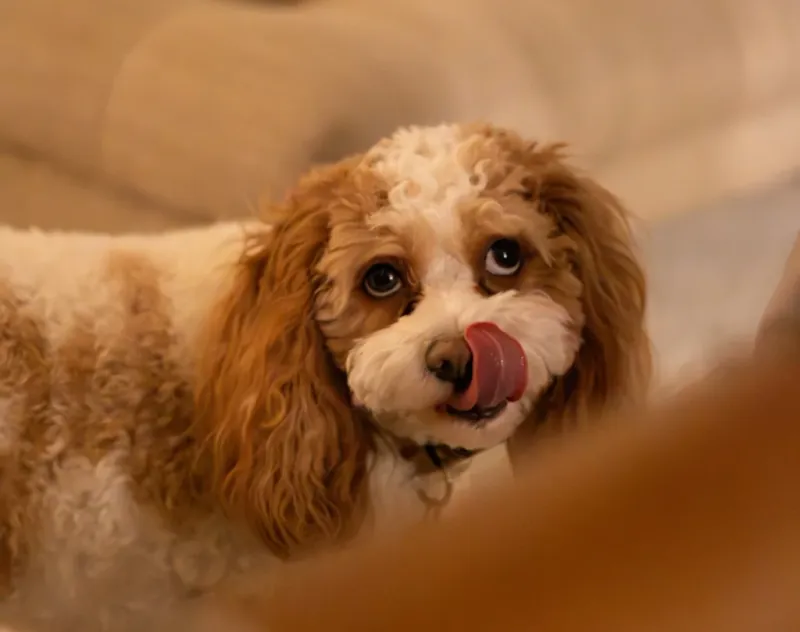
Rapid lip licking or out of place yawns are classic displacement signals. The dog is trying to self soothe and lower tension.
You might also see a head turn, paw lift, or sniffing at nothing as the body negotiates stress.
Match that energy with calm. Slow your movements, give space, and soften your voice.
If the dog can sniff the environment or explore a little, the nervous system often resets, and those tiny stress tics fade naturally.
Do not crowd or coax eye contact if yawning continues. Offer a quiet exit and let curiosity return on its own timeline.
Respecting these subtle pacifiers builds trust and prevents frustration from boiling over into a snap. Small pauses keep everyone safe together.
Slow, deliberate movements
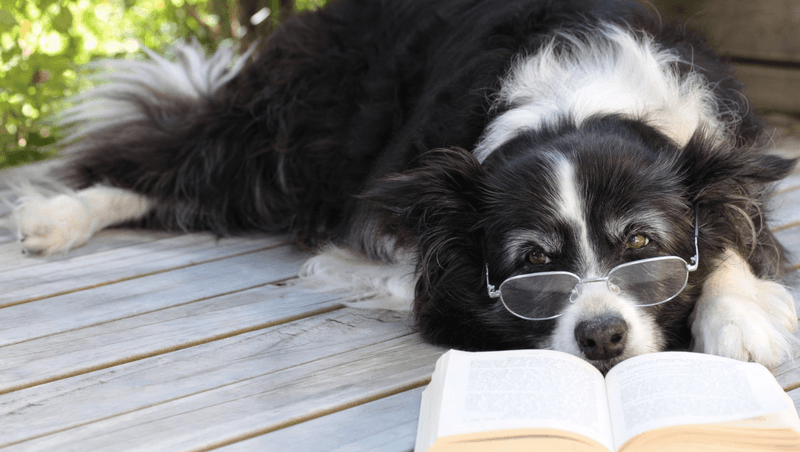
Slow, deliberate movements can signal conflict and caution. The body glides rather than bounces, and the eyes track tightly.
This tempo tells you the dog is gathering information and weighing choices, not playing or inviting contact.
Mirror the slowness with relaxed, curved paths. Stop short of the dog, then wait for a head turn or soft blink before moving.
Keep your voice low and steady, and avoid sudden pockets of pressure like doorways or corners.
If the dog loosens and moves freely, praise with space. If it tightens, pivot away and de escalate.
Reading tempo accurately prevents surprise lunges and turns uncertain moments into safer, teachable experiences. Let patience lead, and reward curiosity whenever it flickers toward you with space.
Freezing in place
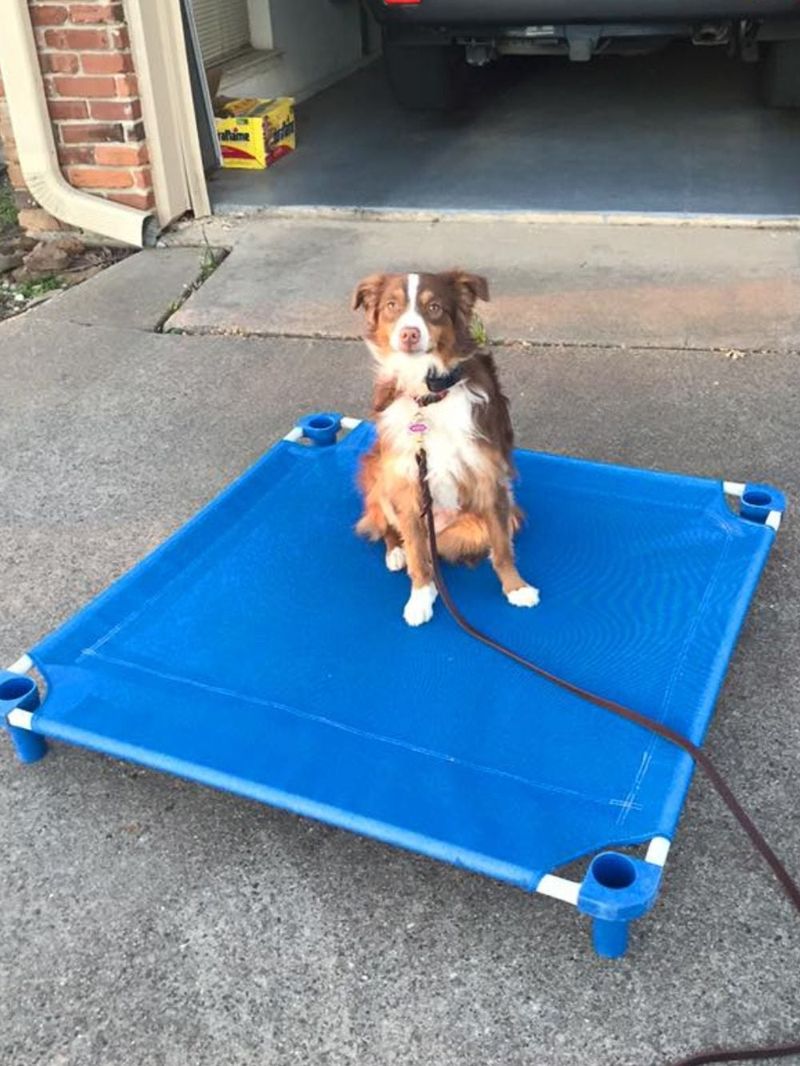
Freezing in place is the red alert you must respect. Motion stops, muscles brace, and breathing may shallow.
The dog is deciding whether to fight, flee, or bluff, and any added pressure can push the wrong answer.
Hold still, turn slightly sideways, and soften your eyes. Then step back in an arc, opening a door to retreat.
Avoid touching, grabbing collars, or looming; give the dog choices so the nervous system can downshift.
When movement resumes, praise calm with quiet and space. If freezing repeats, identify patterns like tight areas, fast approaches, or resource tension.
Adjust the environment now so a future freeze does not explode into a bite. Your awareness turns danger into manageable, teachable moments for both sides.
Showing the whites of the eyes
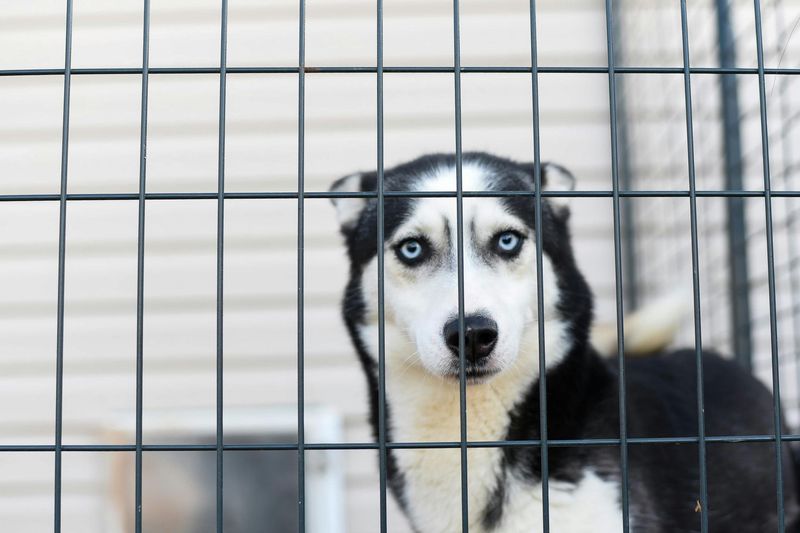
Seeing the whites of the eyes, often called whale eye, is a classic stress cue. The dog may hold the head still while the eyes slide sideways.
That sideways glance says I am uncomfortable, please give space.
Respond by softening your posture and looking slightly away. Create space, avoid crowding furniture or corners, and let the dog move first.
If the eyes soften and the head turns neutrally, praise that shift by remaining calm and predictable.
Prevent escalation by stopping petting or photos when whale eye appears. Teach kids to spot the moon shape and pause.
Respect for this subtle warning protects faces, fingers, and feelings while strengthening everyday trust. Choose space, breathe slower, and let comfort rebuild naturally today.