
Some dogs are incredible partners, but they demand a lifestyle many households cannot realistically maintain. Before you fall for a striking coat or viral video, it helps to know what living with certain breeds truly requires.
Think serious training schedules, specialized outlets, and management you must keep up every single day. If you are curious whether your home is a match, this guide will save you stress and heartache.
Belgian Malinois
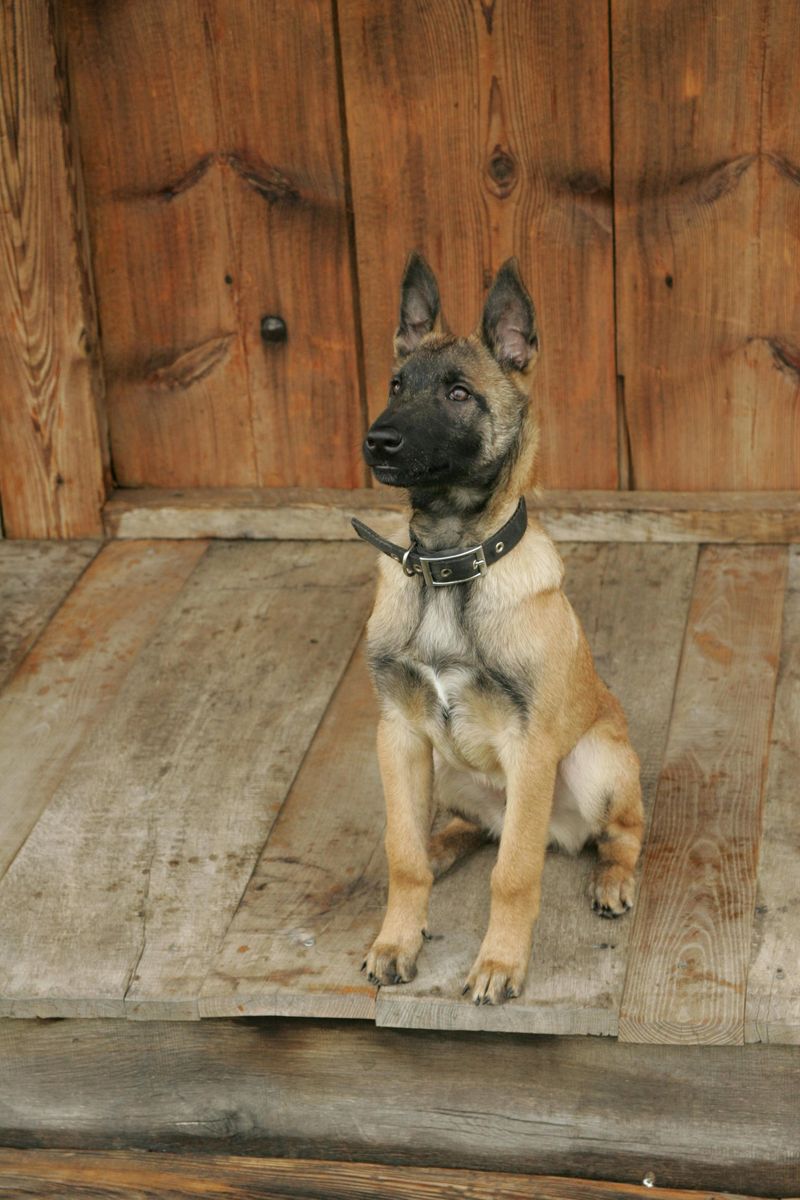
The Belgian Malinois looks stunning, but it is a full throttle working dog. This breed thrives on structured training, daily bitework or intense jobs, not casual fetch in a yard.
If you skip mental drills and firm boundaries, you invite anxiety, nonstop pacing, and destructive outbursts.
Picture a dog that learns faster than you plan, tests limits, and can scale fences like a parkour pro. You need time for obedience, tracking games, and two serious workouts every day.
If you love cuddly couch time more than schedules, you will both be miserable. In the right hands, they shine.
In a typical household, the Malinois turns stress into chaos remarkably fast. Professional guidance early on makes a life saving difference.
Border Collie
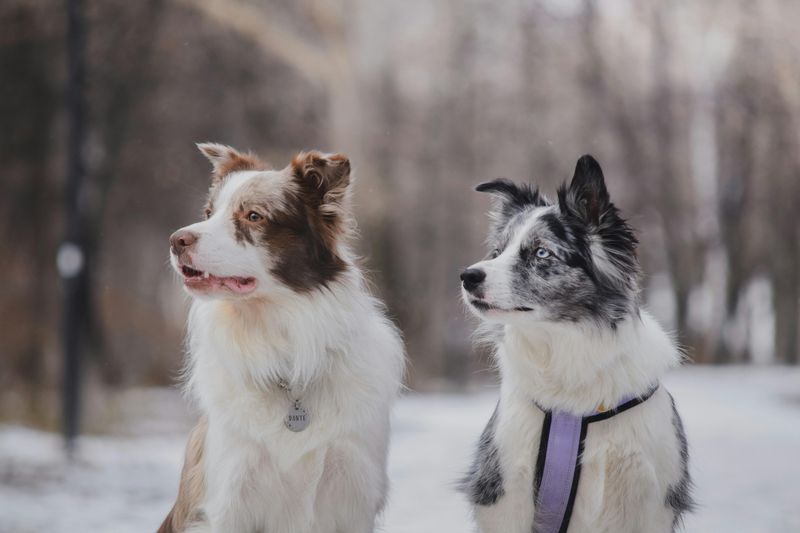
The Border Collie is brilliant, sensitive, and always scanning for a job. Without purposeful work, that genius mind invents chaos like shadow chasing, herding kids, or dismantling rugs.
You cannot outlast their stamina with a weekend hike and a puzzle toy.
Expect daily training plans, livestock work substitutes, or structured sports like agility and scentwork. They read your moods and amplify tension, so inconsistent rules create neurotic spirals.
If your schedule is crowded, this dog will pressure you for action all day. You need calm leadership, brain games, and tight impulse control practice.
In typical homes, frustration builds quickly and spills into nipping, sound sensitivity, and obsessive loops. A dedicated herding mentor can change everything.
Siberian Husky
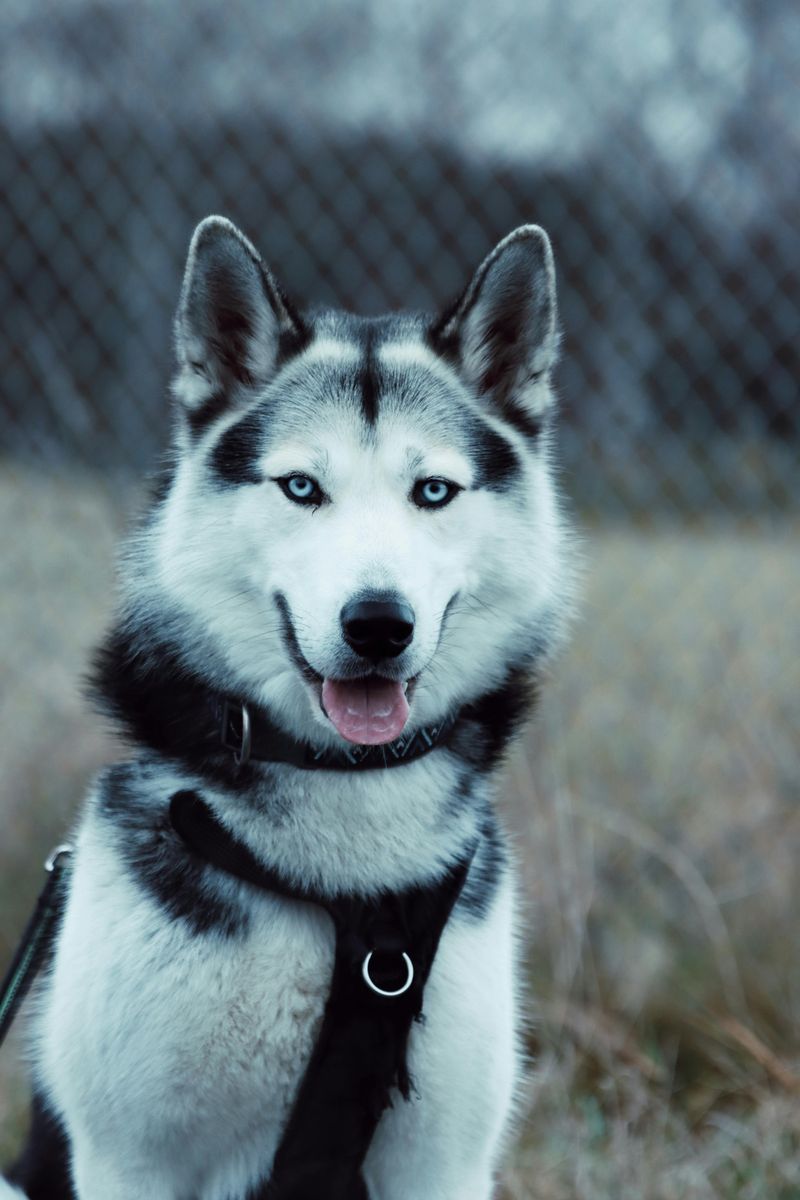
Siberian Huskies are gorgeous, social, and notoriously independent. They were bred to run long distances, not to recall off leash beside city traffic.
If you underestimate their prey drive and curiosity, you will meet escape artistry you did not know existed.
Daily mileage, secure fencing, and enrichment puzzles are mandatory, not optional. Expect dramatic vocals, stubborn negotiations, and a comedian streak that tests patience.
Grooming is another project, because coat blow season blankets everything you own. If you enjoy order, their joyful chaos will rattle you fast.
With structure and outlets, they are charming companions, but most typical households struggle to stay consistent enough. Professional sledding clubs can help channel that motor safely.
Seek experienced trainers.
Akita
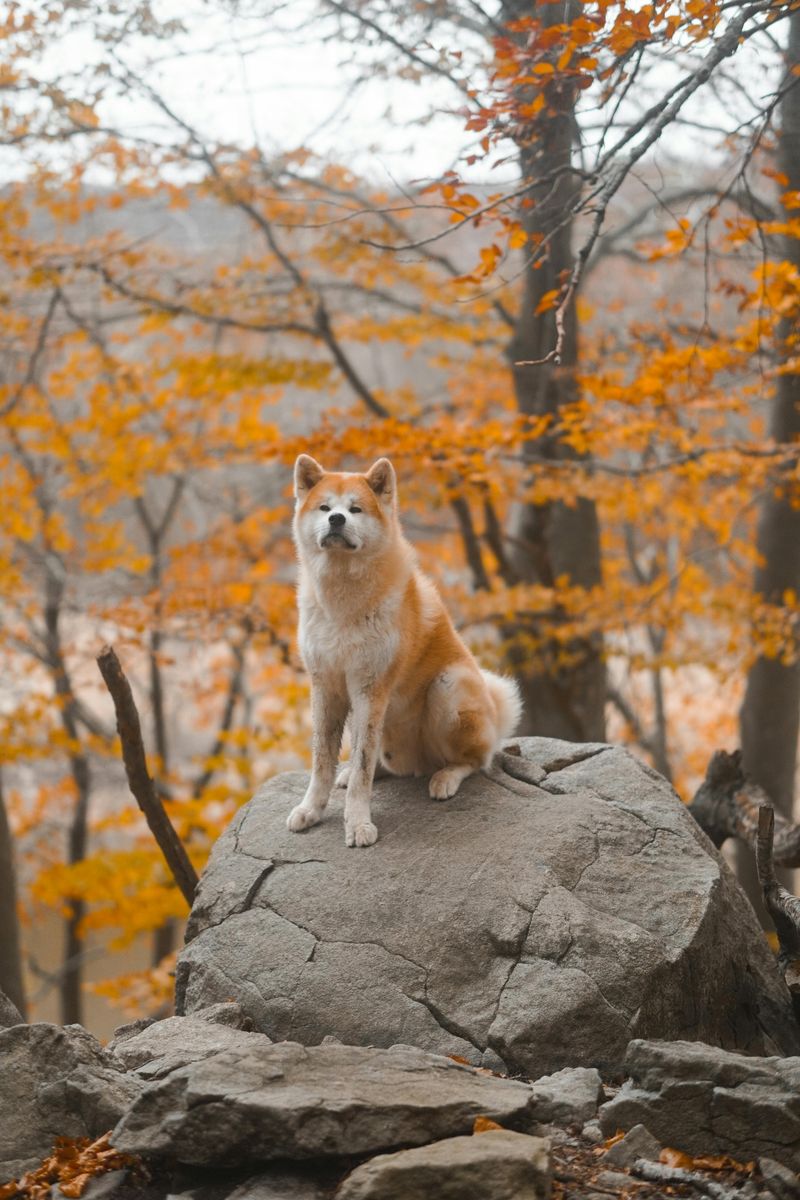
The Akita is dignified, imposing, and deeply loyal to its circle. That devotion can morph into serious guarding and same sex dog aggression without careful socialization.
If you want a friendly dog park regular, this is the wrong partner.
Training must be calm, fair, and consistent, because pushy methods create dangerous pushback. Expect a strong will, selective hearing, and a suspicious streak toward strangers.
Space management matters, from secure gates to structured greetings at the door. You will need a breeder or rescue who prioritizes stable temperaments.
In many typical homes, visitors, delivery workers, and neighborhood dogs create constant friction, which is stressful for everyone. Muzzle training and insurance research are smart preparation.
Do both.
Chow Chow
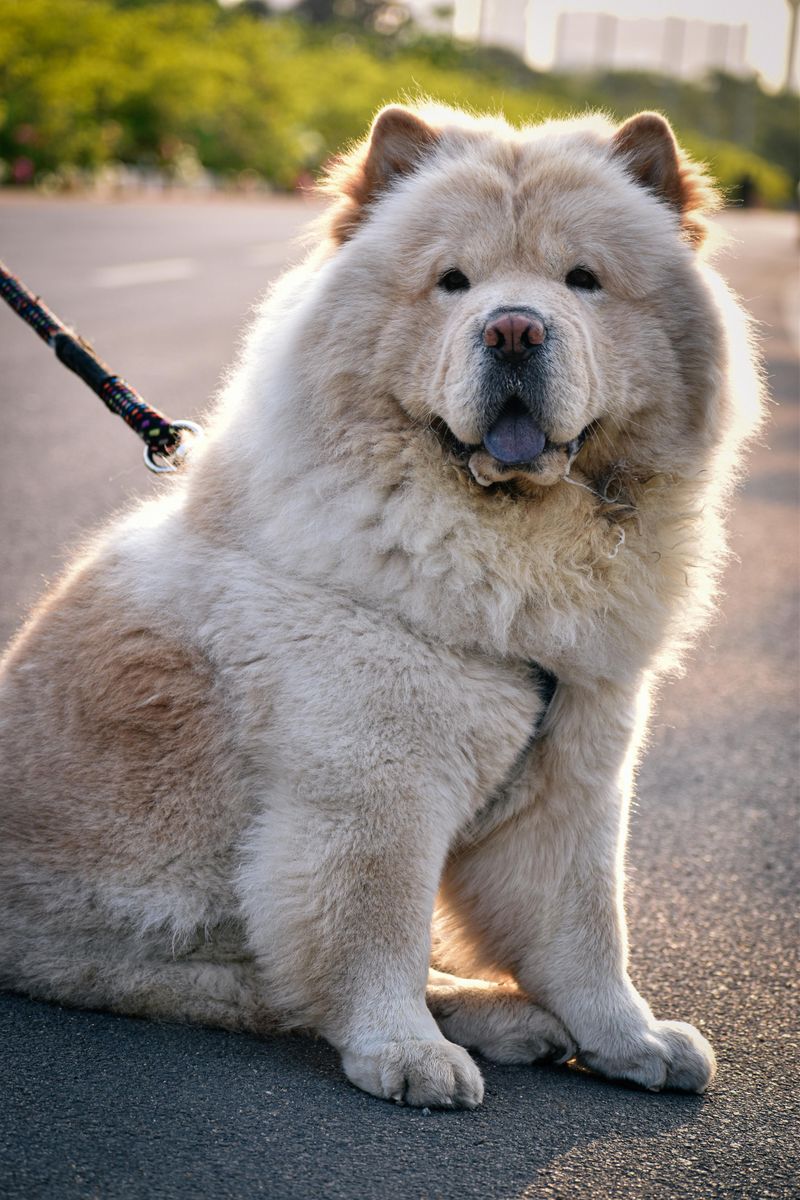
Chow Chows look like plush bears, but they are aloof guardians with strong opinions. Many dislike invasive handling, which complicates vet care and grooming.
Without early, thoughtful socialization, suspicion hardens and handling issues escalate fast.
Training needs patience, clarity, and respect for their independence. Use cooperative care techniques, not force, to build trust for nails, brushing, and exams.
Expect territorial behavior and a low tolerance for rowdy greetings. Small mistakes become big fights with strangers or dogs.
If your home is busy and chaotic, the Chow will withdraw or correct, neither of which suits a typical household. Careful boundaries and realistic expectations make the difference between harmony and constant conflict.
Plan insurance and muzzle skills too.
Jack Russell Terrier
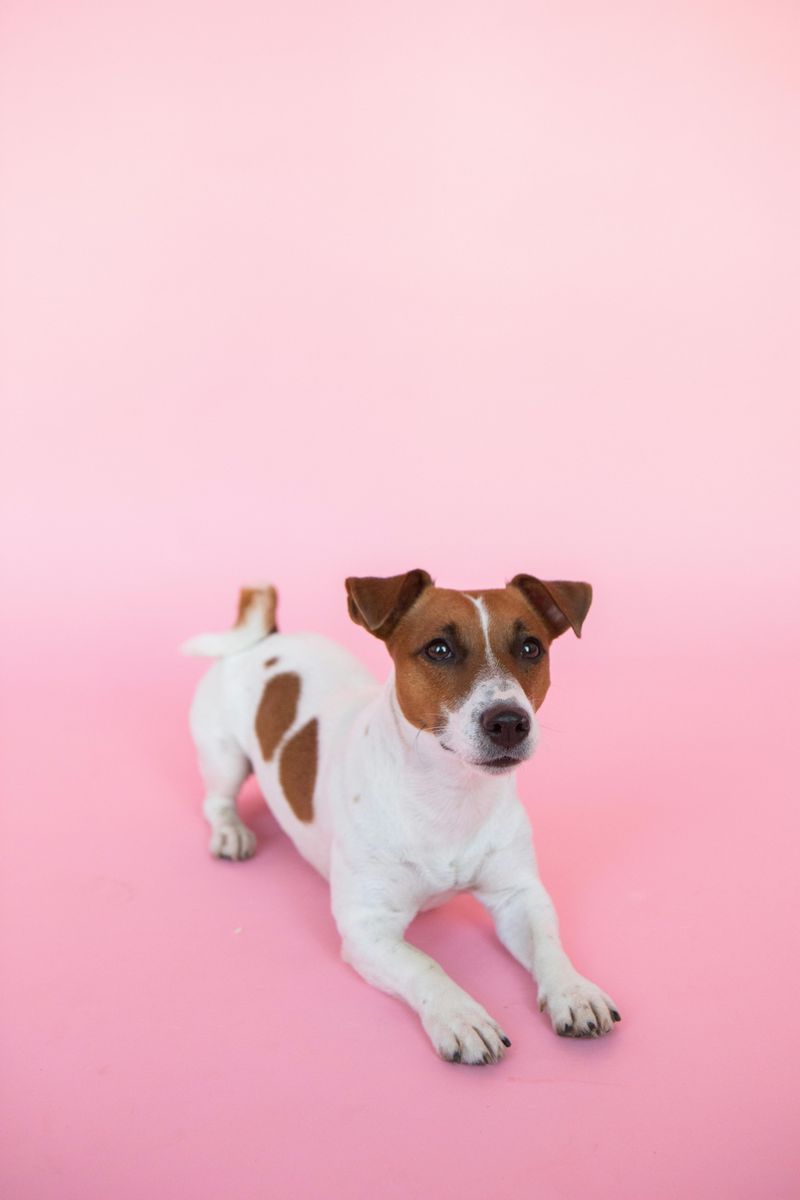
Jack Russell Terriers are tiny rockets built for vermin control. That cute package hides relentless drive, shrill alarms, and a need to dig, chase, and problem solve daily.
Apartment life without outlets amplifies barking and frustration quickly.
You will want secure dig guards, flirt pole games, and scentwork to tire the brain. Obedience alone will not dent their energy.
Expect motion sensitivity, door dashing, and arguments with much larger dogs. Supervision is nonnegotiable in busy spaces.
If you enjoy quiet evenings, this comedian will invent new jobs until bedtime. With structure, they are delightful, but the typical household rarely schedules enough targeted exercise to keep a Jack mellow and mannerly.
Plan professional coaching early onboarding.
Australian Cattle Dog

The Australian Cattle Dog is a tough, mouthy herder bred to control stubborn livestock. That translates to heel nips, intense focus, and a tendency to patrol and guard.
Without a serious job, they invent one, usually involving your ankles.
Daily drills, off switch training, and clear rules are essential. Expect motion triggered chasing, yard redecoration, and suspicious barking toward unfamiliar visitors.
They bond hard to their person, which can create reactivity if not managed. You will need durable enrichment and fair, consistent consequences.
If you prefer relaxed parks and social chaos, this dog will clash with your lifestyle. In the wrong setup, frustration becomes aggression surprisingly fast.
Stockwork mentors greatly improve outcomes. Join a club.
Cane Corso
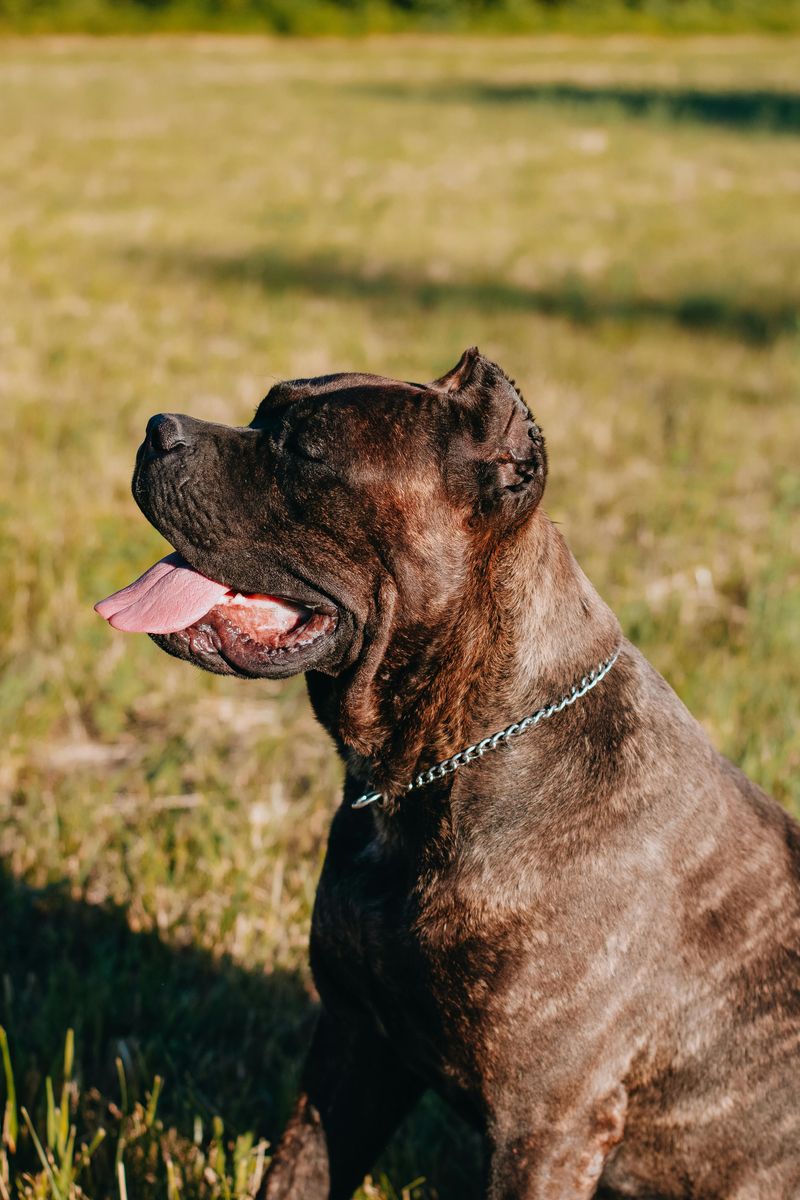
The Cane Corso is powerful, imposing, and bred to guard property and livestock. Inexperience plus sloppy socialization can produce a liability, not a companion.
If you hope for a friendly greeter, this breed will disappoint you.
Training should emphasize neutrality, impulse control, and clear leadership without intimidation. Expect drool, bulk, and a body block that can accidentally knock guests down.
Insurance, zoning, and landlord rules deserve research before adoption. You will need secure fencing, a custom management plan, and routine muzzle skills.
In typical households, rotating visitors and unpredictable children create endless stress. With expert guidance, they can thrive, but casual homes rarely provide the structure a Corso needs.
Budget for professional support from start.
Weimaraner
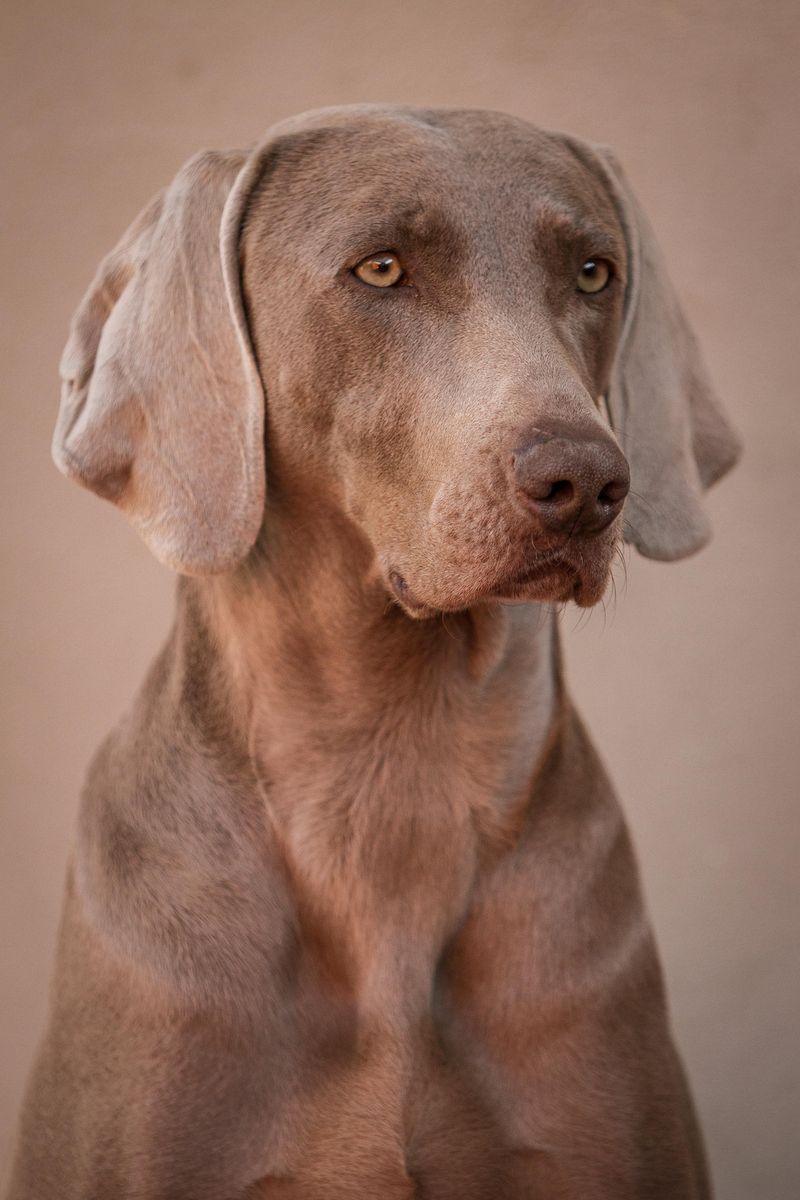
Weimaraners are athletic, sensitive, and wired for nonstop companionship. Leave them alone too long and separation anxiety can explode into howling and destruction.
Their energy and intelligence crave structured outlets, not sporadic weekend adventures.
Daily running, field games, and steadiness training help enormously. Expect counter surfing, clinginess, and a high prey drive that derails recall.
Grooming is easy, but mud and zoomies are not. You will need patience and a plan to teach calm in the house.
If you dislike shadow dogs, this breed will smother you with constant closeness. In average homes, unmet needs spill into chaos, yet with disciplined routines, a Weim can be a brilliant, tireless partner.
Hire a coach early please.
Dalmatian
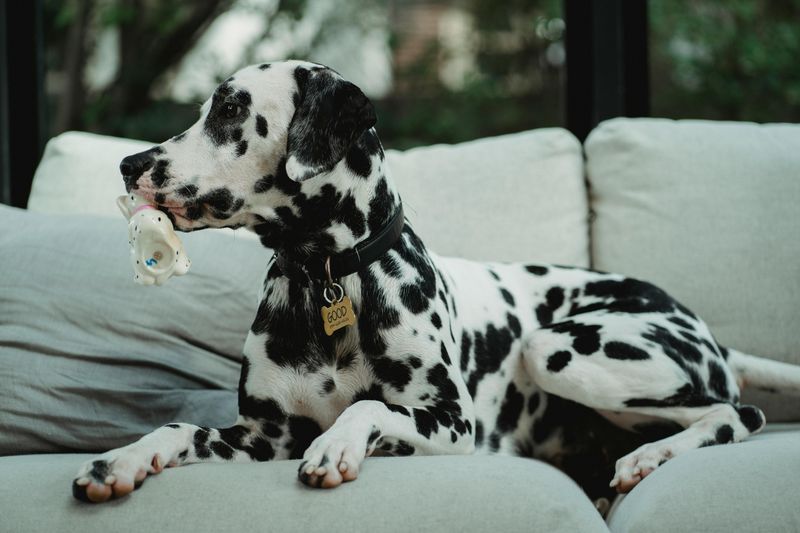
Dalmatians are striking athletes with endurance to spare. That stamina pairs with sensitivity and a watchdog edge, which can make busy households feel overwhelming.
Without diligent training and outlets, reactivity and destructive energy appear quickly.
Expect endless shedding, potential urinary issues, and a need for structured exercise every single day. Precision matters with food and hydration.
They excel with jobs like canicross, bikejor, or obedience, not just casual fetch. You will need patience for adolescence and socialization that prioritizes neutrality.
If you want an easygoing mascot, this breed may frustrate you. In typical homes, unmet needs stack up fast and boil over into chaos.
Professional guidance helps you plan sustainable routines from day one onward.
Basenji
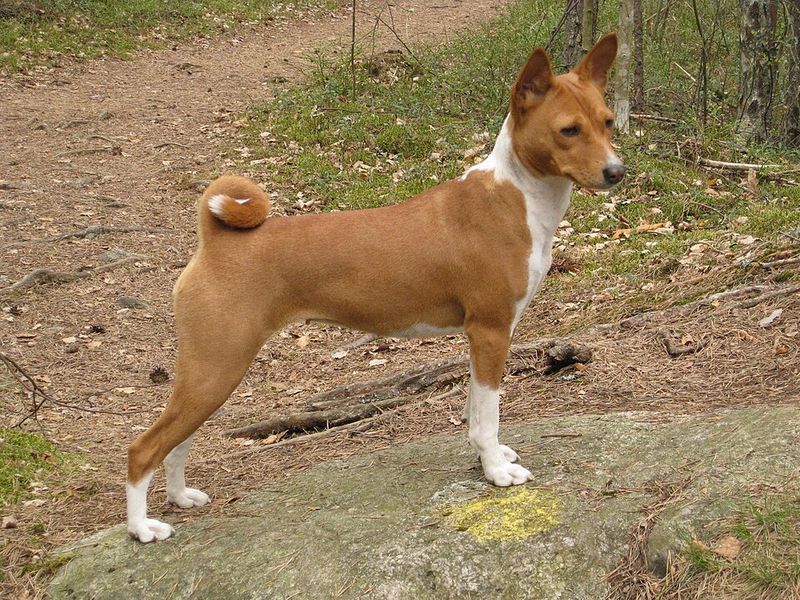
The Basenji is catlike, quiet, and wonderfully expressive without much barking. Do not mistake silence for easy.
This sighthound hunts with its eyes and feet, and it hates boring repetition.
Training should be short, clever, and heavily reinforced with movement. Expect counter surfing, creative escape routes, and a talent for shredding paper.
Recall is fragile around wildlife, and leash skills need constant polish. You will need secure fencing and realistic expectations about independence.
If you crave a cuddly lapdog, this breed may choose the back of the sofa instead. In typical homes, unmet hunting needs become mischief, but with brain games and sport outlets, Basenjis sparkle.
Join lure coursing to channel instincts early and often.
Afghan Hound
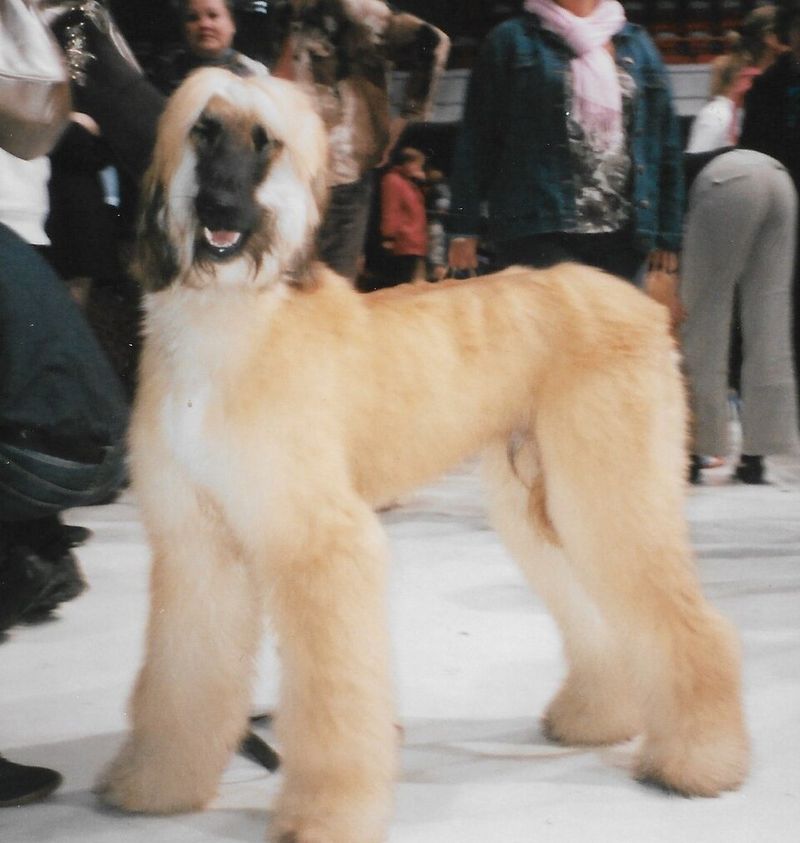
The Afghan Hound is a glamorous sighthound with an independent mind. Its coat demands serious grooming time and skill, or matting will overwhelm you quickly.
Training relies on motivation and respect, not repetition and pressure.
Expect aloofness with strangers and a chasing instinct that ruins off leash dreams. You will need secure fencing, patient recall games, and regular sprint outlets.
Bathing, drying, and brushing consume hours each week, plus professional help. If you dislike dog hair maintenance, this is not for you.
In typical households, the beauty fades under neglect and frustration. With commitment and humor, an Afghan becomes a poetic companion, but casual homes usually struggle.
Join sprint clubs to satisfy instincts safely outside.
Alaskan Malamute
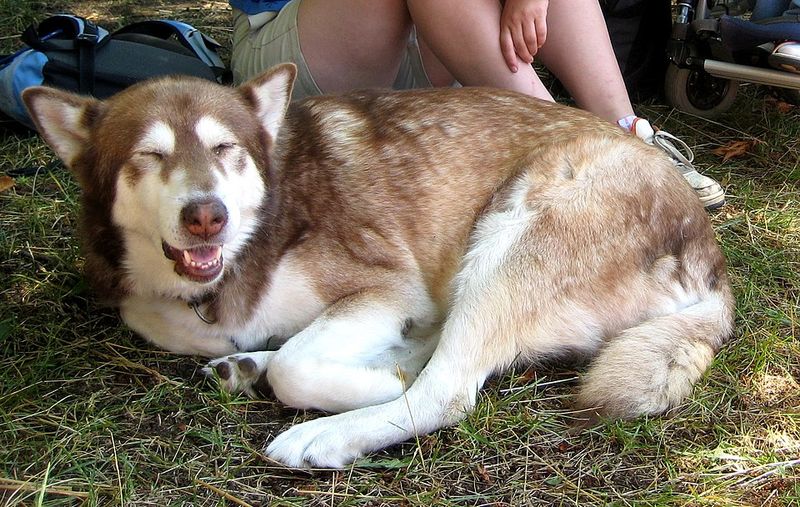
The Alaskan Malamute is a powerhouse built for hauling and teamwork in brutal conditions. In cities, that power often explodes as pulling, digging, and loud complaints.
They are affectionate but stubborn, and they cooperate on their own terms.
Expect heavy shedding, heat sensitivity, and a prey drive that complicates small pet homes. You will need mileage, weight pull style outlets, and impeccable fencing.
Basic obedience is not enough without jobs. If you dream of off leash hikes, brace for selective hearing.
With structure, they are joyful clowns, but typical households underestimate the workload and the voice volume. Professional clubs and mentors make a huge difference.
Plan budgeting for cooling gear and regular coat care.
Presa Canario
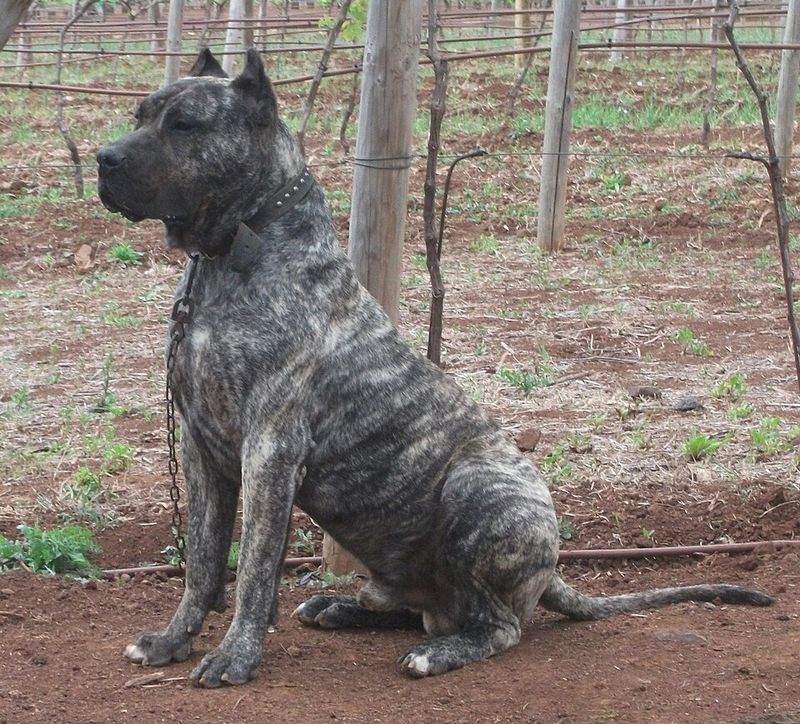
The Presa Canario is a serious guardian bred to move unruly cattle and protect property. This is not a beginner project or a social butterfly breed.
If you are conflict avoidant, the pressure of stewardship will crush you.
Training must prioritize neutrality, obedience under distraction, and reliable management. Expect drool, bulk, territorial behavior, and intense suspicion of unknown dogs.
Insurance hurdles and breed restrictions are common, so research thoroughly. You will need a mentor, a muzzle plan, and secure barriers at home.
In typical households, revolving guests and chaotic schedules create flashpoints. With expert structure and honesty about limits, a Presa can thrive, but casual homes rarely succeed.
Commit to professional oversight immediately and insurance.