
Big hearts and heavy frames can mean some beloved breeds show their age earlier than you might expect. That first slower stand, the shorter walk, or the extra nap can sneak up on you.
Knowing what to watch for lets you act sooner, ease discomfort, and keep joy front and center. Let’s explore how to support these gentle giants as the years start showing a little early.
Great Dane
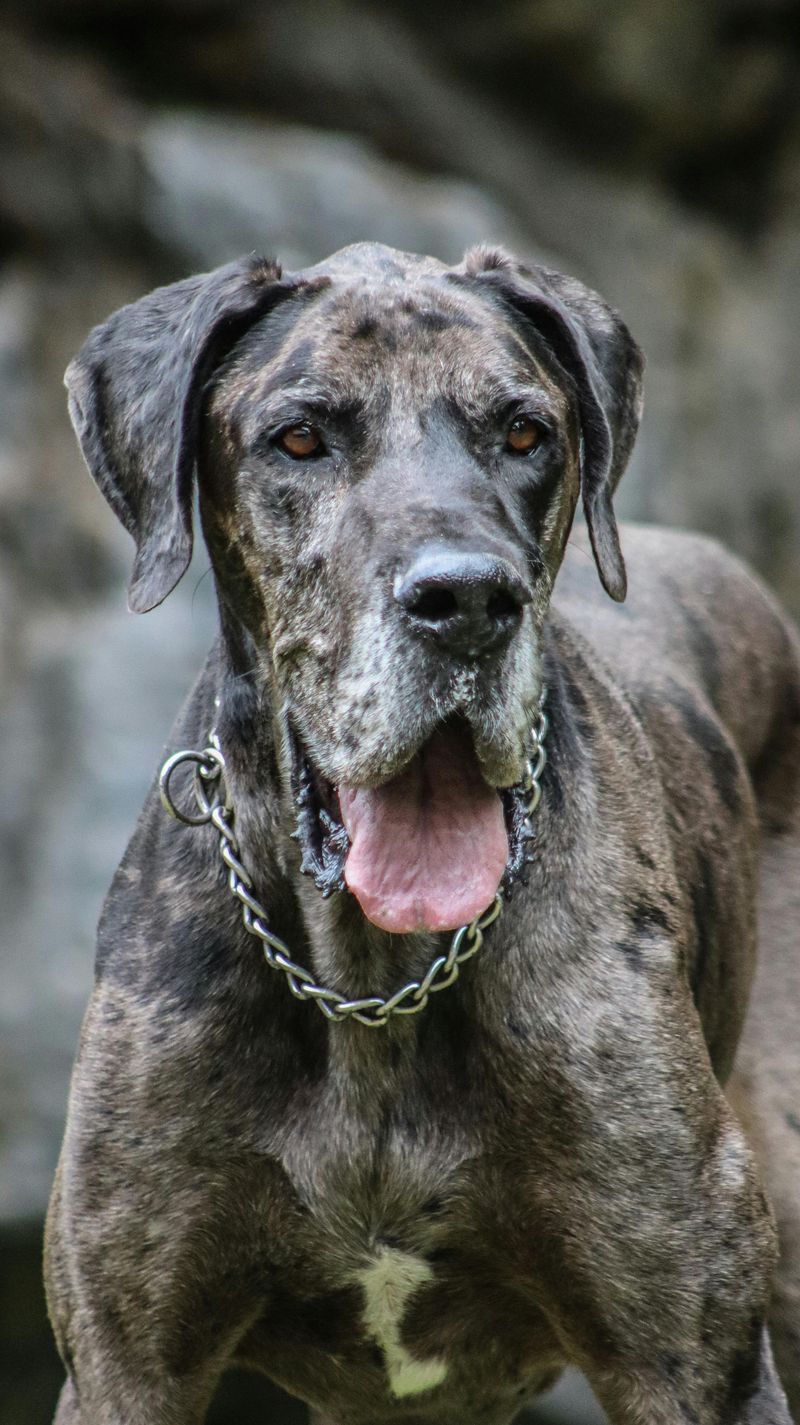
Great Danes grow fast, and their giant frames often age faster than expected. By middle age, you might notice slower rises, less stamina on walks, and a stiff sit after play.
Joints and hearts work hard supporting that size, so regular vet checks and weight control matter. You can help by spreading activity through the day and keeping nails trimmed for good posture.
A supportive bed reduces pressure points, and omega rich foods back up joints and coat. Short training sessions keep minds sharp if sprints are shorter now.
Listen for subtle changes, like panting sooner in heat or choosing cool floors instead. With gentle routines and quick attention to new limps, your very big friend will stay happy longer.
Bernese Mountain Dog
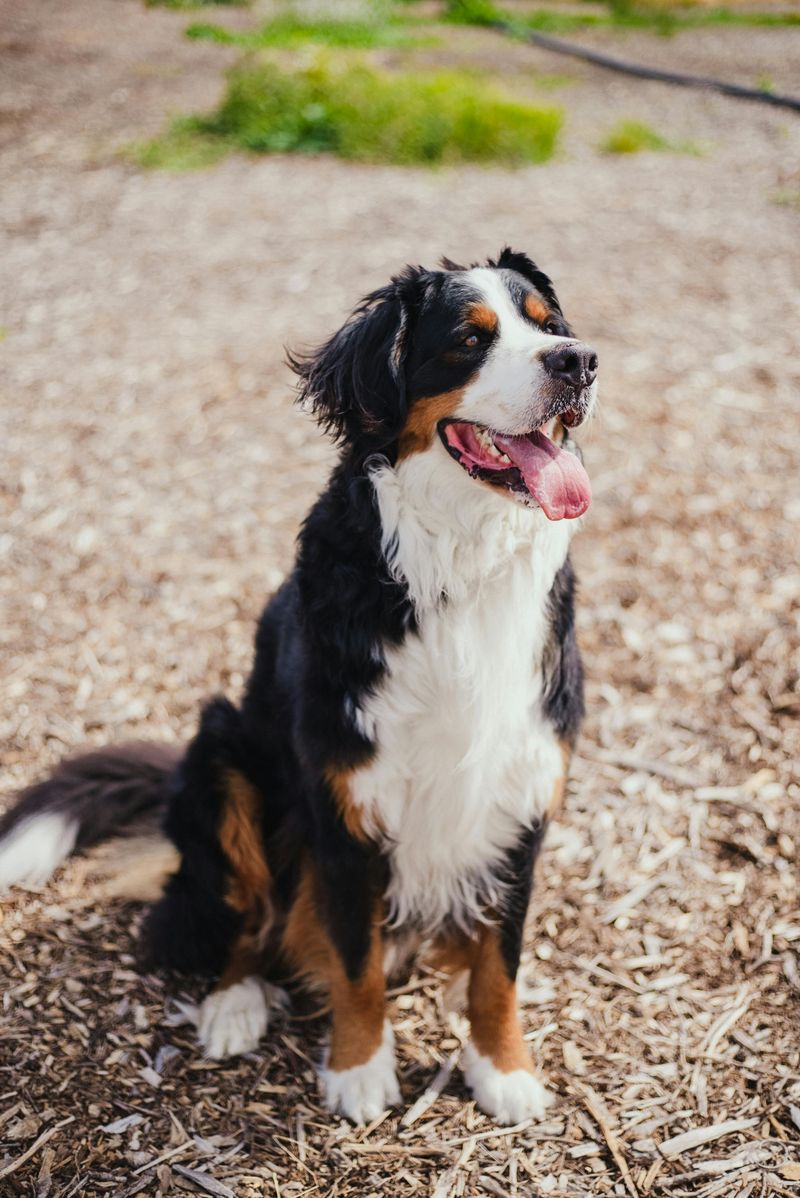
Bernese Mountain Dogs mature into mellow companions sooner than many expect, with hips and elbows often signaling the shift. You may notice shorter play bursts, careful sits, and a preference for cool floors after mild exertion.
Their dense coat hides muscle loss, so keep a hand on body condition and weight. Frequent brushing also doubles as a check for lumps and sore spots.
Joint supportive diets, steady pacing on hikes, and low impact strength work help prolong comfort. Think hill walks, controlled stairs, and slow figure eights to build stability.
Heat can drain them quickly, so walk early, hydrate generously, and plan shady breaks. When subtle coughs or slower recoveries appear, loop in your vet early for imaging and tailored supplements.
Irish Wolfhound
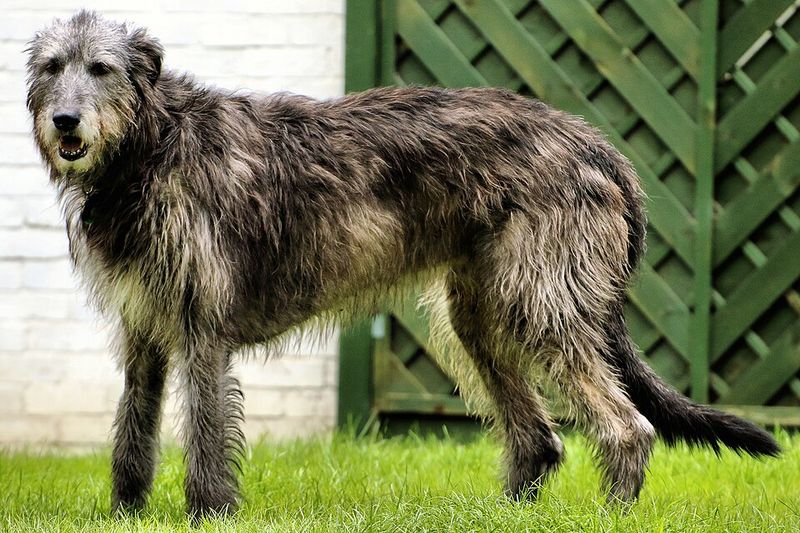
Irish Wolfhounds embody grace, yet their size often brings earlier senior moments. You might see a softer canter, careful turns, and longer naps after modest play.
Their deep chest and fast growth make heart and bone health top priorities. Regular cardiac screens, lean weight, and controlled exercise keep them comfortable and confident.
Provide traction rugs, supportive bedding, and warm ups before romps to protect long limbs. Mental games, like scent trails and brief training bursts, satisfy without overtaxing joints.
Watch for coughing, fainting spells, or tiring sooner on hills, and report changes promptly. With consistent routines, gentle conditioning, and early veterinary partnerships, your elegant hound can enjoy calm adventures and unrushed cuddles for far longer.
Saint Bernard
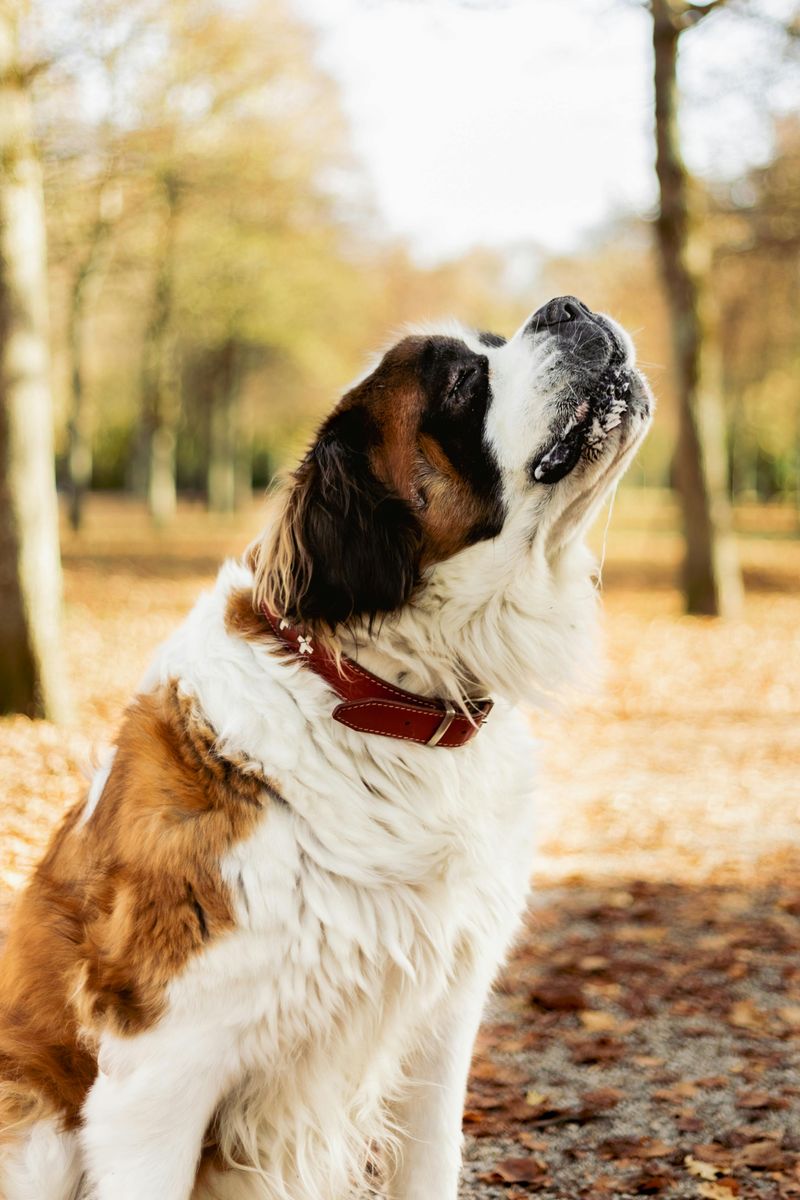
Saint Bernards carry impressive mass, and that workload can reveal age ahead of schedule. Watch for slower stairs, lingering stiffness after naps, and heavier panting on warm days.
Their joints, hearts, and skin all appreciate thoughtful attention. Keep weight trim, time walks during cooler windows, and groom often to monitor body condition.
Hydration and shade are essential, since heat builds quickly under that plush coat. Add core strengthening, balance exercises, and gentle leash hills to maintain stability.
A non slip home setup with ramps helps preserve independence longer. When coughs, exercise intolerance, or swollen joints appear, get diagnostics early, then lean on anti inflammatories, supplements, and physical therapy to keep your giant sweetheart comfortable and bright.
Mastiff
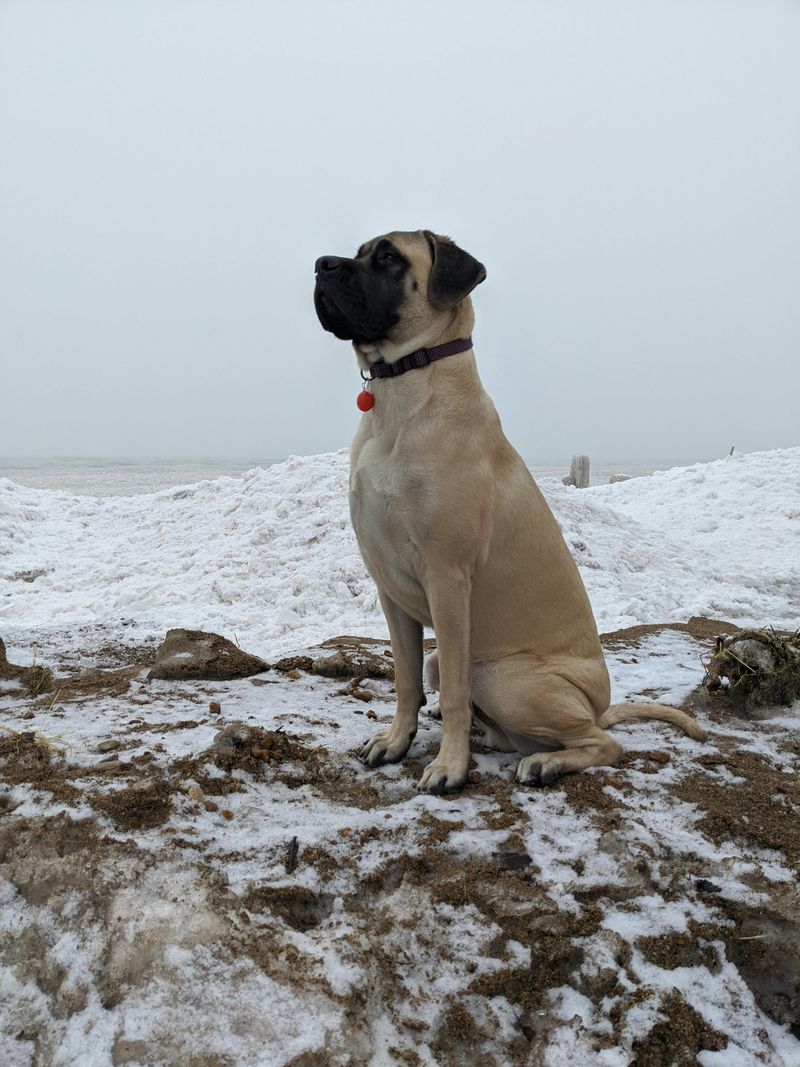
Mastiffs age in quiet ways first, like slower rises and careful turns on slick floors. Their massive frames strain hips, knees, and spines, so surface traction and weight management pay off.
Keep walks steady and short, spaced throughout the day rather than one big push. Heart and breathing changes deserve close attention in these deep chested companions.
Rotate gentle strength moves, like controlled sit to stands and short incline walks, to maintain mobility. Consider raised bowls for comfort and cooling mats during summer.
Weekly body checks catch hot spots, new lumps, or tender joints hidden under loose skin. Partner early with your vet on joint support, pain control, and cardio screening so your calm guardian stays content, mobile, and eager for easy cuddles.
Newfoundland
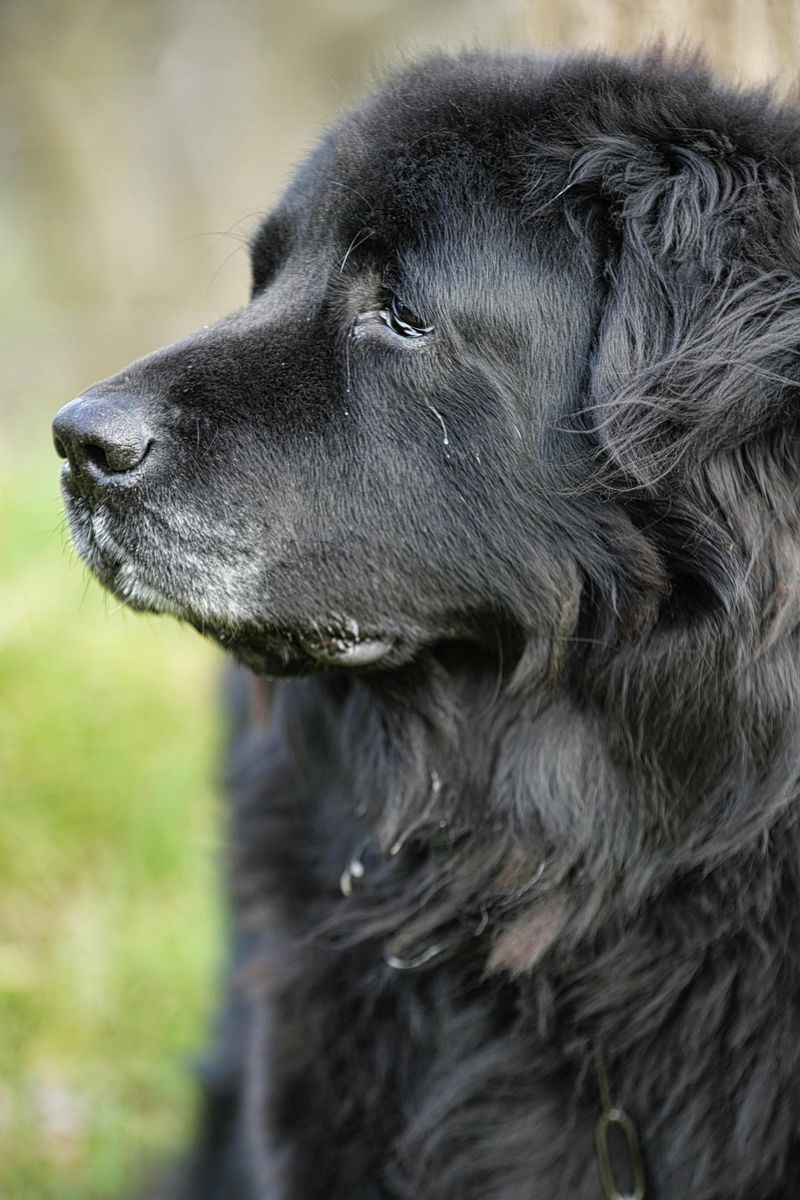
Newfoundlands are water loving gentle souls whose size and dense coats can mask early aging. Signs include slower swimming recoveries, reluctance to jump into the car, and stiffer mornings.
Heat management is key, along with consistent grooming to prevent skin issues. Keep weight modest to reduce stress on hips and elbows.
Low impact conditioning, like water walking and short hill strolls, keeps muscles protective without overdoing it. Offer cooling breaks, hydrate often, and trim feathering around paws for traction.
Regular cardiac and orthopedic checks help you act before small changes snowball. With thoughtful pacing, joint smart nutrition, and daily affection, your Newf stays buoyant in spirit, even as those first silver whiskers whisper that it is time to slow a little.
Leonberger
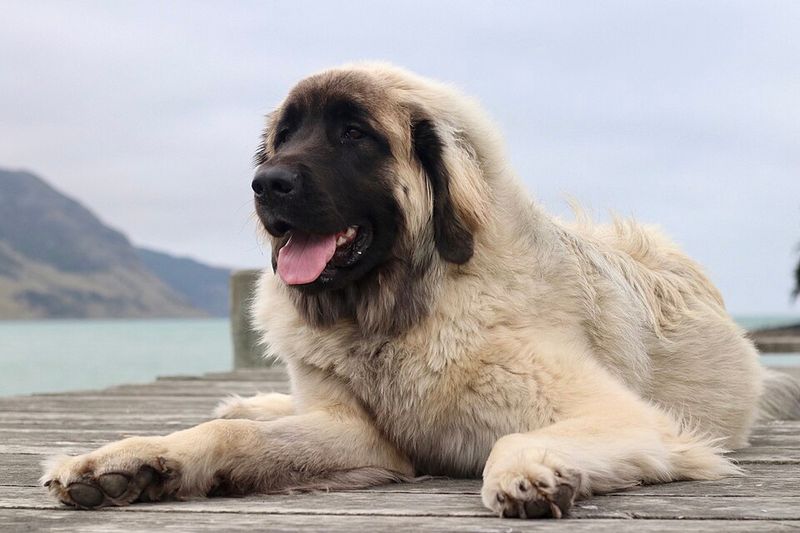
Leonbergers mature into steady companions who sometimes age sooner than expected. You may notice a briefer zoomie, slight hind end wobble on turns, or heavier panting under mild heat.
Their lush coats hide muscle changes, so hands on checks matter. Keep nails short and paws well trimmed to reduce slips.
Balanced strength routines, like controlled poles, side steps, and core work, bolster stability. Schedule cooler walks, support healthy weight, and build rest between activities.
Regular vet visits for orthopedic and cardiac monitoring keep tiny clues from becoming big problems. With patient pacing, enrichment games, and a cozy, grippy home base, your Leo keeps shining, trading all day sprinting for thoughtful adventures and the kind of couch cuddles you treasure most.
Bullmastiff
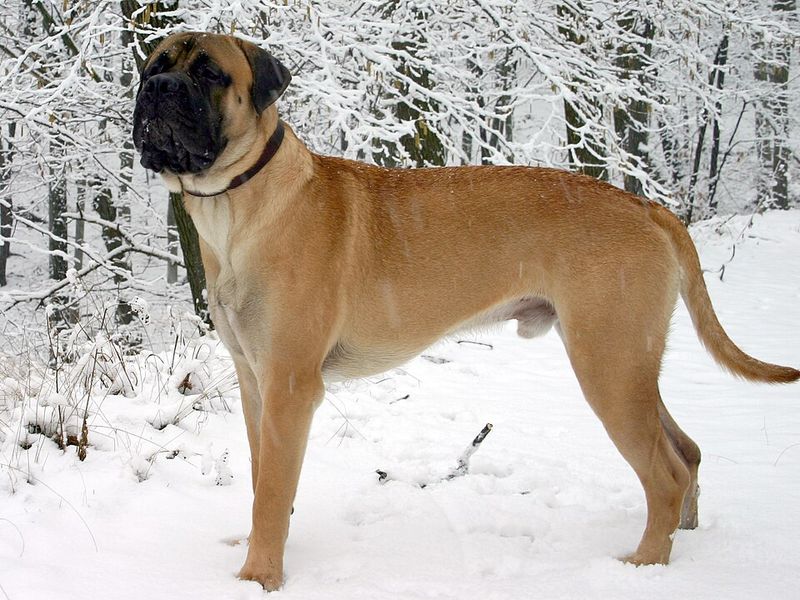
Bullmastiffs tend to reveal age through shorter bursts of energy and careful, deliberate movement after naps. Joint wear and extra body weight can stack the odds toward stiffness.
Keep calories honest, prioritize lean muscle, and split exercise into smaller, predictable sessions. Their stoic nature means pain can hide behind a calm face.
Watch for slower stair climbs, reluctance to jump, or evening restlessness, which can signal discomfort. Use orthopedic beds, raised dishes, and non slip mats to protect sore joints.
Brief training and scent games keep minds bright without heavy exertion. With routine vet care, targeted supplements, and gentler daily rhythms, your solid shadow will keep following happily, just at a steadier pace that protects comfort and confidence.
Dogue de Bordeaux
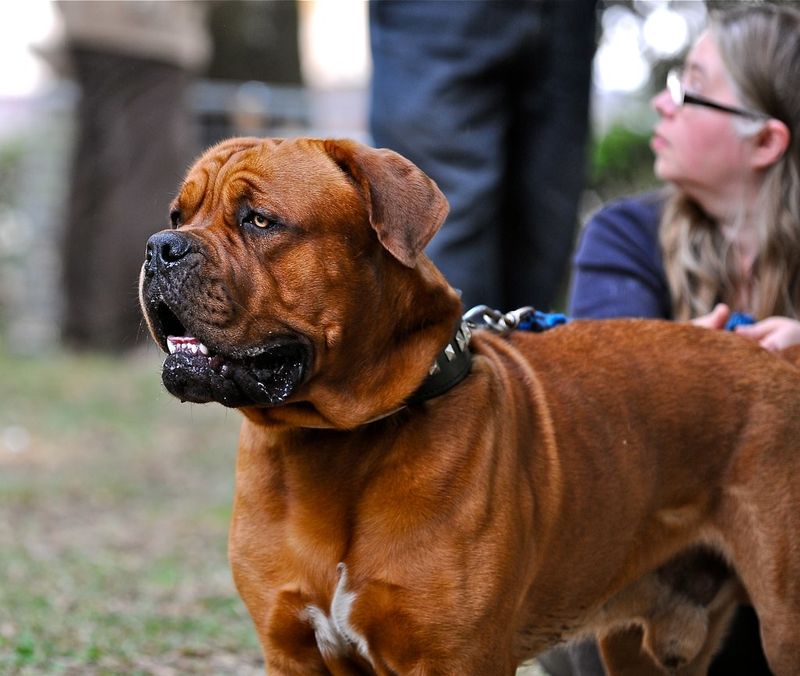
The Dogue de Bordeaux carries serious presence, and that bulk can mean earlier senior signals. Expect shorter play windows, careful rises, and more frequent naps after modest activity.
Their joints and hearts deserve consistent oversight. Keep weight trim, surfaces grippy, and walks paced with generous sniff breaks.
Core and hind end strengthening, plus gentle range of motion, help them stay comfortable. Heat can overwhelm quickly under that stocky frame, so plan shady routes and pack water.
Monitor for coughing, gum color changes, and exercise intolerance, then call your vet at the first hint. With steady routines, orthopedic comfort, and a calm, encouraging tone, your Bordeaux will keep offering those soulful looks and unhurried companionship that make the day feel grounded.
Scottish Deerhound
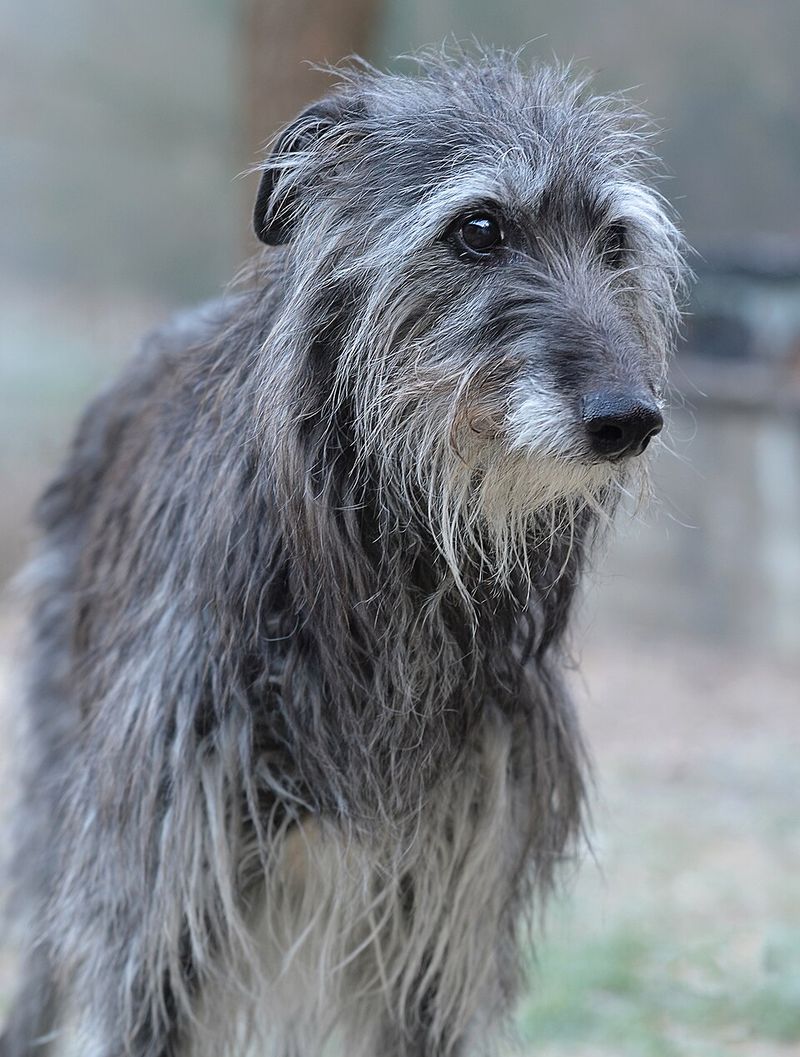
Scottish Deerhounds are athletes with sensitive frames that can show age in subtle steps. You might see a shorter gallop, cautious turns on slick ground, or longer post run recovery.
Keep them lean, warm up before sprints, and favor soft footing. Regular heart checks and joint assessments help you stay a stride ahead.
Mental enrichment through scent work and brief obedience keeps spirits high without pounding joints. Add light hill walking and balance exercises to preserve strength.
Provide snug coats in cold weather and cooling in summer. When coughing, faintness, or sudden fatigue appears, act quickly with your vet.
With thoughtful pacing and daily affection, your deerhound trades constant speed for serene, steady adventure time by your side.
Great Pyrenees
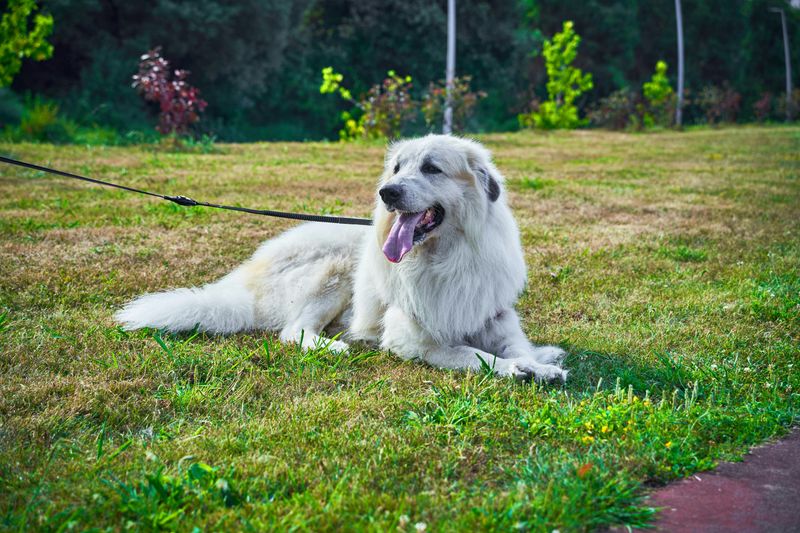
Great Pyrenees dogs age quietly, showing longer rest periods and slower transitions from lie to stand. That dense coat can hide weight creep and muscle loss, so feel along the ribs weekly.
Heat tolerance drops early, especially during humid afternoons. Time walks for cool hours, provide shade, and keep fresh water close.
Light conditioning, like slow hill work and controlled figure eights, builds strength without joint strain. Regular grooming reduces mats that tug on aging skin and affect gait.
Non slip rugs and an orthopedic bed protect tired joints. Watch for nighttime restlessness, rear end weakness, or coughing, and loop in your vet promptly.
With patience, structure, and calm reassurance, your fluffy guardian stays confident while embracing a gentler pace.
Rottweiler
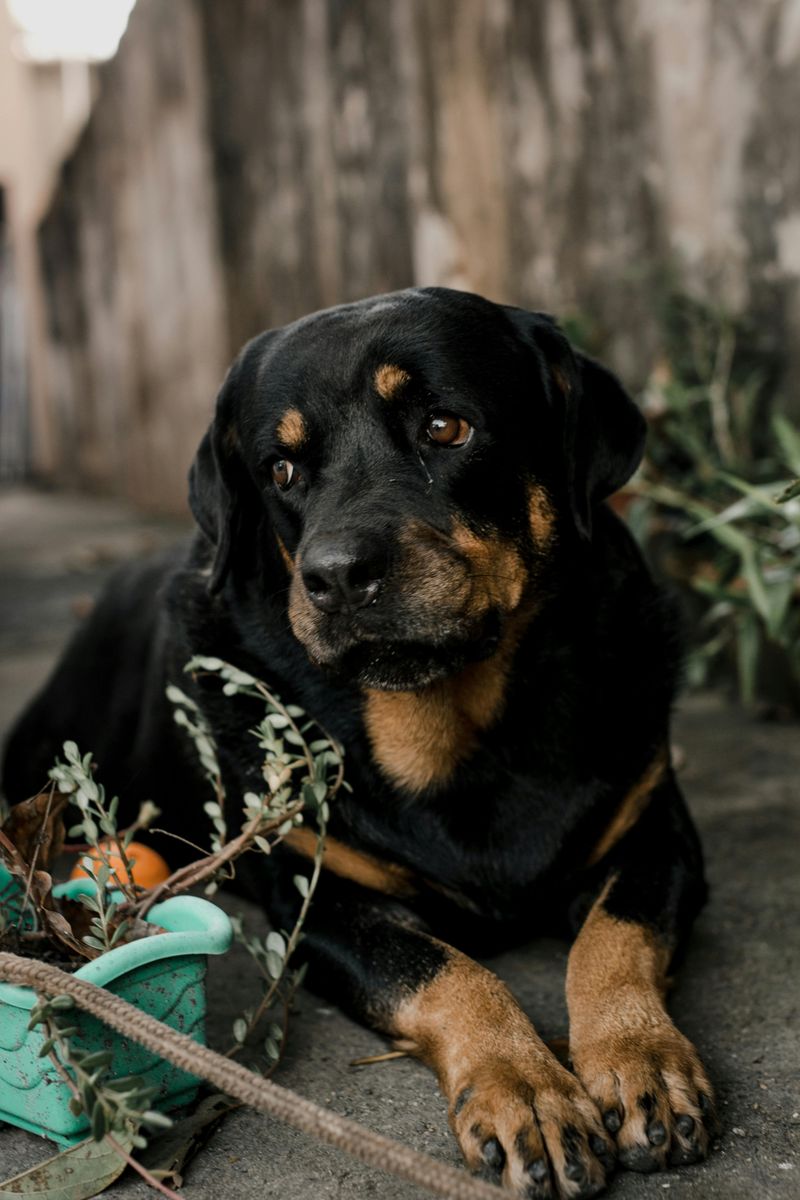
Rottweilers often show aging in their hips, knees, and cruciate ligaments first. Expect shorter sprints, measured jumps, and a preference for softer landings.
Consistent weight control, joint supportive nutrition, and cross training keep them powerful yet protected. Think steady walks, controlled fetch on grass, and mindful warmups.
They can be stoic, so subtle changes matter: a hesitant sit, paw licking, or avoiding stairs. Use traction mats, targeted strength work, and brief brain games to maintain confidence.
Regular screenings for orthopedic wear and cardiac health help you act early. With patient guidance and a predictable routine, your loyal guardian continues shining, swapping endless bursts for meaningful work, cuddles, and that proud heel at your side.