
Some dogs get judged the moment they walk into a park. Big heads, serious faces, and movie stereotypes can trick you into believing the worst.
The truth is more interesting, and way more lovable, once you know what drives each breed. Let’s unpack the myths so you can spot the real dog behind the rumors.
Pit Bull Terrier
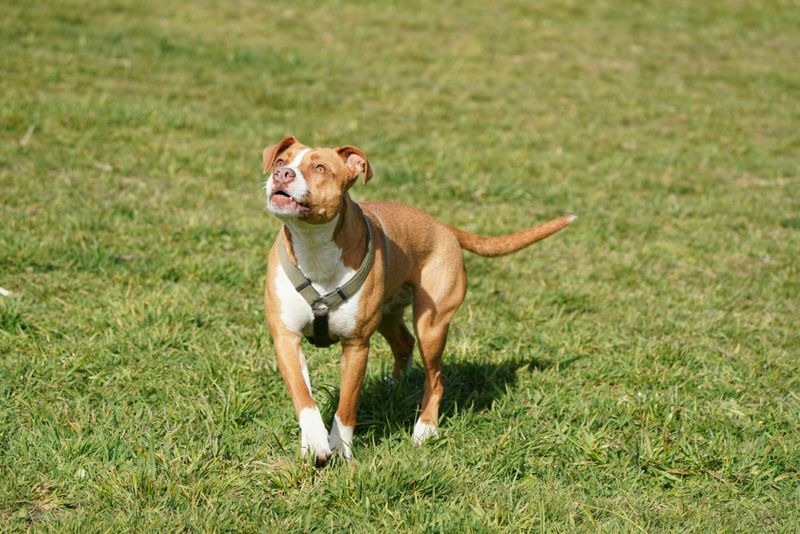
Pit Bulls are often mislabeled as naturally aggressive, but most are affectionate, people oriented athletes. They were historically bred for versatility and companionship, not random violence.
With training, structure, and exercise, you get a goofy dog that wants to please.
Misidentification is common, since many blocky headed mixes get called Pit Bulls. Shelter labels can be guesses, and behavior matters more than any label.
Meet the individual, use positive reinforcement, and supervise play, and you will see a loyal friend.
Give outlets for chewing, sniffing, and tug, and mental games to de stress. Solid leashes, fitted harnesses, and polite greetings keep everyone comfortable and safe outside.
Advocate kindly with neighbors, share successes, and you will rewrite myths through everyday moments.
Rottweiler
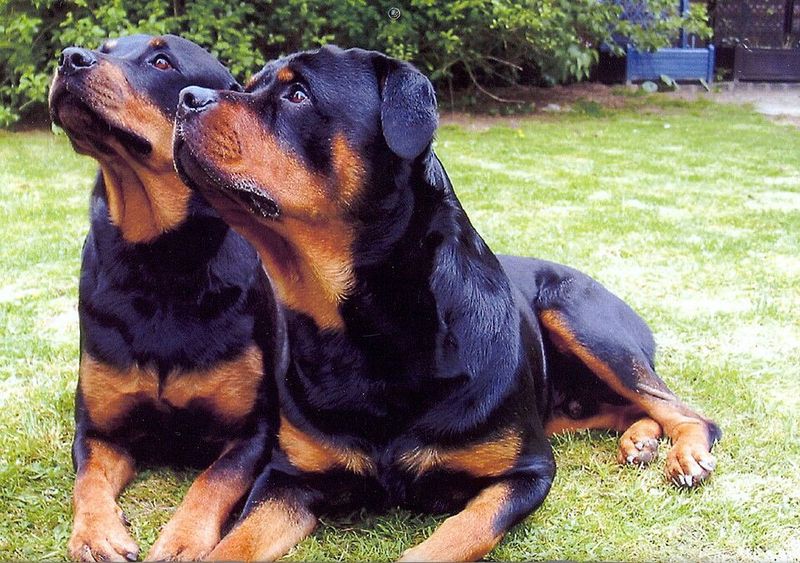
Rottweilers get tagged as guard only brutes, yet they are thoughtful, devoted family dogs. Historically, they drove cattle and protected carts, balancing confidence with calm judgment.
Give them clear jobs through training, and you unlock a steady, eager partner fast.
People mistake aloofness for meanness, but these dogs simply avoid sloppy introductions. Slow approaches, food rewards, and neutral environments help them feel safe and understood today.
You will notice soft eyes, relaxed mouths, and heavy leaning once trust builds too.
Daily exercise, impulse control games, and clear boundaries reduce reactivity and boredom. Use sturdy equipment, teach focus around distractions, and reward calm every chance daily.
A well raised Rottie becomes a gentle comedian at home and a confident teammate outside.
Doberman Pinscher
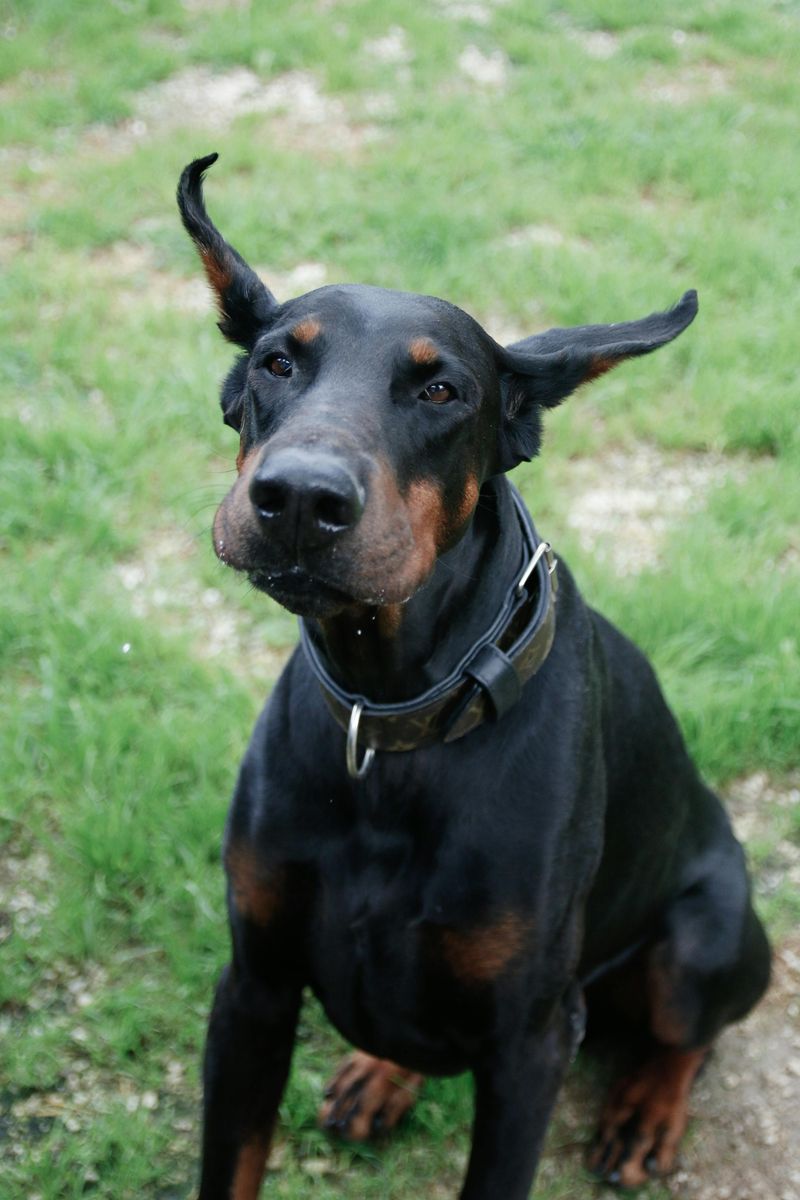
Dobermans look intense, so many assume they are harsh or unpredictable by nature. In reality, they are highly trainable velcro companions bred to work closely with people.
Connection, not force, brings out their brilliance and balanced confidence everywhere you go.
Strangers may get a cool greeting, but family gets wags, nuzzles, and watchful devotion. Early socialization, sound exposure, and fun obedience shape a stable adult most days.
Teach calm door manners, then channel energy into nosework, running, and puzzle toys.
Use clear markers, consistent rewards, and short sessions to keep focus sharp. They thrive on routines, fair rules, cuddles, and meaningful work that uses their brains.
Treat the Doberman like a teammate, and you will gain a loyal shadow forever.
German Shepherd
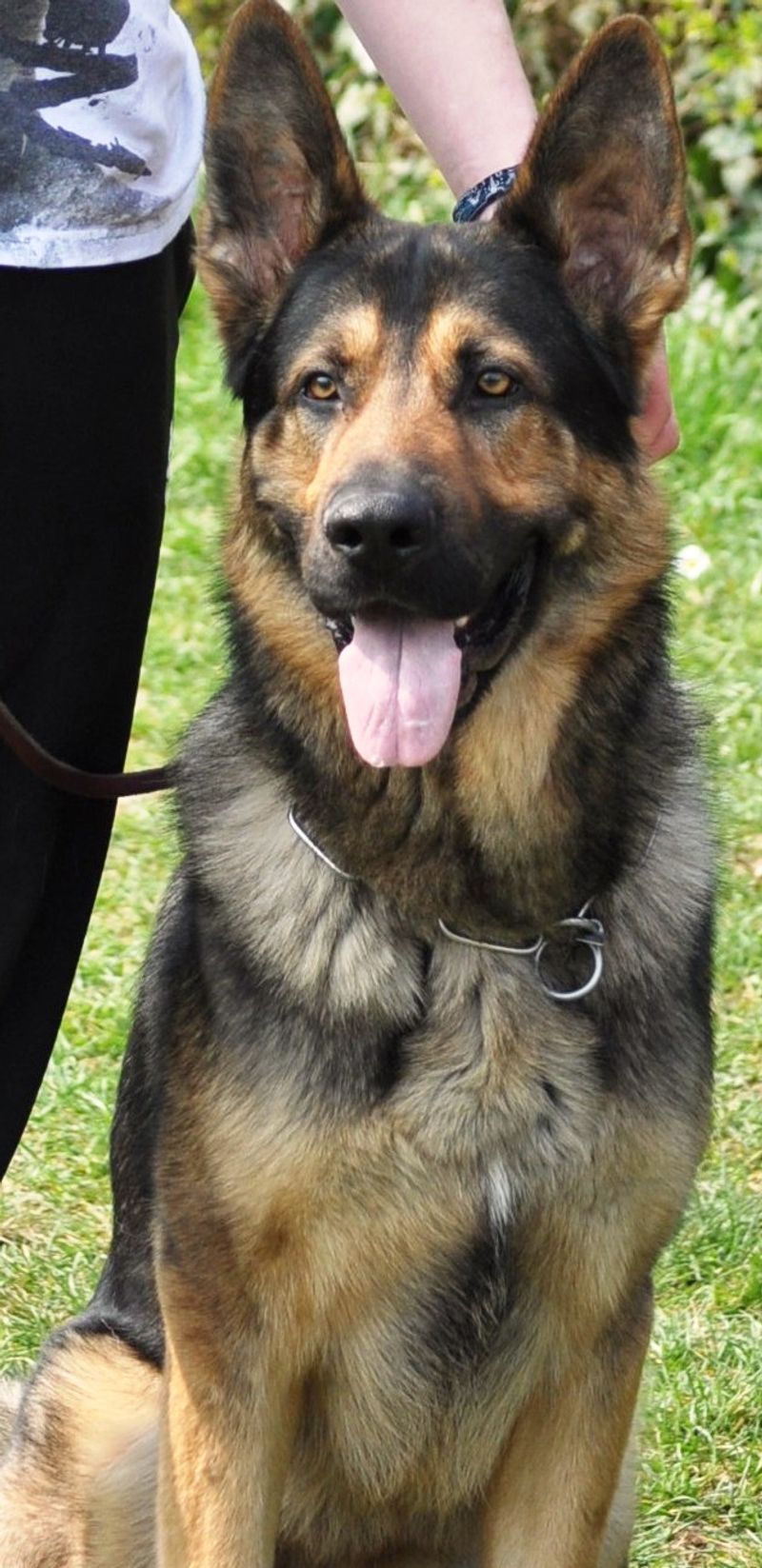
German Shepherds are seen as police only dogs, but they are versatile family partners. Confidence comes from genetics and training, not from constant toughness or isolation alone.
Balanced work builds a thoughtful guardian with an off switch at home too.
Many misunderstand reactivity as dominance, when it is usually stress or unmet needs. Slow exposure, pattern games, and reinforced calm help turn the dial down.
Their noses and brains want jobs, like tracking, herding, or scent puzzles every single week.
Teach clear boundaries, provide chewing outlets, and reward quiet settling on mats. Fair leadership means consistency, patience, and celebrating small wins along the way.
Handled thoughtfully, the Shepherd becomes a brave worker and a gentle cuddler on cold rainy nights.
American Bulldog
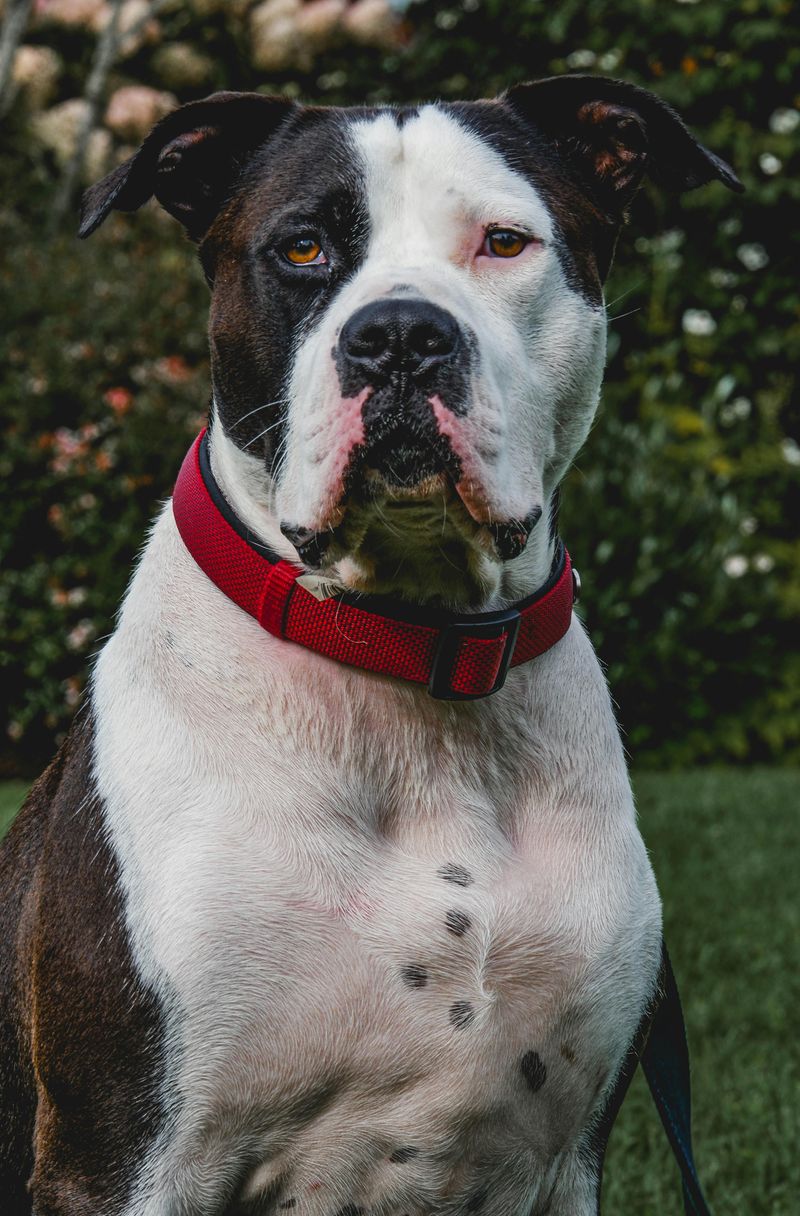
American Bulldogs look tough, so people assume they are stubborn tanks without sensitivity. They are actually biddable, clownish athletes who thrive on games and teamwork with you daily.
Guardian instincts exist, but good social skills and structure keep choices thoughtful.
Many confuse them with Pit Bulls, yet head shape and history differ. Farm work selected for grit, versatility, and strong bonds with humans plus steady nerves under pressure.
Meet several lines and individuals, because temperament can vary between breeders too.
Use cheerful training, controlled play, and thoughtful introductions to new dogs and people kindly. Channel strength into weight pull, obedience, nosework, and long hikes with rests nearby.
Provide durable toys, clear rules, and a warm place to snore after adventures.
Staffordshire Bull Terrier
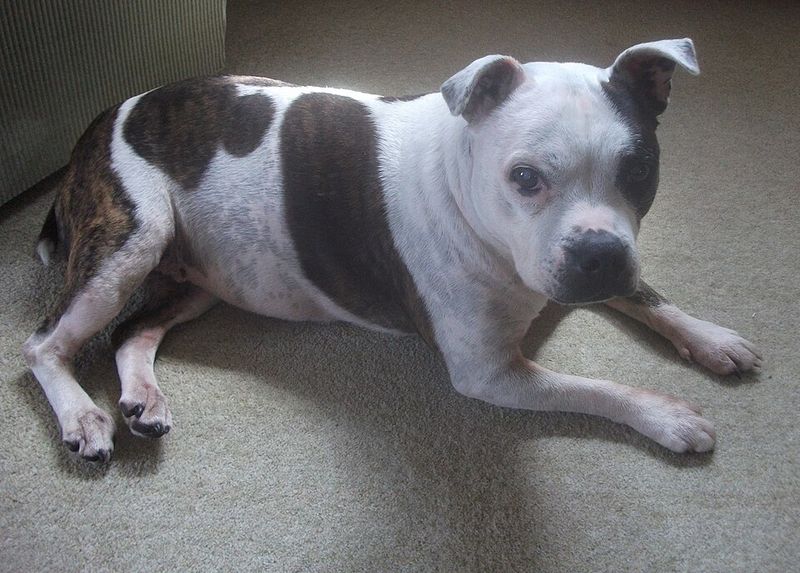
Staffies get misread as mini bruisers, yet they are famously affectionate with people. Originally, they balanced courage with social, stable temperaments around families in crowded English towns.
You will meet a comedian who loves cuddles, games, and short sprints everywhere.
Because of looks, people lump them with larger bully breeds and expect trouble. Instead, prioritize social skills, polite leashing, and supervised dog selections in mixed environments often.
Shelter labels can mislead, so meet individuals, not headlines or hashtags at all.
Keep brains busy with trick training, flirt pole, and scent games at home. Short bodies need conditioning, stretching, and rest days to prevent strains.
Offer sturdy toys, sun naps, and gentle handling, and you will see sparkle all the time.
Bullmastiff
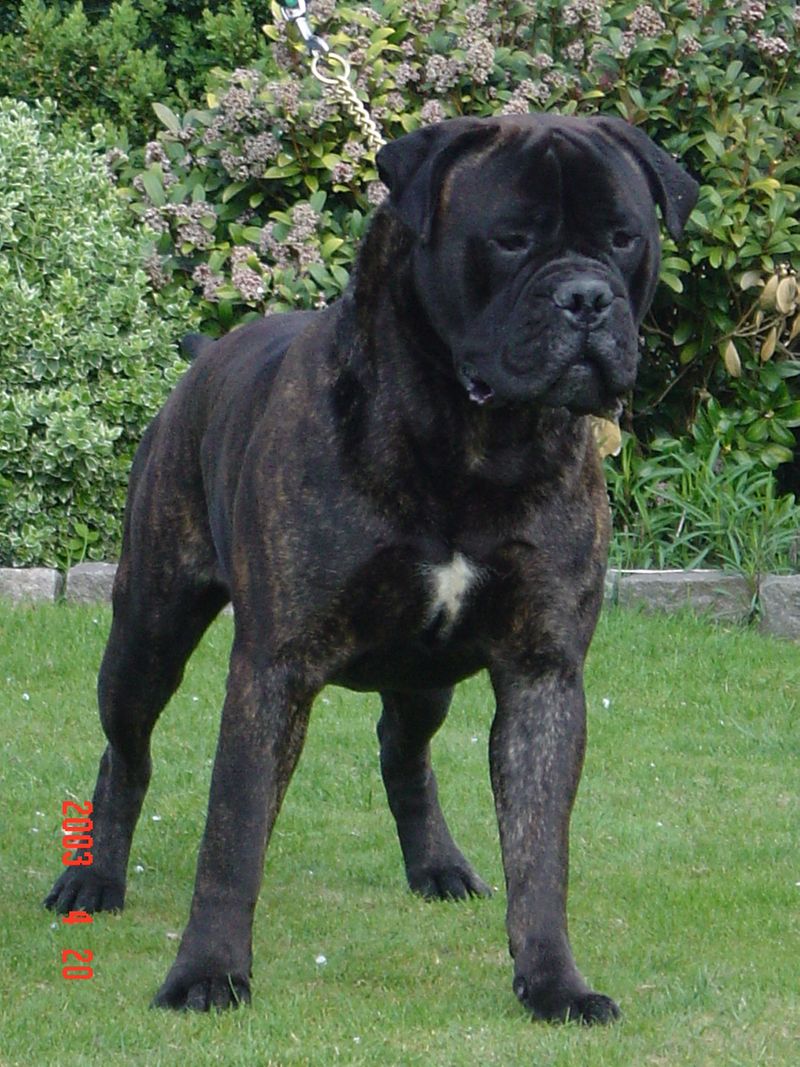
Bullmastiffs look imposing, but they are thoughtful, low to moderate energy guardians. Originally bred to stop poachers, they rely on presence and restraint more than force.
Calm socialization and gentle boundaries develop a confident, kind house companion for life truly.
People mistake slow movement for laziness, when it is usually careful consideration. Heat sensitivity and joint care matter, so plan exercise smartly with shade, water, and pacing.
Short training bursts, polite greetings, and quality rest keep behavior polished each day.
Invest in early handling, cooperative care, and reinforcing calm near exciting visitors. Teach leave it, loose leash walking, and relaxed bed times for reliability.
Treat this giant softie like a partner, and you will build trust that truly lasts forever.
Cane Corso
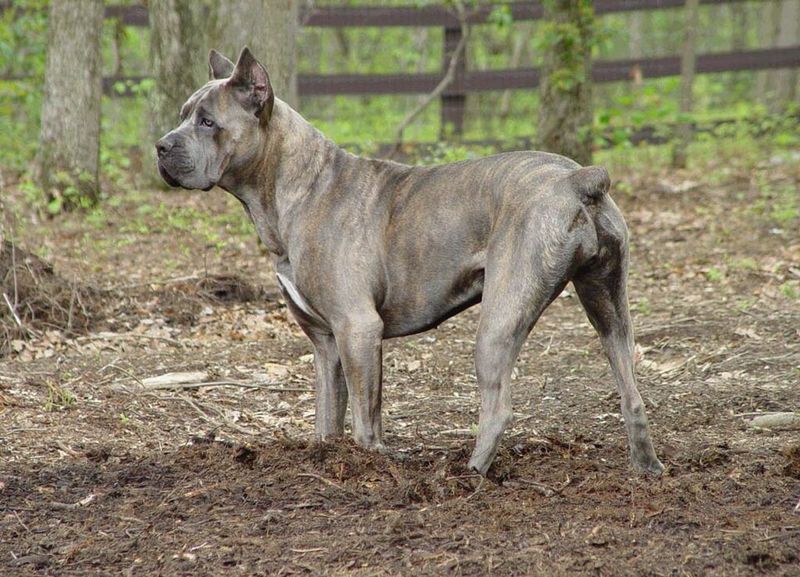
Cane Corsos carry a serious look, so people assume constant aggression or dominance. In truth, the breed is a thoughtful guardian that needs clarity and coaching too.
They read environments fast, so your guidance must be calm and consistent always.
Unfamiliar people should be introduced slowly, with space, food, and choice. Bad experiences stick, so protect their learning with predictable routines and fair rules.
Focus on neutrality first, then add sports like obedience, tracking, and protection foundations over many months.
Conditioning, joint care, and muzzle training make daily life smoother for everyone. Reward stillness, practice recalls, and keep sessions short to preserve enthusiasm.
Handled thoughtfully, a Corso becomes a steady guardian and a deeply bonded companion in daily family life.
Boxer
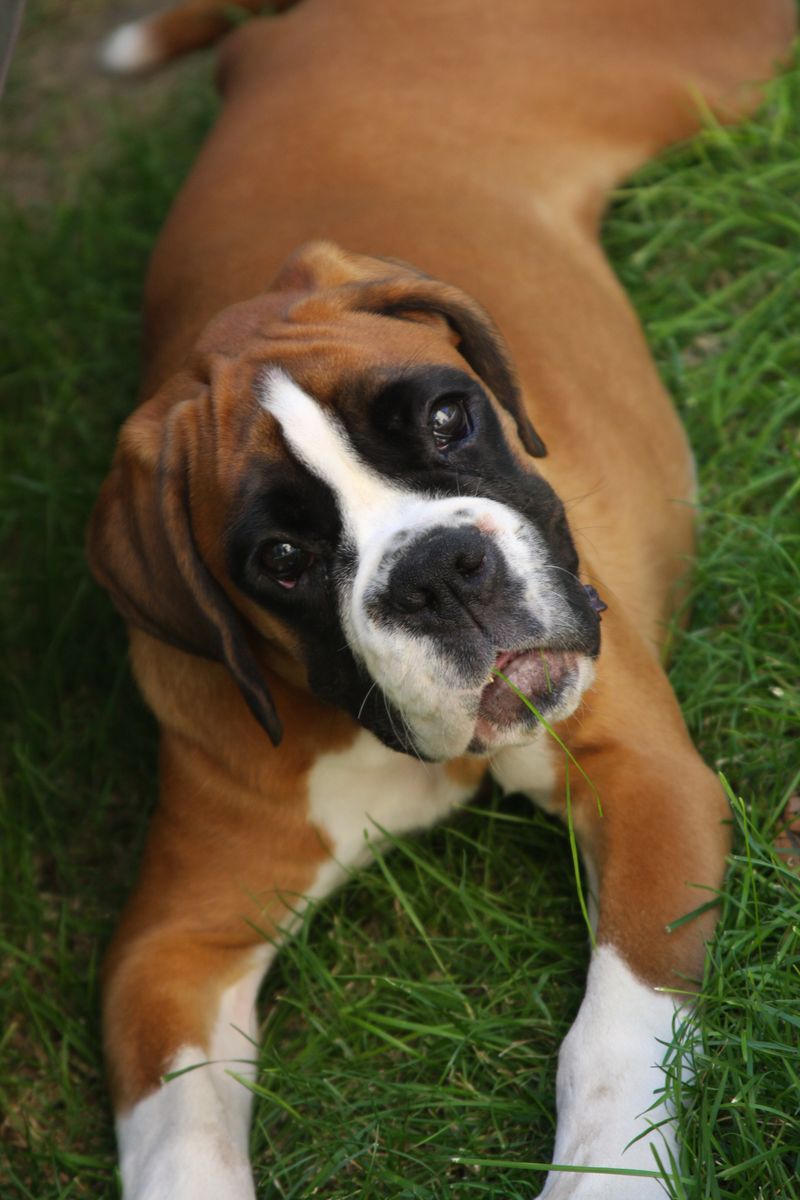
Boxers get mistaken for hyper clowns without manners, but they mature thoughtfully with patience. Originally bred as working guardians, they mix bouncy humor with real sensitivity.
You will see wiggles, play bows, and heartfelt eye contact during training every day.
Because of goofiness, people miss how quickly arousal can flip into frustration. Teach impulse control, scatter feeding, and sniff walks to decompress after exciting events outside.
Calm greetings, structured play, and breaks prevent over the top wrestling with friends around.
Use games for training, like tug with rules, targeting, and nosework in your kitchen often. Short sessions, clear markers, and huge praise keep motivation strong and truly joyful.
At night, that bouncy clown becomes a drooling pillow who snores proudly.
Great Dane
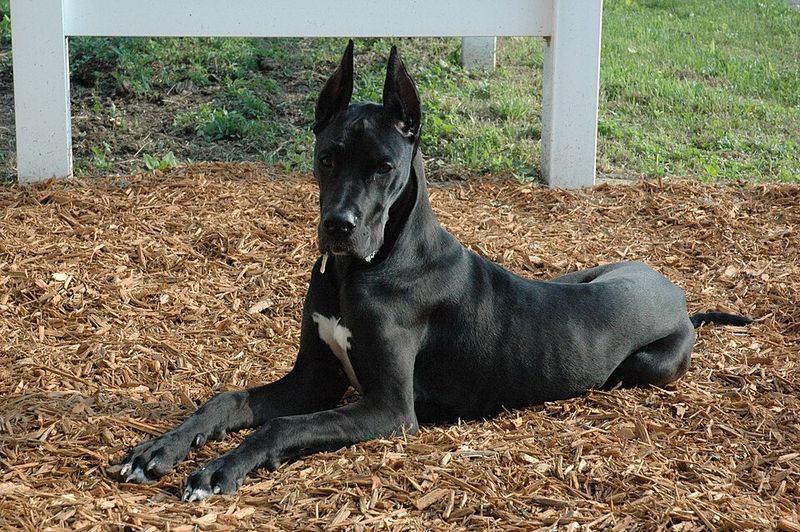
Great Danes look gigantic and serious, but they are gentle, sensitive goofs at heart. Rapid growth and size make management essential, especially during exuberant adolescence and careful footing.
They crave soft beds, kind handling, and steady routines more than dominance.
People misread clumsiness as disobedience, when it is usually weak muscles and timing. Teach body awareness, mat settling, and slow, friendly introductions with rewards and patience always.
Mind the tail and height, since counters are exactly nose level for snacks.
Daily walks, joint supplements, and smart play reduce injuries and build confidence nicely. Harnesses, rugs for traction, and careful stairs protect growing bodies during daily life outside.
Give this sweetheart your sofa sometimes, and you will have a devoted friend.
Dalmatian
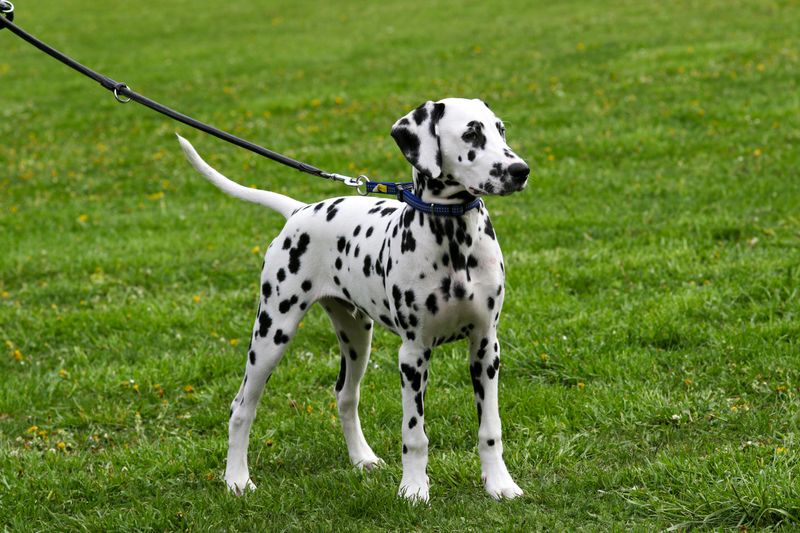
Dalmatians are remembered as spotted movie stars, not as smart workers with stamina. They were carriage escorts and firehouse helpers, built for miles beside horses most days.
Energetic natures need structure, enrichment, and coaching to shine in modern family life.
People confuse them with aloof dogs, but many simply warm slowly to strangers. Early socialization, polite greetings, and calm spaces help build confidence through predictable routines together.
Hearing checks and urinary care matter, given breed specific health tendencies over time.
Channel energy into running, agility, and scent games to avoid mischief after morning coffee. Food puzzles, long sniff walks, and bike attachments can satisfy endurance on weekends.
Reward quiet settling, teach recall early, and you will have a sparkling companion.