
Some dogs are happiest as your shadow, thriving on constant connection, eye contact, and shared routines. Leave them alone too long, and stress can bubble up as barking, chewing, or anxious pacing.
The good news is that small changes to your day can make a huge difference. If you are wondering which breeds struggle most without you, this list will help you plan a happier, calmer life together.
Labrador Retriever
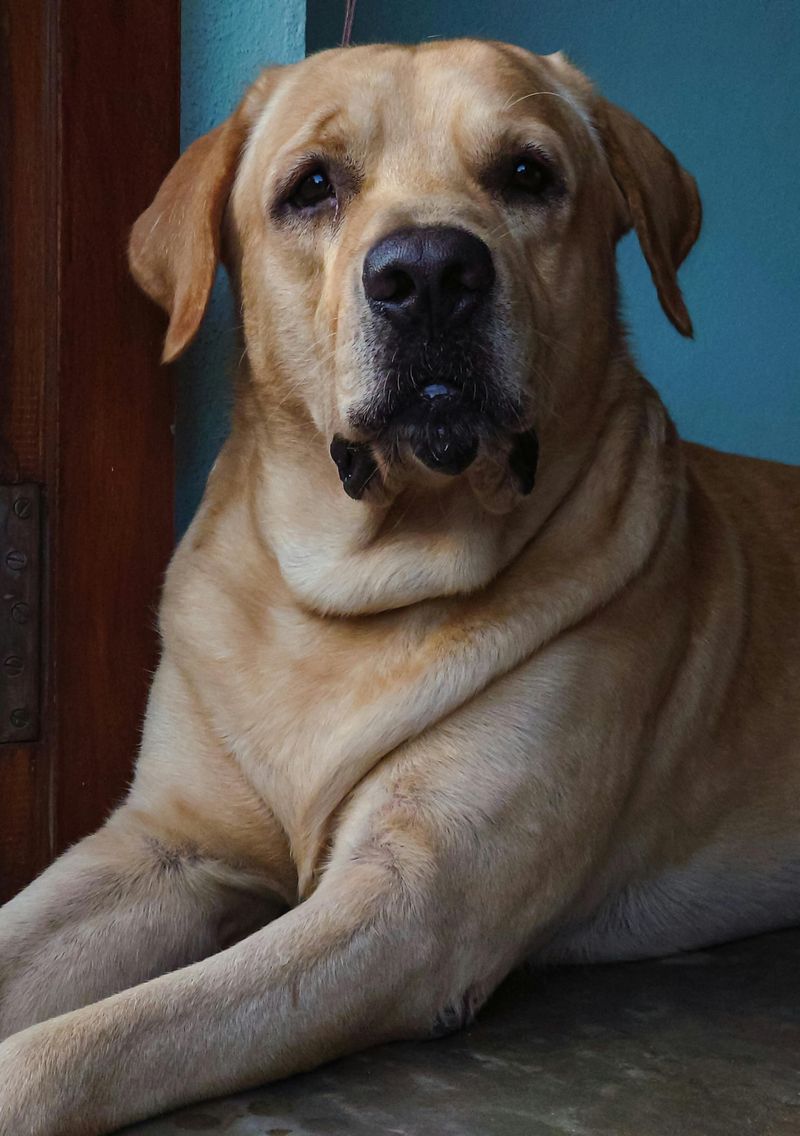
Labrador Retrievers live for your attention and a job to do. Bred to work beside people, they crave interaction, eye contact, and constant feedback.
Leave a Lab alone too long, and you may return to chewed shoes or a soulful pout. Their big hearts make them incredible family companions, yet that same devotion means they struggle with long workdays.
Daily exercise and training sessions help channel their energy.
If you need to step out, offer puzzle feeders, frozen Kongs, or a dog walker. Labs flourish with structure, gentle boundaries, and clear routines.
They do best in homes where someone is present much of the day. When included, they shine as affectionate, eager helpers who simply want to be wherever you are.
Golden Retriever
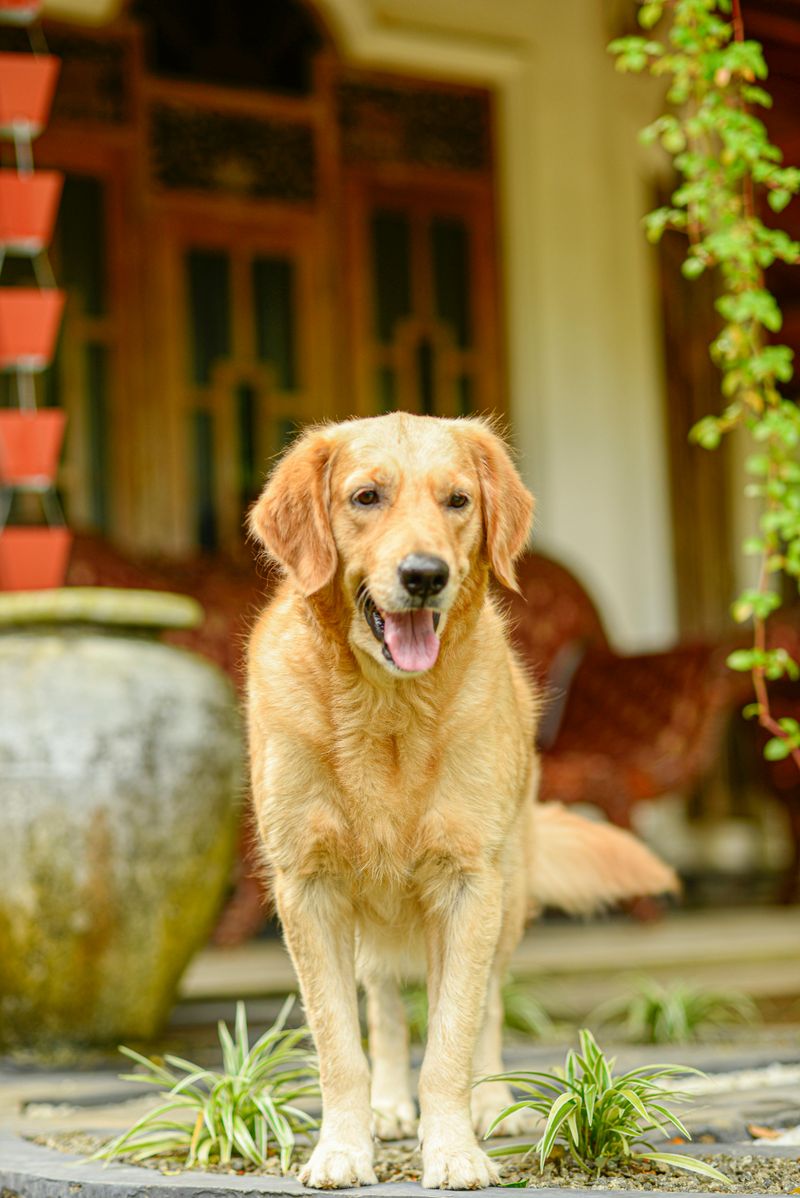
Golden Retrievers thrive on togetherness, sensitivity, and purpose. They read your mood like a book and lean in for reassurance.
Long stretches alone can spark anxious pacing, vocalizing, or door-hovering. Because they bond deeply, they need meaningful engagement, not just background TV.
Training games, nosework, and gentle fetch sessions satisfy their brains and hearts.
When life gets busy, schedule doggy daycare or playdates with balanced friends. Provide chew options and calm music to soften departures.
Goldens excel with predictable routines, soft praise, and tasks like carrying the mail. They are happiest shadowing you from room to room, ready to help.
Include them in daily rituals, and watch their sunny spirit glow. Short training refreshers throughout the day keep them centered.
Border Collie
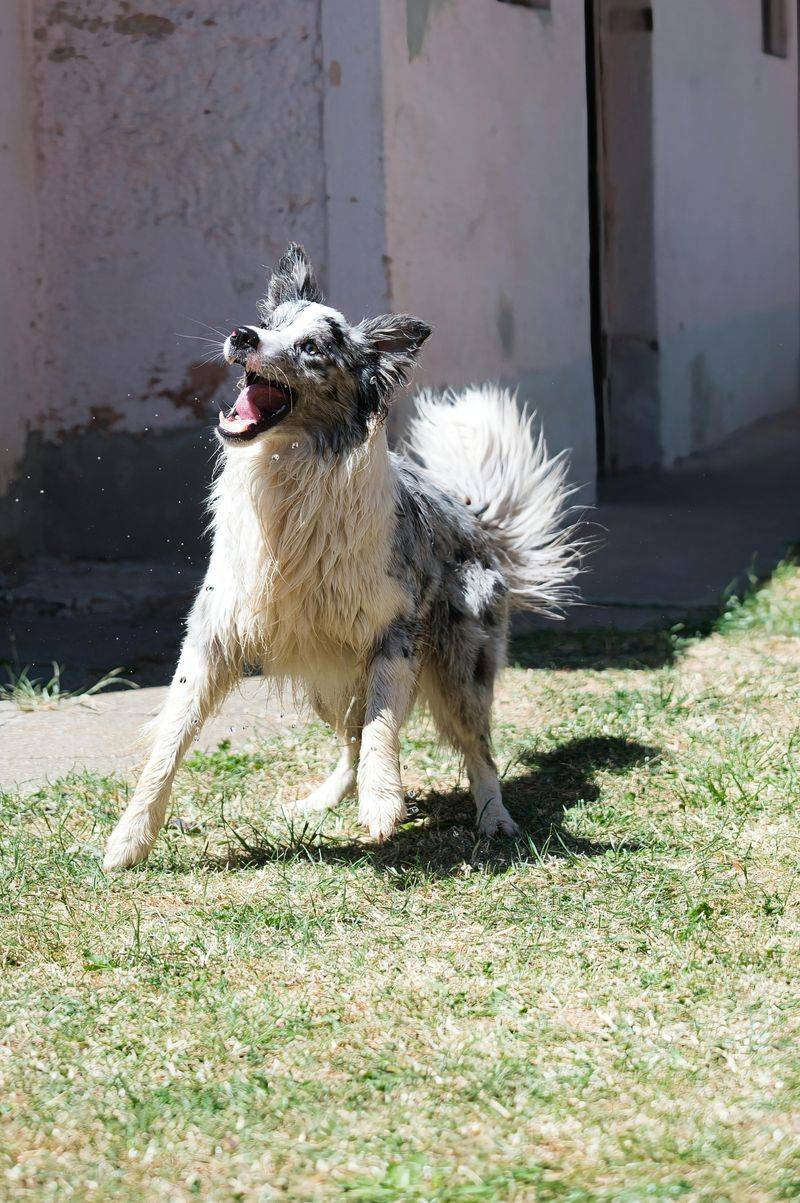
Border Collies are brilliant, intense, and endlessly people-focused. Without purposeful activity beside you, their minds race toward mischief.
Many will herd kids, cats, or even shadows when boredom strikes. They crave eye contact, direction, and frequent check-ins, which makes solo time especially hard.
Mental workouts matter as much as physical mileage every single day.
Rotate trick training, scent puzzles, and impulse-control games to satisfy their drive. If you work long hours, arrange walkers or sport classes that build partnership.
Agility, herding lessons, or urban mushing give them jobs that feel important. Clear boundaries prevent nipping habits born from frustration.
Meet their need to collaborate, and you will enjoy a dazzling, loyal teammate. Daily decompression walks help, too.
German Shepherd
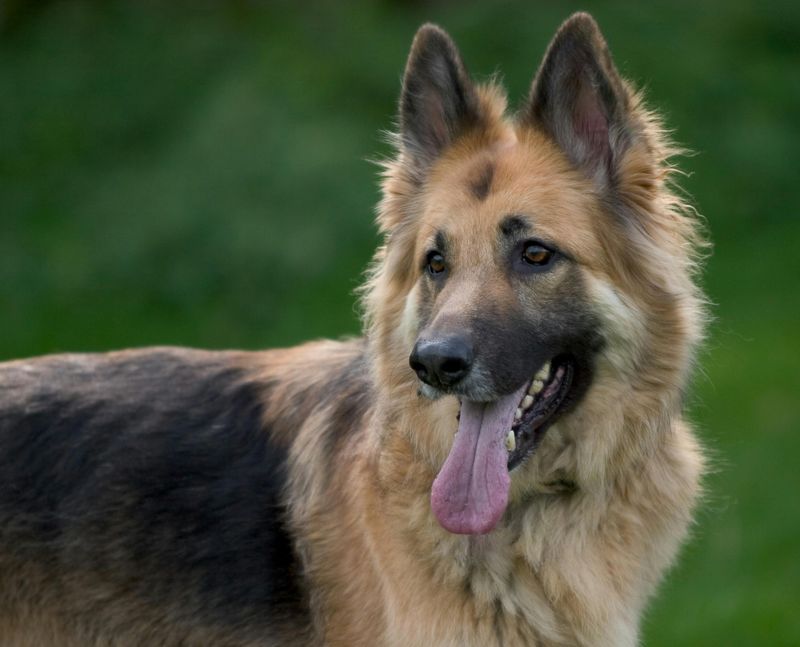
German Shepherds bond intensely and take their guardianship role seriously. When separated too long, they fret over the household they cannot monitor.
That worry can morph into pacing, whining, or destructive stress relief. These dogs flourish when given clear jobs and frequent contact.
Training that emphasizes obedience, scent work, and calm neutrality builds confidence.
Plan structured exercise in the morning and connection breaks during the day. Offer durable chews, place training, and supervised yard time to reduce anxiety.
If schedules run long, hire a walker who understands their sensitivity. Shepherds relax when communication is consistent and fair.
Give them purpose, keep them close, and you will discover a steadfast, deeply devoted shadow. Quiet scent games at home help.
Australian Shepherd
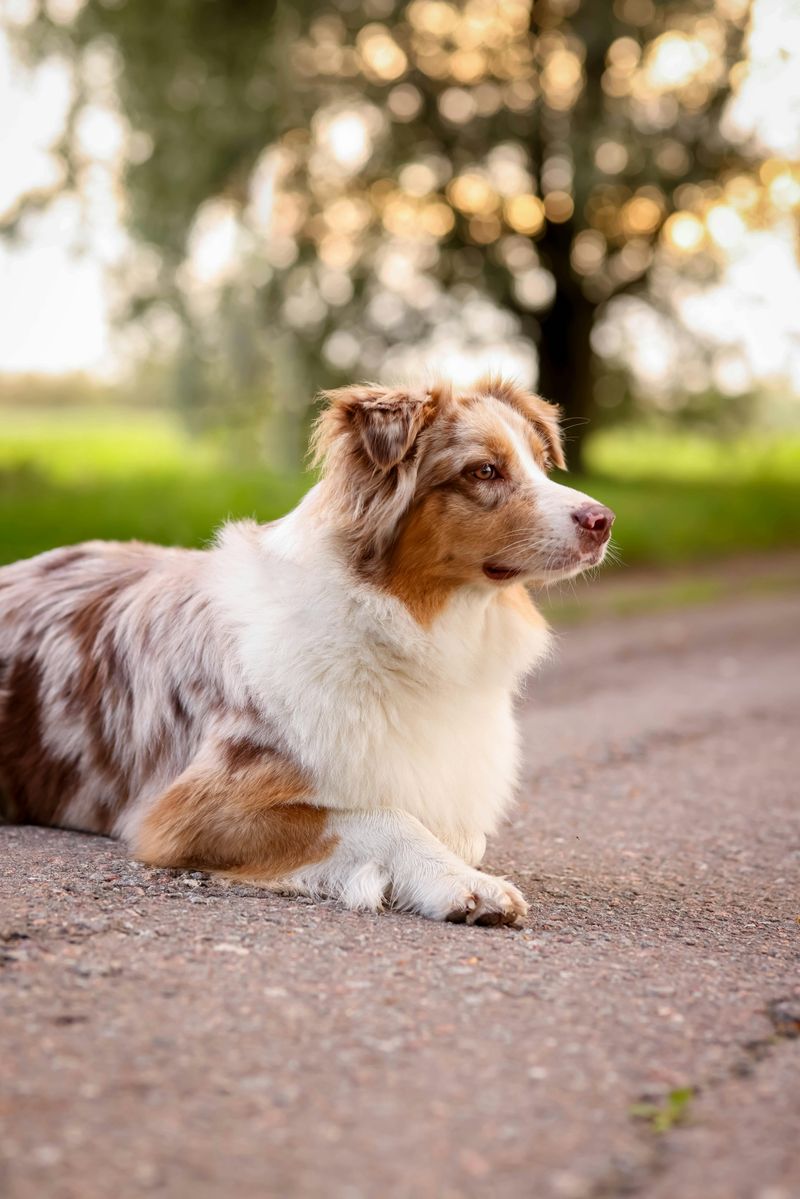
Australian Shepherds are velcro-smart and motion obsessed. They want to clock miles by your side, then puzzle-solve on the rug.
Too much alone time quickly turns into self-assigned projects like herding doorways or reorganizing cushions. They watch everything, waiting for cues from you.
Without guidance, they invent chaos to burn anxious energy.
Channel that vigor with trick chains, frisbee, and structured hikes. Sprinkle engagement throughout the day with mini training bursts and settle practice.
If you commute, line up walkers or dog sports to maintain connection. Clear routines, exercise before departures, and satisfying chews make good choices easier.
Keep them included, and they will reward you with tireless partnership and sparkling enthusiasm. Calm decompression sniffing rounds everything out.
Vizsla
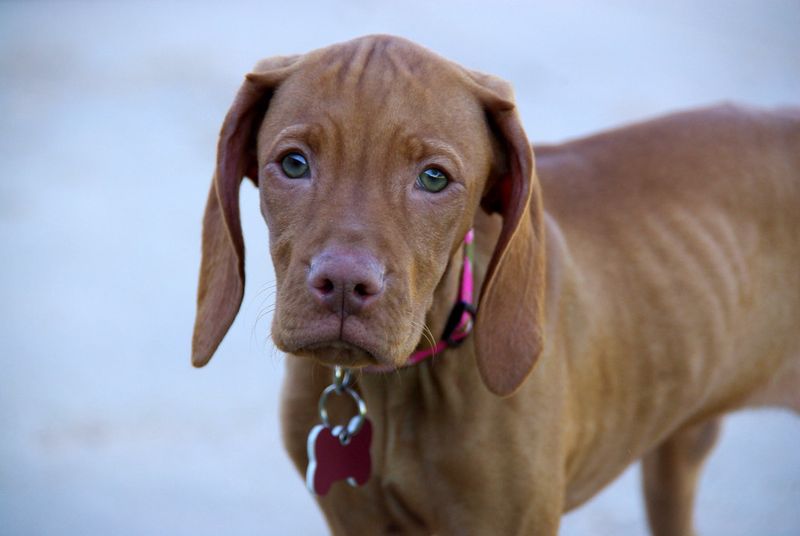
Vizslas are famously clingy, nicknamed velcro dogs for good reason. They bond like magnets and wilt without frequent touch.
Leave a Vizsla solo, and you might hear mournful singing or find frantic digging. Their athletic bodies and soft hearts both require connection.
Gentle training, steady routines, and lots of snuggling keep them grounded.
Plan daily runs, field games, and recall drills that strengthen your partnership. When errands call, provide cozy crates, safe chews, and a familiar blanket with your scent.
Dog sitters or daycare can bridge longer gaps. Keep departures low-key and reunions calm to reduce spikes of emotion.
Give them presence and purpose, and a Vizsla will glow with affectionate, joyful dedication. Quiet cuddle breaks help reset.
Cavalier King Charles Spaniel
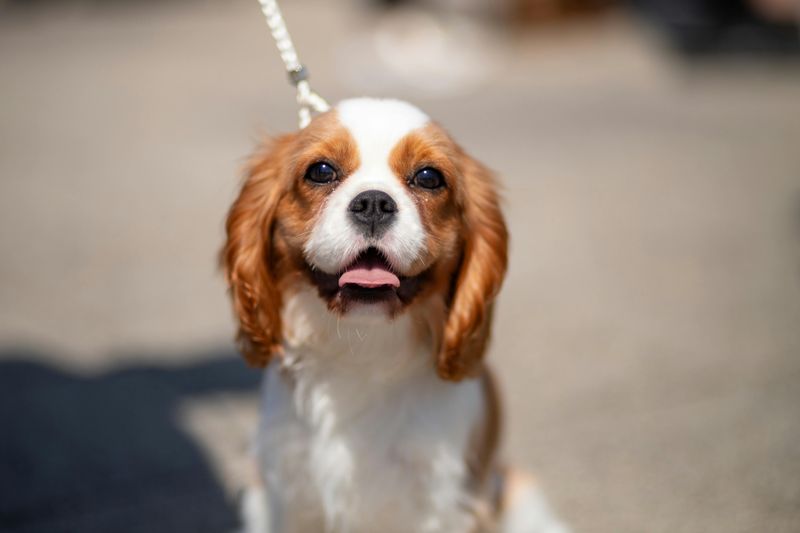
Cavalier King Charles Spaniels were bred to warm laps and hearts. They crave closeness, soft voices, and gentle routines.
Too much solitude can bring worry nibbling, bathroom accidents, or clingy rebounds when you return. These tender souls need calm company as much as play.
Short, sweet training sessions keep confidence blooming.
Arrange window perches, cozy beds near your desk, and soothing background sound. If you must leave, offer snuffle mats and a safe gated space.
Regular grooming touch becomes bonding time that eases separation. Cavaliers thrive with predictable schedules and kindly boundaries.
Give them consistent presence, and their affectionate sparkle turns every quiet moment into comfort for you both. Gentle playdates add reassurance.
Often. Truly.
Bichon Frise
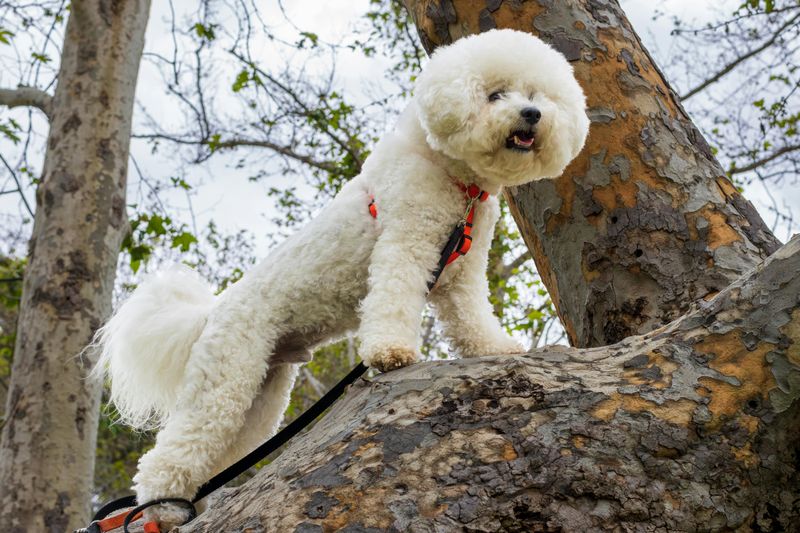
Bichon Frises are cheerful charmers who attach quickly and dislike being alone. Their people-oriented nature makes isolation feel confusing and sad.
You might see barking, scratching at doors, or velcro-following when you return. They blossom with steady attention and upbeat, positive training.
Think frequent check-ins, not marathon sessions.
Set up cozy rest spots in rooms you use most, so they feel included. Before departures, tire them gently with sniffy walks and scatter feeding.
If work runs long, a sitter or neighbor drop-in can preserve harmony. Teach independence with mat training, then reward calm.
With predictable routines, affectionate touch, and playful breaks, a Bichon will sparkle with confident joy beside you. Background music helps soothe transitions.
Havanese
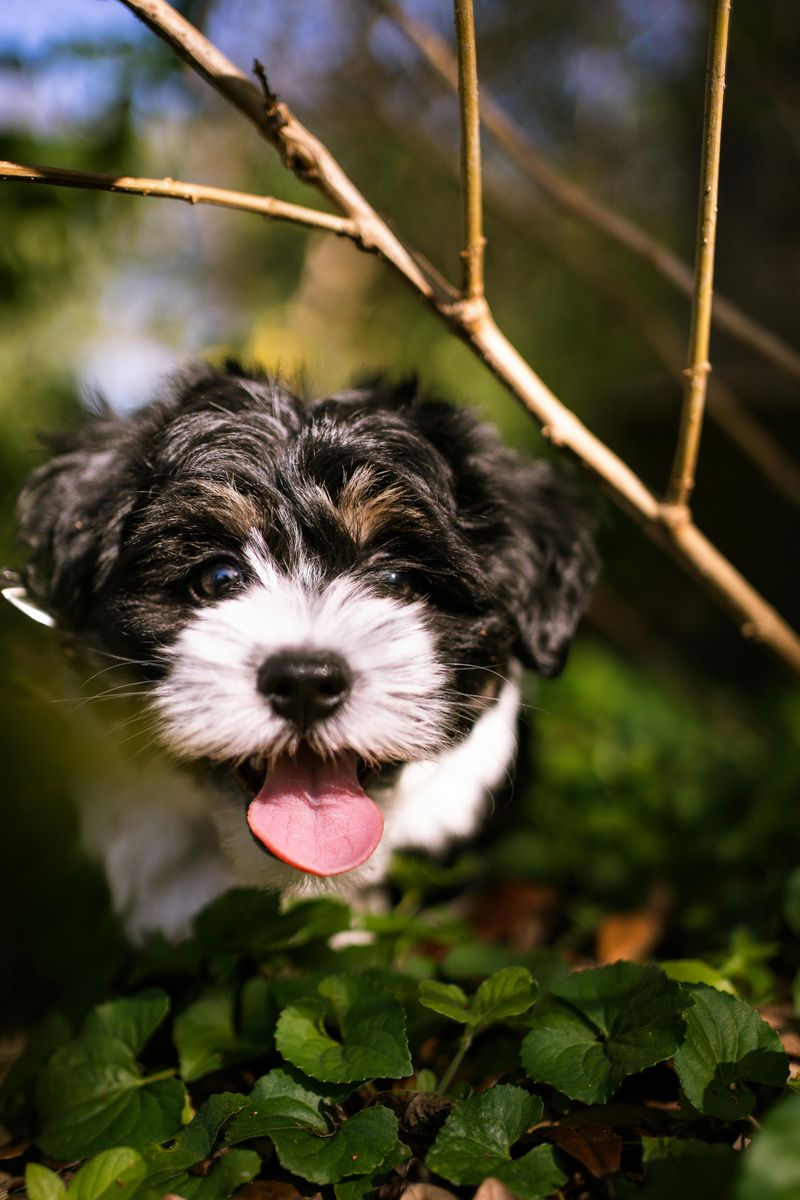
Havanese are social butterflies built to hang with people all day. They shadow you quietly, then burst into comedic zoomies when invited.
Long separations can spark anxious barking or bathroom mishaps. Because they thrive on conversation and eye contact, lonely hours weigh heavily.
Gentle guidance and frequent connection keep them steady.
Create a routine of short training games, window watching, and calm snuggle breaks. Use food puzzles and foraging boxes before you leave.
If needed, coordinate neighbors or sitters for midday companionship. Keep greetings low-key and reward relaxed behavior.
With kind structure, mental outlets, and lots of presence, a Havanese becomes a confident, affectionate partner who brightens every ordinary day. Soothing music can ease transitions.
Italian Greyhound
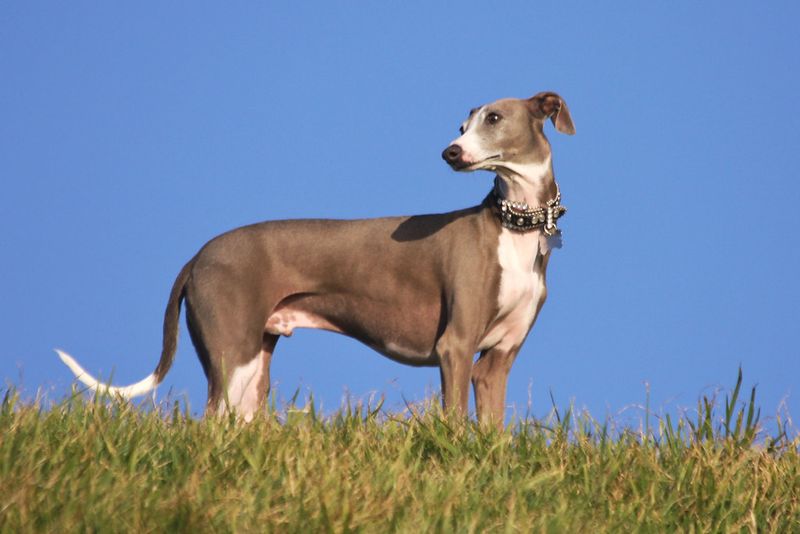
Italian Greyhounds are sensitive sprites who bond fiercely to their person. They crave warmth, soft beds, and reassuring touch.
Alone too long, they may tremble, yodel, or redecorate tissues in protest. Because they dislike cold, isolation can feel extra harsh.
Gentle desensitization to departures makes a huge difference.
Build confidence with tiny independence reps, like settling on a mat across the room. Offer sweaters, sun patches, and cozy crates near your workspace.
Schedule potty breaks often, then reward calm reentries. If your schedule stretches, recruit a patient sitter who understands their delicate vibe.
With kindness, routine, and frequent cuddles, an Italian Greyhound becomes a devoted, elegant companion who simply wants to be near you. Gentle play keeps spirits light.
Poodle
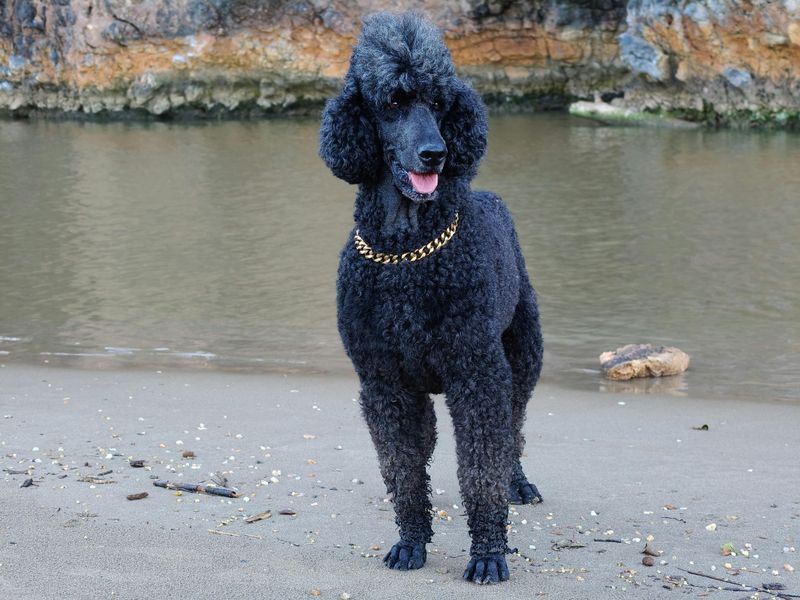
Poodles are brilliant, people-centric athletes who notice everything. Their minds and bodies both demand outlets, preferably alongside you.
Left without guidance, a Poodle may invent routines, vocalize, or micromanage the household. They thrive on problem-solving and collaborative training.
Short, upbeat lessons sprinkled through the day work wonders.
Commit to daily exercise, nose games, and grooming rituals that double as bonding time. Rotate trick chains, retrieve, and shaping games to feed their curiosity.
If absences are necessary, prepare frozen chews and plan a midday visit. Clear expectations, kindness, and humor keep them relaxed.
Meet their need for partnership, and a Poodle will mirror your energy with sparkling, affectionate focus. Calm decompression walks seal the day.
Beautifully.
Cocker Spaniel
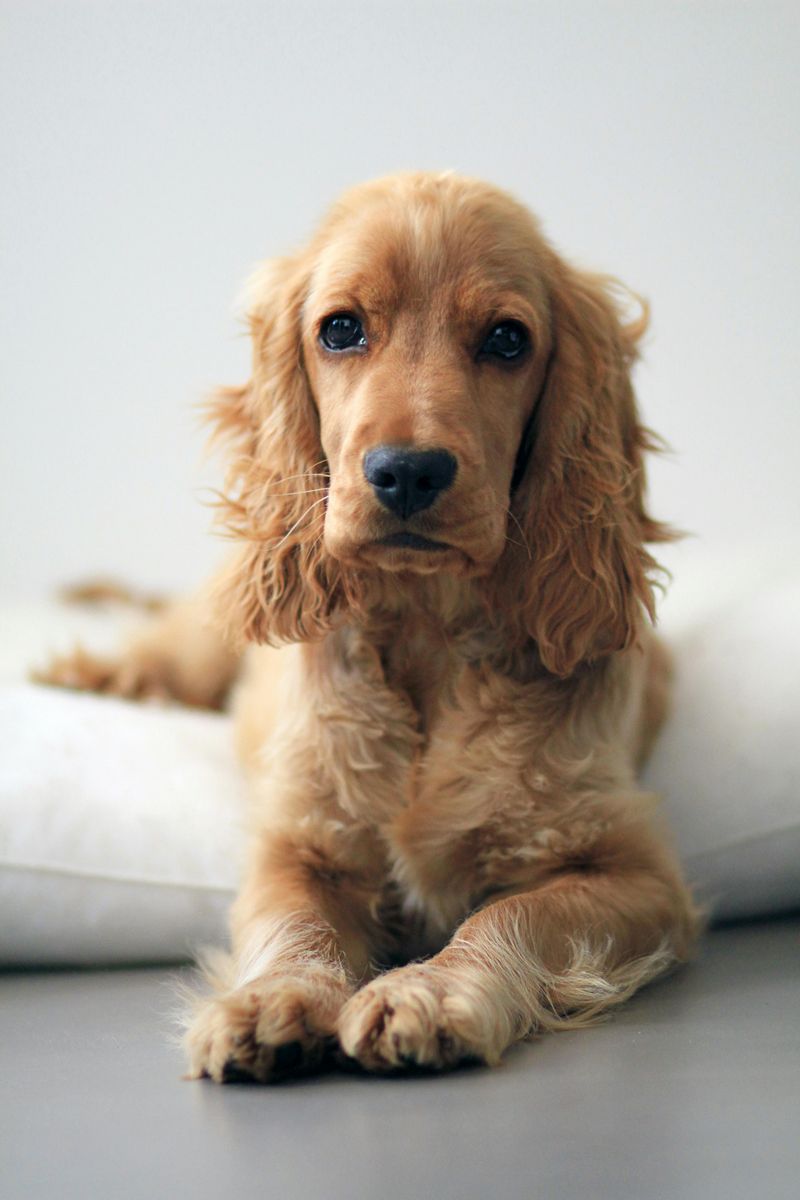
Cocker Spaniels are tender-hearted companions who bloom with steady affection. They look to you for reassurance and clear direction.
Long isolations can spark whining, door-scratching, or over-grooming. Because they read emotions closely, tense goodbyes make separation harder.
Keep transitions smooth and predictable.
Build confidence with nosework, fetch, and easy trick sessions that earn gentle praise. Place training and cozy crates near your desk let them nap while feeling included.
If hours stretch, schedule walks or a friendly neighbor visit. Maintain grooming as soothing touch rather than a chore.
Given presence, patience, and playful breaks, a Cocker becomes a merry shadow, eager to curl up wherever you settle. Soft music and window views help them relax.
Doberman Pinscher
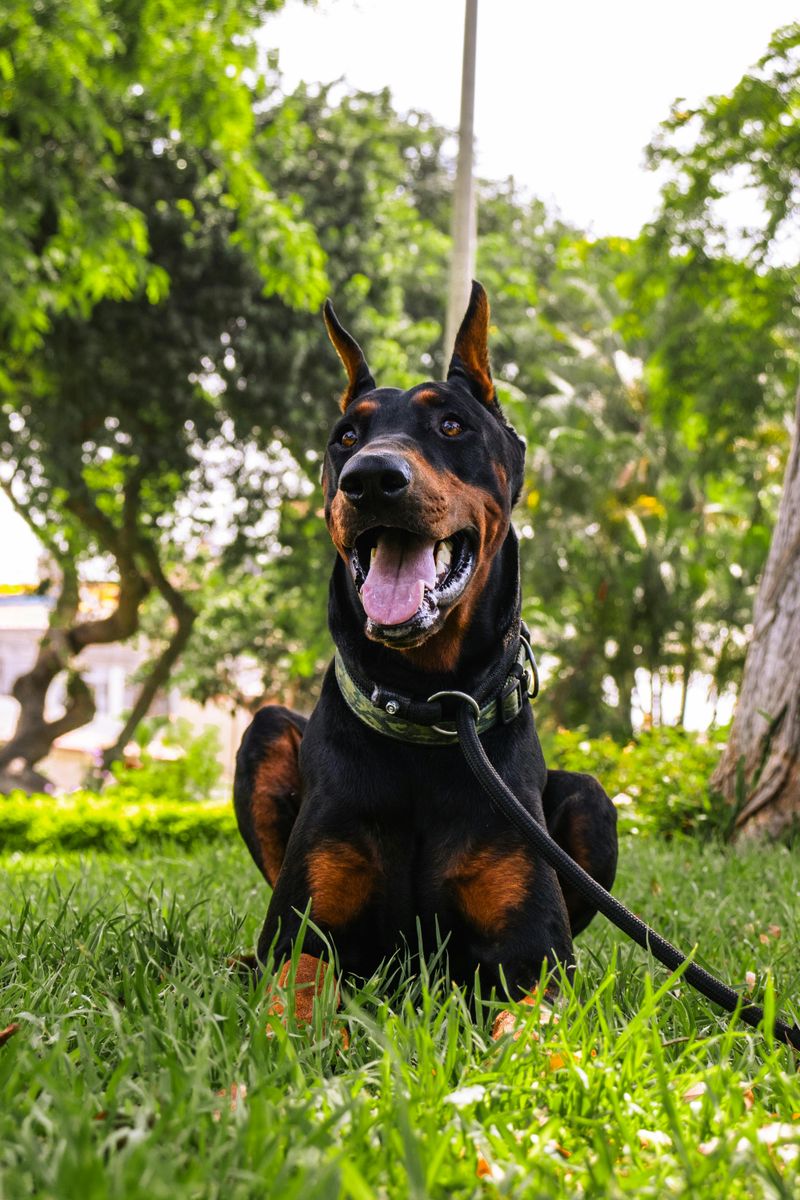
Doberman Pinschers form laser-focused bonds and feel responsible for your safety. Too much time alone without a plan can create stress behavior.
They need structure, clarity, and frequent communication to settle. Obedience, tracking, and impulse-control games channel their intensity.
Calm leadership and affection keep anxiety from brewing.
Schedule purposeful exercise, then practice deep relaxation on a mat. Rotate food puzzles, durable chews, and scent tasks before departures.
If your hours run long, a trusted walker offers reassurance and monitoring. Keep expectations consistent so they do not second-guess every sound.
When their need to connect is honored, a Doberman becomes a steady, loving guardian who happily lounges once you are home. Quiet cuddle time seals the bond.