
Dogs notice the tiny shifts you barely register, from your scent to your breathing to the way you move. If your pup has been acting differently, it might be their way of waving a red flag for your wellbeing.
You do not need to panic, but you should pay attention. Here are the subtle signs your dog is picking up on something you might be missing.
Staying unusually close
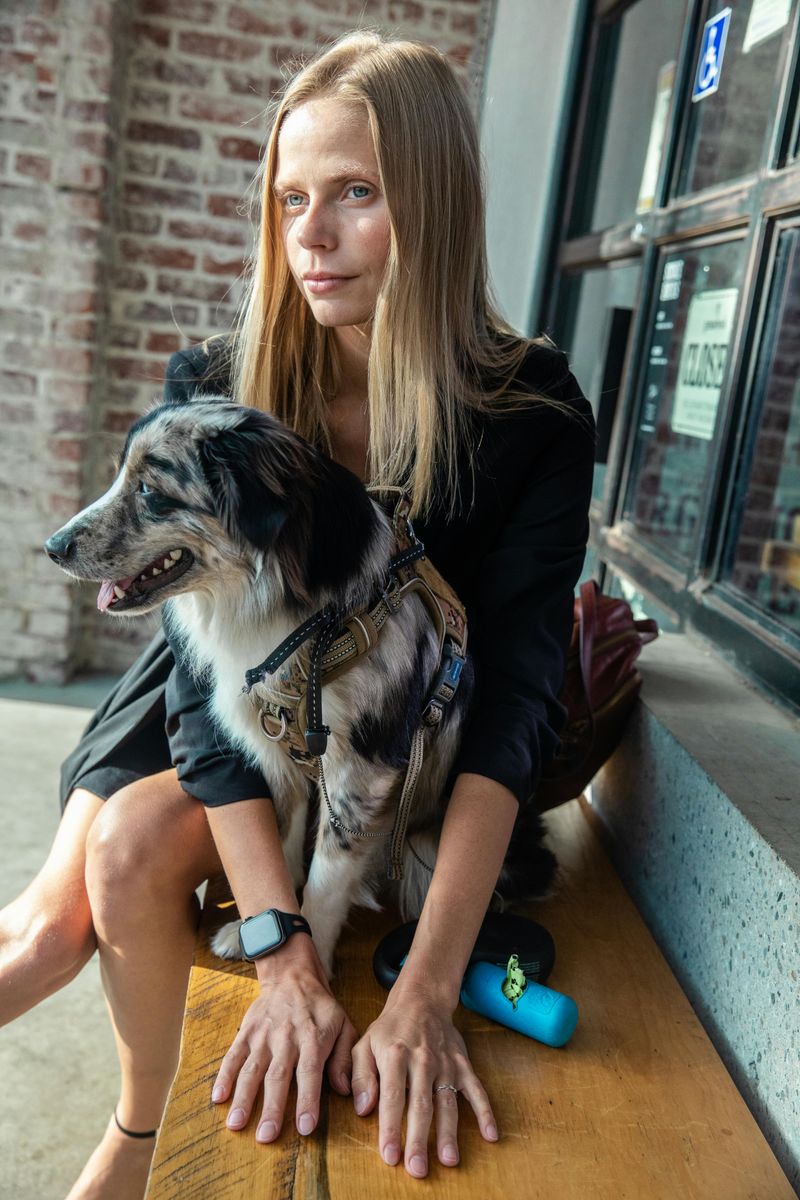
When your dog shadows your every step, it is not just clinginess. Dogs read micro-changes in scent, breathing, and posture, and staying glued to you can signal they sense discomfort or emotional strain.
That magnetic closeness is a protective behavior, like they are quietly posting themselves on watch.
If you suddenly notice the tail gently tucked, soft whining, or them leaning into your legs, treat it like a wellness nudge. Check your hydration, blood sugar, and stress load, and consider booking a checkup if something feels off.
Offer calm reassurance, slow your pace, and give them a quiet spot near you so they can keep monitoring without feeling responsible for fixing everything. Then thank them with extra gentle, predictable routines.
Resting their head on you
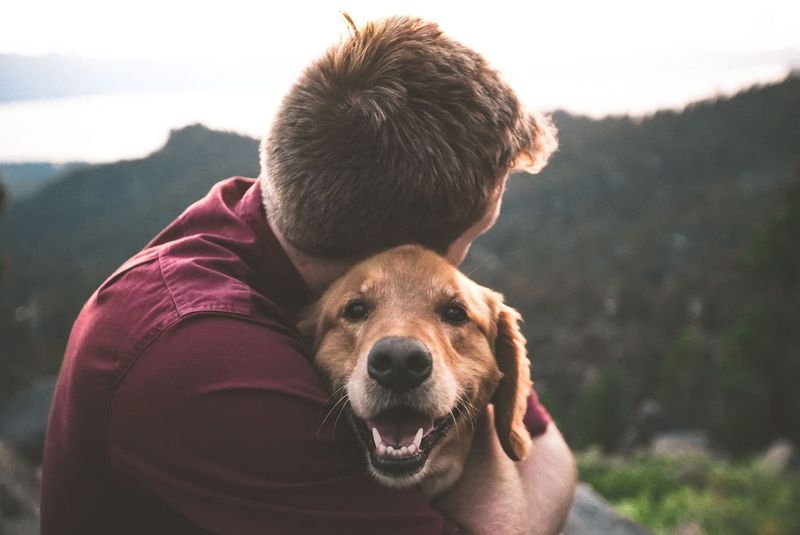
That soft head parked on your knee is not random affection. Head resting lets dogs feel your pulse, temperature, and breath, gathering data the way a stethoscope might.
When they settle there longer than usual, they could be flagging pain, dizziness, or a mood dip you have been brushing aside.
Notice if their eyes half-close, ears relax, and breathing syncs with yours. Try a brief body scan, sip water, and take three slow belly breaths while letting them stay.
If you feel faint or chest tight, call a professional, and keep your dog calm with a steady voice and slow petting so they do not escalate worry into pacing or alert barking. Thank them afterward with cuddles and predictable downtime.
Following you from room to room
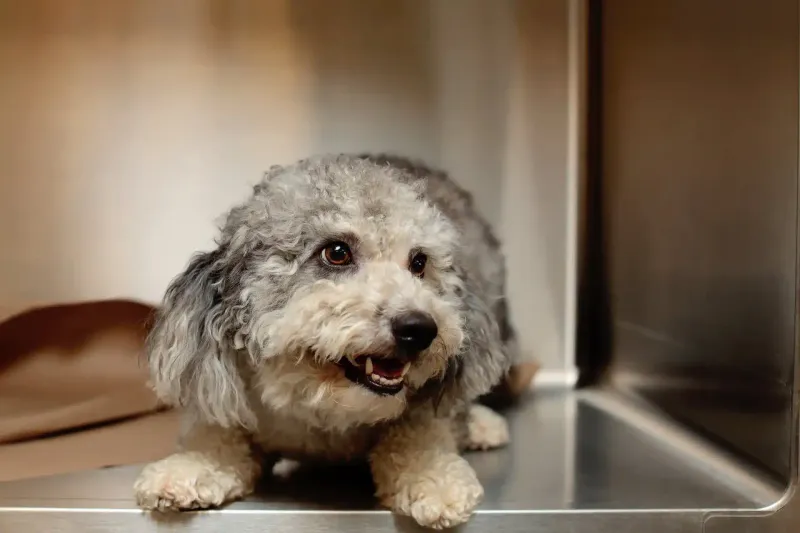
When your dog becomes your hallway shadow, something about you is pulling their attention. Dogs are pattern masters, and sudden tracking behavior often means they noticed changes in gait, bathroom frequency, or the way you pause before standing.
They follow to keep line-of-sight checks, like a living wellness reminder.
Glance at basics first: sleep debt, hydration, medication timing, and recent stress spikes. Try moving slowly, narrate what you are doing, and give them a settle-mat in each room so they can supervise without tension.
If the following escalates into panting or pawing, consider contacting your clinician, and schedule a decompression walk for your dog to release that pent-up concern. Offer chews, gentle sniff time, and calm praise between transitions too.
Licking your hands or face
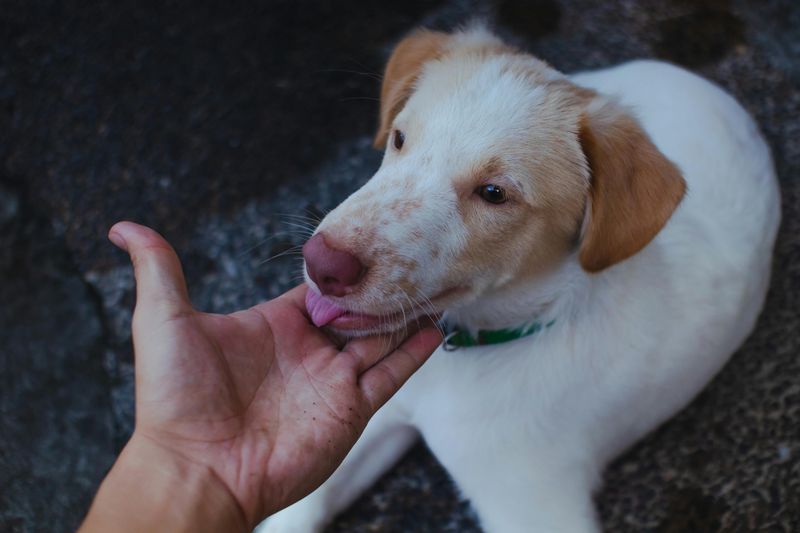
Excess licking can be a comfort ritual and a diagnostic probe rolled together. Your skin changes odor with hormones, glucose, and stress chemistry, and dogs taste those shifts while trying to soothe you.
If the licking is new or focused on one spot, they might be flagging localized pain or anxiety.
Pause and check that area, hydrate, and breathe slowly through the nose for a minute. Redirect gently with a lick mat or frozen broth cube, and see whether the behavior eases as you settle.
Persistent, frantic licking plus restlessness deserves a health call for you, while you also give your dog a calm corner, steady strokes, and a predictable routine to reduce shared tension. Thank them for the alert.
Becoming quieter than usual
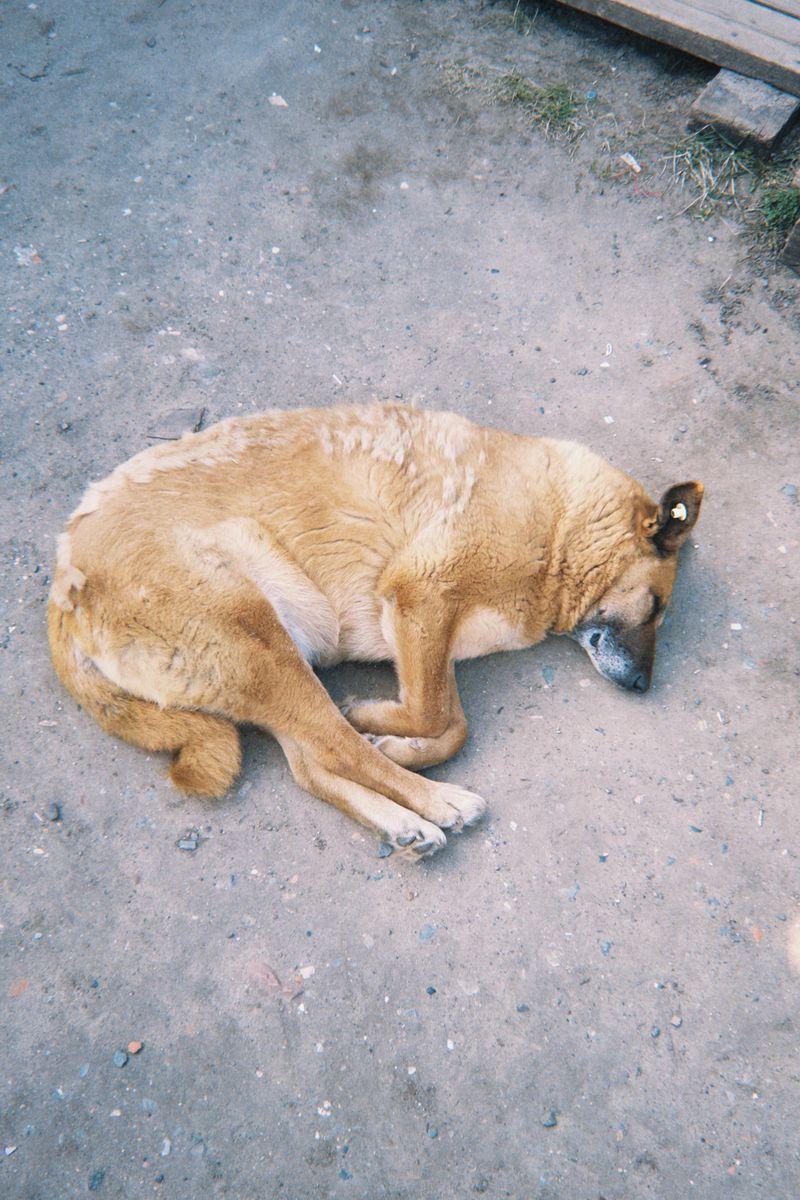
A suddenly hushed dog can speak volumes if you listen closely. When a typically vocal pup falls silent, they may be conserving energy to stay near, or responding to the low energy they sense from you.
That quiet can mirror your mood or hint that they smell inflammation, fatigue, or grief.
Check basics like temperature, hydration, appetite, and whether you have been withdrawing. Offer a soft routine reset: a short walk, gentle play, then a restful cuddle.
Keep your voice warm and steady, invite them onto a comfy mat, and give yourself ten minutes of mindful breathing. If your own symptoms persist or worsen, call a clinician and let your dog keep comfortable watch.
Your calm helps them feel safe.
Watching you closely
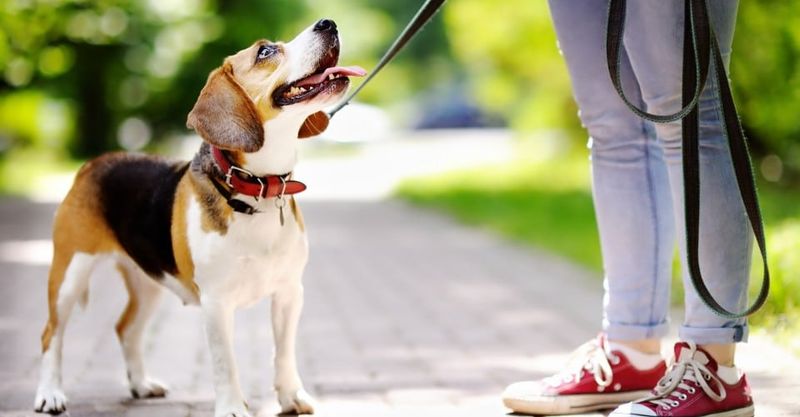
The intense stare is not rudeness. It is data collection, a quiet scan for cues in your face color, blinking rate, and micro-expressions that predict how you are doing.
When the gaze holds longer than normal, your dog may be clocking pain signals or mood shifts you have not noticed yet.
Do a quick systems check: hunger, thirst, lightheadedness, and any new aches. Speak softly, blink slowly, and reward the calm watch with a treat for settling on a mat.
If their stare turns to pacing or pawing, address your own needs first, then message a professional if red flags persist. Later, add predictable routines so your dog does not feel obligated to run constant health surveillance.
You are heard.
Bringing you toys
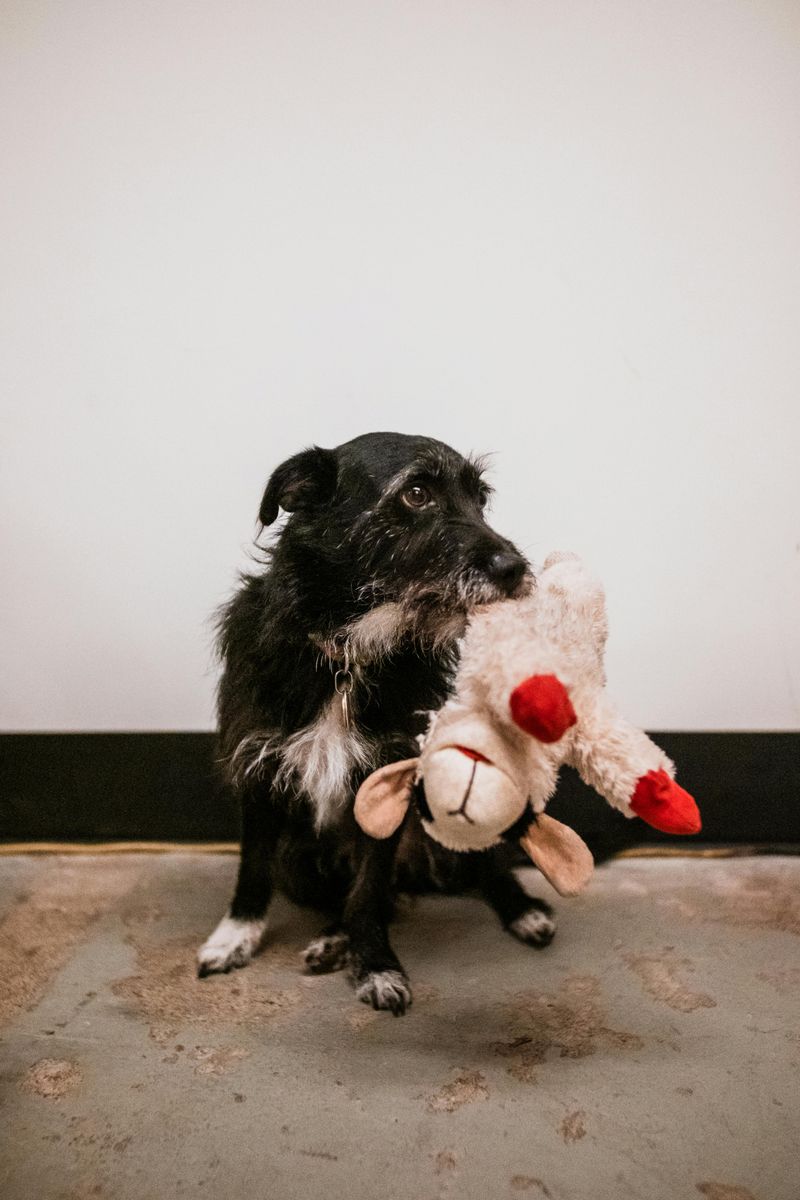
When your dog delivers toys like small offerings, it can be more than play. They might be attempting to interrupt rumination, nudge movement, or swap your discomfort with a game that regulates breathing and heart rate.
It is their way of saying, please engage, because activity might steady both of us.
Say thank you, toss gently, then pause and check how you feel. If the toy delivery persists, schedule a short fetch, then a calm settle on a mat while you hydrate and stretch.
Notice whether pain eases or mood lifts. If you feel worse, stop, call your clinician, and reward your helper with a chew to relieve that caregiving tension.
Your play together can reset nervous systems surprisingly fast.
Reacting to your tone
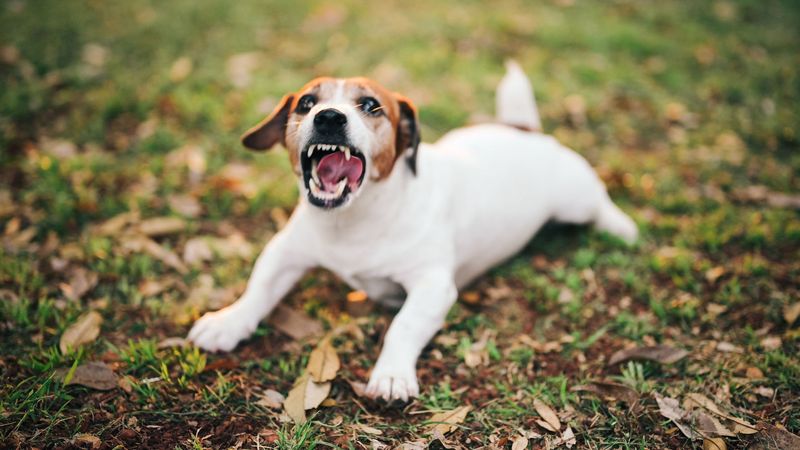
Dogs are tone experts who hear meaning beyond words. A sharper edge, flatness, or shaky laugh can ping their nervous system and make them alert, clingy, or unsettled.
If your voice sounds different and they start pacing or yawning, they may be mirroring the strain you are carrying.
Try softening your cadence, lowering volume, and lengthening exhale by a count of six. Narrate your next steps, then give a familiar cue like place to restore predictability.
If you cannot steady your tone, take five minutes for breathing, water, and a snack, and call support if symptoms worry you. Praise your dog for checking in, and give a comfy station near you.
Consistency helps their nervous system downshift with yours today.
Refusing to leave your side
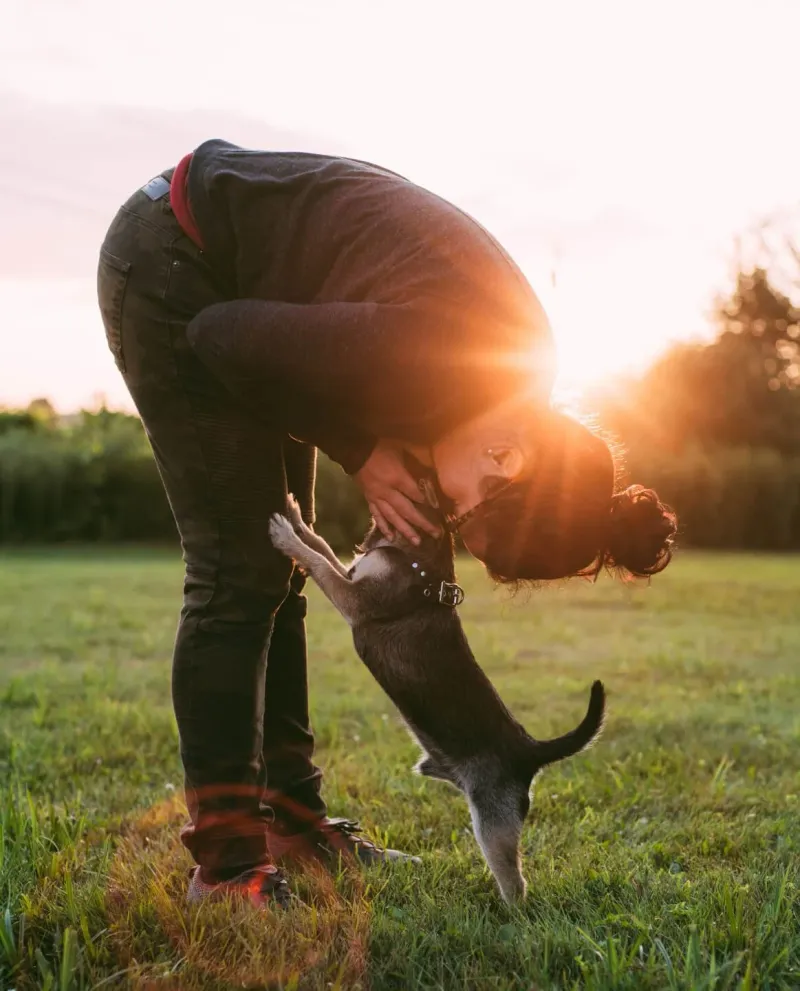
When a dog plants themselves beside you and will not budge, take it seriously. That steadfast position can be a guardian stance triggered by changes in your scent, balance, or breathing pattern.
They are choosing proximity over everything else, which often means your body is broadcasting a need.
Check for dizziness, pain, chills, or unusual fatigue, and call help if anything spikes. Sit, sip water, and breathe low and slow until the nervous system settles.
Let your dog stay parked, offer gentle strokes, and speak in an even voice so they do not absorb extra stress. Later, debrief with your clinician and thank your four-legged sentinel for the life-saving insistence.
Your gratitude reinforces their caring vigilance for future moments too.