
Your dog is listening more closely than you think, and the proof is hiding in everyday words. Say one tiny cue and watch a tail wag, ears perk, or paws freeze like magic.
With a few tweaks, those moments become reliable, joyful habits you can count on anywhere. Ready to see which words already mean the world to your pup and how to use them better today?
Sit
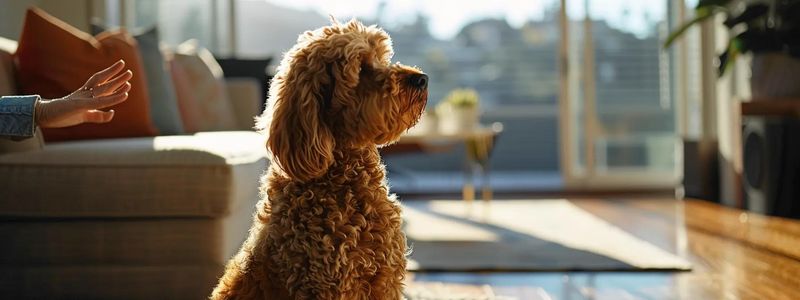
Sit is often your dog’s first victory, and it teaches impulse control. Dogs pair the sound of sit with a clear motion cue, like your hand rising.
If timing is crisp, they learn that bottom on floor brings attention and rewards.
Keep your voice calm and consistent, and avoid repeating the cue. Lure once, then fade the treat so the word keeps its meaning.
In busy spaces, ask for sit before doors, crosswalks, or greeting friends to prevent jumping and chaos.
Refresh the cue at home with quick, fun reps, five at a time. Reward the first fast response to build speed and enthusiasm.
If your dog hovers or half sits, step slightly forward, reset, and make the next success easy and highly paid.
Stay
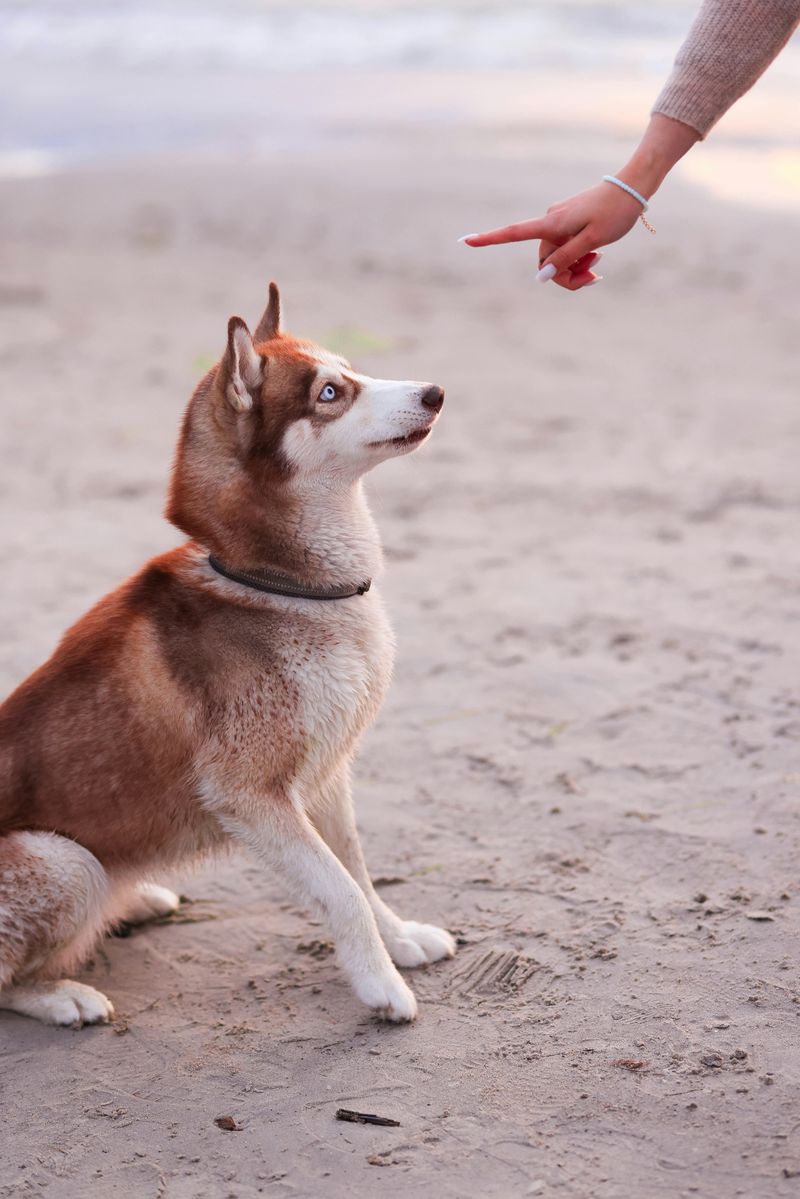
Stay tells your dog to hold a position until released, not forever, just long enough. Dogs understand patterns, so your still body, palm signal, and tone matter.
Start with one second, one step back, then build distance, duration, and distractions separately.
Release words like free or ok are part of the deal. Without them, your dog guesses when to move and the cue gets messy.
Pay generously at first, then randomize rewards so staying becomes a habit, even when the picnic chicken appears.
Practice on mats, at curbs, and before meals to make context clear. Keep sessions short, end on a win, and avoid repeating the cue.
If your dog creeps forward, quietly return them, shorten the challenge, and reward the next crisp, confident hold.
Come
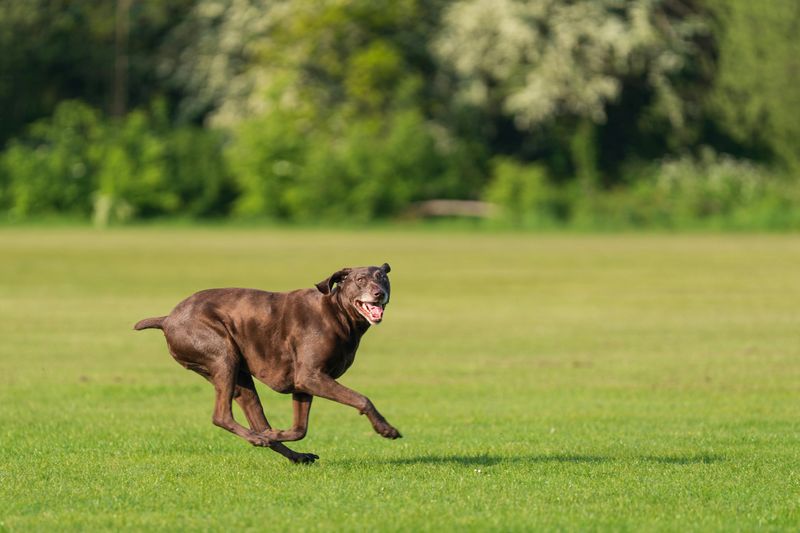
Come should feel like a jackpot every time your dog hears it. The word cuts through distractions and promises safety, fun, and big pay.
Start on a long line, say come once, then move away happily so your dog races toward you.
Grab a collar gently, feed several treats in a row, and release back to sniffing. That return to freedom keeps recalls strong.
If you only call to end the party, your dog notices, so sprinkle recall games during walks and backyard adventures.
Change direction, hide behind a tree, or kneel to spark speed. Use high value food, toys, or a goofy voice when needed.
Practice with friends so your dog learns coming pays, no matter who yells the magic word across the park.
No
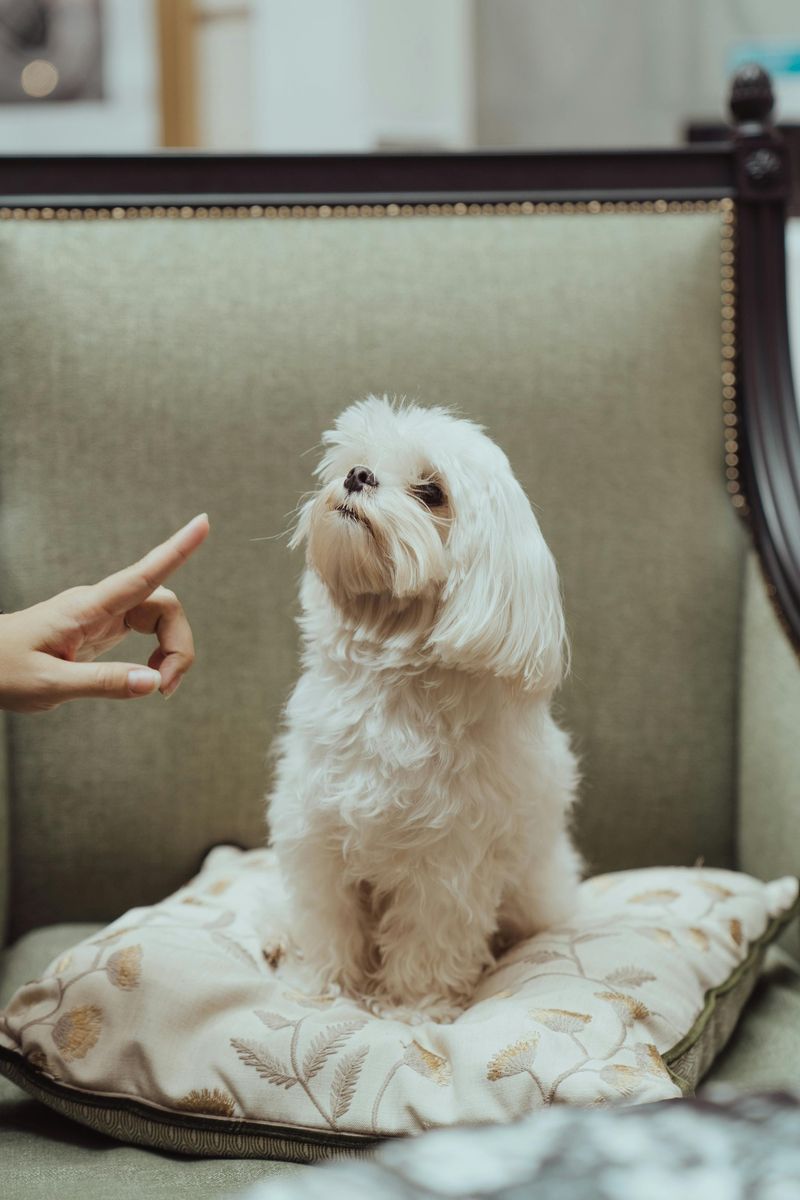
No is overused, but your dog knows it means stop that behavior right now. Without guidance, though, no becomes noise.
Pair the word with an immediate alternative, like drop it, leave it, or go to mat, so your dog has a clear choice.
Change the environment to help. Block access, pick up tempting socks, or clip on a leash before practice.
Then mark the wanted behavior with yes or good, and pay it. Soon your dog hears no and looks to you for the next step.
Keep your tone steady, not angry, because fear blocks learning. If no gets louder, switch to training the opposite behavior and reward generously.
Consistency teaches faster than volume, and your dog will respond because rules lead to something better.
Good
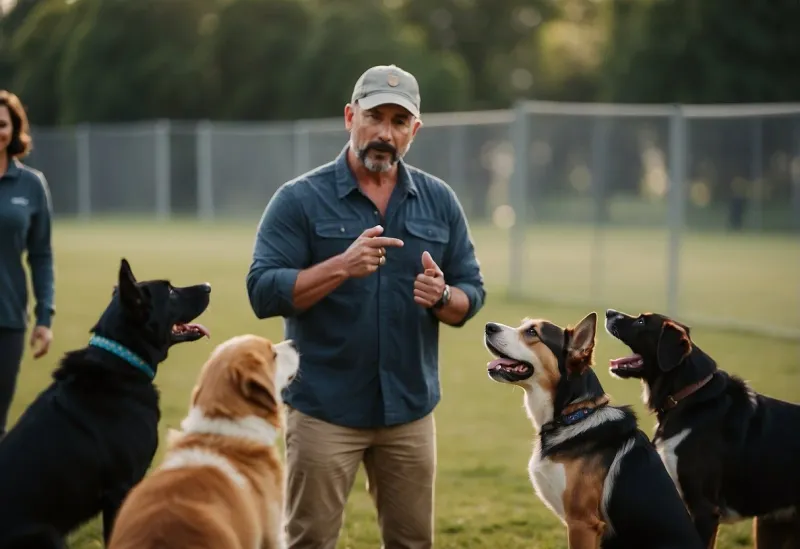
Good tells your dog exactly which action earned the reward. It works like a camera shutter, clicking the right moment.
Say good, then deliver food, play, or praise within a second, and your dog will start offering the winning behavior more often.
Keep the word neutral and clear, not a party. Save the party for after.
In noisy places, pair a gentle thumbs up with the word so your dog can read your body too. Practiced this way, good becomes a promise that pays predictably.
Switch to marker yes for more excitement, or a clicker for precision, if you like. What matters is timing and consistency.
When you catch improvements and mark them, your dog feels successful and keeps trying, which speeds learning without stress.
Walk
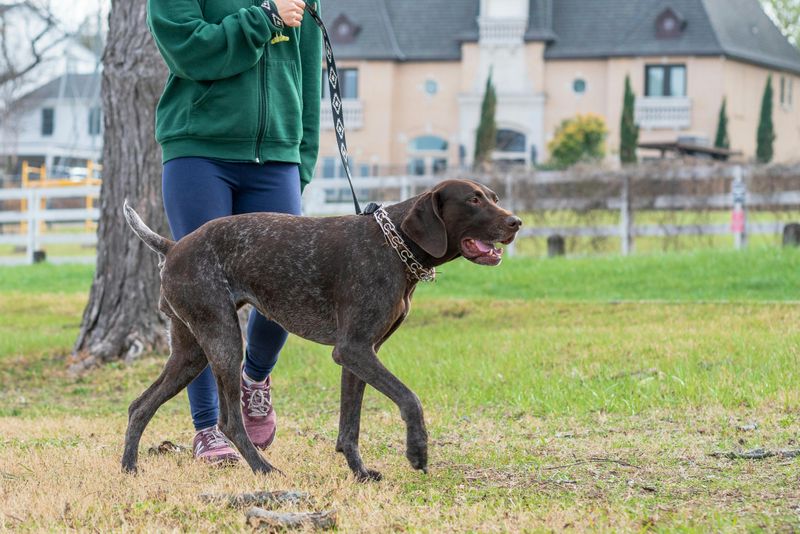
Walk cues your dog that it is time to move with you, not pull. Dogs naturally trot faster than humans, so clear rules help.
Reinforce position beside you by paying often at first, then less as your dog chooses slack-leash walking over lunging.
Use changes of direction to teach attention. If the leash tightens, stop, breathe, and wait for a return to slack, then go.
Surprise your dog with sniff breaks as earned bonuses, because exploring is valuable currency and keeps teamwork fun.
For busy streets, try a front-clip harness to reduce pulling while you train. Feed near your thigh to anchor the position.
With practice, the word walk becomes a promise of adventures, where your dog checks in often and you enjoy the rhythm.
Treat
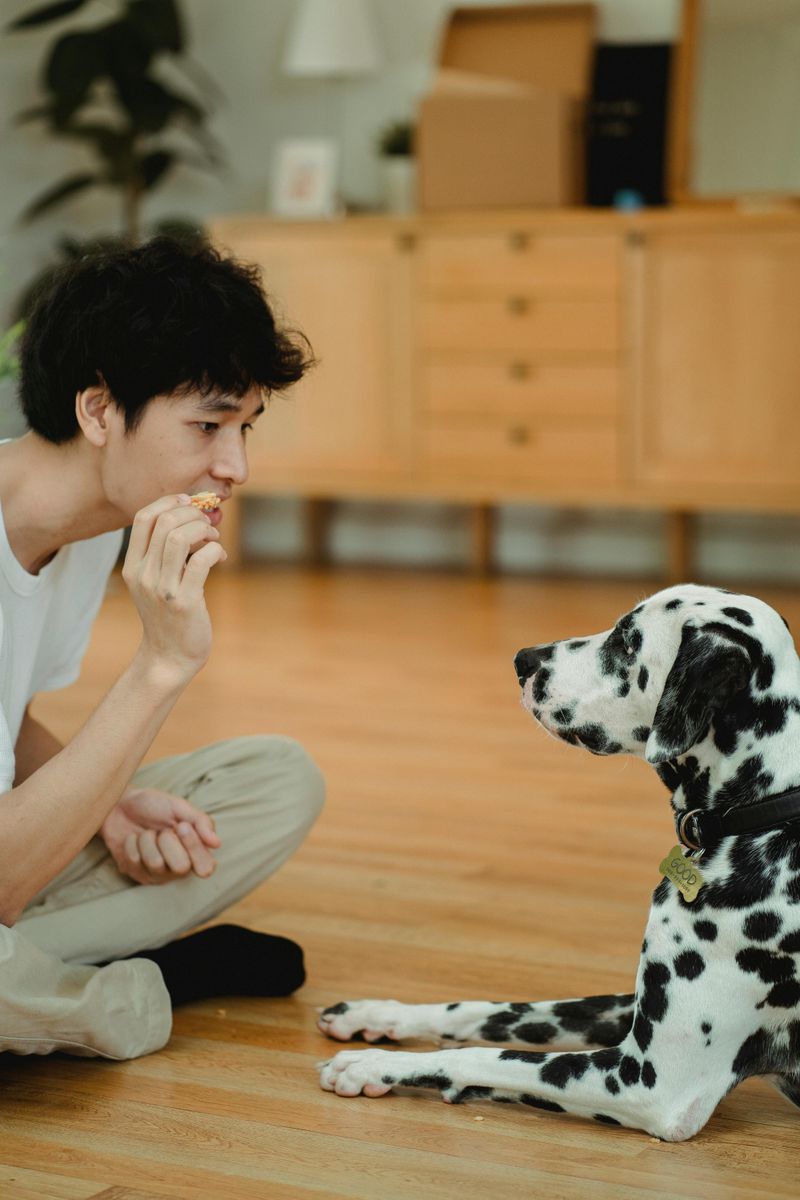
Treat is a magic word that grabs your dog’s focus fast. It predicts food, so it can interrupt barking, reorient attention, or power training.
Say treat, then pay instantly. If your pockets are empty, the word fades, so keep tiny snacks ready.
Use it to reinforce checking in on walks, or to build positive associations with scary stuff. Pair the word with thunder, skateboards, or nail clippers, feeding as your dog notices and relaxes.
Over time, treat becomes a reassuring cue that good things follow.
Balance it with play and praise so food does not do all the work. Switch locations and values to keep motivation fresh.
If your dog gets grabby, feed lower, use a palm, and ask for a behavior before delivering bite.
Outside
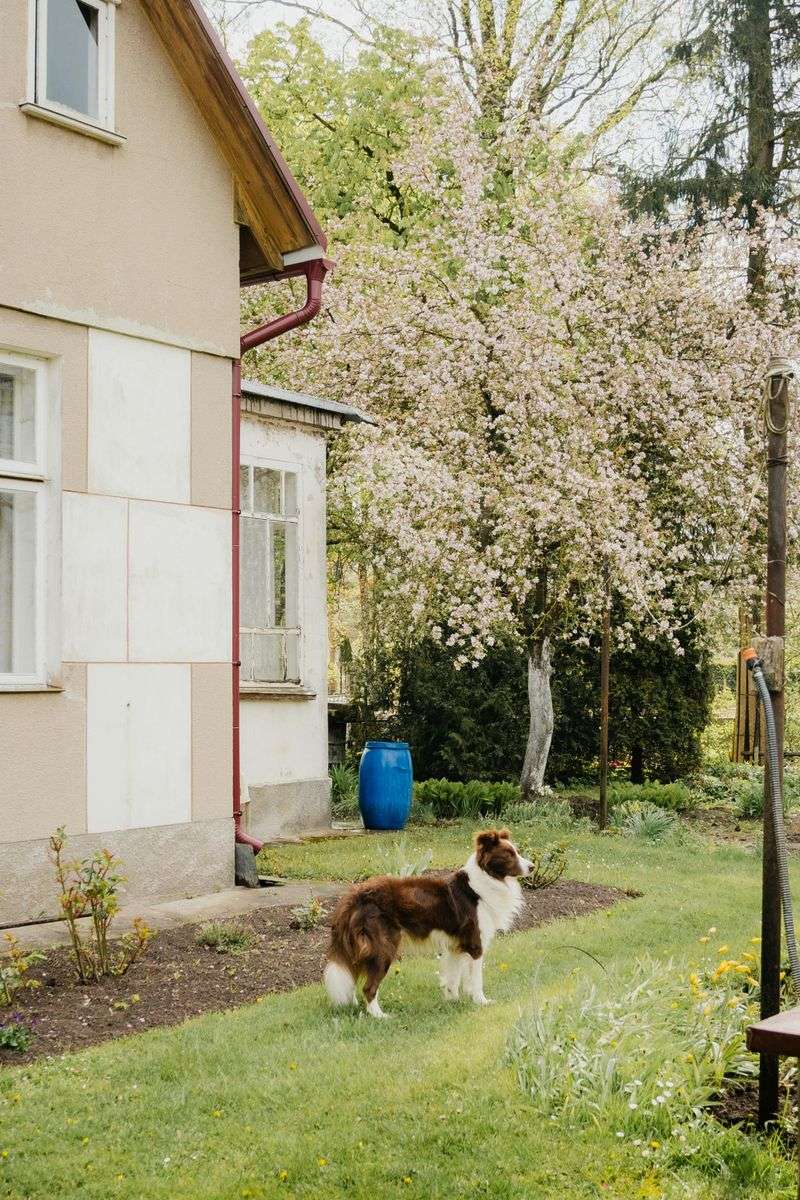
Outside signals fresh air, new smells, and bathroom breaks, so your dog perks up instantly. Use the word thoughtfully to prevent door-dashing.
Ask for a sit, clip the leash, then say outside and release, so the routine stays calm and predictable, even with excitement.
On rainy days, pair outside with a quick sniffy loop and quick return, then play indoors. That way the cue does not mean endless discomfort.
In nice weather, reward checking in at every curb. You build a habit that keeps everyone safe and connected.
If dog explodes at the door, step back and wait for quiet. Touch knob, pause, then reopen calmness like a puzzle.
Soon outside predicts manners first, freedom second, and get a dog who listens when it counts.
Home
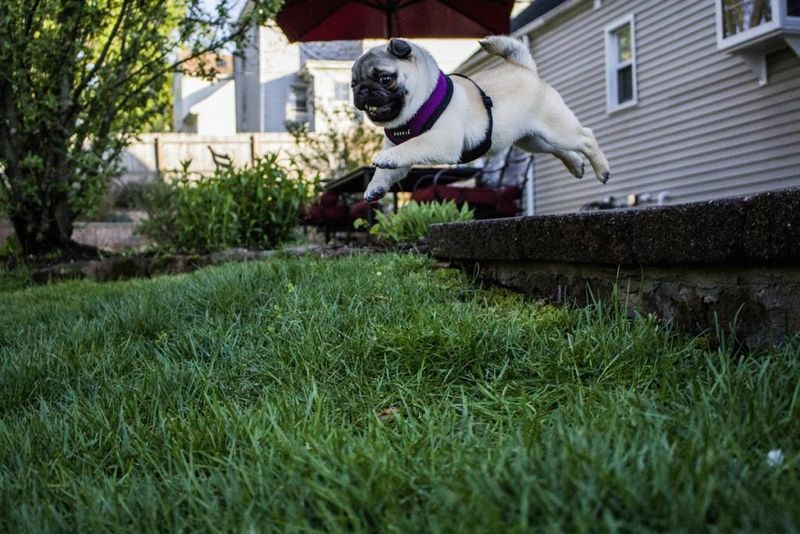
Home means head back to base, whether from the park or the porch. Dogs learn routes quickly, so pair the word with turning toward the house.
Reward calm walking to the door, then a sit while you unclip the leash, so routines feel smooth and safe.
Use home when storms roll in or when kids on scooters make things wild. It becomes a comforting direction, not a buzzkill.
Mix in surprise jackpots at the door so your dog happily trots inside, instead of dragging feet like recess just ended.
If your dog stalls, shorten distance. Say home, take three steps, reward, and release.
Repeat until word triggers forward motion, then connect pieces. Soon, home translates to peace, snacks, and rest, and you feel anchored again.
Wait
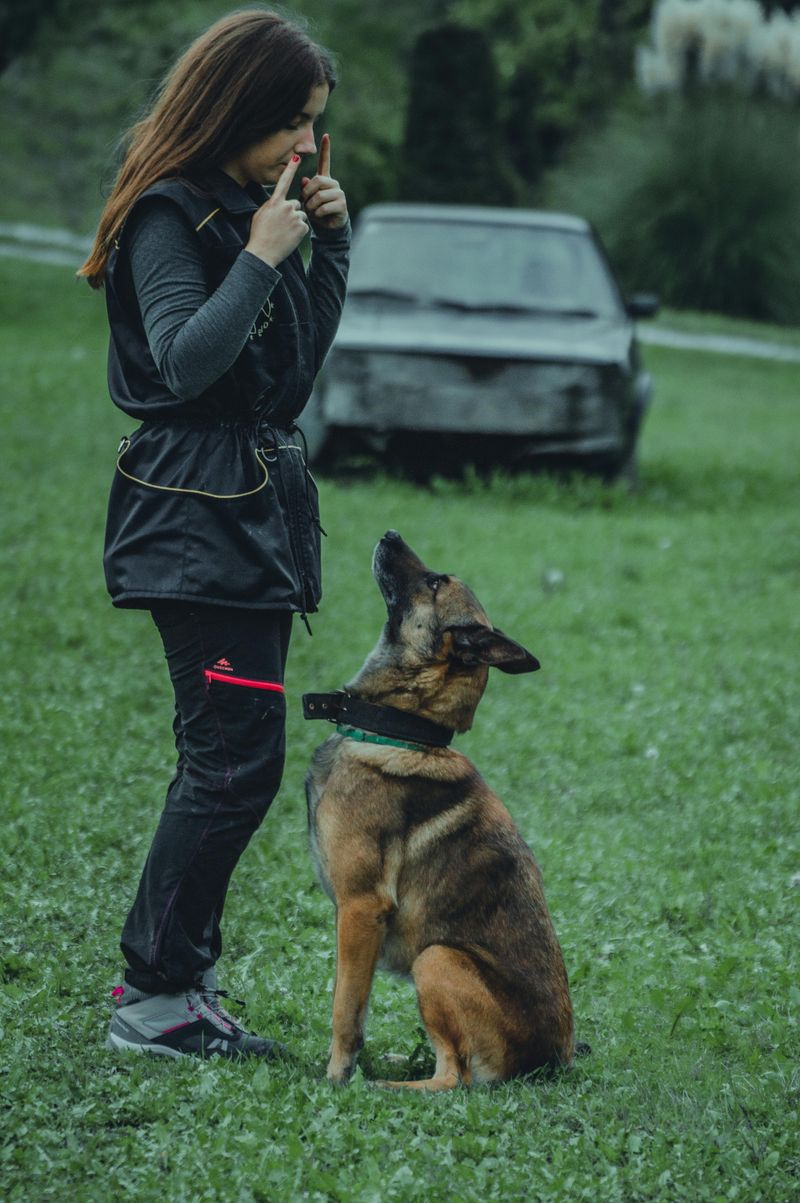
Wait asks your dog to pause briefly, different from stay’s full hold. Use it at doorways, car doors, and curb edges.
A palm signal and gentle body block help, then a release word like ok gets things rolling again while your dog learns polite patience.
Start with a half second, step back in, and pay. Build to three seconds, then five, across different rooms.
If your dog forges ahead, calmly reset to the original spot. Soon wait means pause and check in, and everyday transitions stop feeling chaotic.
Do not overuse wait on walks or your dog may tune out. Instead, place it where safety matters and follow movement.
That contrast keeps motivation high, so your dog listens and trusts waiting leads to good stuff.
Down
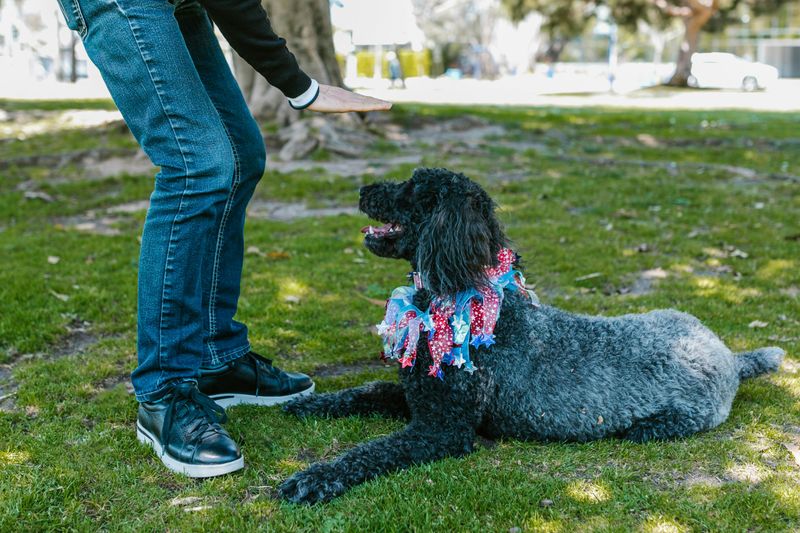
Down asks your dog to relax into a full lay, not a crouch. It is useful for settling in cafes, vet lobbies, and living rooms.
Lure with food to the floor between paws, then slide out, paying several times so staying low feels worthwhile and cozy.
Add a chin rest to increase calm. Reward slower breaths, soft eyes, and a loose hip.
If your dog pops up, calmly guide back to start and lower criteria. Short sessions help build stamina without frustration, and the cue becomes a portable relaxation signal.
Practice on different surfaces like mats, grass, and wood so the meaning sticks. Pair the word with resting near your chair, then treat occasionally.
Soon down means peace and duration, helping your dog decompress anywhere.