
Your dog’s nose is like a supercomputer that runs silently in the background, always scanning and decoding your world. While you notice big changes, your pup catches tiny shifts you cannot see, touch, or hear.
These invisible scent clues reveal mood, health, and even the weather before you feel anything. Get ready to be amazed by what your dog already knows about you.
Hormonal changes
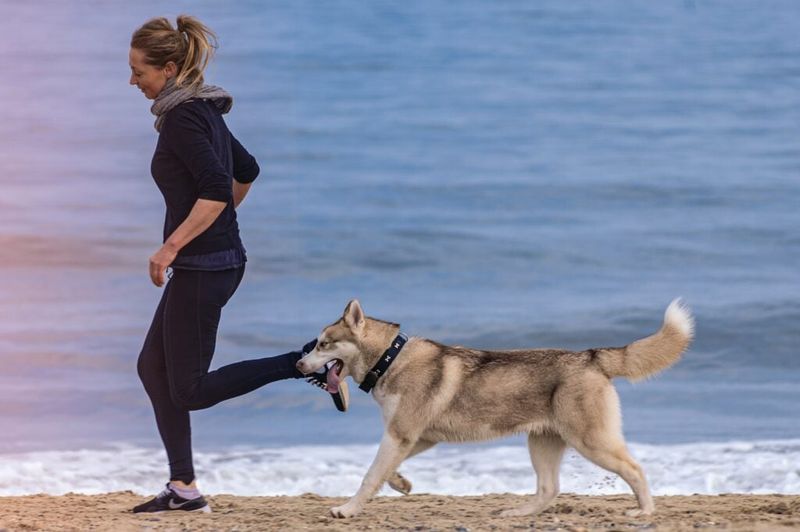
Your dog can read hormonal shifts like a living lab instrument, translating tiny changes into helpful insights. When cortisol, estrogen, or thyroid levels fluctuate, scent molecules drift from skin, sweat, and breath.
Your pup quietly logs those patterns and predicts when energy, patience, or appetite might wobble.
You might not notice a thing, but your dog tracks cycles, medications, and even subtle morning routine changes. That nose becomes an early alert for energy dips, mood swings, or sleep trouble.
Use their cues to fine tune workouts, hydration, and snacks before your body fully catches up. Over time, you will see your dog’s attention shift before you feel anything, like clockwork.
Stress signals

Stress has a smell, and your dog notices it fast. Elevated cortisol, altered sweat composition, and subtle breath changes form a clear signature.
Your pup links that scent to your voice tone, posture, and pace, creating a complete stress picture in seconds.
When you pace, sigh, or clench your jaw, your dog might shadow you or nudge your hand. That behavior is not random affection, it is responsive support.
Try slow breathing, gentle petting, or a short walk together, and watch your dog relax with you. Turning stress management into a shared ritual can calm both nervous systems.
Over time, your dog becomes a reliable barometer, reading the room before you say a word.
Illness-related odors
Illness subtly changes metabolism, skin flora, and breath composition, and your dog can sniff that shift fast. Volatile organic compounds rise or change patterns when your body fights something.
Your pup may hover, sniff specific spots, or become unusually clingy before you feel outright sick.
Pay attention to new nudges, prolonged staring, or repeated nose touches on one area. Your dog is gathering data and gently flagging a concern.
Pair their behavior with your symptoms and consider checking temperature, hydration, or seeking medical advice. Support recovery with rest and quiet companionship, which your dog already offers freely.
Over time, you may notice a predictable rhythm: unusual attention first, symptoms later, and recovery tracked through your dog’s easing vigilance.
Blood sugar changes
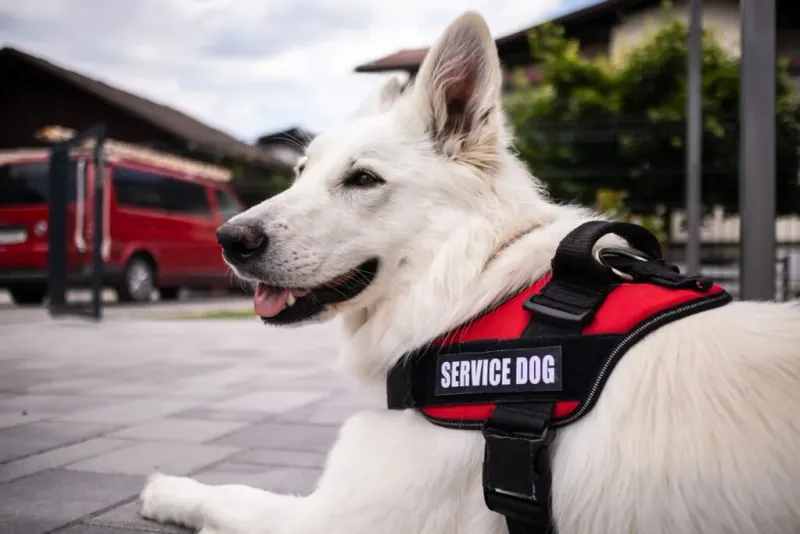
Shifts in blood glucose create distinct breath and skin odors that dogs learn quickly. Low blood sugar can smell fruity or metallic, while highs produce their own recognizable patterns.
Many dogs naturally alert by pawing, staring, or leading you to snacks or your bag.
If you live with diabetes or hypoglycemic episodes, your dog’s attention can be a meaningful cue. Track when your pup alerts and compare with readings to see patterns.
Reinforce accurate alerts with calm praise and a predictable routine. Even without formal training, your dog may become a reliable early warning system.
Bring treats, a meter, and water on walks, and trust that purposeful nudge when your focus drifts or fatigue creeps in.
Fear responses
Fear reshapes scent. Adrenaline and sweat chemistry shift, breathing speeds up, and body temperature rises, all creating a distinct odor profile.
Your dog does not need words to know your heart is racing, and often moves closer before you realize you are scared.
Expect vigilant ears, fixed eye contact, or gentle leaning against your legs during tense moments. Those responses are grounded in scent, not just body language.
If crowds or loud sounds spike fear, plan exit routes and reward calm checking in. Practicing grounding breaths while petting your dog can reduce both your stress signals.
Over time, your dog associates your steady breathing with safety, helping transform fear spikes into manageable moments you can move through together.
Pregnancy scents
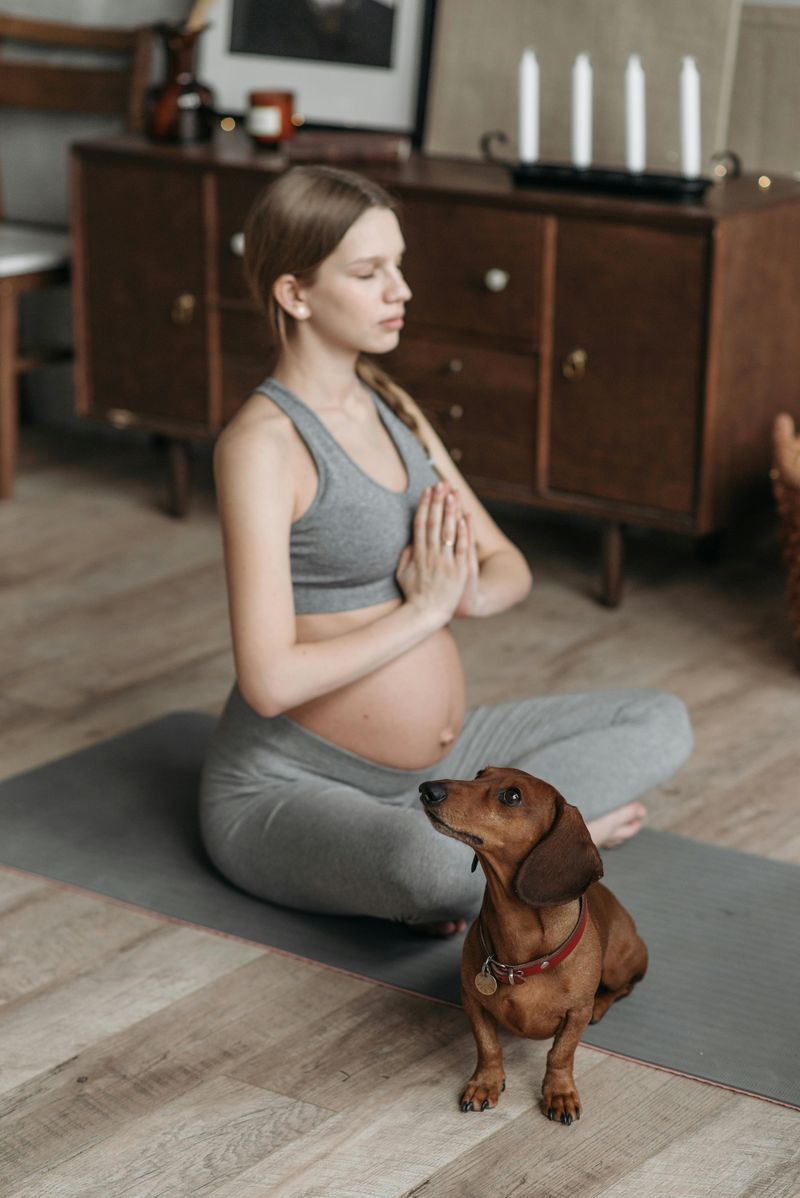
Pregnancy shifts hormones, metabolism, and immune activity, and your dog reads those changes on day to day scents. Skin oils, breath, and sweat evolve across trimesters, becoming a new reliable map.
Many dogs grow protective, slower, and more attentive as those signals strengthen.
Watch for your pup choosing spots near your belly, sleeping at your feet, or patrolling the nursery area. That loyalty is rooted in scent recognition and routine watching.
Maintain boundaries kindly and keep training consistent so enthusiasm does not turn into jumping. Offer sniff time on baby items to normalize future changes.
Your dog is already learning the family’s new rhythm by smell alone, long before you unpack diapers or hear that first cry.
Cancer-related compounds
Some cancers release distinctive volatile organic compounds through breath, urine, and skin. Trained dogs can flag patterns in controlled tests, and pets sometimes notice changes at home.
Repeated attention to one spot, persistent sniffing, or gentle pawing can be meaningful.
It is not a diagnosis, but it is a nudge to listen. If your dog fixates on a mole, wound, or area under clothing, pair that observation with a medical check.
Keep notes on timing, frequency, and any accompanying symptoms. While research continues, your dog’s consistent curiosity deserves respect.
Trust patterns, not one offs, and let professionals guide the next steps. Your pup’s nose may surface questions in time for you to get clear answers.
Infections
Infections change skin microbiome, temperature, and moisture, creating new odors your dog catches instantly. Even before redness or aches, your pup may notice increased heat and altered scent.
Dogs often hover, lick, or guard an area that feels off to them.
Pay attention if your dog sniffs a wound repeatedly or avoids a spot they usually cuddle. That hesitation can be a clue, not stubbornness.
Clean and monitor any injuries, and consult care if behavior persists. Use your dog’s early flags to rest, hydrate, and adjust plans before things escalate.
You are sharing a home lab with a built in sensor, one that loves you enough to test the air all day long.
Weather shifts
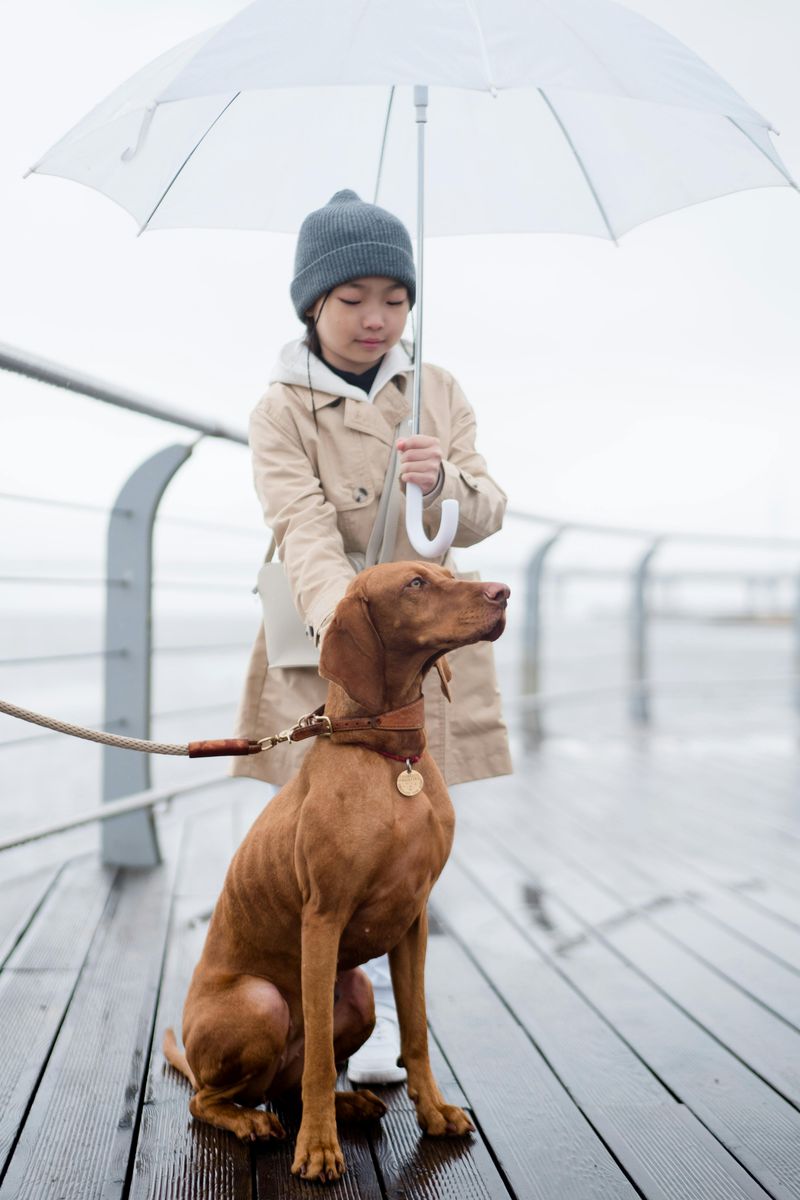
Before rain hits or wind swings, odor profiles in the air change fast. Moisture carries distant scents, and pressure shifts alter how molecules travel.
Your dog interprets that mix like a forecast, often growing restless or curious before you see a cloud.
Look for pacing, window watching, or sniffing the door seams when storms approach. Those behaviors are grounded in scent and airflow, not superstition.
If thunder stresses your pup, prepare a cozy den, white noise, and calm treats early. Short bathroom breaks before the first rumble help too.
You will soon recognize your dog’s pre storm ritual and can plan accordingly, turning wild weather into a manageable blip in your day.
Other animals nearby
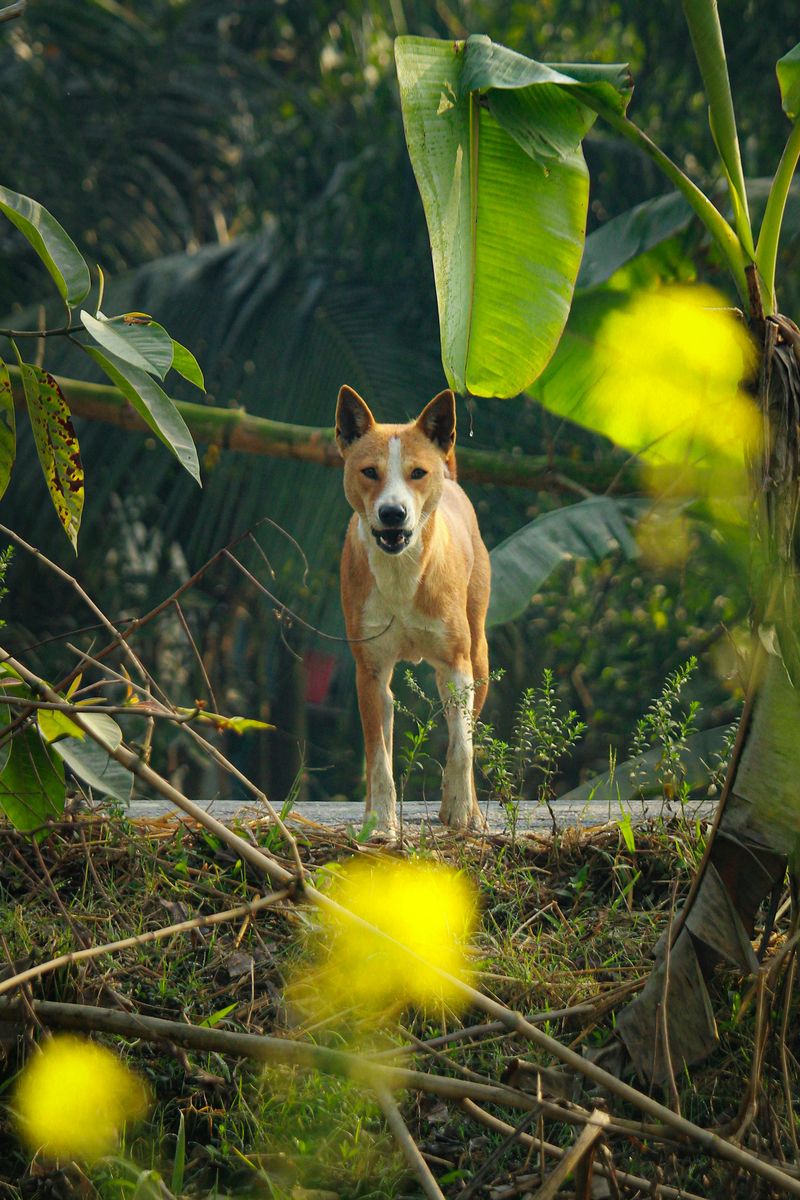
Neighborhood cats, foxes, deer, and even tiny rodents leave scent trails that your dog reads like headlines. Wind direction, humidity, and ground cover shape the story.
One deep sniff tells your pup who passed by, how recently, and which way they went.
Expect alert ears, tail changes, and purposeful pulling on walks when fresh trails cross your path. That is not random excitement, it is data.
Channel the nose with structured sniff breaks and a reliable cue to refocus. Enrichment toys with hidden scents satisfy curiosity at home.
By respecting your dog’s wildlife news feed, you reduce frustration and build better recall, because you are listening to what the wind already told them.
Emotional changes
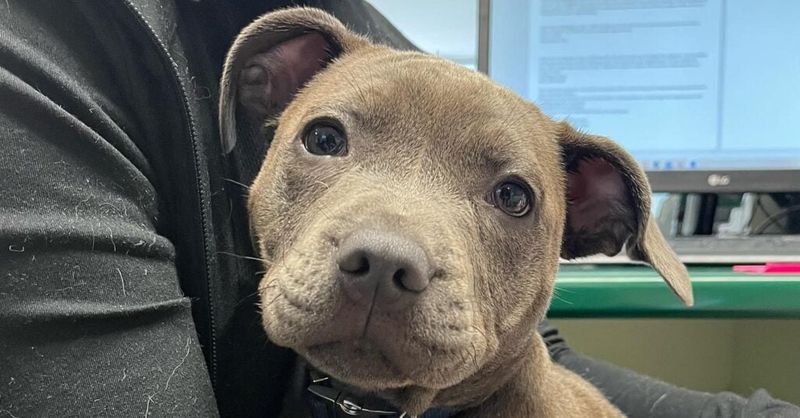
Even subtle mood shifts tweak your scent profile. Joy, sadness, frustration, and calm each blend sweat chemistry and breathing patterns differently.
Your dog pieces those signals together with your microexpressions and movement, offering comfort before words form.
Watch how your pup adjusts pressure when leaning on you, or tilts their head when your voice tightens. That responsiveness is real and trained by daily life.
Practice naming emotions out loud while petting, which can steady your breathing and teach your dog helpful routines. Create a cozy corner for shared resets after hard days.
Over weeks, you will notice your dog predicting good moments and tough ones, guiding you to habits that truly regulate both of you.
Familiar scent patterns
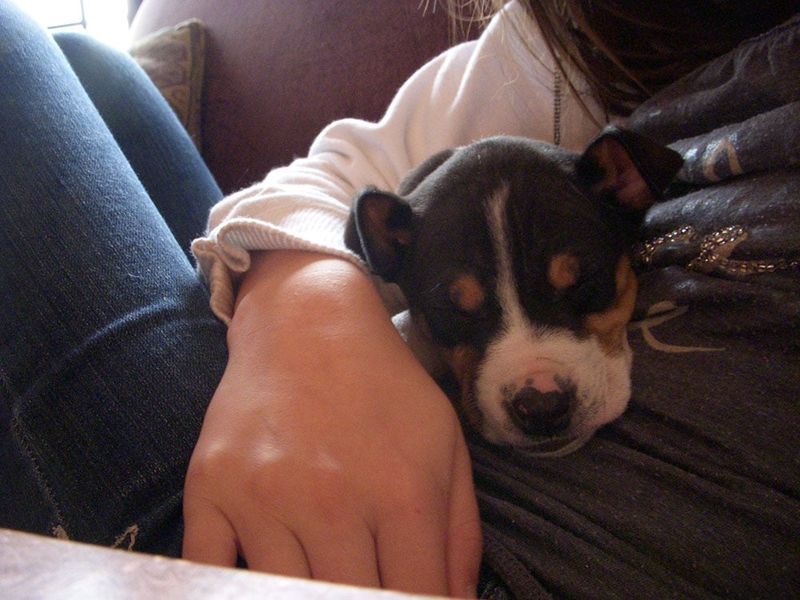
Your everyday smell is a signature your dog memorizes in layers. Laundry soap, shampoo, coffee, office air, and your own chemistry blend into a map of you.
When anything in that mix changes, your dog clocks it before you speak.
Expect extra sniffs after travel, workouts, or visits to friends with pets. Your pup is updating the database and checking that you are still you.
Offer a calm greeting and let them finish their inspection. Scent games using worn T shirts or hidden socks build connection and confidence.
Over time, your dog becomes a living archive of your life’s trail, reading history from your jacket while you kick off your shoes.
Adrenaline spikes
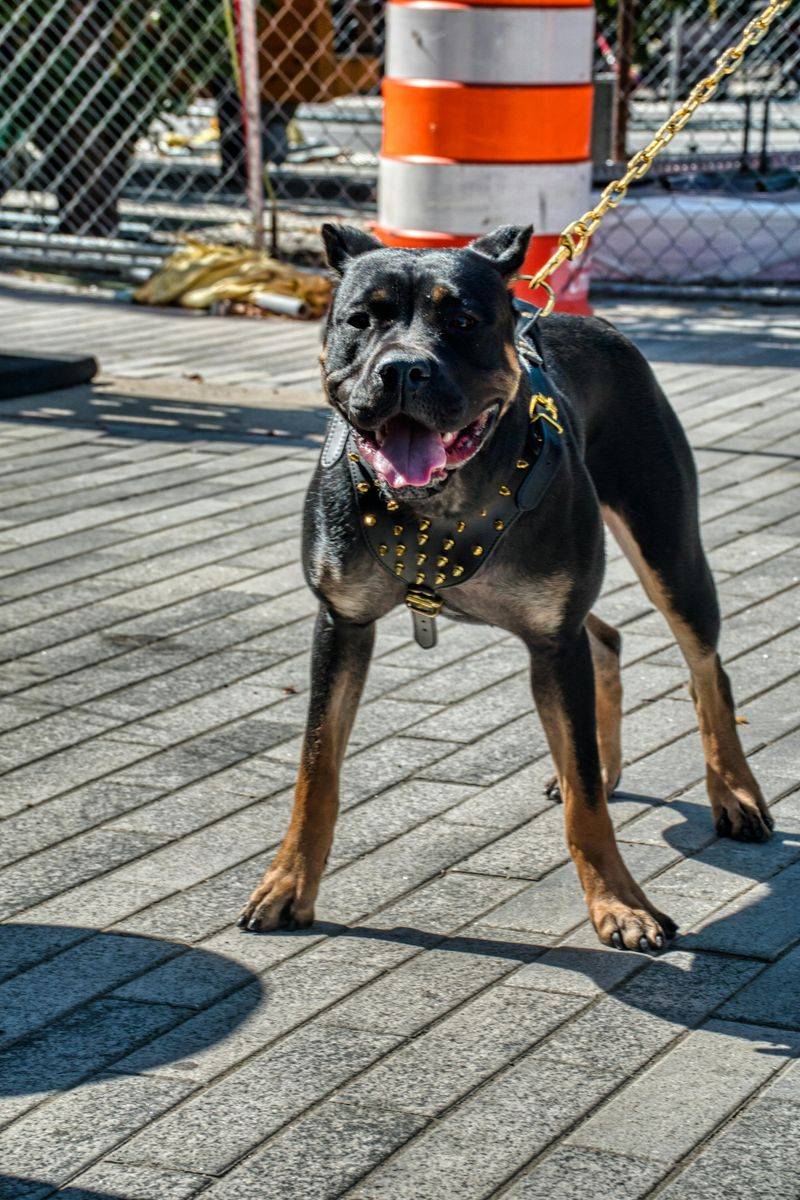
Adrenaline has an odor signature that rides on sweat and breath. Whether you are about to sprint, argue, or try something risky, your dog often senses the spike first.
Their body language shifts toward alert, ready, and focused, mirroring your internal surge.
Channel that energy into a quick game, a structured heel, or a puzzle feeder before leaving. Giving your dog a job converts your buzz into teamwork instead of chaos.
If arguments at home are common, step aside, breathe, and reset with your pup. You will feel your dog’s tension ease as your adrenaline settles.
With practice, those moments turn into rituals that help both of you move from wired to steady.
Environmental toxins
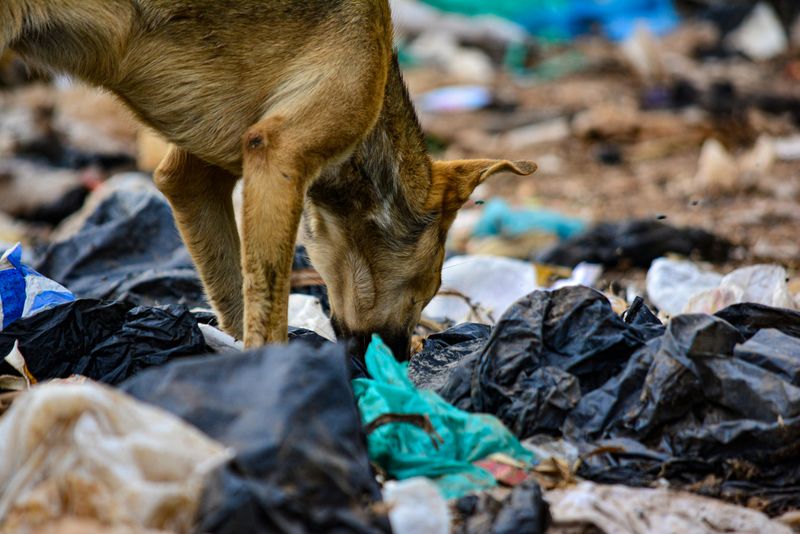
Many cleaners, paints, and solvents release strong volatile compounds that dogs detect at tiny concentrations. What smells mild to you can overload a sensitive nose.
Your pup may sneeze, avoid a room, or paw to leave when something feels off.
Ventilate early and often, choose pet safe products, and store chemicals securely. Let your dog guide you on when the air actually feels clear.
If your dog resists walking past a lawn treatment or garage area, believe them and reroute. Fresh air, activated charcoal, and time help.
Over months, you will learn which brands or tasks trigger warning behaviors. Listening to those gentle alerts keeps your home safer without guesswork.
Subtle diet changes
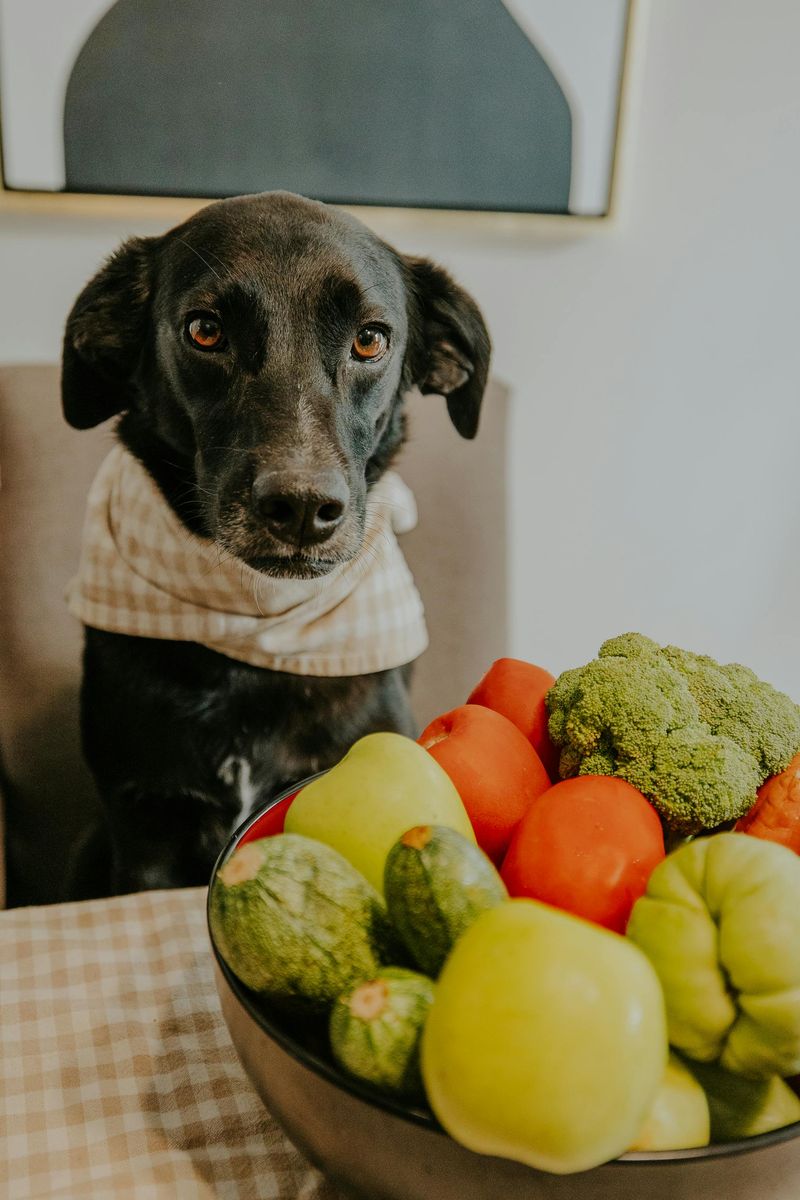
Switch kibble brands, add supplements, or sneak a new treat, and your dog can smell the difference before the bowl touches down. Diet alters breath, skin oils, and even ear wax scent.
Your pup catalogs those markers and may react with curiosity or hesitation.
If appetite dips or stools change, review recent additions and timing. Introduce new foods slowly, note reactions, and keep water available.
Let your dog sniff the bag, the scoop, and a single piece before serving more. Consistency supports digestion and confidence, while careful pacing prevents mystery tummy trouble.
Over time, you will spot which proteins or formulas match your dog’s nose and belly, turning meals into predictable, happy moments.