
Dogs are always telling you what they need, even when they cannot use words. Subtle habits and everyday quirks can be powerful signals that more joy, variety, or reassurance would help.
Once you learn to read the clues, you can respond with small changes that make a big difference. Get ready to spot the signs and turn daily moments into deeper happiness together.
Bringing toys repeatedly
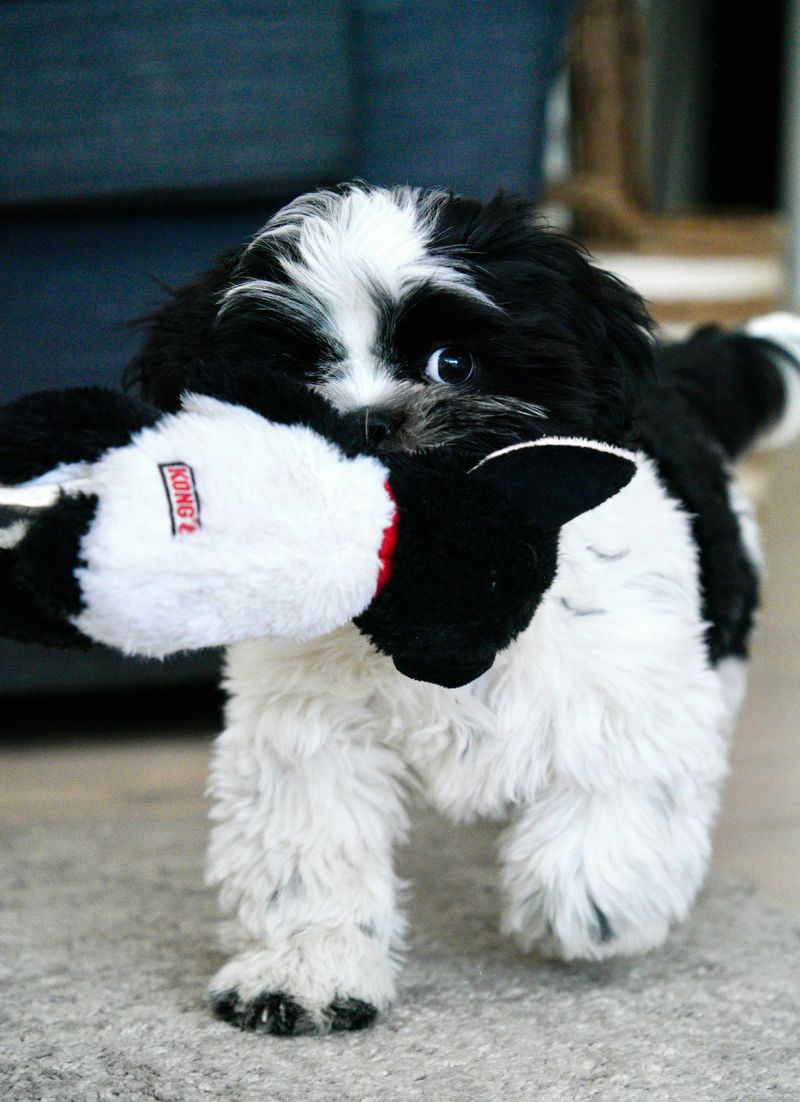
Your dog keeps dropping the same slobbery toy at your feet because play is their love language. Repetition is not stubbornness, it is a hopeful invitation.
When you toss it once and stop, they try again, asking for more joy. Meeting that request with varied games keeps their brain buzzing.
Rotate toys, change locations, and add simple rules to extend the fun.
If fetch gets stale, swap to tug or hide and seek. Use short training interludes between throws, like a sit or spin, to sprinkle confidence wins.
You can also schedule micro play breaks during your day, so energy has a healthy outlet. Watch for soft eyes, loose wags, and happy sighs.
Those signals tell you the session delivered the boost they wanted.
Restlessness or pacing
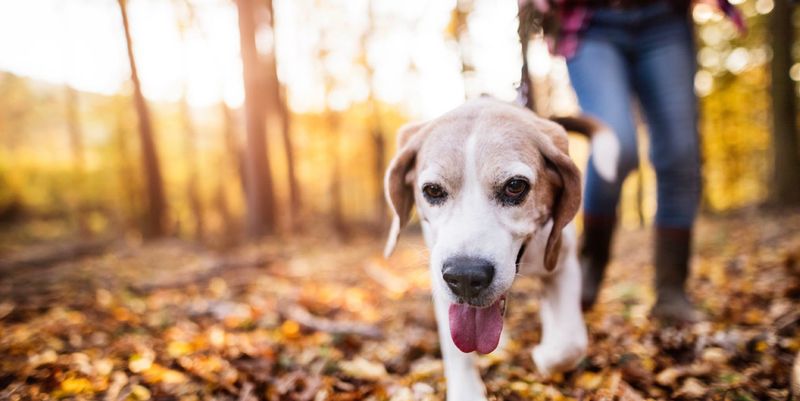
When your dog paces the hallway or circles the coffee table, they might be restless, not naughty. That jittery loop often means needs are piling up.
Maybe the last walk was too short, the yard too quiet, or the day too predictable. Movement becomes a question they cannot verbalize.
You can answer by offering variety, structure, and chances to succeed.
Try a sniffari style walk where you let the nose lead. Scatter feed dinner in the grass to convert stress into foraging.
Mix in training games that reward calm choices, like settling on a mat or pausing at doors. Short brain workouts tire bodies too.
With a plan, that anxious pacing softens into purposeful steps and then a satisfied nap.
Seeking more attention
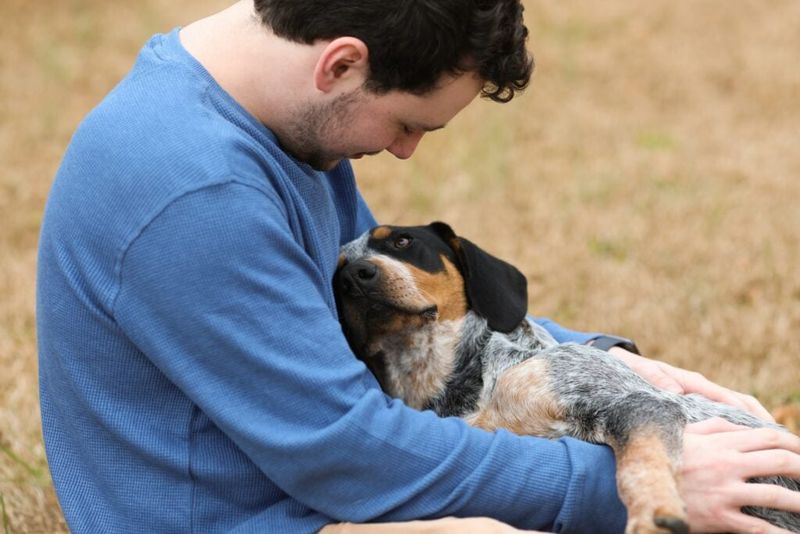
Some dogs nudge your hand, lean hard against your leg, or wedge between you and the laptop. That is not manipulation, it is communication.
Attention fills social tanks that power confidence and patience. When you ignore every ask, frustration can bubble up elsewhere.
Meeting connection needs intentionally helps everything else run smoother.
Create predictable touch rituals, like a two minute cuddle after walks or a morning chin scratch. Teach a polite cue such as touch or place so your dog can request kindly.
Sprinkle praise during the day without always asking for work. You can be generous while keeping boundaries clear.
Consistent affection tells your dog their voice matters and their heart is safe today.
Barking for engagement
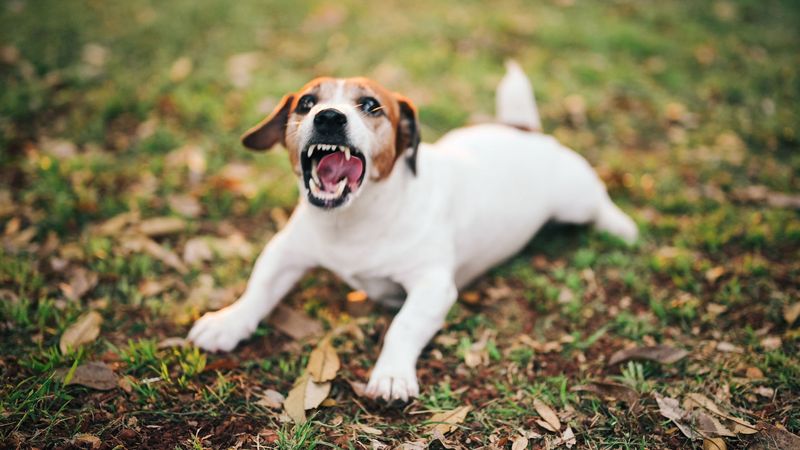
Not all barking is a problem to fix. Sometimes it is your dog saying hey, life feels boring, can we do something together.
Look at the context and body language. Loose posture, playful bows, and quick glances often mean an invitation.
You can validate the message while teaching volume control. Offer choices to reduce frustration.
Redirect energy before arousal tips into chaotic spirals.
Answer with a quick game, a sniff box, or a training minute that pays generously. Then cue quiet and reward the pause, so your dog learns to ask softly.
Practice call and respond routines, like one woof then sit for a treat. Structure turns noise into clarity.
Soon, engagement becomes a conversation you both enjoy and trust.
Following you constantly
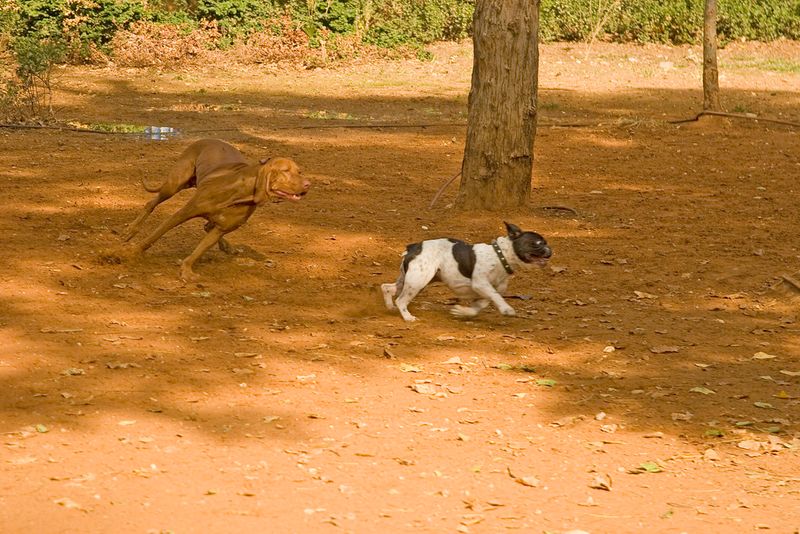
The little shadow trailing you from room to room might be craving security. Proximity can soothe uncertainty and prevent missing out.
If bathroom bodyguard duty never ends, your dog likely needs clearer expectations and more confidence. Clinginess is not a character flaw, it is a clue.
You can help them feel safe even when you step away.
Build independence with easy wins. Start with short door closes, toss a treat on a mat, and return calmly.
Practice place training while you cook or read. Add decompression walks and puzzle feeders to refill coping stores.
Over time, following turns into choosing, and your dog discovers security within reach, not only at your heels, even during busy days.
Ignoring usual routines
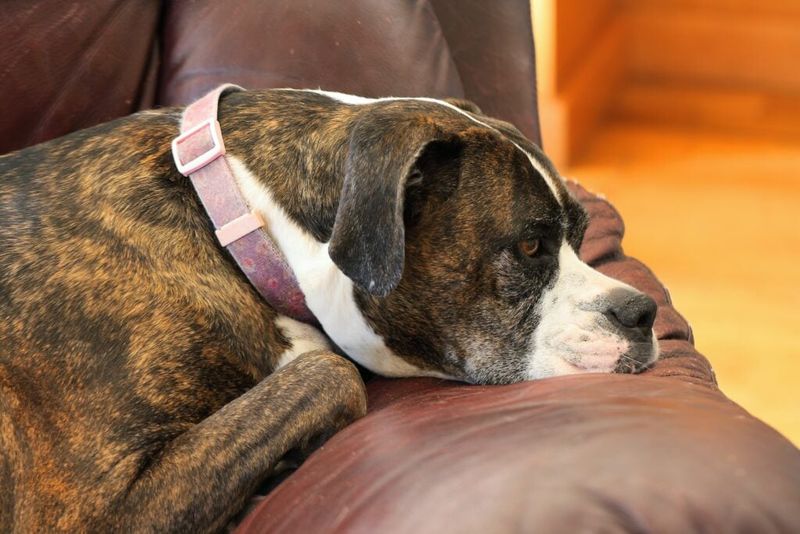
When a normally eager eater snubs breakfast or skips the post dinner zoomies, pay attention. Sudden changes in routine often signal unmet needs or brewing discomfort.
Yes, call your vet if anything feels off or persists. If health checks out, look for emotional gaps.
Stale schedules can dull curiosity and reduce motivation to participate.
Refresh rituals by adding novelty. Take a new walking route, switch treat flavors, or introduce a short trick project.
Use choice based games so your dog drives the plan. A menu of options can reignite appetite for life.
Soon the routine returns, but brighter, because you listened and followed their subtle request for change. Keep sessions brief and upbeat for sustained interest.
Loss of interest in activities

When fetch, hikes, or training used to thrill and now earn a sigh, your dog might be telling you something. Burnout and stress can masquerade as laziness.
Bodies also change, so joints or digestion may need support. Start with a vet check to rule out pain.
Then adjust expectations while gently rebuilding joy.
Shorten sessions, lower intensity, and explore fresh hobbies together. Nosework, swimming, or casual parkour can light a different spark.
Celebrate tiny wins, pay generously, and end while enthusiasm is high. You can alternate action days with quiet enrichment to prevent overload.
With patience, interest returns as trust grows, and your bond deepens alongside new skills. Invite canine friends for gentle social motivation.
Chewing or destructive behavior
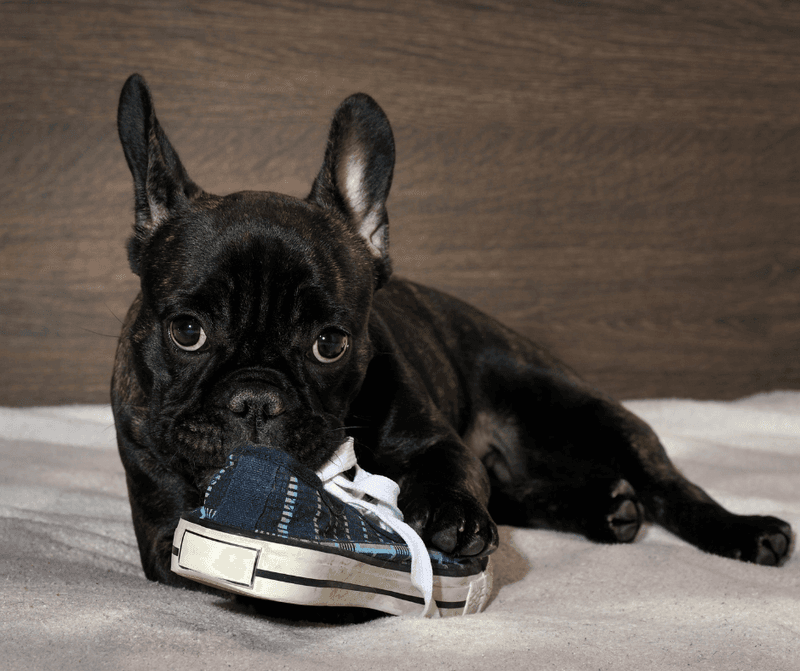
Shredded pillows and gnawed chair legs feel maddening, yet they are messages about needs and stress. Chewing self soothes, relieves boredom, and exercises jaws.
Puppies and teenagers especially crave legal outlets. When nothing appropriate exists, your belongings take the hit.
You can channel that urge without punishment, protecting your home and your relationship.
Stock a buffet of textures and difficulties, from rubber to rope to frozen stuffed Kongs. Pair each chew with calm praise, and rotate options to maintain novelty.
Use management like gates and tethers while habits form. Add exercise, training, and foraging to drain stress.
Soon, destructive impulses give way to focused work that satisfies mind, mouth, and nerves. Supervise closely until patterns become reliable.
Excitement during small interactions
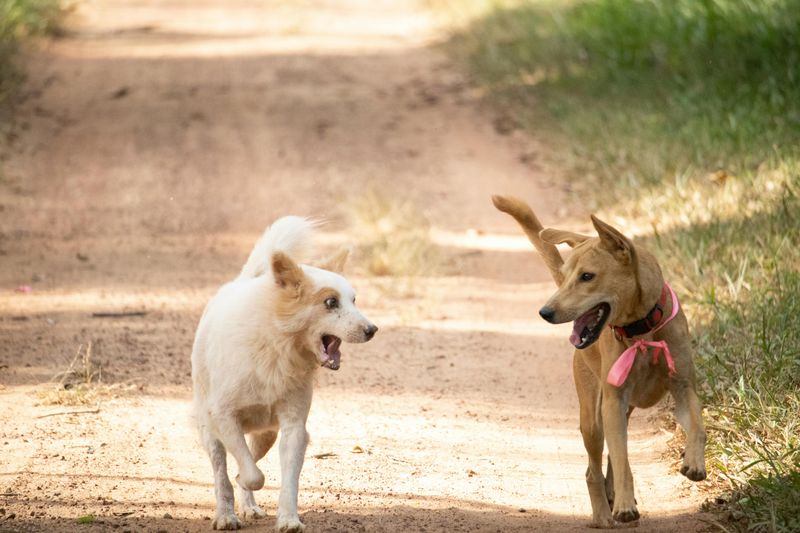
Does your dog explode with zoomies when you stand up or squeal when you glance their way? Over the top excitement during tiny moments often points to a happiness deficit.
Small crumbs of attention feel enormous when the plate is usually empty. The fix is not less connection, it is better structure.
You can make joy more frequent and more predictable.
Drop in micro sessions across the day. Ten treats for calm breath, a three minute sniff game, or a brief training rep can meet needs early.
Add decompression walks and quiet hangouts to lower baseline arousal. Soon, standing up is just standing up.
The excitement stays, but it shows up in balanced, sustainable ways.
Looking at you expectantly
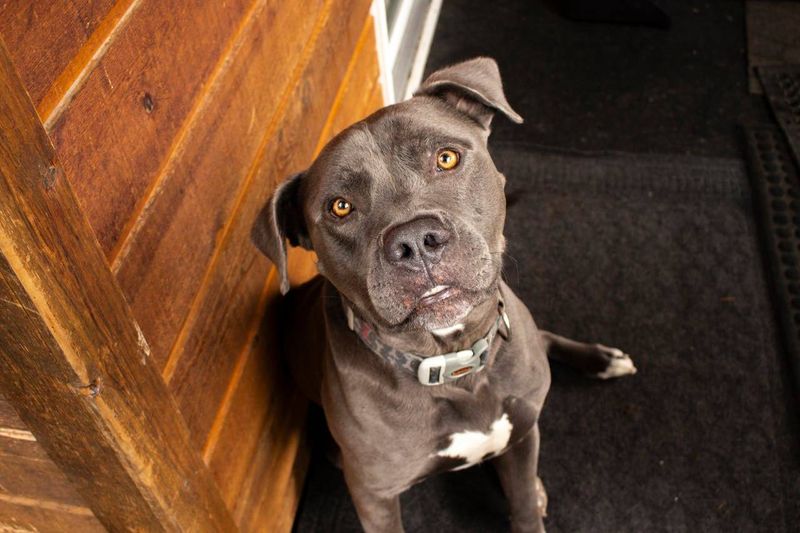
That soft stare with lifted brows is a whole conversation. Your dog is checking in, asking what is next, and hoping for connection.
Expectant looks often come after success because you feel predictable and safe. They trust that eye contact moves good things.
You can honor the question and build stronger communication loops.
Offer a choice menu when those eyes appear. Point to the leash, a toy, or a mat, and mark their decision.
Pay well for calm focus and polite asking. Over time, your shared language grows rich and intuitive.
Soon a simple glance becomes a bridge to needs met, confidence earned, and daily happiness reinforced. Celebrate tiny check ins with warmth and clarity.