
Some dogs are wired like athletes on a mission, and a lazy day just will not cut it. If yours bounces off the walls, it probably needs smarter outlets, not just longer walks.
The breeds below thrive when their minds and bodies get real work to do. Learn what actually takes the edge off so you can enjoy that sweet post-exercise cuddle.
Border Collie
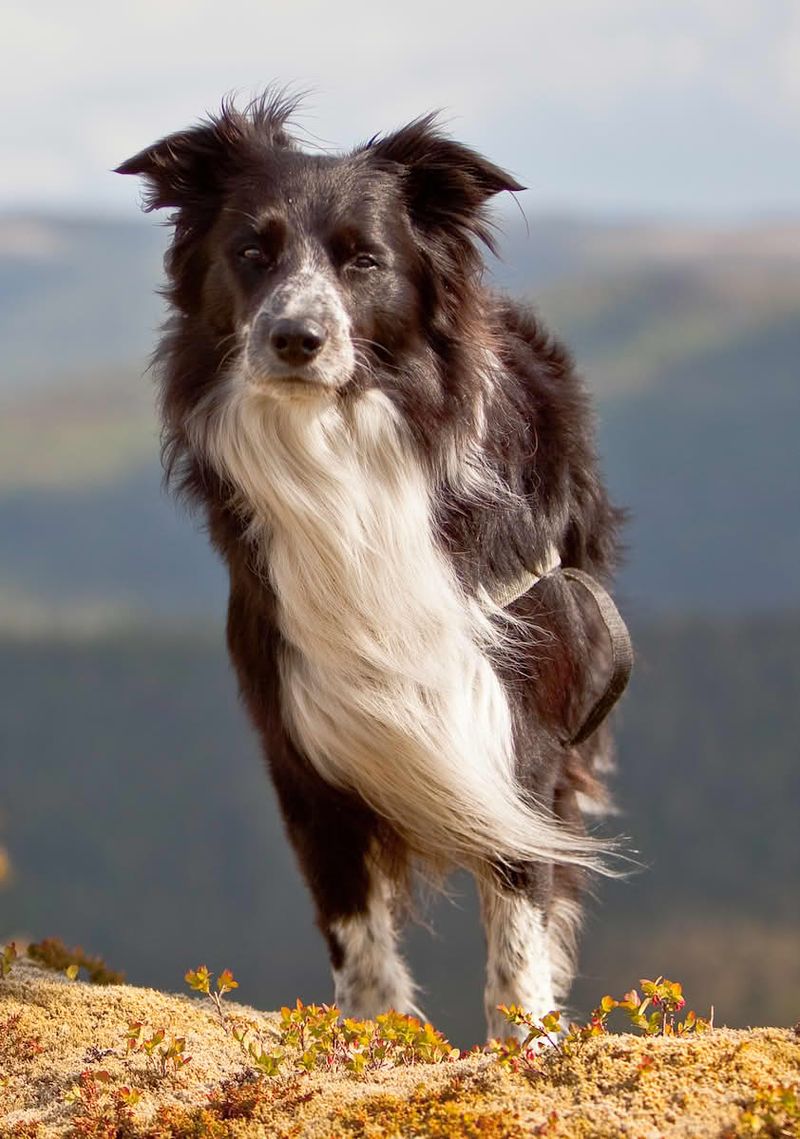
Border Collies are valedictorians of the dog world, and their brains never clock out. They crave jobs, puzzles, and purpose, so a quick stroll will not touch their energy budget.
Schedule fetch, sprints, and scent games to keep that mind focused.
Without structure, you will see herding nips, obsessive staring, and pacing. Rotate activities across the week, blending agility drills with long-line hikes and trick training.
Ten minutes of nosework plus fifteen high-intensity recall can turn fidgets into calm.
Finish with a decompression walk so they can sniff and settle. Mental reps matter like miles, so plan short, focused bursts instead of endless jogging.
Meet their need to work, and you will finally enjoy a snoozing shadow at your feet.
Belgian Malinois
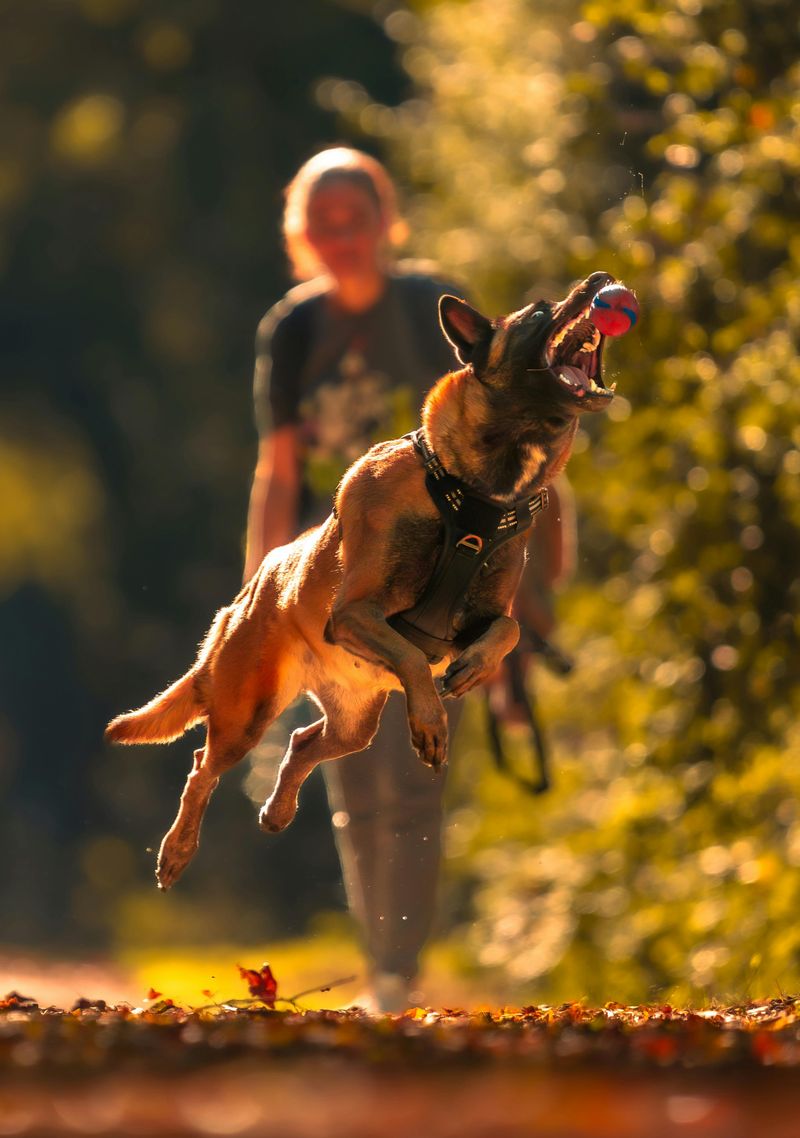
Belgian Malinois are like precision tools that need daily use. They excel with structured work, from obedience and protection sports to detection-style scent games.
Skip the job, and you may see frantic spinning, barking, and self-made chaos that never truly burns off.
Think layered workouts: bike runs for cardio, obedience for impulse control, and tug with rules for satisfaction. Two shorter high-intensity sessions often beat one long slog.
Teach clean outs, place work, and calm-on-cot to flip the switch afterward.
Variety keeps their brains engaged and prevents overarousal. Alternate tracking, agility foundations, and stair sprints with recovery days that still include training.
When their working needs are met, they finally relax into that velcro companionship you actually wanted.
Australian Shepherd
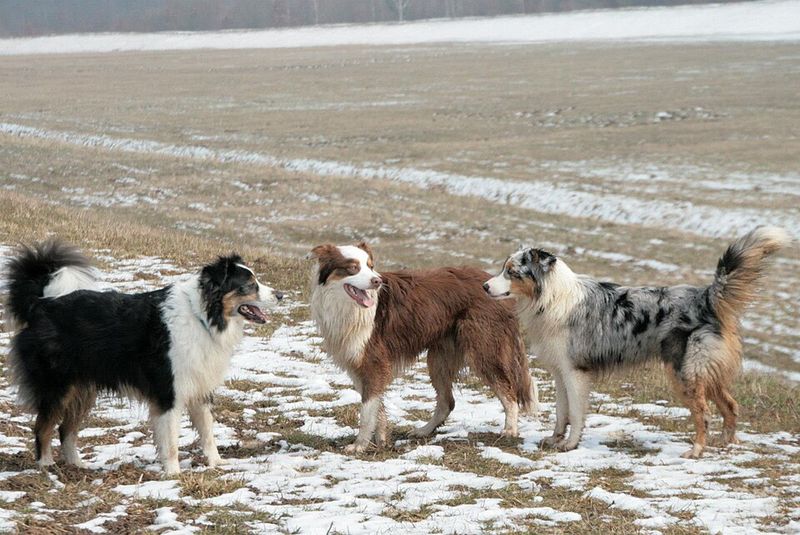
Australian Shepherds are quick thinkers with springs in their legs. A lazy loop around the block leaves energy simmering underneath.
Channel that spark into agility foundations, disc games with rules, and brainy tasks like directed retrieves or shaping tricks.
They thrive on novelty, so rotate venues and surfaces. Mix urban leash skills with off-leash recalls, and finish with scatter feeding in grass.
Plan split sessions: morning impulse-control drills, evening cardio with hill sprints, then a sniffy cooldown.
Watch for boredom signals like nipping heels, circling, or inventing chores. Offer supervised herding substitutes such as ball herding with breaks to prevent fixation.
With thoughtful outlets, your Aussie shifts from whirlwind to wagging partner who settles beautifully at home.
Siberian Husky
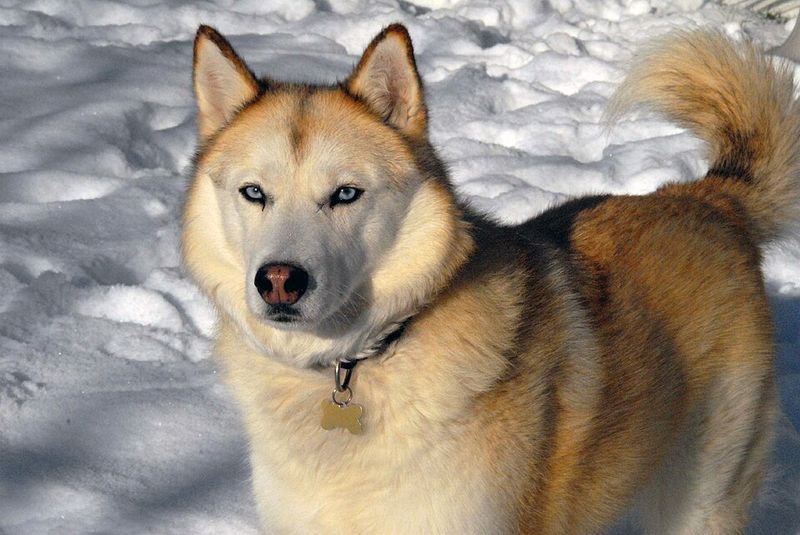
Siberian Huskies were built to go, and they mean it. Strolls are appetizers, not meals.
Think pulling sports like canicross, bikejoring, or skijoring, combined with structured intervals to respect joints and temperature limits.
Give them jobs that tap endurance without letting them self-employ by escaping. Secure harnesses, long lines, and strong recalls matter.
Add puzzle feeders, frozen lick mats, and short obedience bursts to round out mental work.
Heat management is nonnegotiable, so train early or late and plan water breaks. After cardio, end with decompression sniffing to bring arousal down.
When their endurance engine gets a real outlet, that famous Husky chatter softens, and the sofa finally hosts a satisfied, snowy napper.
Jack Russell Terrier
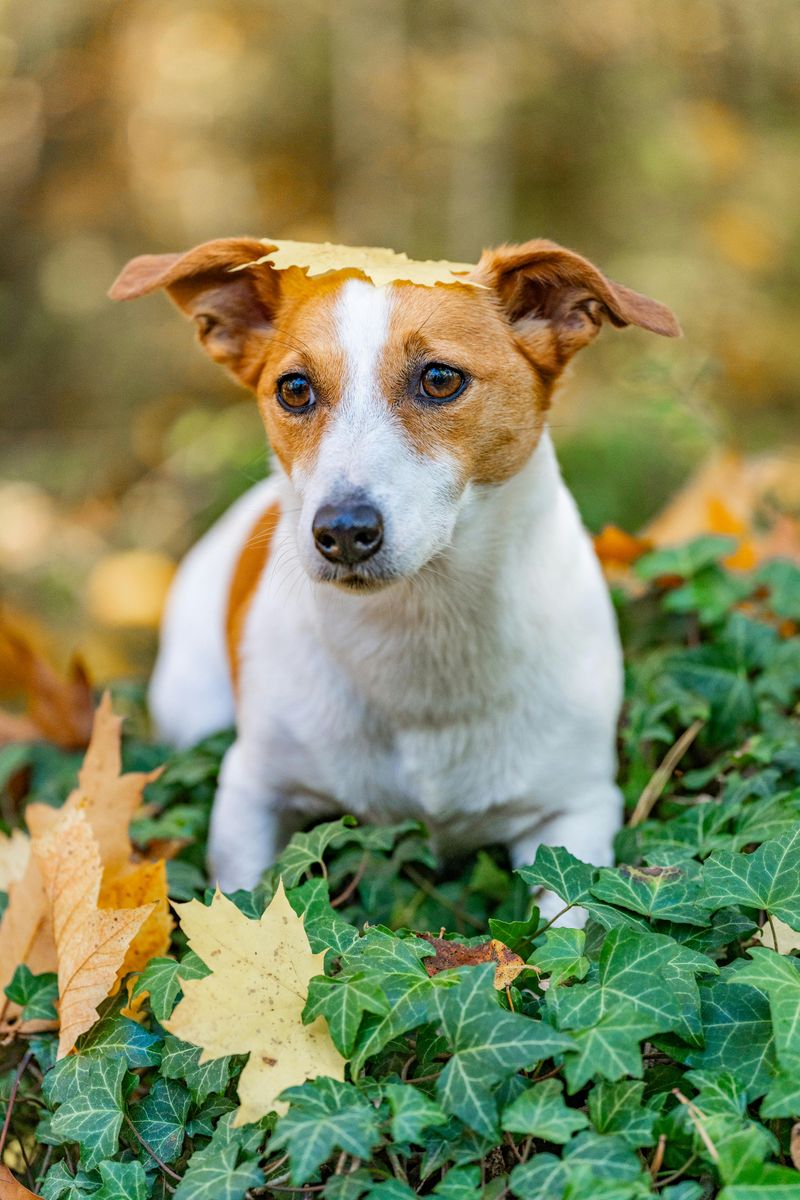
Jack Russell Terriers are pocket rockets with opinions. Digging, chasing, and investigating are core needs, not mischief.
Give them sprint games, flirt pole sessions with clear rules, and controlled varmint-style scent hunts using safe hidden targets.
Short, explosive bouts drain this breed better than long, steady jogs. Mix ten-minute tug, reset, then nosework boxes or ladder drills.
Trick training that rewards stillness, like a rock-solid sit, teaches brakes when excitement spikes.
Provide dig zones, puzzle feeders, and safe chew outlets to prevent redecorating. Rotate toy access to keep novelty high.
With predictable energy outlets and tight recoveries between reps, your Jack Russell shifts from ping-pong ball chaos to a cheeky cuddle bug who actually rests.
Vizsla
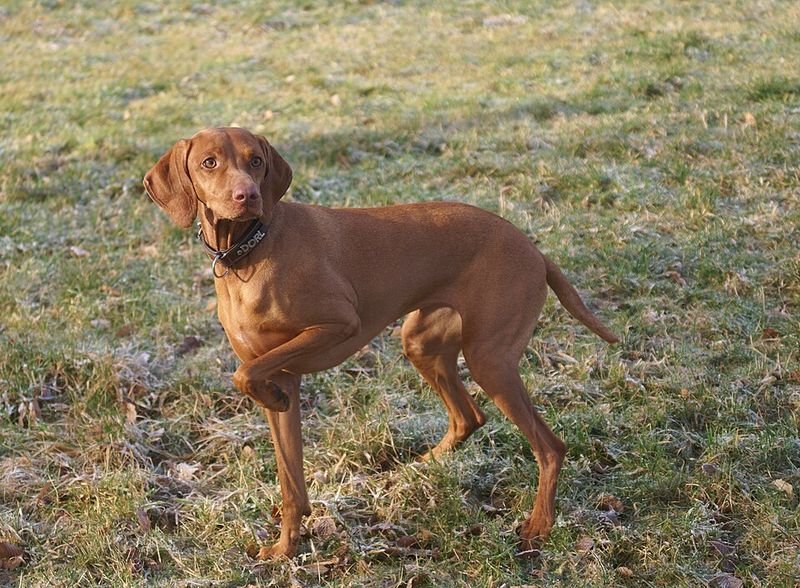
Vizslas are affectionate athletes that need mileage and connection. They bond through work done together, so turn workouts into team efforts.
Distance runs, field-style retrieving, and recall games on rolling terrain hit their stride beautifully.
Balance cardio with steadiness drills. Practice sit to flush on birds or toys, then reward with a release to retrieve.
Add place work after exercise to teach off switches, and use gentle stretching for recovery.
They read your energy, so confident, calm handling matters. Rotate routes, vary paces, and include water play when safe.
Provide daily mental snacks like shaping tricks or scent puzzles, and you will meet both heart and muscle needs, producing that velcro snuggle afterward.
Weimaraner
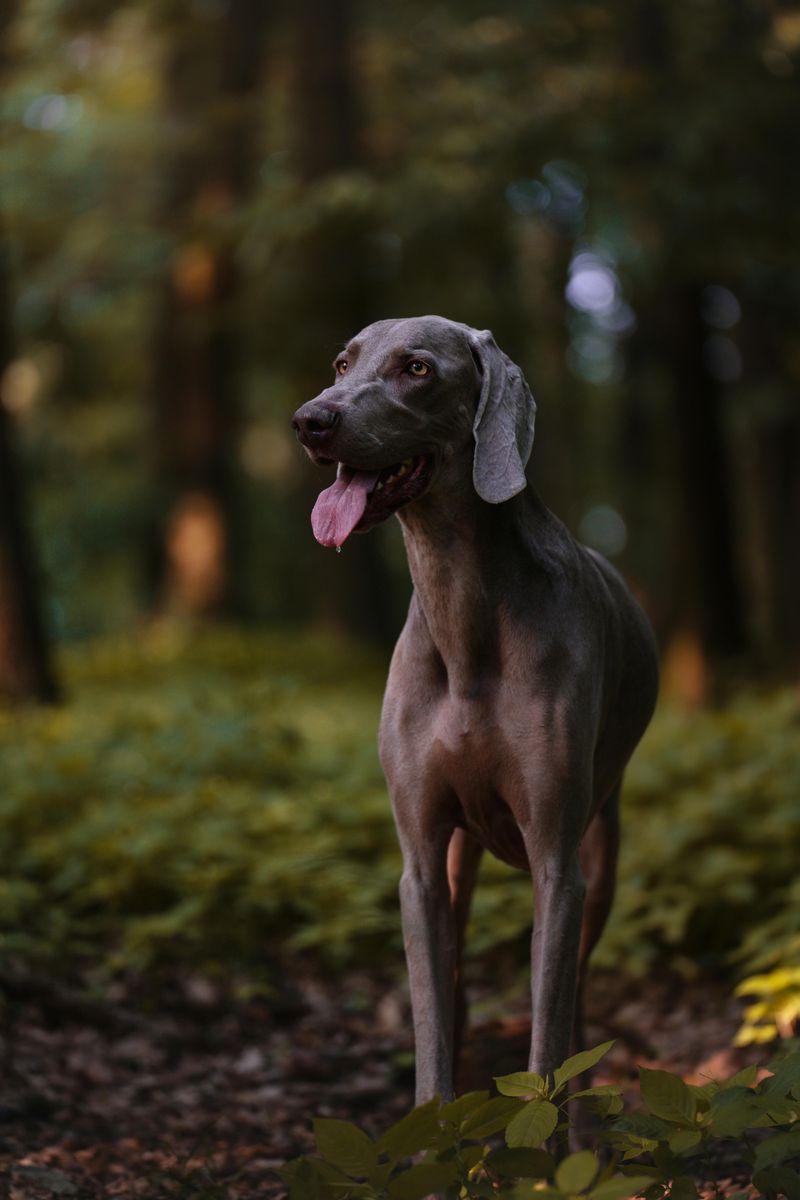
Weimaraners are turbocharged shadows that thrive on purposeful work. Under-exercised, they invent sports like counter surfing and redecorating.
Plan structured runs, tracking games, and long-line hikes that include impulse-control drills at every stop.
They respond well to varied terrain and tasks. Mix hill repeats, water retrieves, and scent trails with recovery days packed with brain games.
A steady diet of recall reps, place work, and loose-leash practice teaches gears, not just go.
Mindful fatigue beats exhaustion. End sessions with sniffing, stretching, and a chew to lower arousal.
When their body and problem-solving needs align, the Weim’s clingy affection turns peaceful, and your house finally feels like a home instead of an obstacle course.
Dalmatian
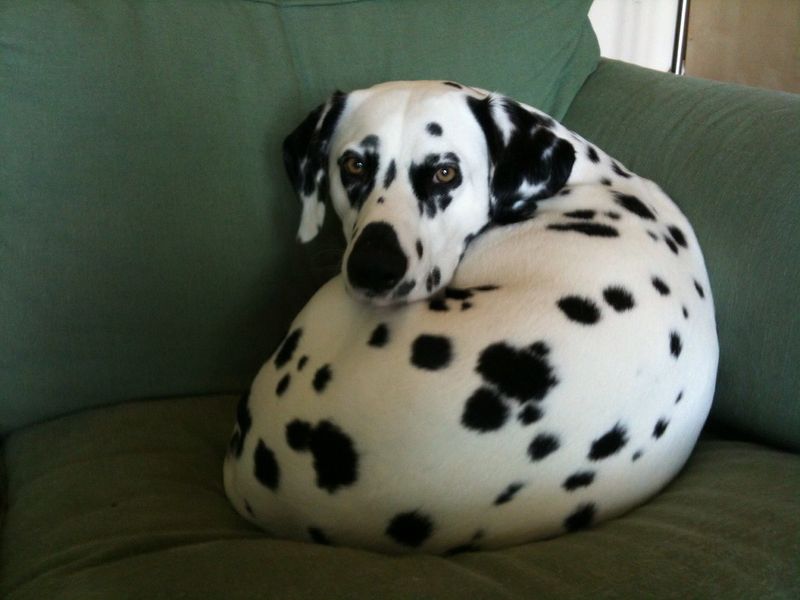
Dalmatians were historic coach dogs, so steady travel is in their DNA. They handle distance and tempo changes well when conditioned.
Try bike pacing, interval jogs, and structured fetch to scratch both endurance and play.
They also benefit from brain work. Add pattern games, scent buckets, and trick chains to prevent repetitive arousal.
Use checkpoints for hydration and brief stillness, building a reliable off switch after bursts of movement.
Monitor for urate stone risks with appropriate diet and water access, then enjoy their cheerful stamina. Rotate surfaces to protect joints and claws.
With consistent outlets and thoughtful cool-downs, your Dalmatian trades zoomy laps for spotted serenity sprawled happily across the nearest bed or rug.
Australian Cattle Dog
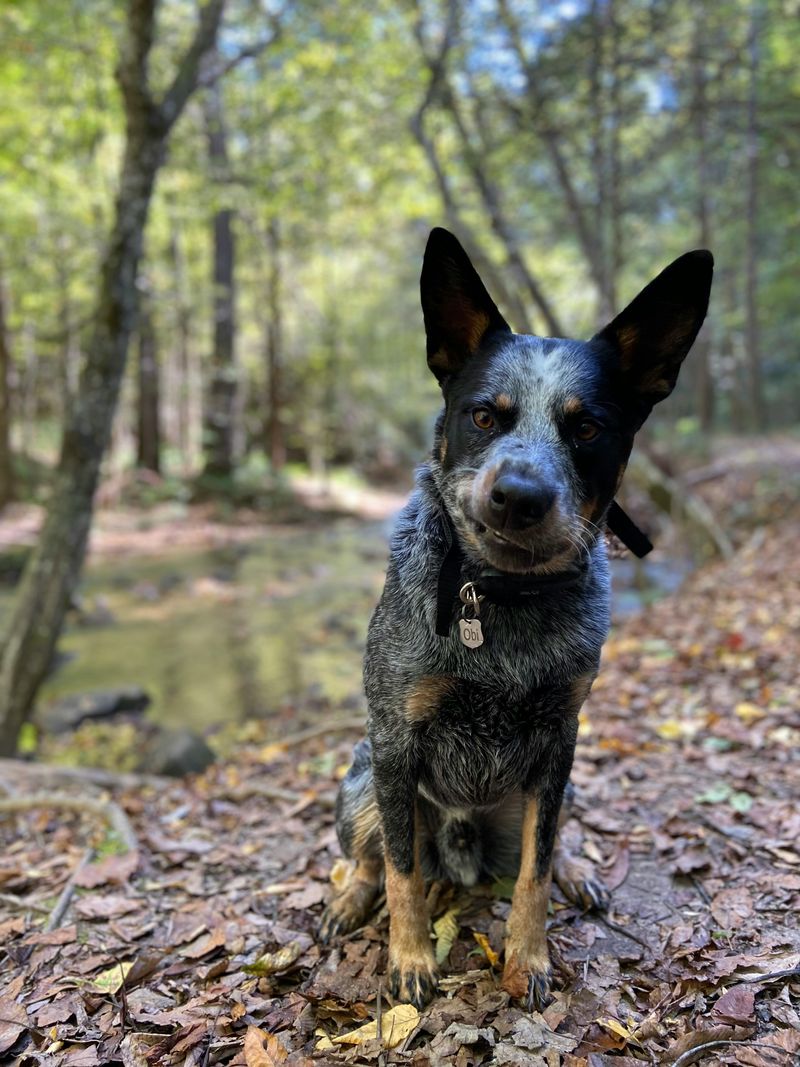
Australian Cattle Dogs are gritty problem solvers built for all-day jobs. That determination can morph into mischief without direction.
Give them herding substitutes like directed ball play with breaks, structured tug, and platform work to channel precision.
They shine with task lists. Practice heelwork around distractions, add backing-up drills, and include parkour-style obstacles on walks.
Short, powerful sprints plus obedience patterns deliver the mix of muscle and manners they crave.
Chew outlets help decompress those busy jaws. Rotate puzzle feeders and scent work to prevent pattern predictability.
With purposeful assignments and clear rules, your Heeler shifts from controlling the world to collaborating with you, then flops contentedly, ears twitching while dreams replay the day’s wins.
Labrador Retriever
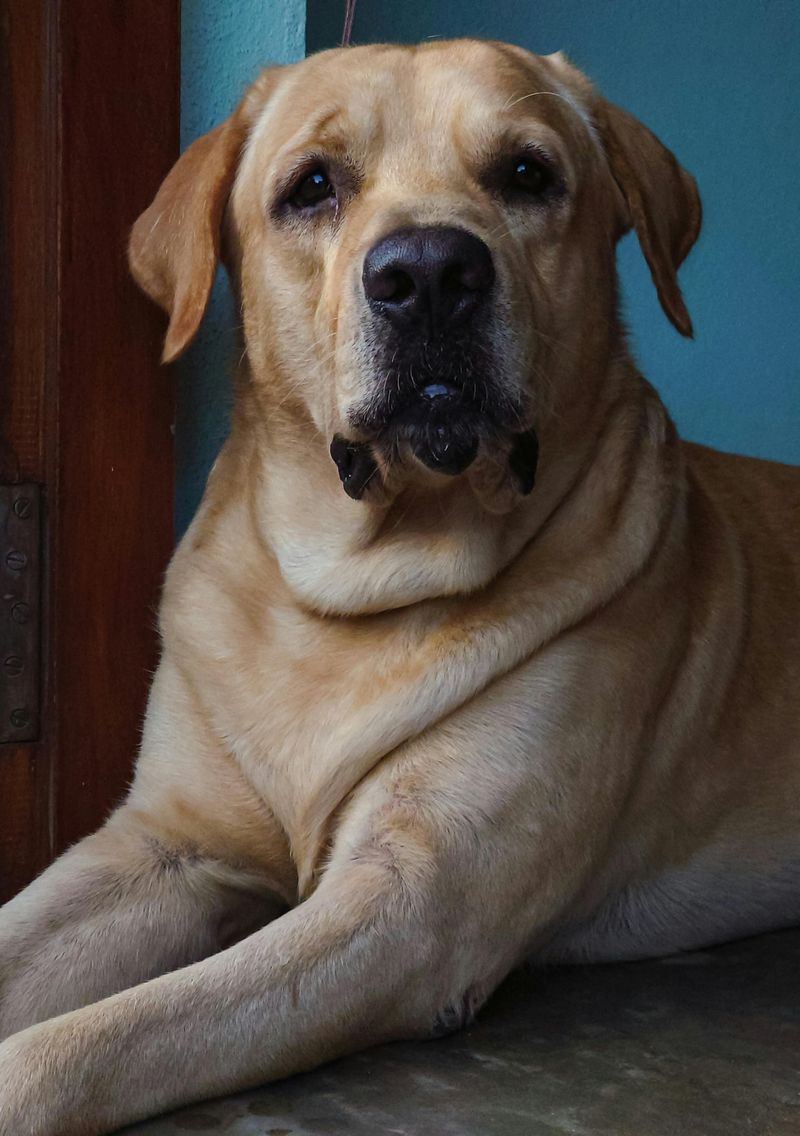
Labrador Retrievers are joyful workers who need more than yard fetch. Channel their retrieve drive with structured marks, water entries, and steadiness before release.
Mix cardio swims with land drills to satisfy body and brain together.
They can pack on energy and pounds if workouts get sloppy. Rotate swimming, field patterns, and scent games with impulse-control cues woven between retrieves.
Use place boards and quiet holds to build patience that carries into the house.
Food motivation is your ally, so use it to teach precision, not chaos. Keep sessions upbeat, brief, and frequent.
When Labs get purposeful retrieving and calm practice, they trade door-darting and counter raids for a thumping tail and a satisfied nap at your feet.
Golden Retriever
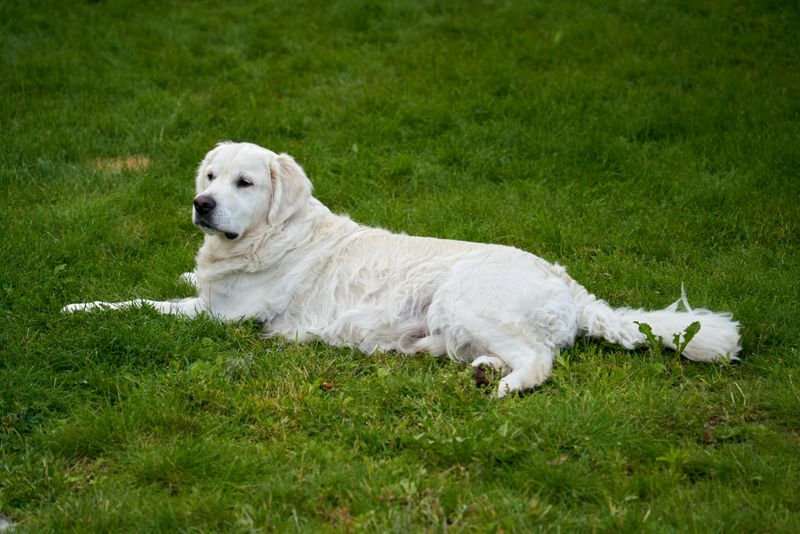
Golden Retrievers blend bouncy enthusiasm with a thoughtful heart. They thrive when retrieving becomes a thinking game, not just endless throws.
Add steadiness, directional cues, and occasional no-throw reps to build patience and control.
Balance cardio with joint-friendly choices like swims and soft-surface sprints. Pepper in scent puzzles and shaping tricks to work that eager brain.
Use calm reinforcement after excitement, such as place work or quiet chew time to help shift gears.
Watch for overexcitement around greetings and kids. Practice settle cues after exercise, rewarding stillness generously.
With smart outlets and gentle structure, your Golden’s sunshine energy turns into warm companionship, sparkling eyes, and a big sigh as they curl beside you, totally content.
German Shorthaired Pointer
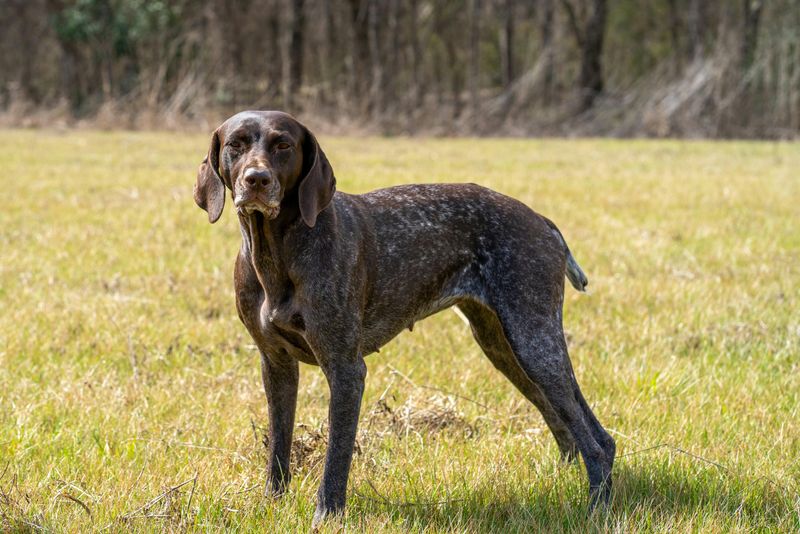
German Shorthaired Pointers run hot on curiosity and stamina. Long jogs barely touch their mental engine.
Work with that hunting heritage using field searches, steadiness to flush, and reliable recalls that pay big.
Intervals suit them well. Try sprint sets, then obedience patterns to throttle back.
Layer in tracking lines, water retrieves, and place breaks to build resilience and an off switch. Keep sessions crisp, then rest, then repeat.
They do best with structure and variety, not chaos. Rotate terrain and tasks while keeping rules consistent.
Meet their cardio and scenting needs, and your GSP shifts from pinging around the house to calmly loafing nearby, content after another satisfying, purpose-filled adventure with you.