
Some dogs look like gentle teddy bears until stress flips a hidden switch. Maybe you have felt that sudden tension on the leash or seen a hard stare appear out of nowhere.
This guide breaks down breeds that have surprised owners with unexpected aggression and shows practical ways to reduce risk. Read with an open mind and walk away with smarter, safer habits.
Akita
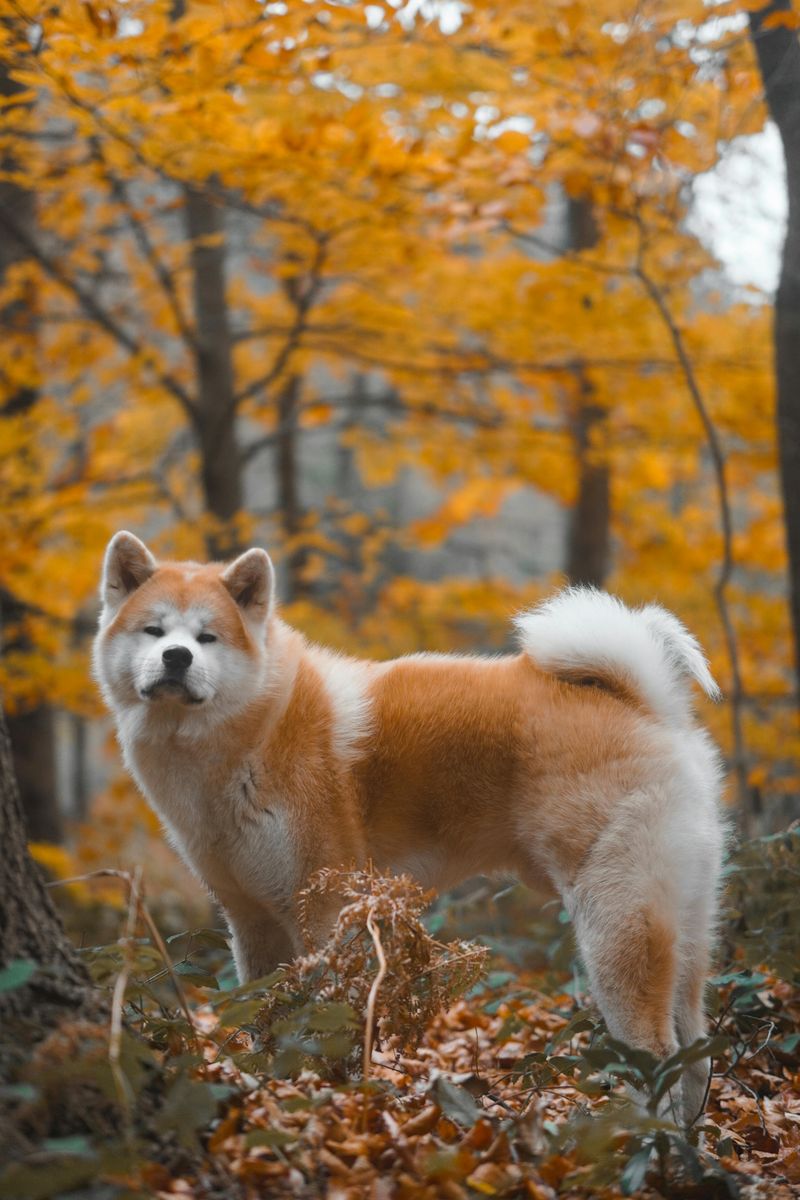
Akitas are dignified, loyal guardians, but their confidence can surprise first time owners. Bred for hunting and protection, they may react strongly to perceived challenges from other dogs or strangers.
Without consistent leadership, clear rules, and early socialization, small signals like a stiff tail or fixed stare can escalate quickly.
I always recommend structured obedience, calm exposure to new places, and strict management around resources. Akitas can be affectionate with families, yet they dislike rough handling and pushy introductions.
Use a sturdy leash, teach reliable recall, and supervise dog to dog meetings. If tension rises, step back, reset arousal, and reward neutral behavior.
Work with a qualified trainer who understands large guardians and positive, fair methods. Your consistency prevents misunderstandings.
Chow Chow
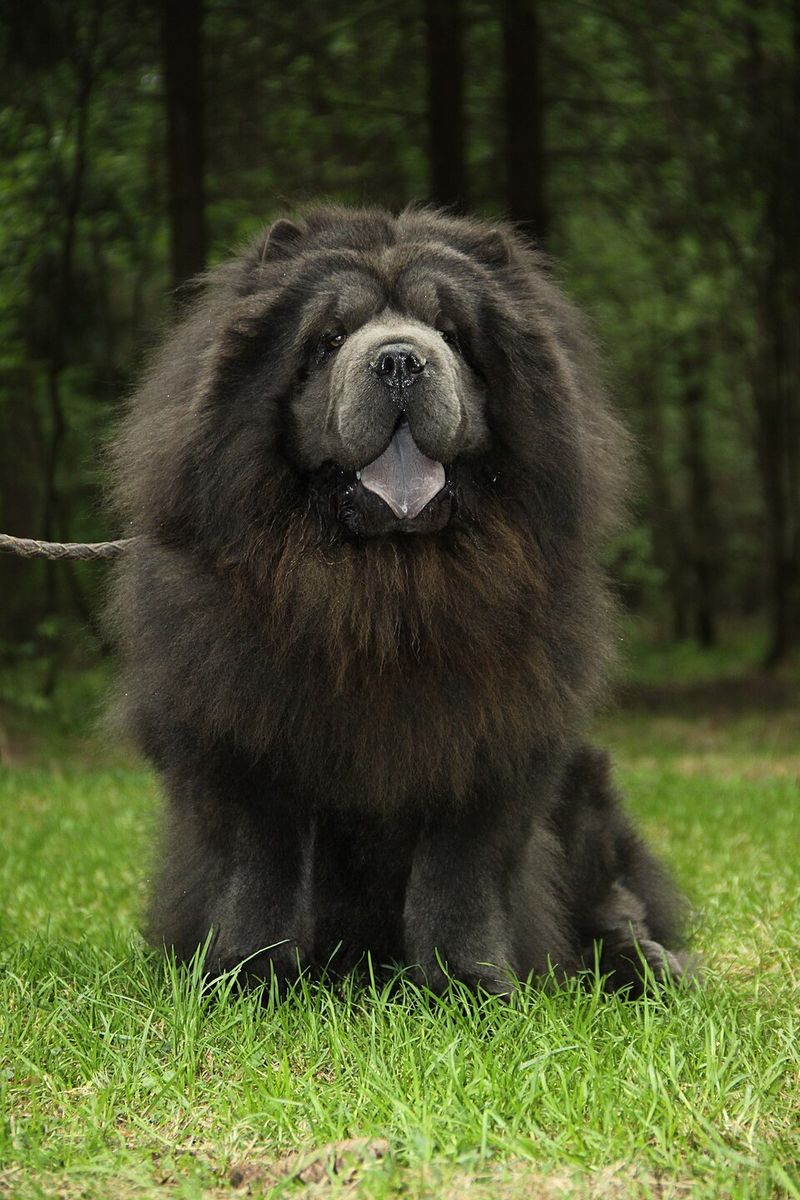
Chow Chows look like fluffy lions, yet their independence can catch you off guard. Historically used as guardians, they are reserved and can be territorial in tight spaces.
A hard stare, body blocking, or ignoring cues from other dogs may precede a sudden snap if boundaries feel crossed.
Socialize early with calm, neutral dogs and patient people. Keep greetings short, reward check ins, and protect their personal bubble.
Regular brushing sessions double as handling practice, building trust for vet visits and grooming. If stress climbs, give space, advocate for them, and guide choices with treats and quiet structure.
Use a well fitting harness, teach settle on a mat, and avoid forced contact in crowded areas. Calm routines make better decisions.
Shiba Inu
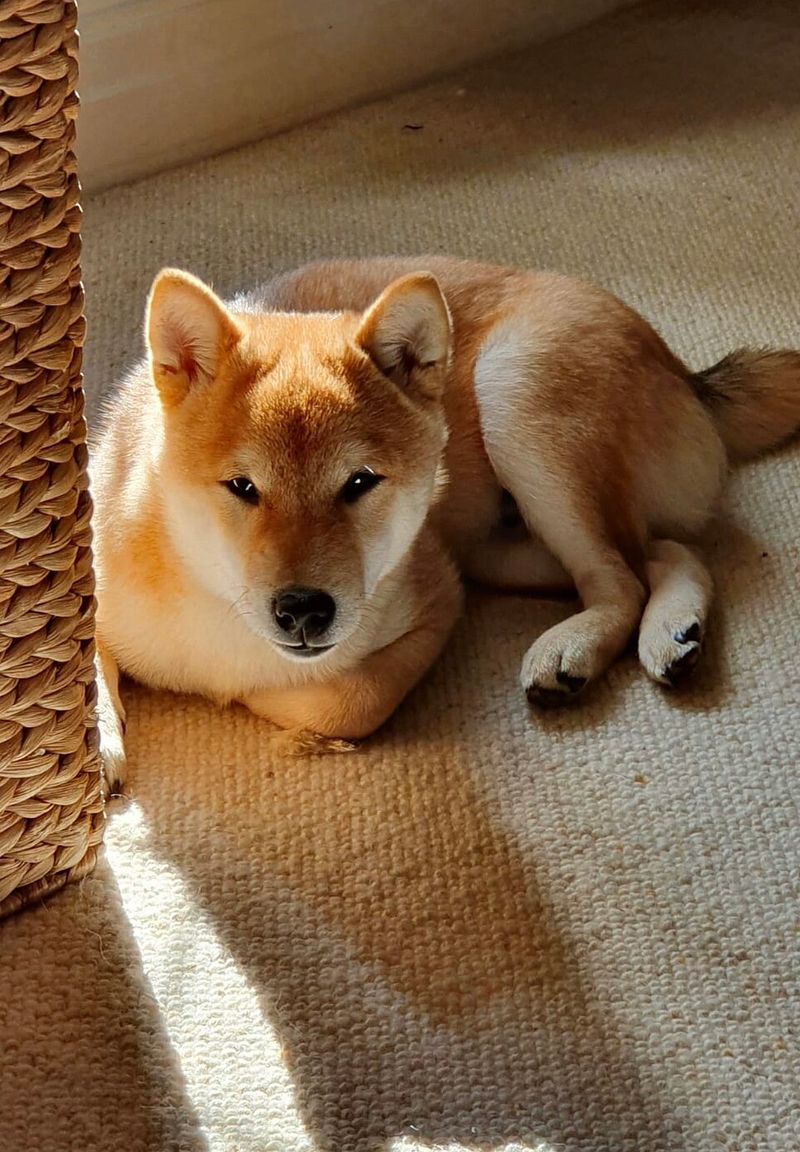
Shiba Inus are adorable fox like spitfires, famous for big feelings in small bodies. Their prey drive and strong opinions can spill into defensive reactions when restrained or overhandled.
Watch for whale eye, air snapping, or frantic twisting during grooming or nail trims, which signal rising conflict.
Plan short sessions, tons of rewards, and consent style handling. Let them approach the brush, pause often, and reinforce calm stillness.
Use long lines outdoors, practice trade games, and manage greetings to prevent rude on leash confrontations. If frustration spikes, take a breath, reset distance, and celebrate tiny wins consistently.
Shibas respect clarity, not chaos, so keep expectations predictable and your timing sharp. Confidence grows when mistakes are easy to fix kindly together.
Basenji
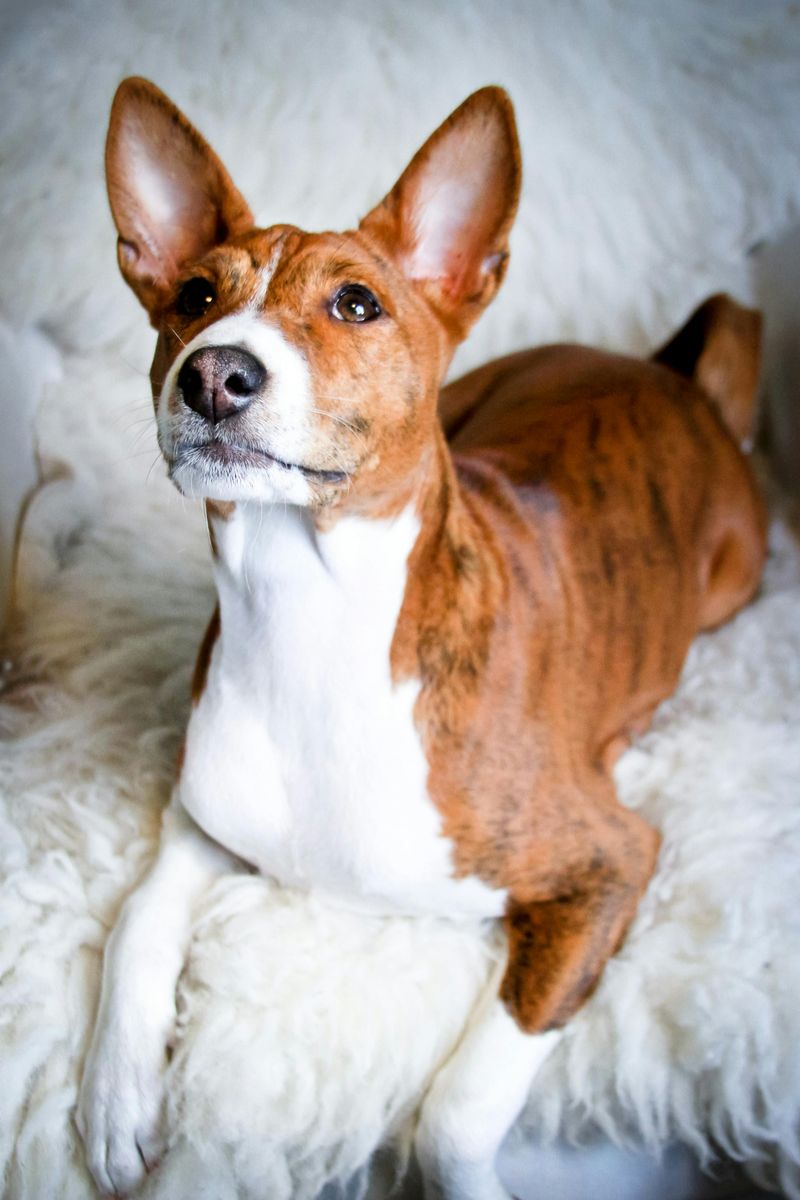
Basenjis are clever, cat like hounds that dislike rough handling and repetitive drills. Their alert nature and quick reflexes can flip into defensive nipping when surprised or cornered.
Pay attention to stillness, tight lips, or side eye before touching collars or interrupting high arousal play.
Use games that channel instincts, like sniffing, chasing flirt poles, and puzzle feeding. Keep leashes loose, teach hand targets, and swap items using calm trades.
Introduce new dogs with parallel walks and generous space. When tension shows, lower excitement, create distance, and reward soft eyes, loose bodies, and thoughtful choices.
Basenjis thrive on routines that respect privacy, sunshine, and quiet recovery after excitement. Clear communication prevents surprises and earns trust during everyday care at home.
Cane Corso
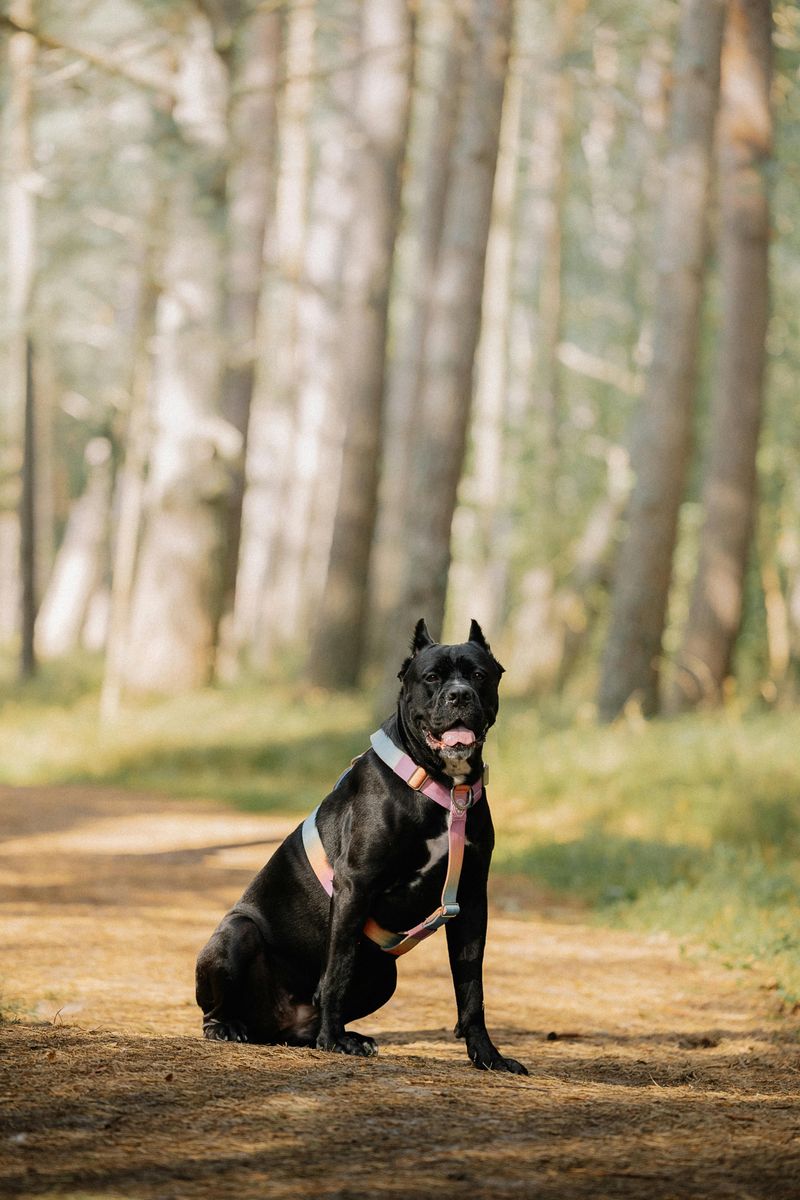
Cane Corsos are imposing athletes with deep guardian instincts that mature late. Without steady social exposure and fair boundaries, adolescent pushiness can turn into serious reactivity near fences or doors.
Subtle warnings like blocking, leaning, or slow hackles deserve respect before conflict escalates.
Prioritize impulse control, neutrality exercises, and rock solid obedience under distraction. I suggest place training, door manners, and quiet settling around visitors.
Use equipment that fits well, reinforce check ins, and avoid chaotic dog parks. If pressure builds, move away, breathe, and reset with simple cues, then pay generously for calm choices.
Partner with a reputable trainer experienced with guardian breeds and modern, humane methods. Consistency at home creates safety, predictability, and fewer risky misunderstandings for everyone.
Belgian Malinois
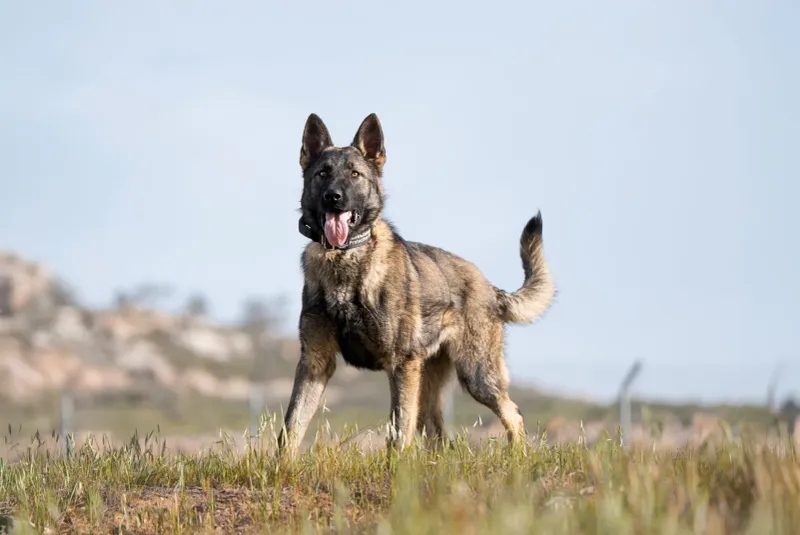
Belgian Malinois are brilliant workers with rocket fuel energy and laser focus. That intensity can explode into nipping or frantic spinning when bored, under exercised, or mishandled.
Watch for clamped mouths, stalking play, or fixating on movement, which can tip into hard mouthy behavior quickly.
Channel drive into scentwork, tug with rules, and structured agility or obedience. Keep training snappy, reinforce disengagement, and practice settle after play.
Use tethers, rotate chews, and crate train with care to prevent chaos. When arousal surges, pause activity, breathe together, and restart only when eyes soften and bodies loosen.
Work closely with a skilled coach who values clarity, motivation, and safe outlets every single day. Smart management protects guests, kids, and dogs during transitions.
Presa Canario
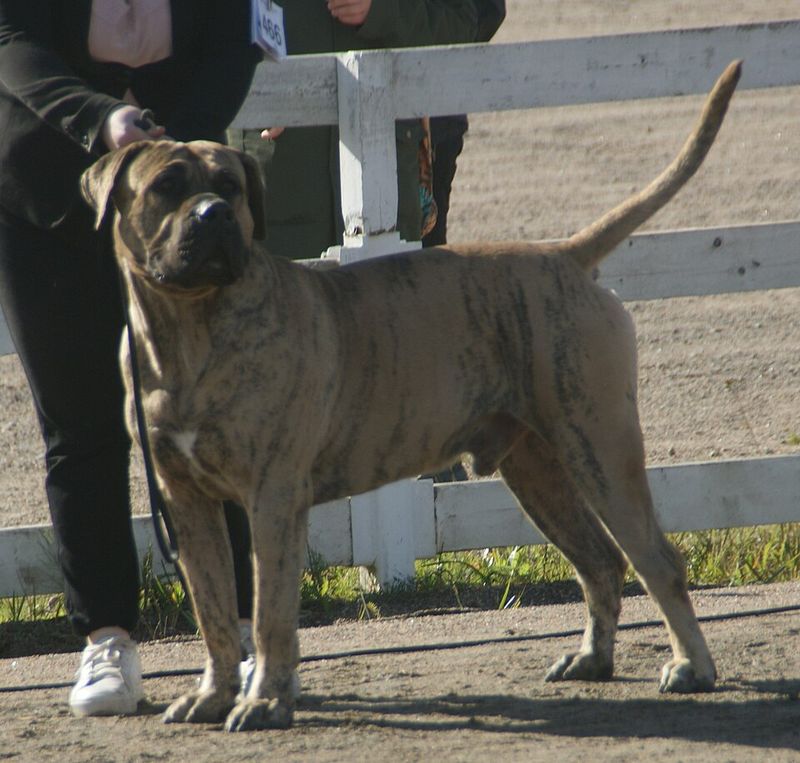
Presa Canarios are powerful farm guardians bred to make independent decisions. Their size and seriousness can shock new owners when adolescent testing turns into hard staring or body checking.
Crowded areas, chaotic greetings, and resource tensions often spark conflict if guidance is unclear or inconsistent.
Focus on calm routines, strong obedience, and thoughtful introductions with space. Teach rock solid leave it, place, and recall before tackling busy environments.
Use double control on walks, reward eye contact, and interrupt pressure early. If discomfort grows, remove temptation, slow everything down, and reinforce measured responses that keep everyone safer.
Partner with breed savvy trainers who prioritize humane structure, neutrality, and realistic goals over flashy chaos. Your steadiness builds trust through daily predictable patterns.
Dogo Argentino
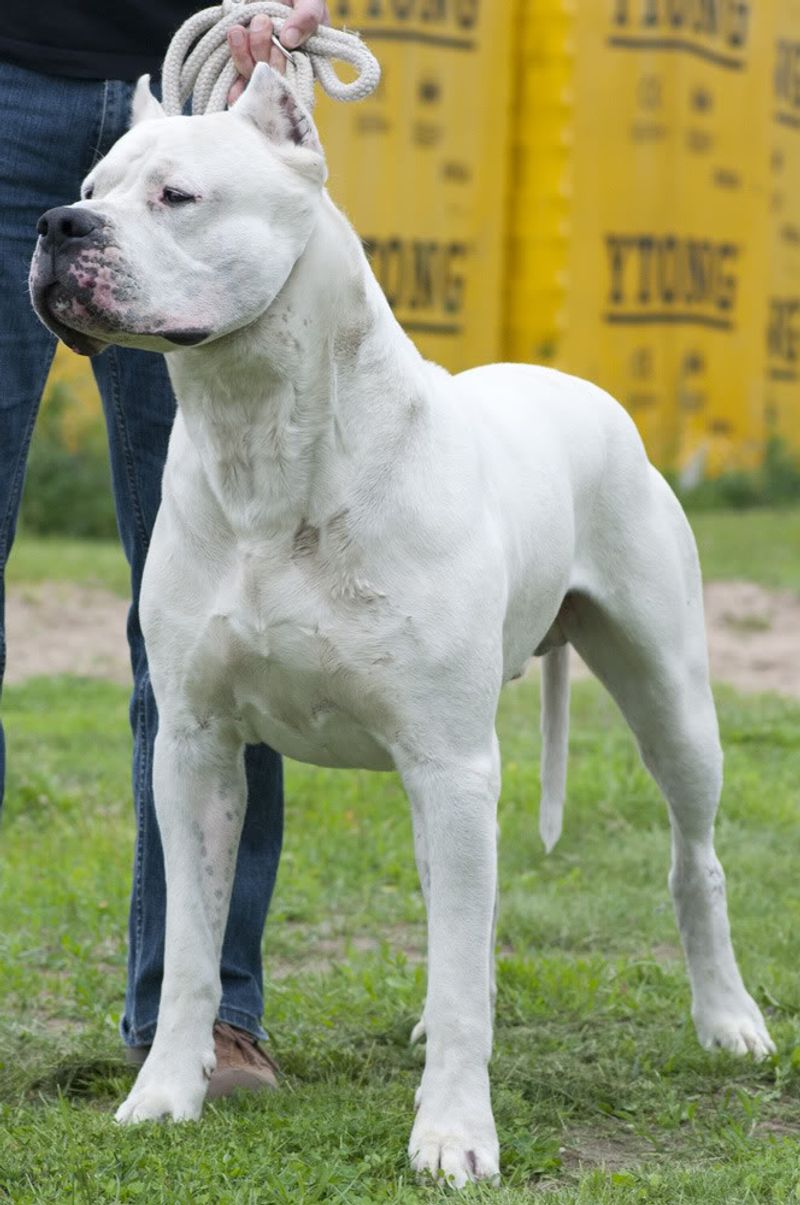
Dogo Argentinos are athletic big game hunters that bond deeply but require wise handling. High prey drive and bold confidence can become bullying toward dogs if limits are loose.
Early signals include towering posture, tight motion, and ignoring attempts to de escalate during play or greetings.
Build impulse control with structured exercise, tracking games, and obedience that rewards calm focus. Practice neutrality around dogs, and avoid high pressure dog parks.
Train solid recalls, muzzle condition kindly, and supervise interactions carefully. If arousal rises, increase distance, switch activities, and reinforce quiet choices until muscles soften and breathing steadies.
Work with professionals familiar with strong, driven breeds using clear, consistent, positive methods. Predictable routines reduce conflict and keep household harmony intact daily.
Fila Brasileiro
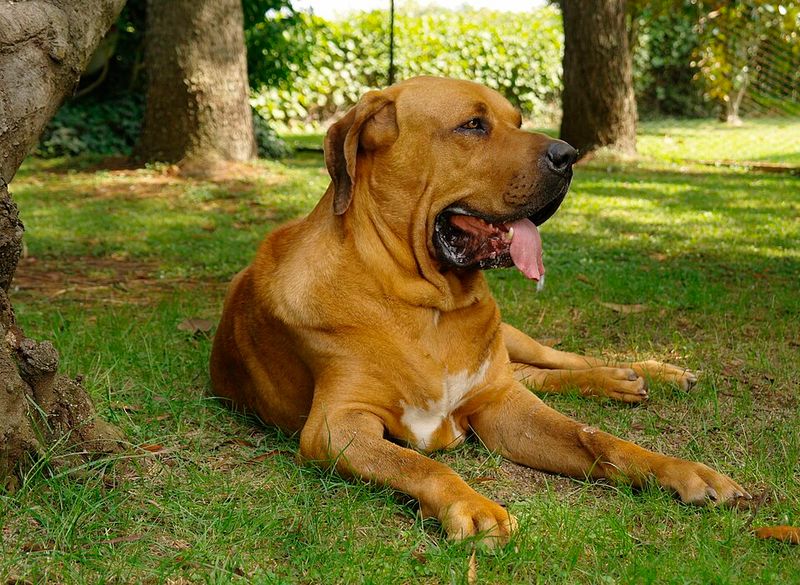
Fila Brasileiros possess intense loyalty to family and natural distrust of strangers. That instinct can appear as severe reactivity without careful socialization, management, and realistic expectations.
Stiff bodies, deep rumbling, and hard eye contact are communication, not stubbornness, and should be respected immediately.
Limit chaotic environments, teach calm house manners, and introduce visitors slowly with distance. Reward orientation to you, then release with a cue while you keep control.
Maintain secure fencing, fit equipment correctly, and avoid off leash areas. If anxiety spikes, leave promptly and rebuild confidence through predictable, quiet training sessions.
Partner only with trainers who respect the breed’s temperament and use modern, humane strategies. Your advocacy keeps everyone safe during daily routines and necessary appointments and travel.
Alaskan Malamute
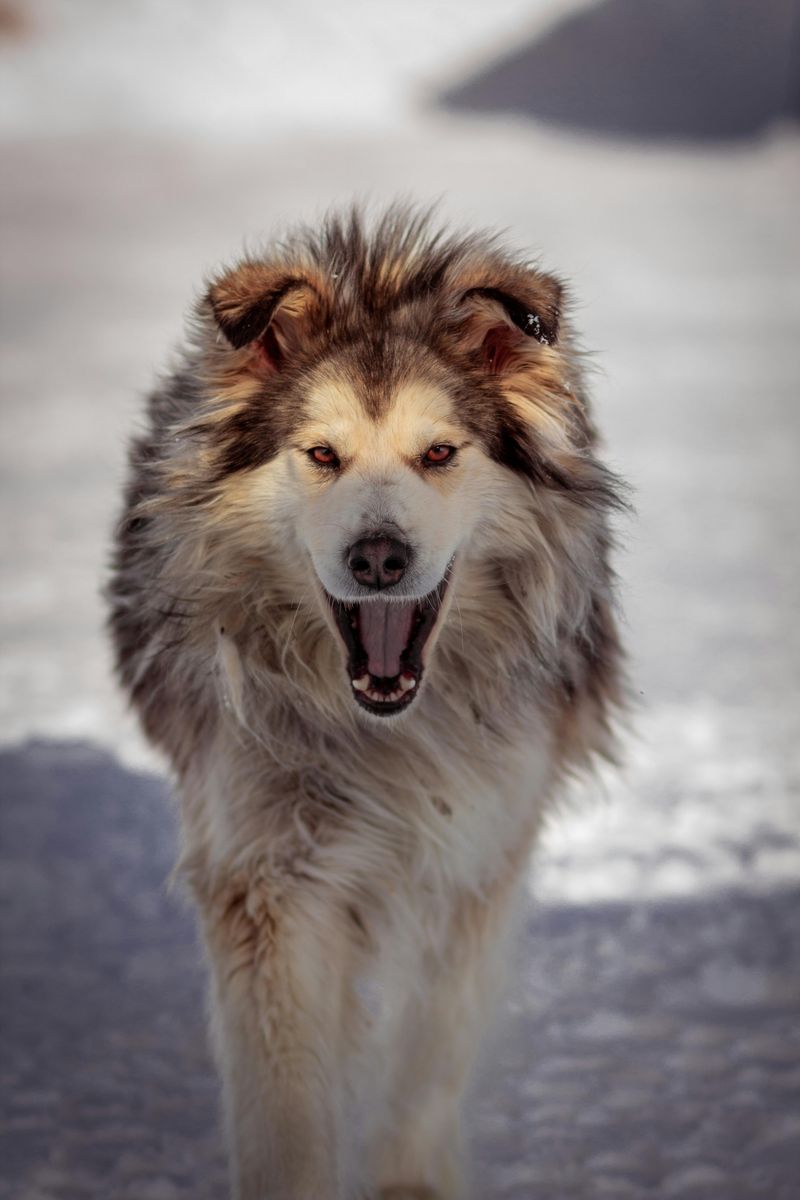
Alaskan Malamutes are powerful northern sled dogs built for teamwork, not dog park chaos. Their arousal around motion and competition can erupt into spats over toys, space, or food.
Subtle cues include stillness, tall posture, and curling lips when another dog crowds too closely.
Give generous exercise, structured pulls, and brain games that satisfy working instincts. Supervise multi dog homes, rotate prized items, and use gates to prevent pressure.
Teach smooth recalls, settle on a mat, and polite leash skills. If tensions rise, separate early, reduce excitement, and reinforce calm choices before regrouping safely.
Malamutes thrive when expectations are consistent, grooming is cooperative, and rest follows every adventure. Steady routines reduce conflict and protect valuable relationships at home for all.