
Some dog behaviors are more than quirks — they are early warnings you should not ignore. Catching red flags early can protect you, your dog, and everyone around you.
If any of these signs sound familiar, it is time to pause and make a plan. Let’s walk through what to watch for and what to do next.
Growling without clear reason
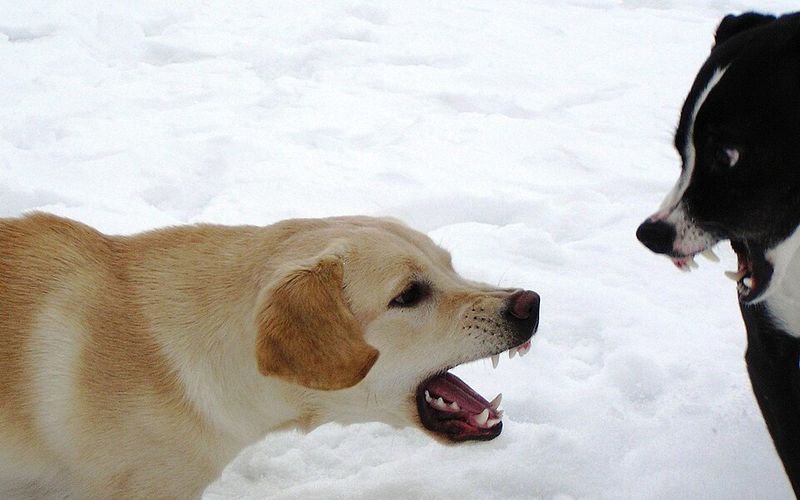
Growling that starts without a clear trigger is a warning you should not brush off. It can mean your dog feels unsafe, confused, or in pain.
When the context makes no sense, risk grows because the dog may react unpredictably.
Track patterns in a journal so you can spot links like time, location, sounds, or handling. Schedule a vet check to rule out pain, then work with a certified trainer using desensitization and counterconditioning.
Meanwhile, manage space, add distance, and give your dog a clear escape route to reduce pressure.
Use a muzzle for safety during training, introduce it slowly with treats, and never punish growling because it is information that helps you prevent a bite before it happens today.
Resource guarding intensifying
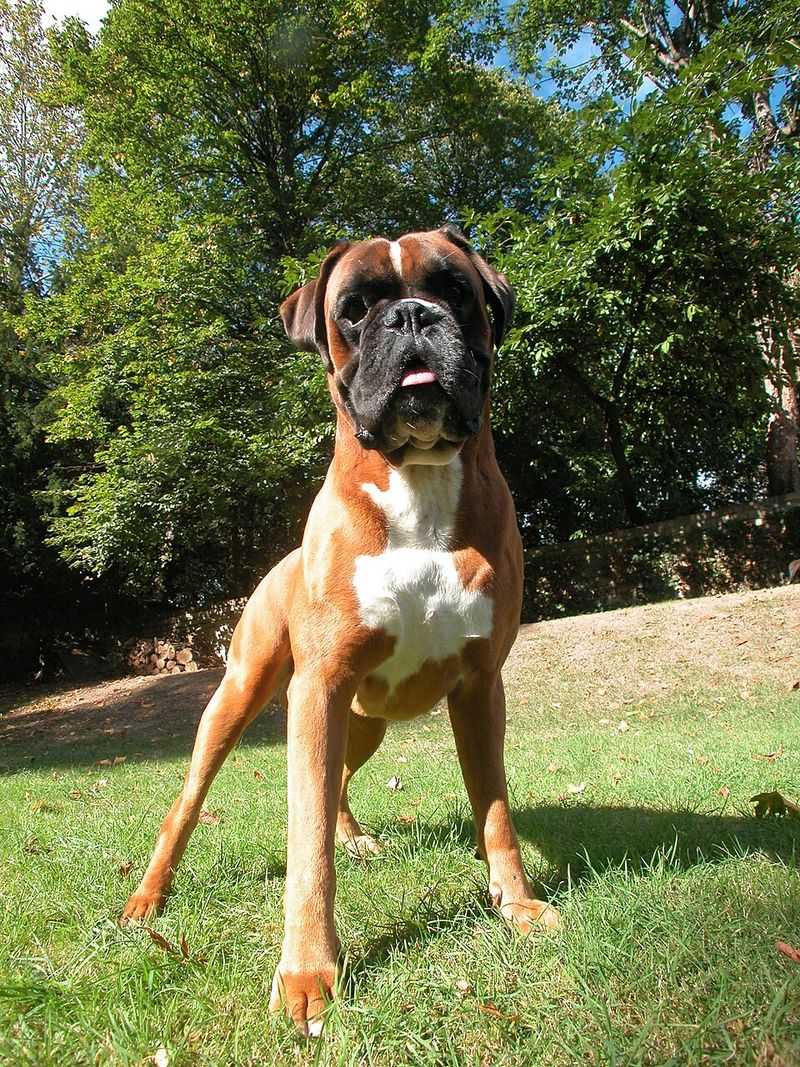
When a dog stiffens, hovers, or snaps around food, toys, or resting spots, guarding is likely building. You might notice the bubble growing larger and the warning signs getting faster.
If intensity increases, the risk of a sudden bite rises, especially around kids or guests.
Start trading games with high value treats, never force items away, and teach cues like drop and leave it. Feed in a quiet space and block access during meals for safety.
Get help from a qualified behavior professional for a stepwise desensitization plan.
Also schedule a vet exam to rule out pain that can worsen guarding. Keep sessions short, end on wins, and reinforce calm choices before the dog gets tense.
Snapping or lunging
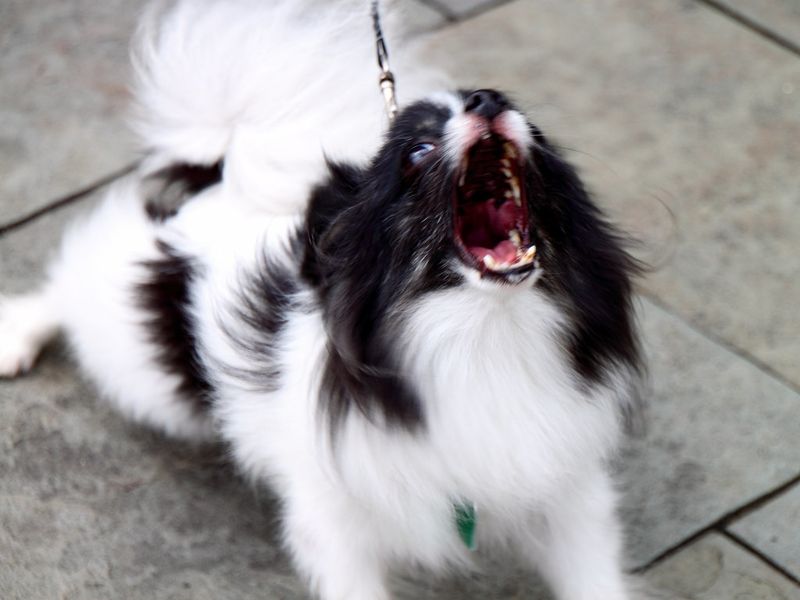
Snapping or lunging is not just attitude. It is a distance-increasing behavior that says please back off now.
The more it works, the more your dog will use it, and patterns can spread to new triggers.
Swap punishment for management and training. Add distance, use barriers, and choose quiet routes to prevent rehearsals.
Teach alternative behaviors like look at that, u-turns, and loose leash walking with high value rewards.
Use a well fitted harness and consider a basket muzzle introduced with treats for safety. Track threshold distances and gradually close the gap only when your dog stays relaxed.
If intensity grows or bites occur, pause and call a certified behavior consultant immediately.
Ignoring commands consistently

Consistently ignoring cues can signal stress, fear, or that the environment is simply louder than your training. It might also mean the dog never truly learned the behavior under distractions.
If responses keep slipping, risky choices can follow, like bolting or stiffening near triggers.
First, check the three Ds: distance, duration, and distraction. Lower the challenge, raise reward value, and split steps into smaller wins.
Practice in quiet places before adding one distraction at a time.
Make cues crystal clear and avoid repeating them. Reinforce the first response and end sessions while your dog still wants more.
If you suspect pain or anxiety, call your vet and a positive trainer. Consistency plus management keeps everyone safer.
Sudden behavior changes
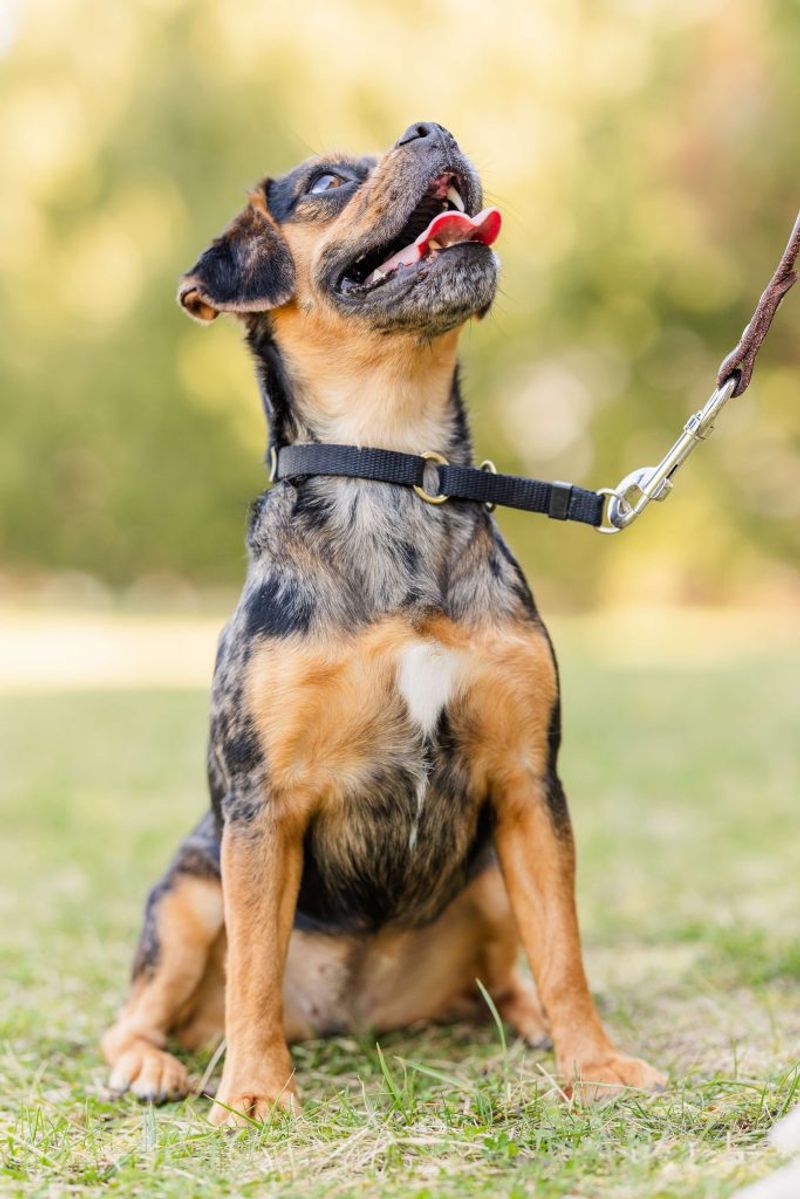
Sharp changes like withdrawing, clinginess, irritability, or sleep shifts can point to medical problems or growing stress. A dog who once loved guests might now hide, growl, or pace.
Sudden flips matter because behavior is an output, not a personality flaw.
Call your veterinarian first to screen pain, thyroid issues, or cognitive decline. Track food, sleep, and activity in a log.
Reduce social pressure, keep routines predictable, and offer quiet decompression walks.
Pair triggers with gentle distance and great treats to rebuild positive associations. Avoid flooding or forced exposure.
If changes persist, get a certified behavior pro to design a customized plan. Early action can prevent escalation and protect your dog’s welfare and your community’s safety.
Fixating on people or animals
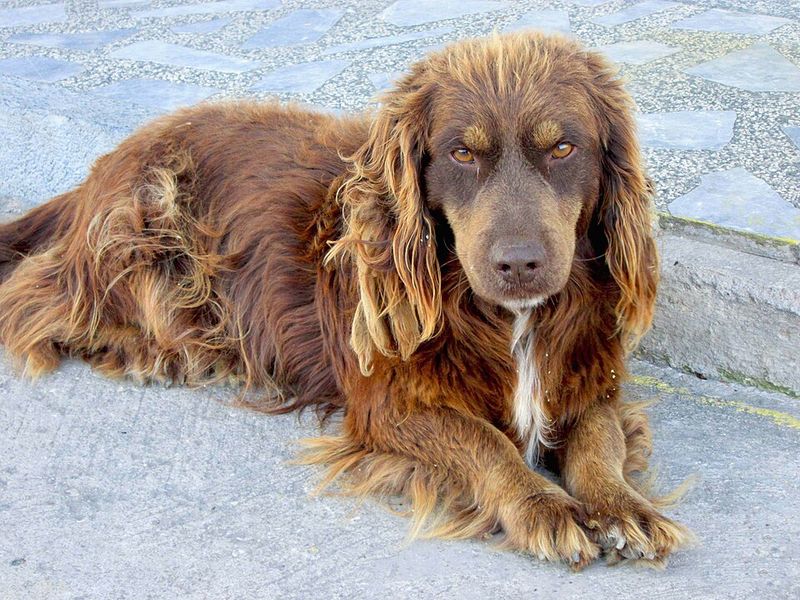
Hard staring, freezing, and tracking every move of a person or animal can mean fixation is taking hold. When the body goes still, risk often goes up.
Many bites follow quiet, rehearsed focus long before obvious outbursts appear.
Create space fast with calm u-turns, parked feeding, or stepping behind a car. Reward any head turn, blink, or sniff as a break in the stare.
Use look at that games to transform triggers into cues for treats and relaxation.
Prevent practice by avoiding tight hallways and crowded paths. Keep sessions short and successful.
A basket muzzle can add a safety layer while you train. If fixation persists or spreads, get professional help to map thresholds and progress safely.
Lack of socialization
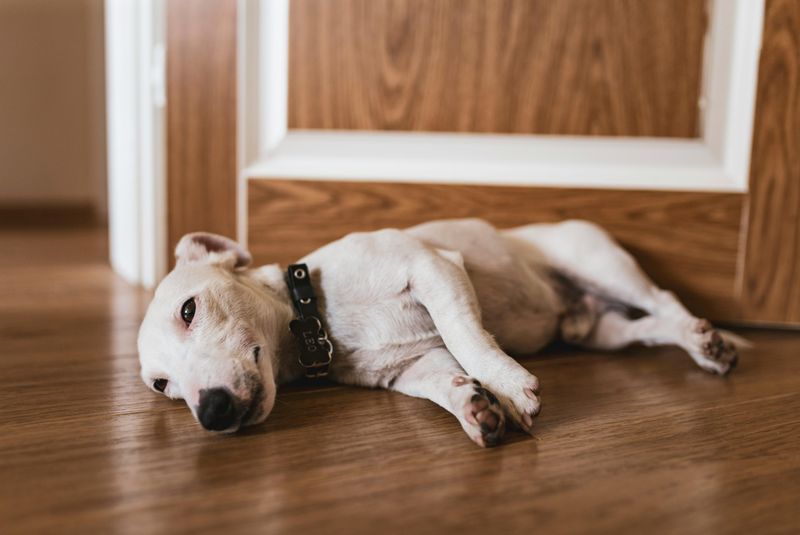
Dogs that missed early socialization may find normal life overwhelming. Common sights, sounds, and handling can feel scary, showing up as cowering, barking, or escape attempts.
Without guidance, fear can harden into defensive aggression.
Start slow with structured, positive exposures at safe distances. Pair every new thing with great treats and the option to move away.
Skip busy dog parks and choose controlled classes run by positive trainers who respect thresholds.
Use mats, sniffy walks, and predictable routines to build confidence. Keep sessions short and end on a win.
Never force greetings, and teach consent cues for handling. Over time, careful desensitization and counterconditioning can turn the world from threat into opportunity, improving safety for everyone around you.
Escalating aggression
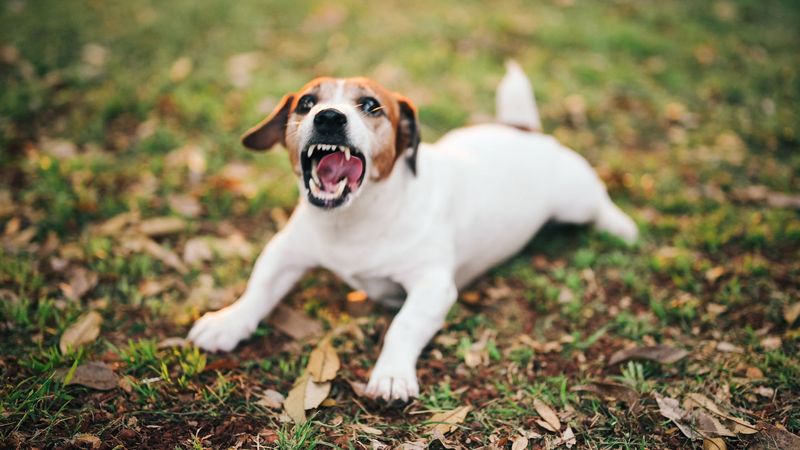
When warnings shorten and intensity rises, you are seeing escalation. Growls turn to snaps, and snaps drift toward contact.
Each rehearsal makes the pathway faster, so the window to intervene shrinks.
Stop rehearsals with management: gates, crates, leashes, and strategic space. Log every incident with time, trigger, distance, and recovery.
Bring in a certified veterinary behaviorist or qualified consultant for a medical and behavioral plan.
Use muzzle training for extra safety. Replace punishment with desensitization, counterconditioning, and reinforcement of alternative behaviors.
Prioritize predictable routines and decompression. If there is a legal bite, follow local rules, inform your insurer or landlord if needed, and protect others while you rebuild skills thoughtfully.
Fear-based reactions

Fear shows up as tucked tail, pinned ears, panting, whale eye, and escape attempts. Some dogs go quiet and freeze.
Others bark and lunge to push the scary thing away. Fear motivates many bites when escape is blocked.
Give distance first, then pair the trigger with tiny treats at a level your dog can handle. Let your dog choose to approach or retreat.
Use predictable routines, a comfy safe zone, and teach a go to mat cue.
Avoid flooding by slicing exposures into tiny steps. Track progress and pause if signs worsen.
Pain can amplify fear, so include your vet. Choose kind, evidence based methods that build trust and choice, helping your dog feel safe and respond calmly.
Biting during play
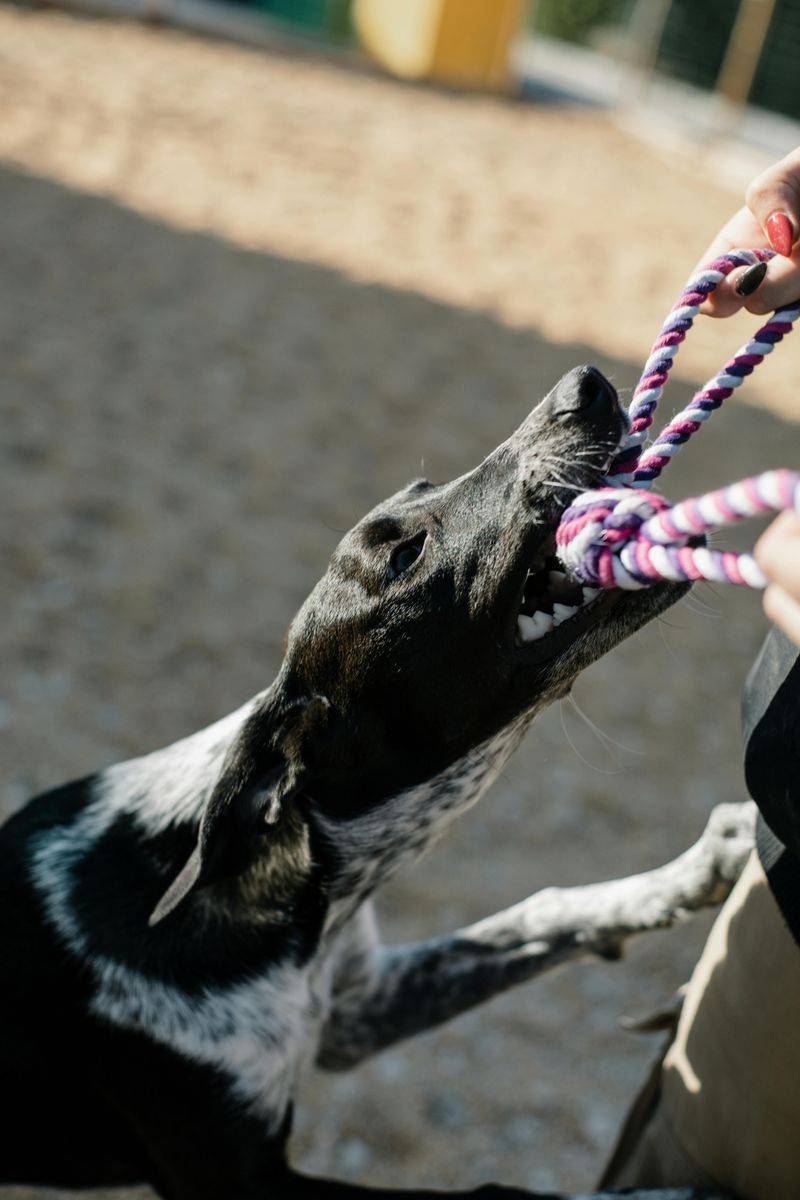
Play that tips into hard biting, body slams, or vocal spikes can turn risky fast. Watch for stiff pauses, pinned ears, or one dog trying to escape.
If arousal keeps climbing, injuries can follow.
Use short play bursts with frequent breaks for check-ins. Teach drop, leave it, and come so you can pause action smoothly.
Match dogs by size and style, and skip dog parks if your dog struggles to self regulate.
Redirect to sniffing or scatter feeding when energy spikes. If mouthing you gets harder, end the game and switch to calmer activities.
Reinforce soft mouths and polite play. If patterns repeat or a bite occurs, consult a positive trainer to rebuild safe social skills.
Not responding to correction
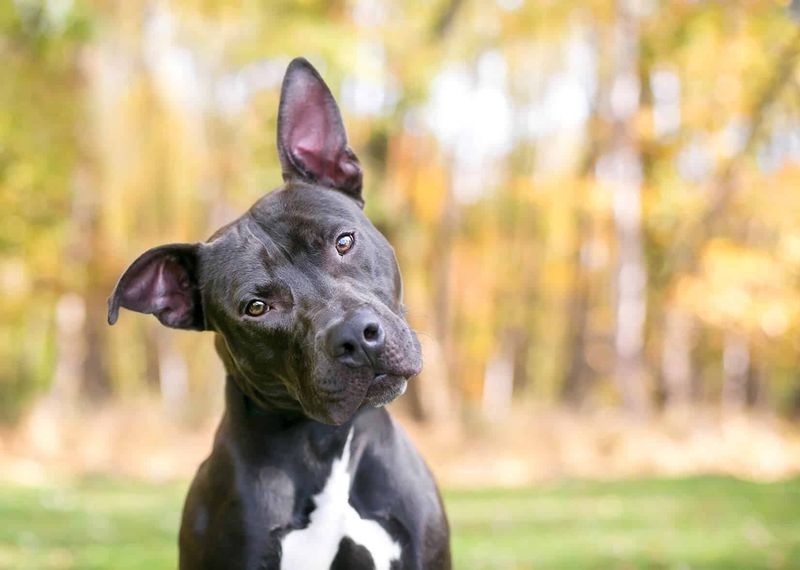
When corrections do nothing, your dog may be over threshold, frightened, or confused. Punishment can backfire, hiding warnings and raising fear.
If the behavior persists or worsens, risk goes up because communication is breaking down.
Shift from correction to guidance. Increase distance from triggers, reduce demands, and pay generously for desired behaviors.
Make reinforcement clear and immediate so your dog knows what earns success.
Teach reset cues like let’s go and pattern games to lower arousal. Keep sessions short with easy wins.
If there is a safety risk, add a muzzle and management tools while you retrain. Partner with a force free professional to create a humane, effective plan.