
Think your dog only gets jealous in cute, harmless ways? Look closer, because those quirky antics can secretly say this attention is mine.
From dramatic flops to sneaky item grabs, jealousy shows up in surprisingly clever behaviors. Here is how to spot the signs fast and turn drama into calm, loving connection.
Pushing between you and others
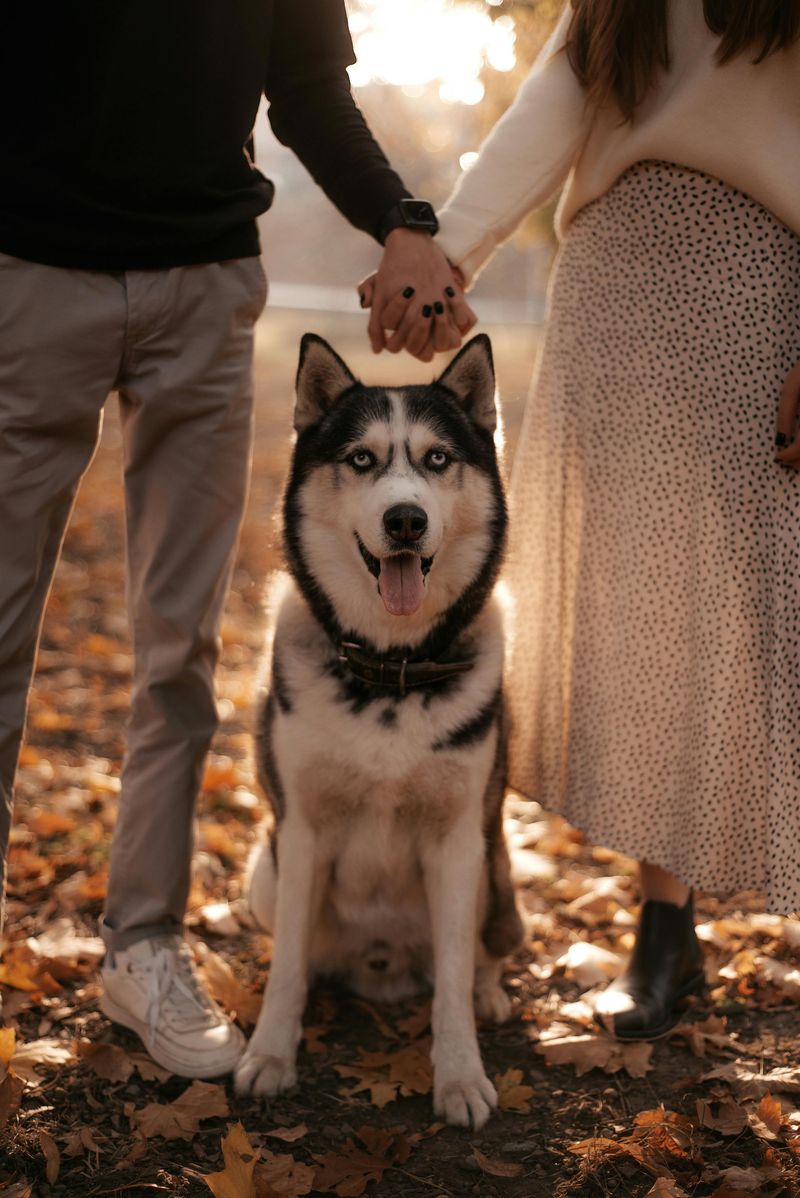
When jealousy spikes, your dog might wedge their body right between you and whoever has your attention. It feels playful, but it is a strategic move to reclaim prime real estate near your hands and face.
You can gently guide them back, then reward calm waiting so they learn that patience gets them closeness over time, not force.
Practice controlled greetings with friends, alternating brief pets for your dog and the visitor. If nudging continues, stand still, fold arms, and ignore until four paws settle gently.
Mark that moment with a calm yes and treat, then resume the conversation to show that polite behavior makes affection happen instead of pushy tactics.
Barking when you show attention elsewhere
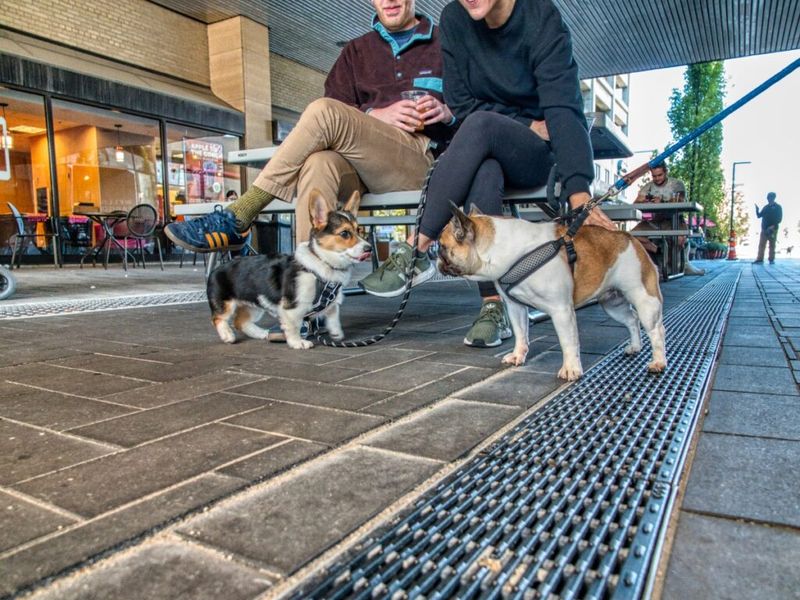
Jealous barking often erupts the second your gaze shifts to someone else. It is a loud, inconvenient way to say hey, look back at me right now.
Start by preempting it with a cue like place, rewarding quiet while you chat or hug a friend. Practice before guests arrive at home.
Build duration in tiny steps, adding distractions at a pace your dog can handle without tipping them into frustration. If barking breaks through, calmly reset without scolding, then pay generously for even two seconds of silence and praise.
Pair attention with a chew or snuffle mat nearby so your pup learns that your social time predicts relaxing, rewarding jobs. Calm earns your attention later.
Clingy behavior out of nowhere
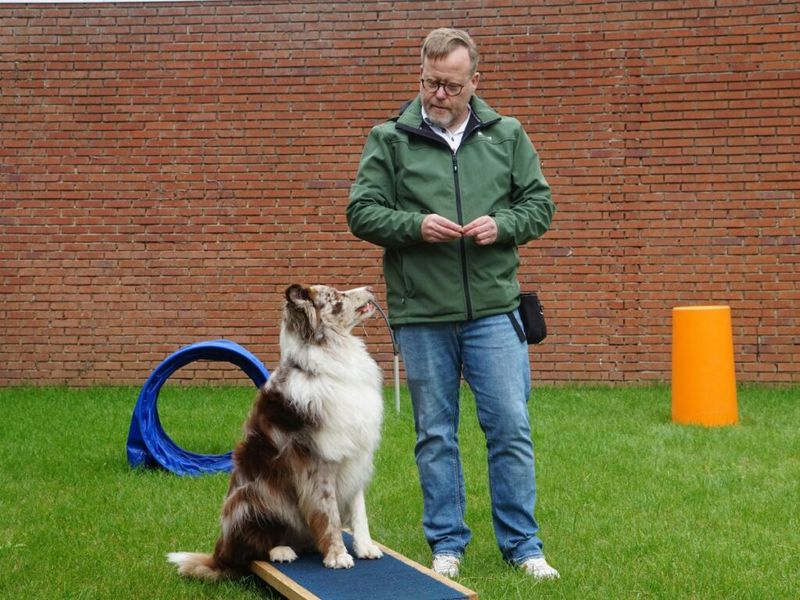
Sudden clinginess can feel cute until you cannot move without a furry shadow. Jealousy can flip a switch when another person or pet gets affection, and your dog glues themselves to your heels.
Teach a cozy station like a bed or mat that always pays for independent settling with treats and praise at first.
Toss a scatter of kibble there before you start talking with someone, then intermittently drop more for staying put. Keep sessions short, and release for cuddles so your dog does not feel shut out.
Noticing that release keeps trust strong. Over time, the pattern becomes clear, and closeness stops feeling scarce because calm independence reliably predicts getting invited back in together.
Ignoring commands suddenly
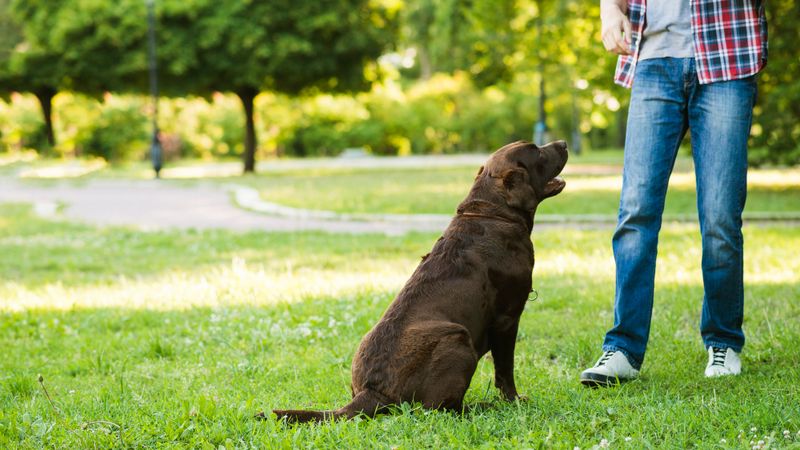
When jealousy bubbles up, obedience can evaporate like mist and your cues sound faint compared to feelings. A dog that sits perfectly may suddenly act deaf the moment you greet someone else.
Rather than repeating cues, step back to easy wins and pay big for compliance around distractions. Use high value food and cheerful praise.
Run a quick training game before visitors arrive, then sprinkle simple cues during conversations. If your dog complies, deliver a treat or access to you, whichever matters more consistently.
If they ignore you, calmly pause the interaction, reset distance, and try again so the pattern teaches that listening makes attention return over time.
Stealing items for attention
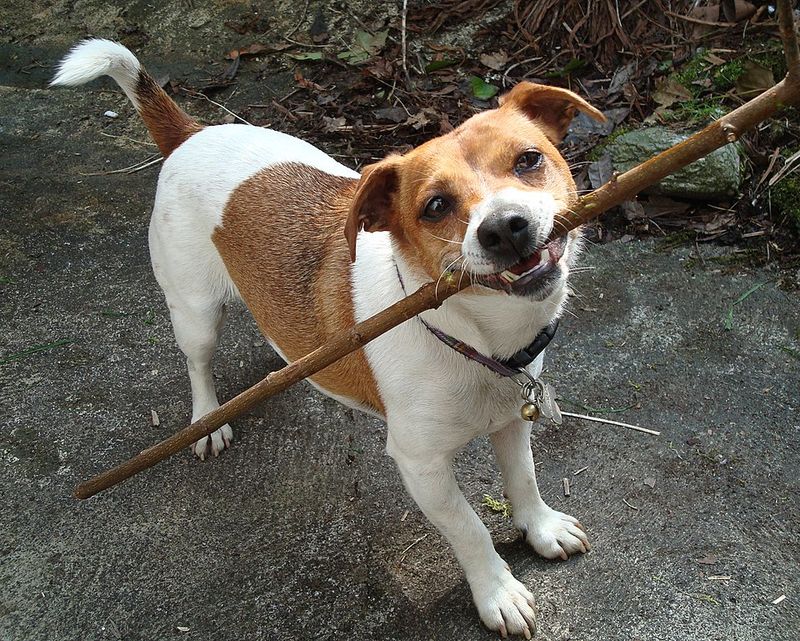
Grabbing socks or remotes or dish towels, shoes, even mail often is not about the object. It is about you springing into action while jealousy buzzes under the surface in a flash.
Chasing usually rewards the theft, so switch to an easy trade game that turns stealing into a boring, predictable exchange.
Keep a stash of chewies and low value treats in key rooms for quick swaps near doors and couches. Approach calmly, cue drop, then offer the trade and scatter a few extras away from your body reliably.
Praise the release, and quietly remove tempting clutter so the habit loses its spark and your attention arrives for calm choices instead, when brains are calm.
Whining when excluded
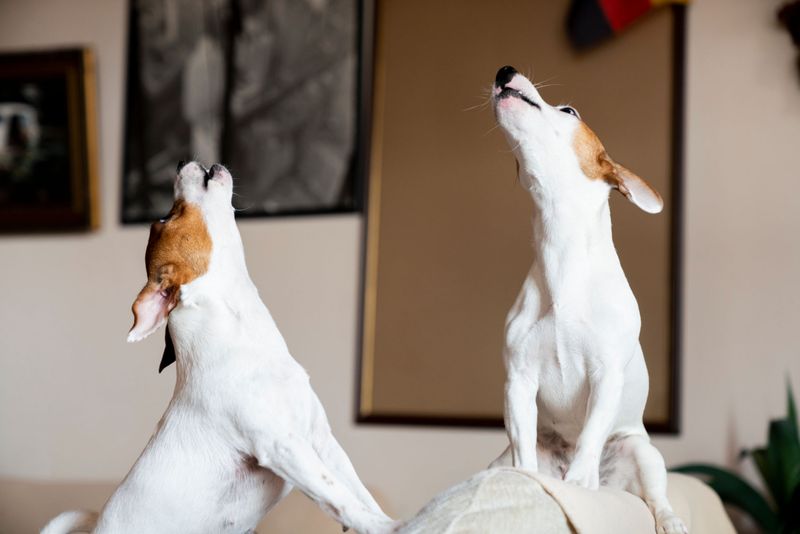
That rising whine when you close a door or lean into a hug can signal jealous discomfort. Your dog is worried the good stuff is happening without them and missing access to you feels unfair.
Rather than soothing nonstop, give a clear job that makes inclusion predictable every time.
Practice behind a baby gate, feeding a stuffed chew right as conversation begins. If whining starts, pause the talk, wait for a breath of quiet, then mark and pay gently.
Slowly stretch the quiet moments, keeping sessions short, so your dog learns that calm brings you back and the world does not end when they wait, with predictable returns.
Blocking other pets from you
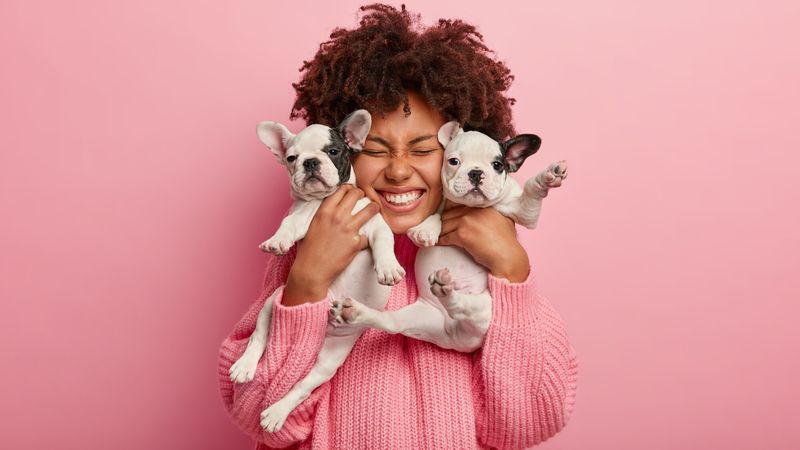
Some dogs body block rivals with slow motion shuffles or full on hip checks together now. It looks funny until tension spikes and relationships sour quickly without help.
Step in early and coach a taking turns routine that still guarantees plenty of love. Use soft voices and slow movements.
Hold your dog’s collar or harness lightly, feed a treat, then reward the other pet, and alternate. If blocking returns, calmly guide your dog to a mat for a paid break, then rejoin patiently.
Keep leashes off to reduce tangles when safe. Predictable rotation lowers the urge to guard you, and everyone earns attention without conflict or side eye stare downs.
Practice during calm times first.
Acting overly dramatic
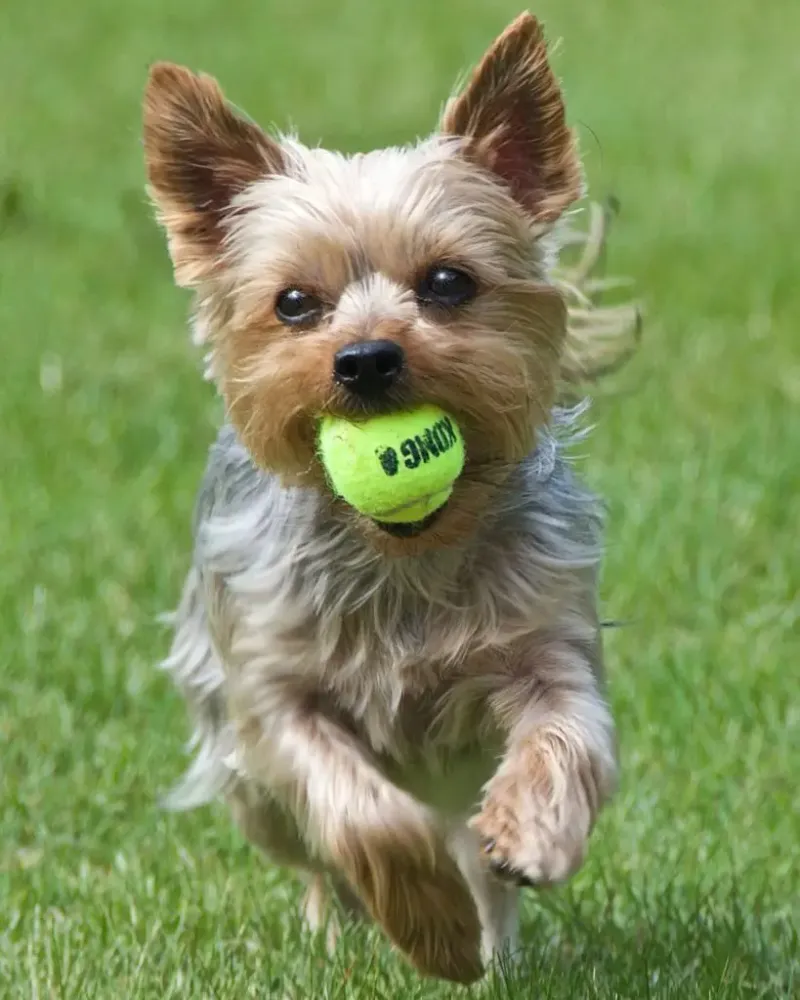
Some dogs throw theatrical sighs, flops, or side eyes when jealousy hits. It feels silly, yet the performance can rope you into giving attention, especially if you laugh or coo.
Acknowledge the emotion without feeding the show, then give a simple, earnable task. Make success easy at first.
Ask for a down on a mat, feed three slow treats, and release. If dramatics ramp up again, repeat the sequence, keeping your voice neutral and your movements relaxed.
Pair it with a sniffy scatter nearby. Over a few sessions, the routine turns drama into a predictable ritual where calm earns connection and big feelings shrink to manageable size.
That way your attention feels safe and fair.
Following you excessively
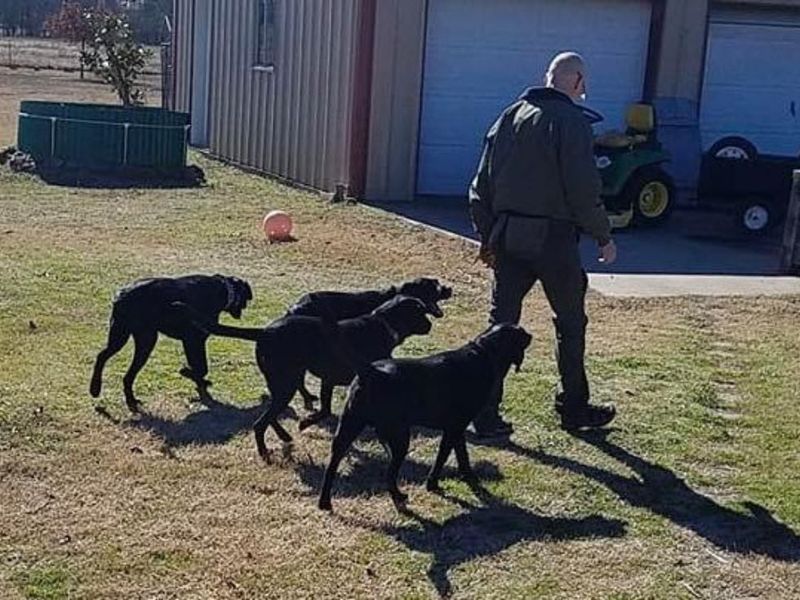
Shadowing your every move can spike when jealousy stirs, especially in tight spaces. Suddenly, bathroom trips get an escort and turning away from a guest brings a trotting buddy.
Teach a follow me cue for structured movement, and pair it with a go rest cue that pays generously. Use food, toys, or gentle petting.
Walk short patterns through the house, cue rest, pay, then release to follow again. Sprinkle easy successes until your dog anticipates resting as part of the dance at first.
Keep sessions brief and upbeat. When guests visit, run the pattern between conversations so your dog gets guided connection and predictable breaks instead of anxious tailgating.
Your presence stays available without clinging.
Interrupting interactions
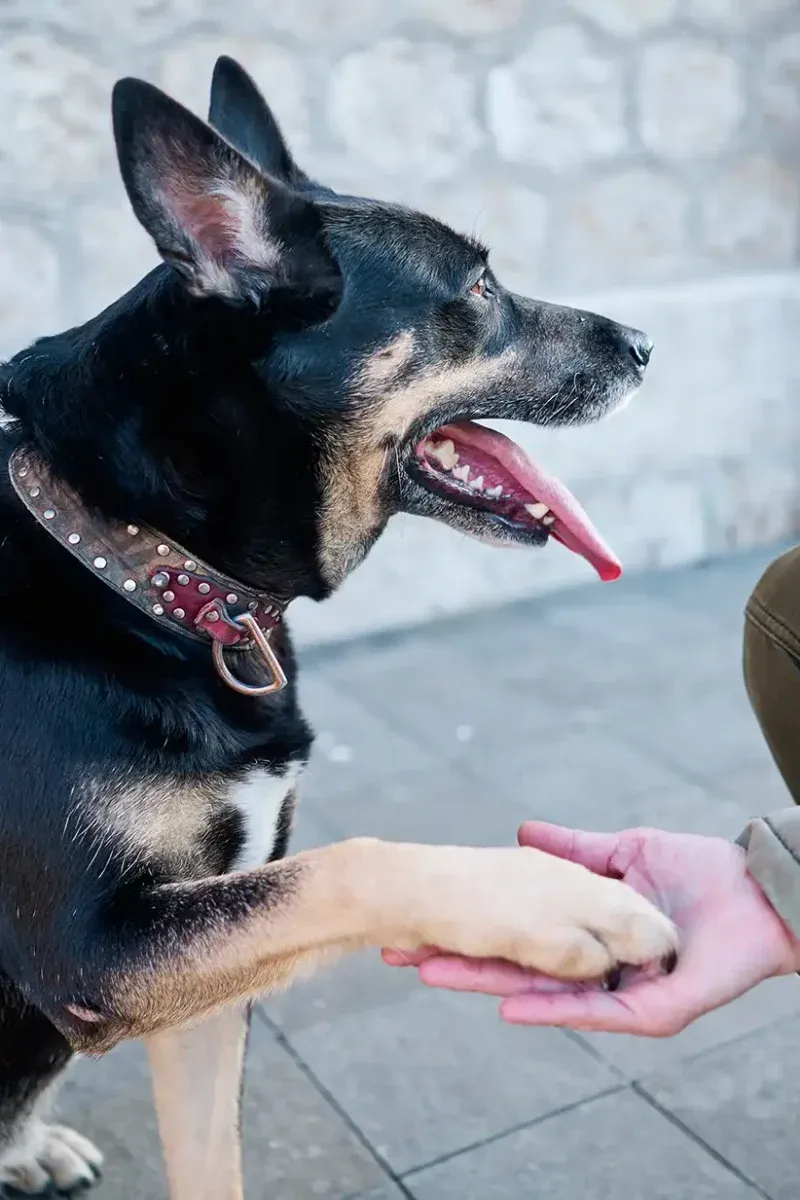
Dogs quickly learn to nose between handshakes, video calls, or hugs when jealousy flickers. It is not rudeness so much as an effective habit that worked before.
Change the routine by teaching a go to spot cue that pays whenever people connect. Make the spot comfy and obvious.
Stage practice with a friend, start an interaction, send your dog to the spot, and feed several treats. Use a leash if needed indoors.
End the interaction, release, and play for a minute so your dog sees turn taking. Then reset and repeat several times.
Over weeks, fade food while keeping the pattern, and your pup will interrupt less because attention arrives on a clear, reliable schedule.
Showing possessiveness
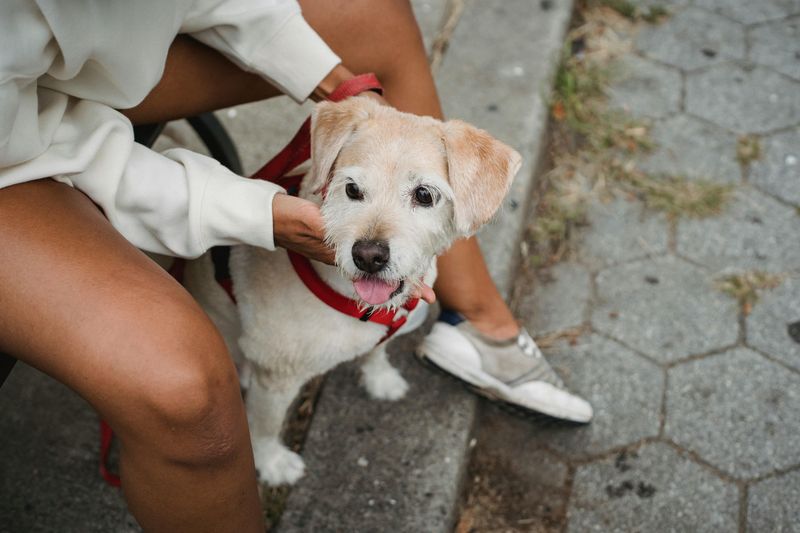
Jealousy can harden into guarding you like a resource. You might notice stiff posture, still tails, or a growl when someone approaches your space or when a partner hugs you on the couch.
Act early with structure and support so tension does not practice itself and relationships strain quickly.
Use gates, leashes, and mats to define zones, then run calm turn taking with very high value rewards. Work in tiny, predictable steps.
Praise soft eyes and loose bodies, and give short breaks before arousal climbs. End while success is fresh.
If guarding appears, create distance, skip punishment, and contact a qualified trainer or behavior consultant to keep everyone safe while building safer habits right away.