
Flying with your dog can be joyful, but one small oversight can turn the whole trip upside down. With airline rules, timing puzzles, and your pup’s comfort to juggle, the margin for error gets tight.
Learn the most common mistakes people make and how to avoid them with simple, practical steps. Get ahead of the stress so you both land happy and ready to explore.
Not checking airline pet policies
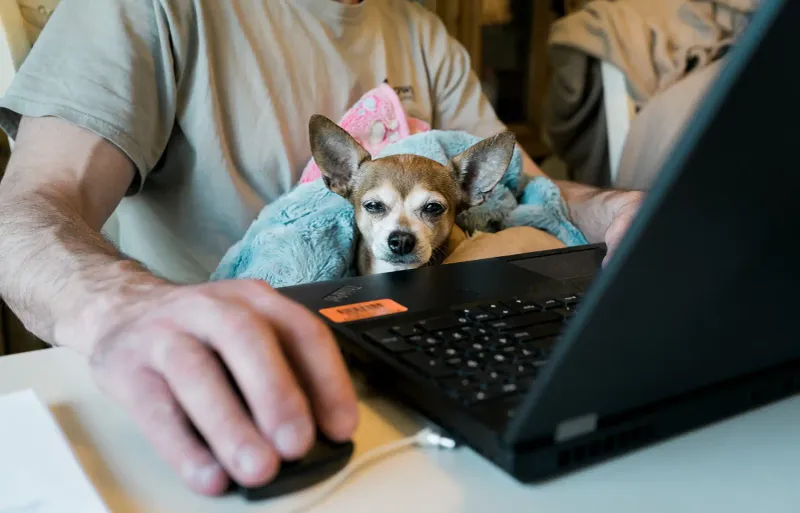
Airlines treat pets very differently, and the rules change often. If you assume last year’s policy still applies, you might face surprise fees, denied boarding, or a carrier that is not allowed.
Always look up size limits, breed restrictions, documentation, and seasonal embargoes for your exact route.
Call the airline to confirm your reservation includes your dog, then screenshot emails and save agent names. Check connection times and aircraft types, because some cabins have fewer pet spots.
Doing this a week in advance gives you time to adjust plans, rather than scrambling at the counter. Verify vaccination requirements for departure and destination, and whether health certificates are needed within specific time windows, so paperwork does not become a last minute barrier.
Skipping a vet visit before travel
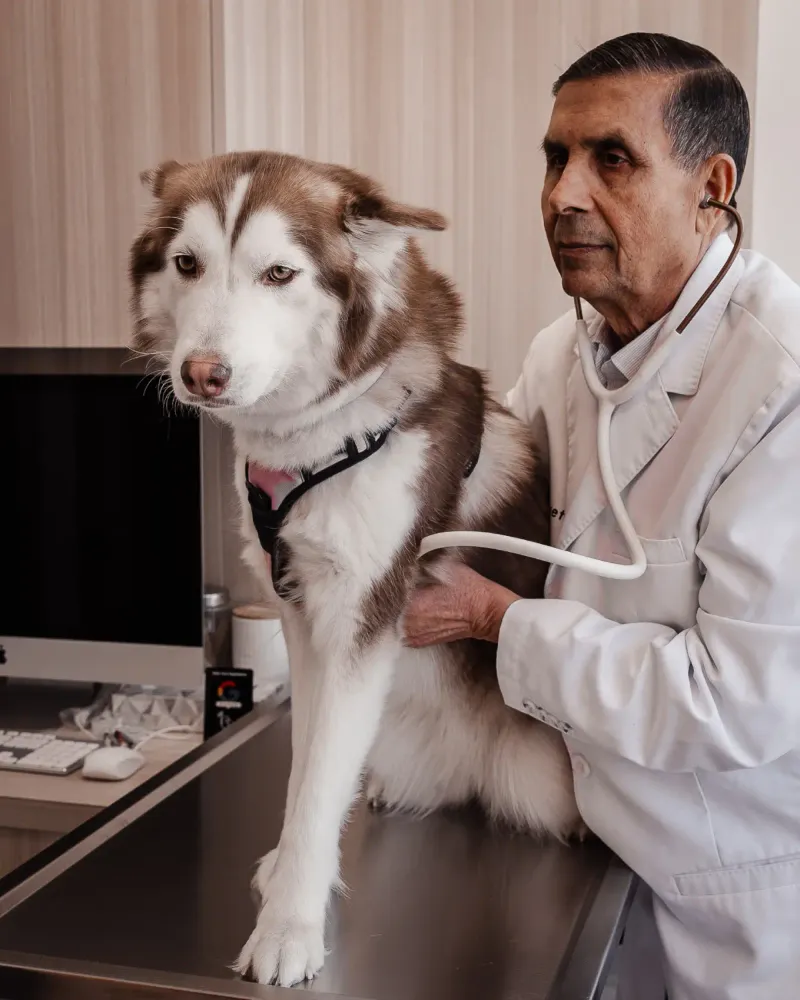
Your dog might look fine, but air travel is stressful and can reveal hidden issues. A quick preflight exam catches ear infections, heart murmurs, or anxiety triggers before they escalate.
Ask your vet about fitness to fly, motion sickness, and vaccinations matched to your itinerary.
Request a signed health certificate if your airline or destination requires it, and confirm the date window. Discuss calming strategies like pheromone sprays, practice sessions, or medication only when appropriate.
Bring current records and prescriptions, because agents, hotels, and emergency clinics may ask for proof without warning. Also verify microchip registration details and update contact information, so if luggage tags fail, your pet can still be identified quickly by airport staff or unfamiliar veterinarians.
Using the wrong carrier size
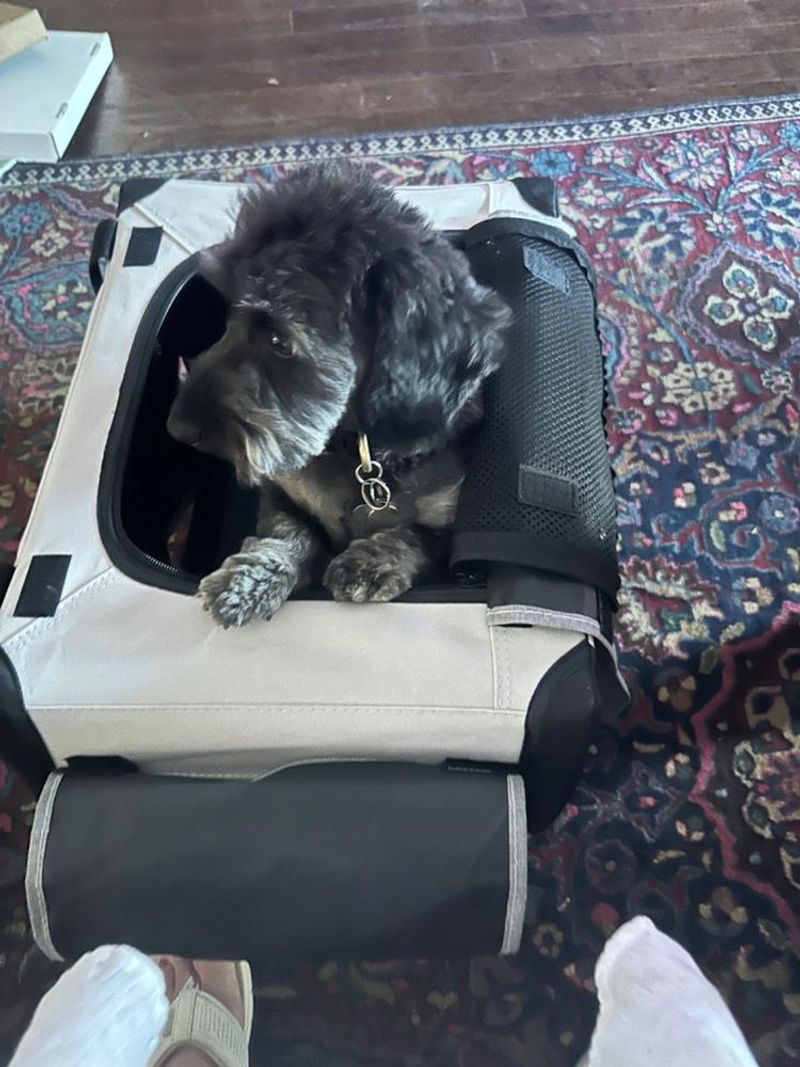
A carrier that is too small prevents standing, turning, and comfortable breathing, while one too big can feel unsafe in turbulence. Airlines also have strict under seat dimensions you must meet.
Measure your dog from nose to base of tail, and from floor to shoulder.
Choose a rigid, ventilated crate with absorbent bedding and secure zippers or latches. Your dog’s ears and tail should not touch the roof or sides when standing naturally.
Before flying, have your dog rest inside for full naps to confirm real comfort, not just quick test fits. If the carrier bows under weight or cannot slide cleanly beneath the seat model on your airplane, pick another option before check in lines create pressure.
Not training your dog for the crate
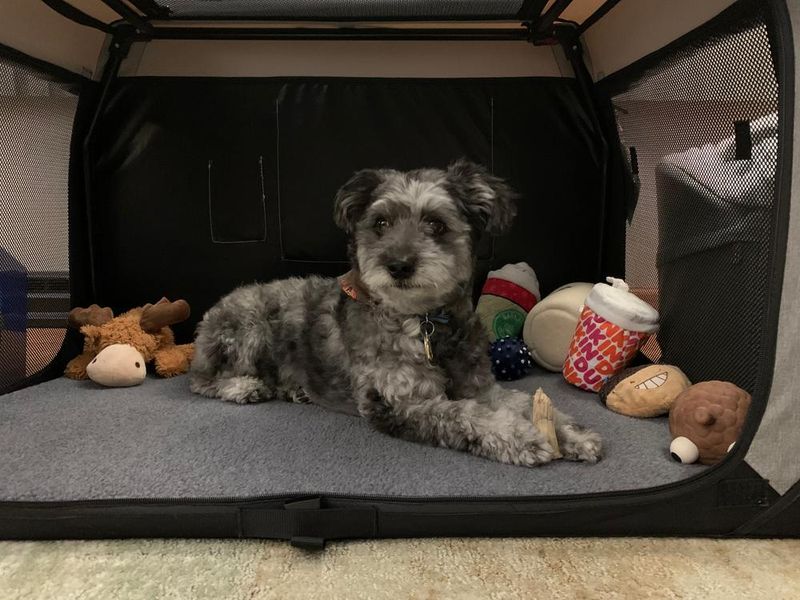
Crate time on a plane feels very different from lounging at home. Without gradual training, dogs panic, bark, or scratch, making the flight harder for everyone.
Start weeks ahead with short sessions, feeding meals inside, and rewarding calm behavior as you extend duration.
Add realistic elements like engine noise recordings, brief car rides, and the actual carrier you will use. Practice placing the crate under a table to mimic cabin space.
When your dog can settle for ninety minutes peacefully, you will feel ready, and boarding becomes a routine, not a shock. A comfort cue, such as a specific phrase, scent, or chew, can signal safety and predictability during takeoff and landing, keeping stress levels manageable for both of you.
Feeding right before the flight
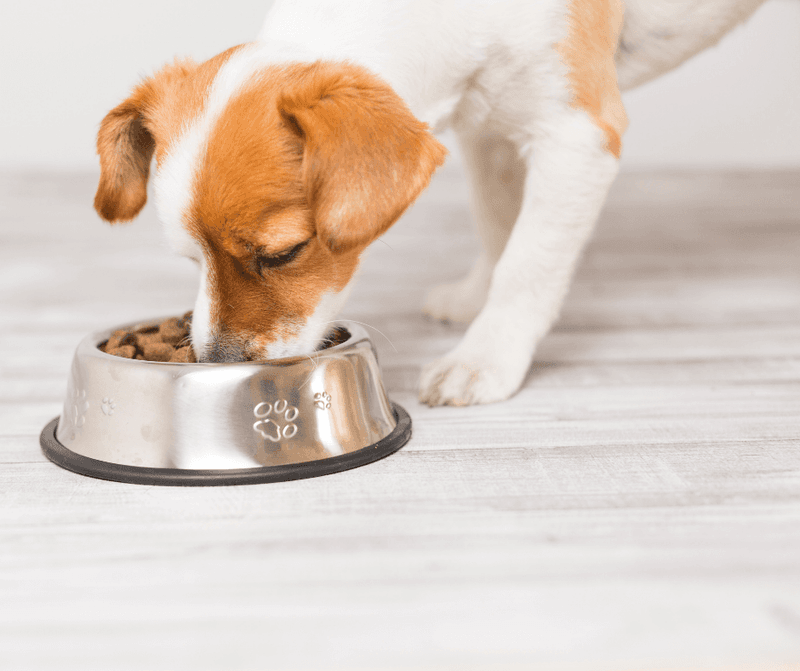
A full stomach plus motion can lead to nausea, drooling, or unfortunate accidents mid air. Most vets suggest a light meal four to six hours before departure.
Offer small sips of water and a bathroom break right before security to keep your dog comfortable.
Skip new treats and stick to normal snacks your dog digests well. If you are worried about hunger, pack measured portions to serve after landing or during a long layover.
For dogs prone to carsickness, ask your vet about anti nausea options, and try them at home first. Carry extra poop bags, wipes, and absorbent pads so cleanup is quick if something happens, and seatmates will appreciate your preparedness and considerate attitude throughout the journey.
Forgetting identification tags
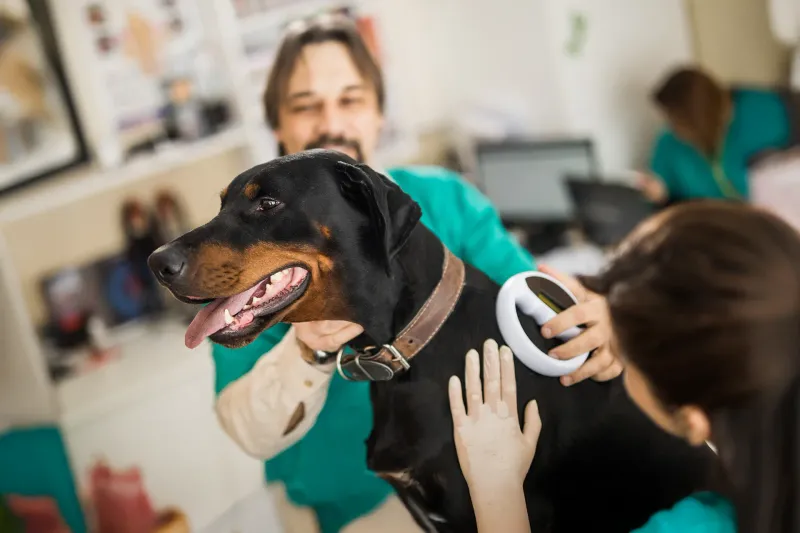
Flights, crowds, and new smells can disorient even well trained dogs. If a leash slips, tags make reunions faster than scrolling microchip databases.
Attach a sturdy tag with your name, mobile number, and email, plus a temporary tag with hotel details.
Update the microchip registry before you go, and add an alternate contact who will answer unknown calls. Consider a GPS tracker with flight mode so you can locate the crate quickly after landing.
Keep a recent photo on your phone for posters or staff, just in case the unexpected happens. Double check collars and harnesses for fit, frayed stitching, and secure buckles, because airport excitement can test weak gear at the worst possible moment.
Ignoring your dog’s anxiety signs
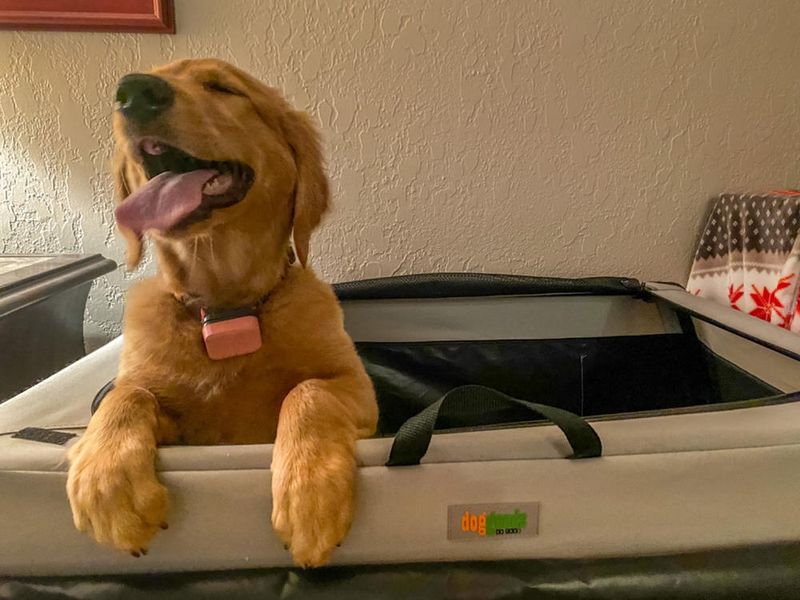
Panting, yawning, pacing, and lip licking are early stress cues many people miss. If you ignore them, anxiety can snowball into barking or escape attempts.
Notice the patterns during training so you can intervene sooner with breaks, sniffing walks, or calm reinforcement.
Use a breathable cover to reduce visual triggers, and teach a settle cue before you travel. Pheromone collars or a favorite chew can redirect energy.
If your vet recommends medication, trial the dose at home, and document timing so you can repeat the plan confidently on flight day. Track improvements in a simple log, noting environments, sounds, and durations, because data helps you judge progress objectively and prevents overexposure that could set training back.
Not bringing familiar items
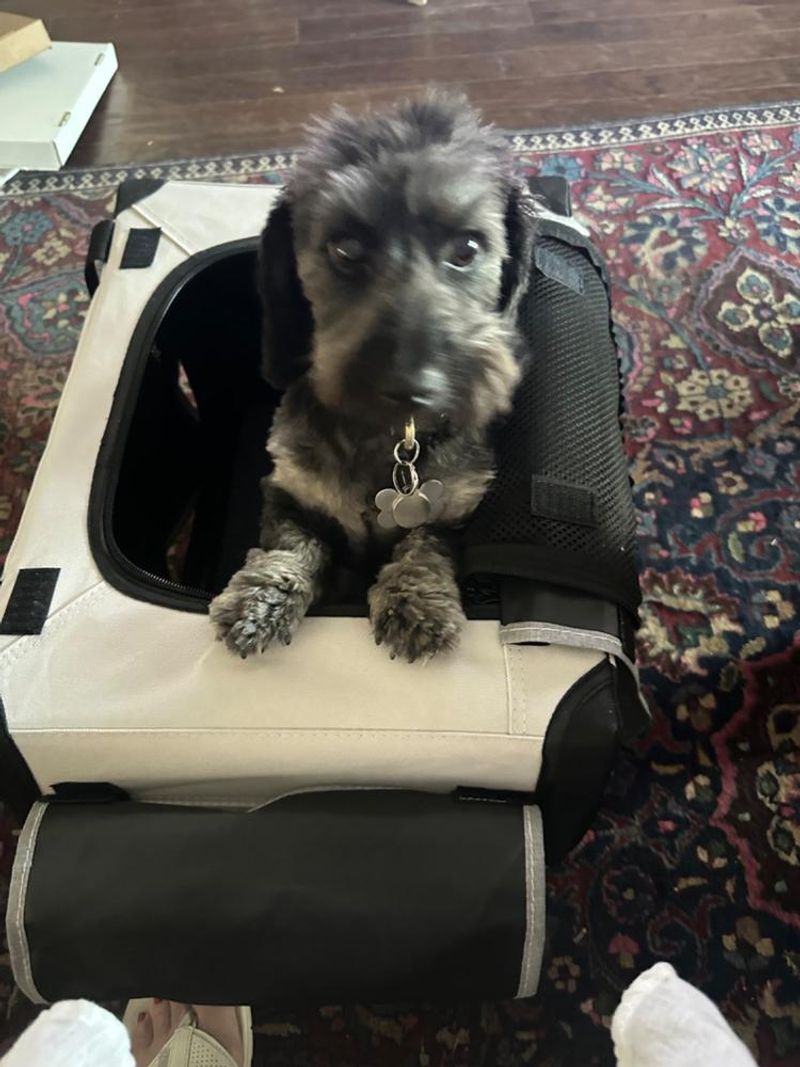
Airports and cabins smell strange to dogs, so bring pieces of home. A well used blanket, favorite toy, and worn T shirt can lower arousal and help sleep.
Familiar textures and scents tell your dog it is safe to relax in the crate.
Pack a zip bag with extra chews, collapsible bowls, and a small water bottle you can fill after security. Slip an unwashed pillowcase over the pad so smells last longer.
When unfamiliar announcements blare or lights flick on, those comforting cues help your pup settle again without fuss. Label everything clearly, because items dropped at checkpoints often wander, and you do not want to lose the exact toy that keeps nervous energy under control.
Booking during extreme weather
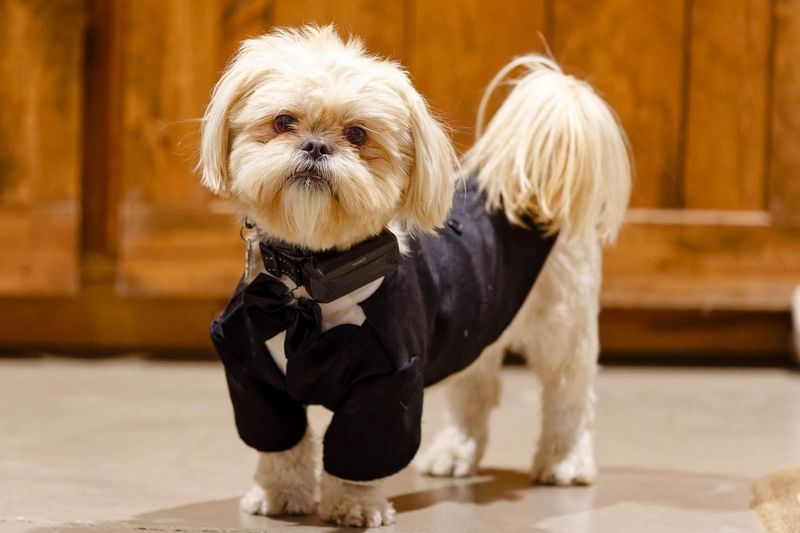
Heat and cold both raise risk, especially for short nosed breeds and seniors. Midday summer tarmac temps can soar, while winter winds chill quickly.
Choose early morning or late evening flights, and plan longer connections to avoid rushed transfers between terminals.
Check the airline’s temperature embargo policy and the origin, connection, and destination forecasts. Bring a cooling bandana or insulating layers depending on the season.
If extreme conditions look likely, switch dates without hesitation, because your dog’s safety always outranks convenience or nonrefundable plans. Ask gate agents about jet bridges versus outdoor boarding, and request preboarding to minimize time in exposed areas, keeping paws off scorching surfaces or out of bitter wind.
Carry booties to protect sensitive pads.
Arriving at the airport too late
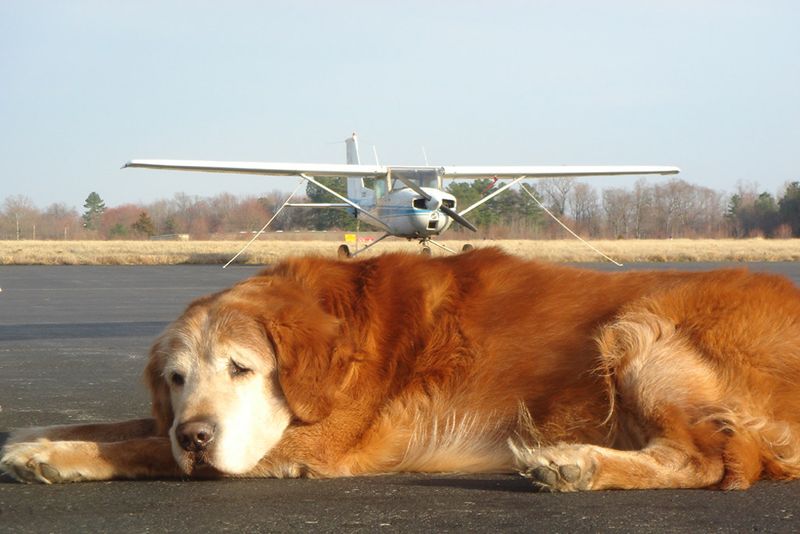
Flying with a dog adds extra steps that always take longer than planned. You need time for check in, carrier inspections, potty breaks, and security questions.
Aim to arrive at least thirty minutes earlier than the airline’s pet guidance recommends.
Calm time in the terminal lets your dog sniff, settle, and drink without rushing. If lines explode or a gate changes, you will still make boarding without panic.
Build a buffer, print documents, and pre download entertainment so you can focus on your dog, not frantic logistics. Tell companions the plan in advance, assign roles, and schedule one last outdoor break near the terminal, because organized teamwork saves precious minutes when surprises pop up.
Keep tips ready for attendants.