
Torn between the sweet Havanese and the regal Shih Tzu? You are not alone, and the right choice simply depends on the life you want to share.
These two toy charmers bring different vibes, needs, and daily rhythms. Read on to compare the details that actually matter in real life so you can pick with confidence.
Size and build differences
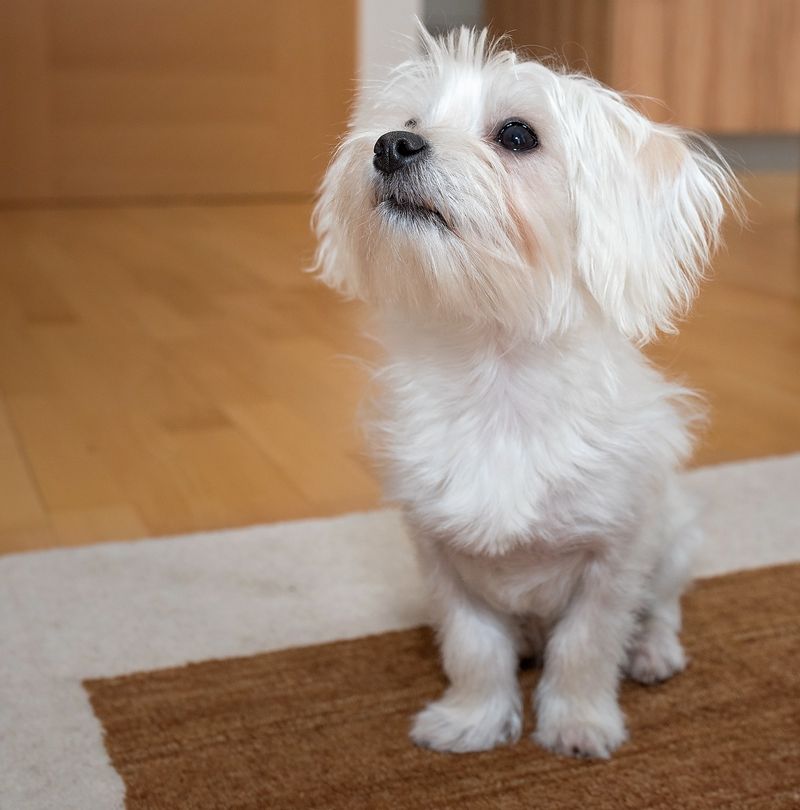
Havanese are small and sturdy, usually 7 to 13 pounds, with a slightly longer body and a springy, agile gait. Shih Tzu tend to be a touch heavier, 9 to 16 pounds, with a compact, square frame and a dignified, rolling stride.
When you meet them, the Havanese feels a bit lighter on its feet, while the Shih Tzu feels solid and plush.
If you want a lap pup that still loves quick bursts, Havanese often fit the bill. If you prefer a stockier cuddle companion with a royal vibe, the Shih Tzu may delight you.
Both are true toy breeds, yet build affects how they move, how they carry coat, and how they handle stairs or jumps.
Coat texture and grooming needs
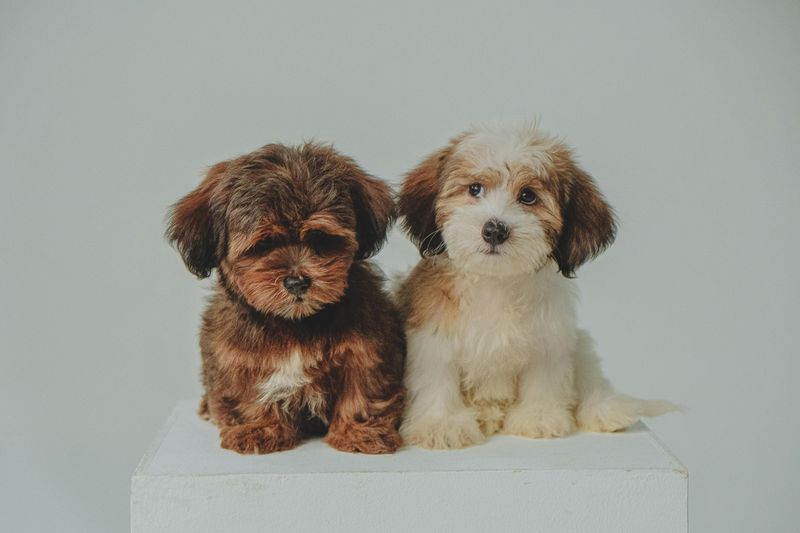
Havanese coats are silky and light, often wavy, designed to move like a soft curtain. Shih Tzu coats are denser and more luxuriant, with a straighter, heavier fall that creates that glamorous halo.
You will feel the difference under your fingers, because Havanese hair tangles into airy mats, while Shih Tzu tangles can be tighter and closer to the skin.
Daily brushing is ideal for both, but their schedules can differ based on length and lifestyle. Havanese in a short puppy trim might need quick brushouts and baths every few weeks.
Shih Tzu in full coat can require meticulous line brushing, frequent combing of the face, and professional grooming more often to prevent tear staining and tight knots.
Energy levels
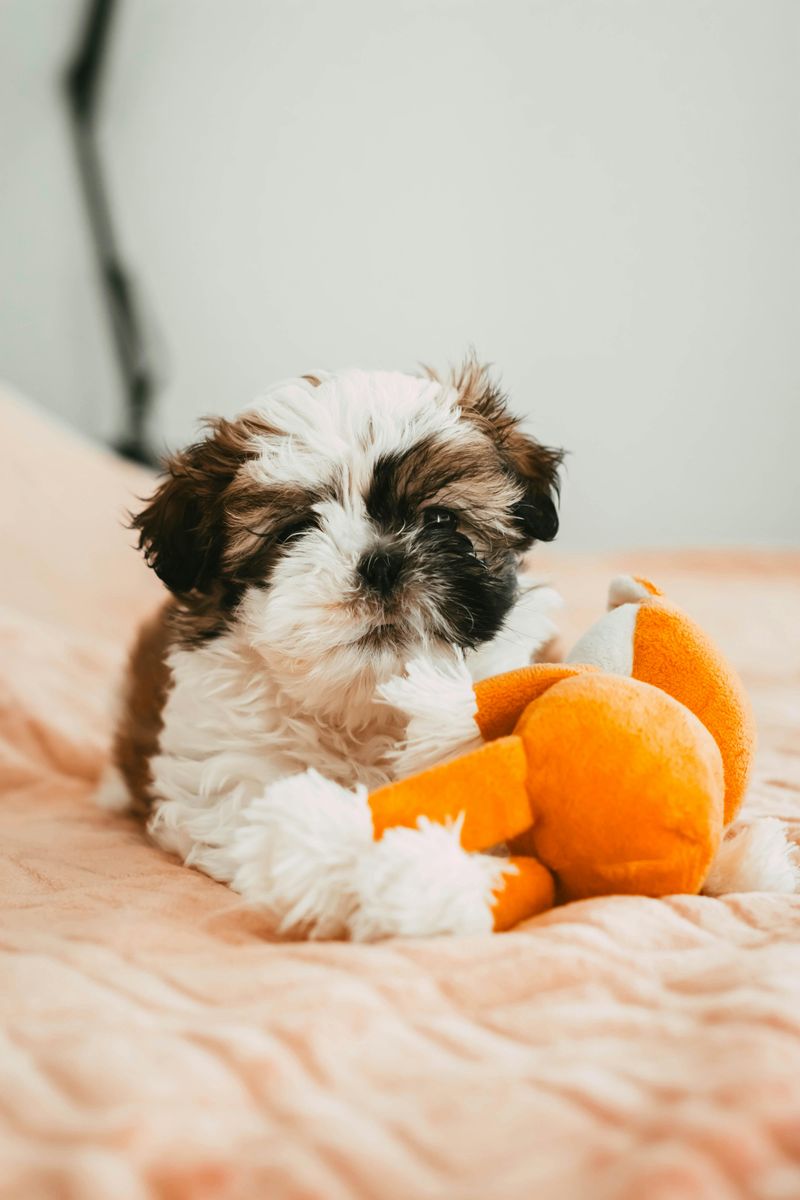
Havanese typically bring perky, moderate energy with bursts of zoomies, then happy couch time. Shih Tzu lean a little more relaxed, loving strolls and play, but pacing themselves with royal restraint.
You can expect a Havanese to ask for interactive games more frequently, while a Shih Tzu often prefers short sessions, sniffs, and sunshine naps.
Daily walks and mental games keep both satisfied, yet their thresholds differ by age and health. Apartment dwellers appreciate how adaptable they are, shifting from indoor play to gentle outings.
If you enjoy lively trick training and playful runs, Havanese might suit you. If you value serene companionship with charming bursts, Shih Tzu can be perfect.
Both do best with a predictable routine.
Temperament and personality
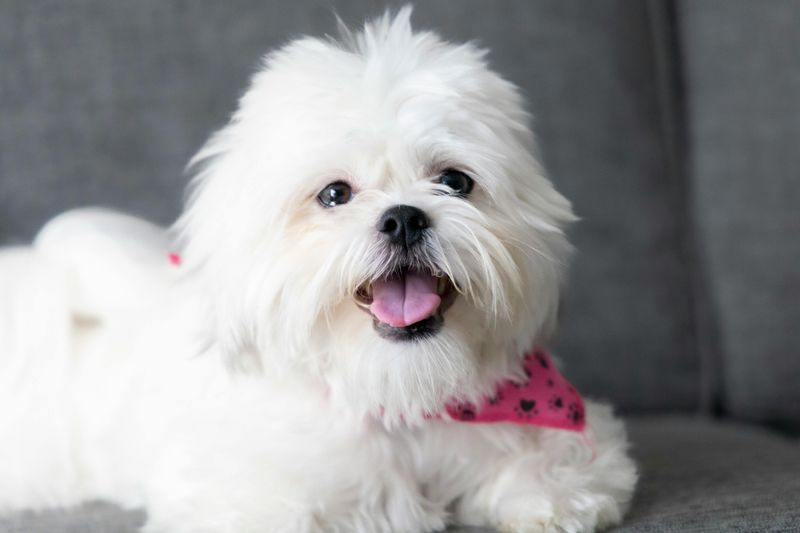
Havanese are famously cheerful, people focused, and clownish, always checking in and offering delightful antics. Shih Tzu are affectionate and confident, yet a touch more independent, happy to lounge while still shadowing your steps.
You get enthusiastic social butterflies with Havanese, and serene, charming companions with Shih Tzu, each bringing softness and sparkle.
If you want a constant sidekick that reads your mood, Havanese excel. If you enjoy a low key pal with comic timing and a regal grin, Shih Tzu satisfy beautifully.
Both crave connection, but you might notice Havanese initiate interaction more, while Shih Tzu deliver calm presence. Either way, gentle handling and daily together time unlock their best selves.
Strangers are often greeted politely.
Trainability
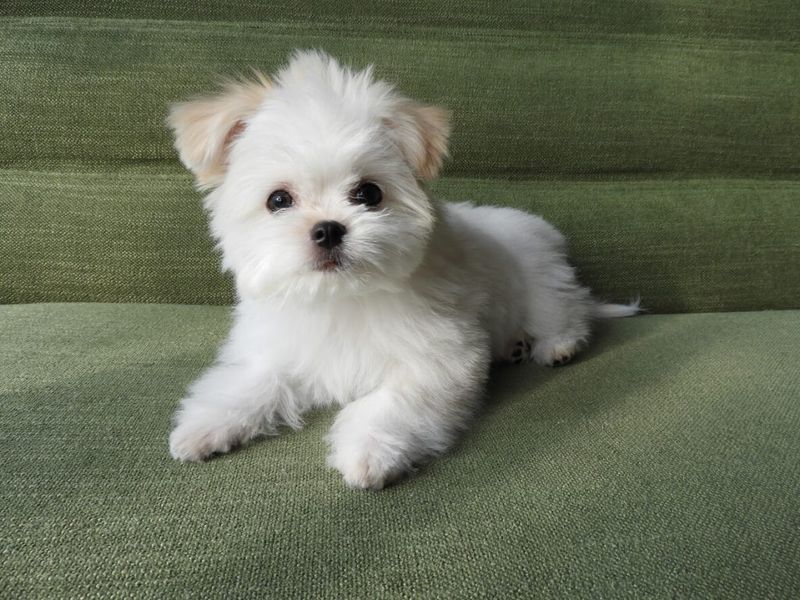
Havanese love to please and read cues quickly, making positive reinforcement click fast. Shih Tzu are smart too, but can be more self directed, asking what is in it for them before complying.
You will teach both best with short, upbeat sessions, high value treats, and clear, consistent routines. Marker words and clickers help.
Use generous reinforcers early.
House training may take patience for either breed, since tiny bladders and weather aversion complicate schedules. Havanese often shine in tricks and rally, eager to show off for you.
Shih Tzu respond beautifully when the environment is calm and the criteria are broken into tiny steps. Keep it friendly, avoid harsh corrections, and you will see progress.
Shedding levels
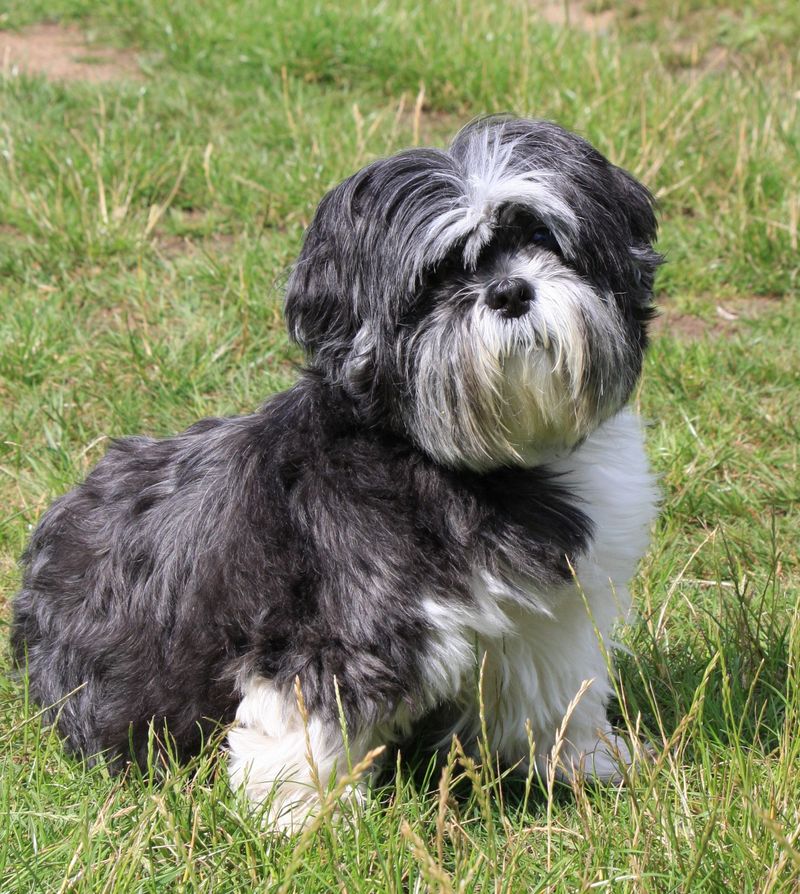
Both breeds are considered low shedding, but that does not mean low maintenance. Havanese hair drops minimally, getting trapped in the coat until brushed, so you see fewer hairs on furniture.
Shih Tzu are similar, yet their dense coat holds onto shed hair even more, requiring thorough, regular grooming to remove it.
If you have allergies, remember it is dander and saliva that matter most. Regular bathing, HEPA vacuuming, and washing bedding can make either breed comfortable for you.
A shorter pet trim reduces tangles and helps catch loose hair during brushing. You still must commit time each week, but you will enjoy a cleaner home overall.
Consult your doctor for personalized advice. Test visits help too.
Health considerations

Both breeds are generally healthy with responsible breeders, yet each has tendencies to watch. Havanese can face luxating patellas, hip issues, cataracts, and occasional heart concerns.
Shih Tzu can encounter brachycephalic airway challenges, ear infections, dental crowding, and eye injuries due to prominent eyes.
You can stack the odds by choosing health tested parents and keeping weight lean. Ask about OFA results, eye exams, and patella checks.
Prioritize safe temperatures for Shih Tzu, mindful of heat and humidity. For both, routine dental care, moderate exercise, and prompt vet attention for limping or squinting will protect long term wellbeing.
Schedule regular baseline bloodwork as they age. Early insurance can ease surprise costs.
Keep nails trimmed short.
Adaptability to apartments
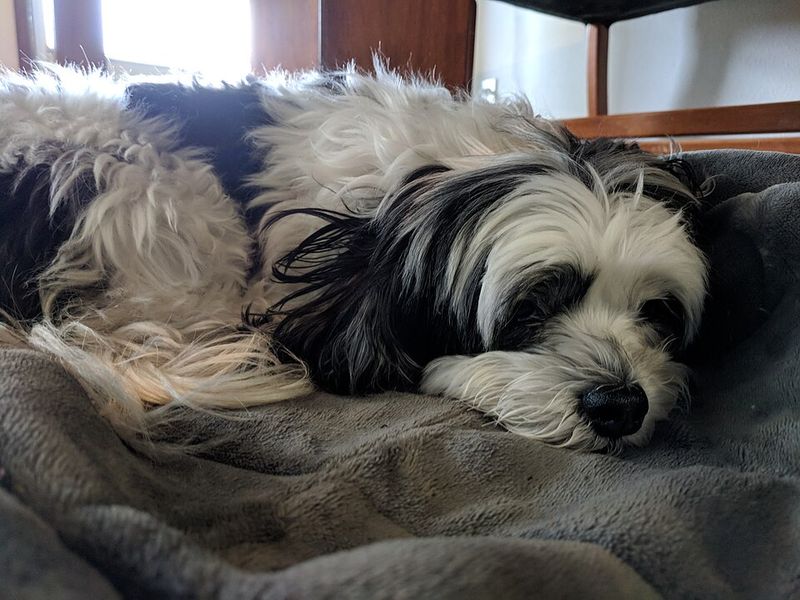
Both Havanese and Shih Tzu adapt beautifully to small spaces when needs are met. Havanese may vocalize a bit more when bored, so training quiet cues and offering puzzles helps.
Shih Tzu tend to be content loungers, yet still need daily walks, potty breaks, and sniff time to stay happy.
Choose a routine that respects elevator waits and weather, and plan indoor games on rainy days. Pee pad training can be a backup, though many prefer outdoor habits for clarity.
Neighbors will appreciate polite greetings and relaxed door manners. With structure, exercise, and enrichment, apartment life feels easy for either breed.
Window perches and chew toys curb boredom quietly. Rotate puzzles to keep curiosity fresh.
Interaction with children and pets
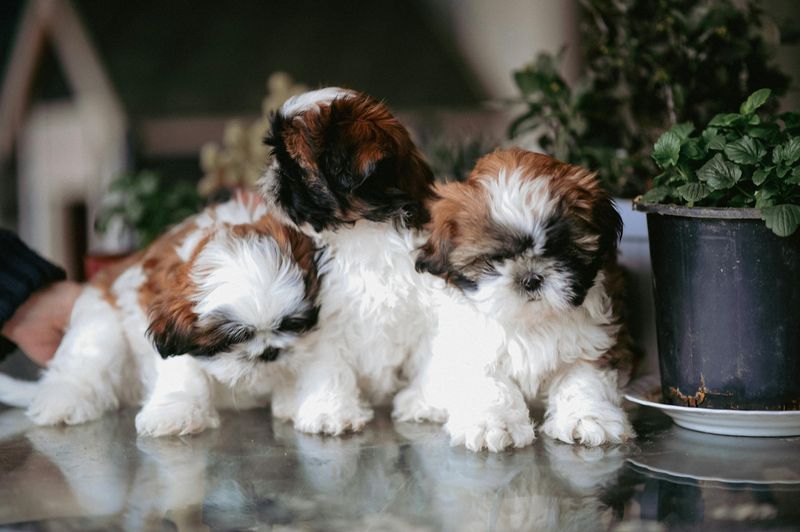
Both breeds are affectionate family dogs when socialized gently and supervised with kids. Havanese tend to be playful and tolerant, enjoying gentle fetch and trick shows for giggling audiences.
Shih Tzu enjoy companionship too, but prefer calmer handling, especially around faces and tails.
Teach children to pet softly, offer treats with flat palms, and respect resting spots. Havanese often thrive with other friendly pets, matching energy well.
Shih Tzu coexist nicely when introductions are slow and spaces are managed. Use baby gates, reward polite choices, and give each dog decompression time so harmony becomes the norm.
Supervision prevents rough play from escalating. Practice trade games to avoid toy guarding.
Schedule breaks during parties. Stay patient.