
Double-take territory ahead: some dogs carry such massive coats and powerful builds that you could swear you saw a bear. These rare and remarkable breeds turn heads on trails, sidewalks, and snowy fields alike.
If you love big energy wrapped in fluffy charm, you are in for a treat. Meet twelve incredible companions that blur the line between canine and cuddly forest giant.
Chow Chow
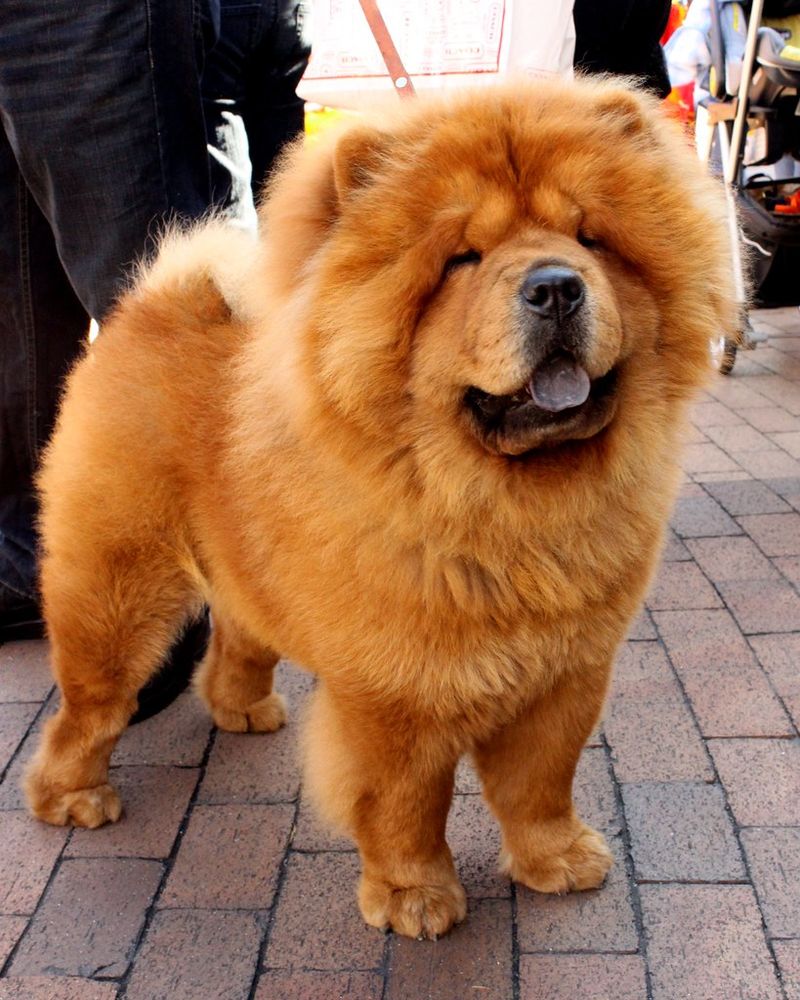
With that lion-like ruff and deep-set eyes, the Chow Chow can look uncannily bearish from a distance. The blue-black tongue and sturdy, square body only add to the illusion.
Calm yet independent, this ancient breed was shaped by northern climates where dense coats were a survival tool.
You will appreciate their dignified nature, but training requires patience and consistent boundaries, especially in busy neighborhoods with many curious onlookers and unpredictable noises nearby. Socialization early helps soften aloof tendencies and prevents protective instincts from becoming overzealous.
Brush that plush double coat several times weekly, focusing on mane, pants, and tail to avoid mats and overheating. A sturdy harness, slow introductions, and calm walks keep this polar-bear lookalike balanced and wonderfully companionable.
Tibetan Mastiff
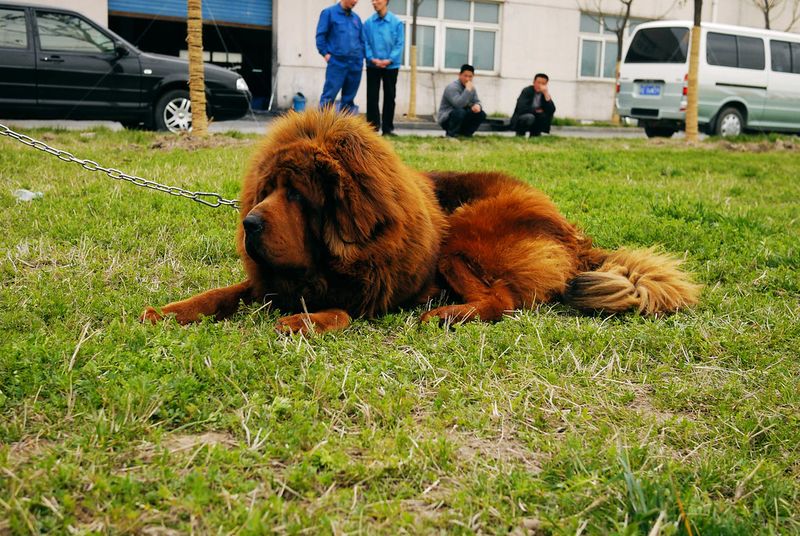
The Tibetan Mastiff looks like a small bear guarding a mountain pass, with a colossal frame and a mane-like collar. Historically bred to protect livestock and monasteries, they combine watchful calm with thunderous presence.
Their coat is dense and weatherproof, thriving in cold environments where many breeds would falter.
Training is about clear boundaries and respect, not repetition-heavy drills. You will want early, consistent socialization so their guardian instinct reads situations accurately.
Weekly grooming keeps shedding manageable, and seasonal blowouts call for extra brushing sessions. Provide space, mental enrichment, and slow introductions, and you will find a surprisingly affectionate companion who relaxes with family yet stands sentinel when needed, channeling that legendary mountain-bear mystique.
Caucasian Shepherd
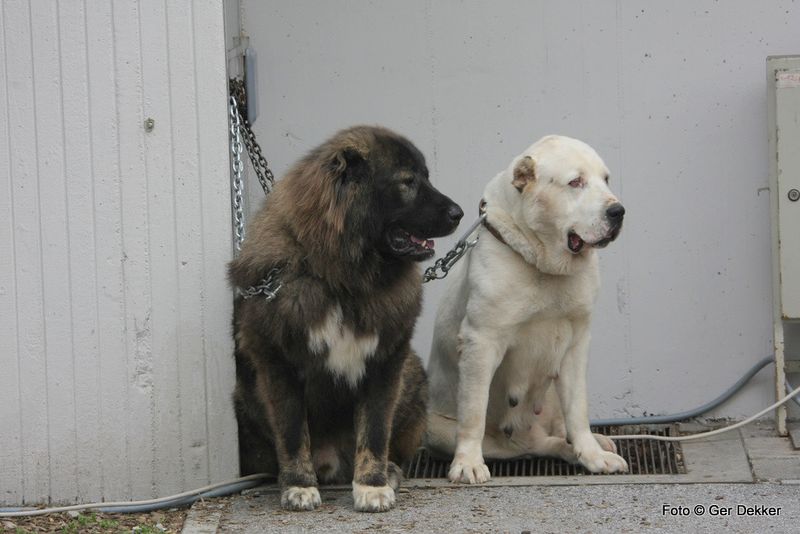
The Caucasian Shepherd, or Ovcharka, brings serious bear vibes with its vast coat and commanding build. Bred for rugged Caucasus ranges, it guarded flocks against predators and strangers.
That heritage shows in their confidence and steady, unblinking gaze.
You will need strong leadership paired with kindness, because forceful methods backfire with such an intelligent guardian. Early socialization helps them distinguish real threats from everyday life.
Their double coat needs thorough brushing, especially behind ears, under legs, and around the pants area. Give them a job, like structured hikes or perimeter checks, and they blossom into stable, loyal protectors who look like shaggy brown bears ambling through fog, yet curl up contentedly near the people they trust most.
Newfoundland
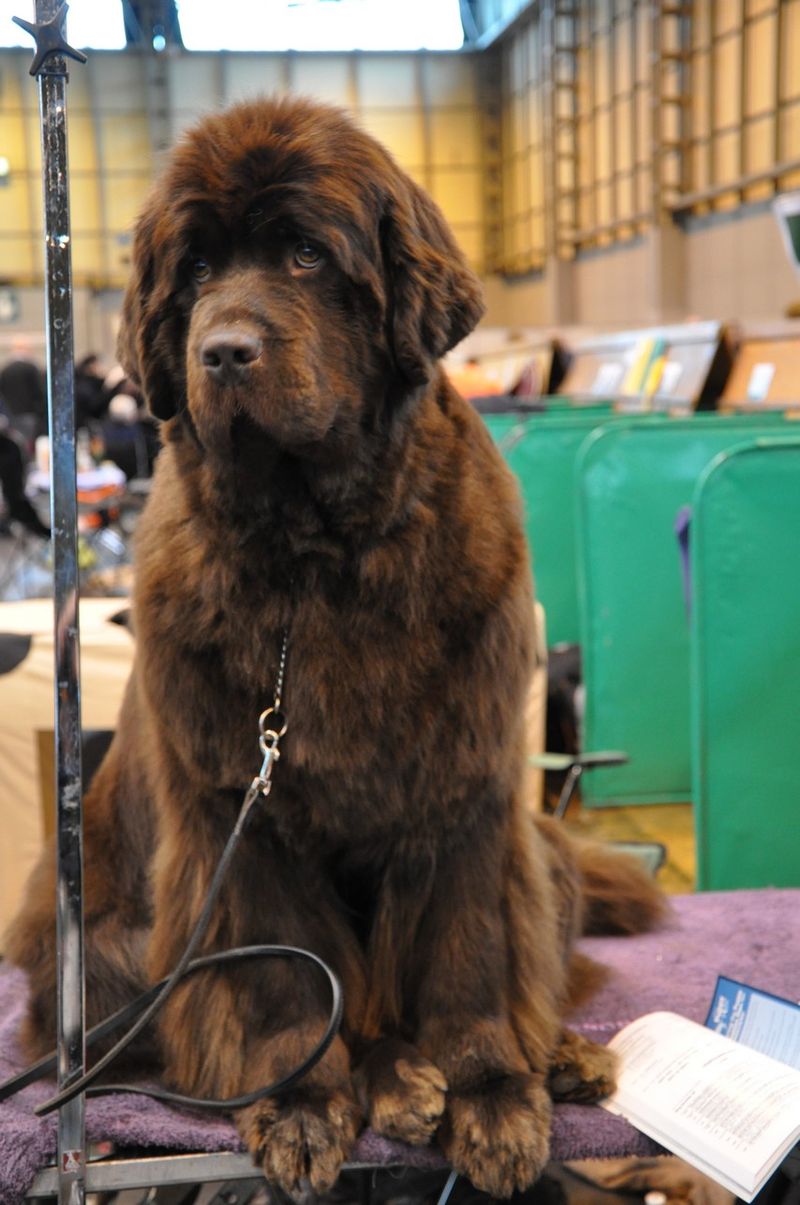
Newfoundlands resemble friendly black bears lounging by a dock, complete with massive paws and soulful eyes. Originally bred as water rescue dogs, they are calm, biddable, and unbelievably strong.
Their water-resistant coat and impressive lung capacity make swimming feel natural and joyful.
You will love their sweetness with children and their steady confidence in chaotic moments. Regular brushing, ear care, and good drying after swims keep that big coat healthy.
Training focuses on manners, recall, and safe water entries, which they ace with enthusiasm. Despite their size, they are gentle housemates who prefer shade to heat and naps to drama, padding around like cuddly shoreline bears that trade fish tales for head scratches and slow, satisfied sighs.
Leonberger
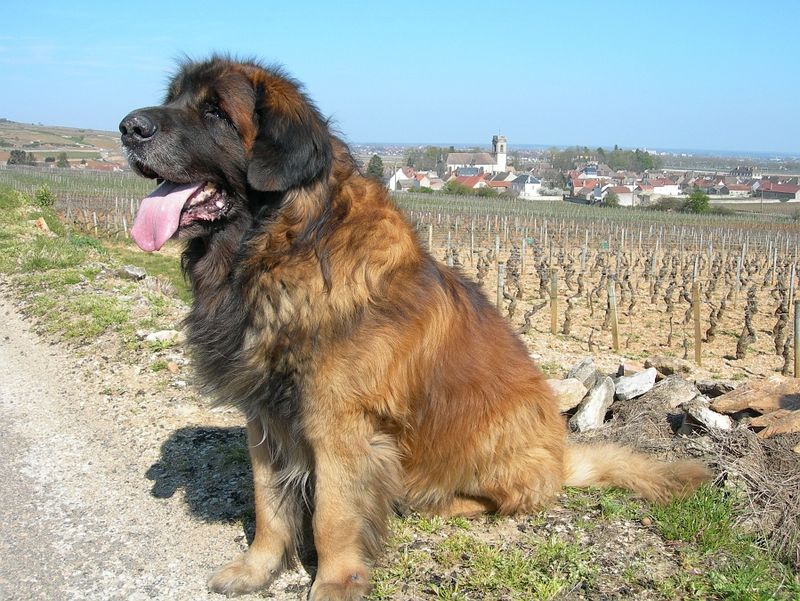
Leonbergers look like a smiling bear dressed for a formal mountain gala, complete with a black mask and glamorous mane. Designed as a multipurpose family and working dog, they mix strength with exceptional gentleness.
Their balanced temperament makes them fantastic therapy prospects and sturdy hiking partners.
You will want to prioritize socialization, because their teen phase can be exuberant. Polite leash skills and recall keep their big enthusiasm safe.
Weekly grooming and seasonal de-shedding sessions maintain that luxurious coat, while swimming sessions burn energy without stressing joints. With thoughtful guidance, a Leo moves through life like a grand, honey-colored bear who greets strangers kindly, leans softly for hugs, and naps with an operatic sigh that fills the whole living room.
Eurasier
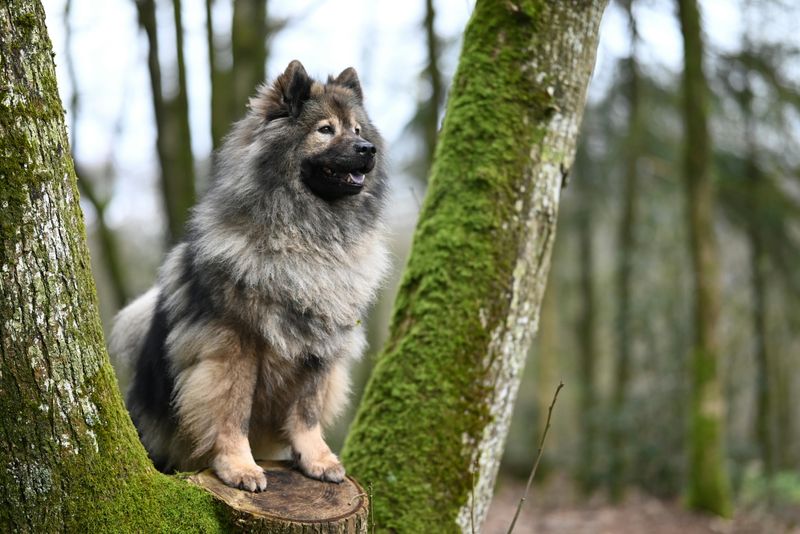
The Eurasier blends spitz features into a plush, teddy-bear silhouette that turns sidewalks into photo ops. Bred for companionship, they thrive on calm households and predictable routines.
Their medium coat frames a gentle expression that hints at thoughtful intelligence.
You will find them sensitive to tone, so positive methods and short, upbeat sessions work best. Early socialization builds confidence without overwhelming their reserved nature.
Groom weekly to control seasonal shedding and keep feathering neat. Regular scent games, low-impact hikes, and quiet hangouts satisfy their needs, while careful introductions preserve harmony.
The result is a velvety, bear-like buddy who curls at your feet, blinks slowly like a woodland spirit, and follows you room to room with loyal, peaceful intention.
Samoyed
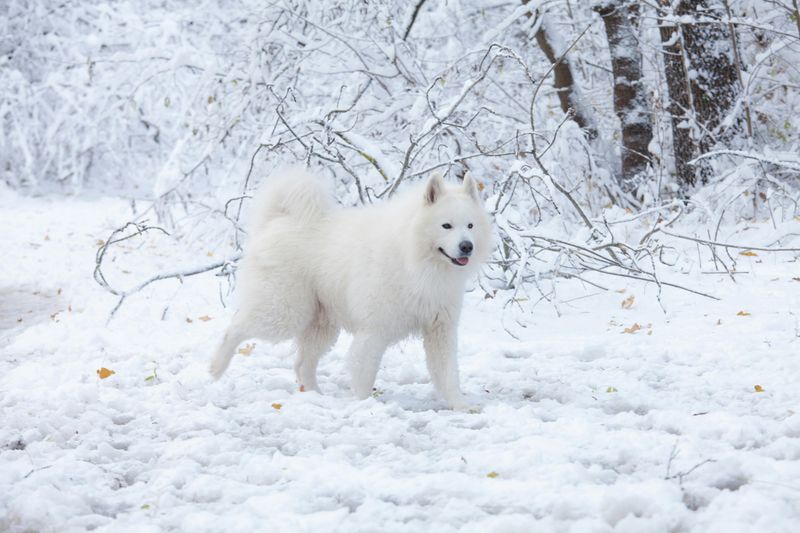
With a cloud-white coat and perpetual smile, the Samoyed looks like a cheerful polar bear cub. Bred for sledding and herding in frigid climates, they combine endurance with friendliness.
That fluffy double coat insulates beautifully and reflects sunlight for impressive cold-weather comfort.
You will need consistent brushing, especially during seasonal blowouts, to keep tufts from conquering your home. Positive training and puzzle toys channel their cleverness into helpful behaviors.
They shine on snowy adventures, but appreciate air conditioning when temperatures rise. Keep exercise varied with brisk walks and playdates, and you get a grinning snow-bear companion who greets neighbors, photobombs holiday cards, and sprawls across the floor like a living throw rug of pure, tail-wagging joy.
Keeshond
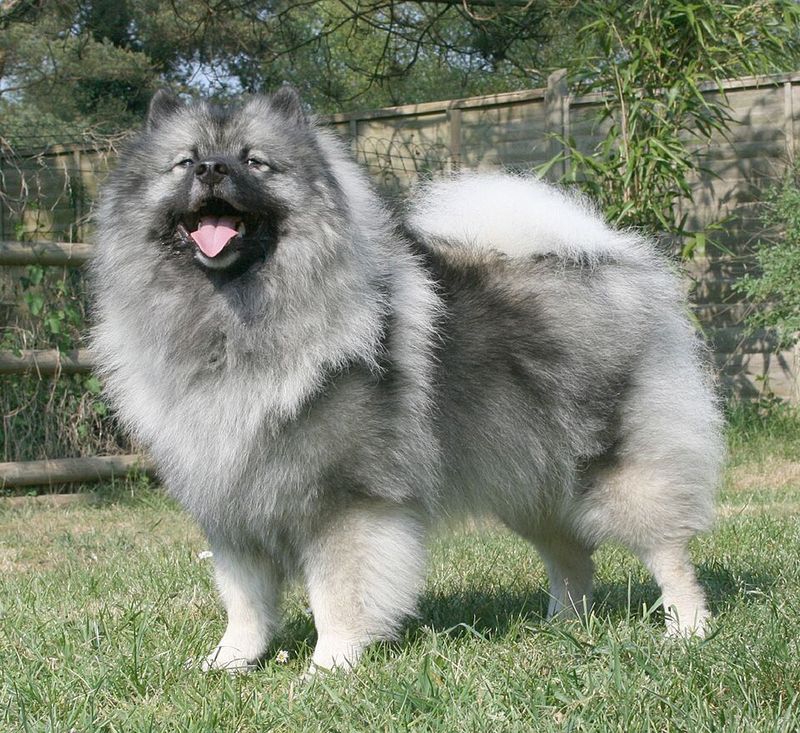
The Keeshond wears a silver-and-charcoal coat that puffs like a miniature bear costume, complete with expressive spectacles. Historically a barge companion, they are alert, sociable, and quick to learn.
Their moderate size makes that teddy-bear presence surprisingly apartment friendly.
You will want daily mental stimulation and a fair bit of conversation, because this breed loves being included. Reward polite barking habits and reinforce calm greetings for guests.
Routine brushing, especially the pants and behind the ears, keeps mats at bay. Keep walks brisk, sprinkle in trick training, and you will enjoy a buoyant, smiling puffball who looks bear-like from afar yet melts into cuddles, proving that big personality can absolutely come packaged in portable fluff.
Great Pyrenees
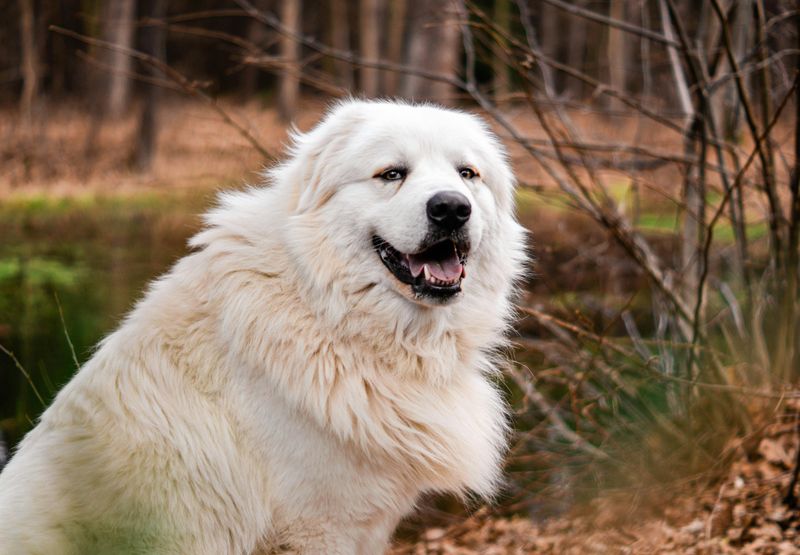
The Great Pyrenees drifts across fields like a white bear made of cloud, calm and steady. Bred to guard flocks through lonely nights, they listen more than they bark, then speak decisively when needed.
Their majestic double coat shrugs off cold and wet with ease.
You will succeed with patient training and clear expectations, since independence runs deep. Early socialization and boundary work help differentiate true threats from routine noises.
Weekly brushing plus seasonal rakes keep the coat breathable, especially around the ruff and pants. Give them meaningful work, like quiet patrols or hiking carry jobs, and you will share life with a gentle, snow-bear sentinel who loves family fiercely and rests with one thoughtful eye half open.
Bernese Mountain Dog
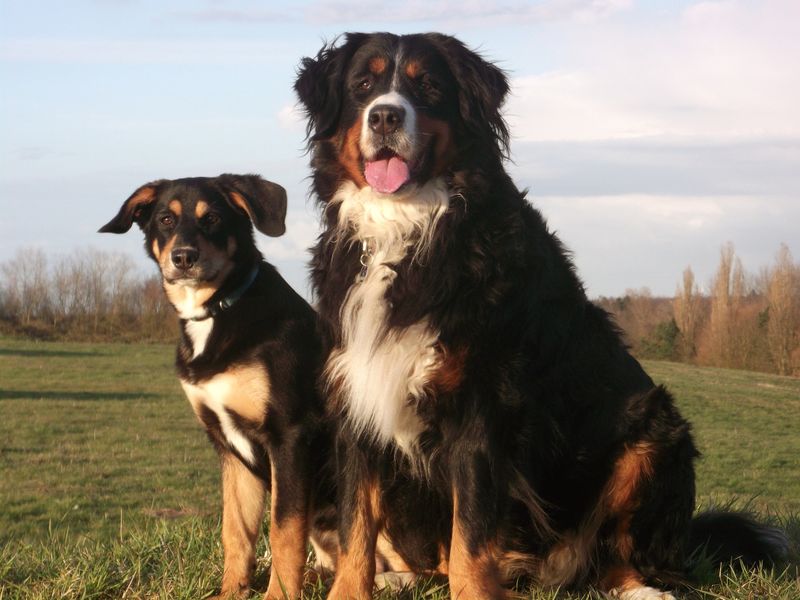
Bernese Mountain Dogs look like friendly valley bears wearing elegant tuxedos, complete with white blazes and rust points. Historically drafted for farm work, they combine strength with patience.
Their easygoing nature and trainability make them beloved family companions.
You will want to protect joints with sensible exercise and avoid too many stairs when young. Keep training fun and supportive, because they respond beautifully to praise.
Weekly brushing keeps that silky tricolor coat photogenic, while seasonal shedding calls for extra time with an undercoat rake. Hikes, carting, and relaxed picnics suit them perfectly, revealing a huggable, bear-like partner who leans in for reassurance, shares warm eye contact, and soaks up mountain sunsets like a seasoned connoisseur of peaceful moments.
Finnish Lapphund
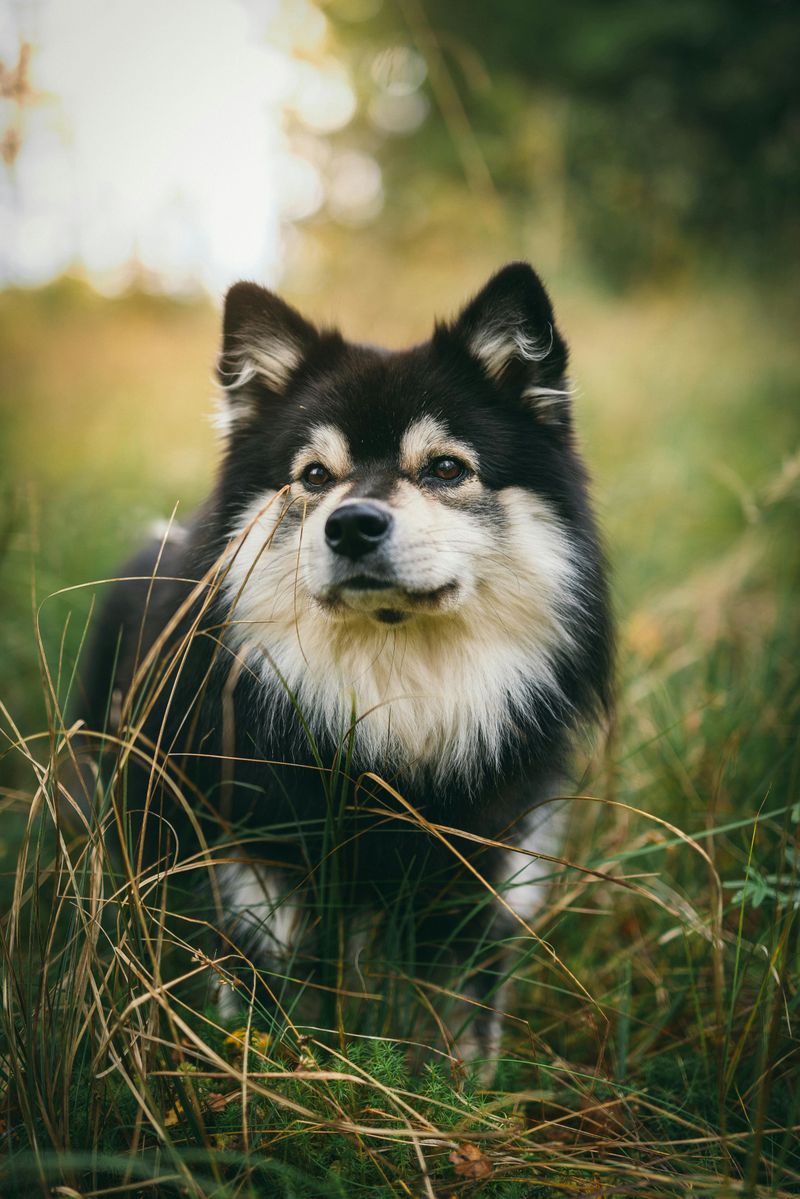
The Finnish Lapphund packs a lot of bear-cub charm into a compact, agile frame. Bred for herding reindeer in Arctic conditions, they stay nimble, observant, and personable.
Their dense coat and expressive face create instant winter postcard energy.
You will enjoy training these quick studies with upbeat, rewards-based sessions. Daily exercise and brain games keep their zest pointed in the right direction.
Brush regularly to manage seasonal sheds, paying attention to feathering behind legs and the breeches. Social, adaptable, and sturdy, they handle trails, city errands, and cozy evenings equally well.
Think of them as pocket-sized, bear-like adventurers who grin at fresh snow, track your footsteps faithfully, and curl around your boots as if guarding a tiny glowing campfire.
Akita
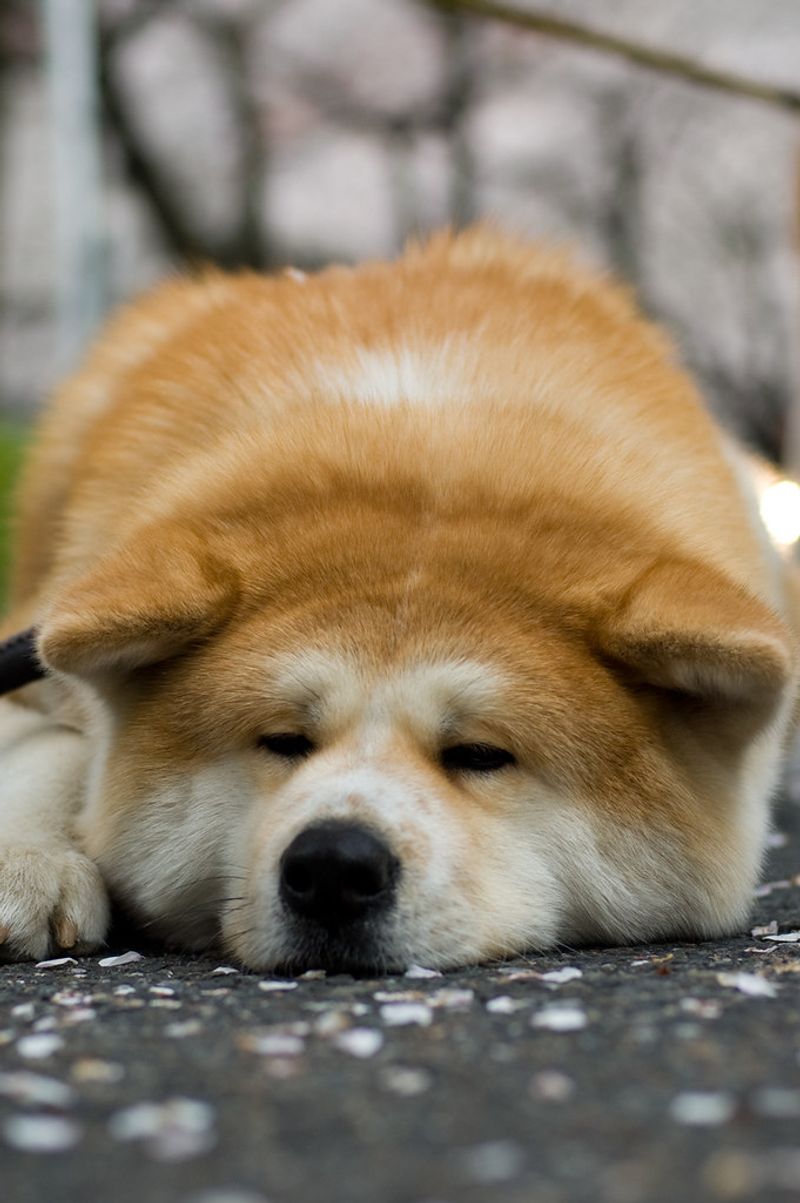
The Akita carries a dignified, powerful silhouette, sometimes evoking a compact bear with keen eyes. Originally from Japan, they embody loyalty, stoicism, and quiet confidence.
Their plush coat and curled tail complete the striking profile.
You will want early, thorough socialization and consistent training, because independent thinkers thrive on clear rules. Reward-based methods and short sessions keep engagement high.
Regular brushing, especially during heavy sheds, maintains the coat and reduces tumbleweeds. Mindful introductions to other dogs help avoid friction, while structured exercise keeps their mind satisfied.
Treated with respect and steady leadership, the Akita becomes a devoted guardian whose presence can feel like a calm, watchful bear tucked respectfully at your side.