
You want the kind of reassurance that lets you relax and enjoy every goofy, heart-melting moment with your pup. These simple signs will help you spot healthy growth without second guessing every wiggle.
As you read, you’ll learn what normal looks like and when to pause and check in with your vet. Let’s make puppyhood confident, fun, and stress light.
Bright and alert eyes
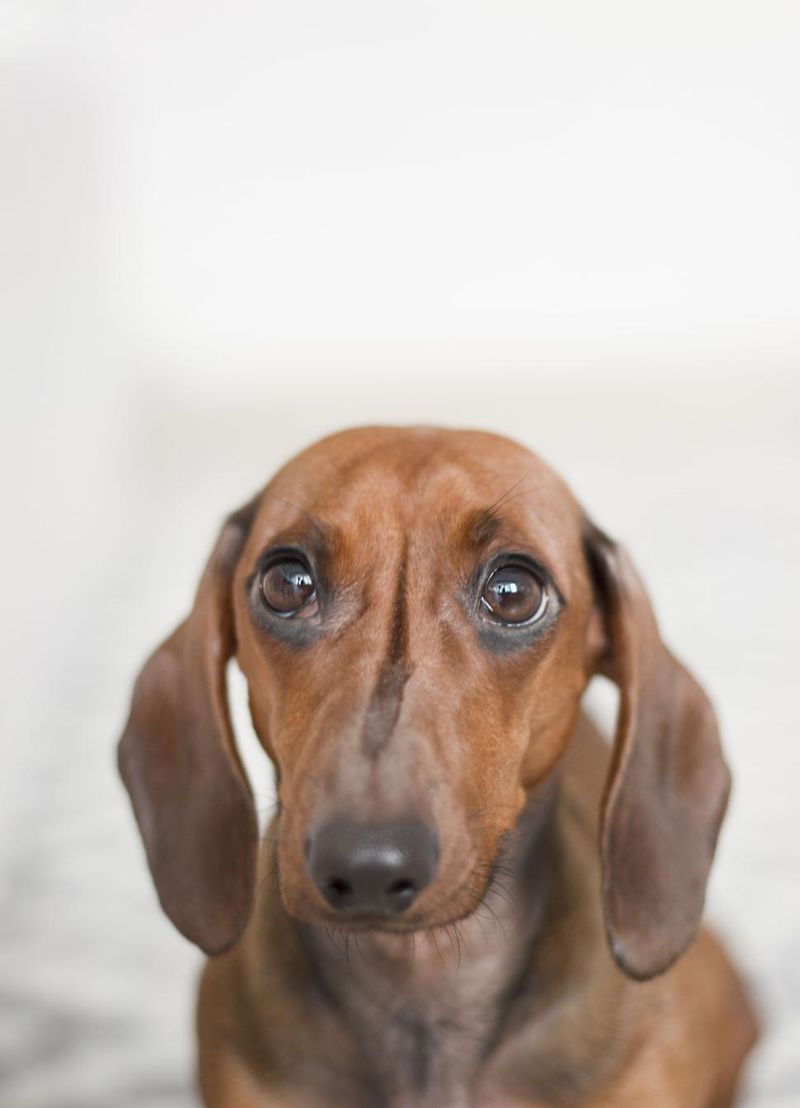
Bright, clear eyes tell you a lot about a puppy’s health. They should be shiny, wide, and responsive to light, without redness, crust, or excessive tearing.
When you call, the gaze locks onto you quickly, and pupils adjust evenly. That lively sparkle usually means good hydration and energy.
Do a gentle check by lifting the eyelid to see pink, moist tissue, not pale or angry red. Watch for squinting, pawing, or discharge, which can signal irritation.
Keep hair around the eyes trimmed and rinse gently after dusty play. If cloudiness appears or the whites look yellow, schedule a vet visit.
Most days, though, bright, curious eyes are your green light that development is happily on track.
Healthy appetite
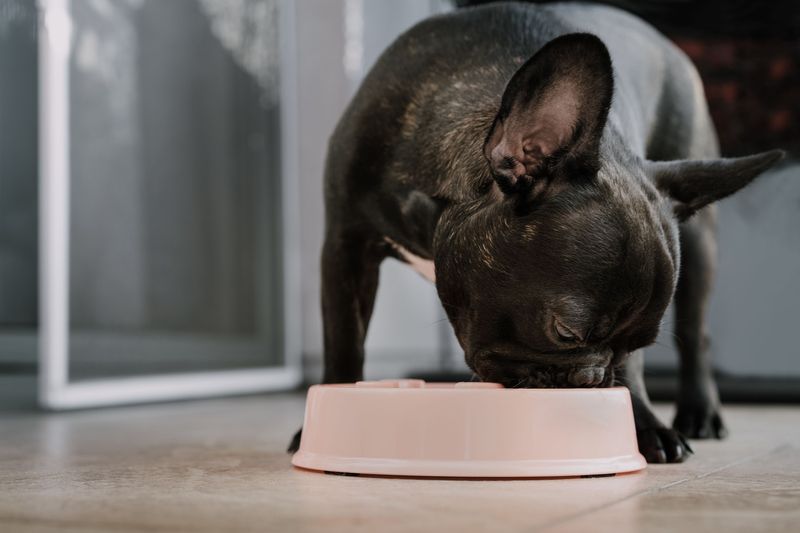
A healthy appetite shows your puppy is growing and burning fuel. Meals disappear steadily without frantic gulping or picky standoffs.
You see enthusiastic interest at feeding times, then a satisfied slowdown afterward. Weight gain follows your vet’s curve, and ribs feel covered yet still easy to find.
Consistency matters, so offer balanced portions on a predictable schedule. Notice eager chewing, relaxed swallowing, and no coughing or gagging.
Stools stay well formed, signaling the diet sits right. If appetite suddenly drops, energy lags, or vomiting appears, call your veterinarian.
Otherwise, that happy food dance, wagging tail, and focused sit before the bowl are wonderful signs you’re meeting needs and encouraging confident, healthy development every single day.
Playful behavior
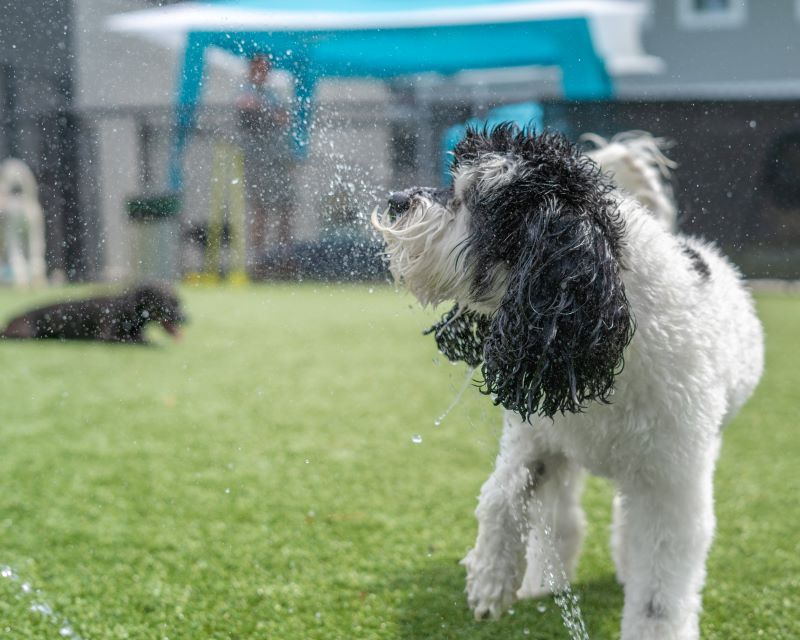
Playfulness is a puppy’s natural language, and it shouts wellness. You’ll notice bouncy steps, quick bows, and joyful zoomies that start and stop with control.
Tug games stay spirited yet respectful, and the mouth feels soft, not grabby. Between bursts, your pup settles, showing a healthy on off switch.
Invite short play sessions suited to age and breed. Rotate safe toys to challenge the brain and jaw.
Look for bright engagement, quick recovery, and curiosity that returns after brief rests. If play turns sluggish, one sided, or obsessive, consider fatigue or discomfort and pause.
Most days, lively, cooperative play signals strong joints, resilient stamina, and a confident little learner who trusts you and loves exploring new challenges.
Comfortable sleep patterns
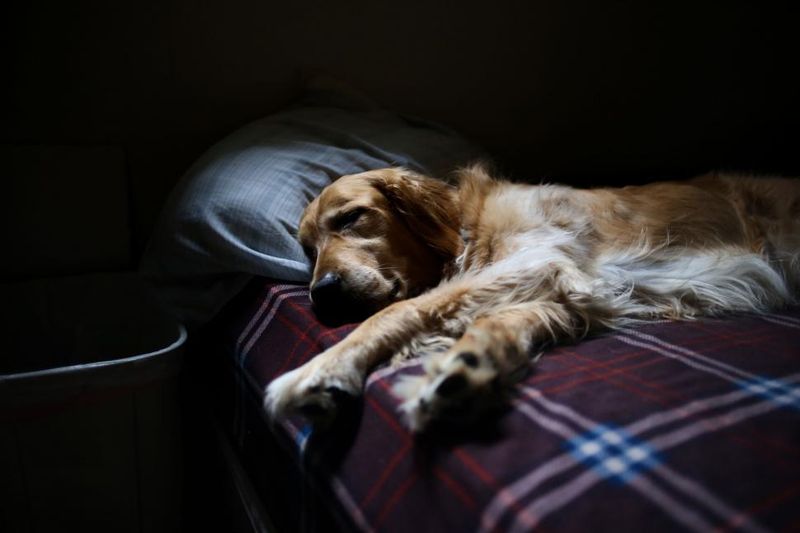
Healthy puppies sleep a lot, and that is good news. You see predictable nap cycles after meals and play, then deeper nighttime rest with minimal fuss.
They stretch, sigh, and reposition without whining, and they wake refreshed, ready for gentle bathroom breaks and breakfast.
Establish a cozy crate or bed in a quiet corner. Keep a calm pre sleep routine with a short potty walk and soft lights.
Track patterns so you notice gradual increases in awake time as growth progresses. Occasional dreams, twitches, and tiny barks are normal signs of processing.
If restlessness, panting, or frequent accidents appear, check temperature, schedule, and vet guidance. Otherwise, peaceful, rhythmic sleep tells you development is unfolding smoothly and securely.
Curiosity about surroundings
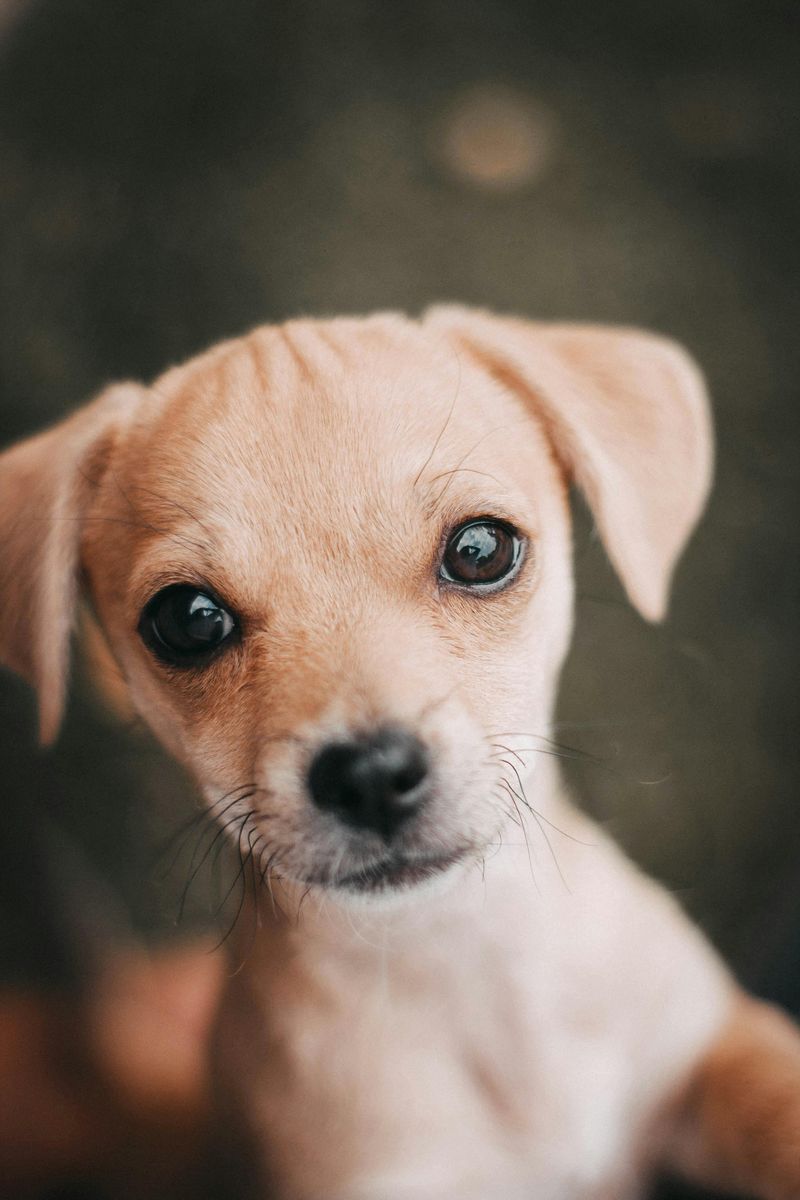
Curiosity signals confidence and healthy brain development. Your puppy sniffs corners, studies sounds, and approaches new objects with a cautious but eager stance.
The tail moves loosely, ears pivot, and weight shifts forward, then back, as information collects. After a quick pause, exploration continues with growing assurance and gentle check ins with you.
Support this instinct with controlled novelty. Offer safe textures, friendly people, different rooms, and short car rides.
Pair new moments with treats and praise so curiosity pays. Watch for balanced bravery that retreats briefly, then reengages.
If fear freezes or frantic barking escalate, step back, lower intensity, and try again later. Steady, optimistic curiosity today becomes tomorrow’s adaptability, making vet visits, travel, and training far easier.
Relaxed body posture
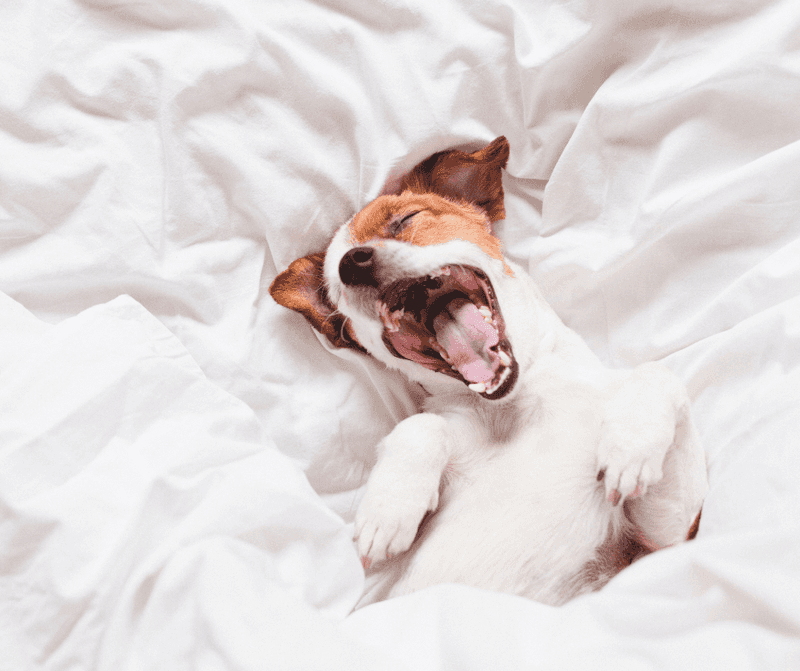
A relaxed body tells you your puppy feels safe. Look for loose muscles, a soft mouth, and a tail that settles at mid height or gently wags.
The spine looks flowing, not stiff, and paws rest evenly. When you approach, the body leans in with wiggles, not freezing or cowering.
Create calm routines that build predictability. Use slow movements, gentle voices, and rewards for choosing relaxation.
Teach a settle cue on a mat, pairing stillness with breathy praise. During introductions, keep space generous so your pup can choose to approach.
If tension appears, increase distance and lower excitement. Over time, that easy, melted posture becomes the default, showing healthy coping skills and strong trust in you.
Enjoying interaction with people
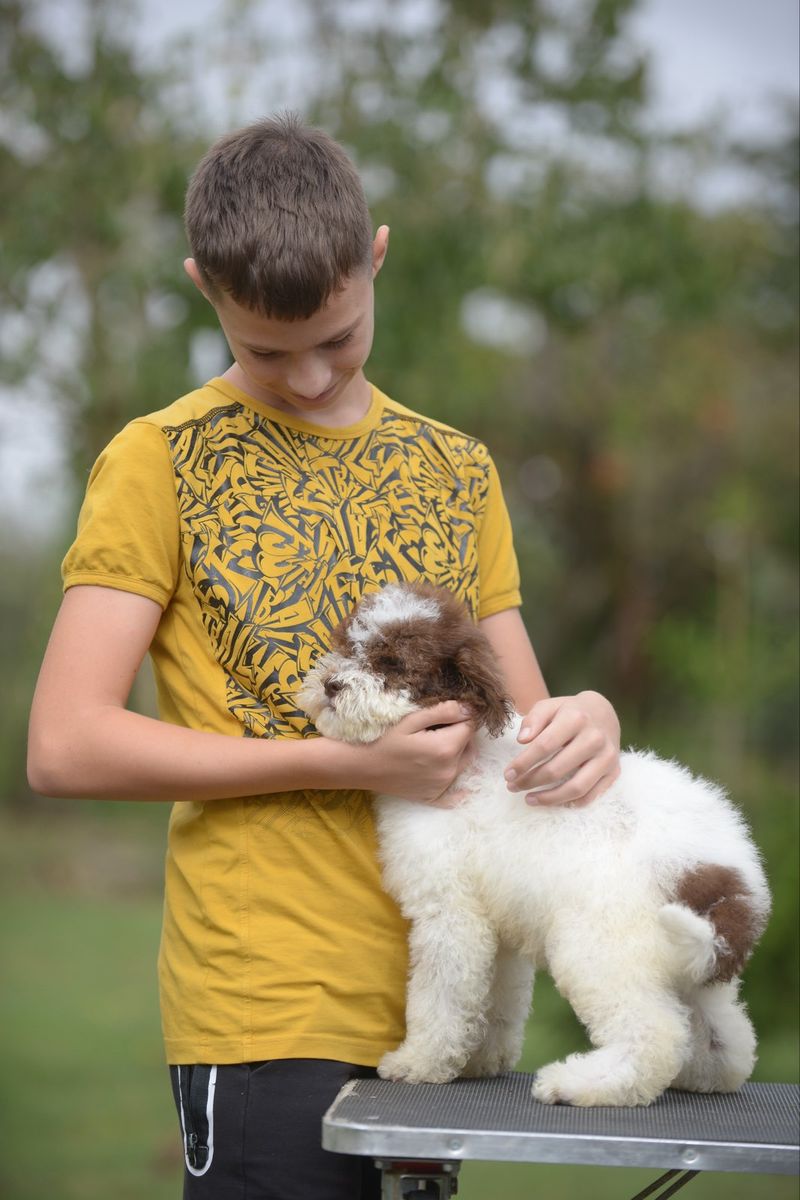
Healthy puppies enjoy people because connections feel safe and rewarding. You’ll see soft eyes, wiggly bodies, and a friendly approach that pauses politely before jumping.
They check in, accept gentle petting, and return for more after brief breaks. Greetings look balanced, not frantic, and they can disengage when asked.
Make social time structured and kind. Invite calm friends to offer treats under your guidance.
Reward four paws on the floor, sit for hello, and short cuddles followed by play. Include diverse ages, clothing, and mobility aids so your pup generalizes confidence.
If shyness or over excitement shows up, dial the scene down and rebuild gradually. Enjoyable, respectful interactions today become tomorrow’s cooperative grooming, vet care, and family harmony.
Healthy coat and skin
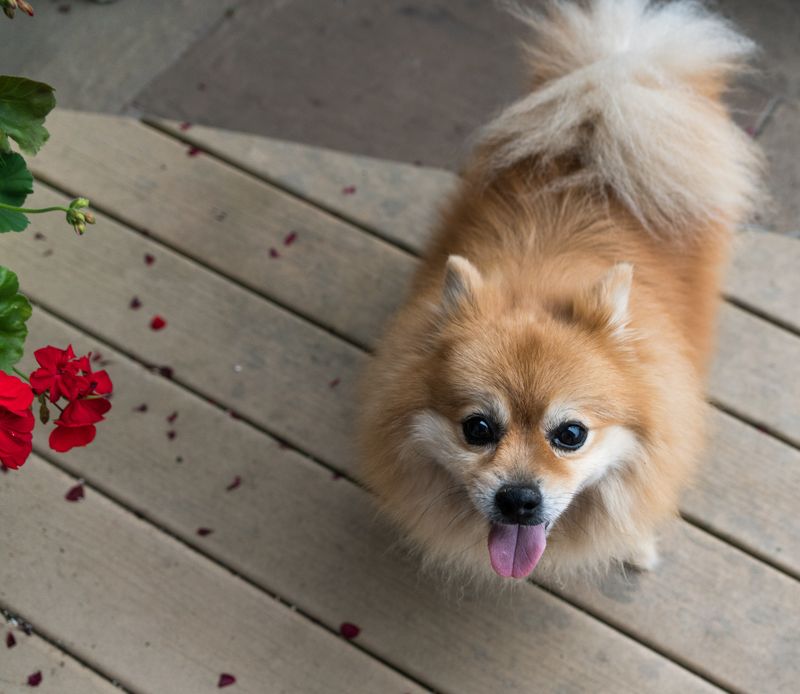
A shiny coat and comfortable skin are clear wellness markers. Run your fingers along the fur and you feel smooth, springy texture without flakes or greasy patches.
The skin underneath looks pink or pigmented, not inflamed, and there is minimal doggy odor. Scratching is occasional, not constant, and hot spots are absent.
Feed quality nutrition rich in omega fats and keep up with parasite prevention. Brush regularly to spread natural oils and spot changes early.
Bathe as needed with gentle puppy shampoo, then rinse thoroughly. If you notice dullness, bald spots, odor, or red rashes, consult your veterinarian to rule out allergies or mites.
Most days, that glossy coat and comfy skin mean your puppy’s body is thriving.
Regular bathroom habits
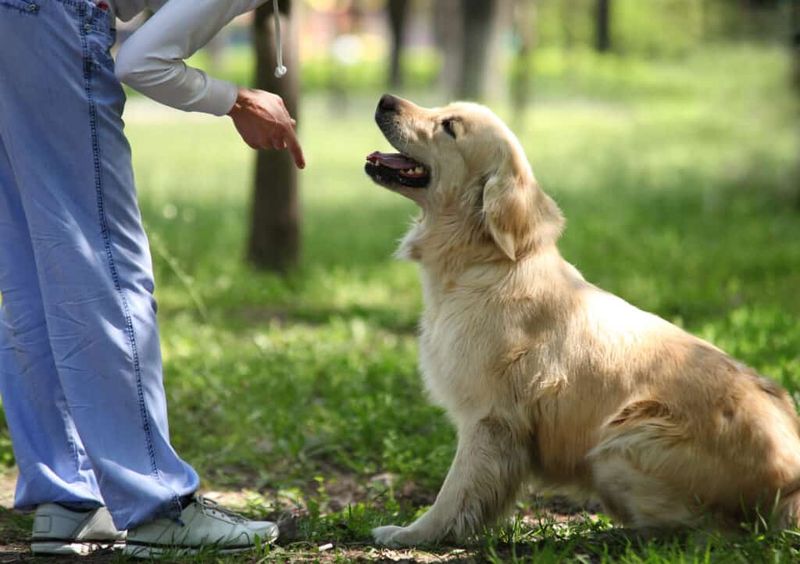
Reliable potty habits signal a maturing body and routine. Your puppy eliminates shortly after waking, eating, and playing, then stretches intervals steadily with age.
Stools are formed, moist, and easy to pick up, not watery or rock hard. Urination is steady and comfortable, without straining or frequent dribbles.
Use a consistent schedule and praise the moment success happens. Choose a designated spot to build a strong location cue.
Track timing in a simple log so you notice helpful patterns. Hydration, diet, and sleep all shape results, so keep those steady.
If accidents spike or diarrhea appears, check food changes and call your vet. Otherwise, predictable bathroom rhythms show healthy digestion and excellent progress with house training.
Quick recovery after play
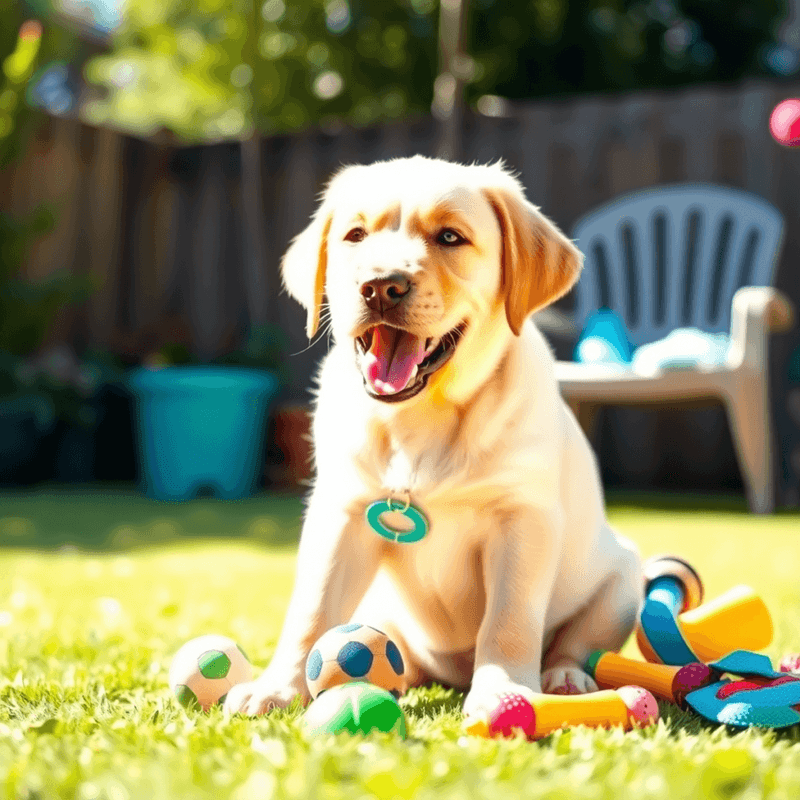
After energetic play, a healthy puppy recovers quickly. Breathing slows to normal within minutes, and the tongue color stays rosy, not pale or purple.
Gait returns smooth, without limping, and interest in water and a brief rest appears. Soon after, curiosity and a gentle desire to re engage return.
Shape sessions with short bursts and frequent pauses. Provide shade, fresh water, and cool surfaces on warm days.
Monitor for prolonged panting, drooling, or wobbliness, which suggest overheating or fatigue. If signs persist, stop, cool, and contact your vet.
Over time, you should see stamina grow steadily while recovery remains brisk. That pattern means the heart, lungs, and muscles are adapting beautifully to age appropriate challenges.
Willingness to learn and explore
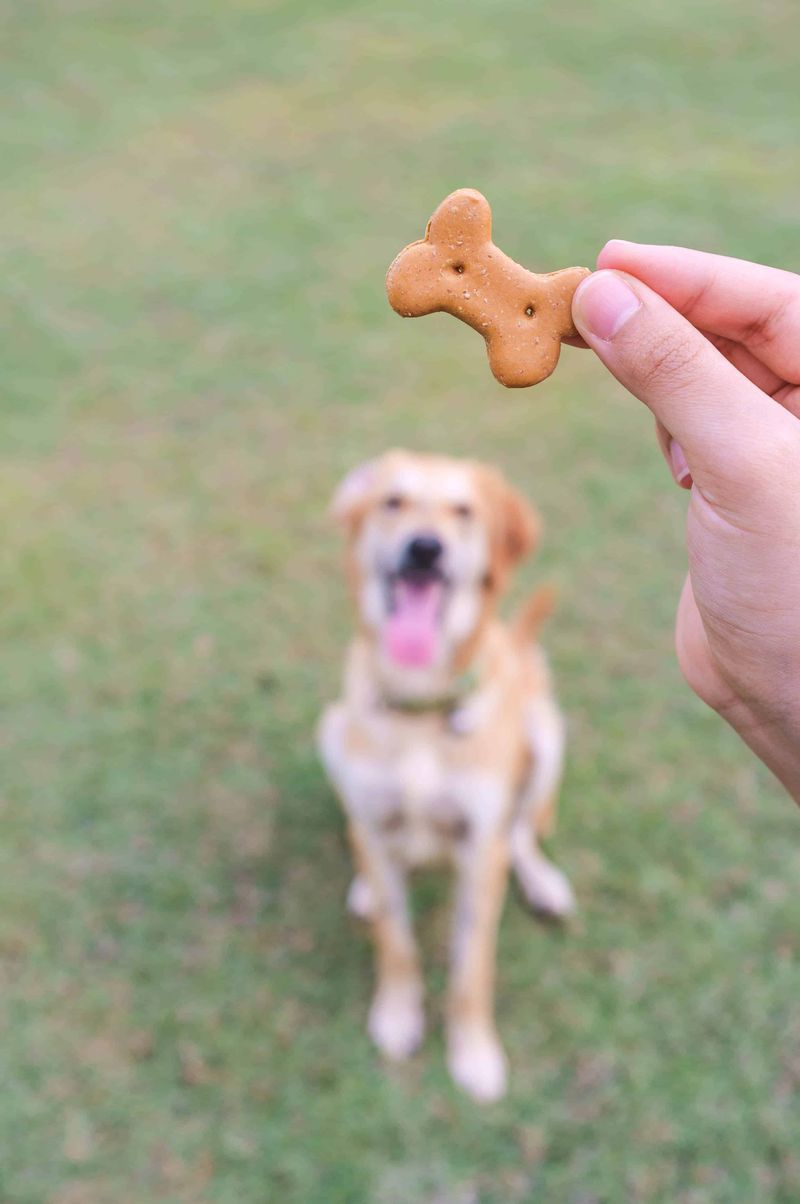
Curious learners thrive because every moment becomes a lesson. Your puppy watches, tries, and happily works for tiny treats and praise.
Short training bursts build focus, and simple cues like sit, down, and touch arrive quickly. You notice a brave trot toward novelty, followed by a thoughtful pause, then problem solving.
Make learning playful and bite sized. Use clear markers like yes or a click, then reward promptly.
Keep criteria small so success lands often, and end while enthusiasm stays high. Mix easy wins with one small challenge to stretch confidence.
If frustration surfaces, step back, simplify, and celebrate the next try. A steady willingness to learn today grows into adaptable adulthood and an eager adventure partner.