
Think your dog is giving you the cold shoulder lately. Sometimes those subtle, everyday moments are actually loud messages about how they feel.
Learn to read the signs before small frustrations turn into bigger behavior problems. These clues will help you repair trust and reconnect fast, starting today.
Avoiding eye contact
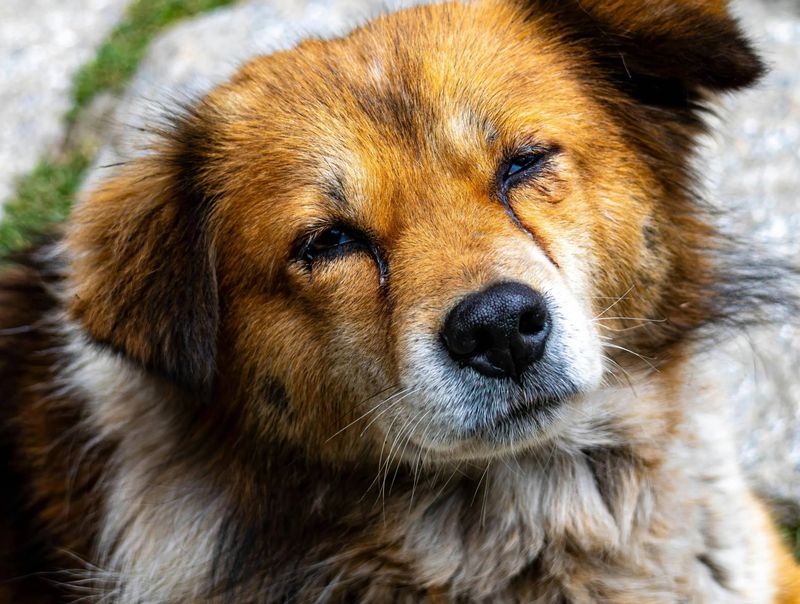
When your dog avoids eye contact, it often signals discomfort, stress, or irritation toward you. Direct stares can feel confrontational in canine language, so turning the gaze away is a calming choice.
If this happens right after a scolding or a rushed walk, consider it meaningful feedback.
Give your dog space, soften your voice, and blink slowly while turning your body slightly sideways. Offer a sniff-friendly hand, then reward any small glance with calm praise or a treat.
If avoidance persists alongside tension, yawning, or lip licking, plan decompression time, enrichments, and a predictable routine. Consider a vet or trainer consult to rule out pain and build better communication habits.
Small changes today can heal tomorrow’s grudge and trust fast.
Ignoring commands intentionally
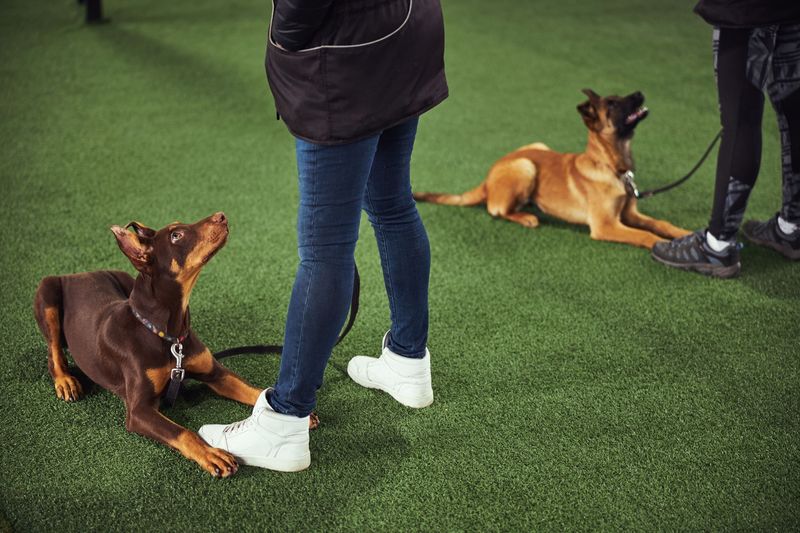
When your dog clearly hears a cue yet looks away, that selective deafness may be a protest. Dogs often ignore commands after confusing training, unfair corrections, or unmet needs like exercise.
If the response drops only with you, context matters.
Reset the tone by skipping repetition, planting your feet, and using one calm cue followed by silence. Mark any tiny try, then reward generously to rebuild confidence and motivation.
If your timing or criteria drifted, shorten the task, lower distractions, and rebuild the behavior with clear steps. Walk first, train second, because a satisfied body listens better than a restless one.
If standoffs continue, involve a positive trainer to assess communication, reinforcement history, and possible underlying stress or pain today.
Turning away from you

A dog turning their body or back toward you can be a powerful message, not mere rudeness. Canines use turning away to diffuse tension, express annoyance, or ask for space after conflict.
If it happens right after handling paws, brushing knots, or ending play, timing explains the mood.
Dial down pressure by averting your eyes, turning slightly sideways, and offering a slow approach invitation. Sprinkle choice into routines, letting your dog opt in for grooming, hugs, or lifting into cars.
When the turn-away softens, mark the change and reinforce with distance, treats, or a decompression sniff-walk. Persistent avoidance warrants a vet check to rule out pain, especially neck, ear, or spinal discomfort.
Patience invites trust to return gradually over time.
Refusing affection
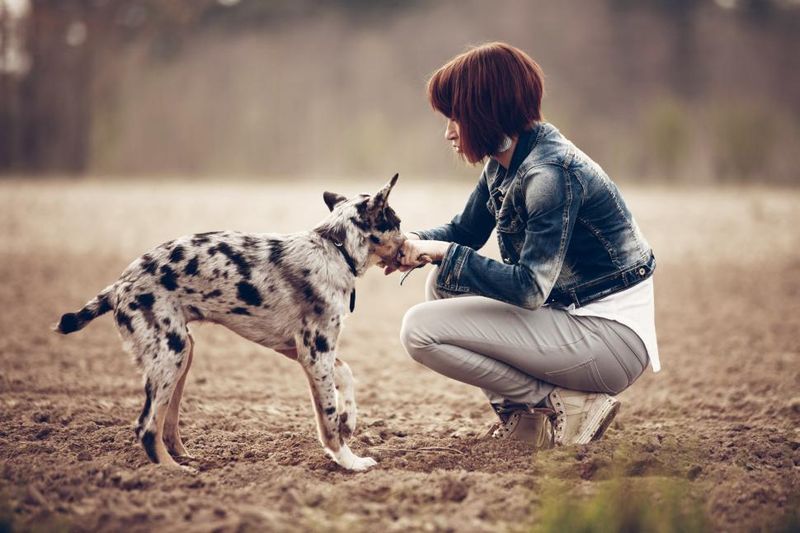
A dog dodging pets, leaning away, or stiffening during hugs may be setting a clear boundary. Affection that feels restraining can frustrate sensitive dogs, especially after stressful days or rough handling.
Notice the context, the speed of your approach, and your hands coming over the head.
Switch to consent-based petting by inviting, pausing, and letting your dog move into your space. Aim for chest or shoulder scritches, short sessions, and frequent off switches to reset comfort.
Pair affection with choice, tasty reinforcers, and decompression walks, not restraint or cornering pressure. If refusal grows, schedule a vet exam to check skin irritation, arthritis, or pain points.
Respect builds safety, and safety unlocks affection on your dog’s timeline when trust finally returns.
Excessive barking or whining
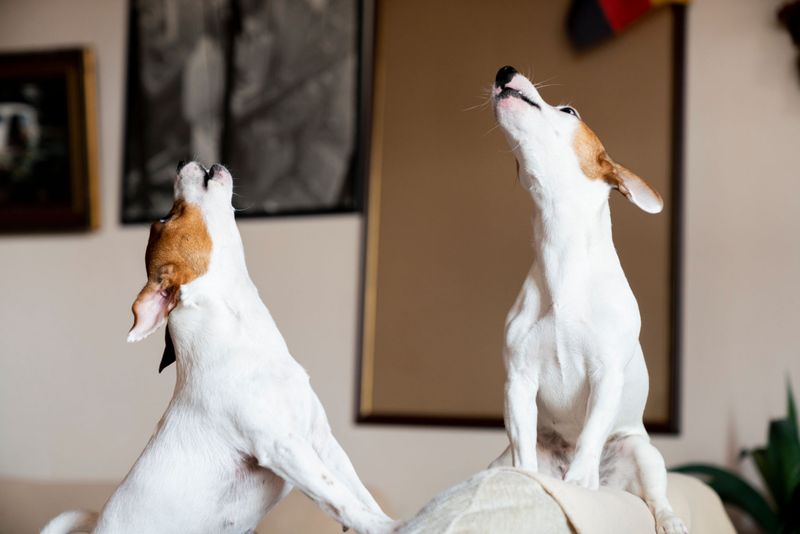
Sudden bursts of barking or sustained whining can be your dog’s complaint department opening for business. Maybe play ended too soon, the doorbell keeps ringing, or frustration from training spilled over.
Watch body language for stiff posture, pinched mouth corners, and pacing that says I am not okay.
Respond with structure: reduce triggers, offer sniff breaks, and give a clear job like settling on a mat. Teach a quiet cue by marking brief pauses, then reinforce heavily so calm pays better than noise.
If vocalizing escalates or appears with pain signs, call your vet and reassess activity, diet, and sleep. You are not spoiling calm; you are paying it like rent for peace.
Consistency turns volume down over days of practice.
Destructive behavior

Shredded pillows, chewed shoes, and cratered gardens can express frustration, boredom, or resentment after rough interactions. If it follows scolding, canceled walks, or sudden schedule changes, your dog may be venting with teeth.
Destruction also relieves stress, especially for active breeds with unmet needs.
Swap punishment for management: secure tempting items, provide chew stations, and add daily sniffy decompression walks. Teach flirt pole play, food puzzles, cardboard shredding zones, and a settle behavior with rich reinforcement.
If anxiety or pain contributes, collaborate with your vet and a trainer on behavior plans and medication. You cannot chew out stress, but you can channel it productively every single day.
Meeting needs reduces mess and anger shadows fade when routines become reliably supportive.
Growling under stress
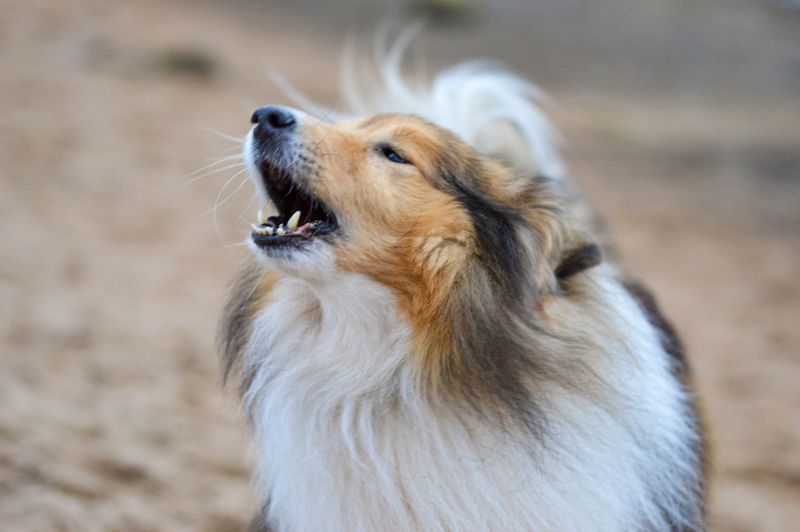
Growling is communication, not betrayal, and it often says please give me space right now. If your dog growls after you reach for a resource or touch a sore spot, listen first.
Punishing the growl removes the warning and risks a bite later.
Pause, create distance, and take stock of triggers, then trade up calmly or end the situation. Rebuild safety with predictable routines, cooperative care practice, and consent-based handling for nails, brushing, and harnessing.
Consult your vet and a qualified trainer to rule out pain, resource guarding, or fear, then craft a plan. Respect the message, reinforce calm alternatives, and your dog will choose safer signals sooner.
Safety first protects feelings and skin for both of you every time.
Pacing or restless behavior
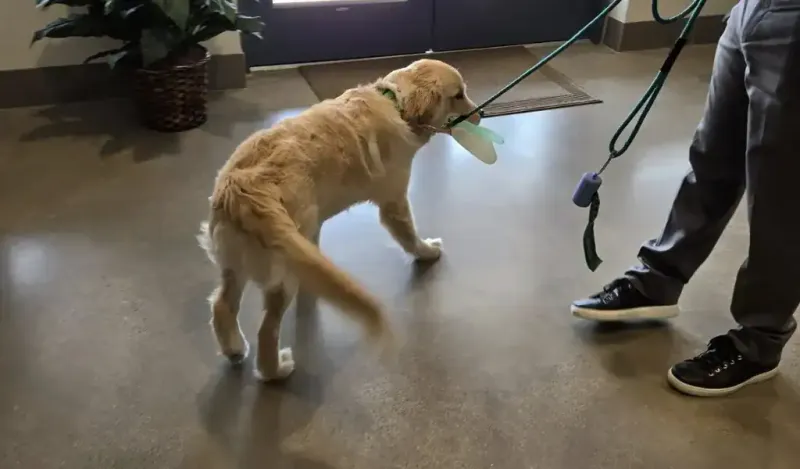
Restless pacing around the room can be your dog’s agitation meter spiking after conflict or disappointment. Look for panting, pinned ears, dilated pupils, or refusal to settle near you.
Maybe the routine changed abruptly, visitors overstayed, or you ended a favorite game too quickly.
Lower arousal using scatter feeding, slow sniff walks, massage strokes, and rhythmic licking via a mat. Close curtains, turn on brown noise, and offer a chew to shift the nervous system down.
Track patterns, then adjust exercise, training difficulty, and social time to match your dog’s bandwidth. If pacing continues nightly, consult your vet to screen for pain, itch, or cognitive changes.
Steady routines teach bodies to settle faster, and tempers cool with patient practice together.
Acting withdrawn
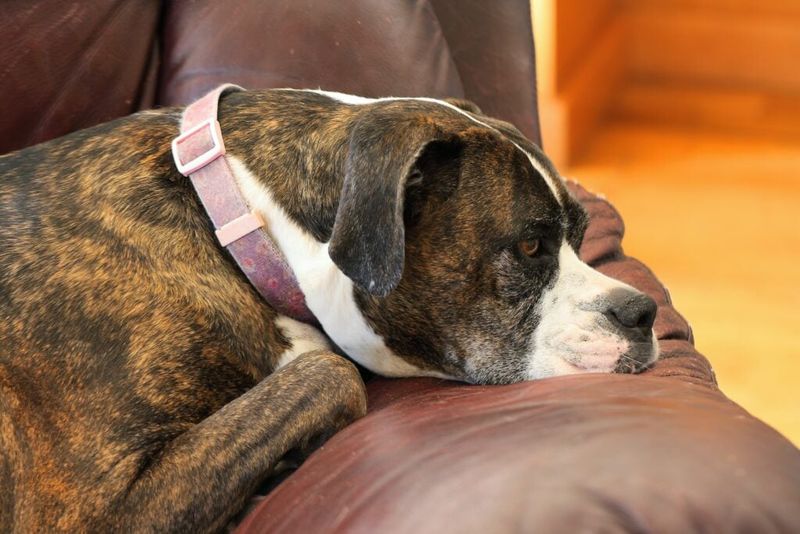
When a normally social dog suddenly retreats, that emotional shutdown can reflect anger, stress, or sadness. You might notice hiding, skipping meals, avoiding playmates, or refusing to greet at the door.
Sometimes the trigger is subtle, like a loud argument, rough petting, or a broken routine.
Create safety by lowering demands, offering sanctuary spaces, and letting your dog control social distance. Hand feed a portion of meals, pair your presence with calm rewards, and add gentle, predictable structure.
If withdrawal lasts more than a day or two, see your vet and loop in a trainer. Healing trust is not quick, but consistency makes warmth feel safe.
Follow their lead and celebrate tiny sparks of engagement as they choose connection again.
Showing stubbornness suddenly
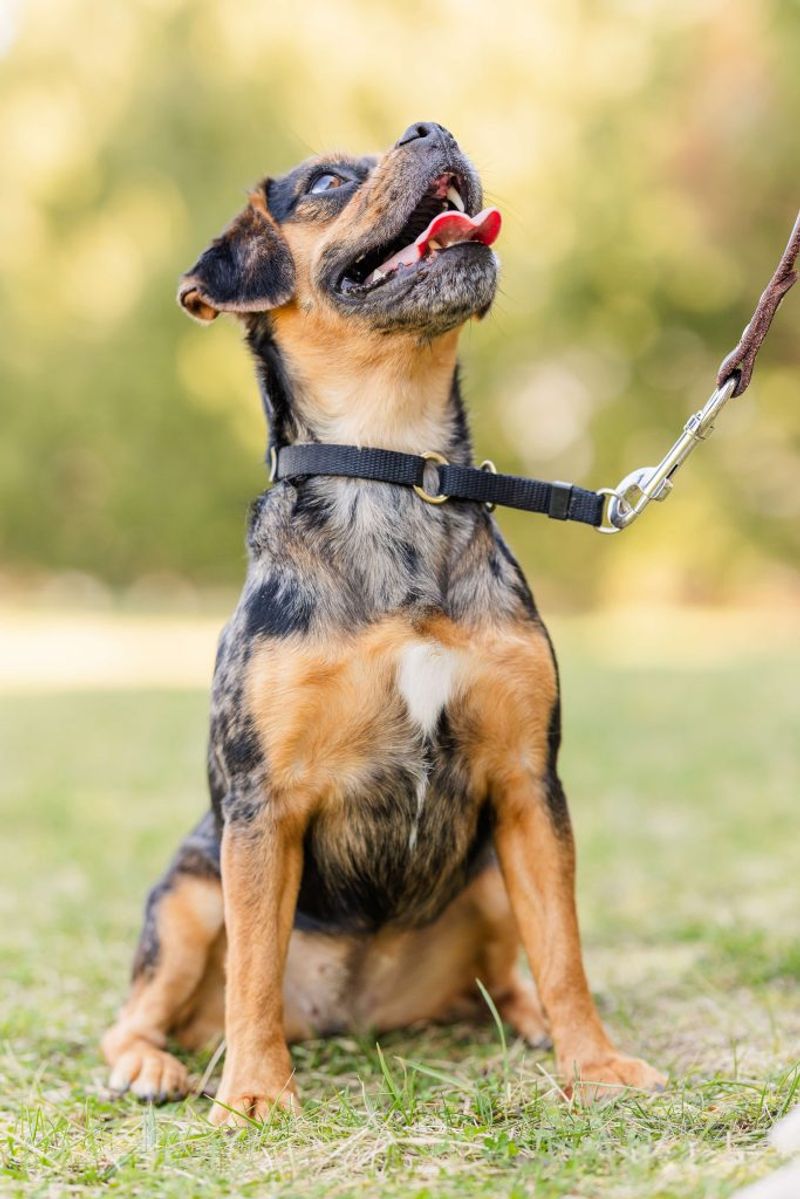
A dog that suddenly plants their feet, refuses routes, or balks at gear may be telling you off. Stubbornness is often a label for confusion, fear, pain, or low motivation after stressful interactions.
Consider surfaces, weather, loud noises, or recent corrections that soured the task.
Break the job into tiny steps, pay generously, and let your dog choose yes or not yet. Switch contexts, reduce friction points, and swap equipment if fit or feel seems irritating.
Vet checks matter for sudden changes, especially hips, knees, paws, stomach, and thyroid issues. When your dog says no, hear it, adjust expectations, and invite a smaller yes.
Respect today builds momentum tomorrow, turning stubborn moments into teachable, connected wins with patience and clarity.