
You know your dog better than anyone, yet pain can hide in plain sight. Small changes in sleep, movement, or mood often whisper before they shout.
If something feels off, this guide will help you spot the quiet clues sooner. Catching them early can spare your pup suffering and bring relief faster.
Sleeping more than usual
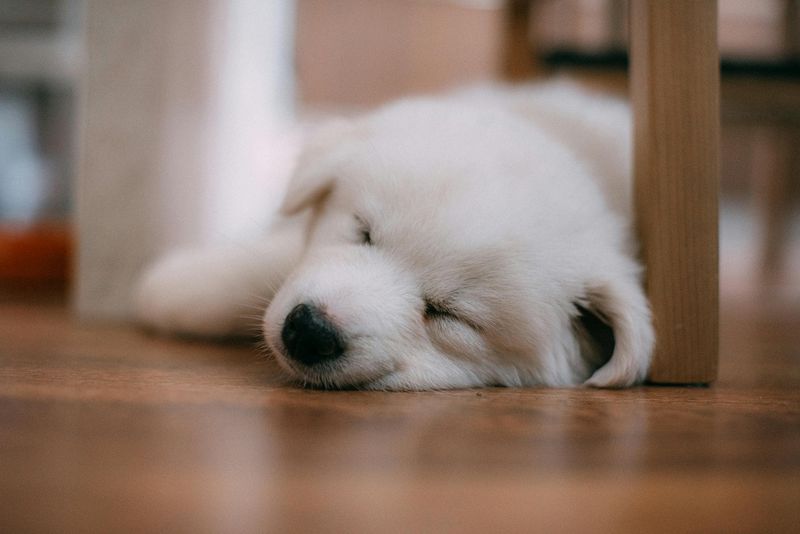
If your dog is clocking extra hours of sleep, it can be more than laziness. Pain drains energy, so they conserve it by napping and avoiding stimulation.
You might notice slower mornings, fewer zoomies, and a preference for quiet corners.
Before assuming boredom or age, track sleep patterns for a week. Compare weekdays to weekends, and note if rest increases after walks or stairs.
If longer naps arrive with stiffness, slower rising, or sighing when settling, call your vet for guidance.
Subtle cues like twitching paws during sleep, shifting positions repeatedly, or choosing cooler floors can hint that something aches. You know their normal best, so trust that inner nudge and document changes with short daily notes.
Patterns reveal pain.
Avoiding stairs or jumping
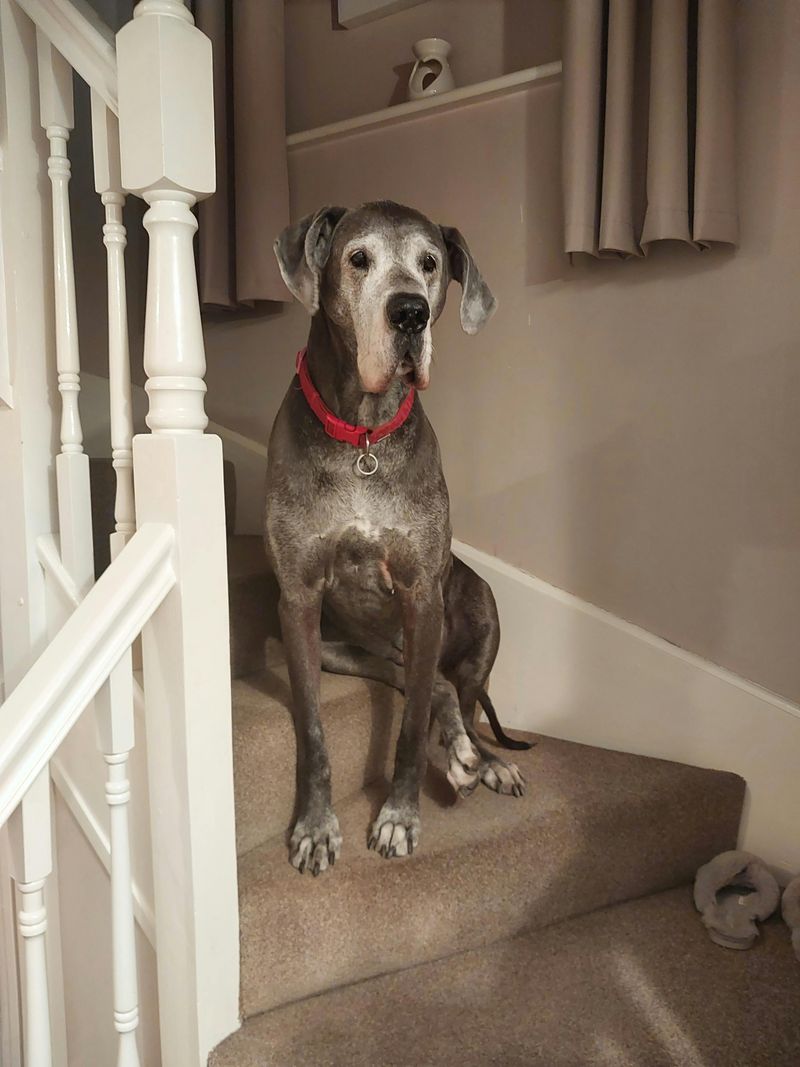
Hesitation at stairs or furniture often signals discomfort rather than stubbornness. Dogs mask pain well, so skipping steps or pawing for a lift is a quiet plea.
You might also see shorter jumps, sideways approaches, or aborted attempts followed by licking.
Check for traction issues first, like slick floors or long nails, before assuming joint trouble. If surfaces are fine, pain in hips, knees, elbows, or spine could be shouting softly.
Note which direction bothers them most and whether morning or evening makes it worse.
Film a few approaches to compare stride, push off strength, and hesitation over several days. Then ask your vet about pain relief, joint support, and activity adjustments that protect healing tissues.
Comfort now prevents escalation.
Changes in appetite
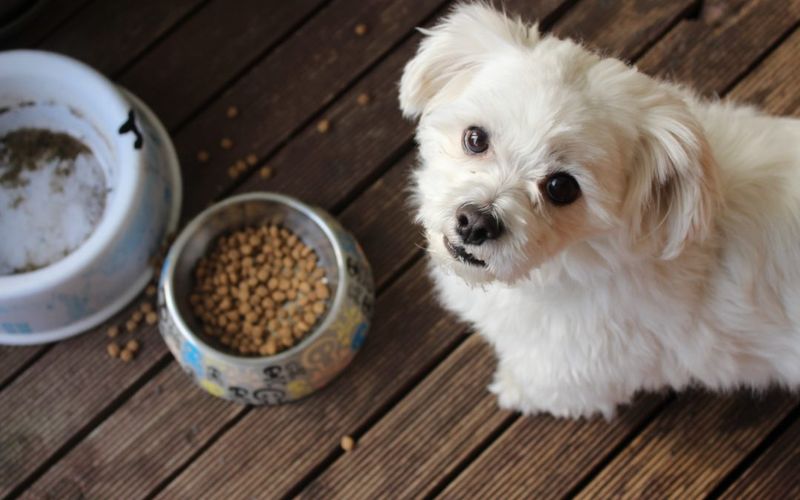
When food enthusiasm fades, pain may be meddling with appetite and mood. Chewing can hurt if teeth, jaw, or neck are sore, making crunchy kibble feel intimidating.
Nausea from medications or inflammation also dulls interest, even in favorite treats.
Watch for dropping food, slower eating, head tilts, or leaving the bowl early. Offer softer textures, warm the meal slightly, and split portions to see if comfort improves.
Sudden fasting, drooling, or gulping with burps deserves a prompt call to your vet.
Track appetite alongside pain signs like pacing at night, stiffness, or lip licking. Together they reveal patterns that point toward dental pain, gut discomfort, or orthopedic flare ups.
Early help keeps meals joyful and bodies strong for longer adventures.
Excessive licking in one area

Targeted licking is your dog’s built in red flag. They are trying to soothe an ache, clean a wound, or numb tingling nerves.
You may spot saliva stained fur, balding patches, or skin that looks pink and irritated.
Check toes, armpits, groin, and tail underside for thorns, hot spots, or insect bites. Pain can also refer from joints or nerves, so the sore spot might mislead you.
If the area swells, oozes, or smells yeasty, schedule an exam quickly.
Use a recovery sleeve, clean sock, or cone to interrupt licking while you investigate causes. Then ask your vet about pain control, antibiotics, or allergy management to calm the cycle.
Breaking the habit prevents infections and speeds healing for sensitive pups.
Irritability or withdrawal
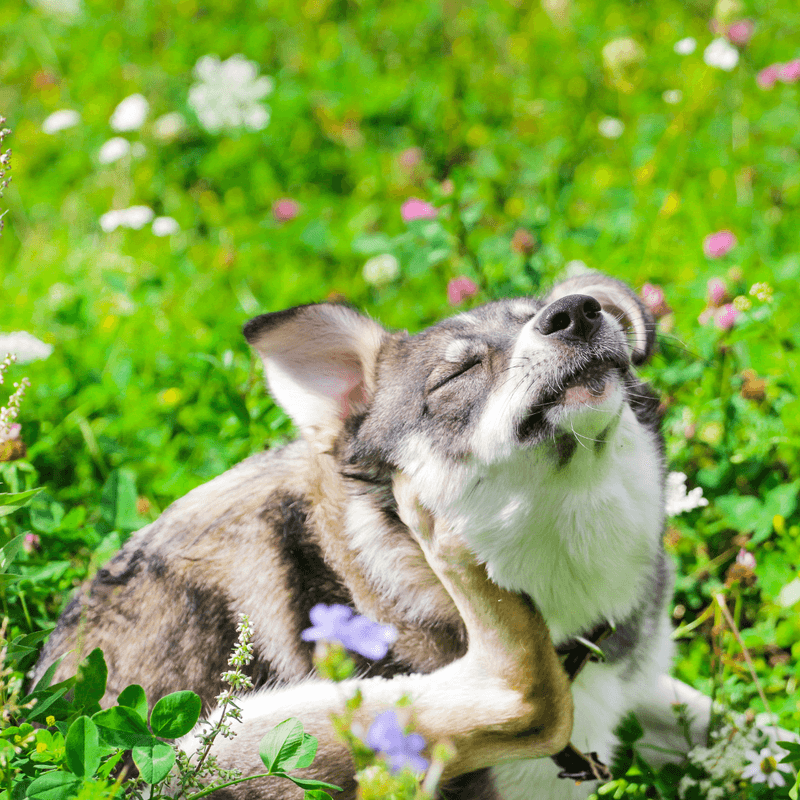
Grumpiness can be pain wearing a polite mask. If your sweetheart growls, avoids petting, or hides under the table, something may hurt.
Dogs often retreat to control their environment when every touch feels risky.
Notice whether moods shift after rough play, long walks, or climbing onto the couch. Flinching at greetings or stiffening during hugs are classic clues that deserve compassion.
Punishment backfires here, because fear stacks on top of pain and worsens behavior.
Create calm zones, shorten play, and give choices about touch while you gather data. I like using a daily pain score and mood notes to show the vet a timeline.
Relief often restores sweetness quickly. Protect trust first, and let treatment rebuild confidence and comfort gently.
Panting without exercise
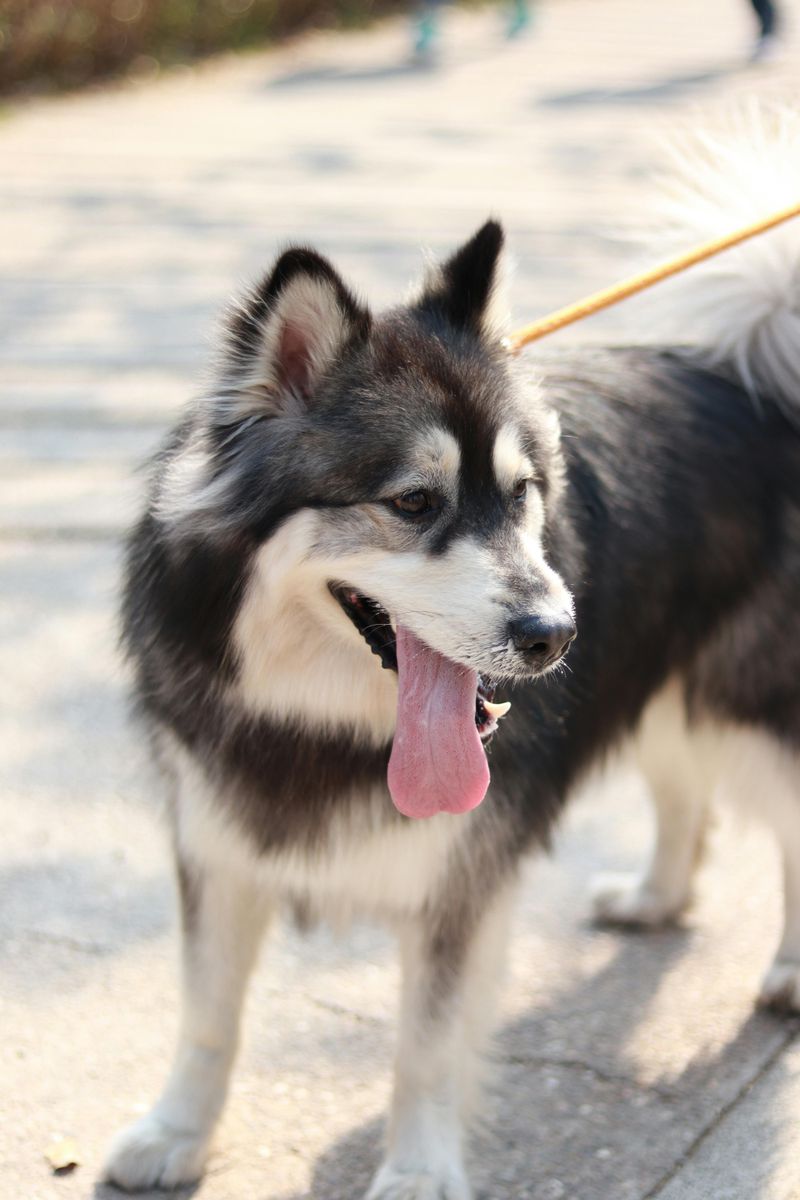
Panting after rest, at night, or indoors can point toward pain and stress. Your dog may pace, seek cool spots, and stare at you for reassurance.
Back, abdominal, or joint pain can drive shallow breaths and fast panting.
Rule out heat, anxiety triggers, and excitement, then watch timing around meals and activity. If panting follows stairs, car rides, or lying down, pain may be whispering clearly.
Blue gums, coughing, or collapse are emergencies, so seek immediate care.
Record a short video capturing posture, belly tension, and breathing rate for your vet. Comfortable, slow breaths should return during rest once pain is addressed thoughtfully.
With treatment, nights become quieter for both of you. Better sleep speeds healing and steadies daytime moods.
Walking differently
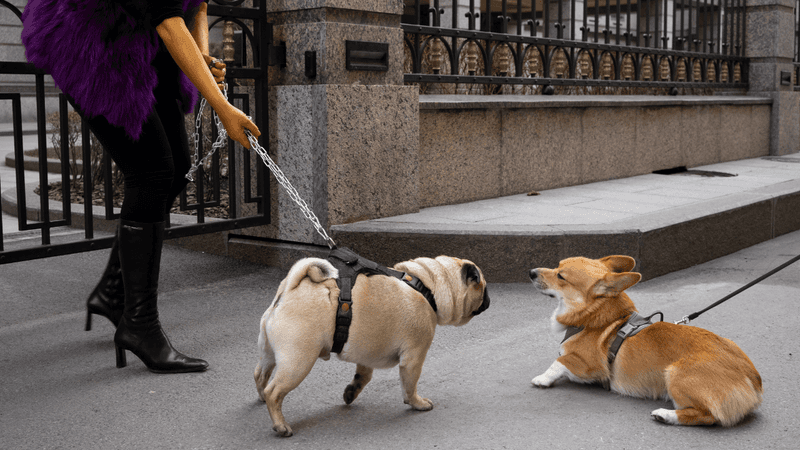
A new gait tells a story your dog cannot say out loud. Short strides, head bobbing, bunny hopping, or toe dragging often mean pain.
You might notice leaning to one side or back legs moving together on turns.
Film a hallway walk from behind and from the side in good light. Slow motion makes asymmetry obvious and helps your vet localize the source.
Check paws for cracks, nails for length, and pads for burrs that change stride.
Limit fetch, avoid slippery floors, and use rugs while evaluating the problem. Ask about pain relief, rehab exercises, and harness options that reduce strain.
A kinder pace today means healthier joints tomorrow. Your eye for detail can change comfort and mobility quickly too.
Hesitating before movement

That tiny pause before standing, sitting, or jumping is a powerful clue. Pain flares right as muscles load, so they stall to brace themselves.
You might hear a small sigh or see a slow head turn first.
Notice whether the hesitation shortens after warming up or worsens after resting. Compare soft surfaces to hardwood, and track any side preference when rising.
Neck, elbow, hip, or back pain often hides in these seconds before movement.
Add nonslip mats near beds, raise bowls, and guide with a supportive harness. Gentle pain control and targeted exercises usually bring confidence back quickly.
You will see that pause fade as comfort improves and energy returns. Keep notes to celebrate steady wins and inform your vet.
Sudden sensitivity to touch
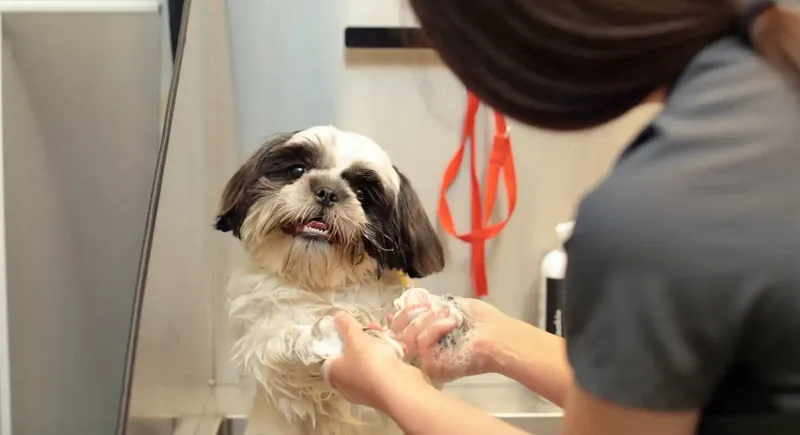
A flinch, yelp, or side eye during petting can expose a hurting spot. Some dogs freeze instead, which is easy to miss in cozy moments.
You might notice skin twitching, tightened lips, or a lifted paw guarding the area.
Map the boundaries gently, starting far away and moving closer over days. Note whether clothing, collars, or harness pressure worsens the reaction.
Spinal pain, ear infections, or skin injuries can all provoke tender defenses.
Switch to hands off cues, reward calm stillness, and avoid surprise touches for now. A vet exam with pain relief can reset trust and stop the spiral quickly.
Comfort turns pets back into safe, happy cuddles. You will both relax once the sore mystery is solved completely.
Loss of interest in activities
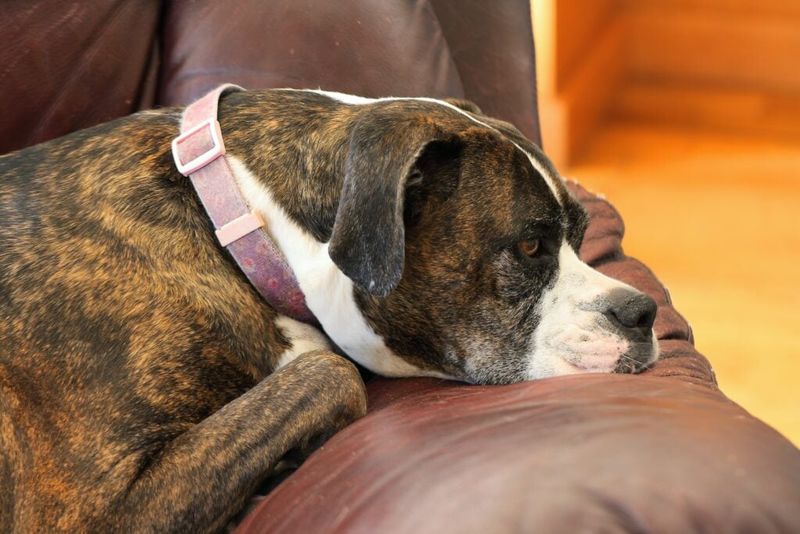
When fetch, walks, or favorite games lose sparkle, pain might be dimming joy. Dogs protect themselves by opting out before a movement spikes discomfort.
You may see them hover nearby but decline invitations with soft eyes.
Compare enthusiasm before and after rest, weather shifts, or busier days. Offer shorter, easier versions and note whether interest returns when effort drops.
Hidden pain in paws, back, or abdomen often shows first as lost play.
Protect their joy by treating pain, enriching with scent games, and celebrating tiny tries. Ask about medications, rehab, and pacing plans that rebuild stamina kindly.
When comfort returns, curiosity blooms and habits you love come back. Keep notes, share videos, and trust your gut when something feels off.