
Some dogs look incredible on Instagram, but living with them is a whole different story. If your home is full of playdates, deliveries, and last minute plans, certain breeds can struggle hard.
Before falling for a stunning coat or bold reputation, make sure the temperament fits your real life. Here are breeds many vets urge families to reconsider, and what you should weigh first.
Belgian Malinois

The Belgian Malinois is breathtakingly smart, athletic, and driven, but that combo rarely fits a busy family. This breed thrives on structured work, relentless training, and daily mental puzzles.
Without that outlet, behavior can spiral into nipping, herding kids, or obsessive barking.
If you skip even one exercise session, pent up energy shows up as destruction and frustration. Experienced handlers respect their intensity, rapid reactions, and protective instincts that are difficult to manage around guests.
Unless every adult is committed to training, socialization, and supervision, a Malinois can quickly overwhelm your household.
Choose this breed only if you crave demanding work and have professional guidance lined up. Otherwise, look toward calmer companions that better match family life and structured schedules.
Chow Chow
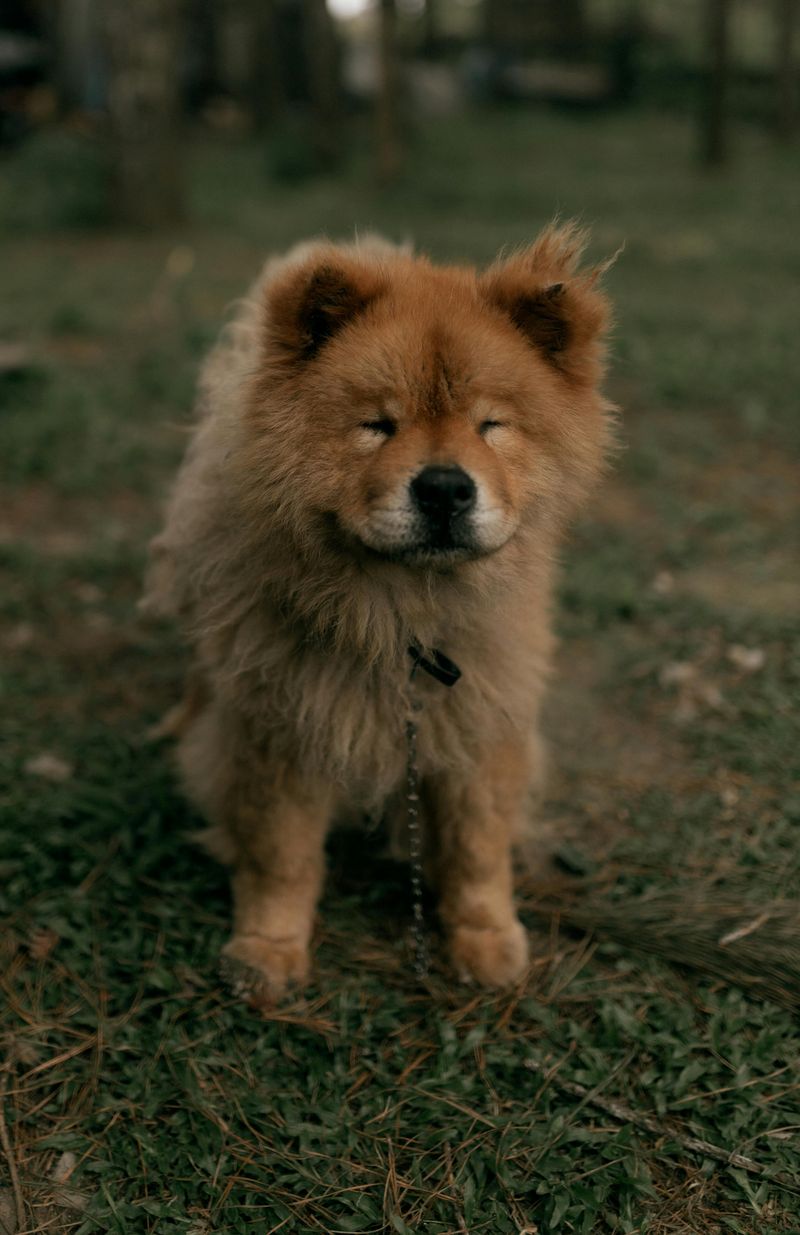
Chow Chows are gorgeous and dignified, yet their aloof nature rarely meshes with chaotic family routines. Many dislike rough handling, prolonged hugging, or surprise play from kids.
Independent streaks and territorial tendencies demand calm, consistent leadership that many households cannot sustain.
Thick coats need diligent grooming, and irritation can spark crankiness if mats pull at the skin. Combine that with a strong will, and you get stubborn training sessions that test patience.
Early socialization helps, but even well raised Chows often prefer quiet spaces over bustling living rooms.
If your dream dog is cuddly, eager to please, and endlessly tolerant, this breed will disappoint. Choose a breed that welcomes handling and enjoys meeting visitors without constant management at home often.
Akita
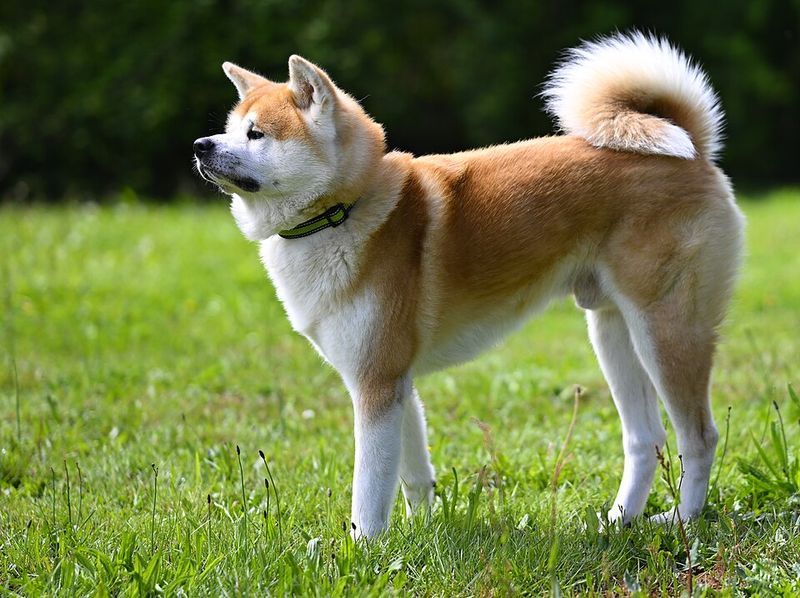
Akitas are imposing guardians with deep loyalty, but that devotion can become possessive and unpredictable. They mature slowly, remain standoffish with strangers, and often dislike other dogs of the same sex.
Families juggling playdates and frequent guests may find their vigilance exhausting.
Strong prey drive and a powerful build require firm training, secure fencing, and vigilant supervision. Without clear boundaries, resource guarding and pushy behavior can escalate fast.
Grooming heavy coats and managing shedding add chores that busy parents often postpone.
If you want an easygoing park buddy, this is the wrong match. Choose an Akita only with experienced guidance, intensive socialization, and a household that moves slowly.
Otherwise, conflicts and stress will overshadow sweet moments and strain family harmony.
Cane Corso

The Cane Corso is imposing, sensitive, and deeply attached, which can create big problems in busy homes. This guardian needs unwavering rules, heavy socialization, and daily outlets for both body and brain.
Without that, reactivity toward strangers or pushiness with family can surface quickly.
Drool, size, and strength complicate vet visits, playdates, and even casual walks. Training must be consistent between adults, or mixed messages confuse this clever dog.
Families that love spontaneous gatherings may struggle with a dog who prefers predictable introductions.
If you dream of a mellow couch companion, consider a simpler breed. Choose a Corso only with professional support, careful management, and a serious training plan.
That commitment keeps everyone safer and lets the dog truly relax.
Presa Canario

Presa Canarios were bred for guarding livestock and property, so their suspicion is not accidental. Powerful builds, strong jaws, and serious presence demand handlers who are experienced and calm.
In a family setting, unpredictable visitors, roughhousing kids, or inconsistent rules can spark trouble.
Daily structure, early socialization, and ironclad boundaries are nonnegotiable. Without them, reactivity grows and management becomes a full time job.
Add in heavy exercise needs, and many families simply cannot keep up.
If your home hosts frequent parties, deliveries, and playdates, this is not a good match. Consider a friendlier guardian or an easygoing companion who welcomes guests with a wag.
Keeping everyone safe should always come before impressive looks or bold breed reputations in family neighborhoods.
Dogo Argentino

The Dogo Argentino is athletic, courageous, and purpose bred for tough work, not chaotic households. High prey drive and muscular power require careful containment and expert handling.
Even with training, they can be intense with other animals and suspicious with strangers.
Daily exercise is nonnegotiable, and mental work prevents boredom that leads to destructive habits. Families who miss sessions will see agitation, mouthiness, and boundary testing.
Combine that with size, and routine errands suddenly feel complicated.
If you love hosting neighbors or visiting dog parks, choose a softer breed. A Dogo belongs with committed trainers, secure fencing, and a crystal clear household plan.
That structure lets their brilliance shine while keeping kids, guests, and pets safe every single day inside.
Siberian Husky
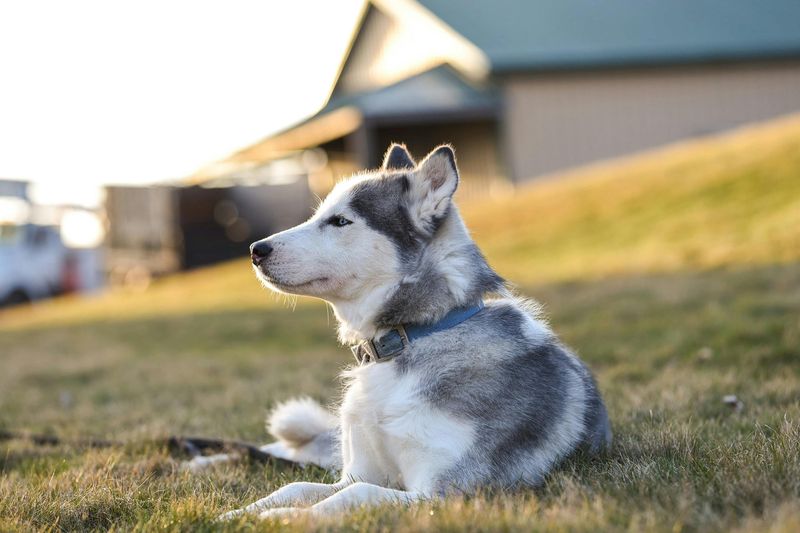
Siberian Huskies are stunning, friendly, and energetic, but they are escape artists with unstoppable stamina. Families underestimate how far they can run and how loudly they can sing at dawn.
Prey drive toward small pets complicates peaceful living.
Daily vigorous exercise and puzzle style training keep minds satisfied and furniture intact. Without both, digging, chewing, and Houdini level escapes appear quickly.
Thick coats also demand vacuum patience and summer heat management.
If you picture relaxed leash walks and a tidy yard, prepare for a reality check. Choose a Husky only if your schedule can handle miles, supervision, and secure fencing.
Otherwise, neighbors, landlords, and your garden will protest loudly and often while you chase escapes daily in every season outside.
Alaskan Malamute
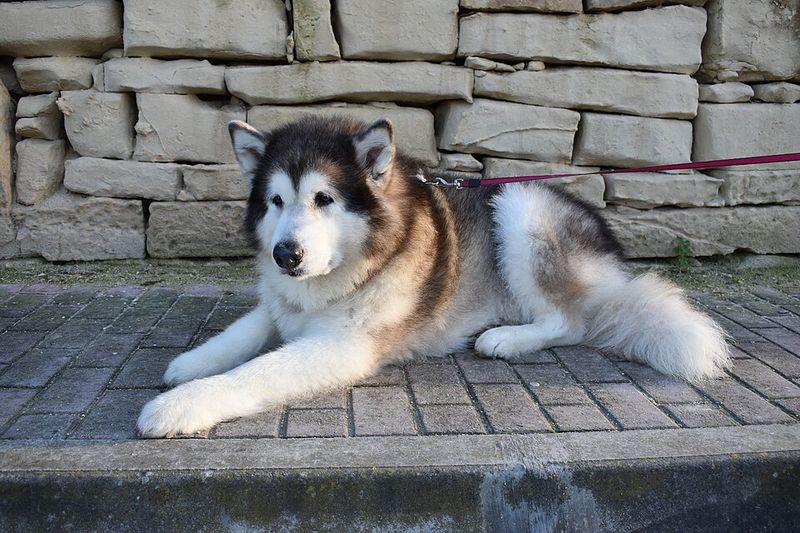
Alaskan Malamutes are majestic powerhouses built for hauling, not for casual suburban lounging. They are strong willed, vocal, and intensely social with other Malamutes, which complicates multi pet homes.
Prey drive and size make management challenging for kids.
Exercise needs are massive, and heat tolerance is limited. Without tough workouts and structure, digging and howling quickly take over the yard.
Grooming is serious too, with seasonal coat explosions that test vacuums and patience.
If your family wants a gentle, low maintenance companion, look elsewhere. Choose a Malamute only with secure fencing, time for miles, and a training plan.
Otherwise, chaos, complaints, and yard craters will replace the dreamy sled dog fantasy fast every long, noisy, restless night at your address.
Dalmatian
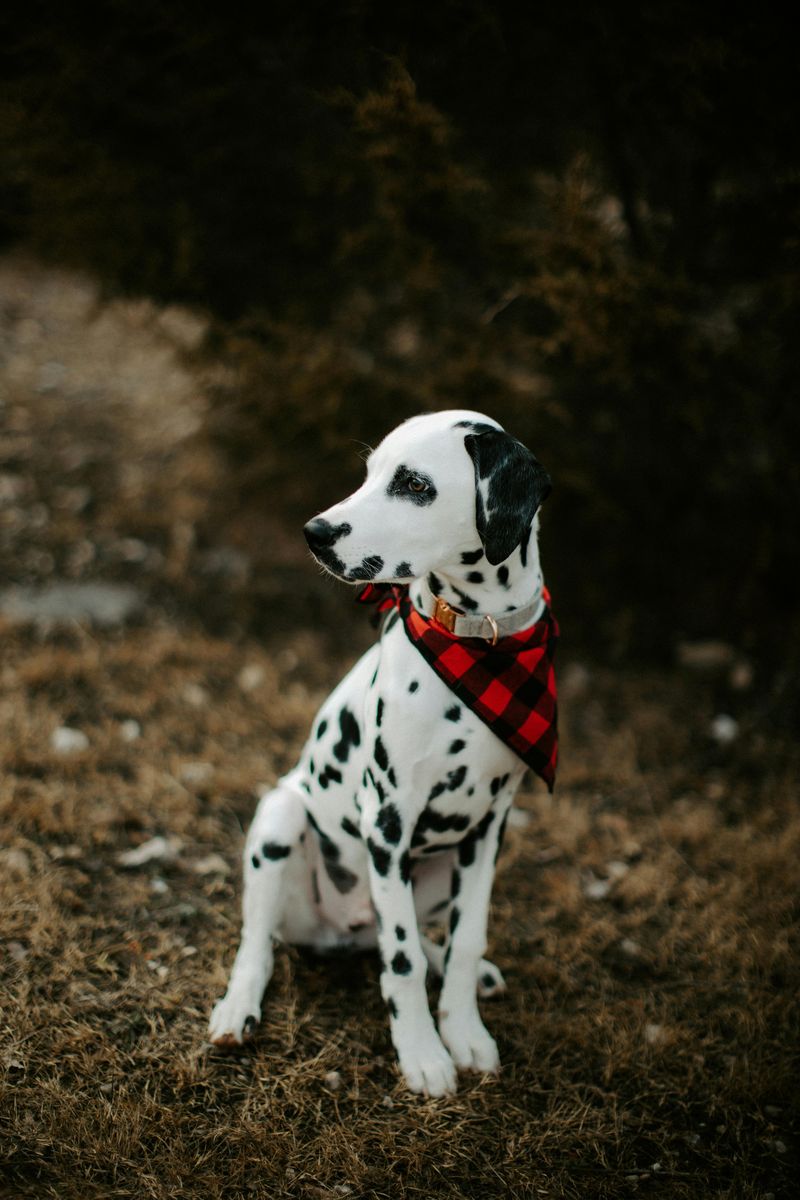
Dalmatians are eye catching and energetic, but their needs often outpace family bandwidth. High exercise demand, sensitive skin, and occasional aloofness require thoughtful care.
Some carry a higher risk of deafness, which adds training complexity and safety considerations.
Without outlets, pent up energy turns into zoomies, jumping, and mouthy play that scares kids. Shedding is constant, and spotted hair somehow reaches every surface you own.
They can be wary with strangers if socialization lags.
If you want an easy, versatile family dog, look toward breeds with softer edges. Success with Dalmatians demands activity planning, patient grooming, and positive training that accounts for individuality.
That effort preserves harmony while honoring their history and keeping your household sane through busy seasons ahead.
Jack Russell Terrier

Jack Russell Terriers are tiny rockets with gigantic opinions and endless curiosity. Originally bred for fox hunting, they chase, dig, and outsmart tired owners.
Apartment life with kids often turns chaotic fast.
They need intense play, clever training games, and firm boundaries that never wobble. Miss a day, and you will watch your shoe collection evaporate.
Reactivity toward other animals can appear if socialization slips.
If you dream of a snuggly lapdog who naps through soccer practice, skip this breed. Choose a Jack only when your family craves agility classes, brisk walks, and brainy challenges.
Consistency turns that wild sparkle into delightful partnership and daily laughs for everyone instead of headaches, repairs, and frustrated neighbors at night after long play.
Weimaraner

Weimaraners are sleek, sensitive athletes built to run and stick close to their people. That closeness can morph into separation anxiety, destructive chewing, and nonstop shadowing.
They also have high prey drive and big exercise needs that drain busy families.
Without vigorous workouts and field games, pent up energy becomes chaos indoors. Boredom brings counter surfing, whining, and fence pacing.
Short coats shed more than you expect and still need routine care.
If you leave for long workdays, your Weim will not thrive. Choose this breed only with training support, hunting outlets or sports, and a stable schedule.
That recipe delivers harmony, protects furniture, and lets their goofy charm shine while you actually relax together each evening after reliable exercise.