
We love dogs for their goofy grins and loyal hearts, but some breeds face brutal medical realities behind the cuteness. Knowing what they battle helps you spot danger early and protect your best friend.
This guide breaks down the toughest conditions by breed and what you can do about them. Read on so you can recognize red flags and act fast when it matters most.
French Bulldog
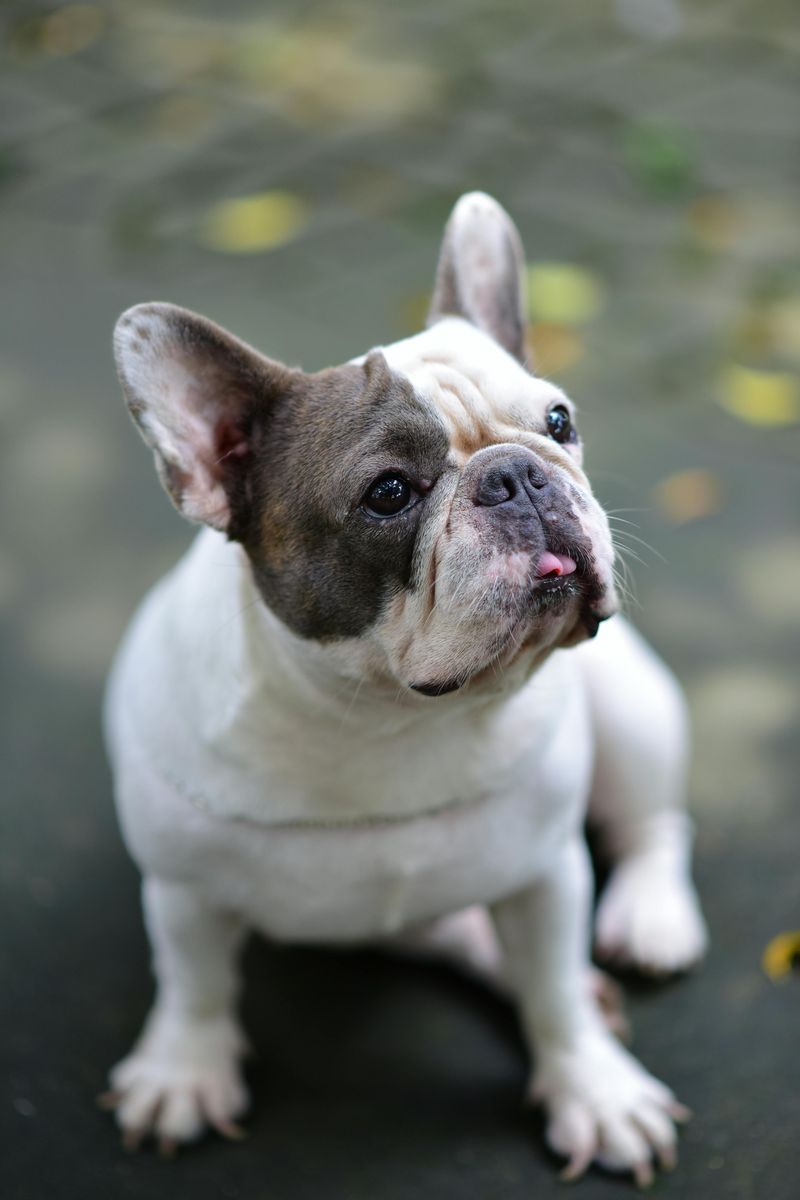
French Bulldogs are adorable, but their shortened snouts make breathing painfully hard. Many struggle with BOAS, leading to noisy sleep, fainting, and panic during play.
Hot days can become emergencies before you realize what is happening.
You can help by keeping activity gentle, using harnesses, and choosing a reputable breeder who screens for airway and spine issues. Watch for allergies, eye ulcers, and overheating, and plan for possible surgical corrections.
Insurance and a trusted vet give you options when breathing or skin problems suddenly spiral.
Also ask about spine imaging, since hemivertebrae and screw tails can cause pain and weakness. Many litters need Cesarean delivery, signaling how human choices shape their health.
Loving this breed means planning ahead and advocating for their breathing every day.
Bulldog
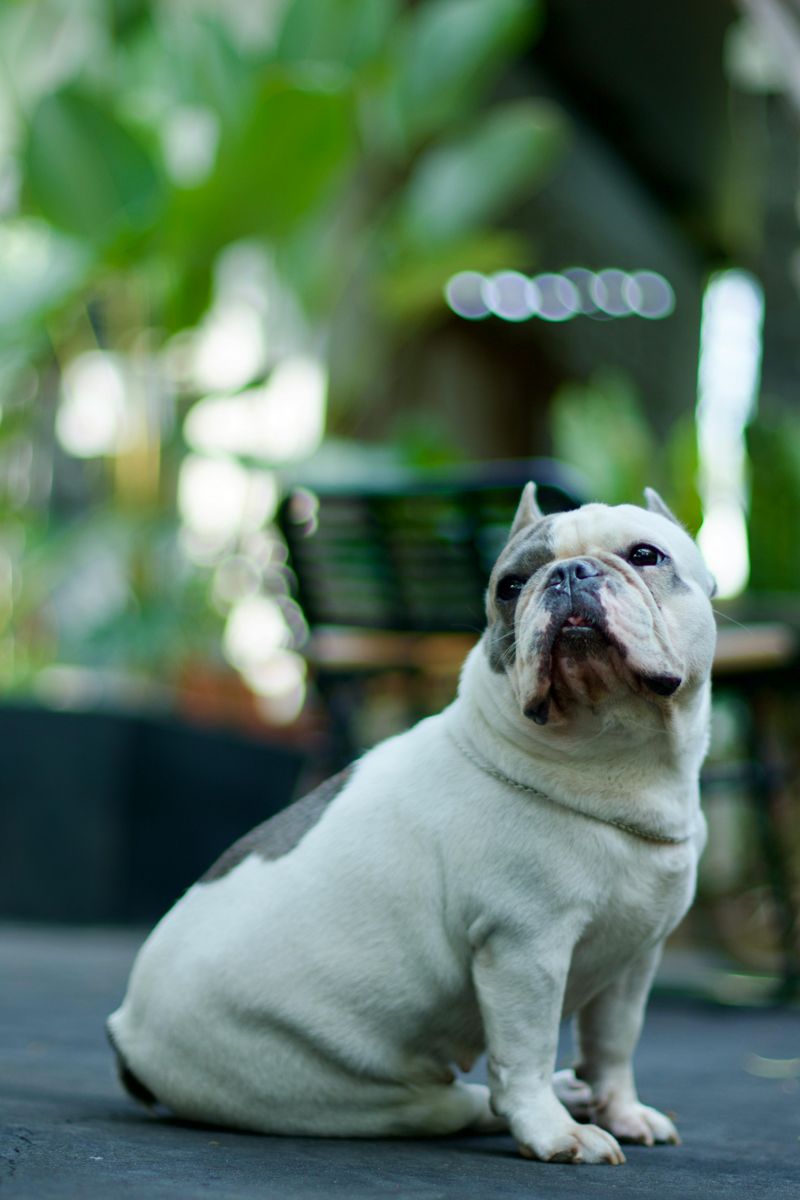
Bulldogs carry heavy health burdens because their bodies are extreme. That flat face narrows airways, so even mild exercise can lead to gasping and blue gums.
Skin folds trap moisture, inviting infections that smell yeasty and make daily cleaning necessary.
Joints and spines struggle too, with hip dysplasia, elbow pain, and malformed vertebrae causing wobbliness. Heat sensitivity is intense, so you must plan walks, water, and rest like a lifeguard.
Honest breeders aim for longer noses and better airflow, but surgery and insurance are often needed.
If you love Bulldogs, choose lighter, more athletic lines and keep weight low. Ask for airway evaluations and heart checks before adoption.
Your vigilance can turn a vulnerable companion into a comfortable, joyful friend.
Pug

Pugs are cheerful clowns with serious breathing roadblocks. Their tiny nostrils and long soft palates create turbulence that steals oxygen and stamina.
Snoring sounds cute until you realize it is airway collapse working overtime.
Eye injuries are common because bulging eyes dry out and scrape easily. Spinal deformities, dental crowding, and obesity stack extra strain on already labored lungs.
Warm rooms, stress, and excitement can tip them into danger within minutes.
You can protect a Pug by keeping weight perfect, scheduling airway assessments, and using harnesses. Cool environments, tear gel, and shorter play sessions help them enjoy life safely.
Choose breeders who prioritize open nostrils and robust breathing, and be ready to advocate at every visit.
Cavalier King Charles Spaniel

Cavaliers melt hearts, but their hearts often fail them early. Degenerative mitral valve disease is rampant, causing murmurs, coughing, and breathlessness that worsens with age.
Without vigilant care, fluid builds in lungs and fatigue steals the sparkle from daily walks.
Neurologic pain from syringomyelia is another crushing risk, triggered by skulls too small for their brains. You may notice scratching at the air, neck sensitivity, or sudden yelps.
Chronic ear infections and eye ulcers add to the medical to do list.
Partner early with a cardiologist, keep weight ideal, and start heart meds promptly when indicated. Ask breeders for heart clearances and MRI information on parents.
Daily gentleness and smart monitoring will help your Cavalier keep loving you for more healthy years.
Great Dane
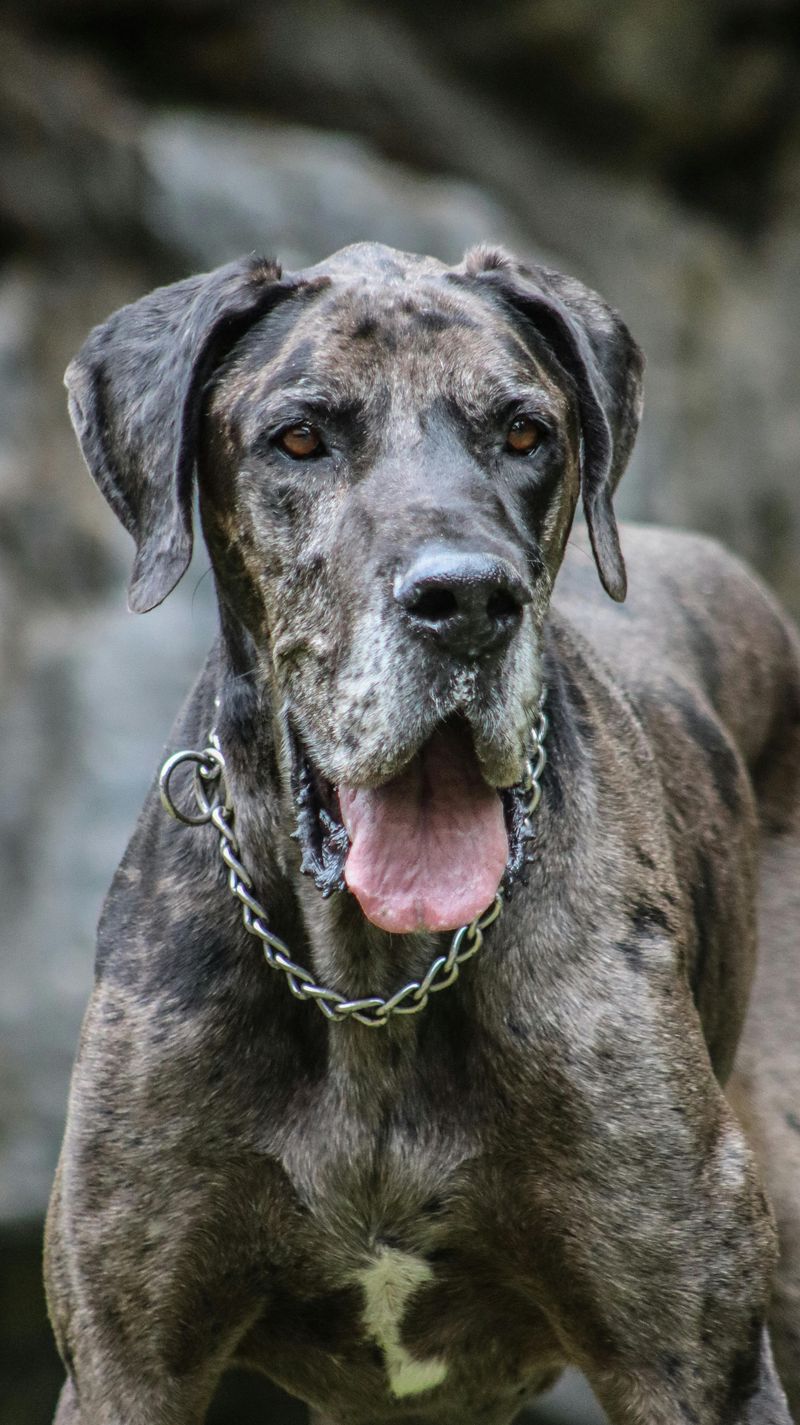
Great Danes look majestic, yet their size hides life threatening fragility. The most feared emergency is bloat with gastric torsion, where the stomach twists and blood flow collapses within hours.
Without rapid surgery, even a seemingly normal evening can end in tragedy.
Hips and elbows ache under massive frames, and hearts can weaken from dilated cardiomyopathy. Fast growth taxes bones, so nutrition and controlled exercise matter from puppyhood onward.
Short lifespans mean every month counts, and cancer risks add another shadow.
You can reduce danger by feeding multiple small meals, using slow bowls, and discussing a preventive gastropexy. Keep deep chests supported with strong core muscles and nonslip floors.
With vigilant care and realistic expectations, your gentle giant can savor comfort and dignity.
Bernese Mountain Dog
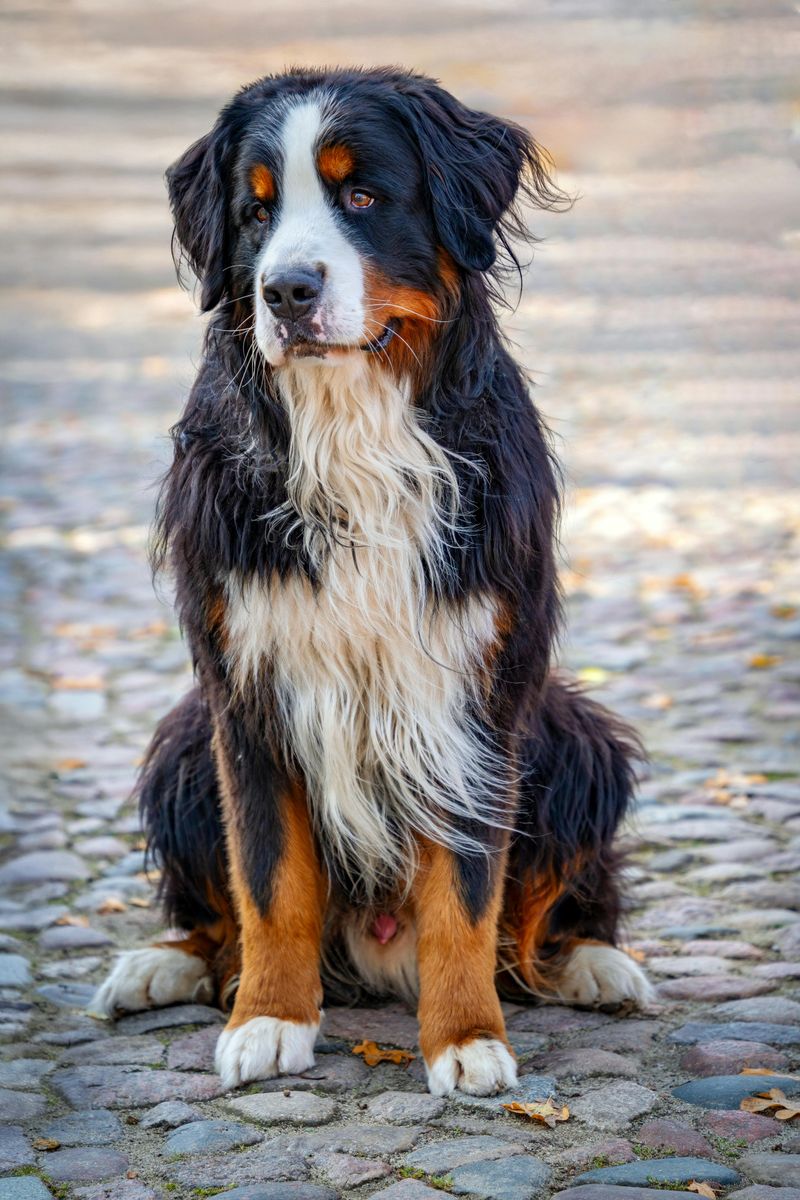
Bernese Mountain Dogs radiate warmth but face heartbreaking cancer rates. Histiocytic sarcoma and lymphoma strike young, stealing energy, appetite, and precious time despite treatment.
Owners often notice subtle lameness or swelling that quickly becomes a devastating diagnosis.
Add hip and elbow dysplasia, cruciate tears, and occasional bloat to their burden. Heavy coats can hide weight changes, so body checks and baseline bloodwork help catch trouble early.
Short lifespans make every season feel fragile, especially during warm months.
You can stack the odds by partnering with breeders who screen thoroughly, keeping weight lean, and scheduling regular oncology aware exams. Learn bloat signs, consider prophylactic gastropexy, and maintain joint strength with thoughtful exercise.
Love big, photograph often, and treasure the calm mornings together.
German Shepherd
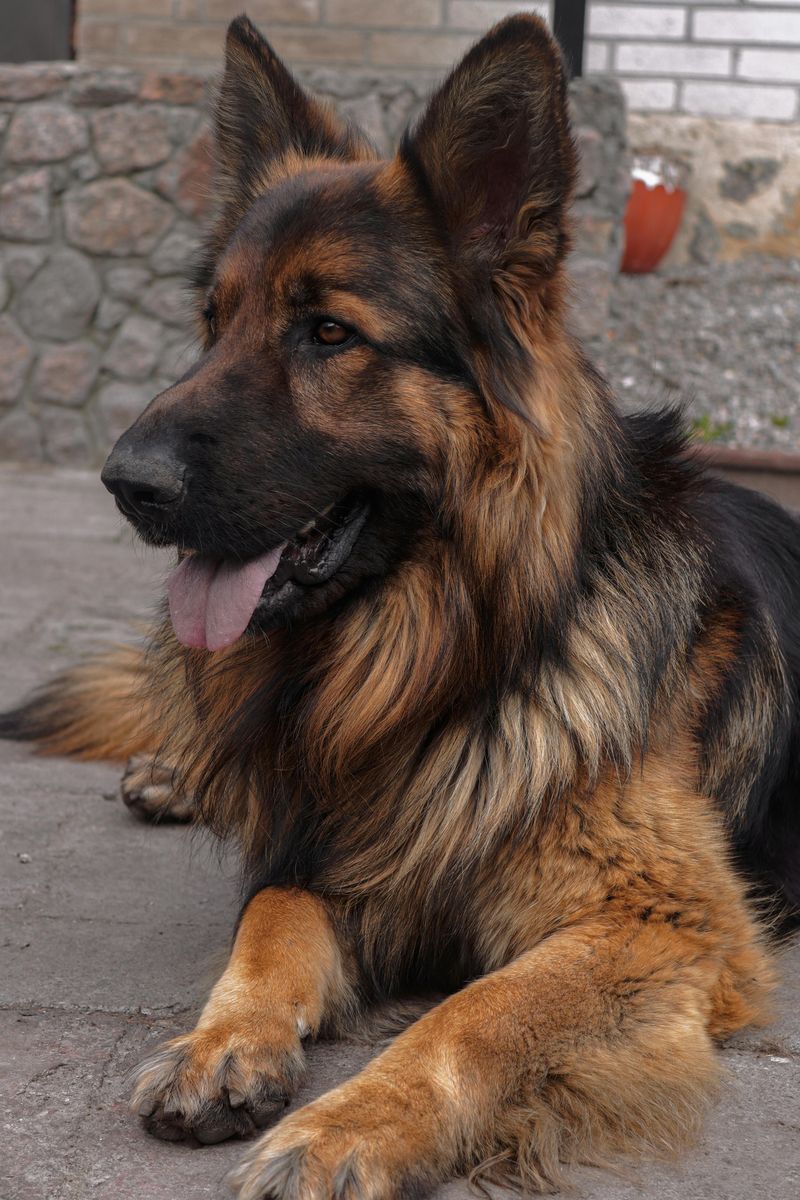
German Shepherds are brilliant workers, yet their hindquarters often pay the price. Hip dysplasia and lumbosacral disease cause stiffness, bunny hopping gaits, and difficulty rising after rest.
Later, degenerative myelopathy can steal coordination despite normal pain levels.
Some battle exocrine pancreatic insufficiency, leaving them ravenous, gassy, and underweight without enzyme therapy. Skin allergies and ear infections can distract from the bigger picture.
Deep chests also mean an elevated risk for bloat during stressful or rapid eating moments.
You can support them with structured conditioning, joint supplements, and surfaces that prevent slipping. Ask for hip, elbow, and spine certifications when choosing a puppy.
For seniors, carts, harnesses, and patience keep dignity intact while minds and hearts stay sharp.
Dachshund

Dachshunds are courageous, but long backs on short legs invite ruptured discs. Intervertebral disc disease can appear suddenly after a jump, leaving arched backs, yelps, or wobbly steps.
Without prompt rest or surgery, paralysis can follow quickly.
Obesity multiplies pressure on fragile spines, so snacks and stairs deserve serious scrutiny. Even young dogs may need strict crate rest, pain control, and rehabilitation to heal safely.
Slippery floors, roughhousing, and car leaps are red flags.
You can protect that back by using ramps, lifting with support under the chest and hips, and maintaining lean muscle. Seek a neurologist early if pain or wobble appears.
With vigilance and patience, many Dachshunds return to joyful, ground skimming zoomies.
Boxer
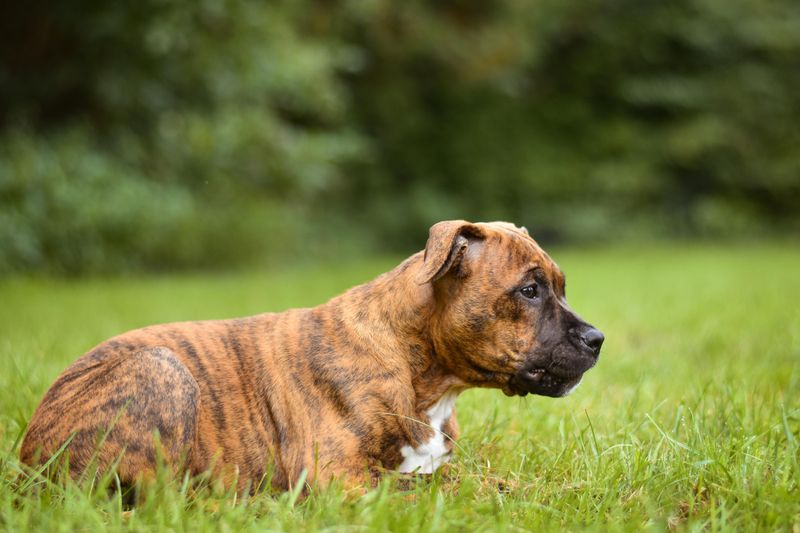
Boxers brim with goofy charm, yet cancers like mast cell tumors and lymphoma stalk them relentlessly. Lumps can change size quickly, so early sampling matters more than watching.
Some lines also develop arrhythmogenic right ventricular cardiomyopathy, causing fainting or sudden collapse.
Chronic skin allergies and stomach sensitivity complicate daily comfort. Snub noses add modest breathing strain, especially in heat or during excited play.
Middle age can feel like a tightrope, balancing activity with vigilance for warning signs.
You can tip the scales by checking every bump, using heart monitors when advised, and keeping weight trim. Choose breeders who screen hearts and track tumor incidence.
With structured exercise and prompt biopsies, many Boxers enjoy long stretches of silly, sunlit happiness.
Doberman Pinscher
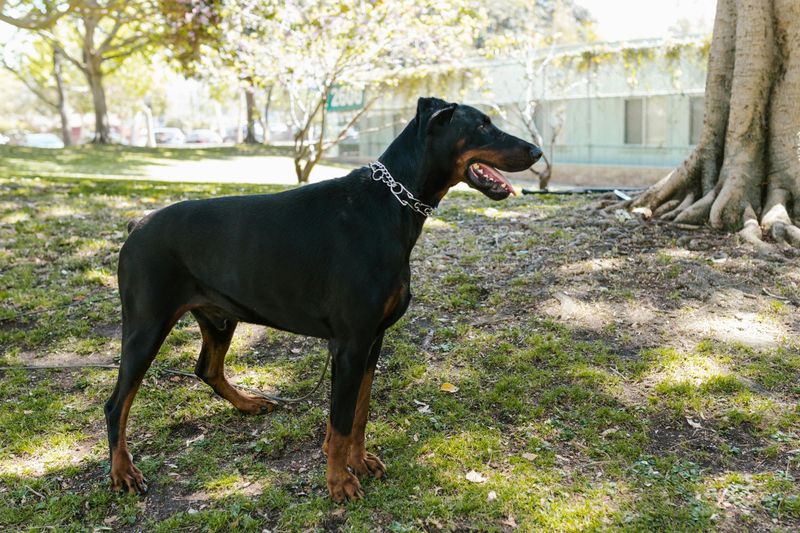
Dobermans are sleek athletes, but hidden heart disease haunts the breed. Dilated cardiomyopathy can progress silently, then erupt as coughing, weakness, or sudden death.
Regular Holter monitoring and echocardiograms catch trouble earlier than routine exams ever can.
Neck instability called Wobblers compresses the spinal cord, creating stumbling steps and knuckling paws. Bleeding risks from von Willebrand disease complicate surgeries and injuries.
Chronic skin issues and hypothyroidism sometimes tag along, muddying the diagnostic picture.
You can act early by securing reputable lines, scheduling annual cardiac screening, and using supportive collars and ramps. Keep fitness high and nails short to protect joints and posture.
With data, training, and love, your Doberman can thrive while you stay one careful step ahead.
Shar Pei
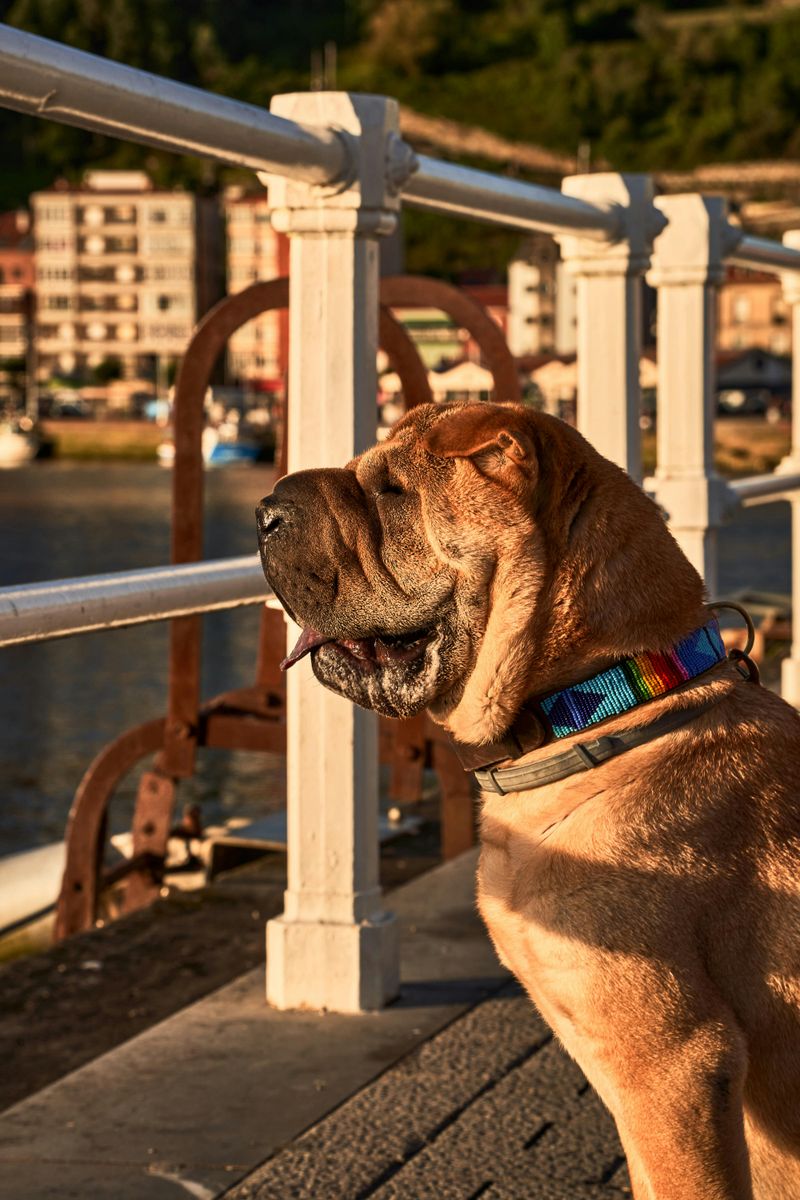
Shar Pei wrinkles look charming, yet they hide painful problems. Recurrent Shar Pei fever brings spikes of temperature, swollen hocks, and risk of kidney damaging amyloidosis.
Skin folds trap bacteria and yeast, turning simple cuddles into itchy, smelly ordeals.
Eyes can roll inward from entropion, rubbing lashes against corneas until ulcers form. Ear canals are notoriously narrow, so infections recur and hearing can fade.
Even mild heat or stress may provoke flares, demanding calm routines and quick responses.
You can safeguard comfort with daily wipe downs, allergy control, and early fever treatment guided by your vet. Responsible breeders work to reduce fever genes and eyelid problems.
With patience, medication, and realistic expectations, Shar Pei families still build tender, loyal bonds.