
French bulldogs and Boston terriers both steal hearts, but they fit very different lifestyles. If you are choosing your first small companion, understanding the real day to day differences can save you stress and vet bills.
This guide breaks down what you will notice at home, on walks, and at the vet. By the end, you will know which charmer truly matches your habits and home.
Body shape and build
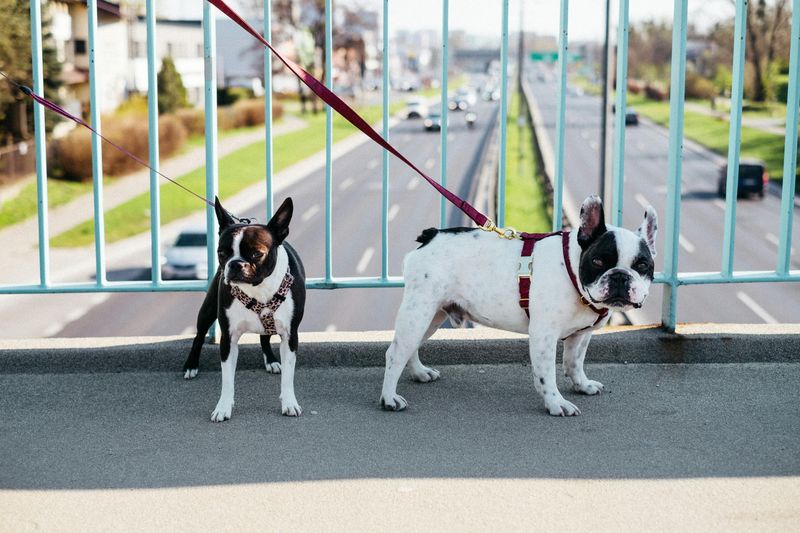
Frenchies are compact and stocky, with a wide chest and heavy bone. Boston terriers look lighter and more athletic, showing a square outline without the same heft.
You will notice thicker shoulders and a broader stance on most French bulldogs.
Height is similar, but Bostons typically carry weight more evenly, which helps agility. Frenchies often feel denser when you lift them, and their barrel chests add to that impression.
When choosing, consider stairs, lifting, and heat, because a heavier, thicker build can tire faster.
Measure doorways and consider harness fit, since broader chests sometimes need specialty sizes. If you want a nimble jogging buddy, the Boston shape usually supports easier movement and quicker turns.
Frenchies prefer short, steady strolls outside.
Ear shape

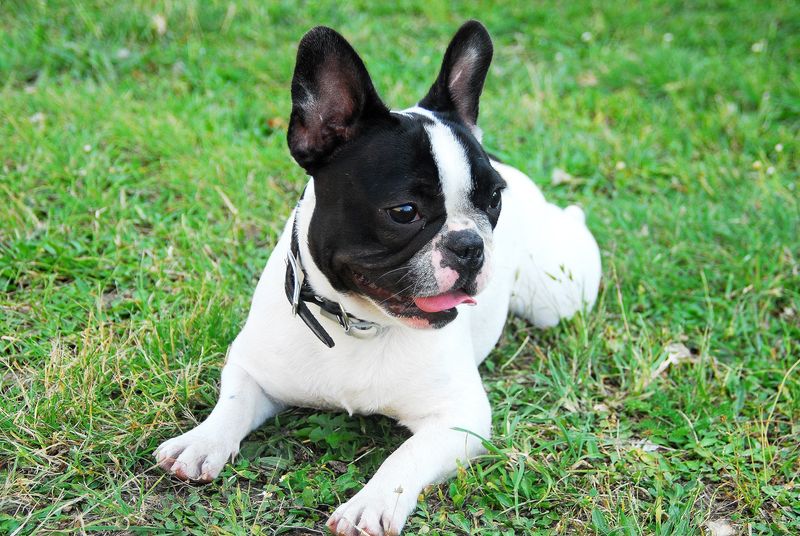
French bulldogs have bat ears that stand wide at the base and round at the tips. Boston terriers wear narrower, pointier ears that look sharper and more upright.
From the front, you see Frenchie ears framing the head like open paddles.
Those bigger Frenchie ears can trap heat and noise, which some sensitive dogs dislike. Bostons often have a cleaner silhouette that seems sleeker in photos and easier under hats or hoods.
Ear set also affects expression, so Frenchies read comical and curious, while Bostons appear alert and keen.
Check local breed standards if you plan to show, because ear size and carriage are judged closely. For everyday life, you will clean inside and watch for redness, odor, or discharge.
Energy levels

Boston terriers usually carry higher baseline energy, ready for play bursts and brief training sprints. French bulldogs prefer mellow sessions and nap breaks, especially on warm days.
You will feel the difference during evening routines when one zooms and the other lounges.
Age matters, but even as adults, Bostons stay springy and quick to reengage after rests. Frenchies conserve energy, giving short, funny spurts before settling against your leg.
Plan household rhythms around ventilation, water breaks, and quiet zones to prevent overheating or overstimulation.
If you want a weekday couch buddy who rallies for short play, a Frenchie fits nicely. If you crave quick fetch sessions and trick practice, the Boston often keeps pace longer.
Match energy with your schedule.
Personality differences

Both breeds are affectionate, but they express it differently in day to day life. Frenchies feel clownish, stubborn, and deeply attached, often choosing a favorite spot near you.
Boston terriers seem peppier, more socially flexible, and slightly more eager to please.
In new environments, Bostons adjust faster, while Frenchies pause, observe, and then warm up. Both love comedy, but Frenchies deliver side eye and huffs, whereas Bostons offer prances and spins.
If you value steady cheerfulness, Boston fits; if you enjoy quirky sass, Frenchie shines.
Either way, commit to gentle structure, clear routines, and daily connection so confidence grows. Your tone and patience will shape the best version of whichever personality lives with you.
Consistency turns charm into reliability daily.
Barking habits

Boston terriers tend to bark more at movement or doorbells, then settle once reassured. French bulldogs are usually quieter, preferring grumbles, chirps, and expressive snorts.
Neighbors often notice a Boston first, while Frenchies broadcast feelings through faces and posture.
Training helps both, but Bostons may need more impulse control games and calm greeting practice. Teach a place cue, reinforce quiet, and manage windows to reduce triggers.
Frenchies respond to routines and gentle redirection, especially when excitement turns into snorty protests.
If your building echoes, consider white noise and a peephole cover to cut hallway motion. Reward silence during known triggers, like packages or elevator stops, before barking starts.
Consistent routines make quieter habits stick in both lively and stubborn moments.
Exercise needs

Both breeds need daily exercise, but the Boston usually handles longer sessions comfortably. Frenchies thrive on short walks, puzzle toys, and gentle play that avoids overheating.
You will schedule outings around temperature, surfaces, and shade to keep breathing steady.
Bostons often enjoy structured fetch, nose work, and short jogs, provided weather stays mild. Frenchies benefit from interval style movement, like stroll, pause, sniff, then stroll again.
Both appreciate mental workouts, so rotate toys, hide treats, and teach small tricks.
Check paw pads in summer, and bundle lightly in winter, keeping airflow clear. If time is tight, two brisk fifteen minute walks plus indoor games usually suffice.
Watch posture and breathing, and end sessions before panting becomes noisy or labored today.
Breathing issues
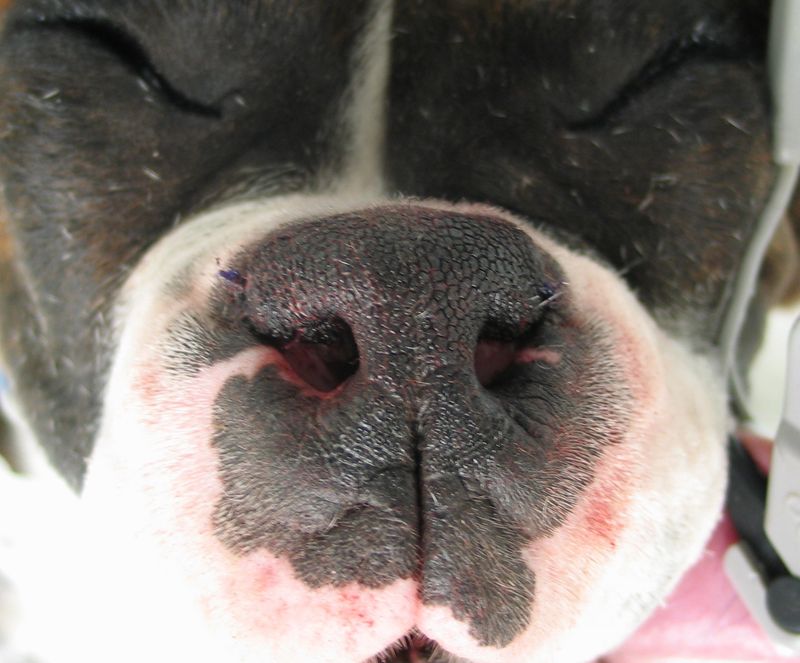
Both breeds are brachycephalic, but Frenchies face greater risk of airway obstruction and overheating. Boston terriers usually have slightly longer muzzles, which can ease airflow under stress.
You must manage temperature, excitement, and weight to protect soft tissues and stamina.
Snoring, reverse sneezing, and gurgly breathing are common signals to slow down and rest. Work with a vet on nostril, palate, or allergy concerns, and maintain lean condition.
Use harnesses instead of neck collars to reduce pressure on delicate structures.
Plan walks at dawn or dusk, carry water, and rest in shade whenever panting deepens. If breathing sounds raspy indoors, cool the room and end activity immediately.
Your attentiveness prevents scary emergencies and keeps adventures pleasant year round for everyone.
Grooming requirements

Short coats fool people, but both breeds need regular care to stay healthy and clean. Frenchies require more wrinkle cleaning and tail pocket checks to prevent moisture buildup.
Bostons have fewer skin folds, making daily wipe downs faster for many owners.
Both shed lightly year round, so weekly brushing helps distribute oils and remove loose hair. Nail trims, ear cleaning, and dental care are nonnegotiable, especially for apartment living.
Use gentle cleansers, cotton pads, and treats to make sessions positive and quick.
Frenchies may need more frequent baths around folds and underbellies during humid seasons. Schedule routines after walks, when dogs are tired and more cooperative with handling.
Consistency prevents irritation and keeps that tuxedo or fawn coat shining beautifully.
Trainability
Boston terriers often train faster, responding cheerfully to short, upbeat sessions with treats. Frenchies are smart, but they bargain, so timing and motivation matter a lot.
You will rely on repetition, playful momentum, and clear cues to prevent stubborn pauses.
Keep sessions under five minutes, then break, because both breeds tire mentally quickly. Bostons enjoy shaping games and quick sequences, while Frenchies excel at stationary tricks.
Clickers help everyone, turning timing into crisp feedback you can repeat.
If progress stalls, switch rewards, lower difficulty, and rehearse success before asking more. End on wins, celebrate calmly, and track tiny improvements in a notebook.
Steady, positive structure makes either breed shine in manners and fun tricks that build confidence every day reliably.
Interaction with strangers and pets
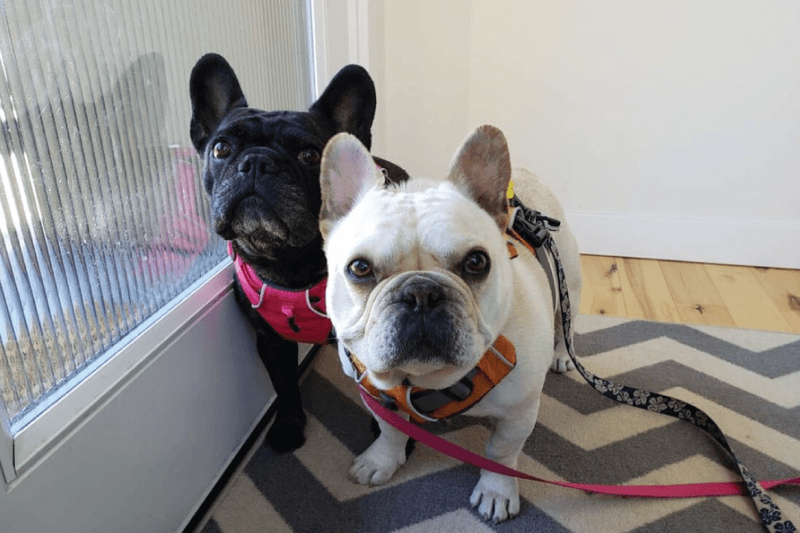
Boston terriers usually greet strangers with curiosity and bounce, though politeness needs practice. Frenchies warm more slowly, preferring to observe before offering goofy affection.
Both are generally dog friendly, but personalities vary by lines and experiences.
Puppy socials and calm field trips help confidence, especially near bikes, scooters, and hats. Bostons may solicit play quickly, while Frenchies prefer parallel walking before mutual sniffing.
Reward soft eyes, loose bodies, and smooth exits, keeping greetings brief.
For multi pet homes, feed separately, rotate high value chews, and supervise toy time. If reactivity appears, create distance, add sniff breaks, and coach quiet focus.
With practice, both breeds can mingle politely at parks and patios without drama. Your calm leadership makes every meeting smoother.