
Some dogs do not just run agility courses, they eat them for breakfast. If you crave tight turns, blazing weaves, and teamwork that feels telepathic, you are in the right place.
Meet twelve athletic breeds that convert training into jaw dropping performances. Get ready to steal handling tips you can use at your very next practice.
Border Collie
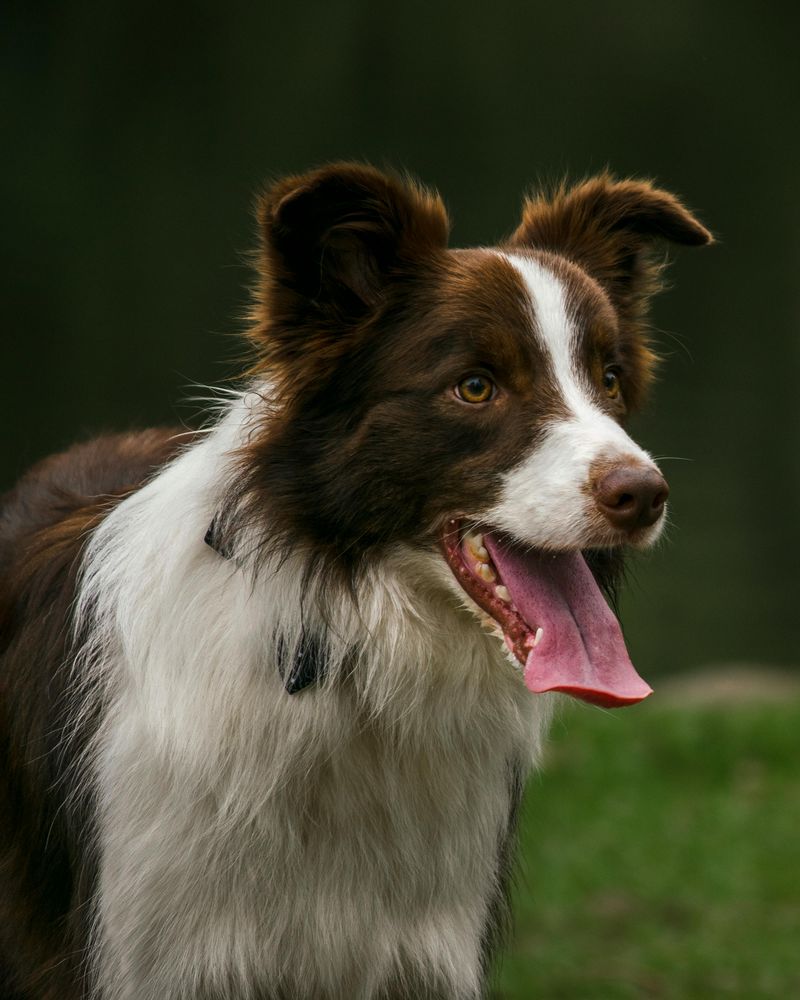
Border Collies explode through courses with jaw dropping speed and razor focus. You feel their eyes lock on every cue, reading your shoulders like a book.
They pivot tight, accelerate instantly, and never seem to run out of gears.
To keep up, you need short clear commands, timely front crosses, and confident lines. Daily brain games and sprint intervals keep their minds cool and their stride snappy.
Give them jobs between runs, and a fun tug reward, and they will give you everything.
Foundation skills like impulse control, stays, and independent obstacle commitment build consistency. Mix tricky layering with sends to distance tunnels to stretch their brilliance safely.
Protect joints with warmups, cool downs, and soft surfaces, because these athletes go hard.
Australian Shepherd
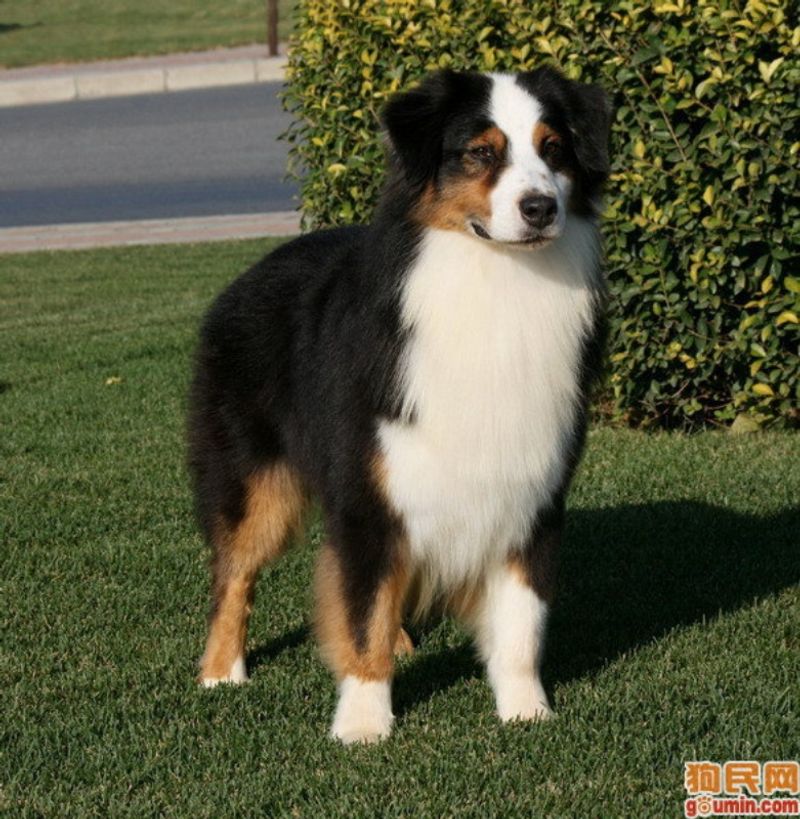
Australian Shepherds bring bouncy power, turning tight while driving forward with cheerful intensity. You can feel the spring in every stride as they slice through weaves like arrows.
Their herding brains love patterns, so courses with flow let them shine.
Use motion cues, clear deceleration, and timely rear crosses to shape clean lines. Short agility drills mixed with frisbee, hikes, and trick training keep arousal balanced.
Reward quickly, then reset, because they anticipate and may offer extra behaviors.
Warm up joints, stretch hip flexors, and build core strength to protect their backs. Teach thoughtful start lines and quiet focus games for steadier performance under pressure.
With fair handling and variety, these cheerful workers will give you everything you ask.
Belgian Malinois
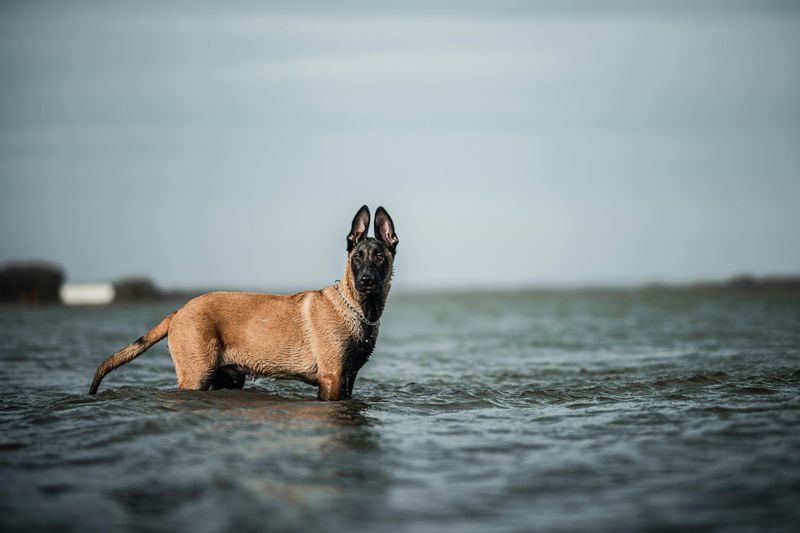
Belgian Malinois attack agility with jet acceleration, elastic stride, and fierce clarity. You feel that engine rev the moment you breathe, so timing truly matters.
They hammer contacts, fly tunnels, and demand precise lines to manage power.
Prioritize impulse control, quiet start lines, and strong verbal discrimination for safety. Fast downs, nose targets, and running contacts give that energy useful outlets.
Reward with purposeful tug, then release to a chill station to reset arousal.
Condition with sprints, hill repeats, and balanced strength to protect joints and core. Teach distance skills and layer obstacles, letting you stay ahead without racing.
Handled thoughtfully, this rocket becomes a teammate who channels intensity into brilliance. Breathe, cue early, and trust the training.
Shetland Sheepdog
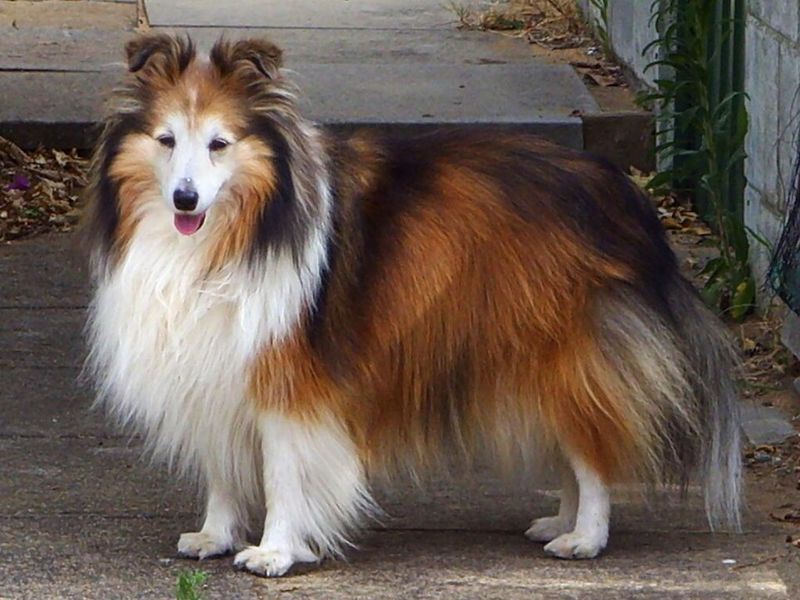
Shetland Sheepdogs dance through sequences with nimble feet, eager eyes, and merry hearts. You will love their quick sits, zippy weaves, and tidy jumping style.
Light frames mean tight turns, but they still need thoughtful lines.
Use calm start rituals, clear motion, and consistent verbals to avoid spinning. Clicker games and perch work sharpen rear awareness for silky wraps.
Frequent tiny rewards keep confidence high without flooding sensitive temperaments.
Warm up shoulders, stretch hamstrings, and build hind strength with cavaletti. Practice distance tunnels and gentle layering so you can guide without crowding.
Give praise generously, and these sunny partners will light up every run. Small dogs still crave challenging skills and real athletic conditioning daily.
Jack Russell Terrier
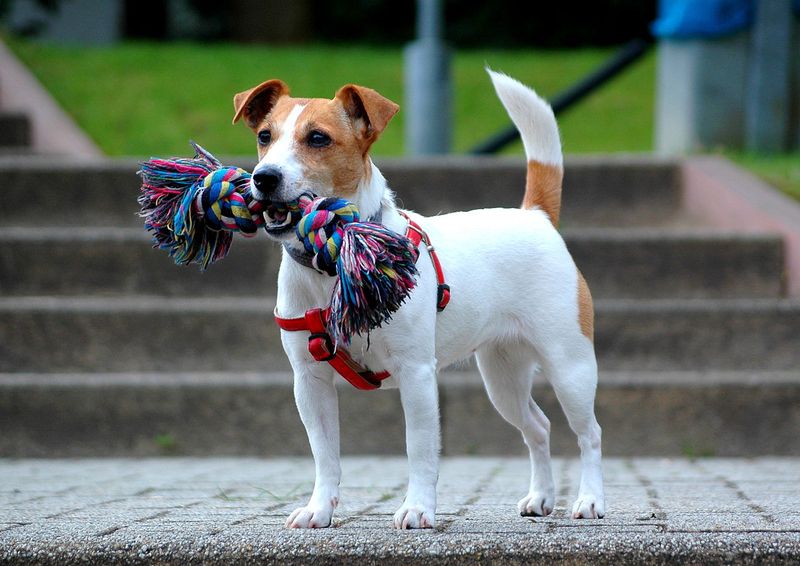
Jack Russell Terriers launch like fireworks, fearless, fast, and gloriously opinionated. You blink and they have already conquered the table, the chute, and the next plan.
That spark needs channels, not brakes, so give clear jobs and reset points.
Build bulletproof start lines, strong toy value, and rock solid recalls. Practice threadles, backsides, and collection cues to keep jumps tidy.
Reinforce nose targets and independent sends so you can breathe between sprints.
Condition with sprints, core work, and balance discs to save tiny joints. Teach settle on a mat, then alternate furious plays with quiet chill.
Given direction and laughter, these dynamos turn chaos into sparkling teamwork. Bring patience, fast feet, and a sense of humor every single session.
Papillon
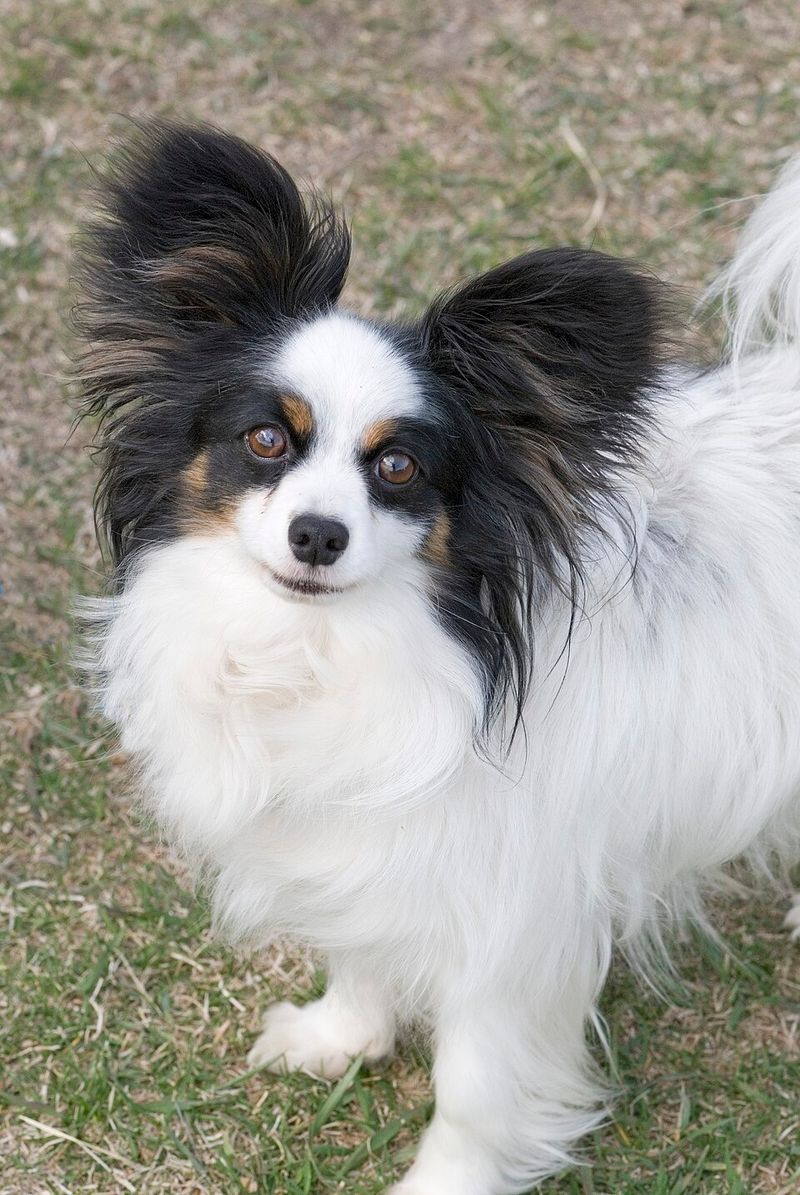
Papillons float like hummingbirds, flicking ears and paws with laser precision. You barely whisper a cue and they zip toward the next challenge.
Light frames love tight turns, but you must still support lines.
Use gentle motion, soft verbals, and clear deceleration to avoid slicing bars. Reinforce independent weaves and tiny contact criteria with frequent jackpots.
Short energetic sessions beat marathons, keeping enthusiasm bright and bodies fresh.
Warm shoulders thoroughly and sprinkle cavaletti to grow confidence and rhythm. Train distance sends so your steps do not crowd or slow their stride.
With glittering focus and kind guidance, these butterflies become mighty competitors. Keep play light, celebrate tries, and watch their courage blossom each season steadily.
Poodle
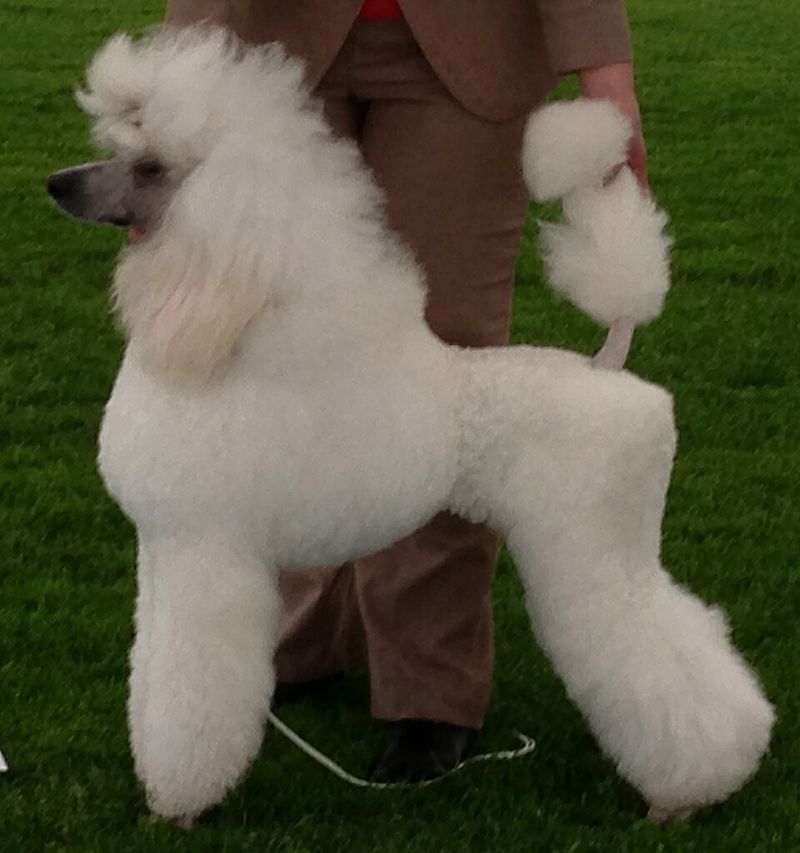
Poodles pair athletic grace with sharp problem solving, making courses feel like chess. You cue a line and they compute angles, footwork, and speed in a blink.
Coats may bounce, but underneath lives a springy, durable, joyful athlete.
Teach strong verbals for turns, collection, and commitment, then reward thoughtful choices. Mix grid work, jump gymnastics, and weave drills to polish efficiency.
Keep reinforcement varied, from food to tug to water retrieves, to maintain sparkle.
Condition with swimming, core strength, and balanced sprint work to protect hips. Groom feet for traction and trim eyes so they see lines clearly.
With fair criteria and playful sessions, they deliver clever, consistent, winning runs. Stay calm, cue early, and let their elegance carry speed through every turn.
Vizsla
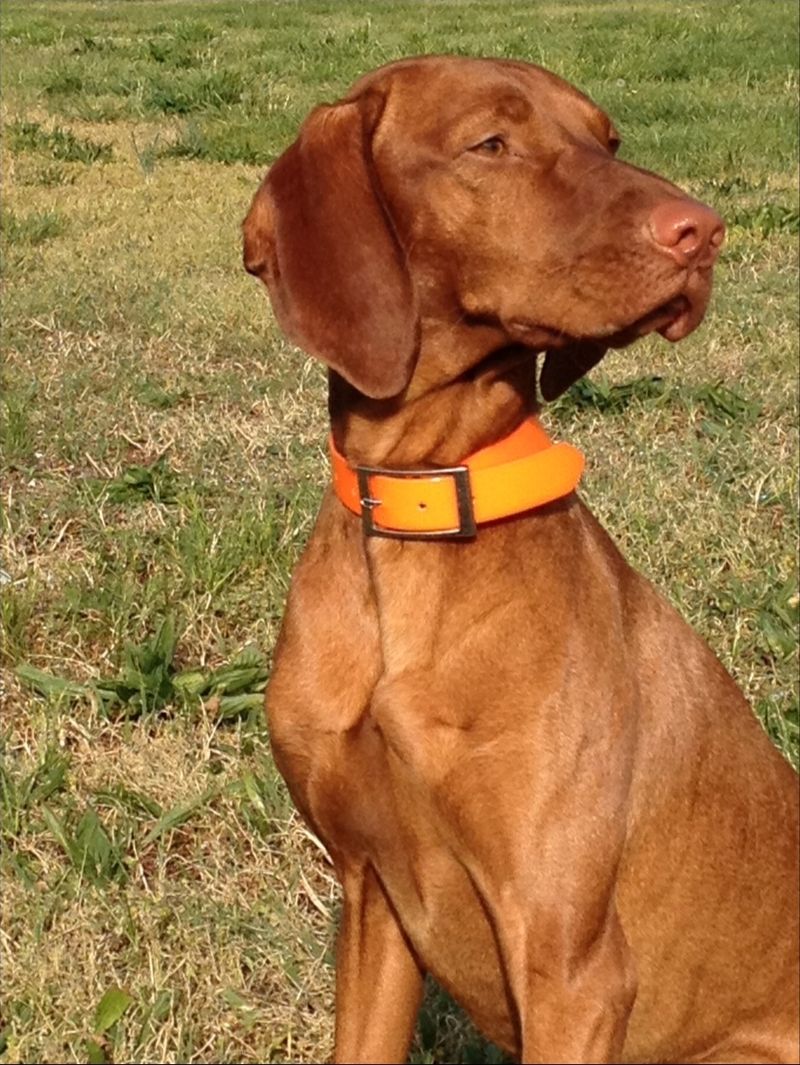
Vizslas fly with long elastic strides, silky coats streaming, hearts wide open. You feel the joy as they drive ahead, checking back with bright eyes.
Sensitive souls need kind structure, not chaos, to keep decisions crisp.
Build rock solid recalls, strong start lines, and timely front crosses for flow. Use generous reinforcement, then add distractions slowly to grow resilience.
Weave drills, collection grids, and tunnel discrimination help tighten lines.
Condition with trail runs, fetch sprints, and core work to safeguard shoulders. Practice calm crate time between runs, turning excitement into sustainable focus.
Guided with empathy, this cinnamon rocket becomes a velvet powerhouse on course. Breathe, smile, and trust your plan when the speed really shows.
German Shepherd
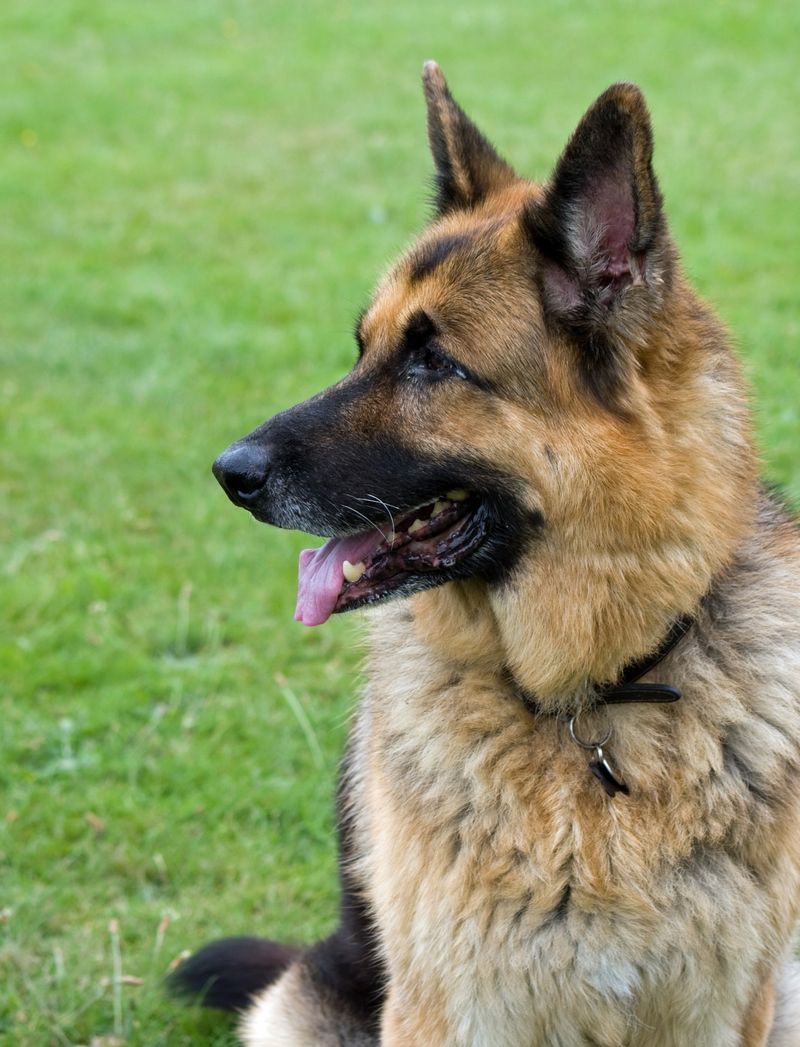
German Shepherds bring big stride, serious brains, and loyal drive to agility. You can shape beautiful lines if you balance power with thoughtful cues.
Their size needs space, so plan turns early and support takeoff points.
Teach reliable collection, independent contacts, and strong verbal turns to save bars. Mix strength days, balance work, and low impact conditioning to protect joints.
Reward calmly, then breathe, because arousal can spike with exciting crowds.
Gait checks, massage, and thoughtful warmups keep backs and hips happy. Practice distance layering so you can guide without sprinting every step.
Given clarity and fairness, they become majestic, accurate, powerful partners. Trust criteria, cue early, and celebrate steady confidence more than raw speed.
Australian Cattle Dog
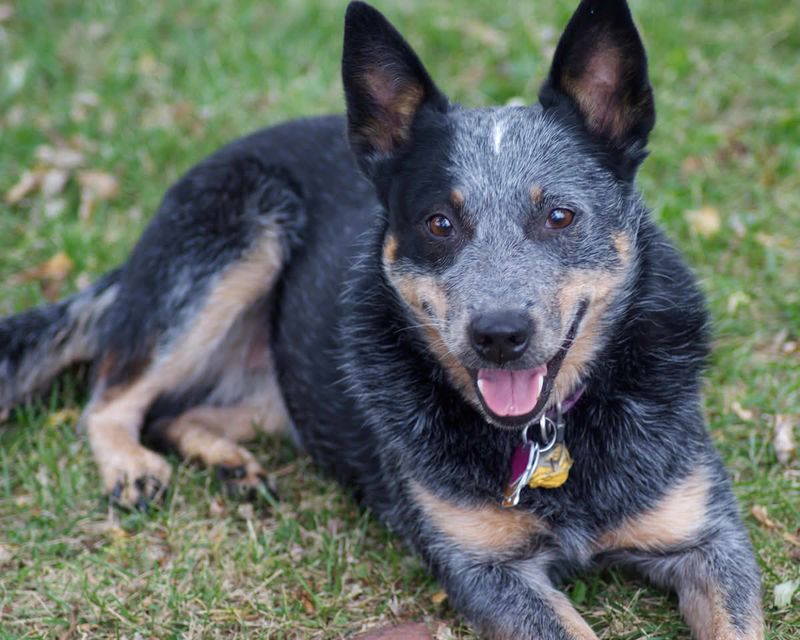
Australian Cattle Dogs hustle with gritty strength, bright eyes, and serious grit. You get relentless try, tight turns, and bold commitment once trust is built.
They read motion fast, so handler clarity matters more than fancy moves.
Build calm start lines, strong toy value, and thoughtful contact criteria for safety. Use short sessions, high reinforcement, and varied surfaces to grow confidence.
Teach distance and layering so you can guide without racing every stride.
Condition with hill work, core drills, and paw strength to protect shoulders. Cool down thoroughly, then crate rest, because they will keep pushing.
When treated fairly, these steadfast workers become unstoppable, accurate teammates. Plan lines early, breathe, and trust consistent cues over last second saves.
Dalmatian
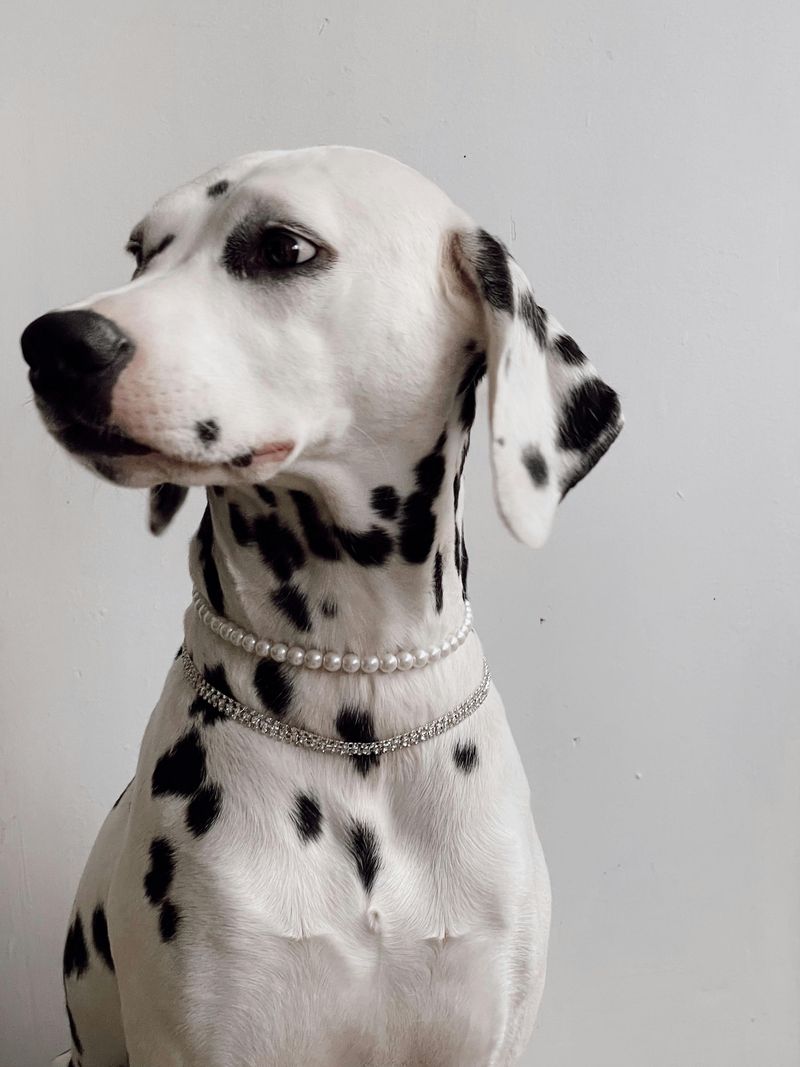
Dalmatians glide with rhythmic cadence, endurance to spare, and playful curiosity. You will see big smiles as they bounce through tunnels and over spreads.
Give clear lines, because excitement can widen turns if support disappears.
Develop strong conditioning, including tempos, cavaletti, and flexible core strength. Teach patient start lines and steady pace changes for clean approaches.
Mix smiley reinforcement with quiet handling to keep arousal in the sweet spot.
Regular gait checks, good hydration, and smart heat management matter for this breed. Practice distance and layering so your steps do not bottleneck their rhythm.
With fairness and fun, spotted athletes deliver clean, enthusiastic, impressive runs. Plan courses, cue early, and trust consistent criteria to shape tight turns.
Weimaraner
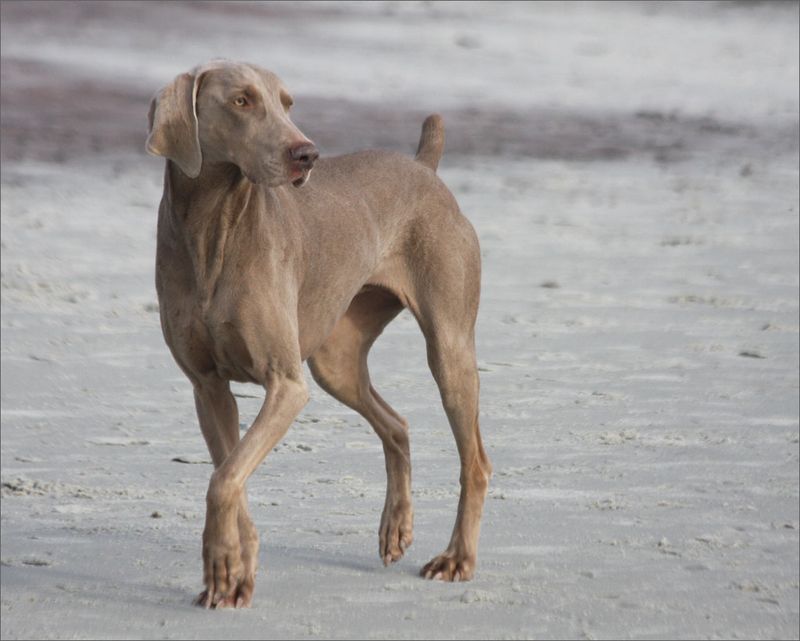
Weimaraners bring sleek power, long stride, and intense connection to every run. You feel their gaze, always checking in while blasting forward with gusto.
Their enthusiasm needs channeling so speed does not flatten jump arcs.
Strengthen collection cues, weave independence, and start line impulse control daily. Reinforce calm holds on contacts, then release to thrilling chases as payoff.
Use clear motion and early deceleration to carve balanced approaches.
Condition hips and shoulders with swimming, hill sprints, and precise core work. Practice distance layering so you can stay ahead without frantic racing.
With empathy and structure, these silver rockets become smooth, powerful partners. Plan lines early, breathe, and celebrate thoughtful choices more than raw speed today.