
If your dog is often on edge, you are not alone. Anxiety can make simple moments feel hard, but small changes add up fast.
This guide breaks down realistic, kind strategies that help your pup feel safe and settled. Start with one tip today and watch confidence grow week by week.
Create a quiet safe space
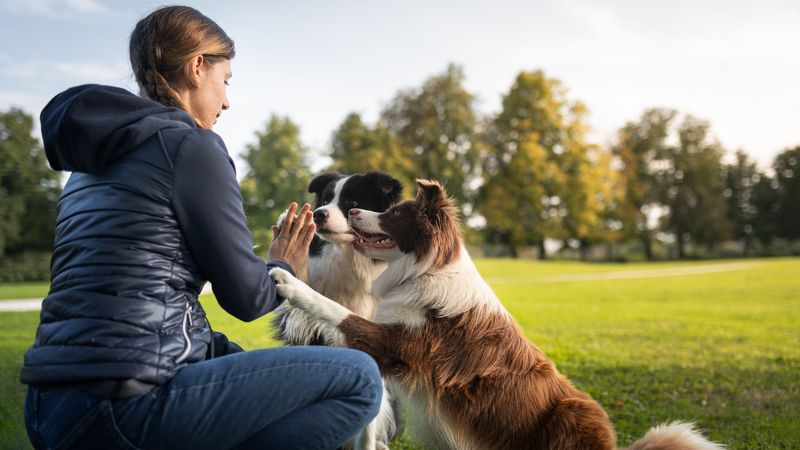
Start by giving your dog a dedicated retreat that always feels calm and predictable. Pick a low traffic corner, add a comfy bed, and use soft lighting to reduce stimulation.
Covering a crate with a breathable blanket can create cozy den vibes without making it feel closed in.
Keep favorite chew items nearby, play gentle white noise, and ask family to respect the space. Guide visitors to ignore your dog when they rest there so the area stays worry free.
Over time, your pup will learn that this spot means safety, recovery, and zero pressure.
Scent it with your worn T shirt for comfort. Let them choose when to enter or leave.
Choice builds trust and lowers baseline stress quickly.
Keep routines consistent
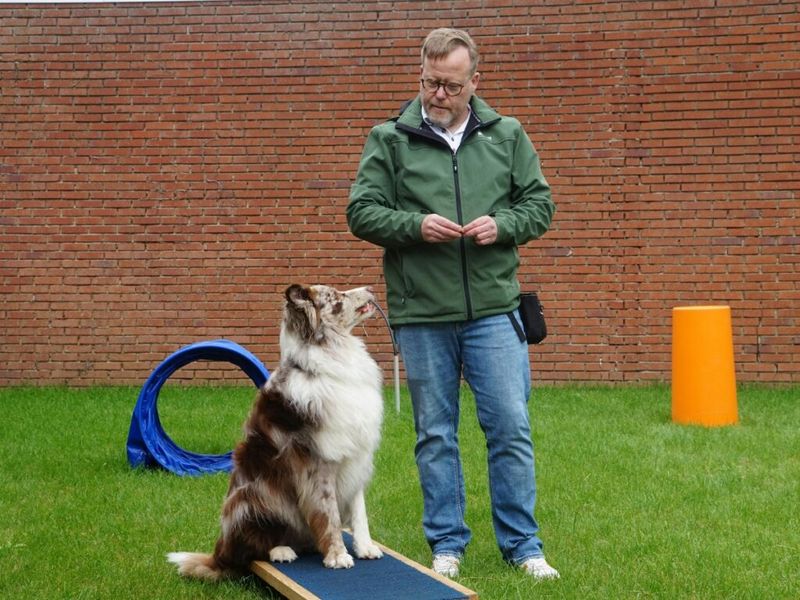
Predictability helps anxious dogs relax because they know what comes next. Serve meals, walks, and play around the same windows every day.
Consistency reduces decision fatigue and smooths spikes of arousal or worry.
Create a simple daily flow that fits your life so you can keep it reliably. Use reminders on your phone and shared calendars for family members.
When change is unavoidable, keep one anchor the same, like the bedtime routine.
Signal transitions with the same cue words, gentle tone, and a consistent leash or harness. Your dog will connect these patterns with safety and predictable outcomes.
Over weeks, steadiness lowers stress and builds confident expectations during everyday moments. Calm rhythms make relaxation easier to access on command daily.
Avoid forcing social situations
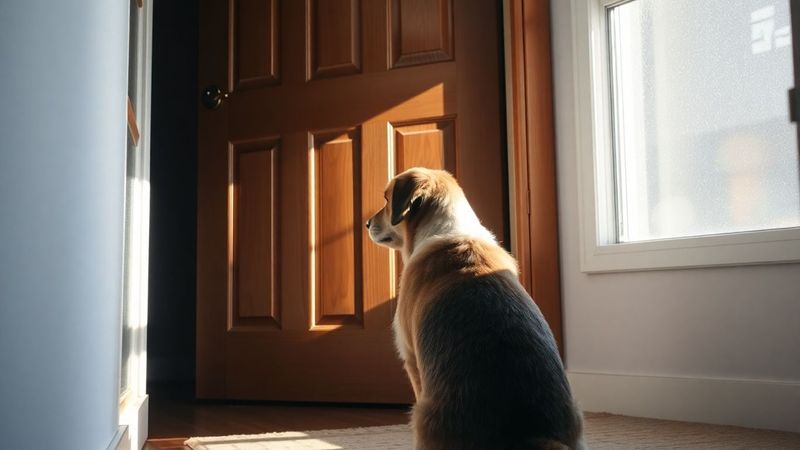
Rushing greetings can backfire and teach your dog that people or dogs equal pressure. Skip the crowded meetup and choose distance that lets them observe comfortably.
If curiosity appears, allow a slow approach instead of pushing contact.
Ask friends to turn sideways, avoid direct stares, and keep voices easygoing. Short, positive exposures beat long, overwhelming sessions every time.
End on a win before nerves spike, then give space to decompress.
Use hand targeting games to create structure and a polite opt in for greetings. Carry treats to reward checking in with you instead of fixating.
Choice driven interactions build confidence and shrink social stress over time. Remember, consent based handling keeps trust strong and progress steady for sensitive dogs everywhere.
Use calm body language
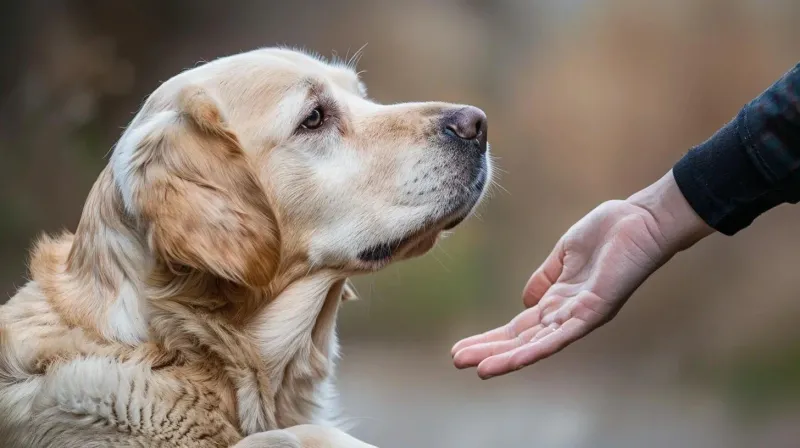
Your dog reads your posture, breath, and tension faster than your words. Soften your knees, exhale slowly, and turn your shoulders slightly sideways.
Speak in a warm, steady tone and blink slowly rather than staring.
Move with measured steps, avoid quick reaches, and let your hands drift lower. Yawn, sigh, and stretch to model relaxation your dog can mirror.
Pair this with gentle praise when you notice tension releasing.
Before walks, pause to breathe and wait for soft eyes and a loose mouth. Inside, kneel sideways to invite approach without pressure or looming energy.
Your quiet presence becomes the cue that everything is safe now. Calm bodies teach calm minds during tricky moments and unfamiliar sounds at night outside.
Reward relaxed behavior
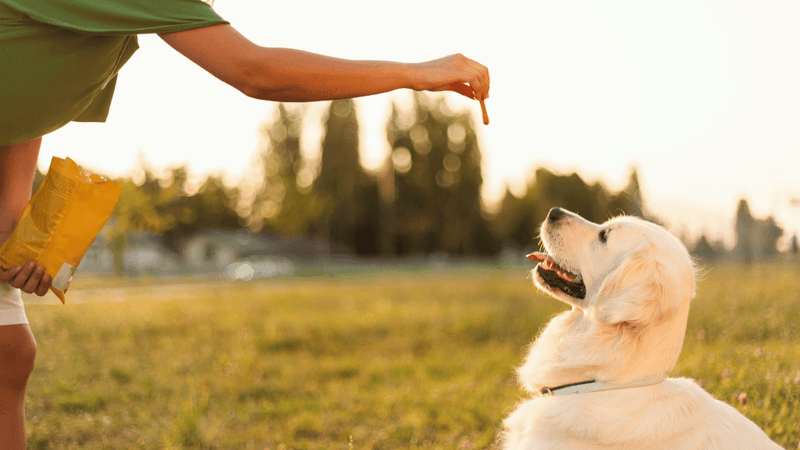
Catch the calm, not just the sits and downs. Mark soft eyes, loose shoulders, quiet sniffing, and steady breathing with a cheerful yes.
Then feed a small treat or deliver gentle petting your dog enjoys.
Reinforcing relaxation tells your dog that settling is valuable and safe. Scatter a few treats on a mat when they choose to lie down there.
Gradually lengthen the time between rewards as they stay chill.
Avoid rewarding tension, like frantic pawing, by waiting for a breath and softer posture. You are shaping serenity the same way you shape sits.
Soon, your dog will offer calm voluntarily in places that once felt tough. Celebrate those choices with food, praise, and short breaks from stimulation right away.
Provide daily mental stimulation
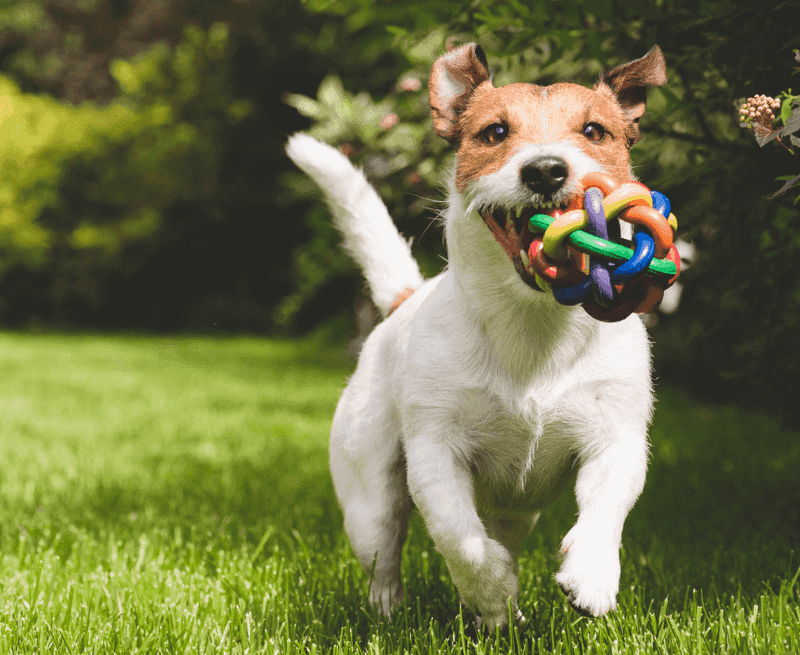
Tired minds relax faster than tired legs alone. Short training games, easy scent work, and quiet chewing drain anxious energy.
Keep sessions upbeat and brief to avoid frustration.
Hide treats around one room, release your dog, and let their nose hunt calmly. Teach simple tricks like paw, spin, or chin rest to build confidence.
Finish with a stuffed chew that takes time and encourages rhythmic licking.
Rotate activities to keep novelty without overstimulating sensitive dogs. On hectic days, five focused minutes still count and preserve the routine.
A balanced brain rests easier, and your evenings feel peaceful again. Pair mental work with decompression walks where sniffing sets the pace and movement stays gentle to prevent adrenaline spikes and rebound stress.
Try slow introduction techniques
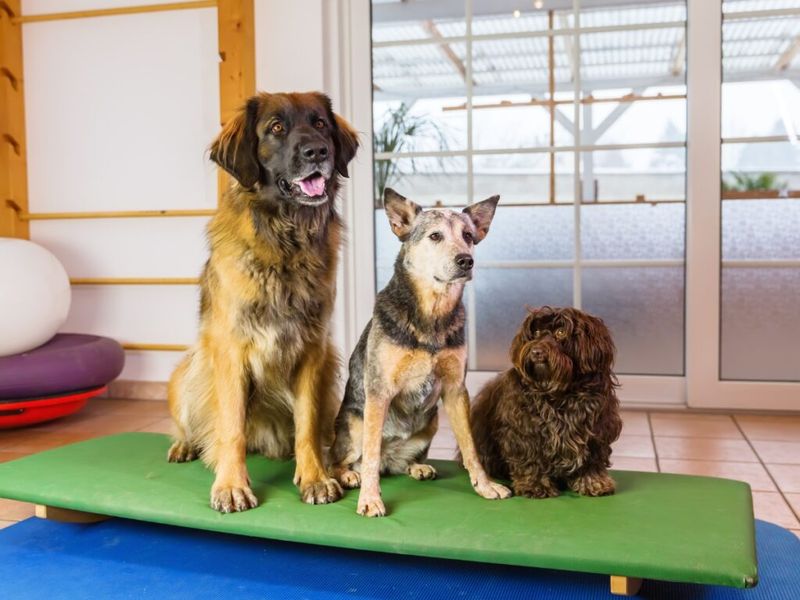
Introduce scary things at a distance where your dog can still think and eat. Pair the sight or sound with tasty treats until the trigger predicts good stuff.
Gradually decrease space only when body language looks soft and curious.
For people, start with parallel walking, no touching, and keep conversations relaxed. With dogs, use fences or leashes to maintain comfortable lanes.
End while interest is rising rather than when stress appears.
If anxiety spikes, step back, breathe, and widen distance to reset success. Progress is rarely linear, but calm reps stack into lasting confidence.
You are teaching safety through patient, clear experiences that respect your dog’s pace. Trust grows when choice, space, and rewards guide every new encounter for them.
Use puzzle toys and enrichment
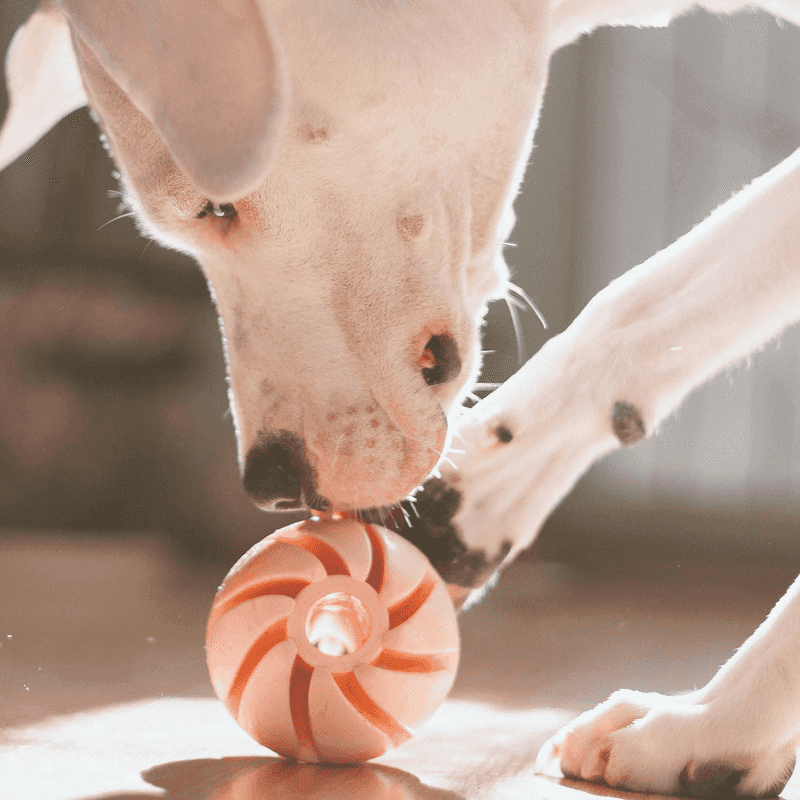
Interactive feeders slow eating and give worried minds a soothing job. Snuffle mats, lick mats, and slow bowls encourage natural foraging behaviors.
That steady nose work lowers arousal and builds emotional resilience.
Rotate puzzles with different textures so novelty stays fun without pressure. Start easy, then increase challenge by freezing wet food or stacking difficulties.
Always supervise at first to keep frustration low and safety high.
Choose sizes that match your dog’s mouth and chewing style. Pair enrichment with calm music to create a relaxing routine after walks.
You will see softer bodies, fewer startles, and happier naps afterward. End sessions before frustration rises so confidence remains high and anticipation stays positive for the next calming puzzle at home tomorrow.
Give your dog time to adjust
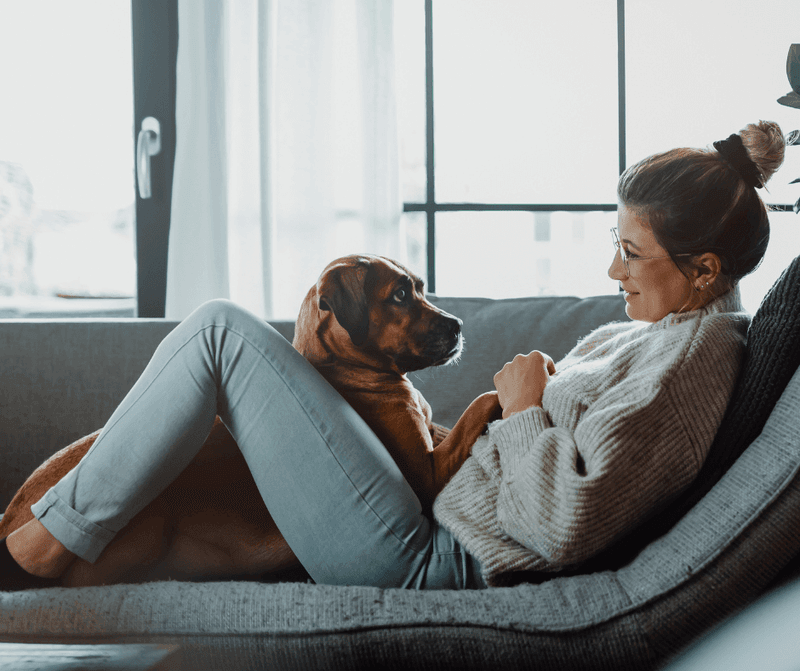
New places, people, and routines are a lot for sensitive dogs. Slow everything down and remove deadlines from your expectations.
Start with short visits, longer exits, and generous recovery afterward.
Track small wins like eating, sniffing, or choosing to explore a new corner. Journal patterns so you can spot progress even when nerves flare.
Your notes will remind you that confidence grows between sessions.
Invite rest days after big efforts, keeping walks gentle and neighborhoods familiar. Offer comfort items, stable feeding times, and extra sniff breaks.
Time allows the nervous system to settle and encode safe memories. Give grace to both of you, and celebrate tiny steps forward generously because healing unfolds with patience, practice, and compassionate daily support together.
Stay patient and predictable
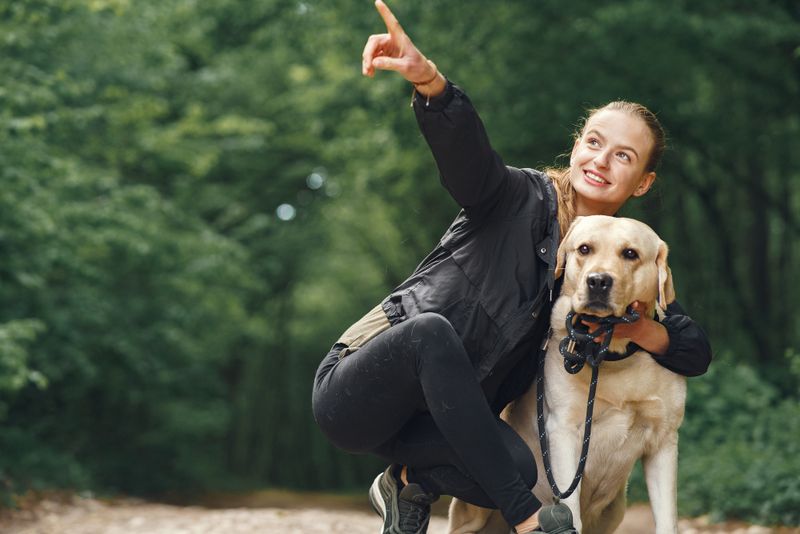
Anxious dogs borrow your steadiness when their world feels loud. Patience keeps learning open and prevents mistakes from becoming patterns.
Predictability makes choices easy and reduces spikes of uncertainty.
Use the same cues, the same leashes, and the same calm rituals. Reset kindly after setbacks and keep sessions short and frequent.
Model the mood you want through breathing, posture, and tone.
When your dog hesitates, pause, smile, and lower criteria to meet them. Reward tries, release pressure, and return to easy wins quickly.
Steady care builds trust that carries through storms, doorbells, and strange sidewalks. Over months, you will see softer eyes, shorter recoveries, and a braver buddy who knows what to expect and trusts you in new moments everywhere.