
Your senior dog has given you years of love, and now it is your turn to make every day feel easier and safer. With a few smart changes, you can reduce pain, spark joy, and add comfort to their routine.
These practical, vet informed tips are simple to start and truly effective. Ready to help your old friend feel their best again?
Schedule regular vet checkups
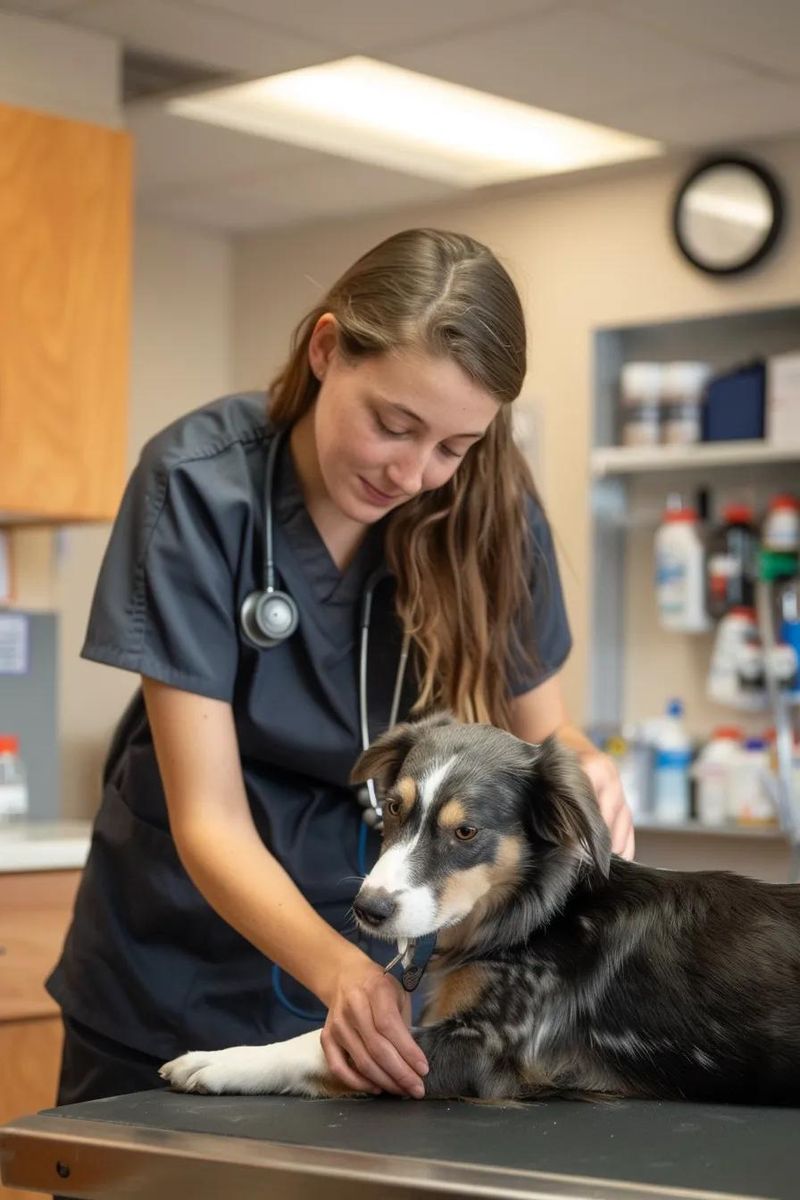
Scheduling regular vet checkups keeps small issues from turning into big emergencies. Older dogs can hide discomfort, so routine exams catch changes in weight, heart function, teeth, and lumps early.
Ask for senior panels that include bloodwork, urinalysis, and blood pressure, giving a fuller picture of organ health.
Bring a list of observations, like appetite shifts, stiffness after naps, coughing, or new anxiety. You can also track water intake and bathroom habits to share patterns.
Together, you and the vet can adjust vaccines, parasite prevention, and medication doses for age and breed. If mobility is tough, request low stress handling and floor exams.
Book follow ups before leaving, so care stays consistent and your dog gets proactive support.
Keep exercise gentle but consistent
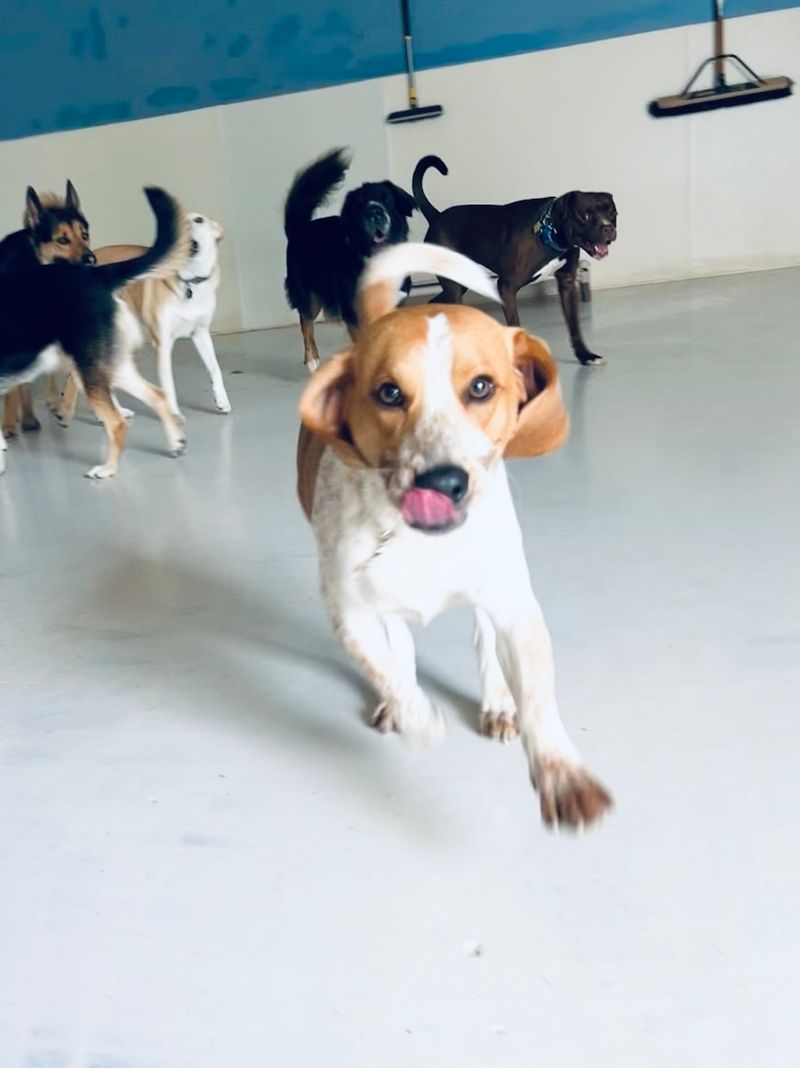
Gentle, consistent exercise helps joints lubricate, muscles stay toned, and minds feel calm. Short, frequent walks beat one marathon outing, especially on softer surfaces.
Warm up with a slow start, then cool down to prevent stiffness. If it is hot or icy, swap outdoors for hallway laps or controlled play.
Watch breathing, paw placement, and pace for early fatigue. You can rotate low impact options like swimming, underwater treadmill, or sniffari strolls that let noses lead.
Bring water and a lightweight harness for better support. Schedule movement at the same times daily, anchoring appetite and sleep.
If pain flares, rest, call the vet, and modify. Over time, small, steady sessions build resilience without overwhelming your senior companion.
Provide orthopedic bedding

Orthopedic bedding cushions pressure points, supports arthritic joints, and helps seniors rise without straining. Look for high density foam that resists sagging, with bolsters for neck support and security.
Choose washable, non slip covers so accidents and nighttime pacing do not become bigger headaches.
Place the bed away from drafts and heavy foot traffic, but close enough that your dog still feels included. You can stage multiple beds on different floors for easy access.
Add a light blanket for warmth and texture changes that cue resting. If incontinence occurs, layer a waterproof pad beneath.
Clean regularly, rotate sides, and inspect for dips. A truly supportive sleep surface pays dividends in comfort, recovery, and calmer behavior.
Watch for subtle pain signs
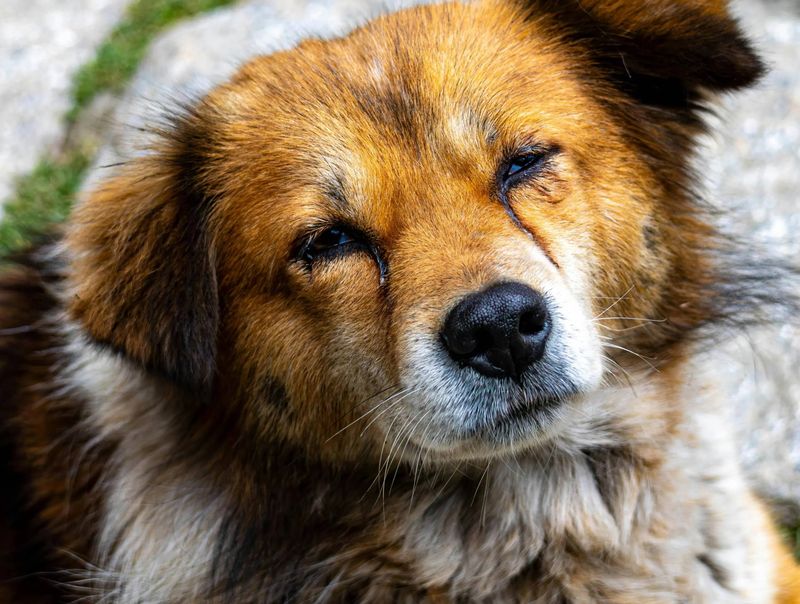
Senior dogs rarely complain, so pain shows up as whispers, not shouts. Think slowing on stairs, reluctance to jump, licking a joint, twitching skin, or a change in posture.
Even new grumpiness, sleep pattern shifts, or house accidents can be discomfort talking.
Track patterns in a simple journal, rating daily mobility and mood from one to ten. You can film short videos to share baseline gait and compare flare days.
Ask your vet about pain scales and safe trials of anti inflammatories. Avoid guessing with human meds.
Pair observations with gentle handling, and note improvements after rest, massage, or heat. When you notice pain sooner, treatments start earlier, making comfort and confidence return faster.
Maintain a healthy weight
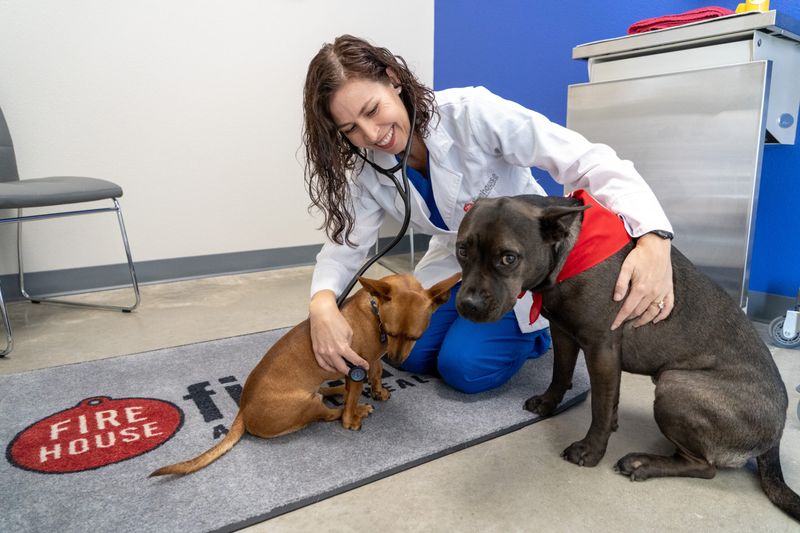
Extra pounds strain joints, tax hearts, and sneak energy from joyful moments. Start by measuring meals, not scooping loosely, and use a digital scale for accuracy.
Choose nutrient dense foods formulated for seniors, watching protein quality and digestibility rather than just calories.
Swap high calorie treats for crunchy veggies or bits of the regular diet, counting them toward the daily total. You can feed smaller, more frequent meals to stabilize energy and reduce begging.
Recheck body condition monthly by feeling ribs and waist, then adjust portions five to ten percent as needed. Ask your vet about therapeutic diets or satiety formulas.
Slow, steady loss protects muscle, boosts mobility, and lowers inflammation, keeping your older dog happier longer.
Use ramps or easier access points
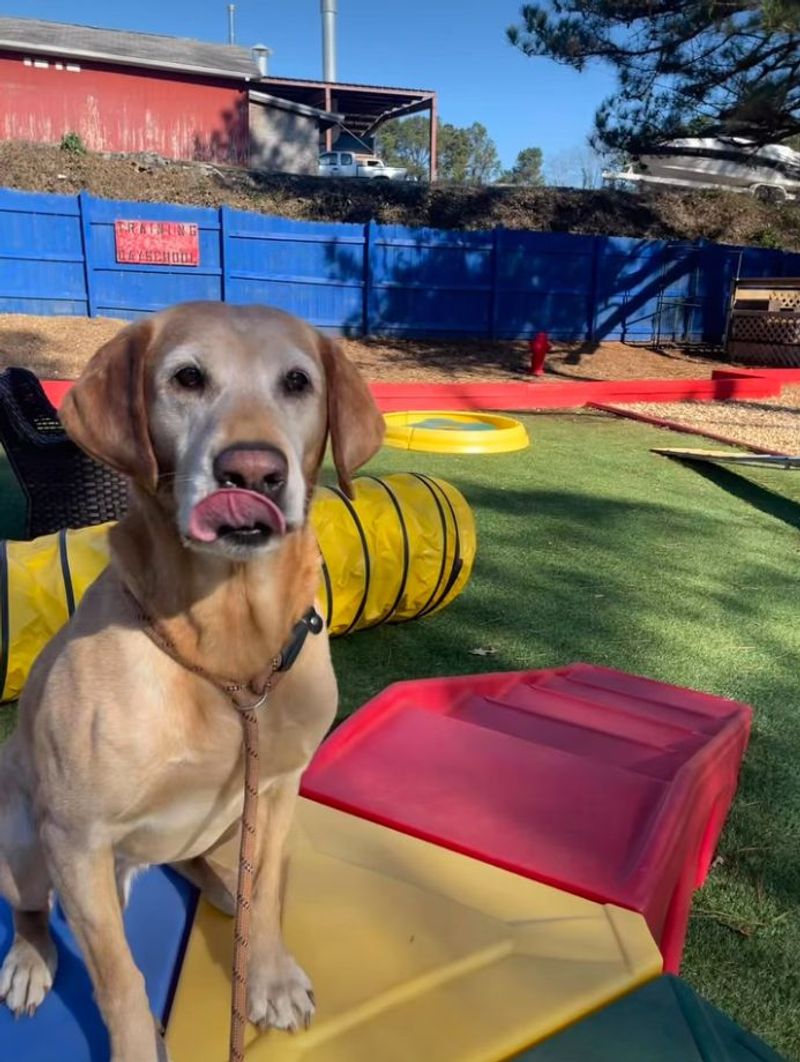
Stairs and high jumps can turn daily life into a painful obstacle course. Ramps, steps, and low entry thresholds reduce strain on backs, knees, and hips.
Look for sturdy traction, side rails, and the right slope so paws do not slip.
Place ramps by the car, couch, and bed, then reward every attempt with calm praise or tiny treats. You can start with the ramp flat, raising it gradually as confidence grows.
Keep pathways uncluttered, add night lights, and secure rugs with grippy pads. If vision is fading, use contrasting colors to outline edges.
A few smart adjustments transform independence, letting your senior move safely, visit favorite spots, and stay part of family routines.
Keep routines predictable

Predictable routines soothe aging brains, lowering stress and helping sleep come easier. Set consistent times for meals, walks, medications, and grooming, using alarms if life gets busy.
Leave bowls, beds, and doorways in familiar spots to reduce confusion. Keep household rules stable, so your dog is not guessing what comes next.
Create gentle transitions around big events, like visitors, travel, or time changes. You can add simple cues, such as a phrase before potty breaks or a chime before bedtime.
Offer choices within structure, like two toy options or which bed to use. Post a care plan for all helpers to follow.
When the day unfolds reliably, confidence grows, problem behaviors shrink, and your bond deepens in wonderfully ordinary ways.
Support joint health with vet guidance
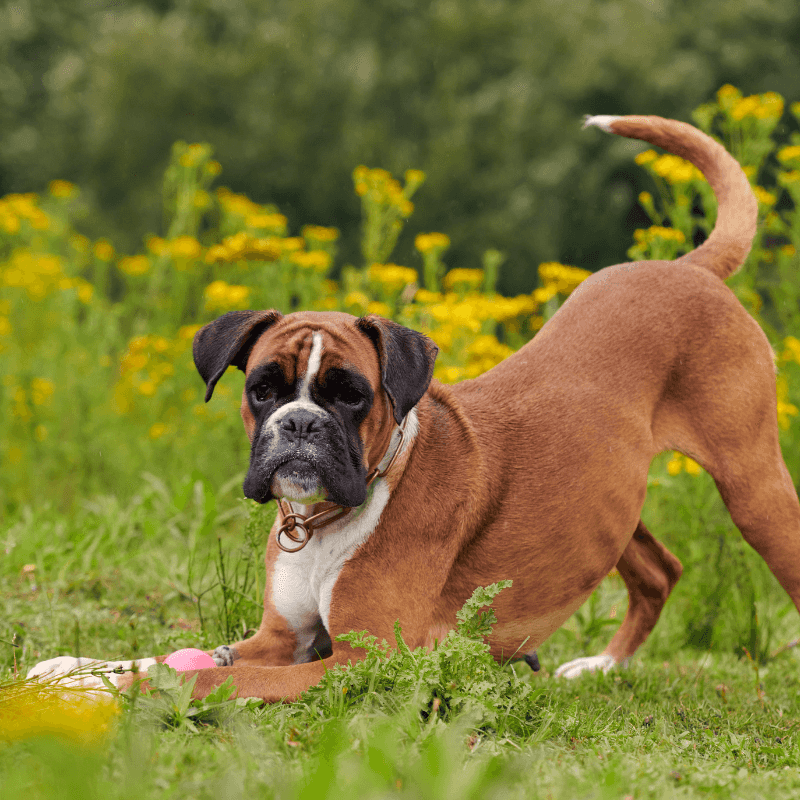
Joint health improves with a thoughtful plan, not random supplements. Ask your vet about evidence based options like omega 3s, green lipped mussel, glucosamine chondroitin, and injectable joint protectants.
Pain relief, gastric protection, and kidney monitoring may be part of a safe protocol. Discuss potential interactions with current medications and liver values.
Combine treatments with targeted exercises, like cavaletti steps, weight shifts, and scent games that encourage balanced movement. You can explore physical therapy, acupuncture, or laser sessions if recommended.
Use non slip flooring and trimmed nails to improve traction. Recheck progress every few months and adjust dosages seasonally.
The right mix keeps comfort high and side effects low, helping your senior stay active, curious, and ready for gentle adventures.
Offer mental stimulation daily
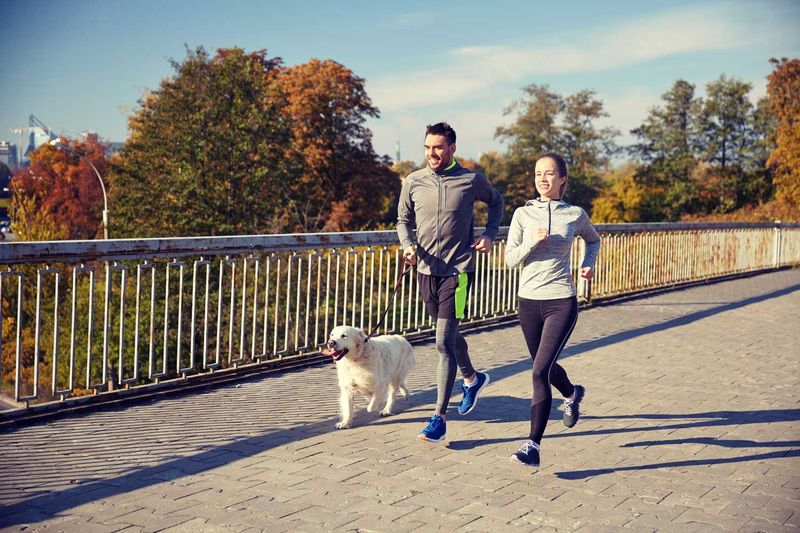
A busy brain helps an older body move with purpose. Mental stimulation eases anxiety, supports memory, and keeps boredom from morphing into mischief.
Think of it as cross training for confidence. Small challenges maintain zest without exhausting energy reserves.
Rotate puzzle feeders, snuffle mats, and easy training games that reward calm focus. You can practice nosework with hidden treats, or scatter kibble in the yard for gentle foraging.
Teach hand targets, settle on a mat, and slow trick variations adapted for comfort. Keep sessions short, upbeat, and successful, then follow with a nap.
Invite safe social visits, new scents, and relaxed car rides to expand the world kindly. Consistent enrichment builds joy, resilience, and spark in your senior friend.
Give extra patience and comfort
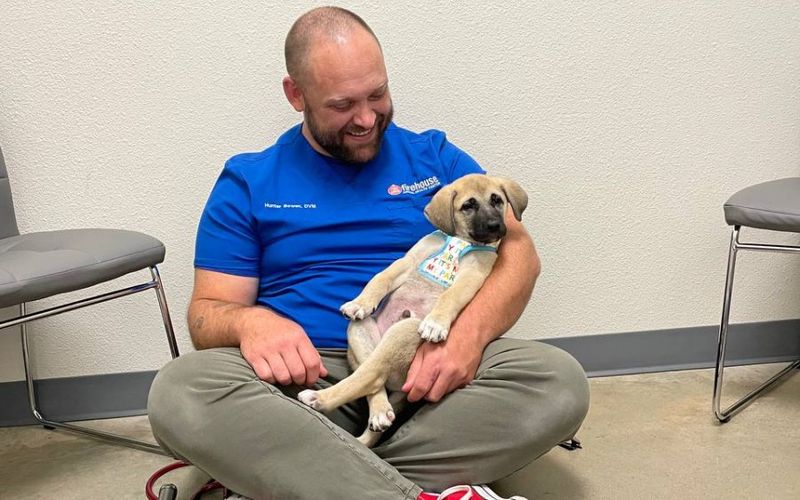
Aging can be confusing, and your calm presence becomes an anchor. Respond with patience to slower walks, nighttime restlessness, or forgotten cues.
Gentle touch, soft words, and steady breathing communicate safety better than any gadget. Slow moments are invitations to connect.
Create cozy rituals, like evening brushes, warm compresses on stiff spots, or quiet cuddles during storms. You can advocate at the vet, ask questions, and request fear free handling.
Offer choices, forgive accidents, and celebrate small wins. Provide warmth, hydration, and a peaceful space when recovery is needed.
In the end, love is the most powerful medicine, guiding decisions and softening hard days. Your older dog will feel seen, respected, and cherished every step of the way.