
Some dogs love you so deeply that even a quick run to the store feels like an eternity to them. If you have a shadow who follows you from room to room, you know the feeling.
These deeply devoted breeds can struggle when left alone, showing stress in subtle and not so subtle ways. Learn what makes them tick and how to make goodbyes easier for both of you.
Labrador Retriever
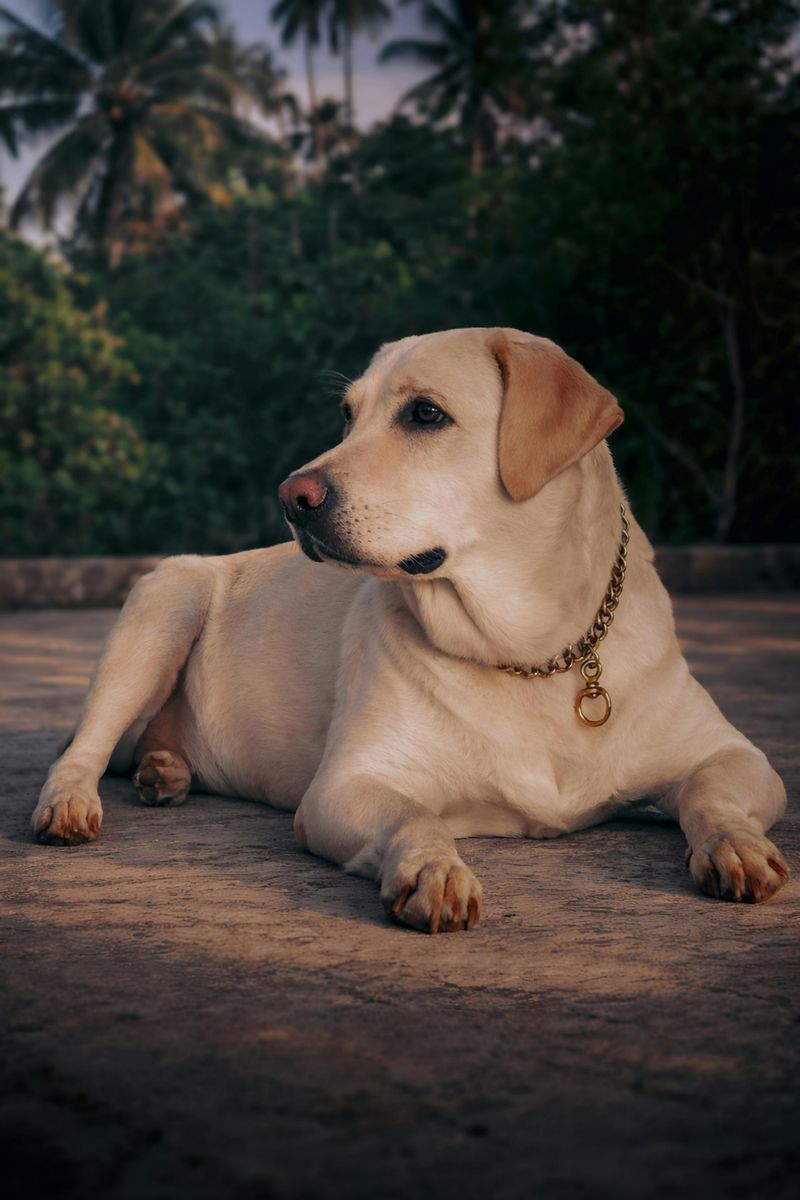
Labradors bond fast and feel absence keenly when routines change. Their people pleasing hearts thrive on contact, direction, and shared activity.
Leave them too long, and you will see pacing, whining, or door watching.
Daily exercise, brain games, and chew outlets help drain anxious energy. Practice calm departures, short absences, then graduated returns to build confidence.
A crate or safe zone with scent soaked blankets gives security until you are back.
Many Labs excel when given jobs like nosework, retrieving drills, or simple errands. If full days away are unavoidable, arrange midday walks, puzzle feeders, and friendly sitters.
Your steady reassurance and predictable structure turn that big soft shadow into a confident companion. Consistency makes goodbyes easier over time gradually.
Golden Retriever
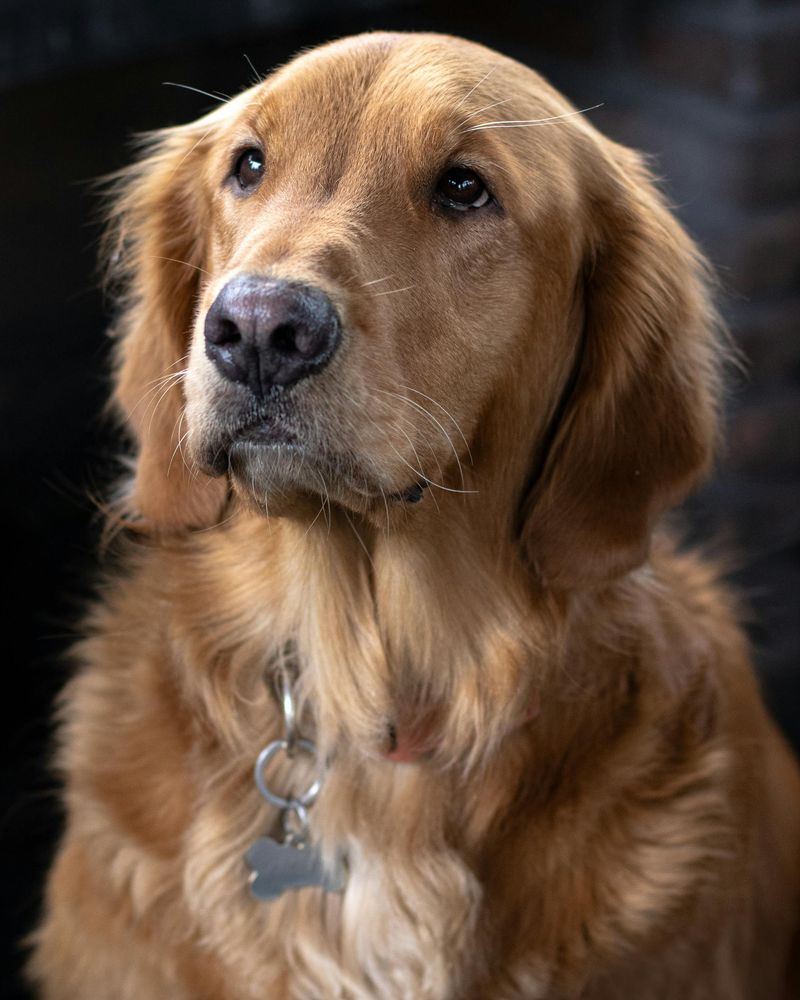
Goldens are affectionate optimists who feel your mood and mirror it. When you leave, they often wait hopefully, then get worried if time drags.
Some will carry a shoe or toy around like a comfort blanket.
Long walks, fetch, and obedience refresh their body and mind before alone time. Teach relaxed mat settles and slow breathing with calm praise.
A stuffed Kong, snuffle mat, and rotating puzzles keep them productively busy.
Start with tiny departures and return before they fret. Gradually lengthen gaps, staying low key with entrances and exits.
If workdays run long, consider doggy daycare or a trusted neighbor. Golden hearts stay brightest when schedules are predictable and connection needs are honored.
Border Collie
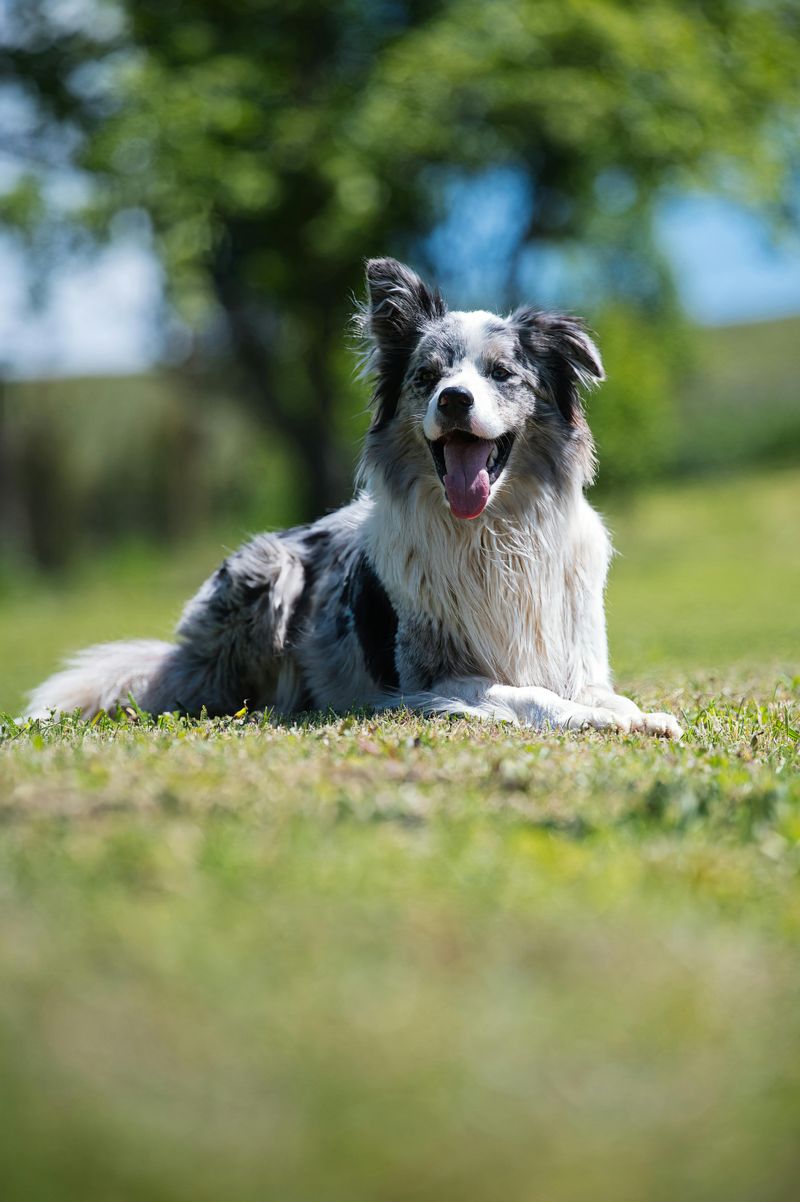
Border Collies are brilliant, sensitive, and intensely work driven. Without a job or your guidance, they invent one, often herding shadows or circling windows.
Separation can trigger restlessness, vocalizing, and compulsive scanning for your return.
Channel that mind with structured training, trick sequences, and scent games. A solid off switch comes from impulse control drills and place work.
Give them purposeful tasks like tidy up toys or find the keys.
Use planned micro departures paired with high value chew projects. If days are busy, book a midday sport class or herding session.
Meeting their mental quota matters as much as miles walked. Balanced workloads turn their watchfulness into calm patience while you are gone.
German Shepherd
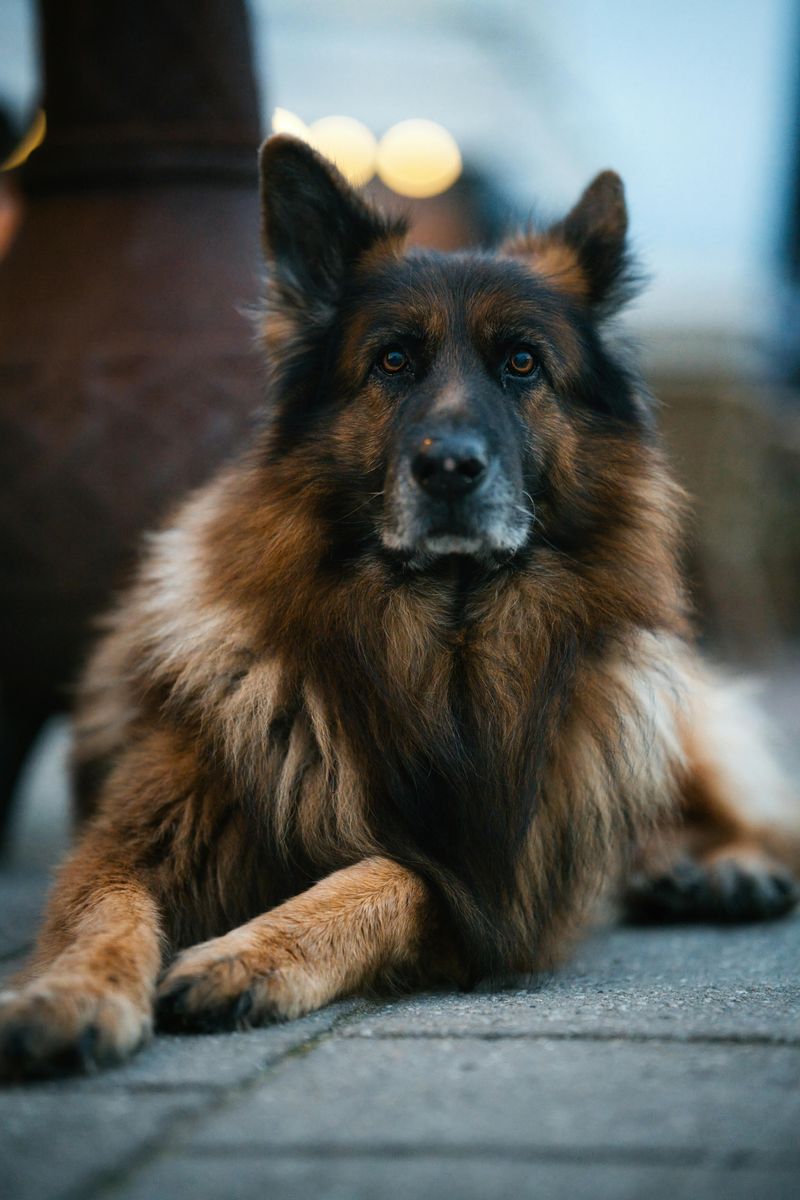
German Shepherds are guardians at heart, bonded closely to their people. When left alone, their protective instincts can morph into stress.
Pacing hallways, scanning windows, and barking at every creak are common signs.
Fulfill their needs with purposeful training, tracking, and obedience routines. Teach a reliable settle and give sturdy chews to decompress.
A quiet den like a covered crate helps them switch from duty to rest.
Practice confident exits without fuss, then reward calm on return. If hours are long, hire a vetted walker who understands working breeds.
Consistency, leadership, and clear jobs reduce anxiety dramatically. When they trust the plan, these steadfast partners wait with composed patience.
Australian Shepherd
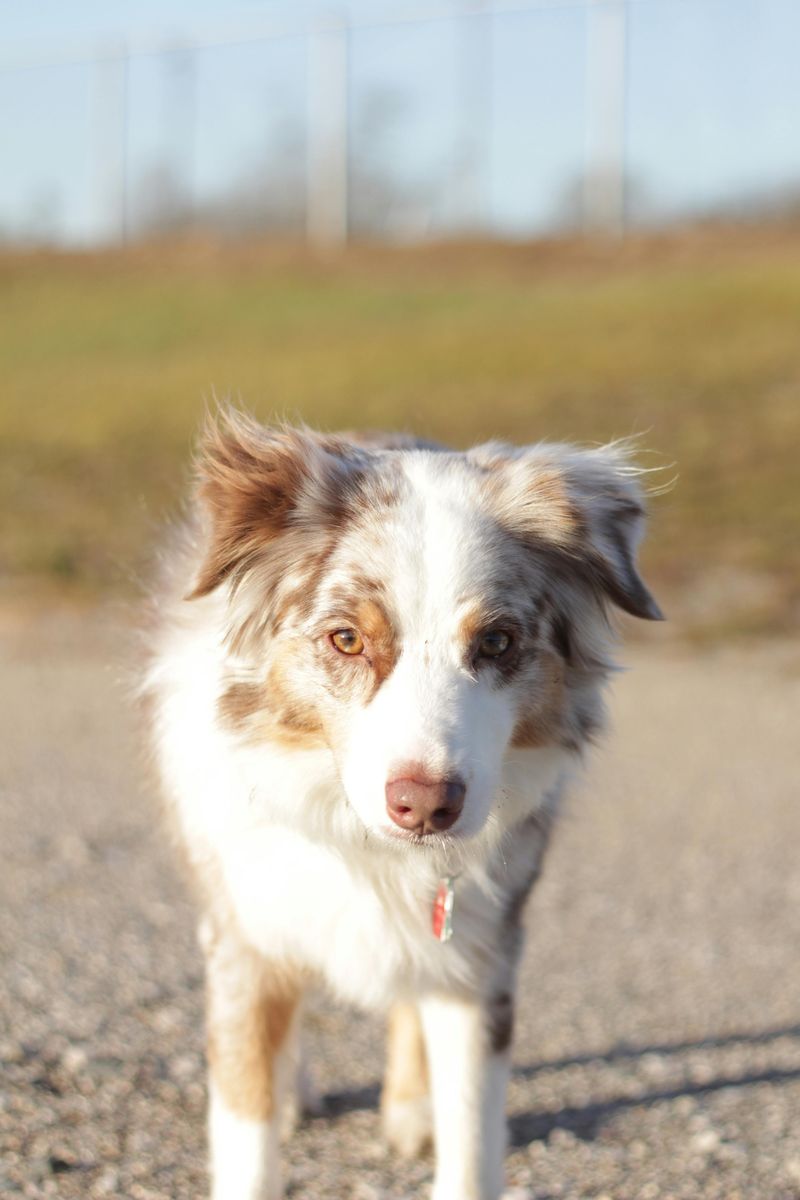
Aussies love routine, teamwork, and motion, so empty houses feel wrong to them. Many shadow you closely, checking your next move.
When alone too long, they may bark, spin, or patrol windows like tiny foremen.
Preload their day with herding ball games, trick chains, and sniff walks. Teach place, down stay, and off switch cues that promote true rest.
Durable chews and puzzle feeders buy quiet focus time.
Start with small departures and build incrementally. If work is demanding, a lunchtime drop in or daycare day helps.
Give them meaningful jobs like fetching mail or parking toys. Structure lets their busy brains relax and handle your absence with grace.
Vizsla
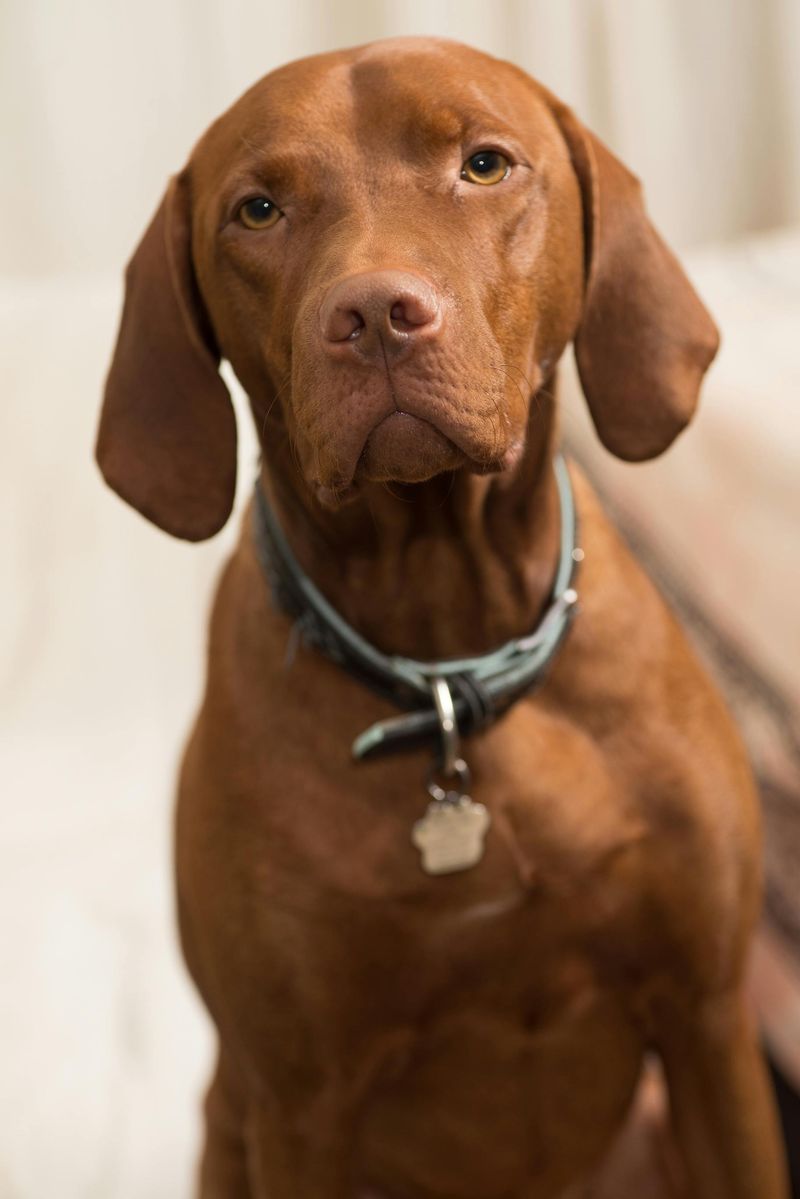
Vizslas are famous velcro dogs with a deep need for closeness. They read your body language intensely and miss you quickly.
Without you, some cry, pace, or seek escape routes to find their person.
Exercise first, then practice stillness so resting becomes possible. Use scent soaked cloths, lick mats, and safe chews to soothe.
A comfy crate near a familiar spot often lowers arousal and worry.
Pair departures with calm rituals and predictable returns. Arrange midday relief or social time if schedules stretch long.
Gentle training builds independence without breaking that affectionate spirit. With structure and outlets, their soulful devotion shifts from panic to peaceful waiting.
Doberman Pinscher
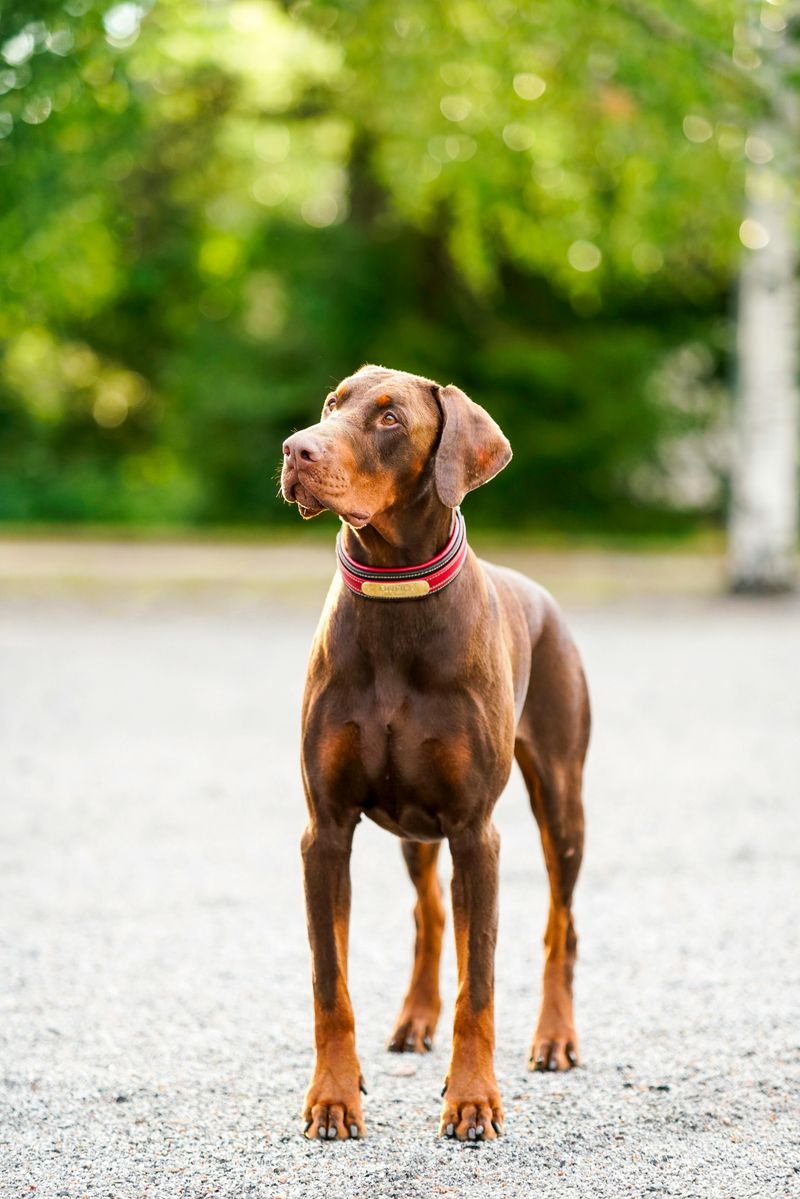
Dobermans are intensely people oriented and thrive on partnership. Long absences can spark vocal protests, pacing, or destructive chewing.
Their sharp minds and big feelings need direction before quiet happens.
Establish confident routines with obedience, heeling, and impulse control. Provide tough chews, scent games, and structured crate naps.
A settled mat cue helps them toggle from guard mode to rest mode.
Begin with brief exits and reward composed behavior on return. If work demands hours away, use walkers who read body language well.
Mental work counts as much as miles for this athlete. With leadership and consistency, your elegant shadow learns to relax between adventures.
Cavalier King Charles Spaniel
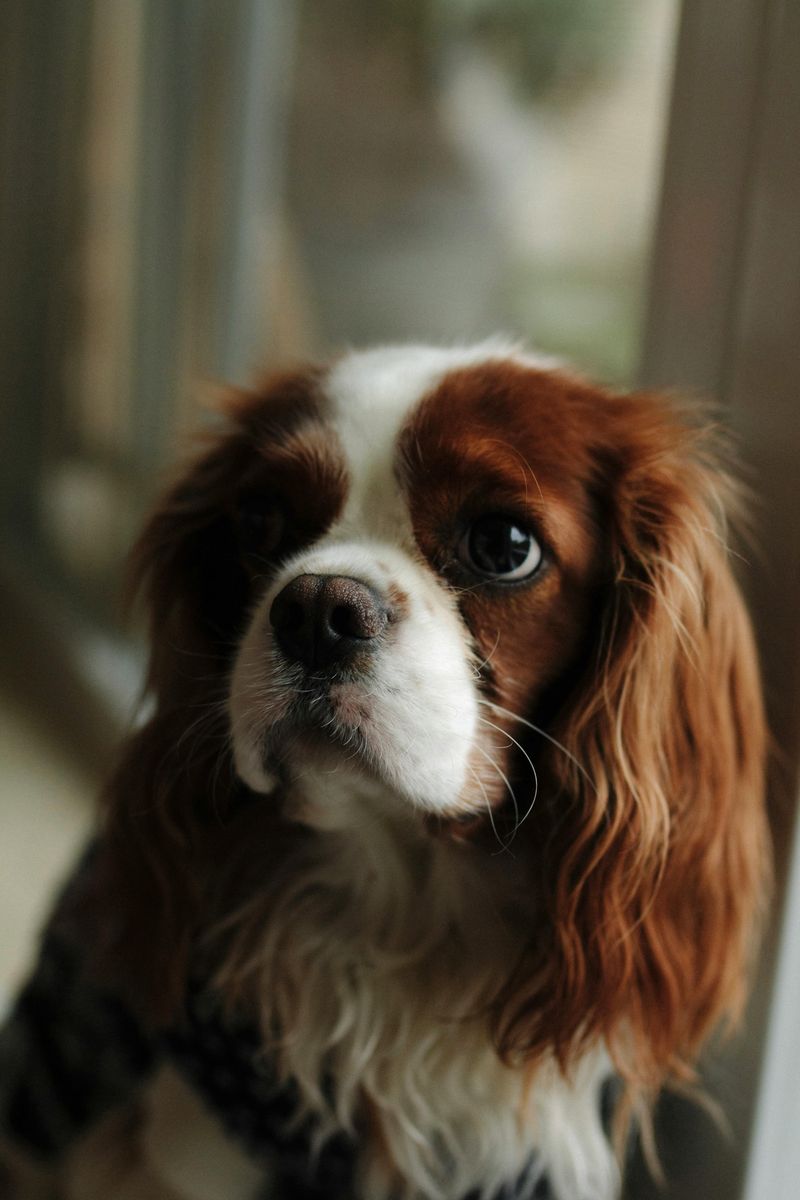
Cavaliers are tenderhearted companions bred to be near people. They feel distance keenly and may whimper or scratch at doors when alone.
Gentle souls like these need comfort and predictable rhythms.
Walks, sniffing, and short play sessions ease their minds before quiet time. Offer a soft crate den with familiar blankets and a heartbeat toy.
Lick mats and gentle chews help them self soothe.
Practice tiny departures, then extend gradually while staying low key. If you work long days, arrange cuddly drop ins or calm daycare.
Keep greetings mellow so departures do not feel dramatic. With patience, your sweet Cavalier learns that solitude is safe and temporary.
Bichon Frise
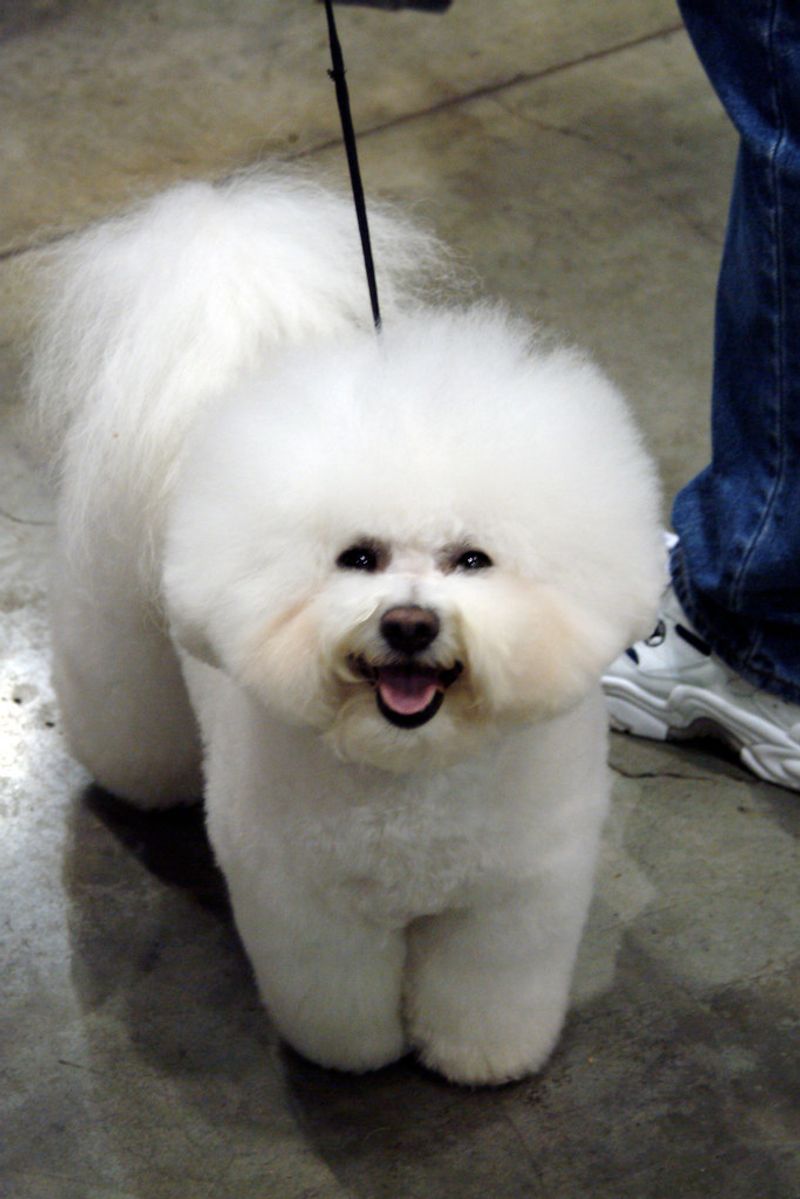
Bichons adore companionship and often act like cheerful comedians. When left alone, their sunny mood can flip to worry quickly.
Some vocalize, scratch lightly, or park themselves where you last stood.
Pre departure play, short walks, and sniff breaks release tension. Provide safe chews, a cozy bed, and a radio with gentle music.
Teach a relax on mat routine so resting becomes rewarding.
Start with very short absences paired with easy enrichment. Increase time slowly, keeping returns calm and predictable.
If schedules stretch, ask a neighbor for midday snuggles and a stroll. With structure and reassurance, their bubbly spirit stays bright between your comings and goings.
Havanese
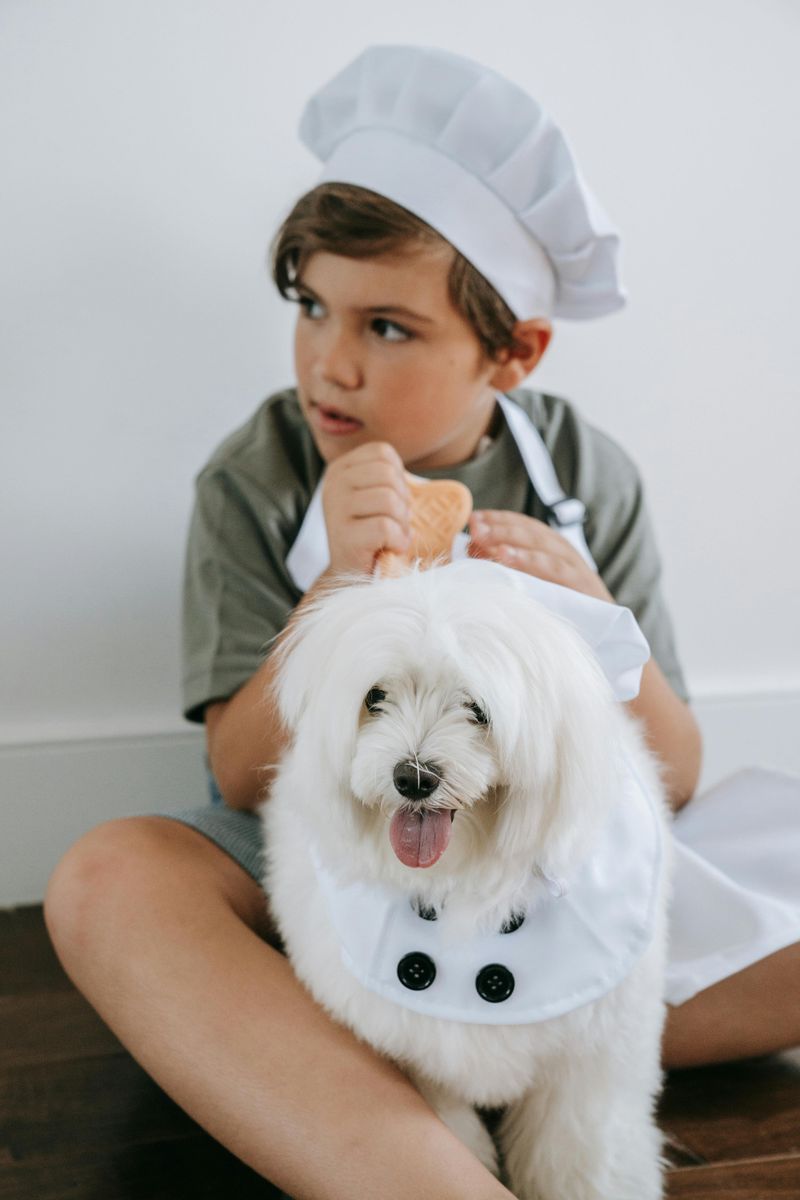
Havanese bond deeply and prefer being near their people. Alone time can spark anxious pacing, door watching, or soft cries.
Their sensitive nature responds best to kind, consistent routines.
Walks, fetch bursts, and scent games burn off butterflies. Offer a snug crate or pen with cushions and familiar smells.
Lick mats, braided chews, and quiet music help them unwind.
Begin with easy departures and return before stress rises. Stretch the gaps gradually, celebrating calm with gentle praise.
If days run long, set up visits from a trusted friend. With patience and practice, your cheerful Havanese learns solitude does not mean abandonment.
Italian Greyhound
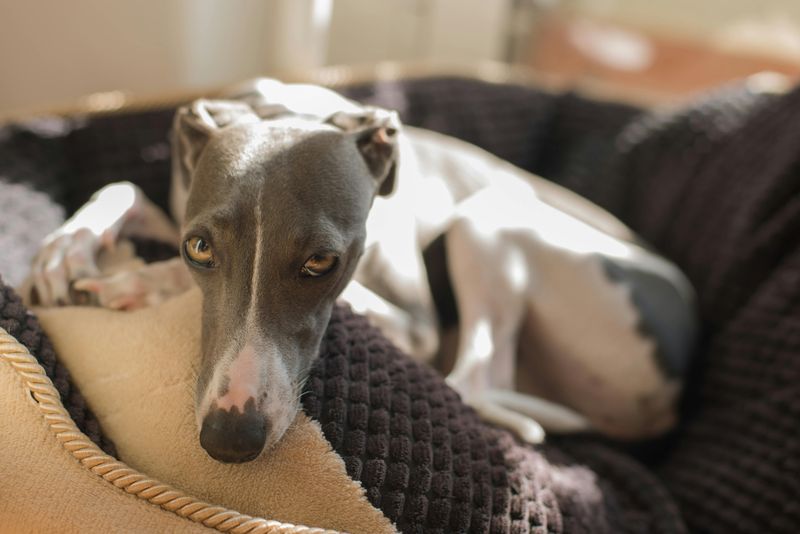
Italian Greyhounds are delicate, affectionate shadows who love warmth and closeness. Being alone can feel chilly and scary to them.
They may tremble, whine softly, or burrow under blankets waiting for you.
Warmth helps, so provide sweaters, cozy beds, and sun patches. Gentle walks and brief play satisfy their exercise needs.
Calming routines with lick mats and soft music lower arousal before you go.
Practice quick exits and returns that feel boring and predictable. Use safe zones with your scent on blankets for reassurance.
Enlist midday visits if hours stretch long in winter. With gentle consistency, their sensitive hearts settle and they nap peacefully until you return.
Poodle
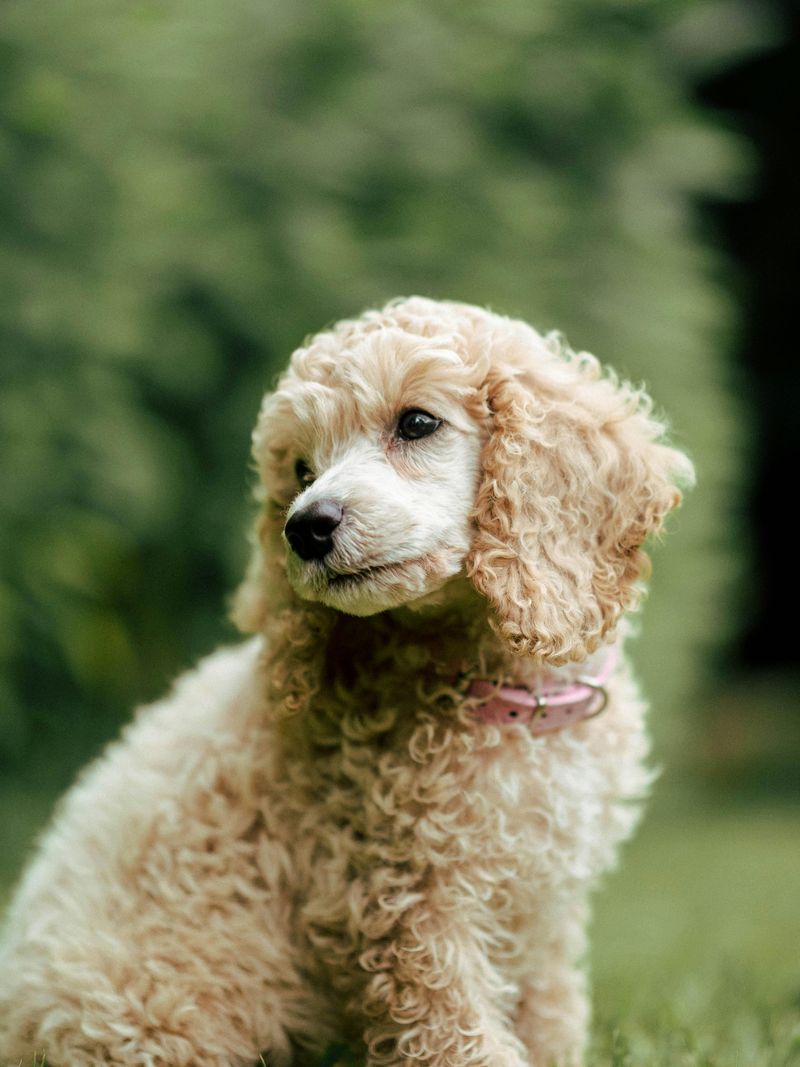
Poodles are bright, people focused problem solvers who notice every pattern. When your routine shifts, they often worry about what comes next.
Alone time can bring pacing or strategic attempts to self entertain.
Meet their minds with training games, shaping sessions, and scent work. Teach a strong settle and reinforce quiet on a mat.
Durable chews and food puzzles give productive outlets for that brain.
Start with bite sized departures and return calmly. If long days loom, arrange walkers who mix movement with mental work.
Grooming days also double as enrichment when handled kindly. With structure and stimulation, Poodles trade anxious energy for composed, elegant patience.
Cocker Spaniel
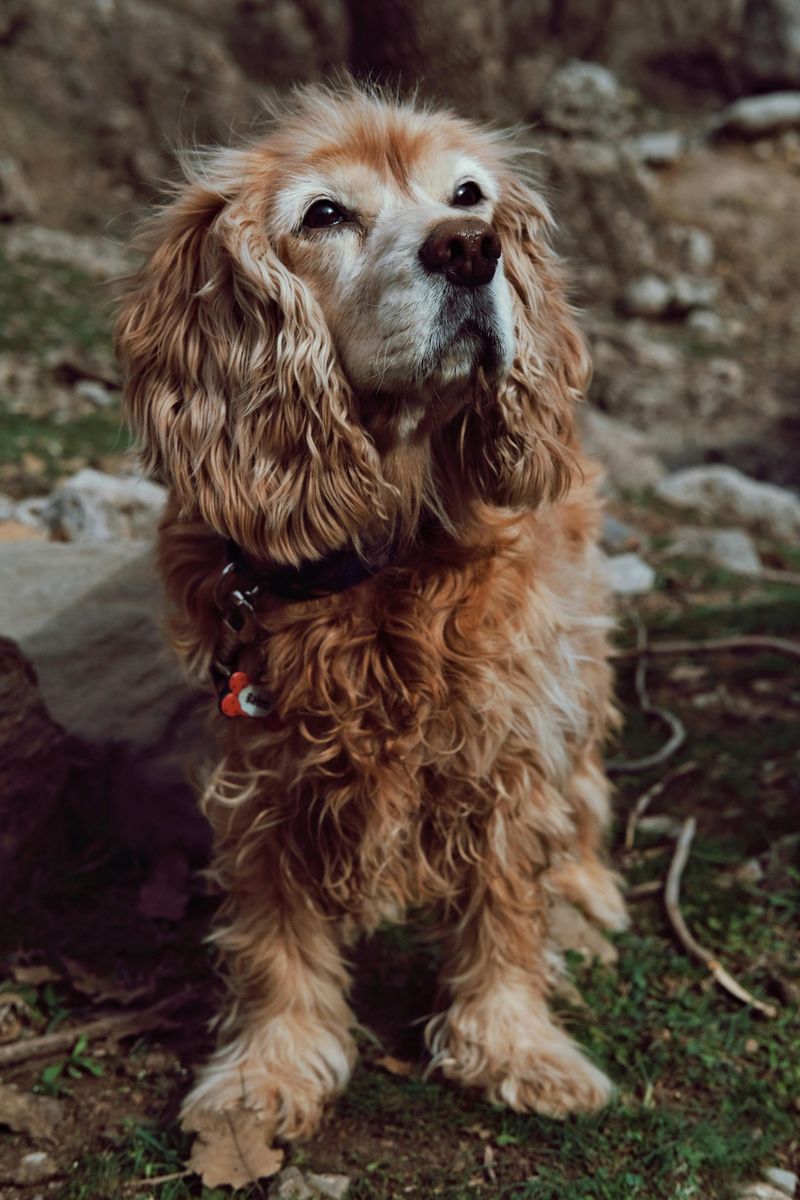
Cockers are affectionate, sensitive companions who bond closely to family rhythms. They can fret when left behind, sometimes vocalizing or chewing softly.
Their big eyes are expert at persuading you to hurry home.
Before leaving, add sniff walks, fetch bursts, and gentle obedience. Provide a plush den with comfort items and steady background sound.
Lick mats and safe chews help them self regulate during quiet hours.
Build up alone time with short, easy wins. Keep greetings mellow so departures do not become dramatic events.
If work runs long, schedule a friendly visit midday. With patience and predictability, their tender hearts stay content until you are back.
Boxer
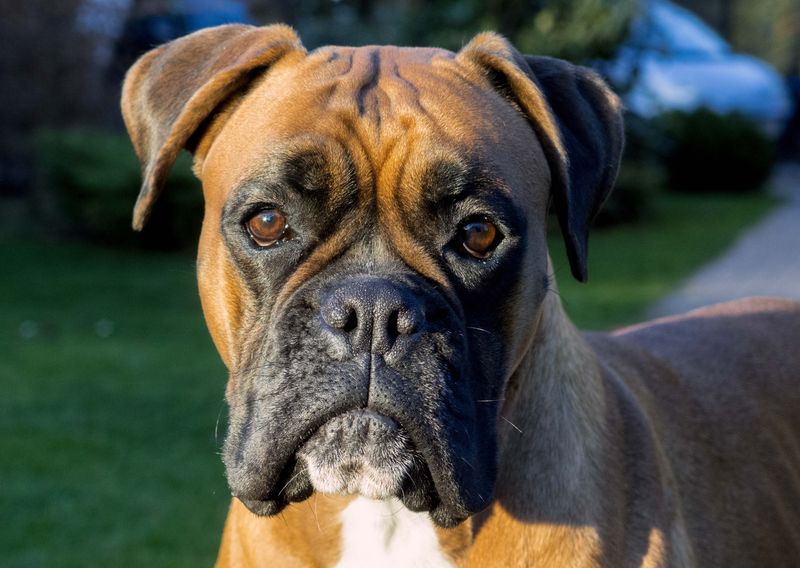
Boxers are clownish athletes with huge affection for their people. Extended solitude can make them antsy and loud.
Some will redecorate with cushions if energy has nowhere to go.
Provide vigorous exercise, play tug games, and include training sprints. Teach settle on a mat and reinforce calm breathing.
Heavy duty chews, frozen Kongs, and flirt pole sessions take the edge off.
Practice brief departures after workouts and expand gradually. If weekdays are packed, book a walker who can run them.
Keep comings and goings chill to avoid emotional spikes. With outlets and structure, Boxers nap hard and greet you with joyful wiggles, not worry.
Great Dane
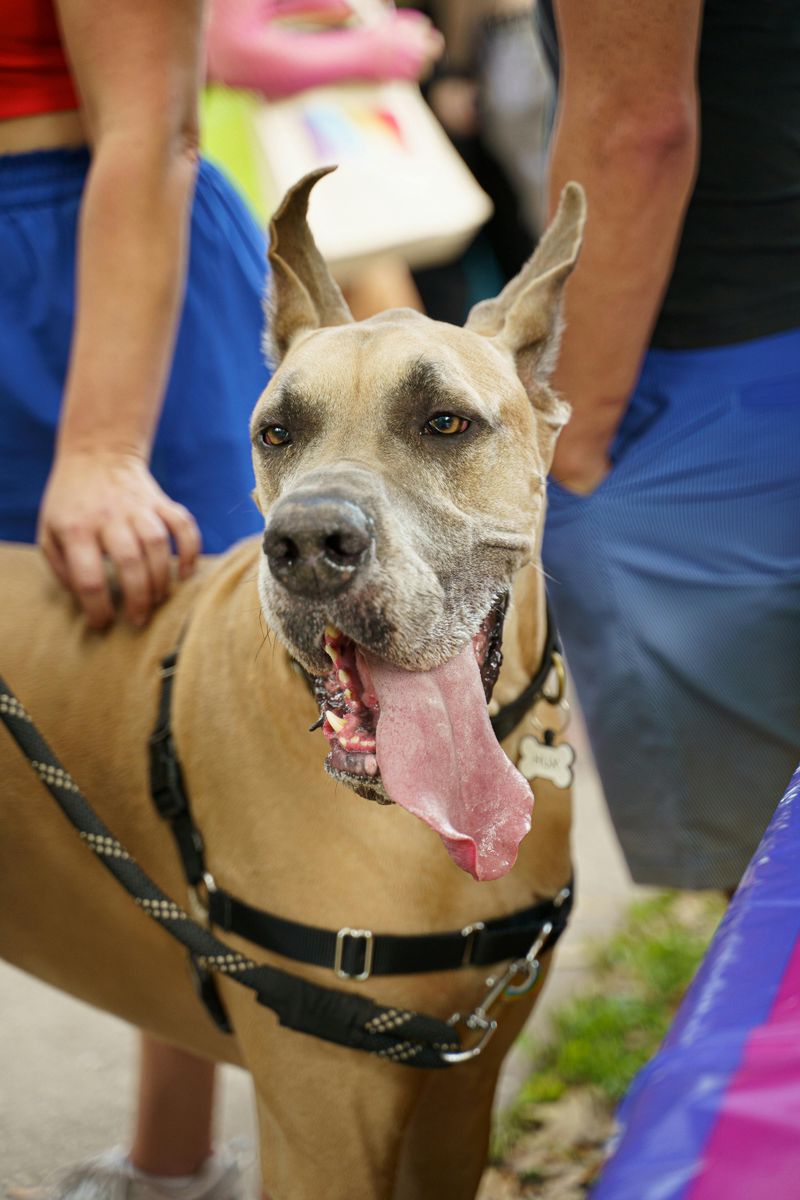
Great Danes are gentle giants who lean into your presence for comfort. Alone, their size hides surprisingly tender feelings.
Some pace gracefully, sigh heavily, or park by exits while they wait.
Long, even walks and calm training settle their bodies and minds. Provide a supportive bed and a quiet, roomy rest spot.
Slow feeders, chew projects, and soft music help stretch relaxation.
Start with short departures and return before worry builds. Increase time gradually and keep greetings low key.
Hire a walker if schedules run long, especially for young Danes. With reassurance and routine, these big hearts wait peacefully and save their zoomies for your return.