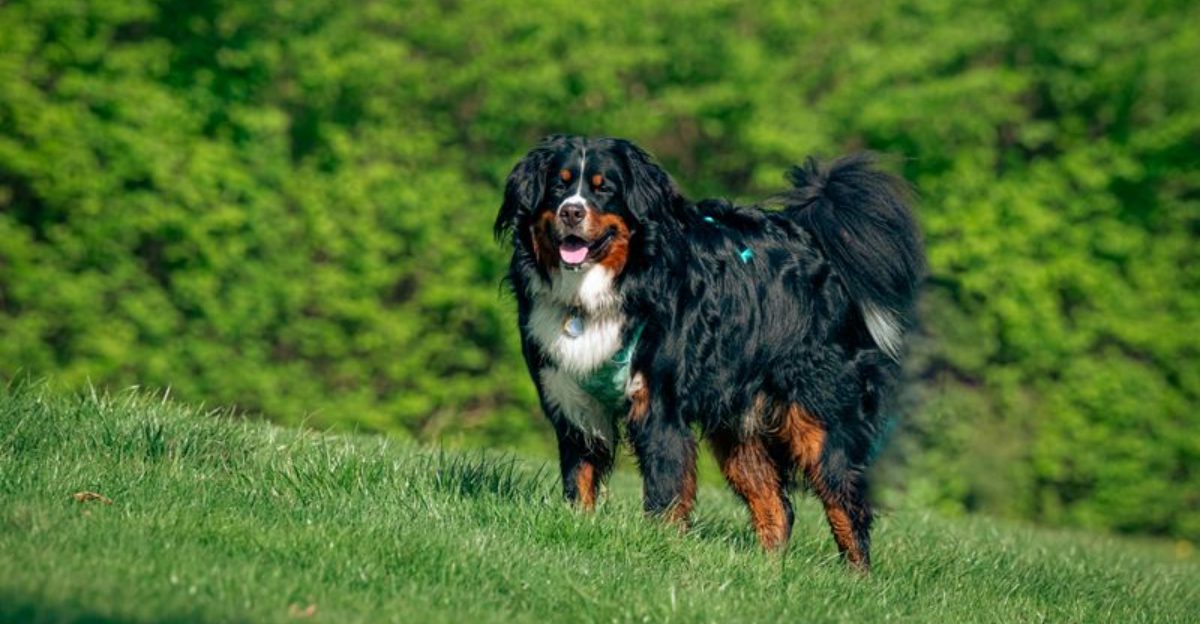
Some dogs feel like a weighted blanket for the soul, especially after sunset. The best part is they stay calm yet stay aware, giving you real peace without constant noise.
If late night creaks or distant footsteps ever make you uneasy, the right companion changes everything. Here are peaceful breeds with steady nighttime instincts that help you sleep confidently.
German Shepherd
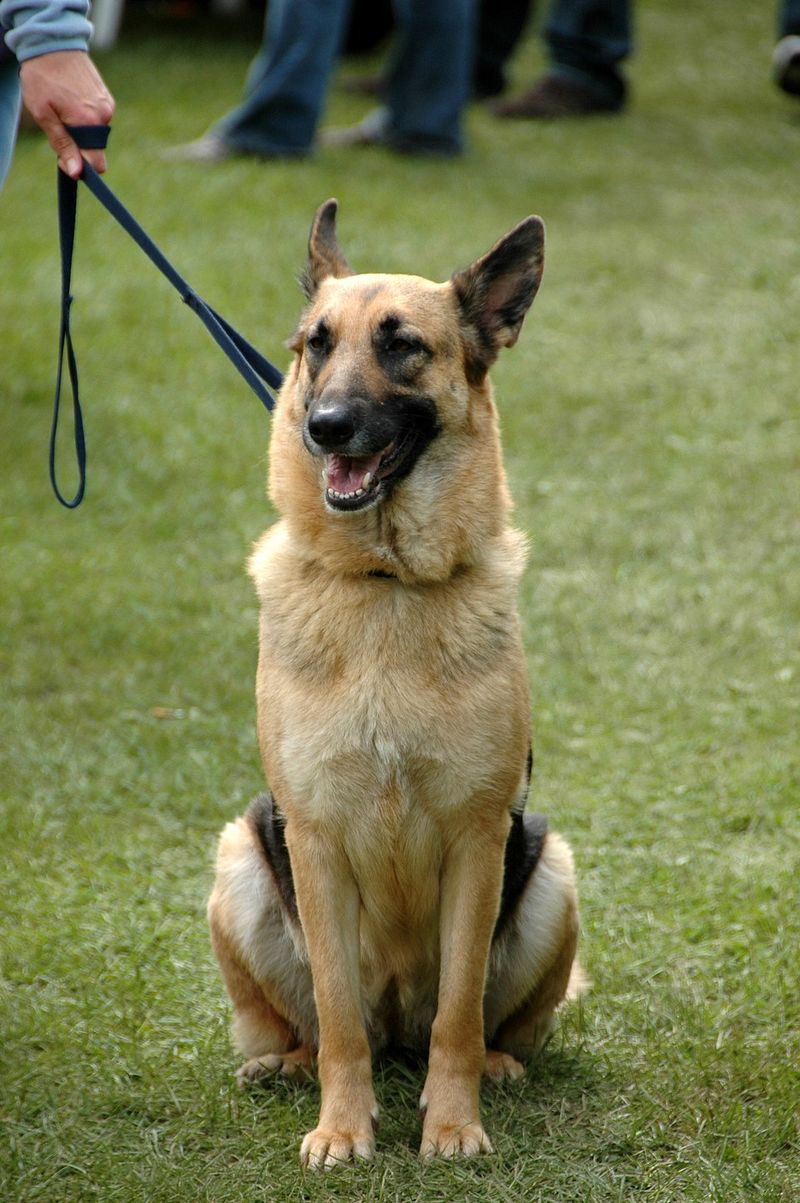
German Shepherds balance calm companionship with sharp awareness at night. They rest quietly but perk up fast to footfalls, distant voices, or shifting wind.
That measured alertness helps you sleep, knowing they will check first and escalate only if needed. Their loyalty combines with trainability, so boundaries and quiet cues stick.
In the yard, a German Shepherd will patrol methodically, nose working, ears rotating like antennae. Socialization keeps them friendly with neighbors while still reserving a deep, confident bark for real concerns.
You can practice lights out routines, place work, and silent recall to reinforce calm protection. With steady exercise and brain games, they unwind indoors, then switch on like a respectful guardian when darkness settles.
Great Pyrenees
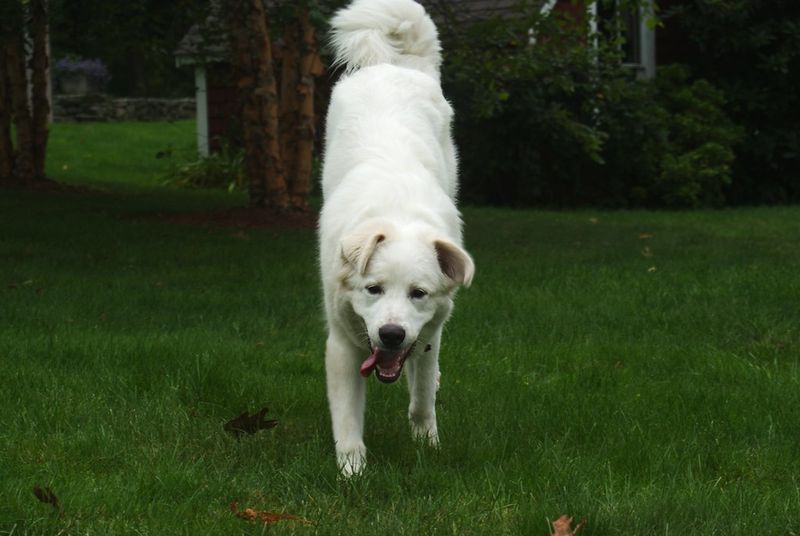
Great Pyrenees are famously gentle by day yet steadfast at night. Bred to watch flocks, they rest near the edges, sensing subtle changes in breeze and distant movement.
You get a calm housemate who rarely startles, but who will plant themselves between you and trouble without fuss. Their deep bark rolls out slowly, a layered warning that often stops problems before they reach the door.
Training focuses on reliable recall and polite greetings, since independence runs strong. Night walks feel safer with their steady pace and head on a swivel.
Keep grooming consistent, provide sturdy chew toys, and set clear perimeter rules. With patience and routine, you enjoy a guardian who naps through harmless noises yet rises with quiet certainty when something genuinely needs attention.
Anatolian Shepherd
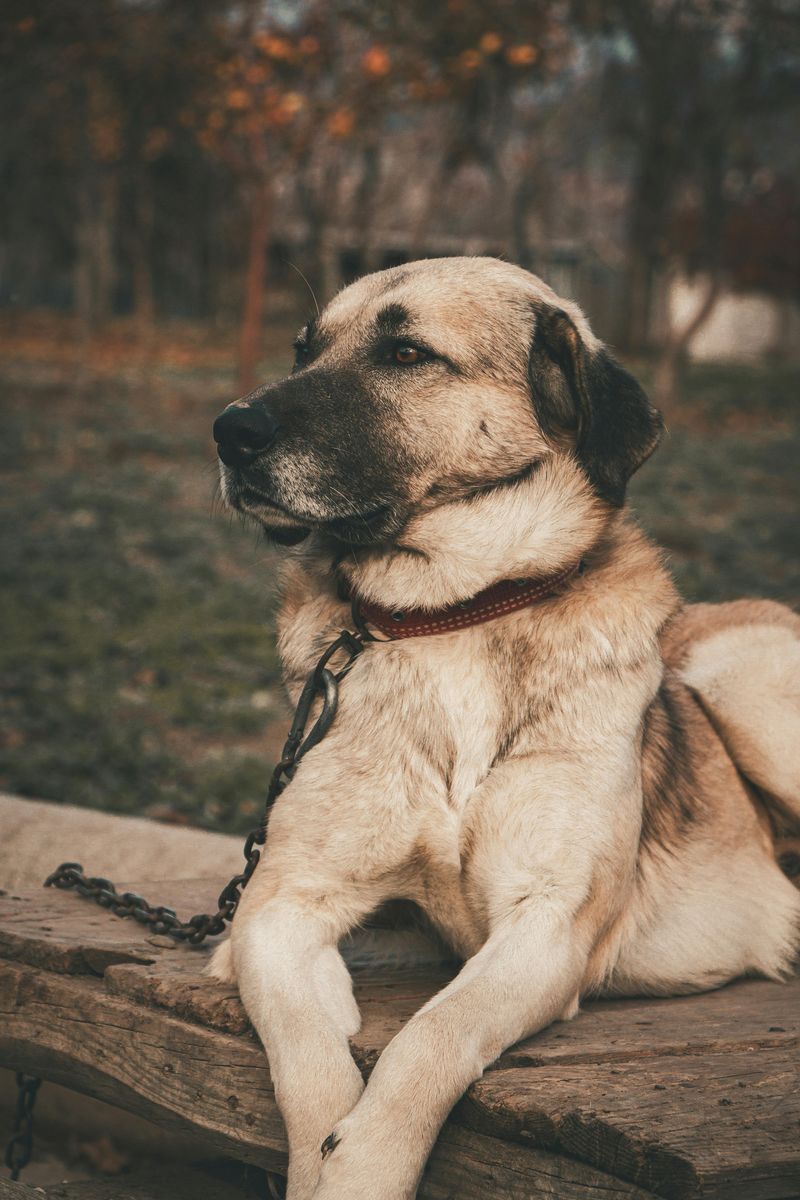
Anatolian Shepherds bring a calm, unflappable presence that shines after sunset. Their heritage on isolated ranges means long attention spans and sensible reactions to odd sounds.
You will notice them choosing vantage points, listening, then deciding if action is warranted. That judgment keeps nights peaceful, as they conserve energy and deliver a measured response only when circumstances cross a clear threshold.
Training should emphasize calm recalls, boundary work, and quiet alerts on cue. Nighttime yard time benefits from slow circuits and structured check ins so they return promptly.
Provide enrichment like scent games and steady exercise to meet their working brain needs. In return, you feel watched over by a thoughtful partner who does not startle easily and treats every dark hour like a job.
Rottweiler

Rottweilers project calm strength that feels reassuring when the neighborhood quiets. They relax with family, then become purposeful if an unusual car idles or a gate clicks.
You can count on a steady presence that checks, pauses, and only then decides to speak. Their bark is controlled and chesty, a signal that discourages testing while keeping adrenaline in check.
Consistency matters, so practice door manners, neutrality to late walkers, and rock solid recalls. Short night drills teach them to look, return, and settle on cue.
Provide durable chew outlets and routine exercise to mellow that powerful body. With those pieces in place, you feel secure without chaos, guided by a guardian who values order and stands firm when it truly counts.
Bullmastiff
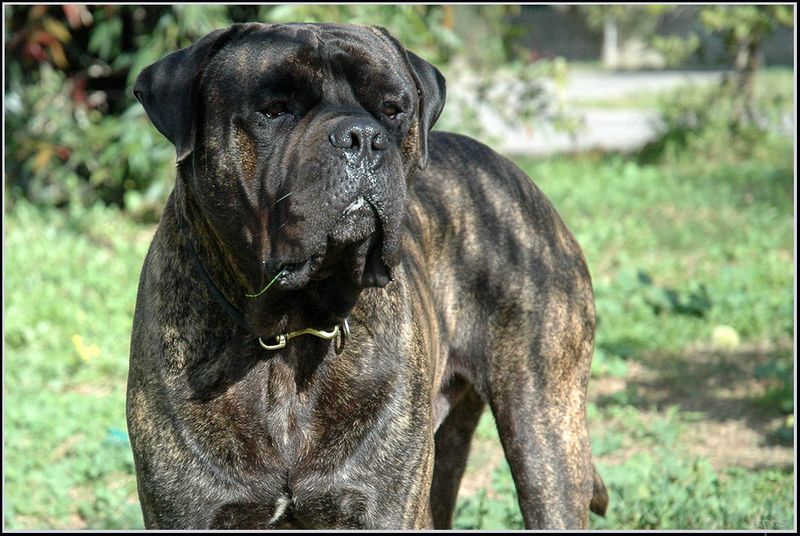
Bullmastiffs are famously quiet watchers who prefer presence over noise. They lounge like statues, conserving energy until something crosses a boundary.
You will notice soft repositioning, a slow stand, then a low rumble only if needed. Their bulk and composure alone deter nonsense, making nights feel settled even when critters skitter or a package drop lands late.
Training focuses on impulse control and silent check ins. Short perimeter walks before bed help them map scents and file away harmless changes.
Give joint friendly exercise, a supportive bed, and predictable routines. In exchange, you get a calm guardian who saves voice for real issues and stands like a wall between your family and anything questionable in the dark.
Newfoundland
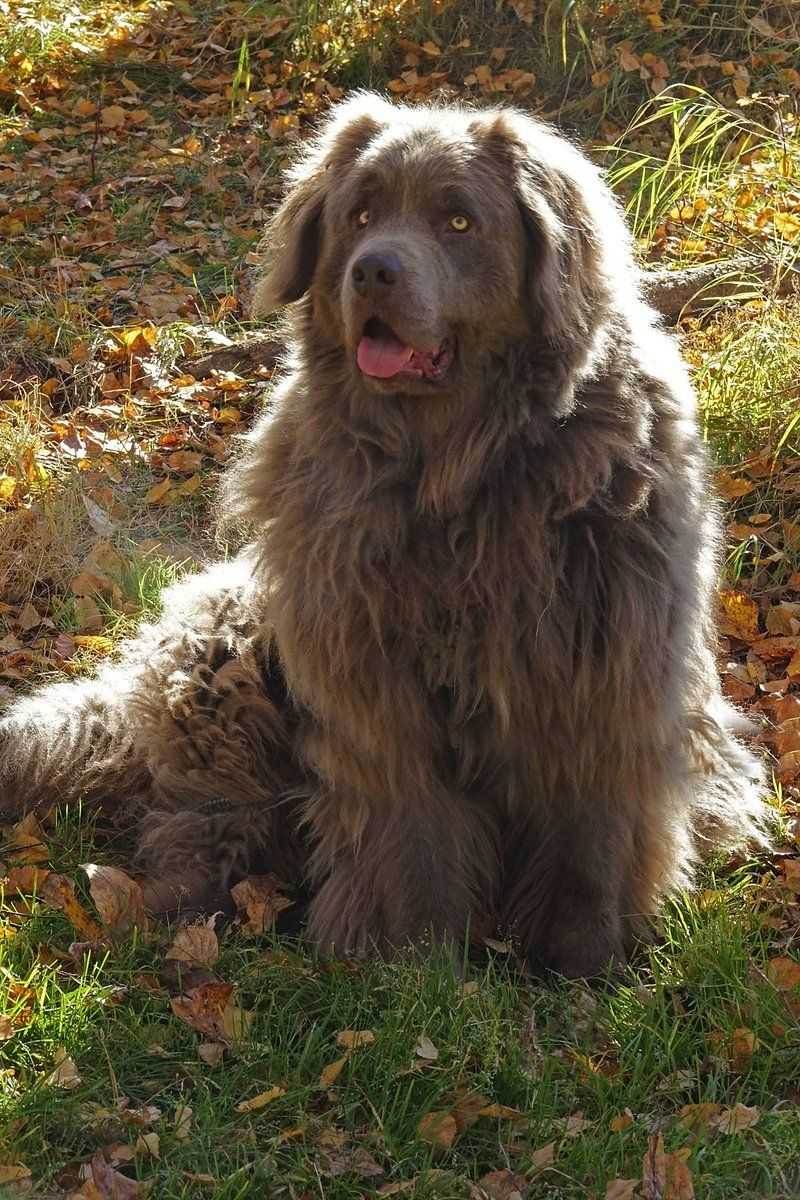
Newfoundlands bring soothing energy and a watchful, gentle heart. They are not prone to alarms, but they notice irregular patterns and step in with calm authority.
You feel that big presence settle the room, especially when windows rattle or a storm rolls by. Their bark is infrequent and thoughtful, more of a polite announcement than a challenge.
Focus training on cooperative leash work, friendly introductions, and solid stays. Nighttime comfort increases with cool floors, fresh water, and a tidy path to the door.
Add low impact exercise and swimming sessions to maintain joints. With care and routine, you sleep easier while a sweet natured guardian listens in the background, ready to move between you and worry without drama.
Boxer
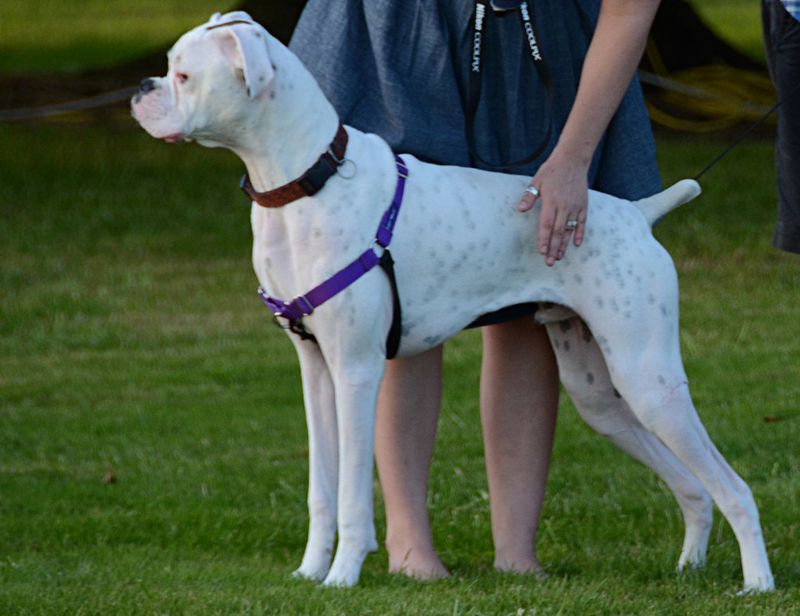
Boxers are playful clowns by day and steady sentinels by night. Under the wiggles lives a bold, people focused dog who notices patterns around your home.
When something feels off, they square up, watch, and give a short, meaningful bark. That quick shift from silly to serious helps you relax, knowing the next sound will get an honest evaluation.
Keep training light and fun while sharpening impulse control and door manners. Night drills might include alert then look to me, followed by a treat and release.
Provide cardio, brain puzzles, and a comfy crate or bed for smooth evenings. With routine, a Boxer becomes a cheerful guardian who makes nights feel safe without trading away their goofy charm.
Doberman Pinscher
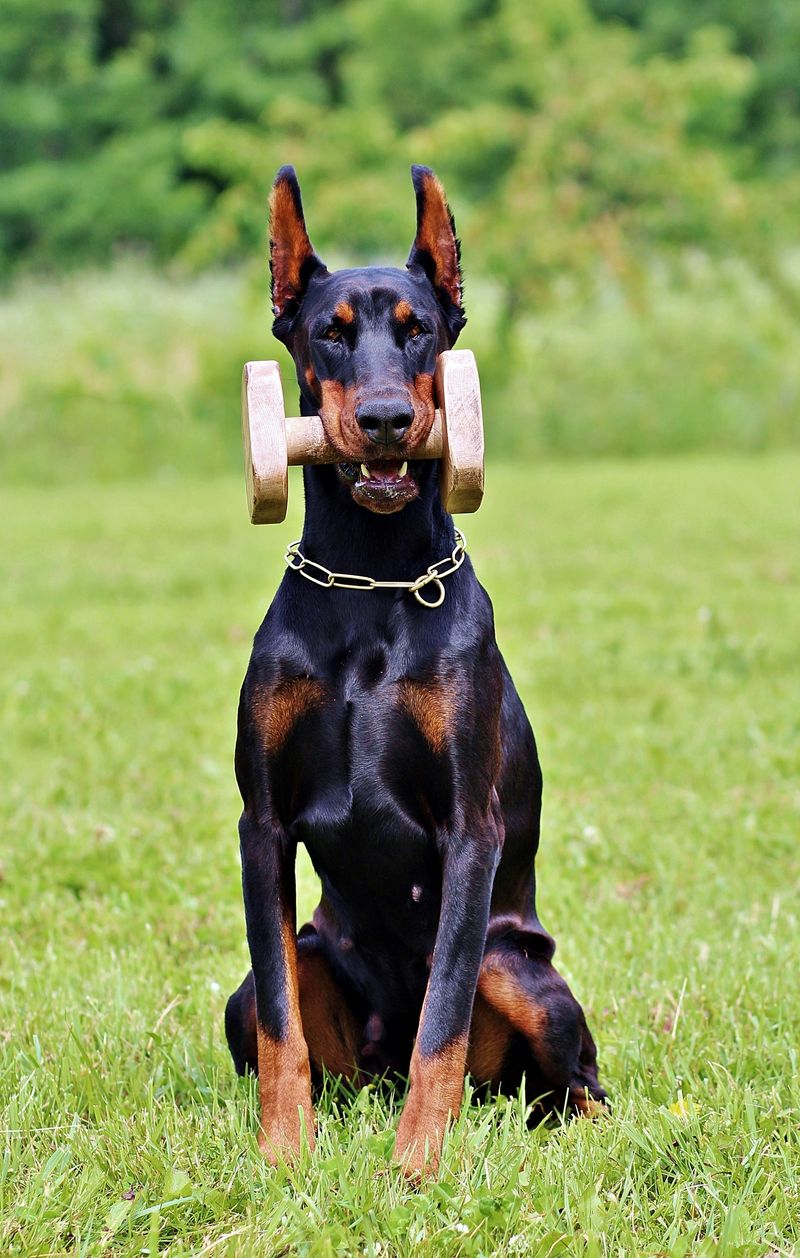
Dobermans are attentive, streamlined guardians built for awareness and partnership. At night, they settle near you, ears tuned to footsteps, small clicks, and cadence changes.
Instead of chaotic reactivity, you get a crisp look, a pause, and a decisive response if needed. Their confidence reads clearly, which often prevents problems from starting in the first place.
Training thrives on precision, calm heeling, quiet focus work, and rock solid recalls. Short, structured patrols of the yard teach pattern recognition and swift check ins.
Add cardio, scent games, and decompression walks to balance drive. With these habits, you feel protected by a sleek, polite guardian who conserves energy but acts promptly when a real concern crosses the line.
Akita
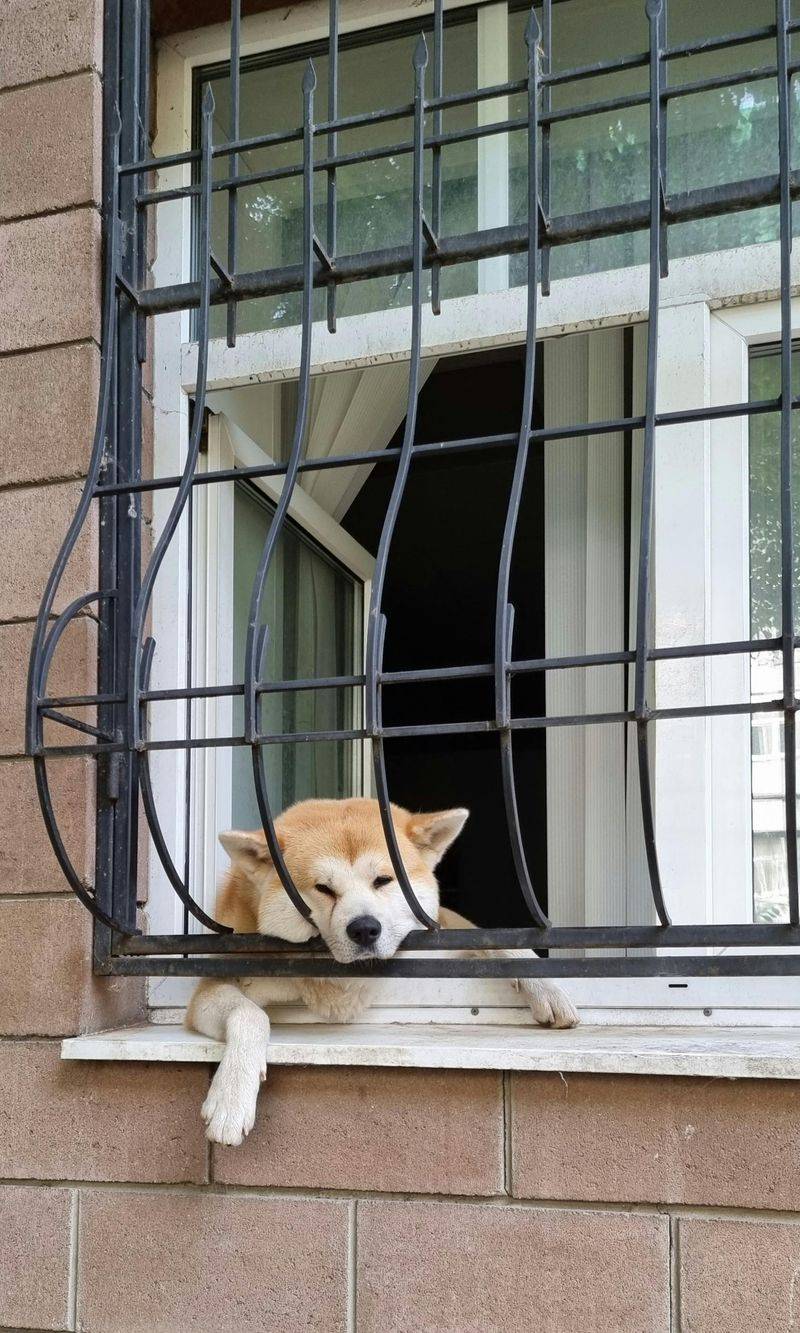
Akitas are dignified, catlike observers who prefer a calm, orderly home. At night they favor vantage points, scanning silently and conserving movement.
You will sense a composed presence that notices unfamiliar scents or changes in rhythm outside. When needed, they step forward with measured confidence, using posture first and voice only if a boundary is challenged.
Training should emphasize neutrality around strangers, rock solid recalls, and polite door routines. Night comfort improves with a defined resting spot and gentle check ins on cue.
Provide mental work, brisk walks, and grooming to keep them balanced. With respect for their independence, you gain a quiet sentinel who keeps watch faithfully and intervenes thoughtfully when darkness stirs the neighborhood.
Cane Corso
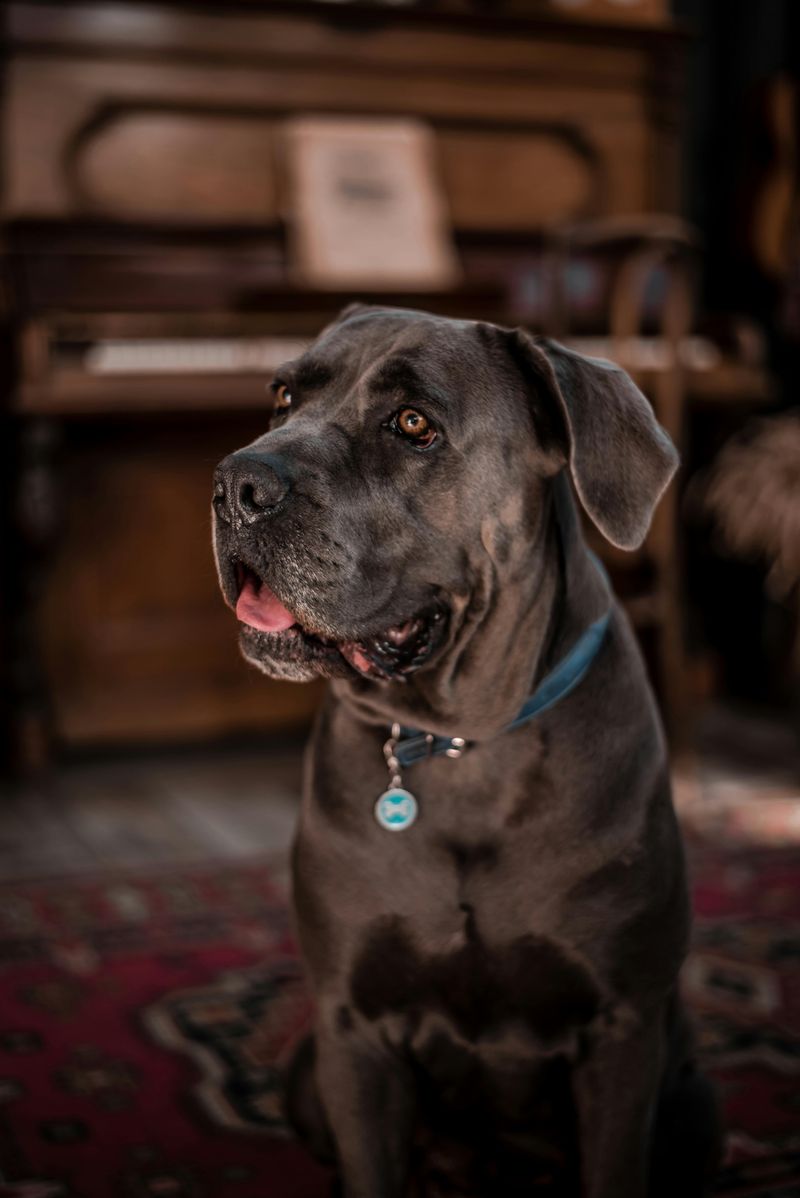
Cane Corsos pair steadiness with discerning judgment, especially after dark. They stay near family, observing calmly, then address genuine issues with composed strength.
You will notice controlled posture, focused eyes, and a brief pause before any bark. That self control keeps nights peaceful while still projecting a presence that discourages careless behavior around your property.
Training should prioritize neutrality to strangers, quiet alerts, and reliable leash work. Practice short night circuits, return to heel, and place to settle after investigating.
Provide structured exercise, chew outlets, and clarity in house rules. With thoughtful management, you feel anchored by a capable guardian who prefers calm solutions but stands immovable if a true threat appears outside at night.
Rhodesian Ridgeback

Rhodesian Ridgebacks are athletic, composed companions with a keen sense of territory. After dusk, they patrol lightly, ears flicking to faint rustles and air shifts.
You get a balanced dog who watches first, then chooses a quiet stance or a single decisive bark. Their confidence and speed discourage nonsense, yet their demeanor indoors stays warm and relaxed.
Training highlights loose leash skills, impulse control, and strong recalls across distractions. Night routines might include scent sweeps, a check in, and a return to bed on cue.
Provide running outlets and puzzle feeders to satisfy both body and brain. With enough structure, a Ridgeback becomes a chill night watch partner who takes action only when action is truly needed.
Bernese Mountain Dog
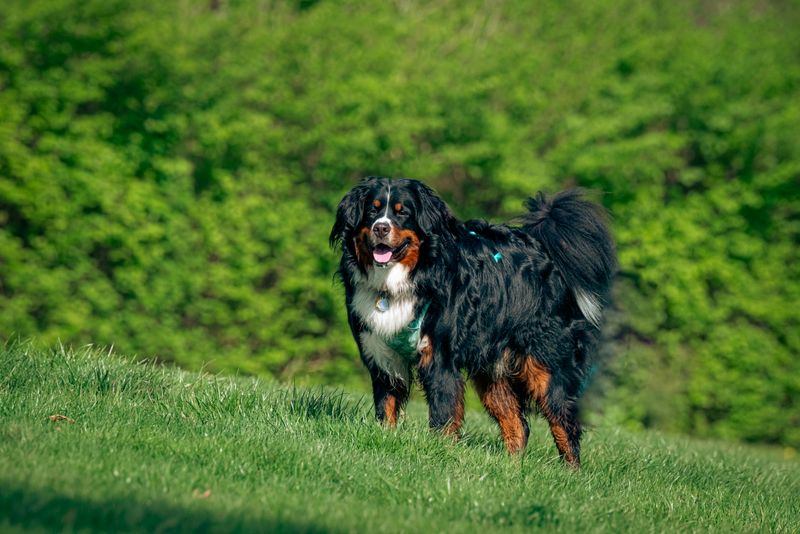
Bernese Mountain Dogs radiate kindness and steady nerves, especially in the quiet hours. They rarely overreact, but will rise and position themselves between you and a concern.
You will hear a deep, courteous bark that says I noticed, not I am frantic. That even temperament makes stormy nights and late deliveries feel manageable and calm.
Teach polite greetings, loose leash walking, and a go to place near your bed. Night routines benefit from brushed coats, tidy floors, and water nearby.
Offer joint appropriate exercise, cart work, or scent games for fulfillment. With affection and structure, you gain a gentle guardian who reads the room, stays patient, and offers presence first while keeping true threats at bay.