
When your dog suddenly starts licking the floor, it can feel random, but it might be telling you something important. From nausea and reflux to stress and boredom, this habit often points to an underlying issue that needs attention.
The good news is there are simple steps you can take to help your pup feel better fast. Let’s break down which breeds are most prone and how you can respond with confidence today.
Labrador Retriever
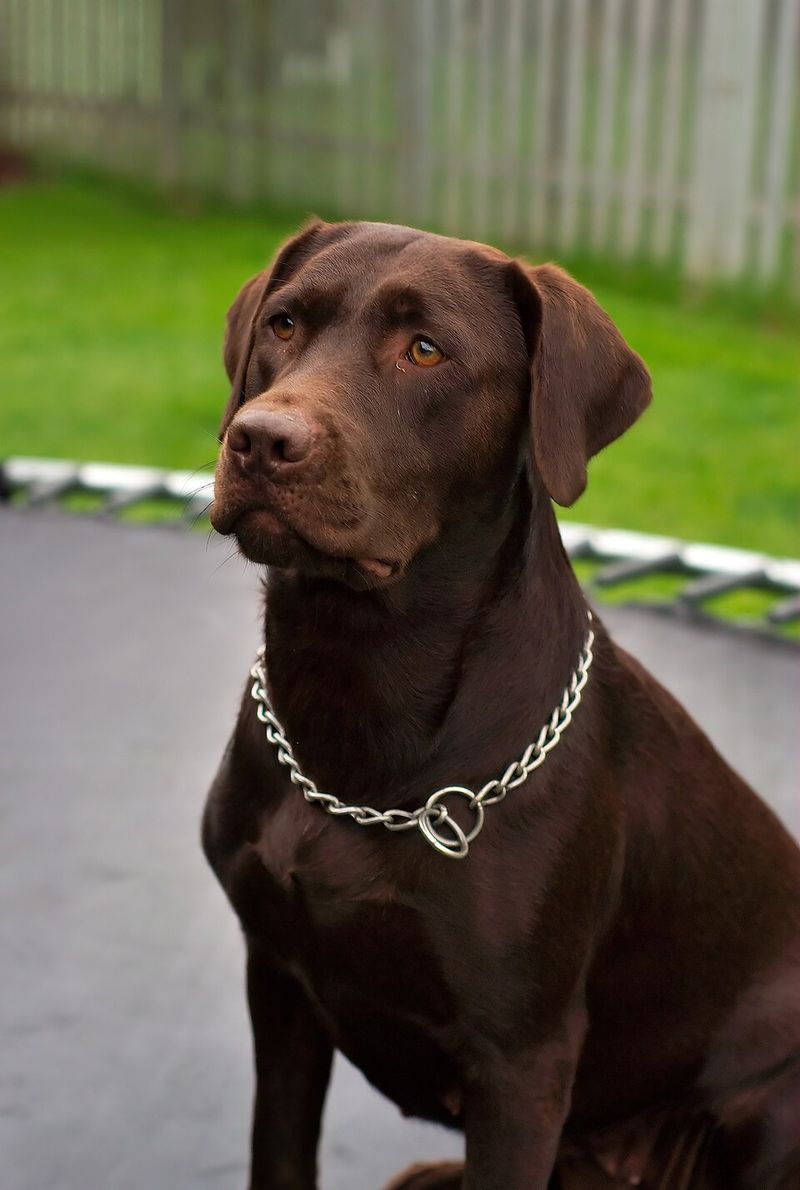
Labradors are food motivated, so floor licking can hint at nausea, acid reflux, or a scavenging habit you accidentally reinforced. When a Lab licks obsessively after meals, think dietary fat sensitivity, kibble that is too rich, or gulping air while eating.
You might also see licking during stress, like when visitors arrive or routines change.
Start by slowing meals with a puzzle bowl, offer smaller portions, and add a vet approved probiotic. If vomiting, grass eating, or lip smacking accompanies the behavior, schedule a gastrointestinal workup and rule out pancreatitis or gastritis.
Keep floors free of spilled food and residues, build calm pre meal rituals, and redirect with scent games. Consistent exercise helps regulate appetite and eases anxious energy levels.
Golden Retriever
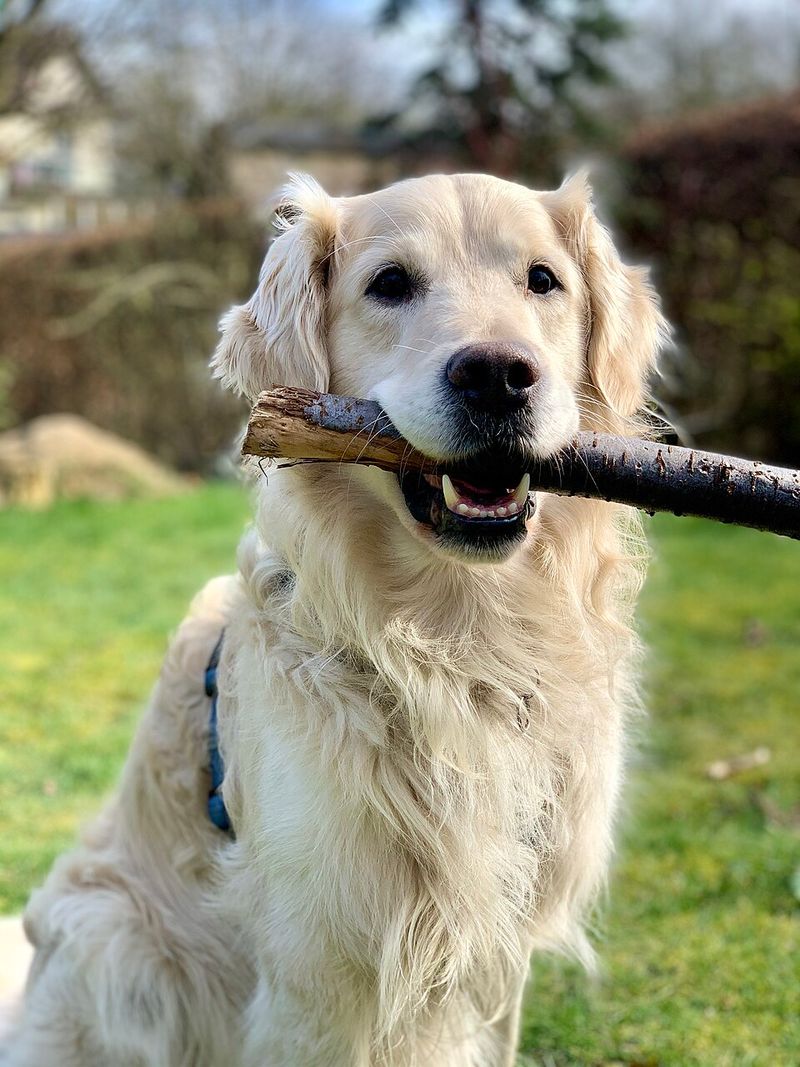
Golden Retrievers are sensitive souls, and floor licking often reflects nausea, anxiety, or attention seeking. Many Goldens have allergies that inflame the gut and skin, making them lick surfaces, paws, and lips.
Watch for patterns after rich treats, abrupt food switches, or car rides that trigger motion sickness.
Tighten routine, feed a simple diet, and consider a hydrolyzed trial under veterinary guidance. If licking pairs with gulping, drooling, or restless pacing at night, ask about reflux medication and bile acid issues.
Enrichment like sniff walks, frozen lick mats, and calm cuddles can satisfy that oral need without encouraging the habit. Keep floors clean, cue a settle on a mat, and reward quiet chewing with durable chews and gentle, consistent guidance.
Beagle
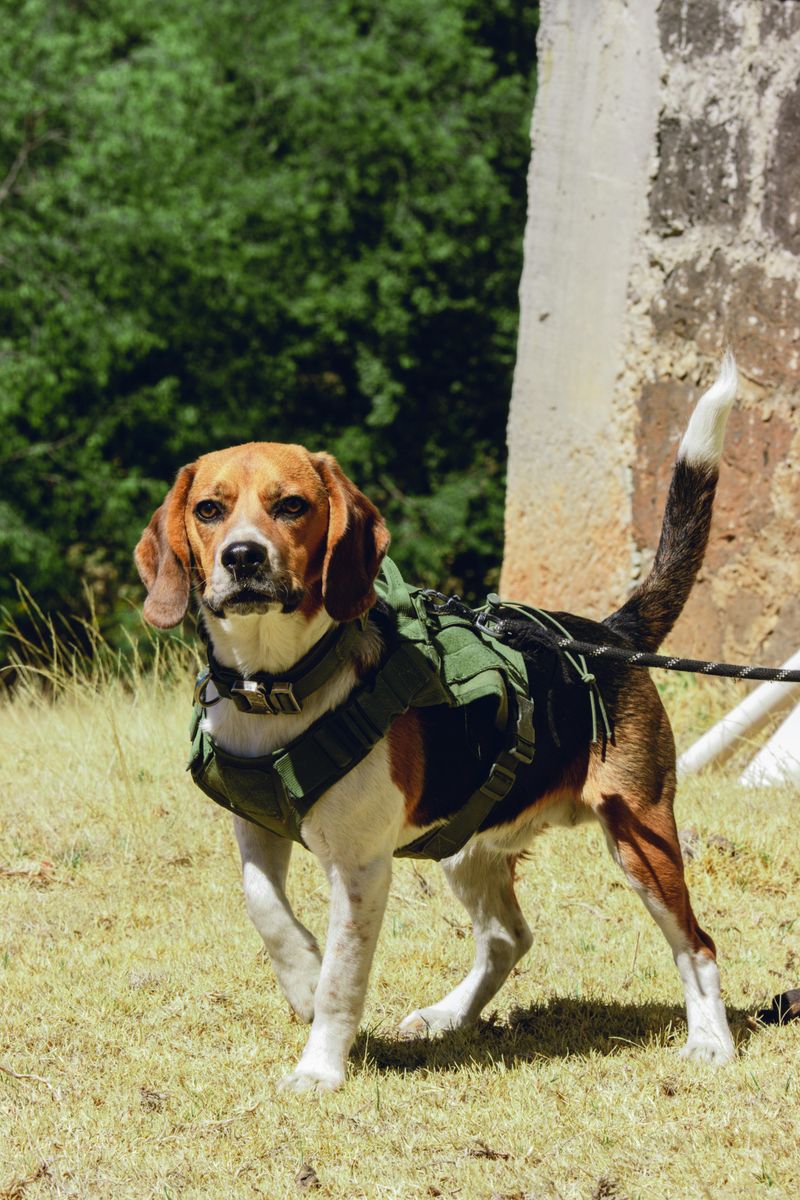
Beagles follow their noses, so floor licking may start as scent sampling and slide into compulsive repetition. It can also hint at nausea from fatty scraps, table surfing, or scavenged trash.
Excitement and frustration during downtime make many Beagles perform displacement behaviors like licking spots on tile or carpet.
Lock down counter surfing, use a slow feeder, and choose lean, steady meals. If belching, lip licking, or swallowing hard shows up, see the vet to screen for reflux, parasites, or pancreatitis.
Redirect with nose work boxes, long sniffy walks, and stuffed Kongs so that natural drive gets a job. Teach a settle cue, provide chew stations, and keep floors free of spills that bait obsessive sniffing and repetitive licking habits.
Dachshund

Dachshunds are clever diggers and worriers, and floor licking often appears when boredom, back discomfort, or nausea creeps in. Long backs mean subtle pain can raise stress hormones that spill into repetitive licking patterns.
Rich human food and speed eating also spark gulping air and queasy tummies in many Doxies.
Get a thorough exam if you see hunching, trembling, or difficulty jumping. Offer smaller, lower fat meals, elevate bowls carefully, and use a slow feeder to tame swallowing.
Calm enrichment like snuffle rugs, soft chew toys, and short training games helps replace the habit while protecting that delicate spine health. Avoid slick floors, manage weight, and ask your vet about pain control, gut support, and anxiety relief during flare ups.
French Bulldog

French Bulldogs often lick floors when gas, reflux, or food sensitivities make their bellies churn. Short snouts increase air swallowing, which can worsen nausea and prompt frantic licking and gulping.
Stress from noise or being left alone may also trigger displacement licking as they try to self soothe.
Shift to a simple, lower fat diet, feed frequent small meals, and slow the pace with puzzle bowls. If you notice retching, drooling, or restlessness at night, ask your vet about antacids and ruling out hiatal hernia.
Add calming routines, chew outlets, and quiet sniff games to meet needs without rewarding the behavior. Keep floors spotless, limit table scraps, and practice settle on a mat paired with gentle massage and reassuring guidance.
Bulldog
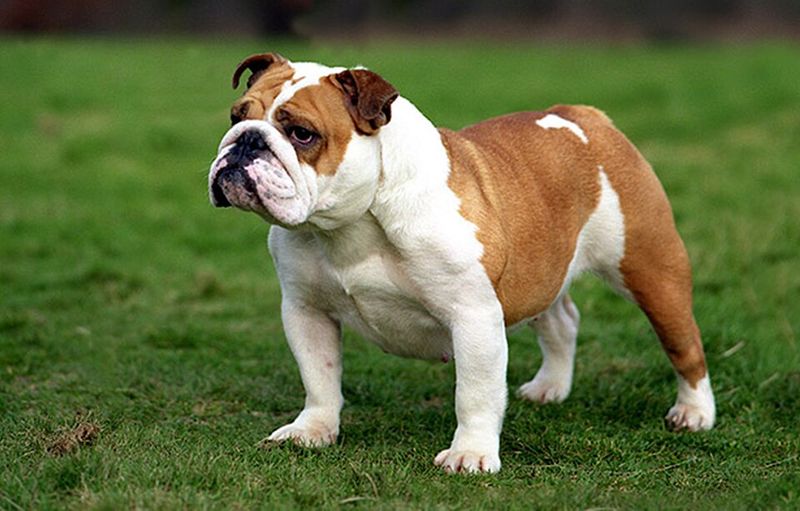
Bulldogs can be prone to gastrointestinal upset and floor licking, especially after rich meals or rapid eating. Their brachycephalic anatomy encourages air gulping that fuels reflux, belching, and anxious licking cycles.
Allergies and skin yeast can add itch and discomfort, further driving repetitive mouthy behaviors around the house.
Offer smaller, low fat meals, elevate bowls as advised, and use slow feeders to reduce aerophagia. Book a vet visit if you notice gagging, lip smacking, or pacing at night, because ulcers and esophagitis need treatment.
Provide cooling mats, gentle chew toys, and quiet routines to lower arousal and replace the licking habit. Keep floors clean, restrict fatty table leftovers, and reward calm settles on mats while you cook or host guests.
Pug
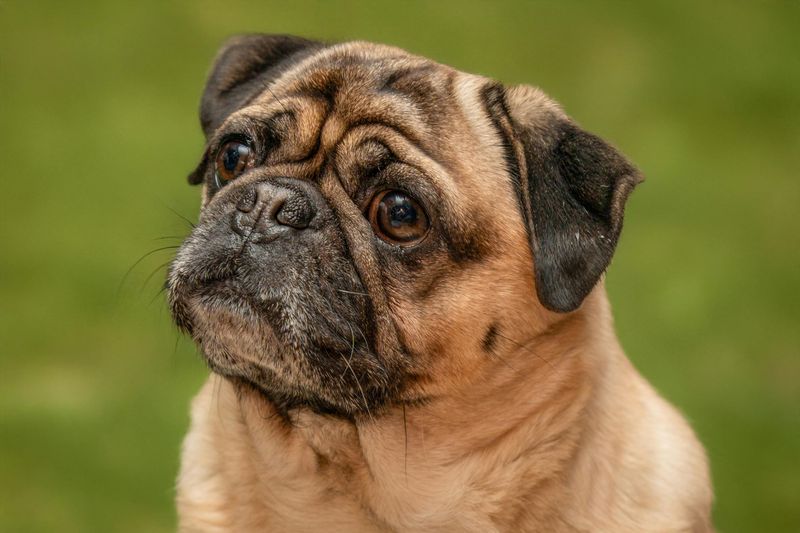
Pugs love routine, and floor licking can surface when their stomachs feel sour or their day gets chaotic. Air swallowing, reflux, and mild nausea often show up as frantic licking and hard swallowing.
Some Pugs learn that licking brings attention, so the behavior sneaks into quiet evenings and boredom.
Feed smaller meals, lower fat, and try a slow feeder to curb gulping. If you notice drooling, burping, or midnight restlessness, discuss antacids and diet trials with your vet.
Build soothing habits like gentle play, stuffed puzzles, and a comfy settle mat so needs get met without rehearsing licking. Keep floors spotless, manage table scraps carefully, and reward calm sniffing breaks during transitions like guests arriving or meals being prepared nearby.
Boxer

Boxers are high energy, and floor licking often appears when arousal, boredom, or gut upset collide. Sensitive stomachs can react to fatty foods, fast eating, or training treats that are too rich.
Anxiety during thunderstorms or alone time may also trigger repetitive licking and swallowing behaviors.
Use slow feeders, split meals, and pick simpler proteins while you assess tolerance. If you notice retching, drool strings, or pacing at night, ask your vet about reflux management and screening for pancreatitis.
Replace the habit with scent games, long decompression walks, and durable chews that let energy drain safely. Teach a strong settle cue, clean floors frequently, and interrupt early with a cue then reward quiet behavior before licking spirals further at home.
German Shepherd
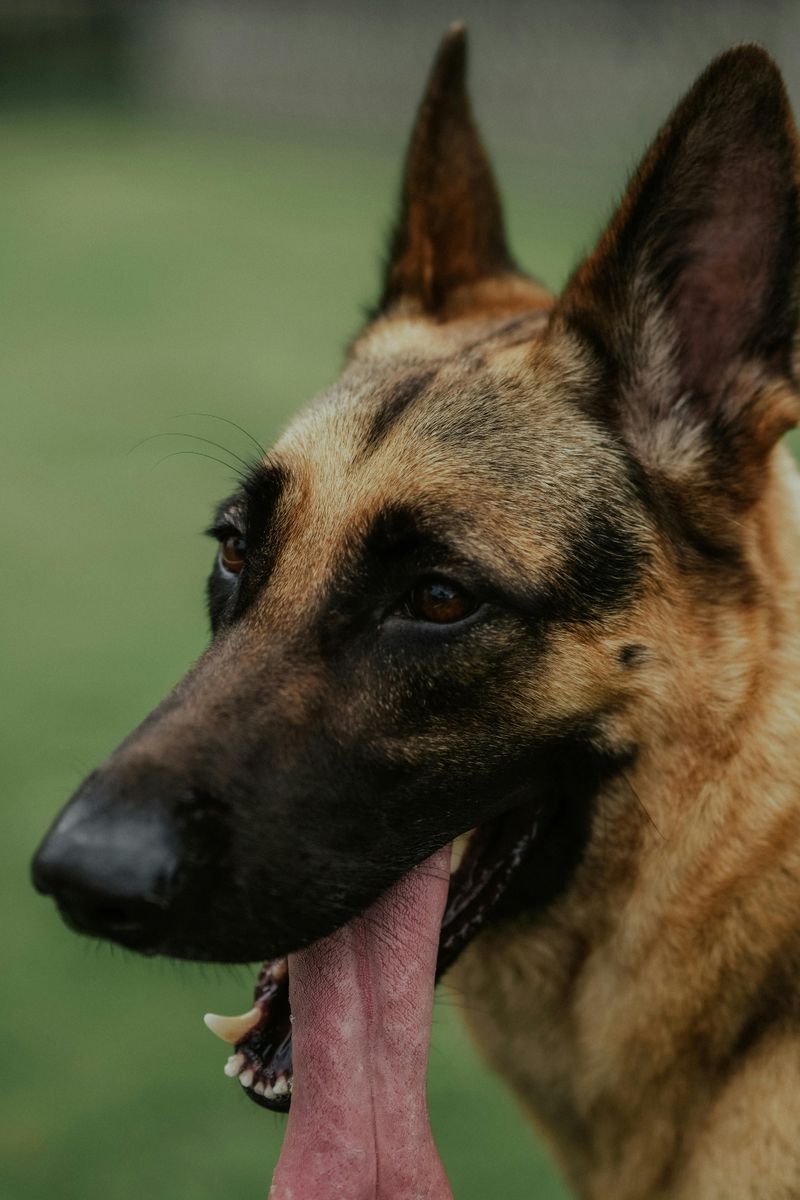
German Shepherds are intense workers, and floor licking may indicate stress, gut discomfort, or pain from orthopedic strain. These athletes often gulp food, swallow air, and develop reflux or gastritis that drives repetitive licking and gulping.
Anxiety during guardy moments or changes at home can push the behavior into habit.
Use slow feeders, structured routines, and balanced calories to keep their system steady. If you see drooling, hard swallowing, or nighttime pacing, schedule a veterinary check to rule out EPI, ulcers, and parasites.
Replace licking with tracking games, decompression hikes, and chew sessions that deliver work and relief. Teach calm place training, clean floors thoroughly, and reward quiet settle behaviors before stress peaks, using predictable cues and fair, consistent guidance.
Cavalier King Charles Spaniel
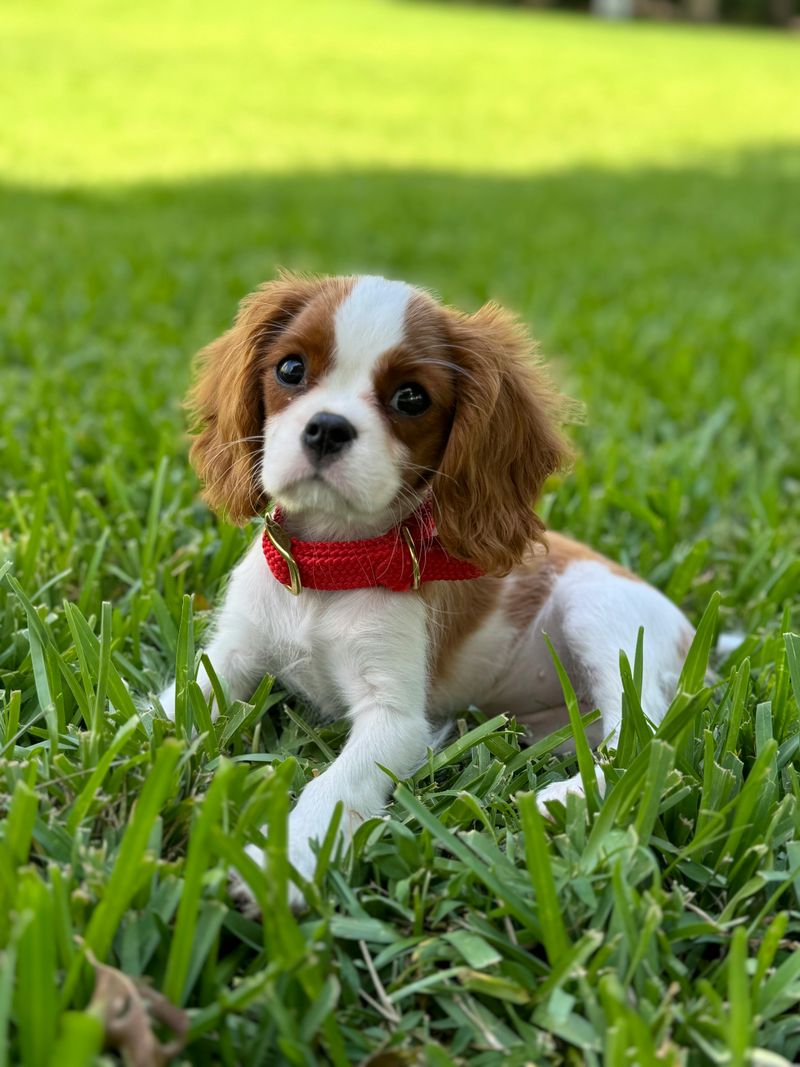
Cavaliers are affectionate companions, and floor licking can point to nausea, anxiety, or attention seeking when routines shift. Many have sensitive stomachs and can reflux after rich treats, sudden diet changes, or stressful outings.
Watch for patterns near bedtime, after excitement, or when you start getting ready to leave.
Stabilize schedules, offer smaller meals, and try a gentle, lower fat diet while you evaluate. If you notice lip smacking, gulping, or restlessness, ask your vet about reflux medication and heart screening given breed risks.
Meet needs with sniffy walks, lick mats used appropriately, and soothing cuddle sessions that do not reinforce licking. Keep floors tidy, redirect with a settle cue, and reward behaviors during departures and evenings to prevent rehearsal.