
Your dog smells the world in high definition, and everyday odors hit like headlines. Some scents make them sidestep, while others pull them in with wagging enthusiasm.
Learn which common smells to avoid around the house and which ones to use to your advantage. You will read the sniff signals better, and your home will feel calmer fast.
Citrus
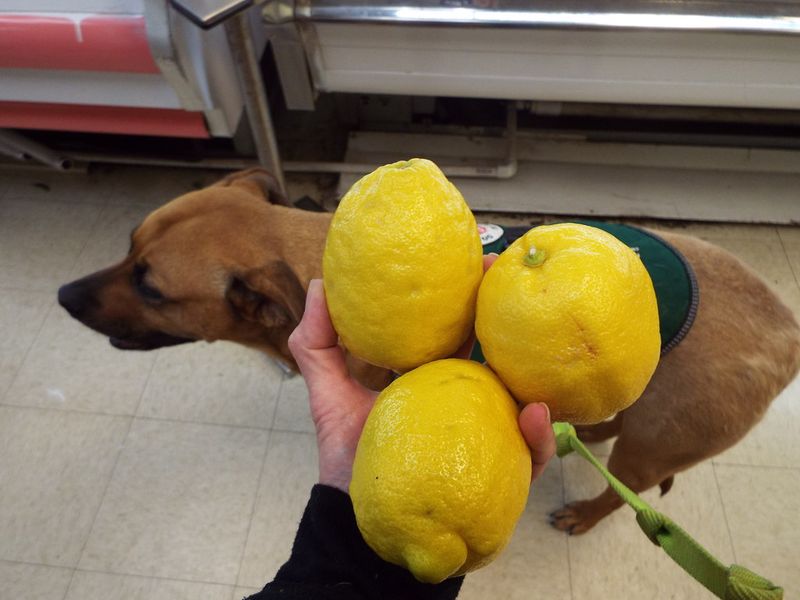
Citrus smells punch through a room like a neon sign, but most dogs would rather back away. The sharp oils from orange peels, lemons, and grapefruit can sting their sensitive noses.
If you have a pup that raids trash, sprinkling zest near the bin can gently convince them to steer clear. You will notice a quick sniff, a wrinkle, then a strategic retreat.
That does not mean citrus is dangerous when used sensibly. Avoid spraying concentrated oils on beds, toys, or food bowls.
A diluted cleaner on floors is usually fine if surfaces dry before paws return. When in doubt, ventilate the space, stash peels in sealed bags, and give your dog a calm, scent friendly zone.
Vinegar
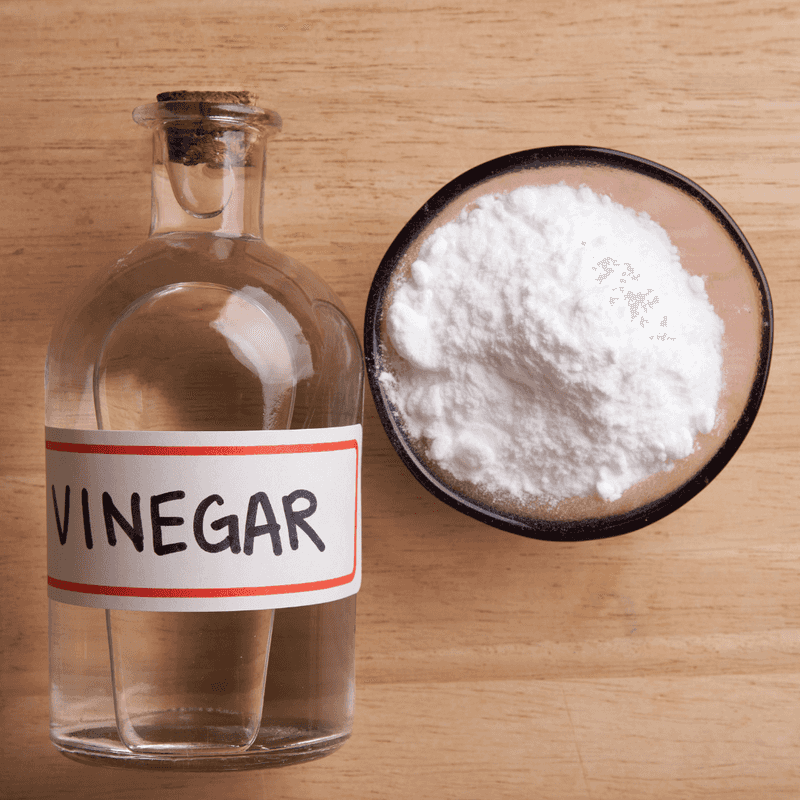
Vinegar carries a sour tang that dogs usually avoid on first sniff. The acetic acid is harmless when diluted, yet the aroma can overwhelm sensitive noses.
If you are protecting a carpet corner from marking, a light spray solution might discourage curious snouts. Expect a cautious approach, a quick recoil, and a look that says no thanks.
Use it thoughtfully around food areas. Strong puddles can linger and turn mealtimes into a battle.
Mix small amounts with warm water, test a spot, then wipe and ventilate. When training boundaries, pair the scent with praise for choosing another spot, so the message sticks without stress.
Open a window afterward to help everything reset. Your dog will relax faster in fresher air.
Ammonia
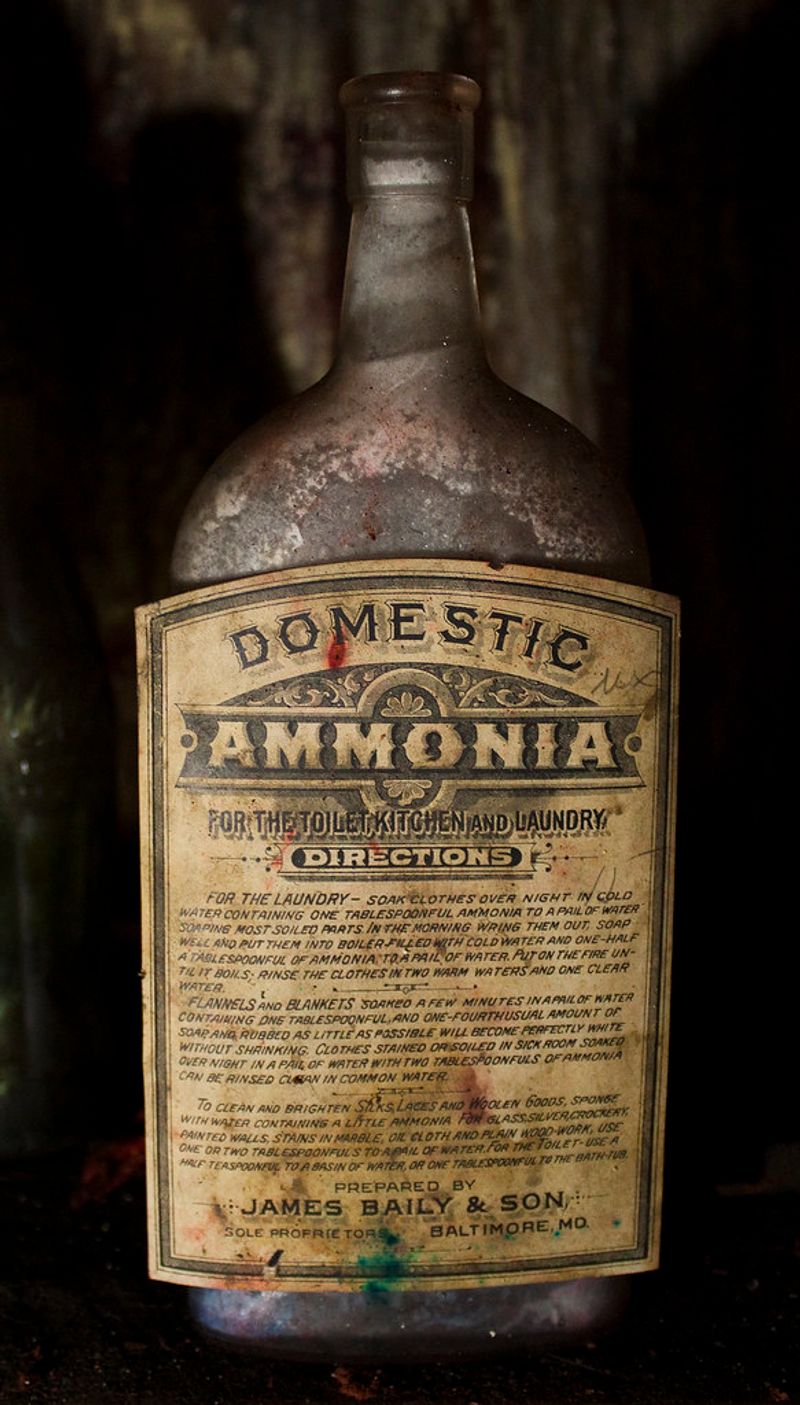
Ammonia hits like a harsh, nose prickling cloud that most dogs find offensive. Because it mimics certain urine markers, it can also confuse territory signals.
You might see sniffing, head turns, and quick avoidance when you mop with strong products. For sensitive pups, that sharpness can feel like standing beside a smoky grill.
If you need heavy cleaning, dilute more than the label suggests and rinse thoroughly. Never use ammonia on accident spots, since it may invite repeat marking.
Choose enzyme cleaners for pet messes, open windows, and let rooms dry fully. Clear communication, gentle routines, and fewer harsh smells help your dog feel safe and focused around the house.
A calmer nose often leads to better behavior.
Alcohol
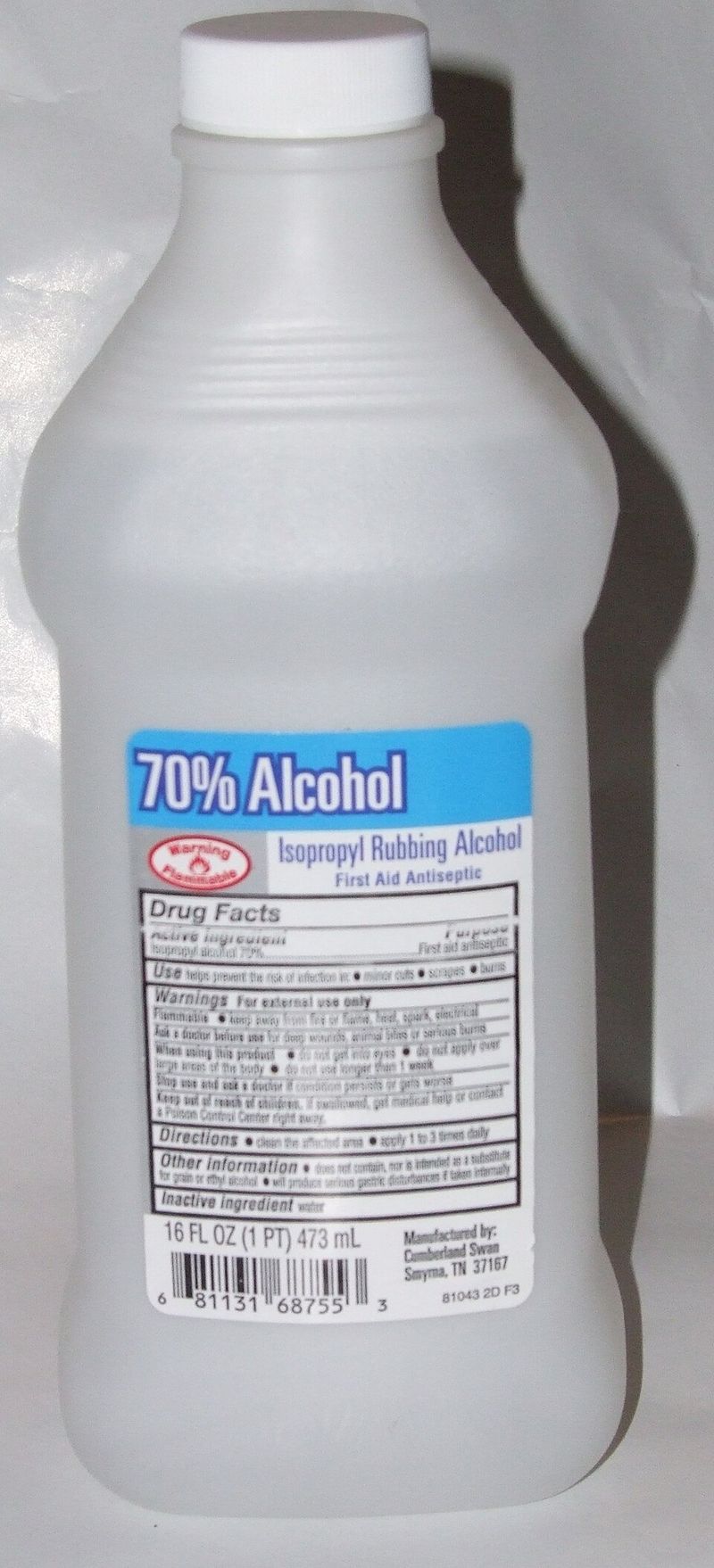
Rubbing alcohol, hand sanitizer, and strong spirits blast a sharp, medicinal note that dogs usually dodge. The fumes can feel icy in their sinuses, so they back away fast.
If you clean wounds or surfaces, give your pup space and time. You will often see a squint, a head turn, and a retreat to a safer corner.
Keep bottles capped, wipe spills quickly, and let air move through the room. Never apply alcohol on a pet without veterinary guidance.
For safer cleanup, use pet friendly wipes or warm water and mild soap when appropriate. A little planning protects their nose, protects your routine, and keeps peace in shared spaces.
Open windows and offer distance during drying.
Strong perfumes
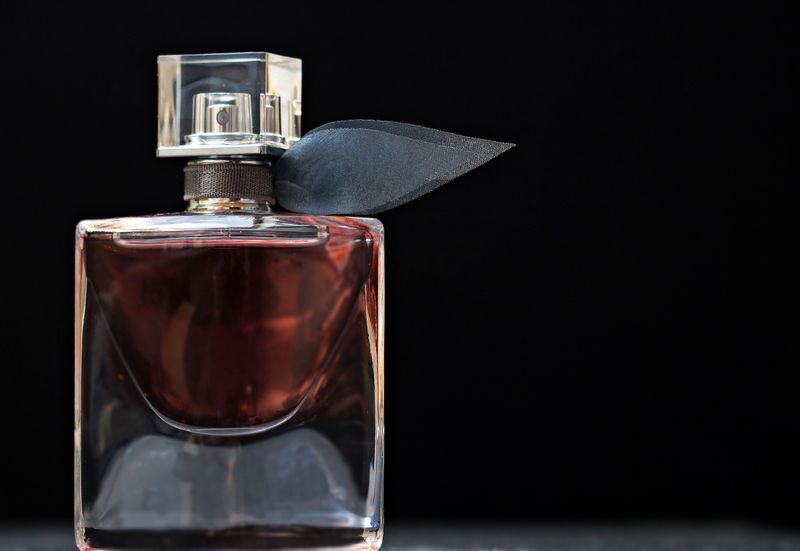
Big, floral perfumes might smell luxurious to you, but they can bulldoze a dog’s sensitive nose. Heavy musks, aldehydes, and powdery notes linger on fabric and skin.
After a spritz, you may notice your dog avoiding hugs or choosing the far side of the couch. Their message is clear enough without words.
If scent is part of your style, go lighter and spray away from shared spaces. Let fragrance settle outdoors, then come inside.
Unscented laundry soap and gentle body products help restore neutral ground. Your bond feels warmer when your signature scent whispers instead of shouts.
Give your dog a scent free zone like a bed or crate. They will thank you by relaxing closer.
Cleaning chemicals
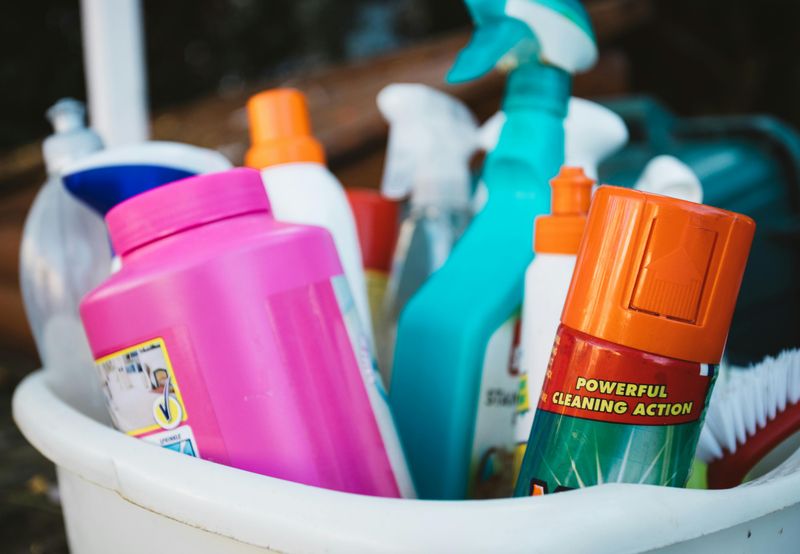
Many household cleaners combine solvents, surfactants, and bright fragrances that overwhelm canine noses. Even if you like the crisp scent, your dog may read it as a warning.
Expect sniffing at the doorway, hesitation, and a sidestep around freshly mopped tiles. The smell signals loud territory that does not belong to them.
Choose pet safe formulas, dilute more, and rinse high traffic spots. Vent fans, crack windows, and allow thorough drying before paws explore.
For crates and bowls, favor mild soap and hot water. A quieter cleaning routine keeps your place sanitary and your dog confident about staying near you.
Store strong products high, sealed, and out of curious reach. Clear labels prevent mix ups when you are in a rush.
Chili peppers
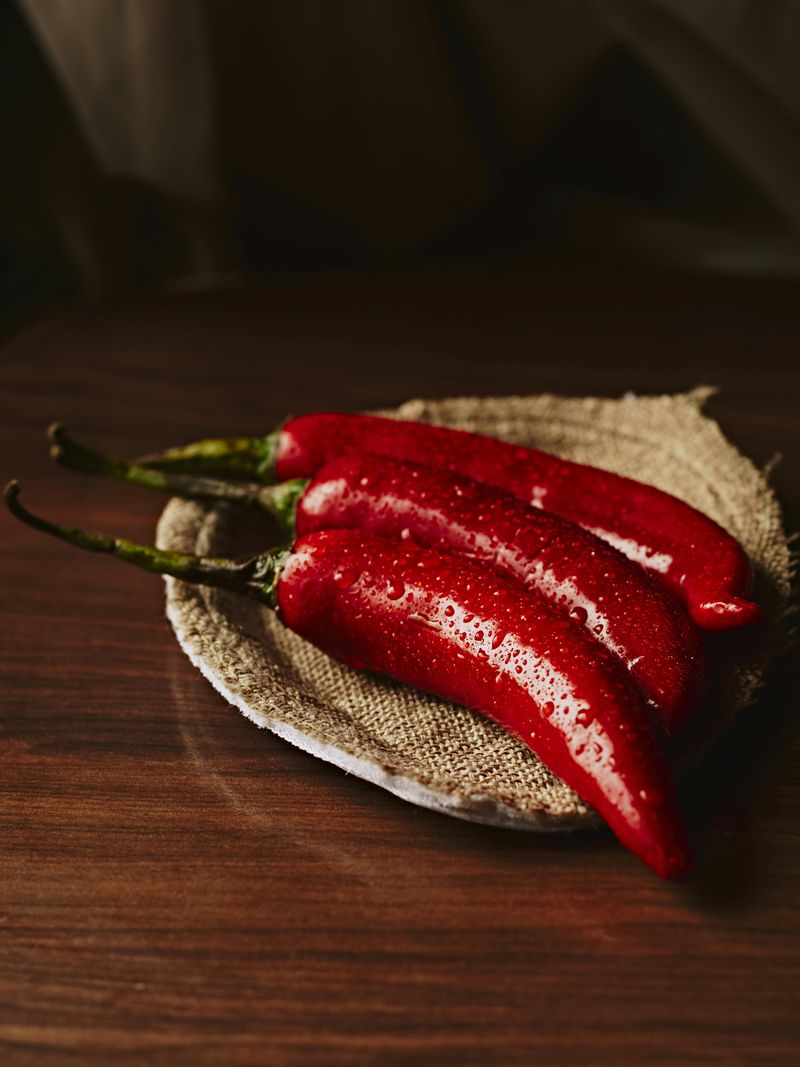
Chili peppers fire off capsaicin, which triggers heat receptors in a dog’s nose and eyes. Even airborne dust can make them squint and sneeze.
If you cook spicy food, expect a cautious distance and hopeful begging to pause. The kitchen soundtrack might include sniffs, head tilts, and strategic floor naps far away.
Avoid using chili based deterrents on lawns or leashes, since irritation is real. Wipe counters carefully, wash hands, and keep powders sealed tight.
If a curious snout gets too close, offer fresh air and cool water. Comfort first, then training, so your dog learns boundaries without feeling punished by pain.
Gentle cues work better than spicy surprises. Keep treats mild during lessons for clearer focus.
Mothballs
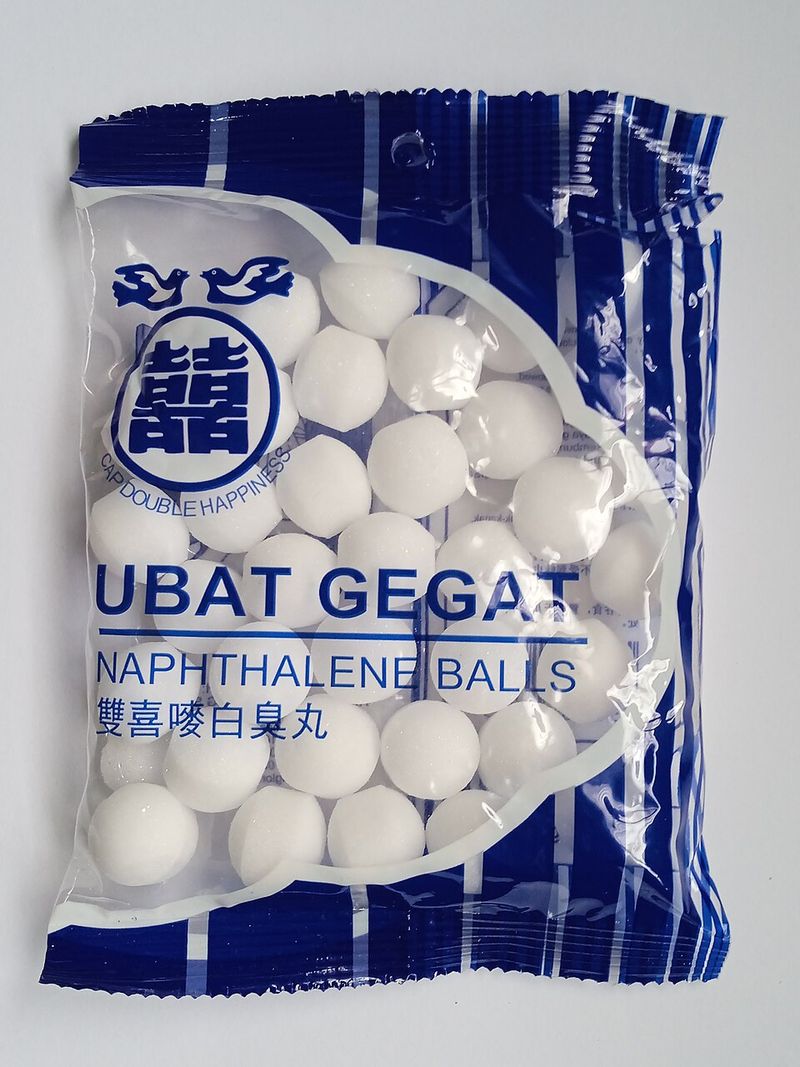
Mothballs release strong vapors that smell medicinal and bitter to most dogs. The odor clings to closets and storage bins, announcing keep out before paws even approach.
Curious pets may nudge, then recoil with a visible grimace. That reaction is helpful, but the product itself can be toxic if ingested.
Skip mothballs in pet areas and choose cedar blocks or airtight containers instead. Store seasonal clothes in sealed bins and lift them to higher shelves.
If you inherit that scent, air items outdoors until the bite softens. Safety grows when the warning smell is gone and temptation is removed altogether.
Call your vet immediately if a pet chews or swallows one. Quick action can prevent serious harm.
Nail polish remover
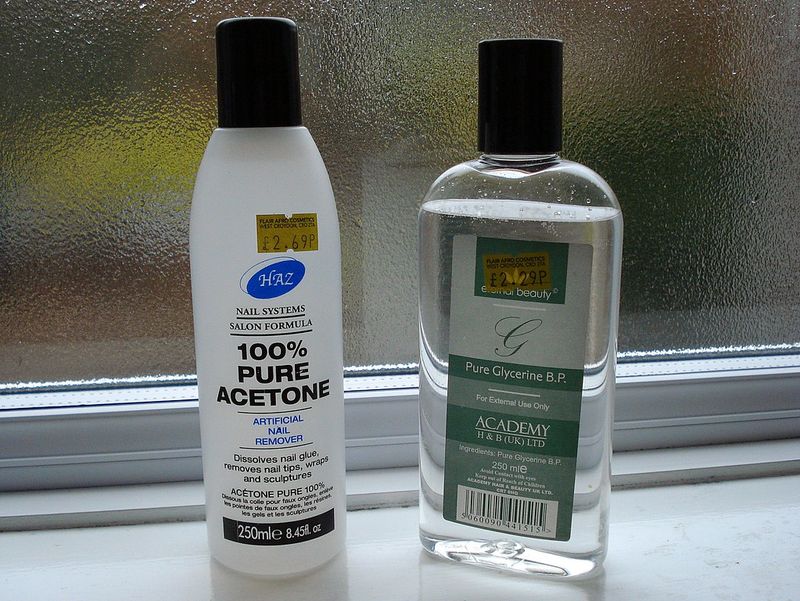
Nail polish remover smells sharp, sweet, and solvent heavy, which sends many dogs trotting away. Acetone vapors spread quickly in small rooms.
If you do home manicures, crack a window and keep curious noses off the table. A short break outside gives everyone breathing room.
Spills can melt finishes and irritate skin, so work over easy to clean surfaces. Close bottles promptly and stash cotton pads in a sealed bag.
Do not wave your hands for a quick dry near a pet’s face. Gentle distance, fresh air, and patience keep grooming time peaceful for both of you.
Wash hands before offering treats or touching toys. Leftover residue can bother sensitive sniffers.
A little care goes a long way.
Essential oils
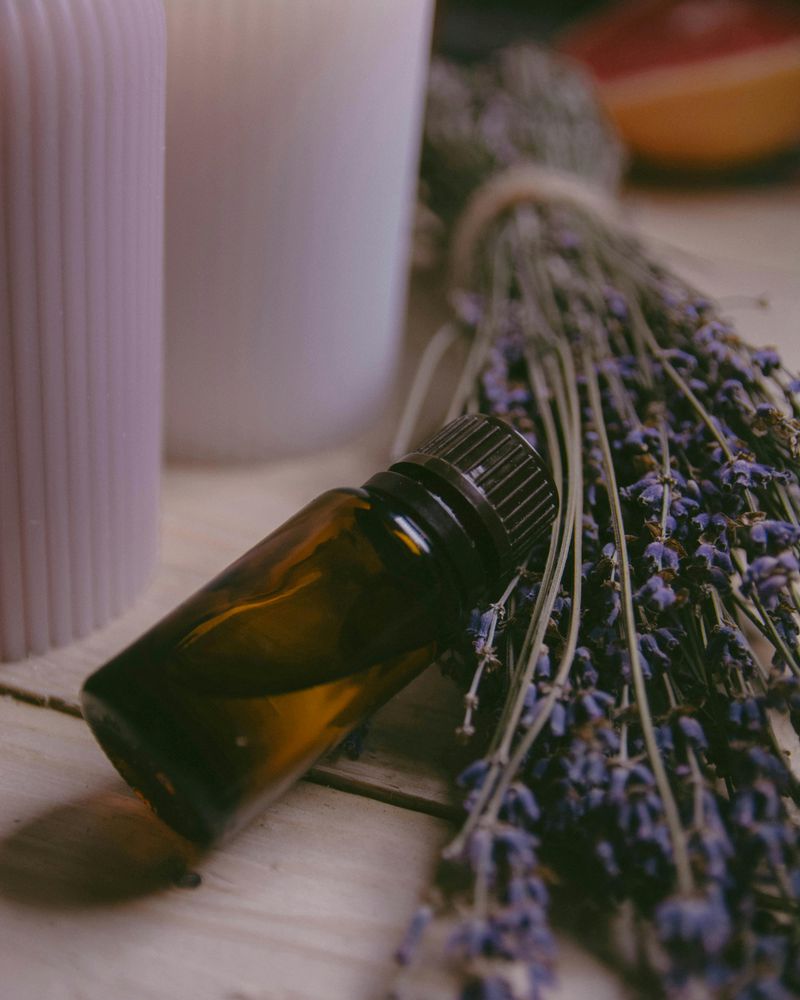
Essential oils may smell earthy or refreshing to you, but many are far too strong for dogs. Diffusers fill rooms with concentrated compounds that stick to fur and beds.
You might notice pacing or avoidance when a new blend runs. Even calming scents can feel bossy to a superpowered nose.
Research pet safety before diffusing, and skip tea tree, eucalyptus, and clove around dogs. Keep bottles capped, wipe spills, and ventilate well.
If you love aromas, choose the smallest setting and give your dog an exit. Comfort beats consistency here, so let their behavior guide your scent choices.
Ask your vet if a particular blend is appropriate. Stop diffusing at the first sign of stress.
Cooked meat
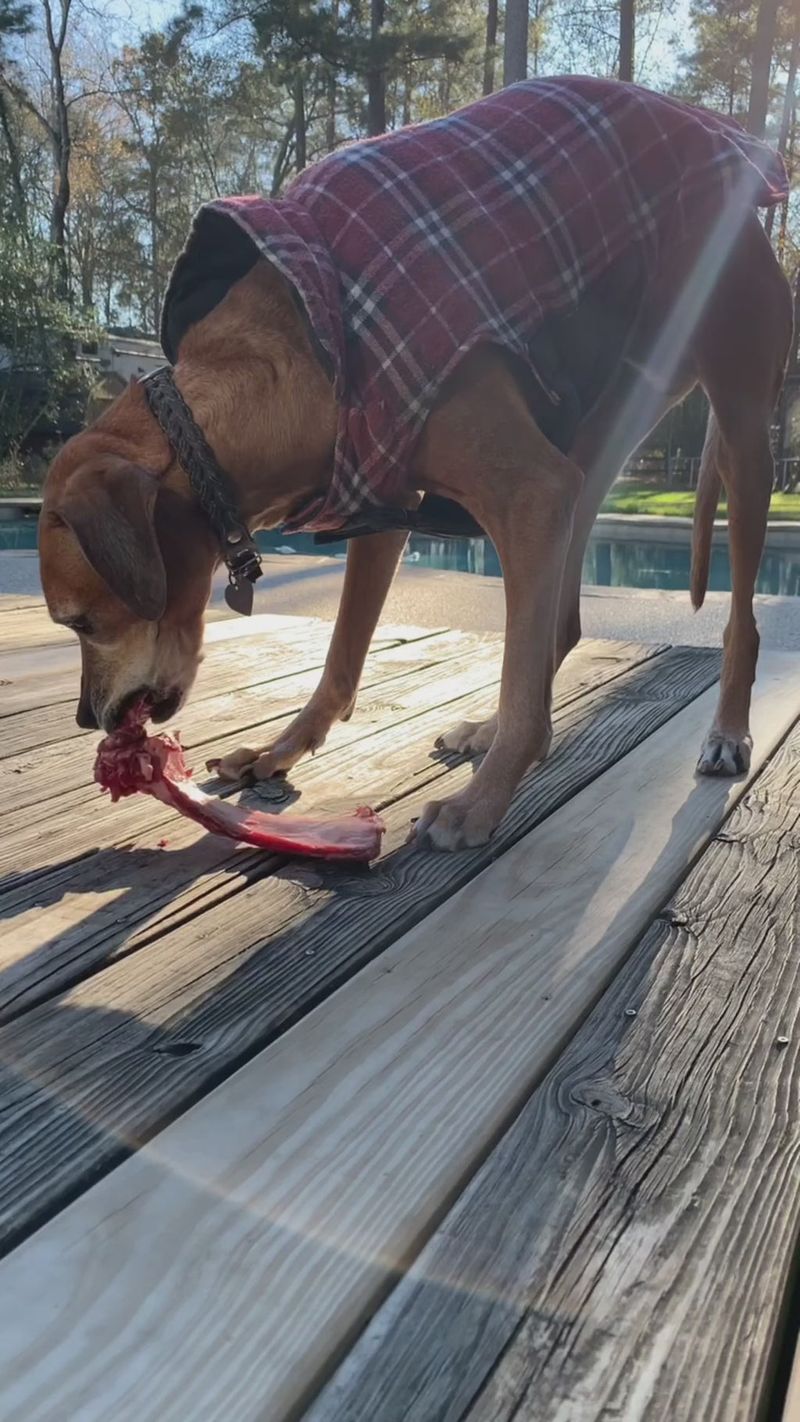
Cooked meat smells like a party invitation to most dogs. Browning proteins release savory compounds that float through the house and straight to eager noses.
You will probably spot hopeful eyes, polite sits, and very focused listening. Even leftovers cooling on the counter turn into headline news.
Use that enthusiasm for training by reserving tiny, lean bites as special rewards. Keep seasonings simple and avoid onions, garlic, or too much fat.
A warm kitchen becomes a classroom when timing is right and treats are measured. Satisfy curiosity with safe tastes, then store the rest so manners stay strong.
Always check the recipe for dog safe ingredients. Small portions keep tummies happy while motivation stays high.
Peanut butter
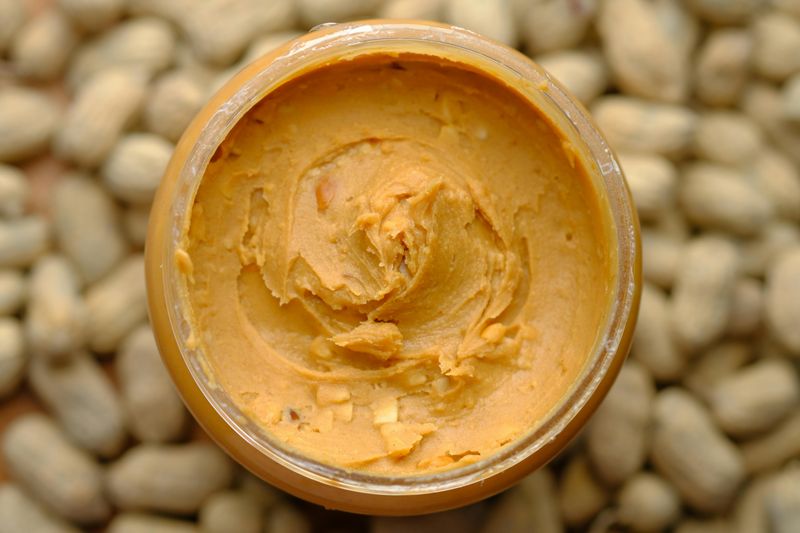
Peanut butter brings roasted, nutty warmth that many dogs adore. The thick texture slows licking, turning snack time into a focused activity.
You can tuck a spoonful into a puzzle toy and watch the joy unfold. Suddenly, a rainy afternoon feels productive and peaceful.
Choose xylitol free jars, read labels, and keep portions modest. A pea sized smear goes far in training without overloading calories.
Spread a thin layer on a lick mat during nail trims or baths. With smart use, this simple spread becomes your secret weapon for calm cooperation.
Store the jar out of reach to prevent counter surfing. Offer water afterward because it can be sticky.
Test a tiny taste first if your dog has food sensitivities.
Familiar human scent
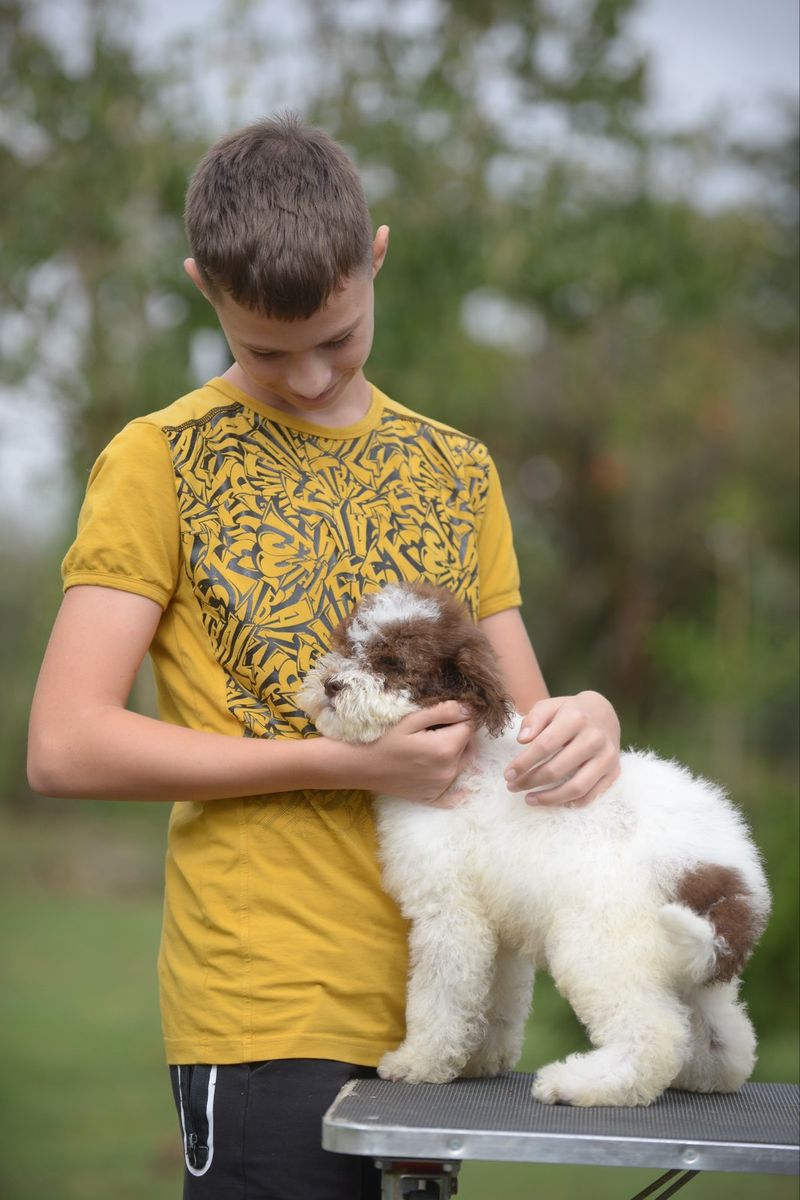
Your familiar scent is a comfort blanket your dog never outgrows. Worn T shirts, blankets, and pillowcases carry a signature bouquet of home.
When you leave, that smell anchors routine and eases separation. It tells them you are coming back.
Use it kindly by placing a used shirt in the crate or bed during tough weeks. Avoid heavy perfumes so your natural smell stays readable.
Rotate items so they remain reassuring without turning stale. A little of you goes a long way toward calmer naps and relaxed afternoons.
This gentle bridge can help puppies settle in new homes. It also steadies seniors who worry when routines change.
Keep a travel blanket for vet visits to lower stress.
Fresh grass
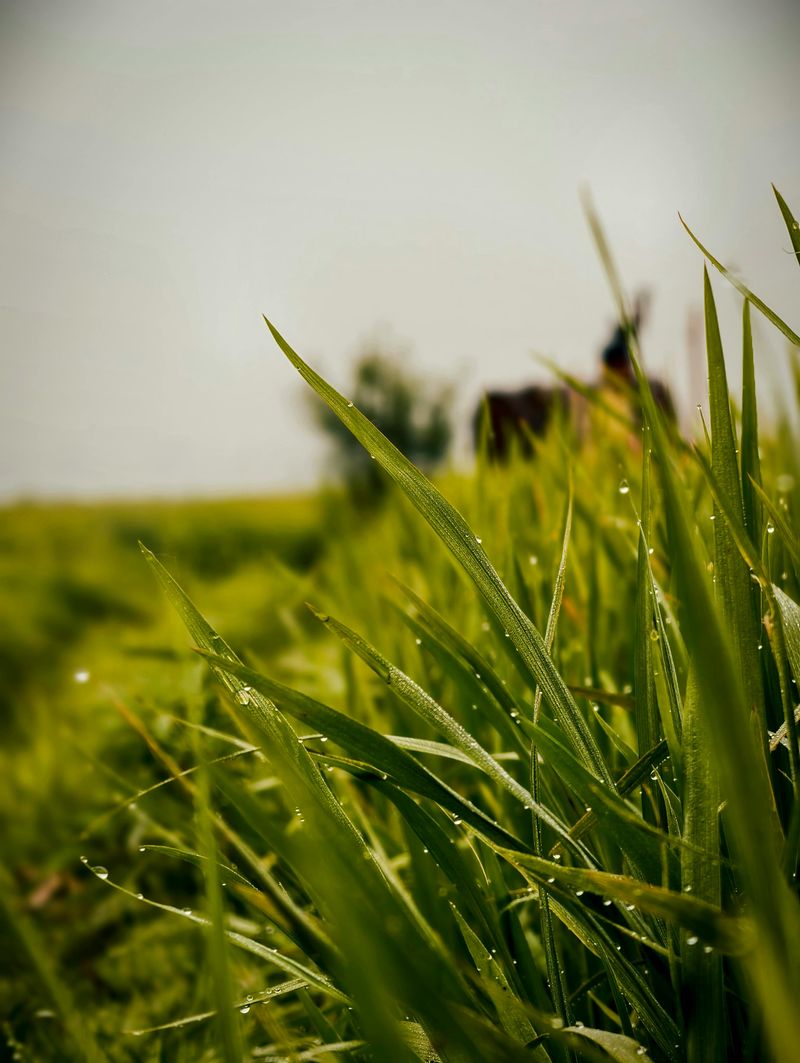
Fresh cut grass smells like adventure to many dogs. It holds green, slightly sweet notes that promise rolling, zoomies, and long sniffs.
You will see tails rise and steps quicken when the yard is mowed. Sunshine and chlorophyll make a happy pairing.
Enjoy the moment, but watch for fertilizers or sharp clippings. Rinse paws after play to keep allergens from hitching a ride indoors.
Offer water and shade, then give a comfy spot for a post romp nap. Balanced play turns a simple lawn into your dog’s favorite retreat.
If sensitivities appear, wait for dew or hose down dust. Short sessions protect paws on hot days and rough turf.
A picnic blanket can mark a gentle rest zone between zooms.