Retractable leashes stir strong opinions, and for good reason. Used well, they can add freedom, but mistakes happen fast with powerful or impulsive dogs.
Before you clip in, it helps to know which breeds spark the most debate and why. Let’s break down the real world pros, cons, and safer handling choices so you can walk with confidence.
Siberian Husky
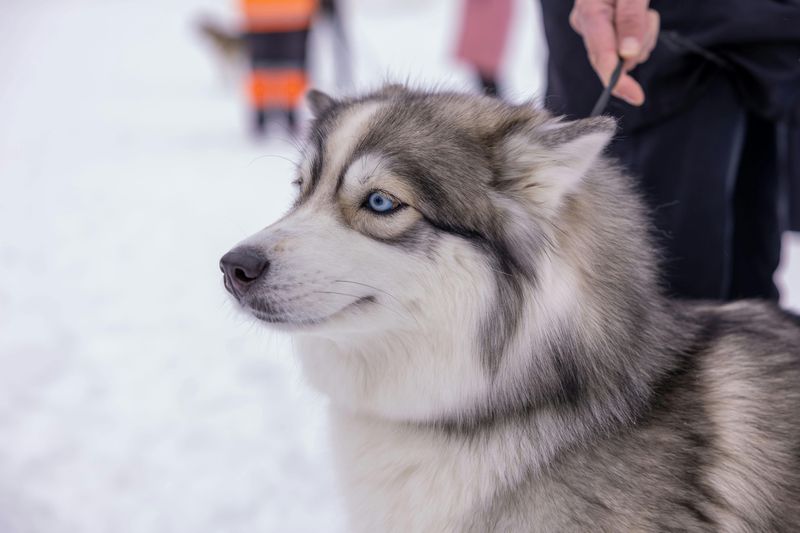
Siberian Huskies are gorgeous, determined pullers, so retractable leashes can turn a simple walk into a sled practice. Their prey drive lights up fast, and that sudden bolt can snap thin cords or yank you off balance.
If you use one, pick a heavy duty tape style, lock early, and practice impulse control exercises before stepping outside.
Huskies thrive with structure and outlets for energy, so prioritize long line training in safe spaces. You will appreciate a hands free belt combined with a strong harness that distributes force across the chest.
Keep sessions brisk, rotate routes to reduce overstimulation, and watch for ice or slick sidewalks where speed multiplies risk. When in doubt, shorten up and rehearse reliable check ins.
Beagle
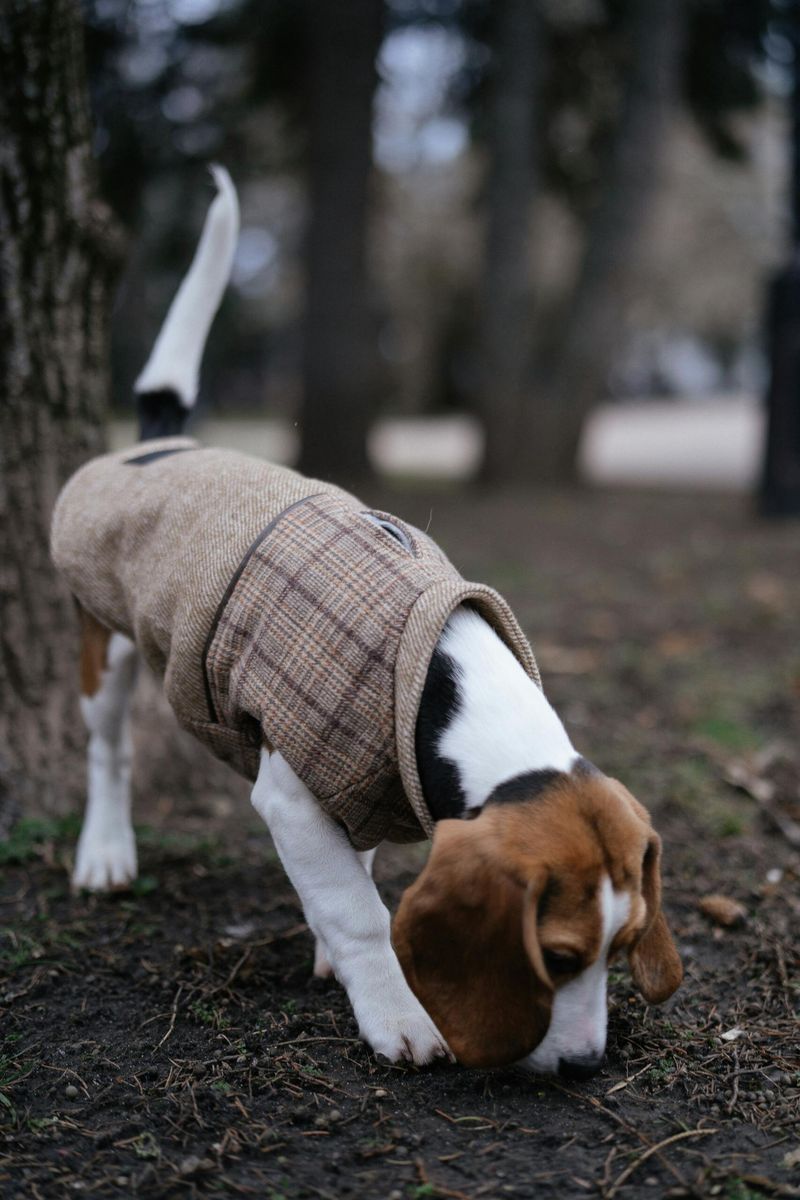
Beagles follow their noses like little detectives, which makes retractable leashes feel tempting for extra sniffing room. The problem is momentum; once scent takes over, braking late can burn your hand or fail completely.
Choose a tape model with a solid stop button, keep it short in busy areas, and reward frequent check ins so curiosity does not become chaos.
Nasal enrichment matters, so build sniff breaks into every walk without ceding total control. I like pairing a front clip harness with a six foot backup leash clipped to your belt for redundancy.
Practice pattern games near distractions, then gradually lengthen. If rabbits or squirrels appear, pause, cue a sit, and reel in slowly.
Your Beagle learns freedom lives inside clear boundaries.
German Shepherd
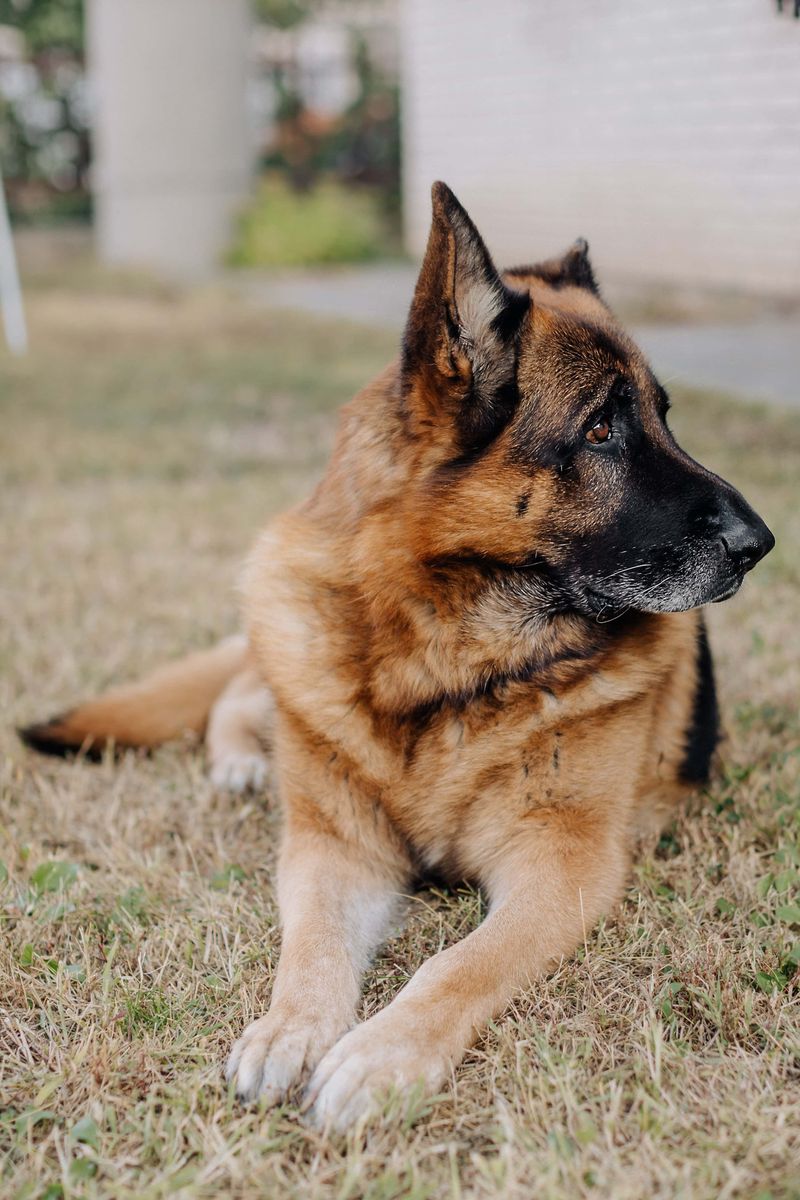
German Shepherds are brilliant and strong, which means a retractable can become dangerous if excitement spikes. Their stride builds power fast, and a thin cord offers little abrasion protection if it wraps fingers.
Use a wide tape, heavy duty hardware, and reinforce heel work before giving extra radius. You will feel more control by locking early and rewarding calm focus.
These dogs thrive on jobs, so make every walk a project. Practice middle position at curbs, add sniffing on cue, and alternate slow pace with short jogs.
A back clip harness cushions force, but add a traffic handle near the collar for emergencies. If tension rises, stop, reset, and take two deep breaths together.
Safety beats speed every time.
Belgian Malinois
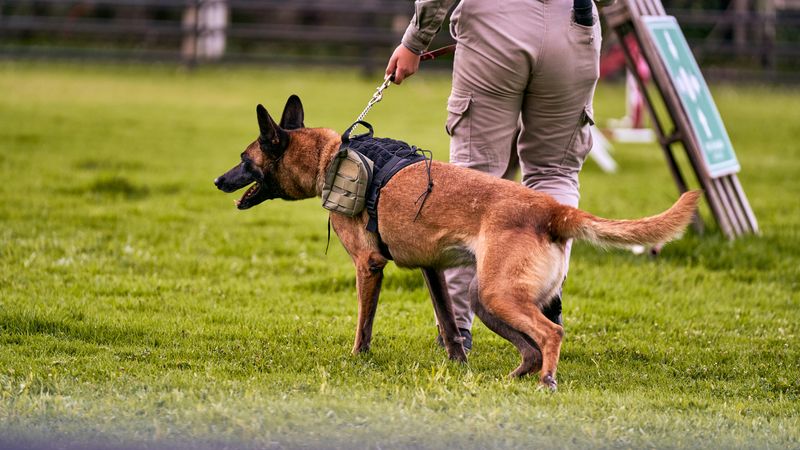
Belgian Malinois bring rocket fuel energy and precision, so retractables require serious handling skills. Their acceleration surprises many owners, and sudden stops can cause whiplash for both of you.
If you insist on flexibility, pair a sturdy tape with a waist belt and keep the lock engaged unless you intentionally release. Drills like down at distance and moving focus become your safety net.
Mals need mental work more than miles. Sprinkle detection games, heel pivots, and hand targets between short bursts of freedom.
A well fitted harness with Y front allows shoulder movement without encouraging pulling. You will set clear start and stop cues, preventing frustration.
When sirens, bikes, or skateboards appear, create space, turn into a pattern, and collect your athlete before arousal peaks.
Jack Russell Terrier
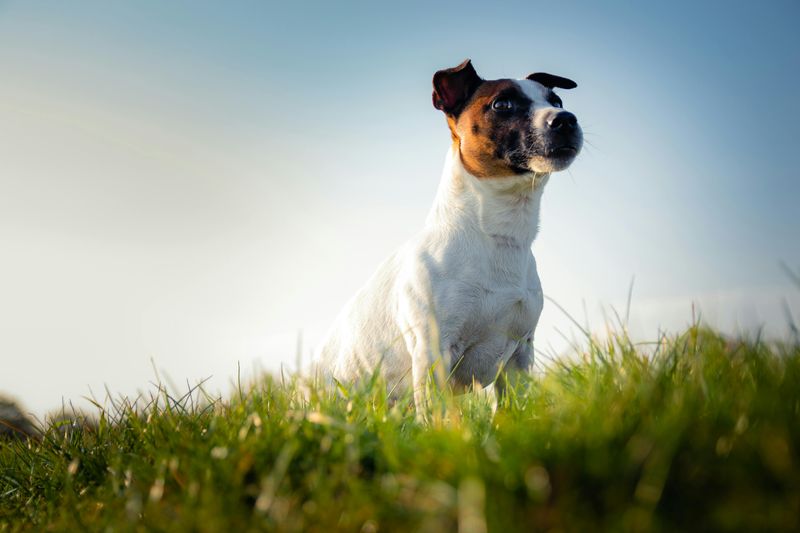
Jack Russell Terriers are spring loaded comedians, but that pop can spell trouble on a retractable. Their zigzag sprinting quickly exceeds the mechanism’s smooth payout, and sudden slack can topple you.
Choose a compact tape unit, keep radius tight in neighborhoods, and reward stillness before opening space. Quick games like find it redirect energy into your rules, not the street’s chaos.
Plan for outlets. Short fetch sessions, dig boxes, and scent puzzles tire the brain faster than endless pulling.
A front clip harness paired with a lightweight long line gives safer freedom in fields. You will keep fingers away from the tape and wear grippy shoes.
If excitement climbs, crouch, call cheerfully, and reset with a hand target before proceeding.
Weimaraner
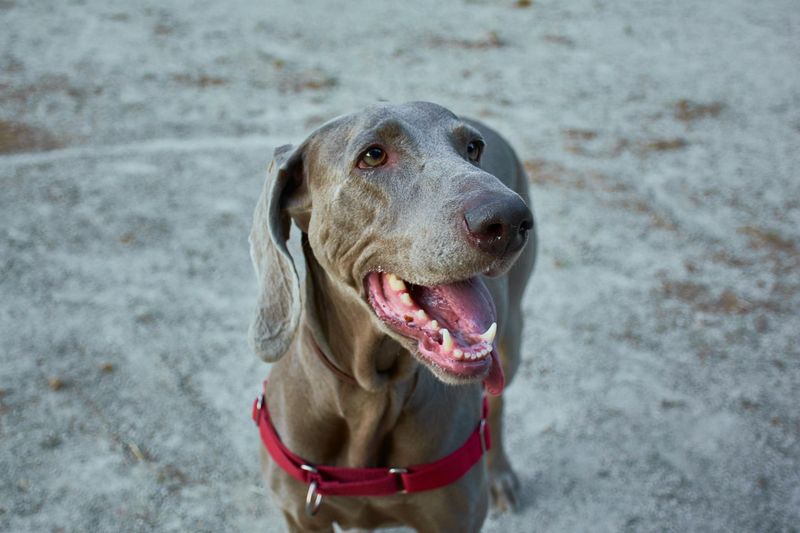
Weimaraners are elegant sprinters with sensitive minds, making retractable leashes a mixed bag. That effortless trot can turn into a gray blur, and braking late invites tangles or friction burns.
Start with structured heeling near triggers, then allow controlled range in quiet spaces. Pick a broad tape, high visibility housing, and rehearse emergency stops so both of you stay confident.
These dogs crave partnership. Mix obedience reps with sniffing on cue, figure eights, and gentle intervals to bleed off steam.
A padded back clip harness protects shoulders during surprise lunges. You will keep sessions short, end on success, and give decompression time after stimulating days.
If wildlife stirs interest, pivot, create distance, and switch to food scattering before resuming.
Dalmatian
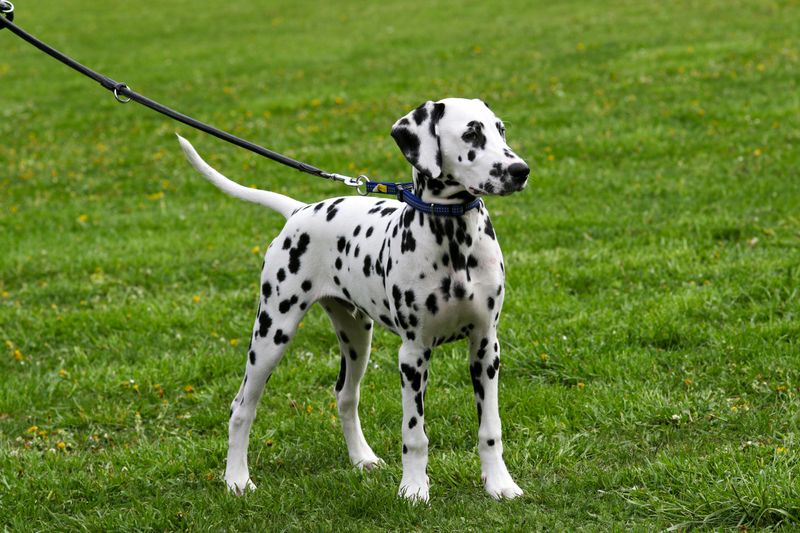
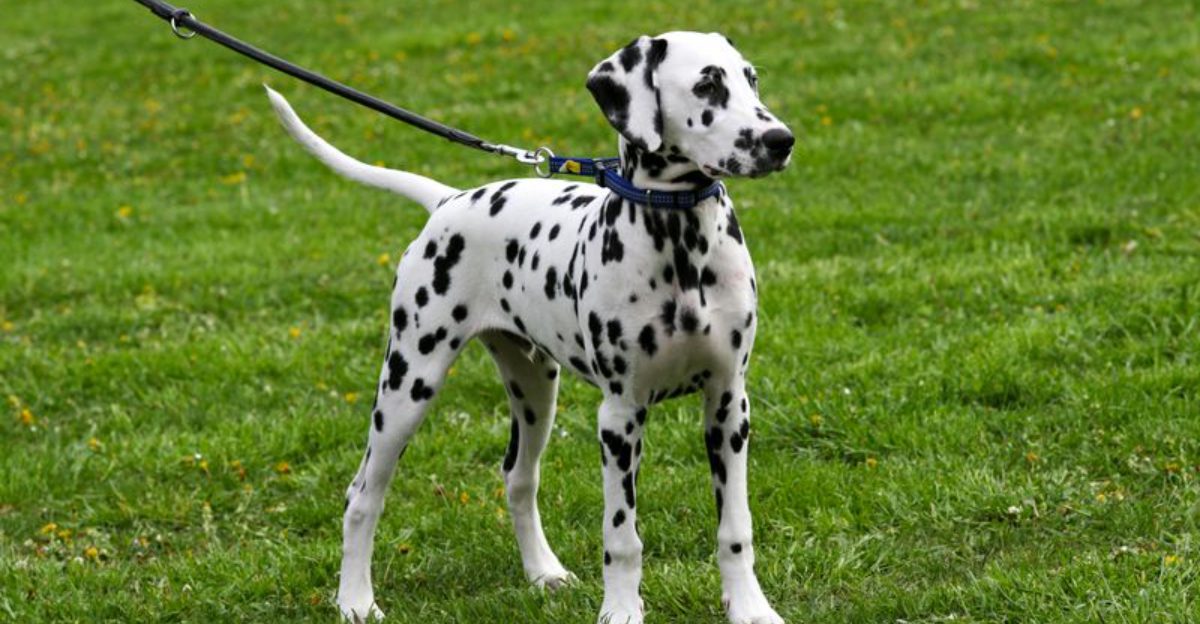
Dalmatians were bred to run alongside carriages, so a retractable can feel like a green light for nonstop motion. That forward drive, plus road distractions, raises risk near traffic and bikes.
Favor a robust tape leash, keep it locked by default, and open only in parks or trails. Reward check ins every few steps so your spotty athlete remembers to listen.
They thrive on predictable routines. Try stride matching, stop and go games, and planned sniff zones to meet needs without chaos.
A Y front harness preserves shoulder reach while discouraging sled mode. You will bring water, because Dalmatians overheat quietly when excited.
If crowds appear, step aside, shorten the radius, and reset with a touch cue before continuing.
Boxer
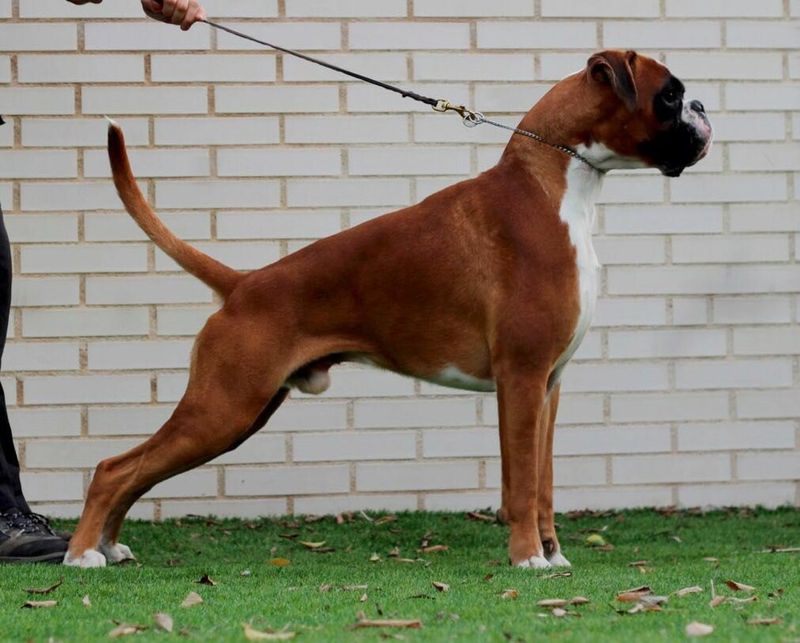
Boxers are joyful, bouncy powerhouses, and retractable leashes can amplify that pogo energy. Sudden lunges toward dogs or kids may jolt shoulders and surprise everyone.
Choose a durable tape with a secure grip, and practice loose leash drills before adding distance. Keep arousal low through frequent check ins, calm praise, and short training interludes between bursts of play.
Movement is medicine, but control comes first. Alternate brisk walking with figure eights and stationary focus holds to channel enthusiasm.
A comfortable back clip harness plus a short traffic loop gives you options in crowded spots. You will monitor play signals and avoid greeting lines while extended.
If excitement spikes, pause, breathe together, and restart with a slower pace and clear rules.
Great Dane
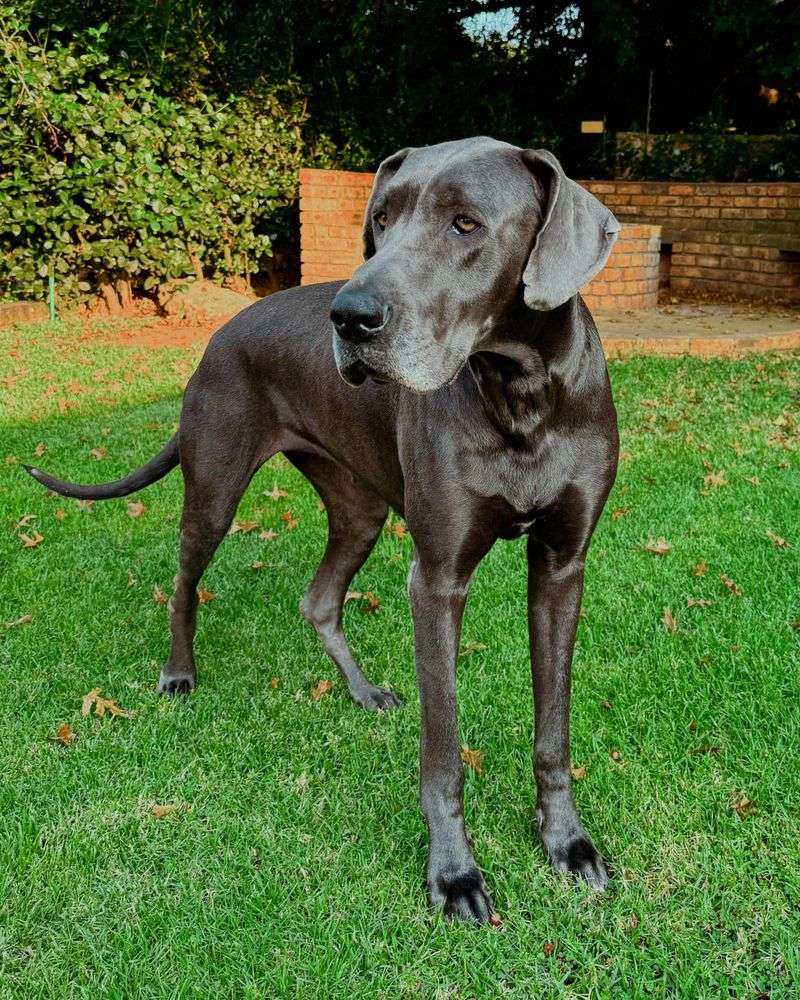
Great Danes move like gentle giants until something fascinating appears, and then mass meets momentum. A retractable’s small handle is hard to grip securely with gloves, and thin cords feel risky around long legs.
Choose a heavy tape with an ergonomic handle, and keep extension minimal in town. Reinforce slow starts, head turns, and steady pace before unlocking extra room.
Comfort matters for these big frames. A well padded Y front harness spreads force without pinching shoulders.
Practice curb rituals, wide turns, and brief pauses to prevent crowding people. You will scout routes with wider sidewalks and fewer buses.
If surprises pop up, plant feet, cue a wait, and close distance hand over hand. Grace beats drama every time.
Australian Shepherd
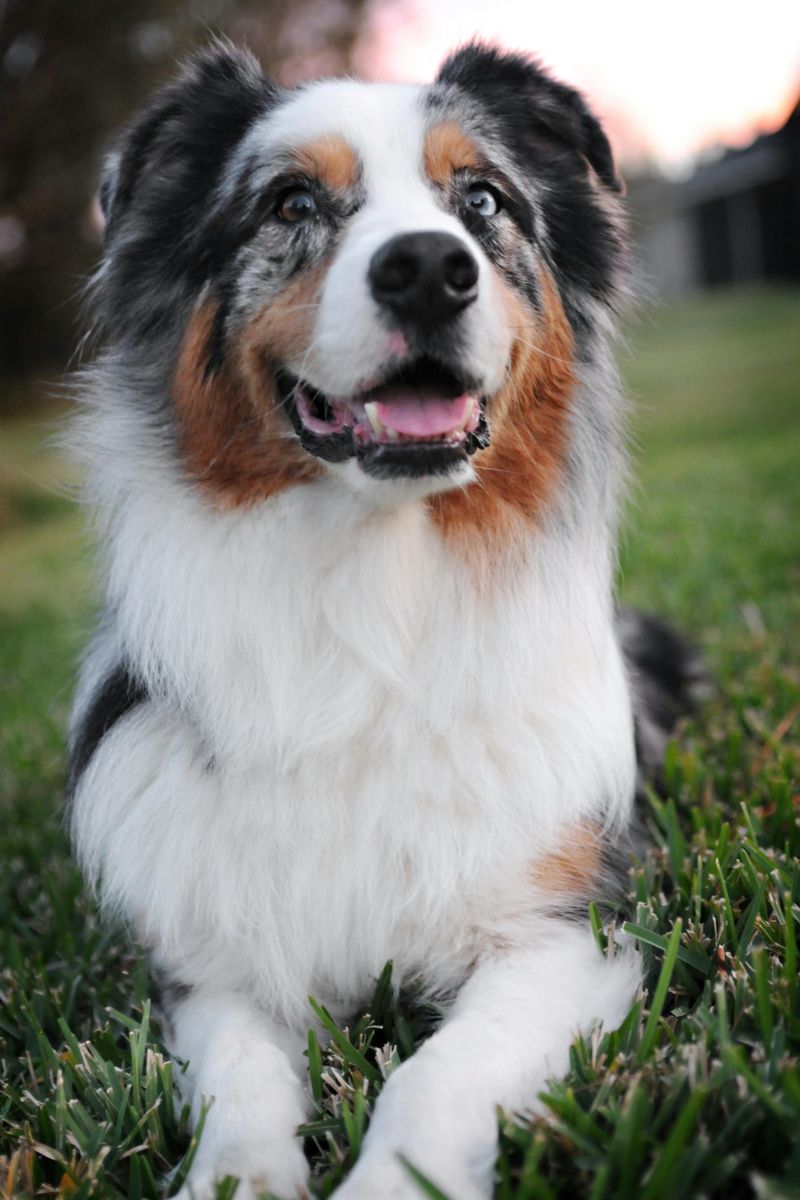
Australian Shepherds are quick thinkers with endless stamina, so a retractable can fuel over arousal instead of freedom. Fast direction changes risk rope burns and tripping for herding inclined dogs.
Start with decompression walks on a long line, then reserve the retractable for quiet trails after training strong check ins. Choose a broad tape, bright color, and reliable lock you practice using.
Channel the brain first. Sprinkle spins, perch work, and scent games between structured heeling.
A front clip harness helps discourage crowd herding while maintaining comfort. You will manage excitement by cueing sniff time, then closing the gap before joggers pass.
If motions trigger eye stalk, change direction, reward orientation, and reset the walk. Thoughtful structure makes freedom feel earned.