
Some dogs are powered by their noses, and when you tap that instinct, the zoomies melt away fast. Instead of more fetch, try scent games that challenge minds and bodies without chaos.
You will be amazed how a few minutes of sniffing equals a long walk. Ready to turn curiosity into calm, happy naps?
Bloodhound
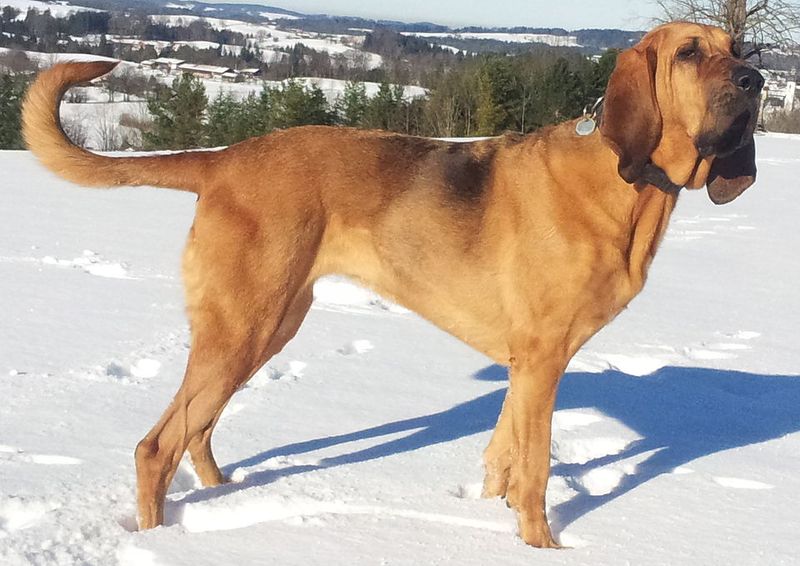
The Bloodhound is a nose-on-legs powerhouse, happiest when every step is a mystery to solve. Give that legendary snout a job with a scent trail made from crushed herbs, a kibble drip, or a dragged treat pouch.
Start in an easy, scent-safe room, lay a winding path with two or three turns, and plant a jackpot at the end.
Level it up with a simple yard scavenger hunt, using five small containers with one perforated lid. Shuffle two decoys and reward only the container holding the scented cotton ball.
Short, focused searches burn energy fast, build optimism, and leave your Bloodhound mellow and satisfied. Keep sessions under five minutes and quit while excitement stays high.
Then offer water and cuddles.
Basset Hound
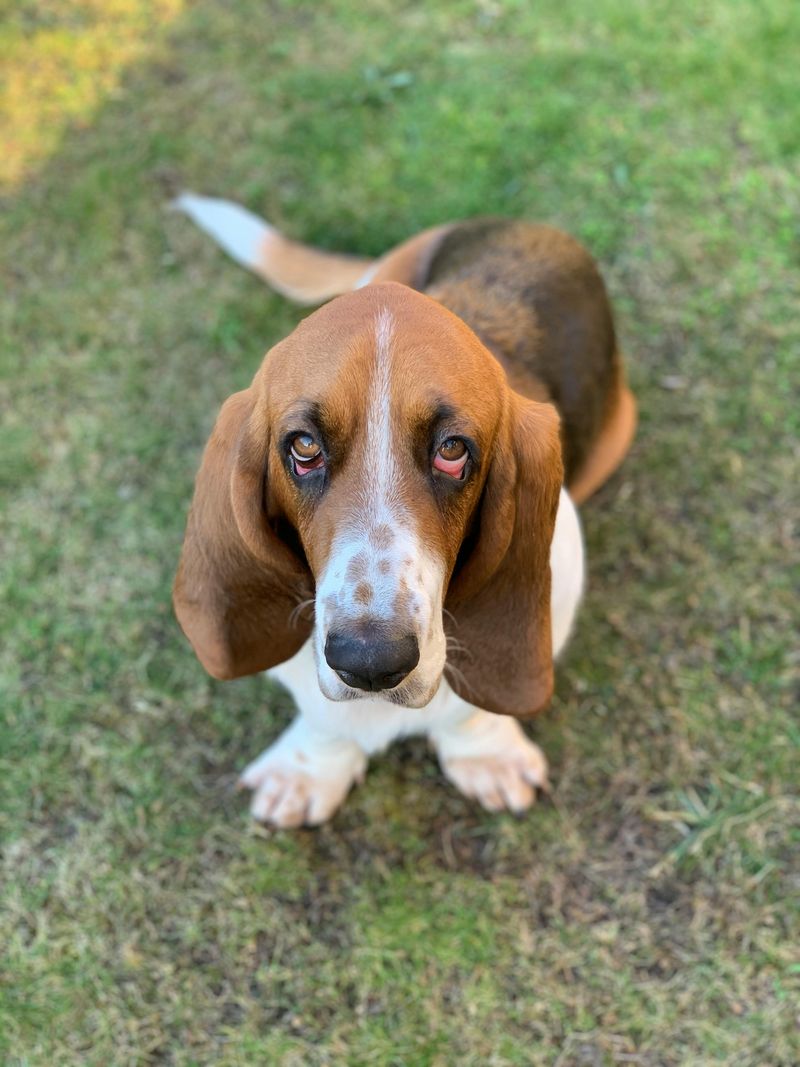
The Basset Hound carries turbocharged scent ability close to the ground, so make games nose-height. Scatter a dozen treats across a short lawn, then walk a crisscross pattern to add light contamination.
After a minute of settling, release with a cheerful find-it cue and let those ears sweep scent like little parachutes.
Advance to cardboard box searches indoors. Place three boxes, bait one with perforated tuna can under mesh so only odor escapes, and rotate positions every attempt.
Keep durations brief, jackpot the final find, and watch the Basset flop happily for a contented nap. Lower criteria if sniffing stalls, and praise generously for persistence over perfection.
Two or three rounds are plenty for strong noses and short attention spans.
Bluetick Coonhound
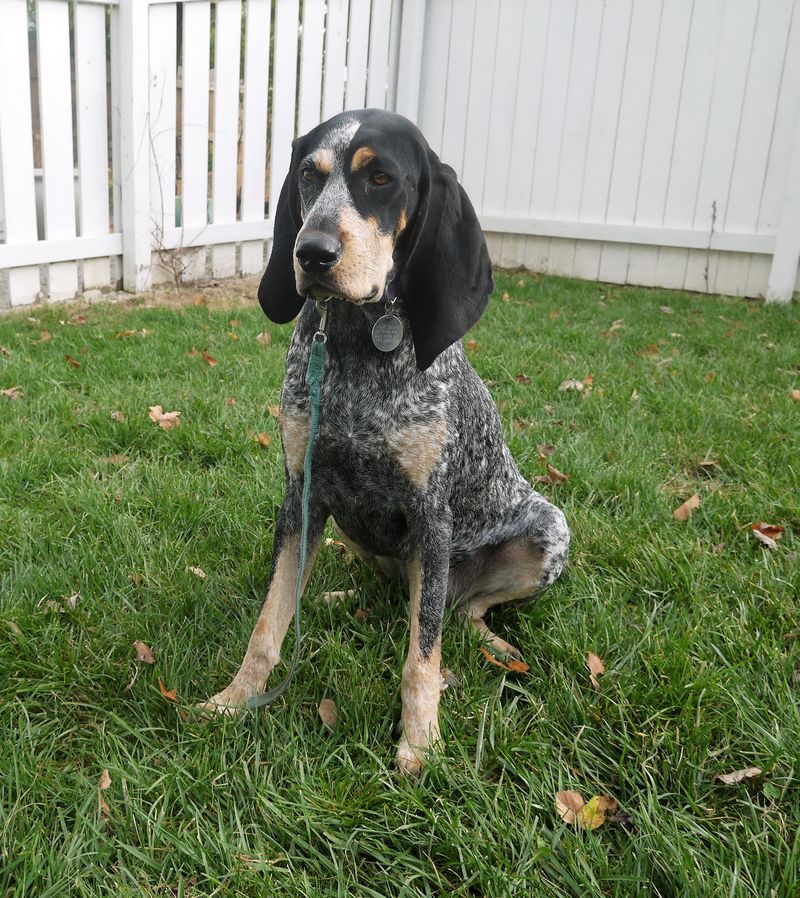
The Bluetick Coonhound thrives on problem-solving scent puzzles with a bit of chase flavor. Try a drag line using a sock with hot-dog water, pulled twenty yards with two sharp turns.
Let the scent age two minutes, clip on a long line, and give a clear track cue before following together.
Add a split trail by lifting the sock briefly, walking straight ten steps, then veering left or right. Reward decisiveness at the turn, not speed, reinforcing nose-down commitment.
End with a calm decompression sniffari around trees, which lowers arousal and helps the Bluetick settle quickly at home. Three short tracks beat one marathon, especially for youthful dogs still learning impulse control.
Keep rewards meaty and frequent early to build.
Beagle
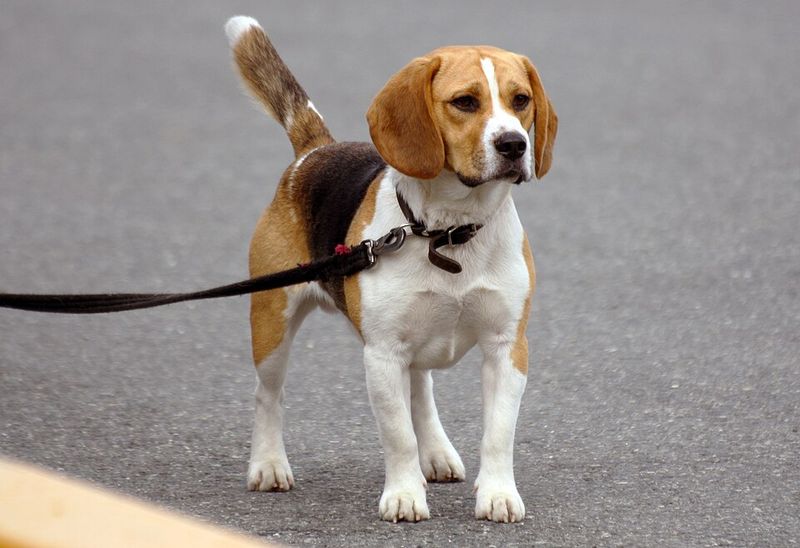
Beagles adore nose work that feels like a backyard adventure. Set up a perimeter search with six scent tins hidden at shin height on fence slats, under a chair, and near a planter.
Use birch or clove cotton swabs in ventilated tins, pairing the first few finds with warm chicken for confidence.
Then practice a moving hide by tucking a scented tin in your pocket and strolling casual loops. When the Beagle sniffs and indicates, stop, mark, and feed rapidly.
Keep sessions upbeat, five minutes max, and finish with a sniff-and-stroll cooldown that turns busy brains into sleepy couch loafs. Rotate locations, change wind angles, and sprinkle easy wins to prevent frustration and maintain joyful drive between each round today.
Black and Tan Coonhound
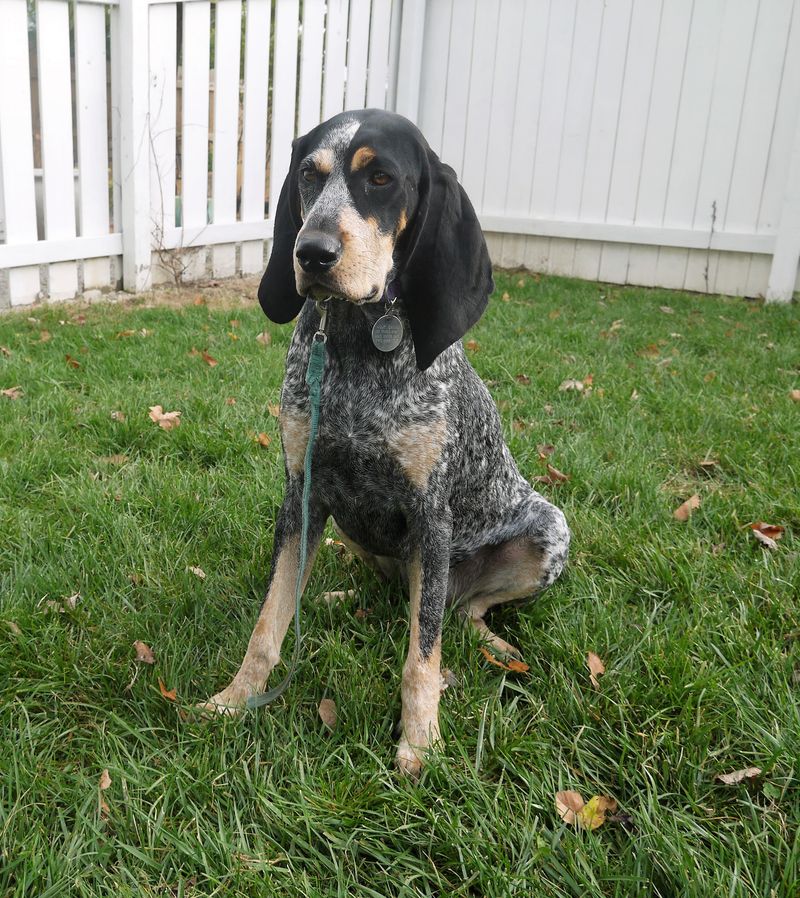
Black and Tan Coonhounds shine when scent puzzles ask for patience. Create a scent ladder on stairs using three vented containers, gradually increasing distance and height, rewarding nose contact only.
This channels that booming hound focus into thoughtful work instead of full-volume opinions at the window.
Outside, try a night track across dew-kissed grass, laying two articles with your scent and one neutral glove as a check. Praise article indications enthusiastically, then resume the trail together.
End with quiet leash decompression, letting the Coonhound investigate lingering smells until breathing and tail carriage look soft. Short, successful reps build confidence, curb overarousal, and satisfy that deep tracking instinct without exhausting joints.
Keep lighting gentle and routes simple for beginner evening sessions.
Redbone Coonhound
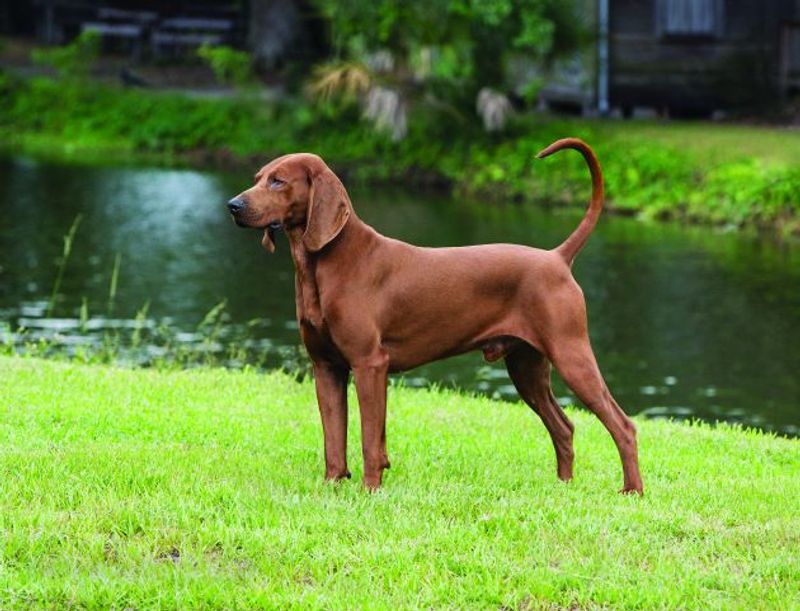
Redbone Coonhounds love energetic searches that move. Set a zigzag trail through light brush using a pungent tea bag on a string, adding two pauses where the scent article touches tree bark.
Wait one minute, cue the search, and follow behind on a long line to prevent fast overshooting.
Teach a down at source by feeding right at the strongest odor pooling. If excitement spikes, shorten trail length and add an easy straight restart.
Finish with a relaxed neighborhood perimeter sniff, allowing investigation of posts and hedges until the Redbone breathes deeper and trots with loose, happy rhythm. Two to three micro tracks outperform one marathon, keeping motivation high and form tidy.
Use variable terrain to challenge curiosity safely today.
English Springer Spaniel
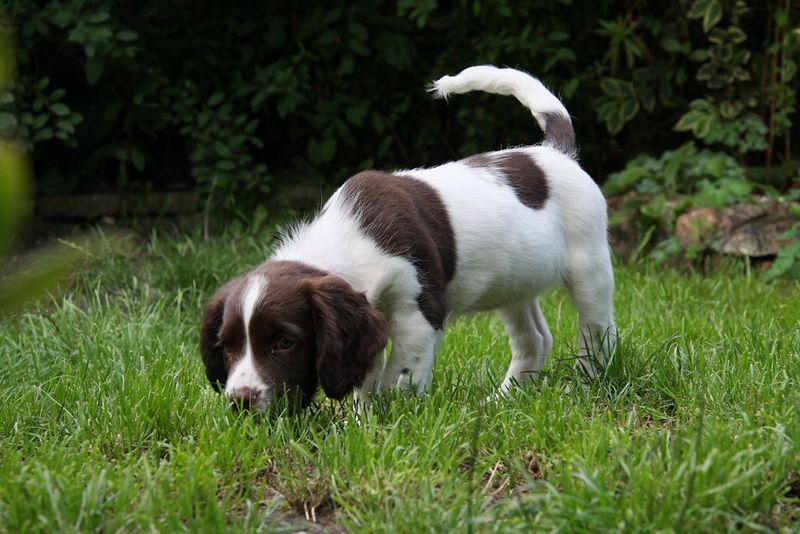
English Springer Spaniels combine drive with biddability, perfect for hide-and-seek shells. Place six plastic eggs with pinholes in knee-high grass, loading two with kibble scent only.
Quarter the area into lanes, cast your Springer across the wind, and mark calmly when the head snaps into odor.
Add distractions like empty eggs and a tossed leaf to proof focus. Reward at source, then ask for a sit before paying to prevent frantic pouncing.
Short, crisp sessions sharpen noses and self-control, leaving your Springer delightfully tired and ready for a nap beside your chair. Rotate fields, vary grass height, and alternate wind directions for balanced skills and confidence.
End with gentle sniff walks to decompress and protect joints after big efforts today.
German Shorthaired Pointer
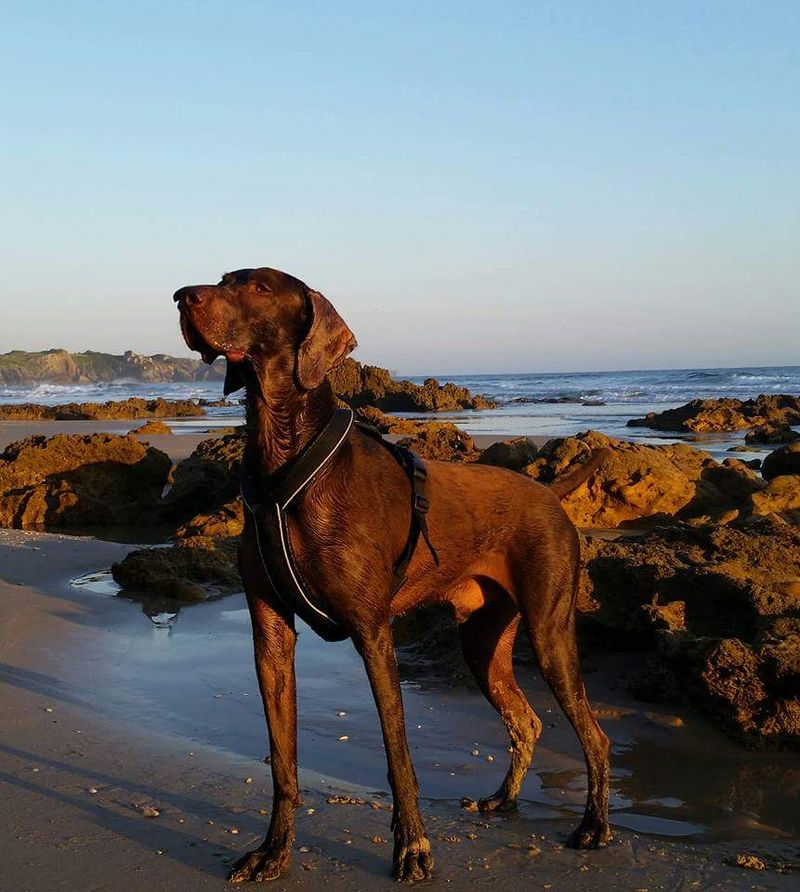
German Shorthaired Pointers excel at methodical, high-energy searches. Set a scent cone game using a fan blowing over a perforated tin, placing three markers downwind at five, ten, and fifteen feet.
Cue hunt, allow air-scenting, and reinforce when the dog angles correctly into the strongest plume.
Next, move outdoors and hide a ventilated tin above nose height to prevent ground sniffing shortcuts. Ask for a steady point or quiet freeze before rewarding.
Mix one easy find with one harder challenge, and finish with a loose-leash meadow sniff that drains the tank without chaotic sprinting. Short intervals protect joints, keep arousal workable, and build precise, thoughtful hunting skills.
Use warm chicken, cheese, or tug as vivid paychecks between each success generously.
Plott Hound
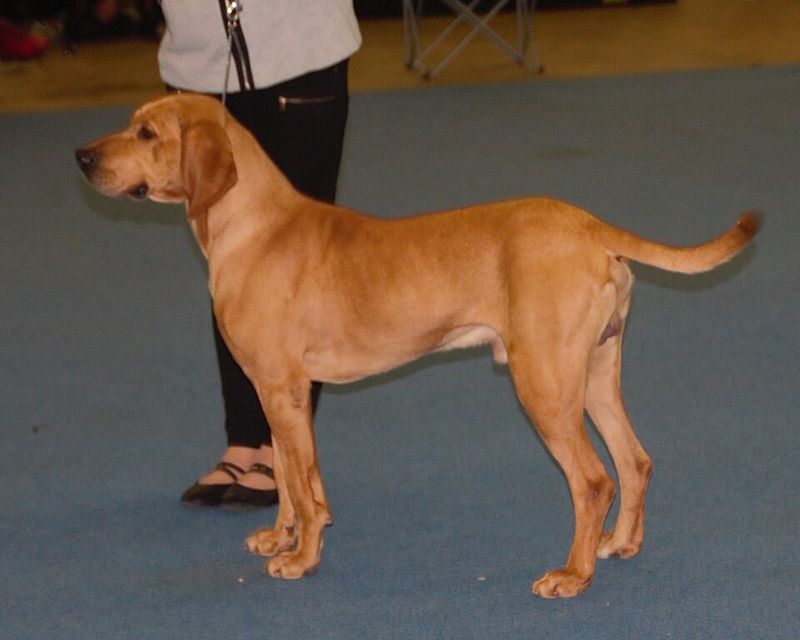
The Plott Hound brings grit and stamina, so structure nose games that emphasize clarity over chaos. Lay a straight trail along a dirt path with one article start, then two right-angle turns spaced twenty yards apart.
Keep the lead loose and praise when the nose re-finds the line after each corner.
Introduce aged tracks by waiting five minutes before release, which strengthens problem solving. Reward calmly at articles, then celebrate at the final find with a big party.
End with choice-led sniff time, letting the Plott browse logs and grass until muscles soften and eyes grow satisfied. Two or three short trails beat fatigue and keep enthusiasm sparkling for the next session.
Bring water and rest briefly between each run.
Lagotto Romagnolo
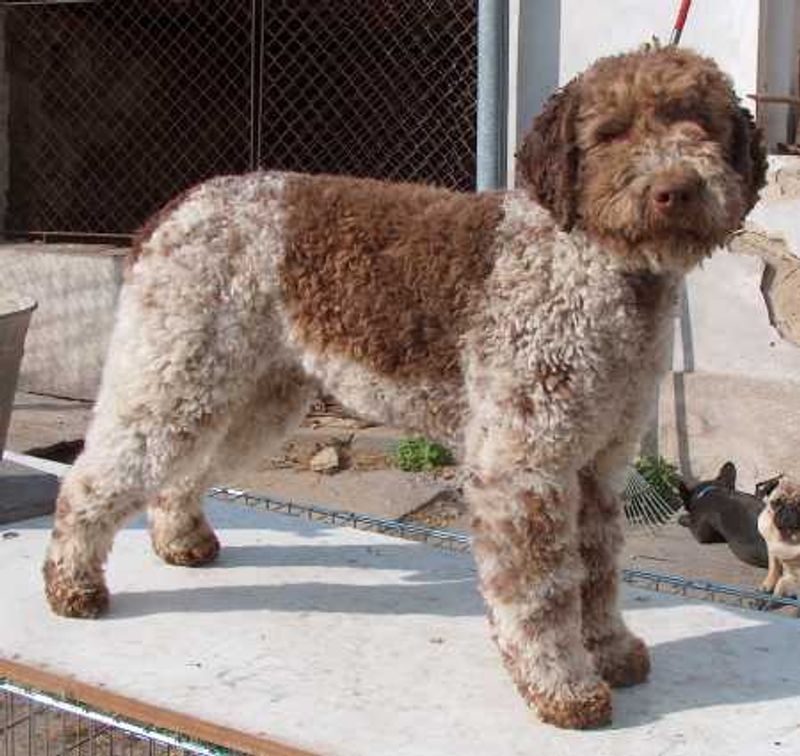
Lagotto Romagnolos were bred for truffle work, so their noses crave detail. Build a buried scent game using ventilated jars two inches under soil or mulch, marking locations discreetly for fairness.
Start with paired odor and food, then fade the food as the Lagotto happily digs to source.
Offer a nose-target at the hole before paying to prevent frantic excavation. Vary depths slightly, practice in multiple substrates, and keep nails trimmed for comfort.
End sessions with a relaxed sniff tour and light paw rinse, sending your Lagotto inside content, calm, and pleasantly spent. Short bursts protect shoulders and maintain joyful digging without overtaxing bodies.
Use cheese, truffle oil, or kibble dust for motivating scent pairing between early training steps today.
Otterhound
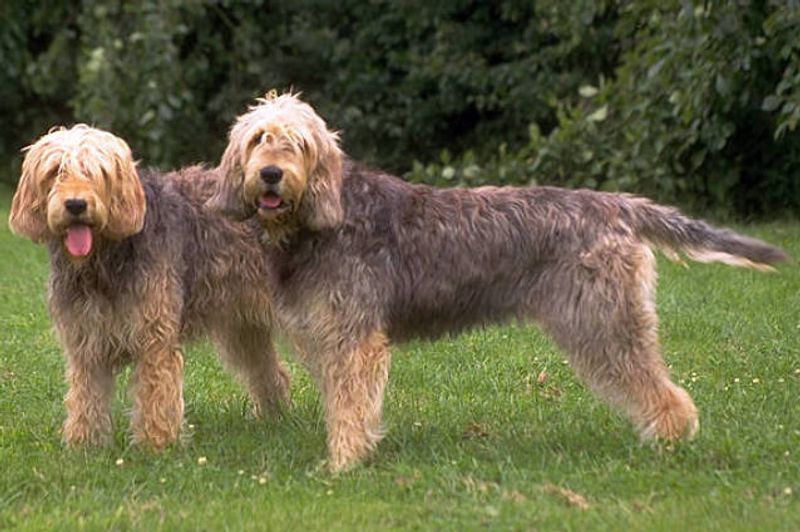
Otterhounds excel in wet, complex scent pictures. Set a riverbank search where you hide ventilated tins in driftwood piles and tall reeds, keeping distances short for safety.
Begin upstream, work down with the wind, and let that shaggy nose map both water-borne and land-borne odor.
Introduce a shallow water fetch of a perforated dummy, paying calmly when the nose locks and the body slows. Keep leashes on near currents, and choose warm days.
End with towels, a sniffy cooldown on gravel, and a hearty meal that helps your Otterhound slip into satisfied snores. Brief sessions limit fatigue, protect joints, and let the nose do the heavy work.
Rotate banks, vary depths, and reward at source consistently for reliable performance later.
Petit Basset Griffon Vendéen
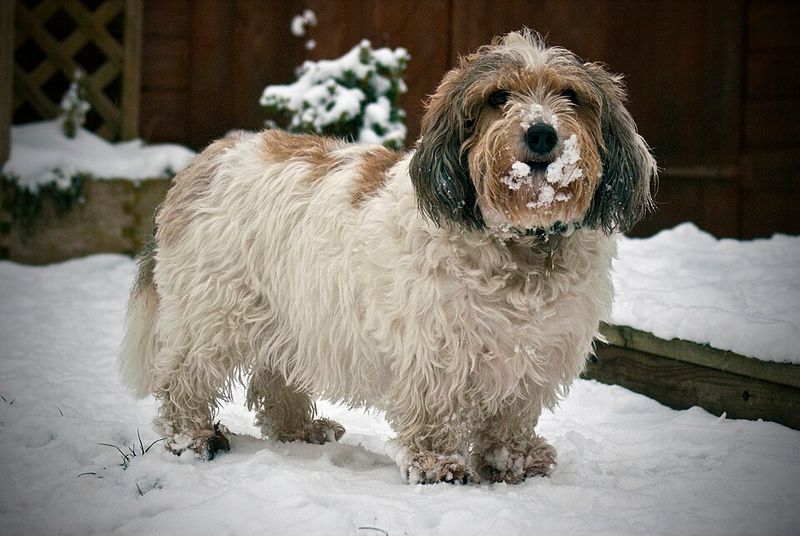
The Petit Basset Griffon Vendéen is small, merry, and relentless on scent. Play a hallway line-up using five flowerpots, one with a vented treat tube, rotating positions between reps.
Cue search, reward nose-in-pot, and let those jaunty legs prance proudly back for snacks.
Upgrade to a backyard grid marked with flags, hiding two tins and three blanks. Keep criteria clear by paying only at source and resetting if enthusiasm morphs into digging.
Finish with a neighborhood sniff circuit, which transforms lively curiosity into sweet serenity far faster than endless fetch ever will. Use light winds, shallow hides, and frequent breaks to support careful sniffing and prevent frustration.
Celebrate tiny wins and end a bit early for lasting enthusiasm tomorrow too.