
Some dogs seem to read your mind, while others make you earn every tail wag. If you love training and quick wins, a few breeds are absolute standouts.
But if patience is your superpower, a couple of independent spirits will challenge you in surprising ways. Let’s explore which pups soak up commands fast and which ones prefer doing things their own way.
Papillon
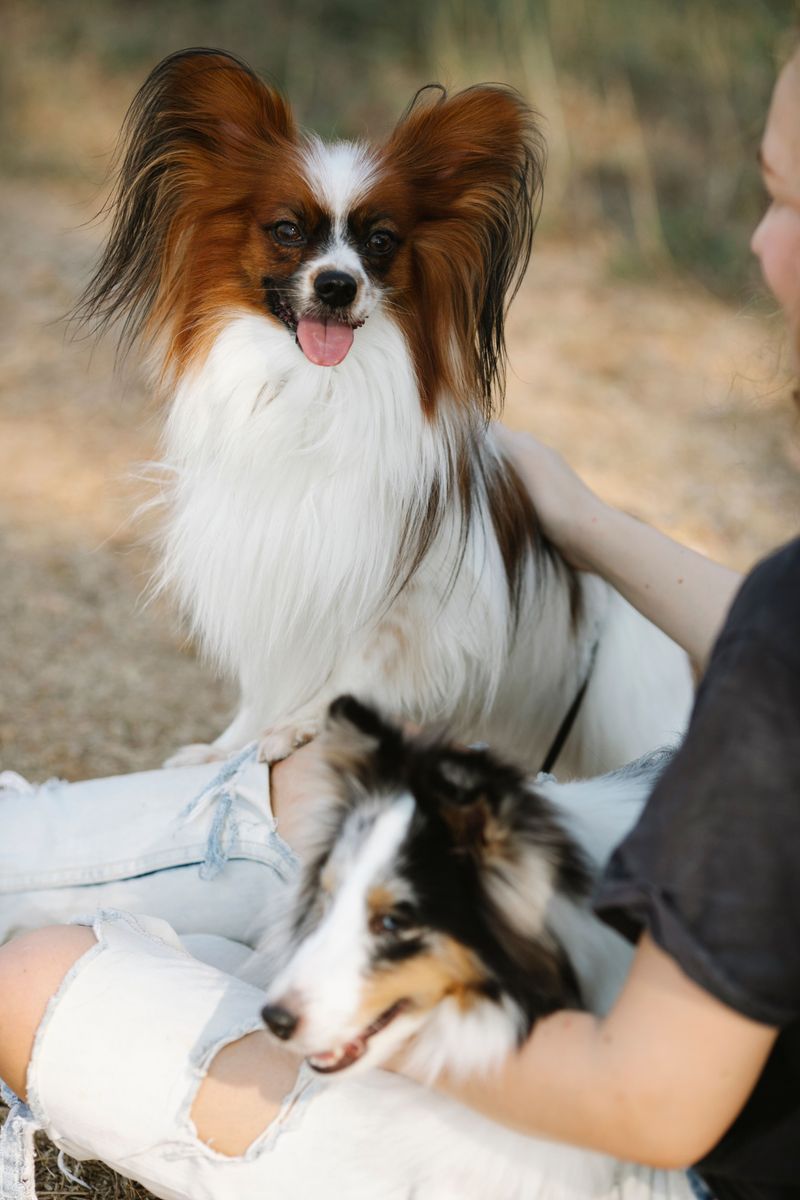
Papillons are tiny athletes with big brains, and they pick up cues fast. They love learning tricks, reading your body language, and staying engaged during short sessions.
Keep lessons upbeat and reward based, and you will see lightning quick progress. Short bursts of five minutes prevent boredom and keep attention razor sharp.
Their sensitive nature means harsh corrections shut them down, so think positive and patient. Puzzle toys, rally obedience, and tiny agility courses keep their minds buzzing.
Give them variety, protect those delicate joints, and this butterfly dog will soar for you. Socialization adds confidence and reduces yappy tendencies in new places.
Regular grooming around ears teaches handling skills that translate into calmer vet visits. Consistency builds trust daily.
Standard Poodle
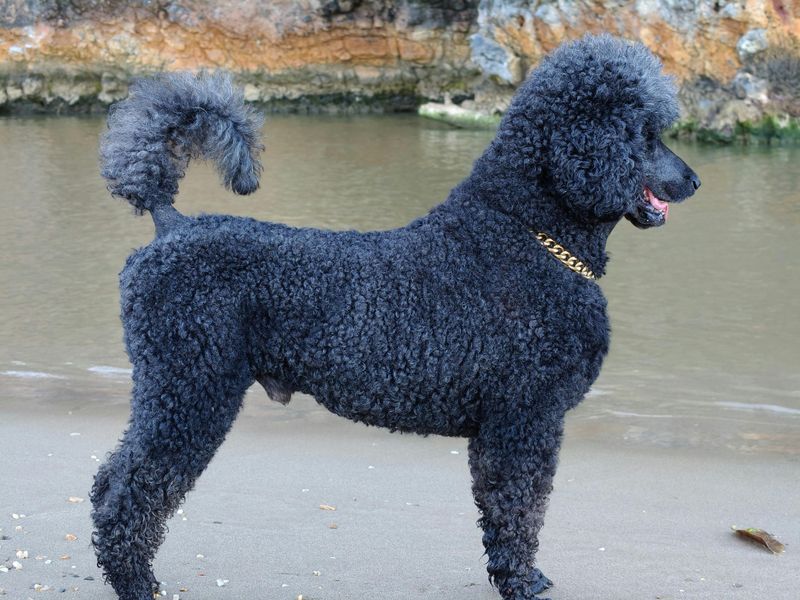
Standard Poodles combine sharp intelligence with a people pleasing heart, so training feels effortless. They thrive on mental work like scent games, advanced obedience, and clean heelwork.
You will notice they anticipate patterns, so vary routines and keep rewards exciting. Short, structured sessions with playful breaks help them stay enthusiastic.
Because they learn so quickly, they can also learn bad habits fast, so consistency matters. Teach impulse control early using stays, boundary games, and calm greetings.
Their athleticism begs for agility, dock diving, or retrieving drills, which turn training into joyful play. Regular coat care doubles as cooperative care practice with gentle handling.
Lean into their goofy side, and you will have a polished, happy partner.
Shetland Sheepdog
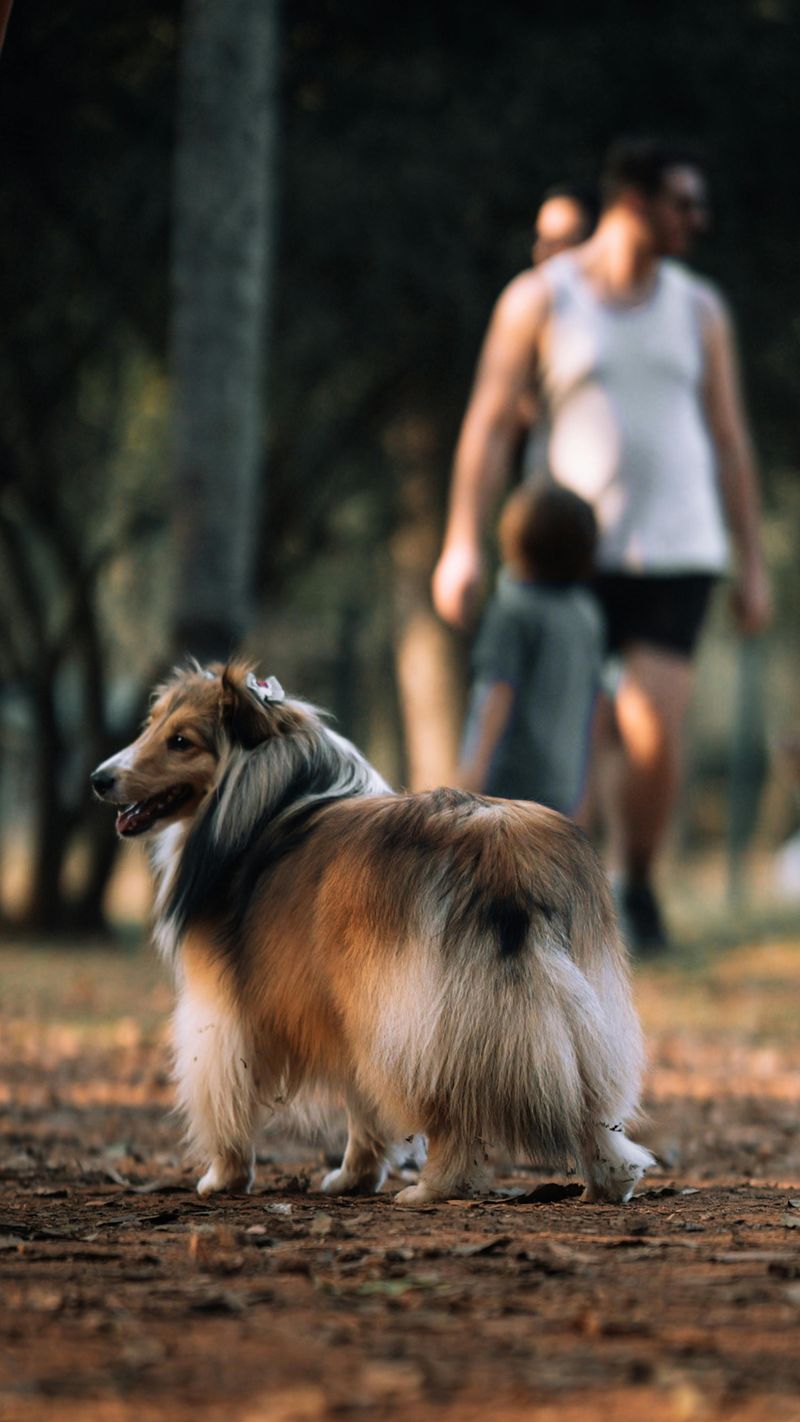
Shetland Sheepdogs are detail oriented and thrive when you communicate clearly. They watch every gesture, so your timing and body language matter as much as your words.
Keep sessions brisk, use high value treats, and end on a win to maintain confidence. They love rally, agility, and trick titles that celebrate precision and joy.
Shelties can be sound sensitive, so build resilience with gentle exposure to new places. Teach a solid mat settle for calm between thrills, and practice quiet focus games.
Herding instincts make them chase, so reinforce recall and leave it early. With kind structure, they become velcro partners who anticipate your needs.
Reward calm curiosity, and the brilliance really shines.
Australian Shepherd
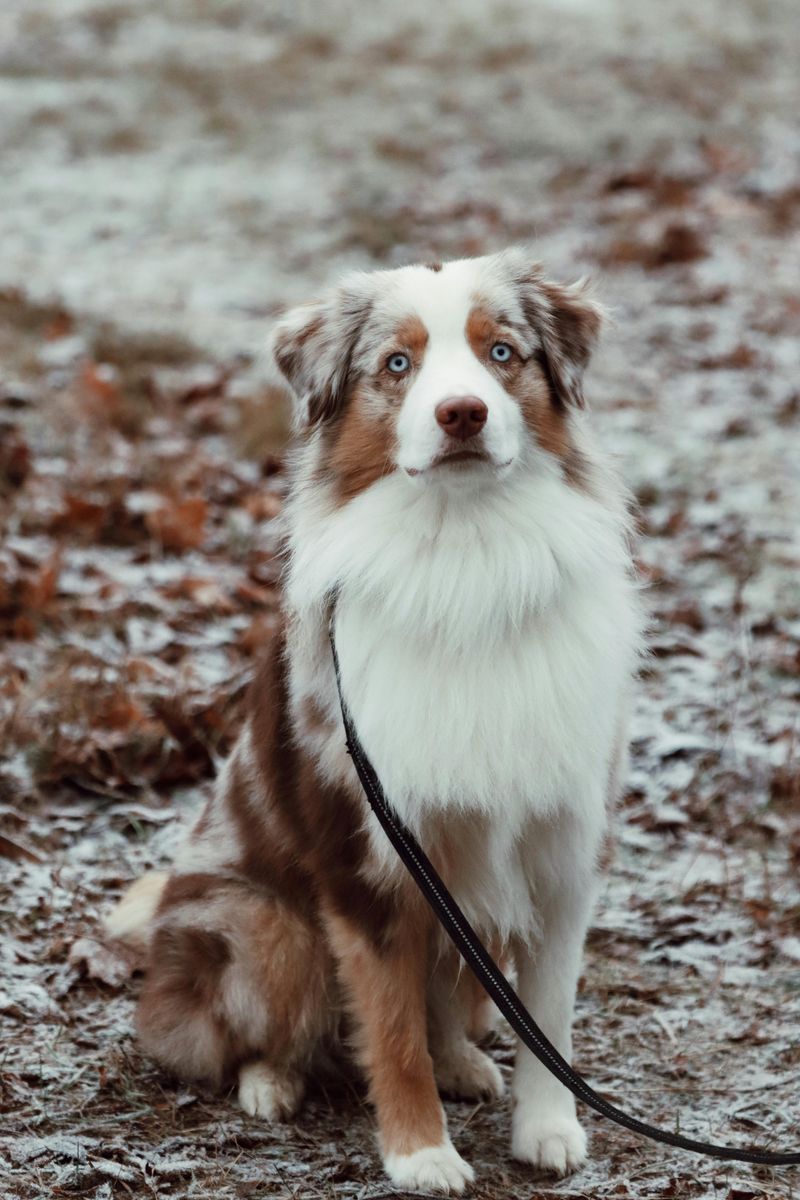
Australian Shepherds are problem solvers with endless energy, which makes training thrilling. They crave jobs, clear rules, and outlets like herding games or agility.
Keep lessons dynamic with movement, tug rewards, and quick changes of direction. Teach off switches too, using place cues and decompression walks to balance drive.
Because Aussies anticipate, they may break positions if patterns repeat, so add surprise elements. Reinforce impulse control with stop on cue, middle positions, and controlled recalls.
Channel their eye and stalk into structured games that reward disengagement. Puzzle feeders and sniffaris keep the mind satisfied on rest days.
When you match their pace and provide structure, you get a devoted, lightning fast teammate who works with heart.
Doberman Pinscher
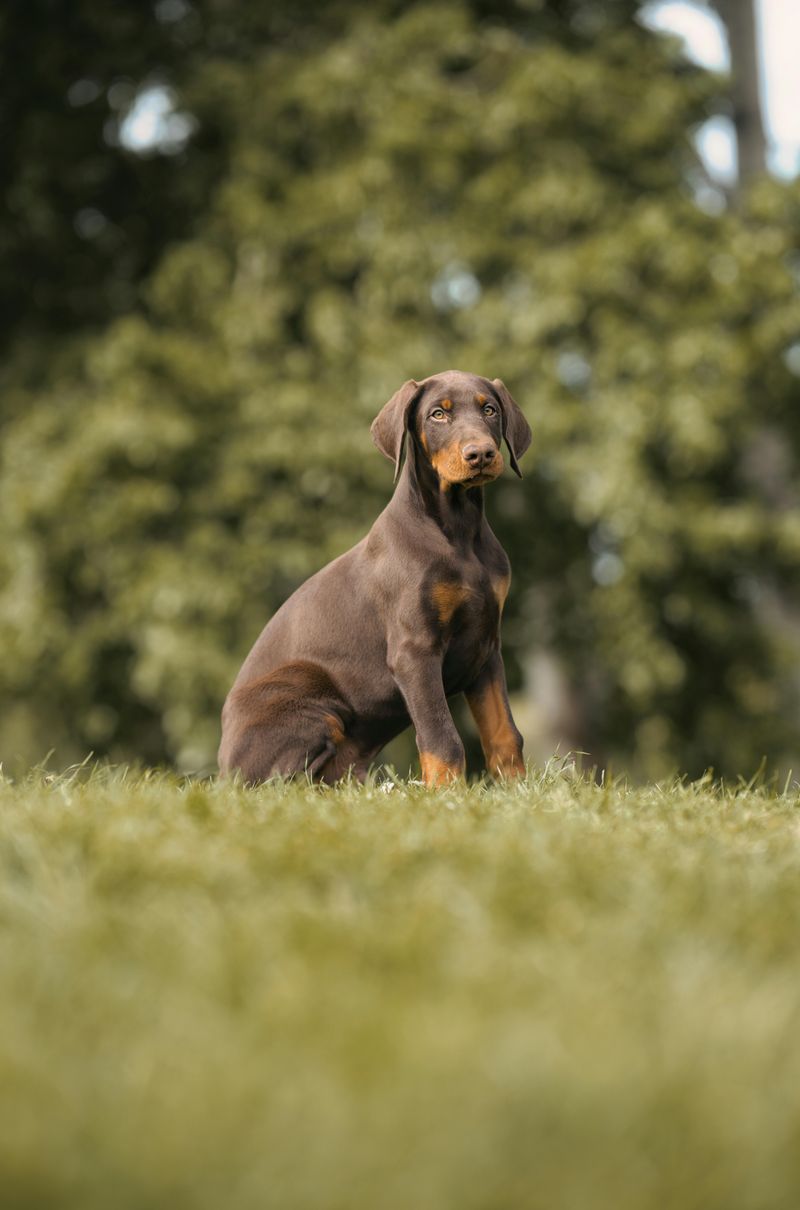
Dobermans soak up structure and excel when training feels purposeful. They lock onto your face and thrive on clear, fair boundaries.
Use engagement games, swift reward delivery, and balanced arousal to keep precision sharp. Short, frequent sessions with movement breaks prevent frustration and help maintain confidence.
Because they are sensitive, corrections should be minimal and information rich. Teach place, door manners, and calm greetings early to shape social polish.
They love tracking, protection sports foundations, and advanced obedience that challenge brain and body. Build neutrality through patterned walks and look at that exercises.
With consistent leadership and kindness, a Doberman becomes a responsive partner who anticipates your next cue and works with unwavering focus.
Belgian Tervuren
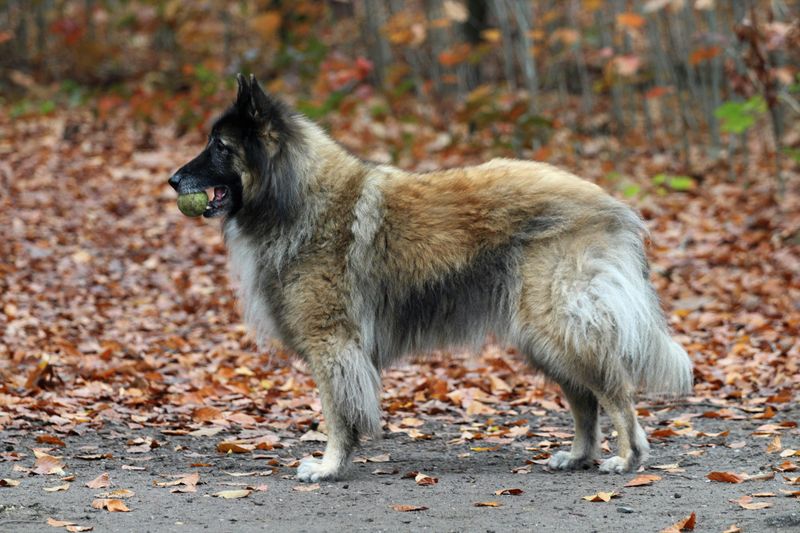
Belgian Tervurens are intense, elegant workers who crave clarity and complexity. They shine with structured tasks like scent detection, sport obedience, and long distance cues.
Keep sessions crisp, reward often, and split behaviors into tiny steps for clean understanding. Add environmental challenges to build grit without overwhelming their sensitive side.
Because arousal runs high, impulse control is your best friend. Teach settle on a mat, middle for security, and seamless transitions between hype and calm.
Rotate reinforcers like tug, food, and permission to work again. They bond deeply and read micro signals, so stay consistent and fair.
When you provide a job and balance, this breed rewards you with stunning precision and heartfelt partnership.
English Springer Spaniel
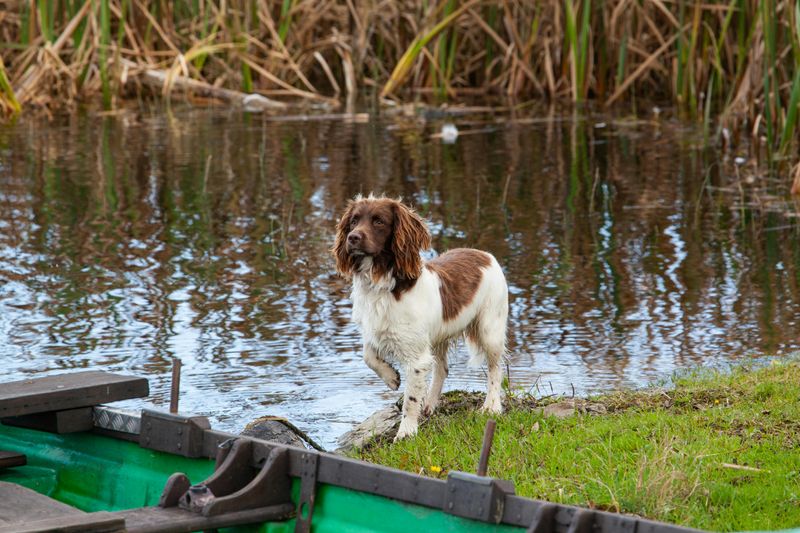
English Springer Spaniels learn quickly when training taps into their hunting instincts. Use retrieves, whistle cues, and quartering patterns to make obedience feel like a game.
Keep sessions outdoors whenever possible and reward with another chance to search. Short, enthusiastic lessons keep their tails wagging and brains engaged.
Because excitement spikes easily, build steadiness through sit to flush and patient delivery. Teach reliable recall from scents with high value rewards and clear criteria.
Grooming routines double as training, reinforcing stillness and cooperation. Balance field fun with calm household skills like relaxed place and polite doors.
With fairness and play, Springers become eager partners who bring cheerful effort to every command and adventure.
German Shorthaired Pointer
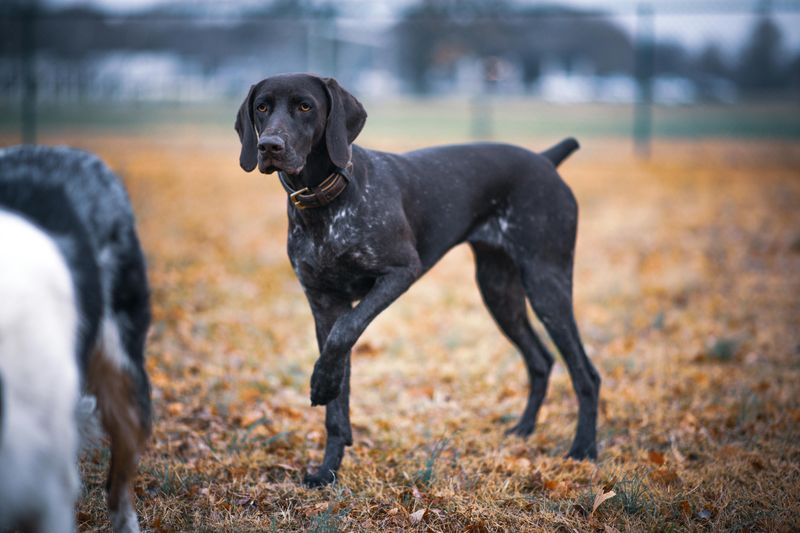
German Shorthaired Pointers are versatile athletes who learn fastest when purpose guides practice. Use pointing games, structured retrieves, and steadiness drills to channel drive.
Keep sessions active, add distance work, and pay with permission to hunt again. Clear criteria plus movement based rewards help them lock in behaviors.
Because they run hot, teach off switches like a long down and relaxed place. Proof recalls against birds, squirrels, and windy days using progressive distractions.
Mental workouts like tracking and nose work satisfy on rainy afternoons. Gentle handling builds trust for nail trims and vet visits.
With thoughtful structure and generous outlets, a GSP becomes a rocket powered student who responds quickly and joyfully.
Border Collie
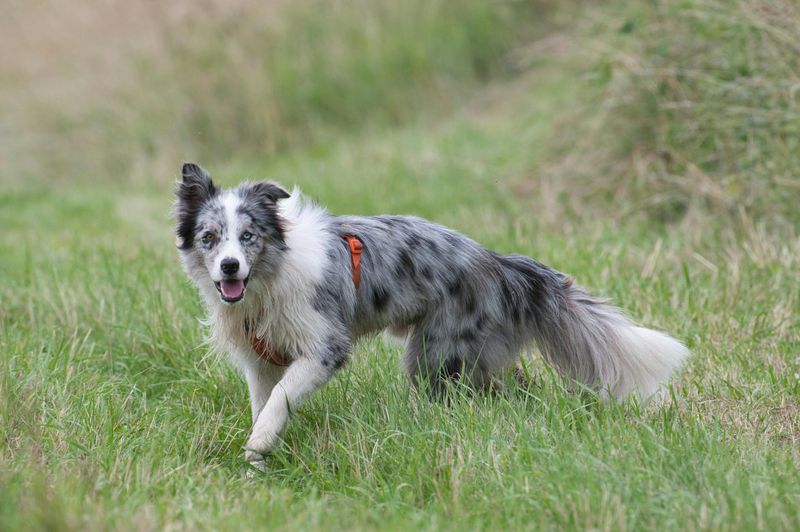
Border Collies redefine quick learning with laser focus and problem solving speed. They thrive on precision tasks, complex chains, and fast reinforcement.
Keep your cues consistent, mark timing sharp, and reward placement thoughtful. Rotate mental challenges like shaping, target work, and scent discrimination to prevent boredom.
Because they are motion sensitive, reinforce impulse control around distractions early. Teach relaxation protocols, settle on a mat, and off switches between reps.
Variety matters, so alternate agility, herding foundations, and trick progressions. Provide decompression with sniff walks to balance that intense brain.
When you pace training smartly and guard against over arousal, you unlock a brilliant partner who seems to read thoughts and execute instantly.
Miniature Schnauzer
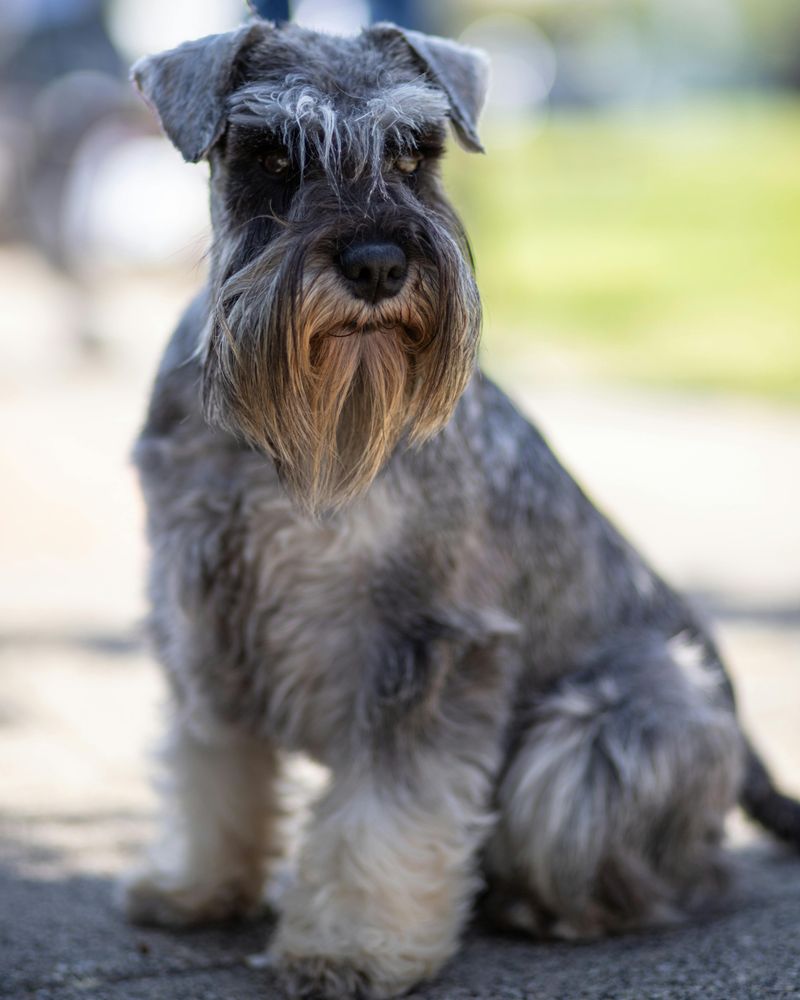
Miniature Schnauzers are spunky, clever, and surprisingly eager to work. They respond best to upbeat sessions with quick rewards and playful challenges.
Shape behaviors in small steps, and you will see rapid improvements without frustration. Use food, toys, and praise, then fade to life rewards like hopping off the curb.
Because they can be vocal, teach quiet on cue and reinforce calm check ins. Practice polite greetings and impulse control at thresholds to curb pushiness.
Grooming time becomes cooperative care training with stand, still, and relax cues. Mix scent games with city walks to tire brain and body.
With consistency and humor, you will have a fast learning companion who brings charm to every task.
Flat-Coated Retriever
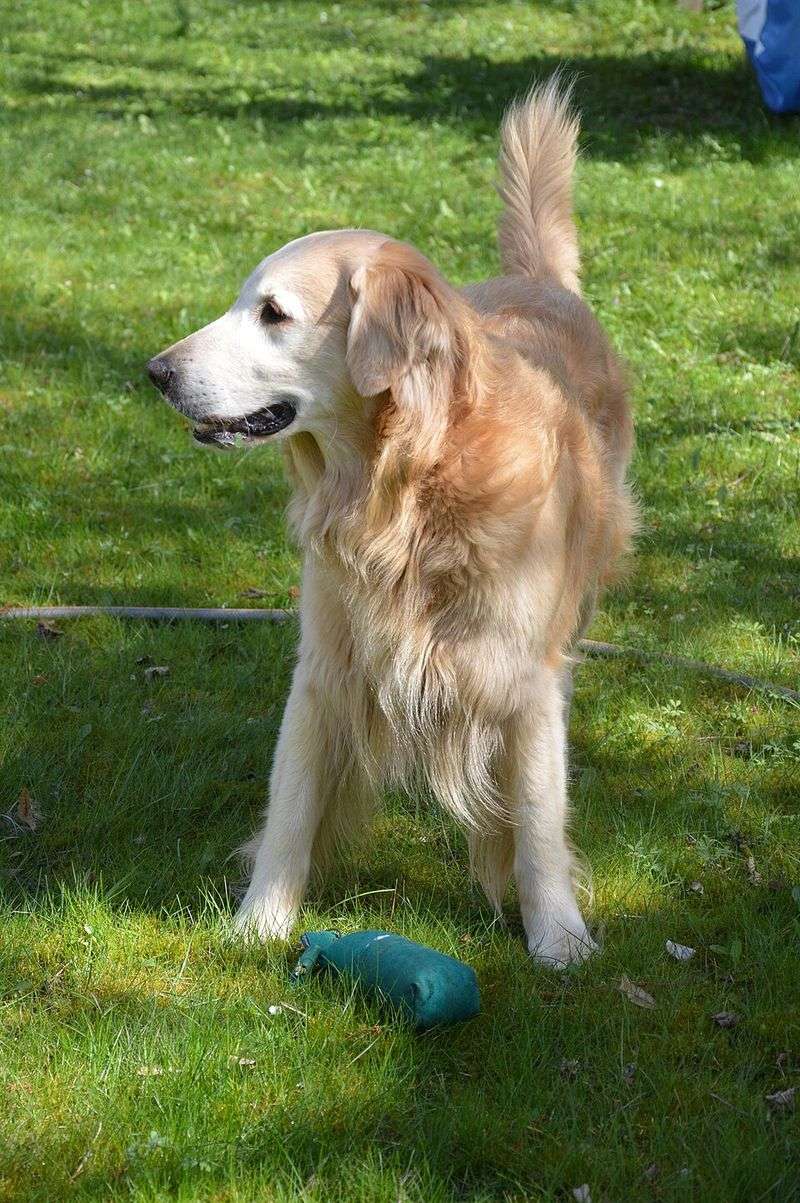
Flat-Coated Retrievers are sunshine in motion, and they learn best through play. They love retrieving, swimming, and problem solving games that turn obedience into fun.
Keep sessions light, use generous praise, and reinforce with another toss. Short, happy lessons help them maintain focus without dampening their spirit.
Because they mature slowly, patience pays off during impulse control work. Teach steadiness before retrieves, polite leash manners, and a rock solid recall.
Rotate activities like dock diving, tracking, and trick titles to satisfy curiosity. Cooperative care for ears and tail helps vet visits stay positive.
With cheerful structure and clear rules, a Flat-Coat transforms into a responsive partner who delivers with a grin and wag.
Afghan Hound
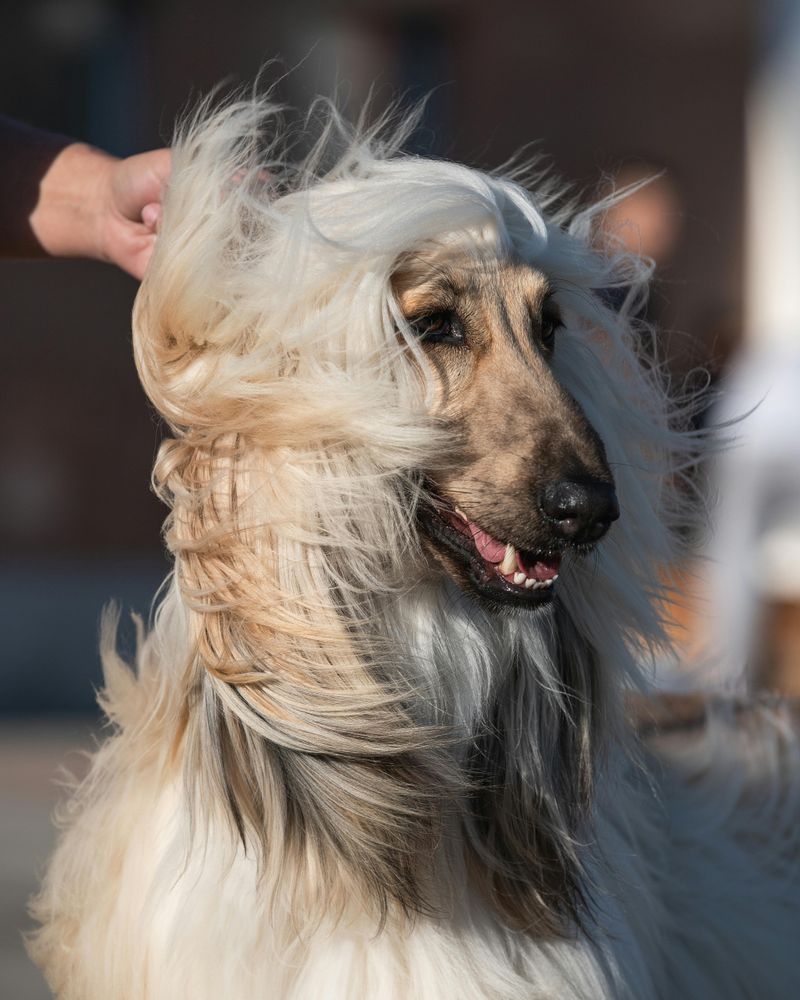
Afghan Hounds are breathtaking and independent, which can stretch your patience. They value freedom and may ignore cues that lack meaning for them.
Keep sessions brief, highly rewarding, and in low distraction spaces at first. Use long lines for safety, and reinforce generously when they check in voluntarily.
Chasing instincts run strong, so recalls need careful layering with irresistible pay. Teach cooperative care slowly, using calm handling and predictable routines.
Scent games and decompression walks help build connection without constant commands. Celebrate small wins and avoid nagging, which they tune out quickly.
With empathy, creativity, and consistency, you will earn moments of brilliance that feel hard won and deeply satisfying.
Basenji
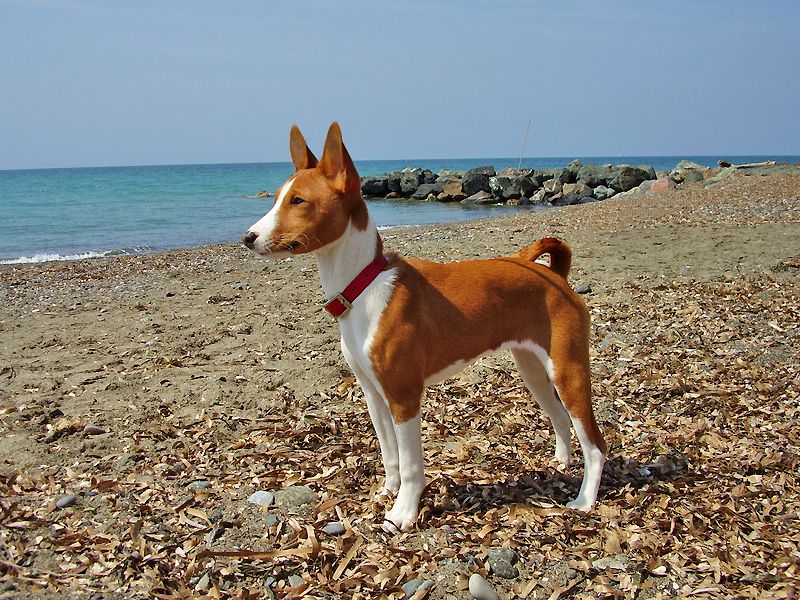
Basenjis are curious, catlike thinkers who often question why before obeying. They bond closely yet protect their autonomy, which complicates traditional drills.
Keep sessions short, scent rich, and highly paid. Use games like find it, chase me, and hand target to make compliance feel like choice.
Because they are quiet hunters, proofing recall around wildlife is essential. Start indoors, then move to fenced fields with long lines and jackpots.
Reinforce calm stillness for grooming and vet care with steady, predictable touches. Puzzle feeders and flirt pole sessions drain energy while building engagement.
With humor, patience, and smart setups, you will shape a Basenji who cooperates more often and surprises you with flashes of genius.
Chow Chow
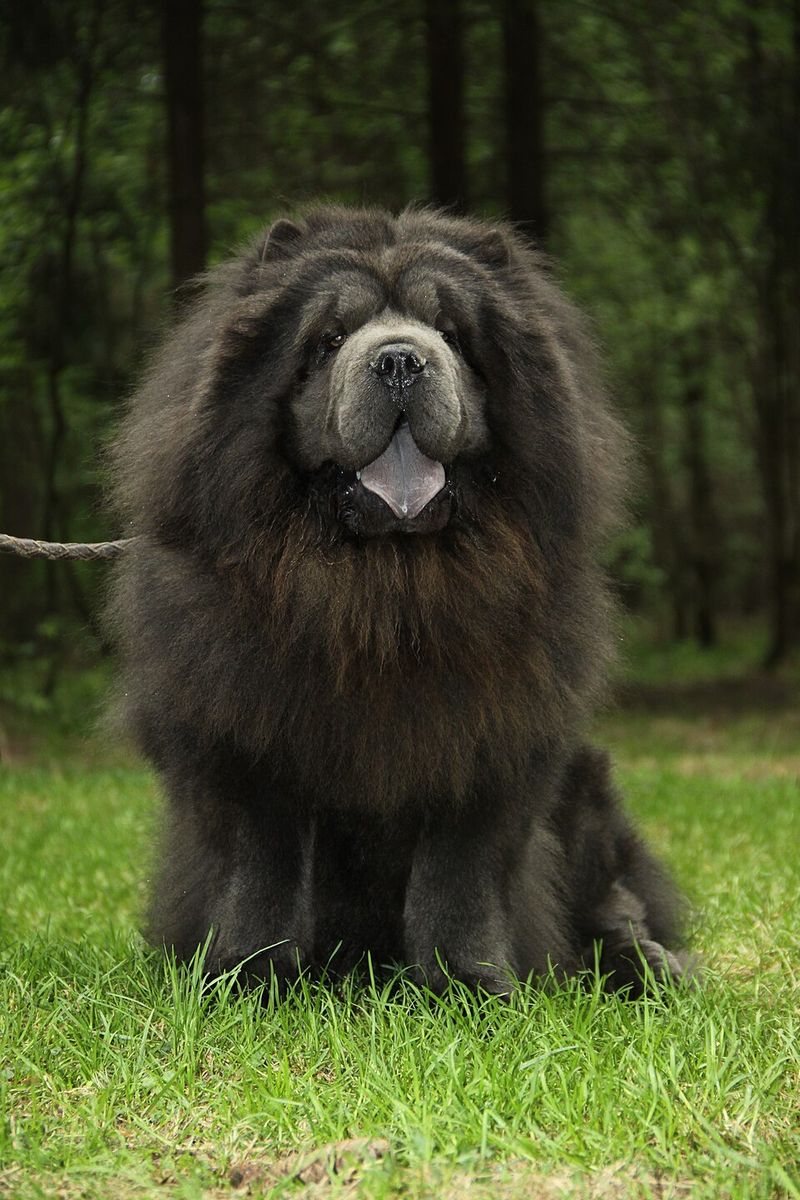
Chow Chows are dignified free thinkers who value routine and respect. They do not rush to please, so clarity and calm consistency matter.
Keep sessions predictable, reward based, and free of confrontation. Teach cooperative care early, pairing handling with treats to prevent conflict during grooming.
Because they can be reserved, focus on confidence building and neutral exposure to new places. Reinforce simple, useful behaviors like touch, sit, and wait at doors.
Use food lures sparingly and transition to calm praise and real life rewards. Short, quiet walks with choice points nurture trust.
With steady leadership and patience, a Chow will meet you halfway, offering thoughtful compliance rather than frantic enthusiasm.