
Dogs rarely write sonnets, but they speak volumes through everyday behaviors. Once you notice their quiet language, your bond deepens in ways that feel simple and magical.
Here are the sweetest signs your pup truly loves you, plus a few red flags you should never brush aside. Let this guide help you understand what your dog has been trying to tell you all along.
Leaning against you
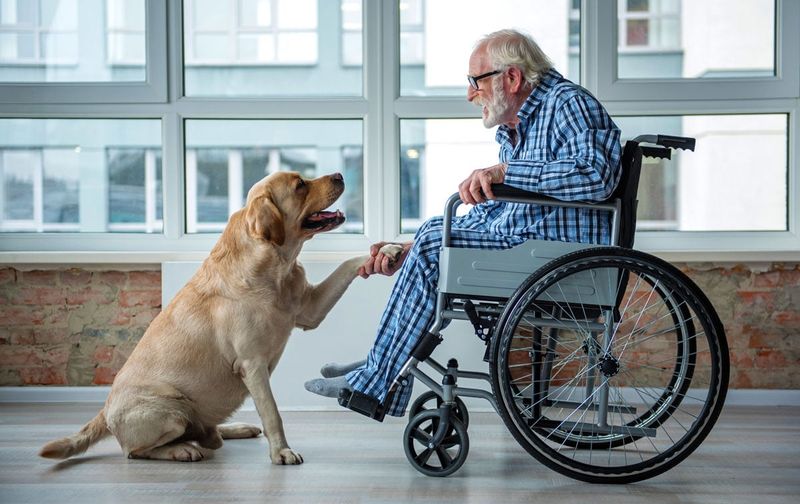
When your dog leans into your leg, it is a sweet trust signal. They are choosing your steadiness over the world around them.
Dogs that feel safe use your body as their comfortable anchor.
If you pause and breathe, you will feel that gentle weight say I am with you. Offer a calm pet, a soft word, and let them settle.
In busy settings, step aside so they can lean without stress.
Leaning can also be a polite request for reassurance during thunder, visitors, or loud traffic. You can acknowledge it with a brief pause, then reward relaxed posture with quiet praise and a treat.
If leaning turns pushy, redirect to a sit, reward patience, and keep boundaries kind so connection stays balanced.
Following you quietly
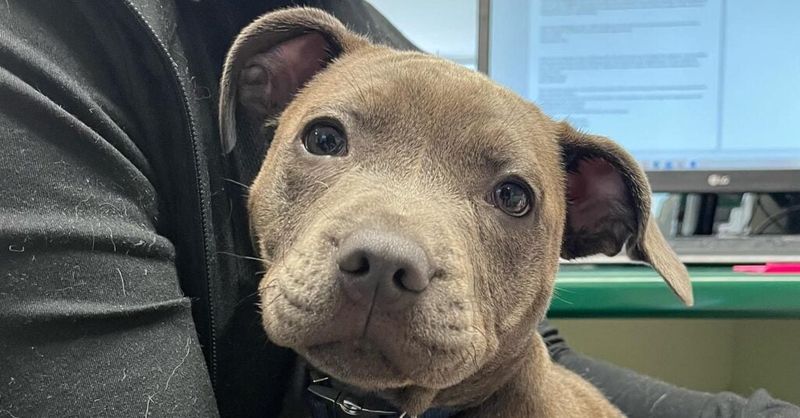
When your dog shadows you from room to room, it is quiet devotion. They are not being clingy for fun, they are practicing companionship.
Following becomes their way of checking the world is still safe with you in it.
Notice the soft footsteps and curious glances. Offer a reassuring smile or word, then go about your routine with calm confidence.
Your steadiness teaches them that togetherness is normal, not urgent.
If following seems anxious, build independence with short, positive separations. Scatter a snuffle mat, cue a stay, and return before worry escalates.
Repeat in tiny steps so your dog learns you always come back, and following transforms from fretful habit into easy, affectionate presence.
Bringing you toys
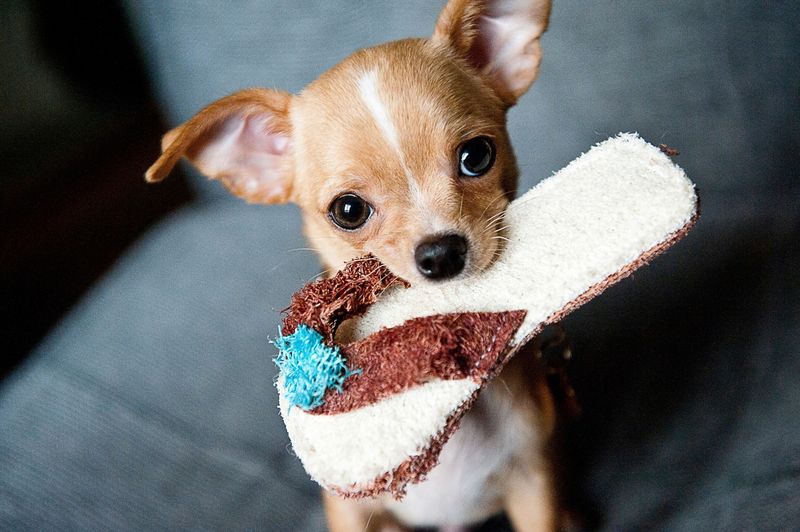
When your dog delivers a slobbery toy, it is more than play. They are sharing valued treasure and inviting connection.
You are being trusted as a partner in fun and problem solving.
Accept the gift with enthusiasm, even if you redirect to a gentler game. Trade for treats to practice polite drop it skills.
Celebrate the impulse to share rather than hoard.
Toy gifting can also be a stress reliever after excitement or visitors. Keep a basket handy and rotate options to keep curiosity alive.
If the offering becomes frantic or nonstop, use structured games with clear start and finish cues, teaching that joy has rhythm and rest is part of love.
Soft eye contact

Warm, relaxed eye contact tells you your dog feels safe. The eyebrows soften, blinks are slow, and the face stays loose.
Those eyes whisper trust without a single bark.
When your dog looks up, breathe and blink slowly back. Speak softly and keep your body language calm.
This is a moment to reassure, not to crowd or overexcite.
Avoid staring hard, which can feel like pressure. Instead, think of eye contact as a conversation with pauses and smiles.
Pair these looks with gentle petting and occasional treats so your dog learns that meeting your gaze predicts comfort, not stress, building a beautiful feedback loop of connection.
Sleeping near you
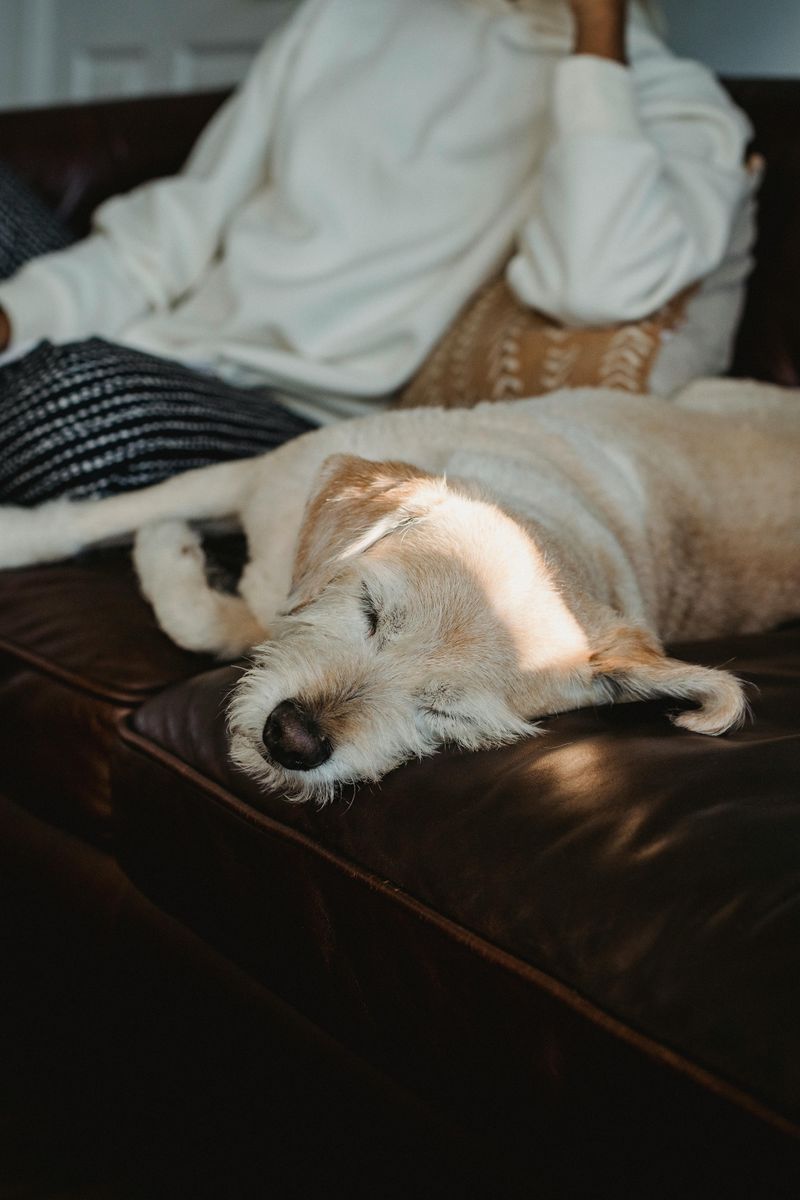
Where a dog sleeps says everything about trust. Curling near your bed, couch, or desk means you are their safe harbor.
Your heartbeat, scent, and routines create a soothing nightlight for their mind.
Let them rest undisturbed when they finally flop down. A soft blanket or bed by your side tells them they belong.
Boundaries are still okay, but comfort can live inside them.
If sleep seems restless, review evening routines. Offer a calming walk, quiet chew, and dim lights before bedtime.
Consistent cues help your dog drift into deeper sleep, waking more refreshed and affectionate because the night felt predictable and close to you.
Checking on you constantly
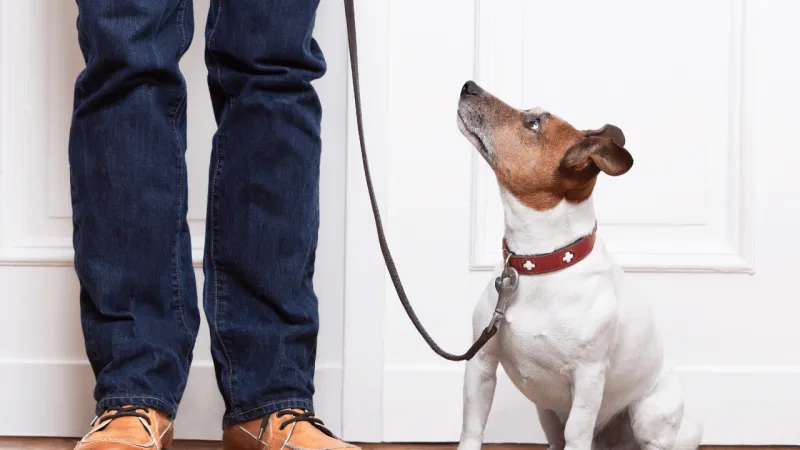
Quick check-ins are sweet love notes. Your dog does a loop, finds you, sniffs the air, and moves on.
They just need confirmation that the pack is intact.
Acknowledge with a nod, a smile, or a brief scratch. Then let them resume their patrol without turning it into a production.
Your calm response teaches that everything is fine, and their job is easy.
If check-ins escalate into agitation, reduce confusion in the home. Close a few doors, use baby gates, and anchor routines at predictable times.
Give a sniffing game or comfy resting spot so your dog can relax, knowing their favorite person is exactly where they should be.
Tail wagging during greetings
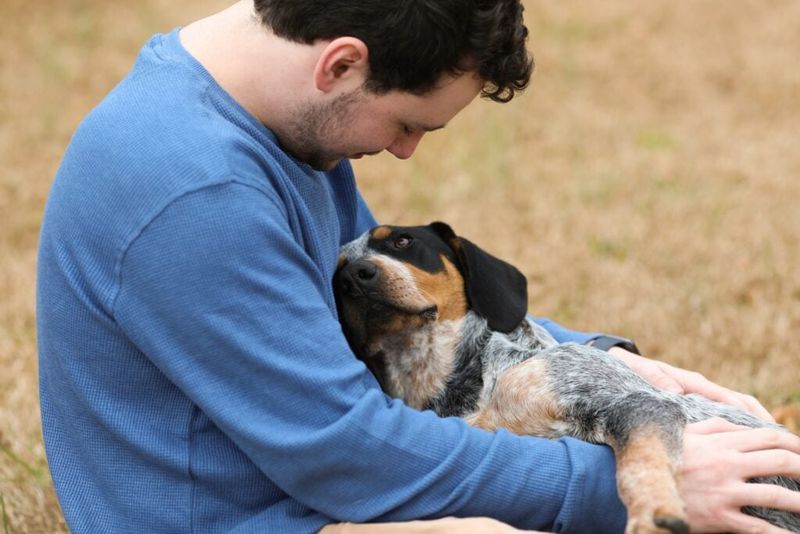
A loose, sweeping wag during greetings is pure delight. Look for the full-body swish, soft mouth, and wiggly hips.
That combination means happiness, not just arousal.
Match the vibe with calm joy. Kneel sideways, let them sniff, and offer a sit before petting.
You keep excitement friendly and safe by adding simple manners to the reunion.
Not every wag is happy, though. A high, tight, fast wag can signal tension.
Read the whole picture, then guide your dog toward relaxation with space, slow breathing, and simple cues that earn praise. The goal is a greeting that says I missed you while staying thoughtful and polite.
Relaxing completely around you
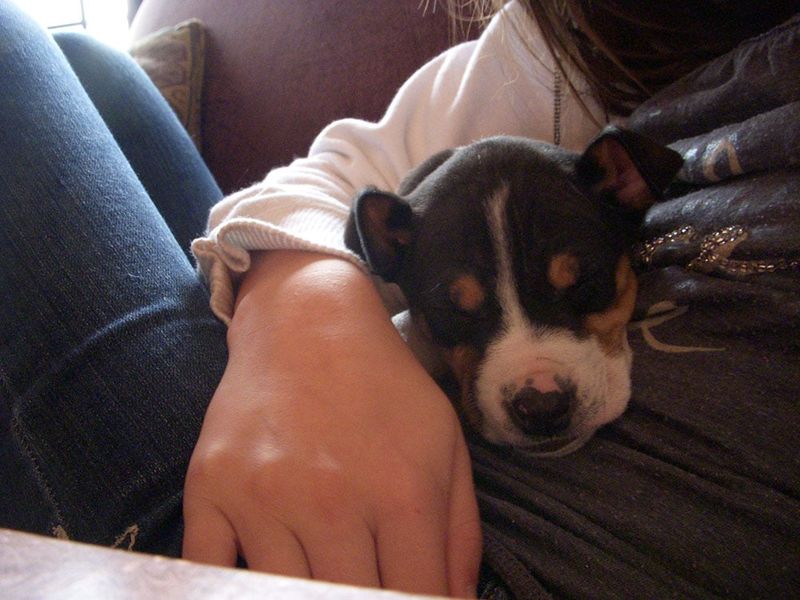
When a dog flops on their side or shows their belly near you, it means deep comfort. Muscles melt, breathing slows, and worries fade.
Your presence is the off switch.
Honor that trust by keeping the environment gentle. Pet slowly or simply watch them dream.
Not every belly needs rubbing, but every calm moment deserves respect.
Build more of these melt sessions with regular exercise, enrichment, and predictable routines. Tired minds relax faster, and your steady energy seals the deal.
Over time, your dog will seek you out for the best naps because resting beside you always ends in safety, not surprise.
Resting their head on you
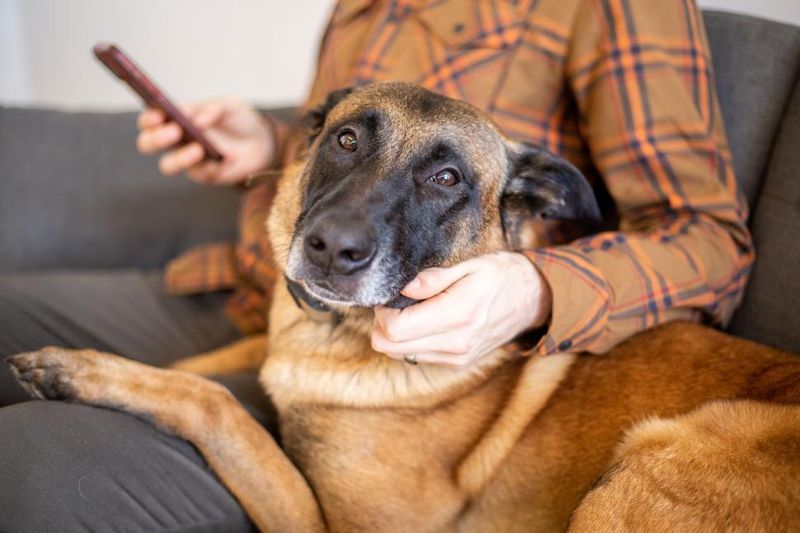
A gentle head on your knee is a love letter in silence. It blends affection, trust, and a tiny request for attention.
You become the pillow that steadies their world.
Pause, breathe, and offer a calm scratch behind the ears. Whisper a kind word and let the moment linger.
There is no rush when hearts are syncing.
Head resting can also signal fatigue or mild soreness. Keep the session quiet, maybe offer a soft chew or water.
If head placement becomes unusual or paired with discomfort, check in with your vet. Most times, though, it is pure closeness you can cherish anytime.
Sudden withdrawal
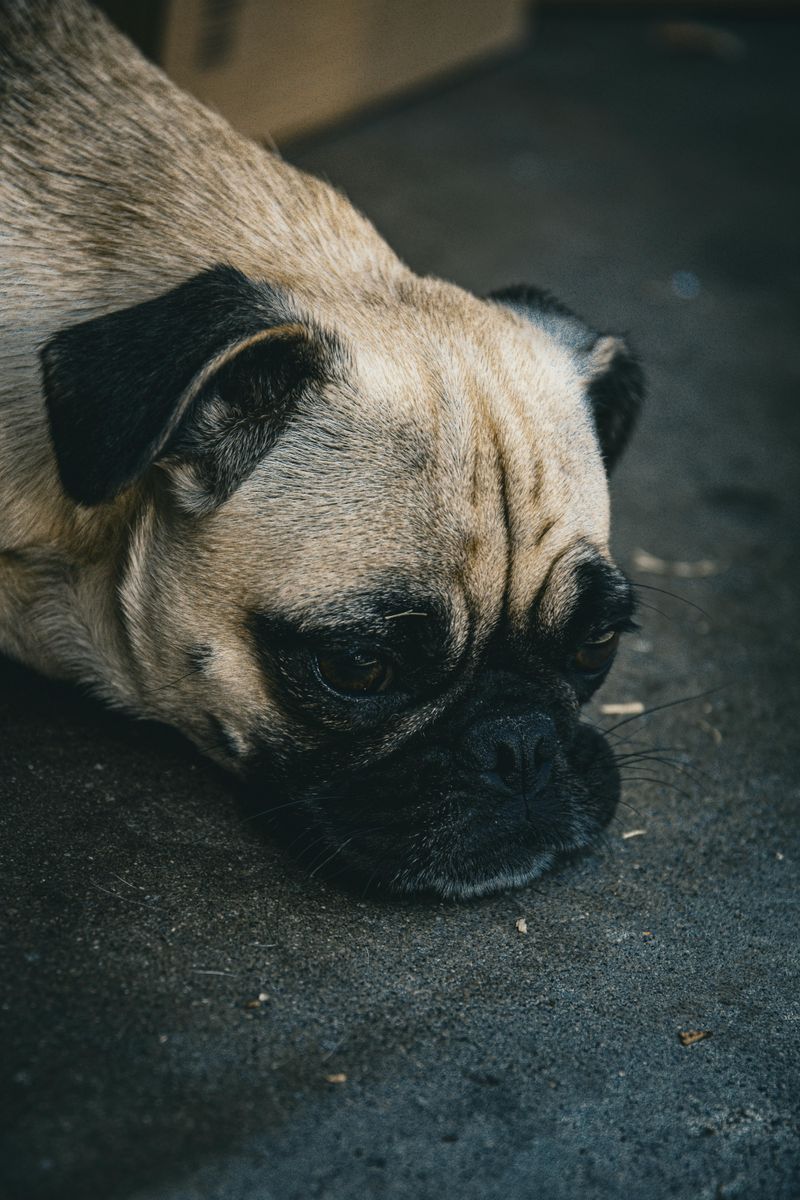
When a typically affectionate dog pulls away suddenly, pay attention. Avoidance, hiding, or skipping greetings can signal pain, stress, or brewing illness.
You are seeing a change in the baseline, and that matters.
Check for patterns around new foods, visitors, or noises. Keep interactions soft and avoid pressure.
Note appetite, sleep, and bathroom habits for your vet.
If withdrawal lasts more than a day or accompanies yelps, stiffness, or pacing, call the clinic. Pain often speaks in silence before it shouts.
Early evaluation can prevent small problems from becoming emergencies, and your calm advocacy can bring your friend back into the circle of comfort.
Aggressive reactions out of nowhere
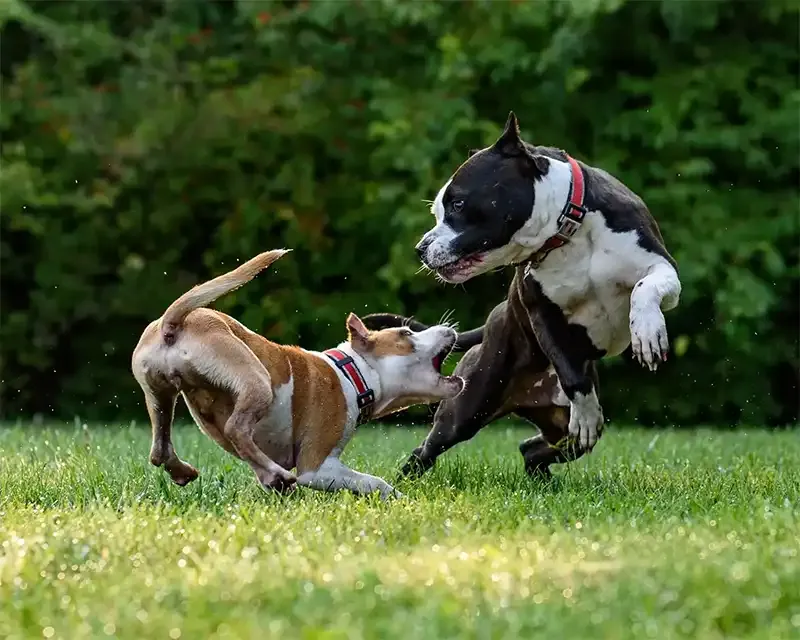
Growling or snapping with no obvious trigger is a red flag. Sudden aggression can stem from pain, fear, resource guarding, or neurological changes.
Your job is to keep everyone safe and gather information quickly.
Do not punish growls. They are a crucial early warning system.
Create space, secure the environment, and note what just happened.
Contact your vet first to rule out pain or medical issues. Then consult a certified trainer or behavior professional who uses humane, evidence-based methods.
Together you can build management strategies and gradual behavior change, restoring safety and trust without risking escalation.
Loss of appetite for multiple days
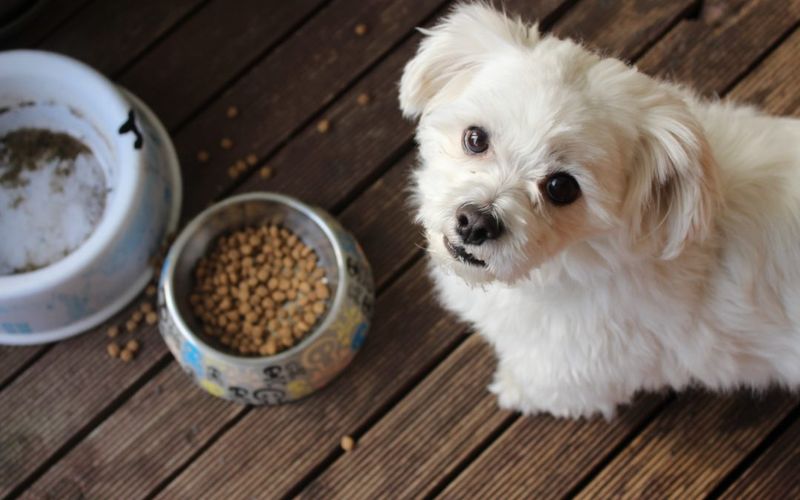
Skipping a single meal can happen, but multiple days without normal eating is serious. Appetite changes often signal dental pain, gastrointestinal upset, infection, or other medical issues.
Your dog cannot explain it, so the bowl tells the story.
Track water intake, energy levels, vomiting, diarrhea, and bathroom habits. Offer bland vet-approved options only if advised.
Avoid maskers that hide symptoms without addressing causes.
If your dog misses more than 24 to 48 hours of meals, call the vet. Small dogs, seniors, and puppies are at higher risk of complications.
Early care preserves strength, eases discomfort, and helps your friend return to tail wags and comfortable naps beside you.